SUPPORT COPY: Your March 2026🐬 Mosquito Lagoon & Indian River Fishing Report
Published: Sun, 03/01/26
Updated: Sun, 03/01/26
Mosquito Lagoon and Indian River Fishing
Newsletter Issue # 200
March 1, 2026
Mosquito Lagoon and Indian River:
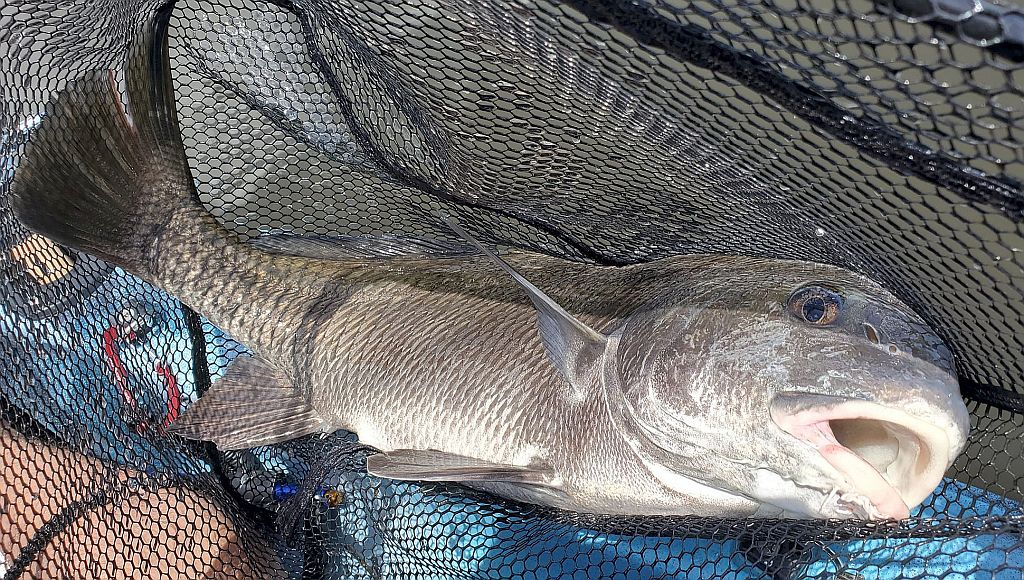
Since the cold front, the bite in the Mosquito Lagoon and Indian River has been pretty good for black drum, sheepshead, sea trout and redfish.
The freezing weather we experienced in East Central Florida a couple weeks ago lowered water temperatures in the lagoon system and cleared up the water for some great sight fishing, however, in many areas it was also responsible for killing a lot of snook and tarpon.
.
The redfish and black drum bite in the Mosquito Lagoon just before the front hit was a little bit slow but several nice schools of drum were found by anglers poling along the flats in the south and middle sections of the lagoon. Live shrimp and cut baits were baits of choice on these fish.
The warming trend we have been experiencing for the past week or so is gradually raising the water temperatures into the 65 to 66 degree range which will greatly improve the bite for all our inshore species. With the relatively consistent weather conditions forecast for the next couple of weeks, the bite along the Space Coast should significantly improve
As of this post, the black drum and redfish are still schooled up in the Mosquito Lagoon but they are very spooky. Tolling motors are out definitely out of the question with poling as the best option to get up on a school. Using lighter tackle with long casts is suggested when targeting these fish.
Some of the schools we encountered are mixed drum and redfish. Live baits are generally working better than artificial baits right now but plastic DOA Shrimp and Creme Paddletail baits have been producing well around the schools, especially when smeared up with some lasting scent like Pro-Cure Inshore formula gel.
Heavyweight oversize black drum will be staging around Brevard's causeways in the Indian and Banana River lagoons this month. Look for them among the pilings and sunken structure in deeper areas of the lagoon particularly where there is an abundance of crabs, shrimp, or oysters.
East Central Florida anglers can expect to catch drum in the 20 to 40 pound or more category in these areas especially at night or during low light conditions with whole, or half of a fresh blue crab as the bait of choice.
Although bank fishermen have access to oversize black drum around the bridge pilings and deep water docks in our area, the best way to ensure
landing one of these brutes is fishing from a boat with stout tackle.
One ounce sliding sinker rigs with 6/0 circle hooks on 50 pound fluorocarbon leaders tied to at least 50 pound Power Pro or other braid to minimize break offs is a good setup to use around bridge pilings. It pays to have a couple of
lighter rigs on board for mangrove snapper and smaller slot size drum.
Black drum in the 30 to 60 pound class normally spawn in the 3 to 6 foot deep flats of the north Indian River and Mosquito Lagoon this month. Most Indian River drum caught in these deeper flats have been running in the 30 to 50 pound category.
Cut blue crab, select jumbo shrimp, fiddler crabs, sand fleas, or any live crustacean will catch drum and redfish. A large live shrimp on a jig head pulled slowly along the bottom works really well to locate them.
The mud flats along East Gator Creek (Click on pic below) generally hold small pods of black drum, often mixed with small "rat" redfish. During the late afternoon hours you can occasionally see them pushing wakes tight along the bank within easy casting range. Most of the drum caught in this area and around Catfish Creek are in the 16 to 24 inch category, with a few well over
that size.
Although most bank fishermen use live shrimp on a sliding sinker rig, a freelined shrimp with a small split shot is deadly when you can sight cast them.
The snook bite along the Space Coast is usually quite productive in our area however this last cold front put the ones that survived the temperatures in a state of shock.
The key to success is finding areas with a mix of
deep water, shallow water, and structure that blocks the wind and provides choke points that predatory fish can use to ambush bait fish or shrimp.
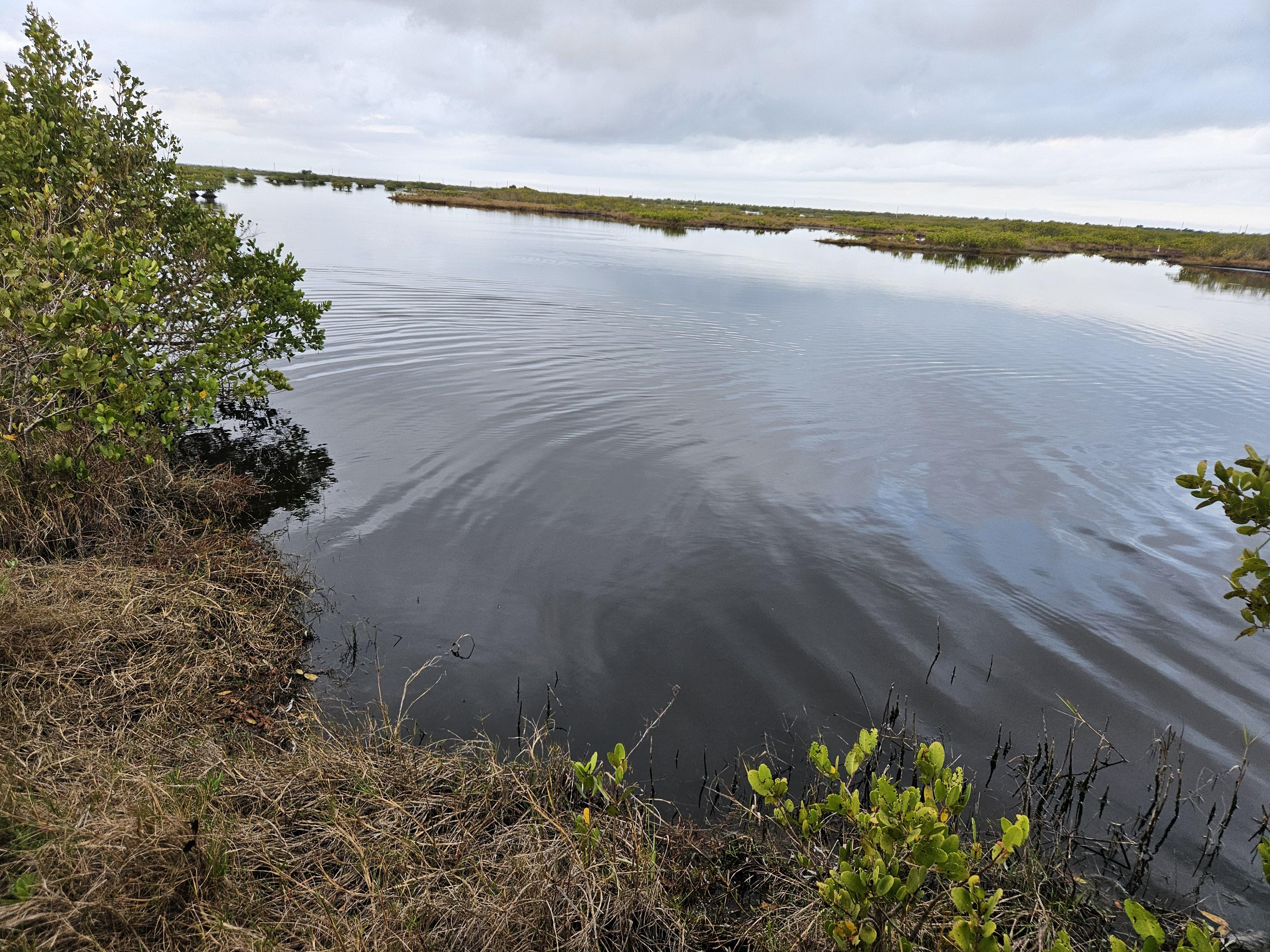
The Thousand Islands Conservation Area in Cocoa Beach.has many areas that satisfy these conditions and has tons of smaller sea trout, redfish and snook. Because of the shallower
water in this area, shallow draft technical skiffs, kayaks, and canoes are the best way to access fish on the flats.
The fish have been congregating around ambush points near schools of baitfish in shallow waters and close to the mangrove roots. Freelined jumbo shrimp have been working best on these fish. A frisky
live shrimp tipped on a jig head will also produce good results on black drum as well as snook, slot redfish, and larger sea trout if they are in the area.
The deeper waters along the mangrove drop offs will normally hold snook, smaller to slot size sea trout, and sheepshead that feed on the barnacles growing on the mangrove
roots.
Skip casting dark colored Tsunami 3.5″ paddle tail baits, D.O.A. jerkbaits, 3 1/2" paddle tail baits on 1/8th oz. jig heads, or 5" jerk shads on 1/8th oz. weedless hooks is a good way to get hookups when the fish are tight under the mangroves.
Peeled shrimp and sand fleas will usually get you a hookup on the sheepshead if they're in the area.
When the baitfish start coming into the lagoon system later in the month, expect the topwater bite to start picking up
for big female speckled sea trout.
As far as lure size is concerned; 3″ and 5″ baits work well but the larger fish go for larger baits.
Lone gator sea trout can usually be found following the bait pods and are frequently found swimming
among the schools of redfish and black drum that cruise the ledges adjacent to the shallower flats.
Live croakers, pinfish, fingerling mullet, and jumbo shrimp are all great baits for large gator trout, especially when fished under a noisy Cajun Thunder type float.
Sheepshead are still plentiful around the bridge pilings, sea walls, coquina outcroppings, and rocky jetties in our area and you don't
need fancy tackle to catch them.
Most anglers fish for them with single hook dropper loop bottom rigs made of 20 pound fluorocarbon and a 1 or 2 oz bank sinker, with a loop knot above the weight and a sharp No. 1 or No. 2 hook. Fishing the rig just off the bottom around structure keeps tension on the line and allows you
to feel even the slightest bite.
Playalinda and Area Beaches:
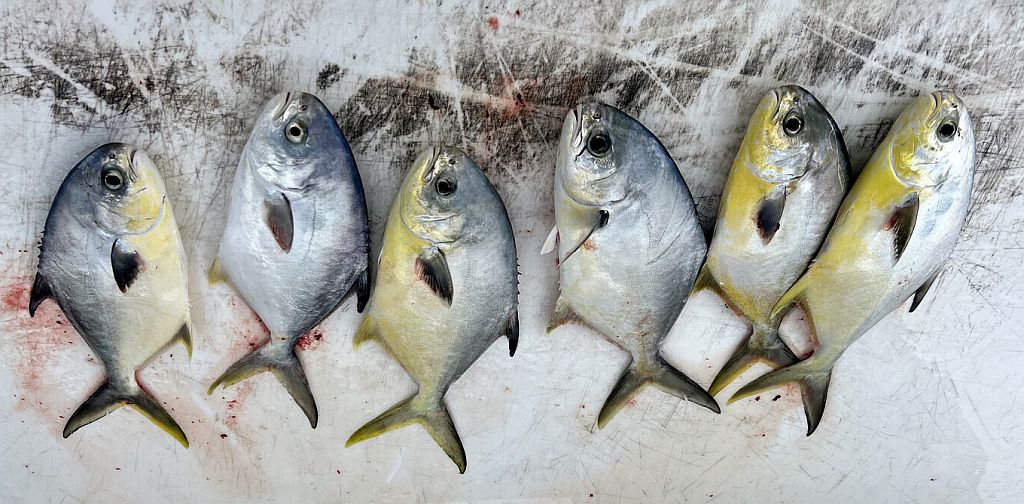
Surf fishing along East Central Florida beaches during March is usually steady with plenty of "puppy" black drum, whiting, pompano and palometa showing up in the troughs. The catch is accompanied with baby sharks and bluefish which adds some variety to the bag.
After the cold fronts rolled
through a couple of weeks ago and the water in the surf warmed up a bit, local surf anglers have been catching lots of small whiting, black drum, and baby pompano along with a few keeper black drum and pompano in the mix.
From Playalinda Beach down to Indian Harbour Beach the pompano seem to be running in the first and second troughs.
The cuts in the sandbars near the Minutemen Causeway and Satellite Beach have been producing some decent fish. You do not need to cast to the horizon in these areas. The best catches have been coming from the first troughs, about 10 to 20 yards out to the second trough; about 40 to 60 yards out.
Casting into the white water wash where the waves are breaking over the sandbars is where the sand fleas are being dislodged; and where the pompano and whiting are feeding.
Double drop pompano rigs with orange,pink, or chartreuse float beads with live sand fleas or Fishbites and a small piece of peeled
frozen shrimp have been producing on most fishable days. A few anglers reported that clam has been working well on occasion, regardless it pays to bring along a variety of bait.
Farther out from the beach, anglers are catching some mackerel, bluefish, spinner sharks, and black nose.
Anglers targeting sharks this month will find a lot of blacktips in the surf.
Fresh chunked baits, live baits, and fresh shrimp are all good baits for smaller blacktips.
For larger sharks most anglers have been using large chunks of bonito or other fish carcass and stingray wings for bait. Wire leaders, large circle hooks, and stout tackle are the norm for sharks.
When fishing for sharks from the beach; remember to complete the free FWC land based shark course and carry the permit on your person.
To get the permit, you need to take an educational course at MyFWC.com/SharkCourse which consists of a quiz and some educational videos. After you create an account and pass the test, (which you can re-take if you fail) your certificate will have an ID code unique to you.
Port Canaveral Nearshore and Offshore:
March
Madness is here again at Port Canaveral, so lets bring on the cobia!
Although cobia are caught all year round in our area, March is when the cobia migration peaks along our beaches.
When water temperatures get into the 70 degree mark, the manta rays will start to appear in greater numbers nearshore, often shadowed by cobia.
This is when many anglers sight fish free swimming cobia close to shore. All you need is relatively clean water, sunny skies, and a high
platform to spot them.
Cobia can be found following manta rays, turtles, sharks, and around almost any floating debris, free swimming in open water, or on any type of structure offshore. Both cobia and tripletail like to hang around the marker buoys, weed lines, and other floating structure out of Port
Canaveral.
Cobia are usually not very picky eaters, but they can be finicky. You can catch them on bucktail jigs, plastic baits, live bunker, pinfish, mullet, live eels, live jumbo shrimp, whole squid, and combinations of these baits. Some days they will eat anything, and some days they develop lockjaw will
snub their noses at everything you throw.
A light tipped 7 foot medium action rod with enough backbone to stick the hook, a 40 pound Power Pro or other brand braid, and a 50 pound leader with an 8/0 circle hook, is all you need for cobia.
Offshore, bottom fishing boats out of Sunrise Marina at Port Canaveral this month are already pulling some nice cobia over the rail.
The bottom bite in March out of Port Canaveral is usually good to excellent for triggerfish, mangrove snapper, lane snapper, vermillion, and mutton snapper. Bottom droppers generally fish sliding
sinker or chicken rigs with squid, sardines, pilchards, and live or chunked reef fish as baits of choice.
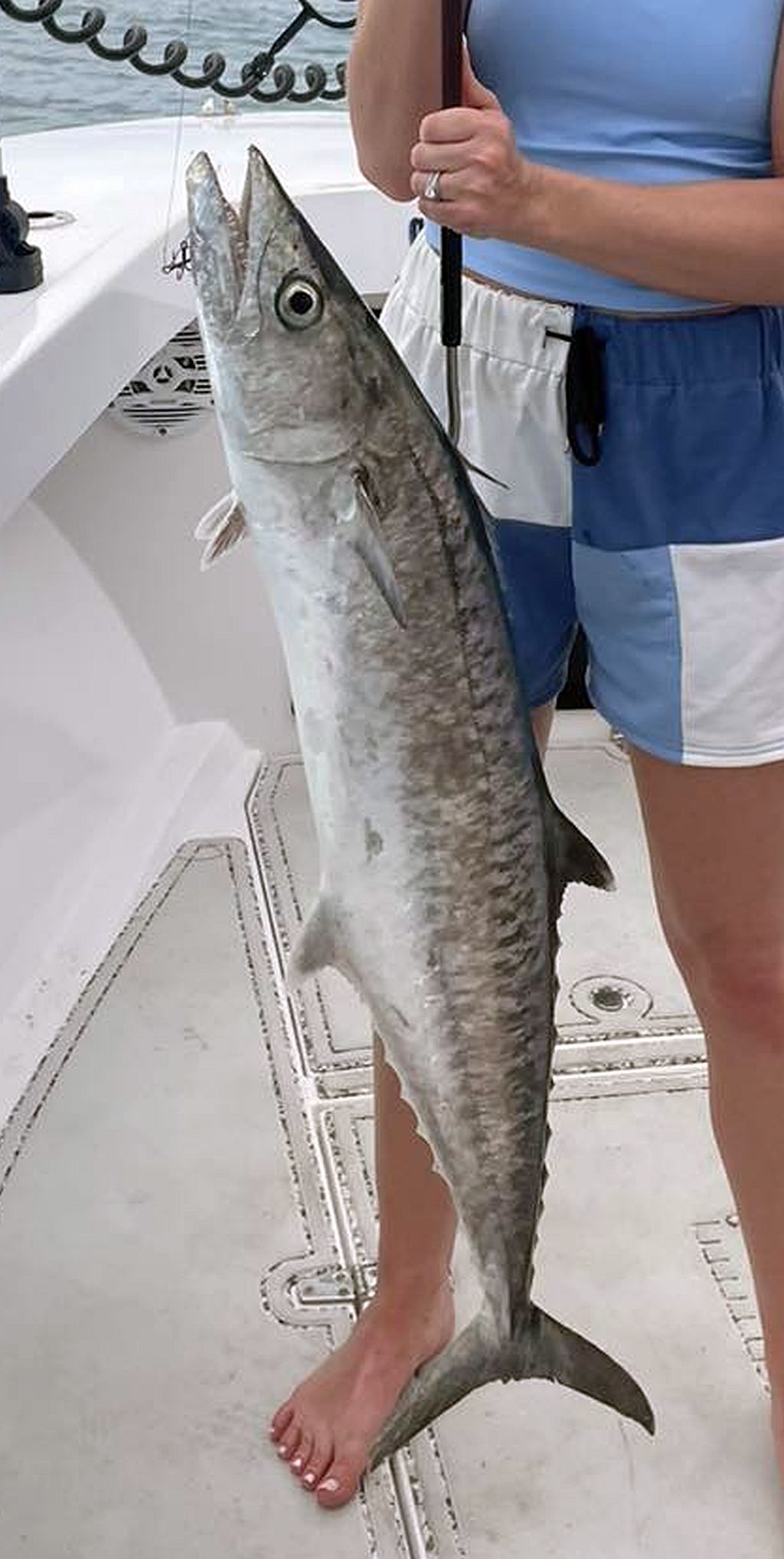
The Kingfish bite out of Port Canaveral is usually good to excellent throughout the year. Some days they are on the reefs in good numbers, and other days they are ghosts.
On good days you can expect Pelican, 8A, and other area reefs to produce decent kingfish and occasionally a cobia or two on slow trolled live baits. The 70 to 90 foot reefs will also have some mahi on them as the month progresses.
Although Pelican and 8A often hold some big king mackerel, most of the kings this time of the year are running around 10 pounds.
Nearshore trolling along our beaches this month will be
good for bluefish and Spanish mackerel, especially as the waters continue to warm up. Small silver spoons, diving plugs, jigs, and live baits all work well.
Offshore anglers venturing to the gulfstream can expect to hook into mahi, wahoo, blackfin tunas, sailfish, king mackerel, and yellowfin tuna.
High speed trolling will usually pick up some nice wahoo on large dark colored lures. Smaller baits will usually produce good numbers of dolphin and blackfin tuna.
SHRIMPING:
Shrimping along the sea walls, channels, and bridges in East Central Florida has been ramping up for the past few weeks and is expected to get better this month. .
The railroad bridge, A. Max Brewer Bridge fishing piers, and Haulover Canal has been producing some extra large to jumbo shrimp on a
regular basis.
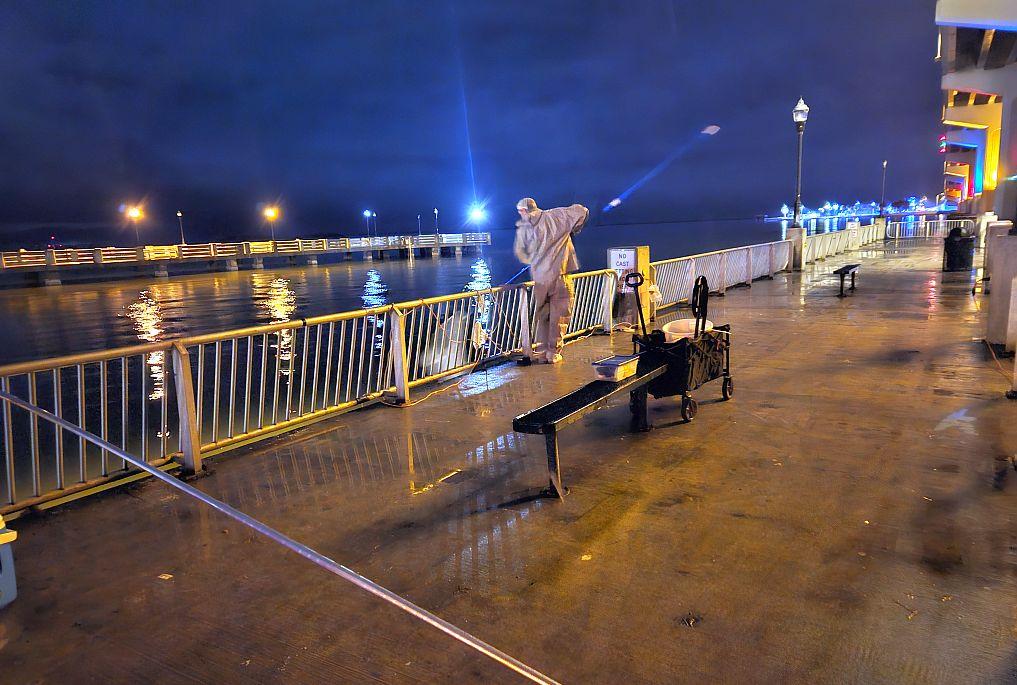
Dip netters and cast netters along the sea walls at the fishing pier in Titusville have been picking up some nice size white shrimp up to the jumbo category with many reporting "full pulls" or limit buckets.
The shrimp netted at the fishing piers, Haulover Canal, and the Railroad bridge are land locked and are much larger than those in the Mosquito Lagoon Oak Hill and Edgewater areas. The water salinity is 32ppm and the shrimp think they are in the ocean. Since they are not constantly migrating, they grow to be quite large
The guy in the video below picked up 3 to 4 dozen shrimp while I was talking to him the other night. Most were in the xlarge to jumbo category
.
All you need to harvest them is a dip or cast net and
insomnia.
Dip netters put out green or dull colored lights that keep the shrimp swimming up higher in the water column from the bottom; making them easier to spot and net. Bright lights cause the shrimp to swim around the bulbs.