SUPPORT COPY: Your February 2026🐬 Mosquito Lagoon & Indian River Fishing Report
Published: Sun, 02/01/26
Updated: Sun, 02/01/26
Mosquito Lagoon &
Indian River
Fishing
Newsletter Issue # 199February 1, 2026
Mosquito Lagoon and Indian River:
Water levels in the Mosquito Lagoon are pretty low and the water is crystal clear in most areas which makes for some grerat sight casting.
The blast of arctic air that moved into Central Florida this past week had a definite affect on the bite in the shallow waters of the Mosquito Lagoon and northern section of the Indian River. The fish are chewing but they are hard to catch.
The snook bite in particular
from north of New Smyrna Beach, all the way down past Melbourne, Fl. was put in a state of suspended animation by the freezing temperatures, however, at the date of this post, the bite is already picking up.
Snook, sea trout, and some redfish have moved into deeper waters where they will remain until the water temperatures began to
warm up again. The fish holding in these deeper waters are somewhat concentrated and can be caught on lighter tackle with live baits and small scented soft plastic baits. The trick to success in these areas is to fish artificial baits very slowly.
Although the water temps in the northern Mosquito Lagoon and Indian River were
in the 57 to 59 degree range, todays water temperature is in the 64 to 65 degree range where it will hopefully remain until this report is posted. This warming trend should improve the bite for all of our Central Florida inshore species..
Redfish, sea trout, black drum and snook usually feed heavily after a cold front passes
through the area and are often found cruising the deeper, mangrove covered shorelines. Skip casting a live shrimp, a dark colored Tsunami 3.5″ paddle tail bait, D.O.A. jerkbait, 3 1/2" paddle tail bait on a 1/8th oz. jig head, or topwater baits like the Badonk-A-Donk is a great way to get hookups when the fish are tight on the bank under the mangroves. Dark green or brown colors with a red or gold flake have been the best producing plastic baits.
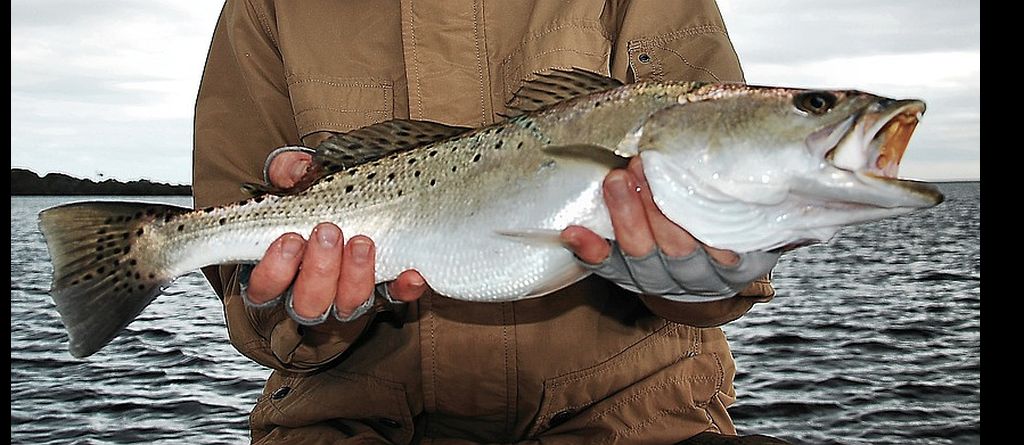
Many local anglers target gator size sea trout during the winter months and February is arguably one of the best months fo fish for them.
In the Mosquito Lagoon during the late afternoon hours, gator size sea trout can often be found mingled in with the schools of black drum and redfish that are often meandering around the eastward facing ledges adjacent to the shallower flats.
Live shrimp, fingerling mullet, and
cut baits work best in these scenarios. In fact a frisky live shrimp tipped on a jig head will always produce good results on snook, slot redfish, and larger sea trout if they are in the area.
During windy days, look for gator size sea trout on the lee side of the clinkers, in the sloughs, and sheltered troughs where they
stage to ambush an easy meal. A pinfish, croaker, mullet, or jumbo shrimp fished under a noisy popping cork is hard to beat for catching large sea trout in these areas.
During the warmer days in betweeen the cold fronts, large see trout will often stage close to their winter potholes where they seldom move more than a
short distance to grab a meal. Stealthy accurate presentations with lighter tackle are necessary for these fish.
This week we are looking at 25 degree night temperatures which will cause a lot of under slot sea trout to stack up in the deeper holes, residential canals, channels, and sloughs. Slowly presented live baits,
small jigs, and plastic swimbaits all work well on these fish.
February is when sheepshead mania peaks along the Space Coast.
Large schools of sheepshead
congregate on nearshore structure to spawn during the winter months which makes them easier to find.
If you can locate some rocky, craggy, reef like structure around clean deep water this month, you will probably find some sheepshead. Bridge pilings, sea walls, rocky jetties, coquina outcroppings, and shallow
water near shore wrecks and reefs are all likely areas that can hold sheepshead this month.
Surf anglers targeting sheepshead should head to beaches with extensive reefs like those around Satellite Beach at Patrick Space Force Station. Bank fishermen can find them at Ponce Inlet, Jetty Park at Port Canaveral, Sebastian Inlet State Park, and around any bridge piling. The fishing piers at the A. Max Brewer Bridge, the docks behind the condos in Titusville, the
pilings at the railroad bridge, and the bridge fenders at Haulover Canal are also productive areas to target sheepshead.
A single hook dropper loop bottom rig made of 20 pound fluorocarbon and a 1 or 2 oz bank sinker, with a loop knot above the weight and a sharp No. 1 or No. 2 hook.is a good rig to use from a boat, pier, or sea
wall. The "chicken like" rig keeps tension on the line which allows the angler to feel the slightest bite, and the rounded edges on the bank sinker minimizes snagging.
Many sheepshead anglers just use a long shank #2 hook with a small split shot about a foot above the hook on three feet of fluorocarbon
leader to catch these bait stealers.
The preferred bait for sheepshead is a small or medium size sand flea or small fiddler crab. Larger baits are more easily picked off the hook by these notorious bait stealers whereas a small sand flea or fiddler is often taken in one bite; hook and all.
Inshore, the black drum are still around in the Mosquito Lagoon in very good numbers. Last week one of the charter captains in our area reported a large school of 800 to 1,000 black drum on one flat. The fish were eager to bite on live and fresh dead shrimp but the next day, they developed lockjaw and refused almost everything that was being tossed to
them.
Black Drum in the 20 to 60 pound class can be found in the 3 to 6 foot deep flats in the north Indian River and the Mosquito Lagoon this month in preparation for the spawn. Most spawning fish in the Indian River flats are in the 30 to 50 pound class.
In the Mosquito Lagoon, you can usually find black drum schools cruising around Cucumber Island and the flats along Bio Lab Road in the southern end.. Up north, the schools can be found around the deeper dropoffs and deep water areas between Tiger Shoal and George's Bar. The drum in this are in the 25 to 50 pound class, with most fish between 25 and 30 pounds.
Large live shrimp, cut crab, sand fleas, or any live crustacean will catch these fish.
The shallow flats in the northern part of the Indian
River around Patillo Creek, the mud flats along Gator Creek Road, and the southern section of the Mosquito Lagoon usually hold small to medium size schools of black drum the year round. A lot of bank fishermen target these areas for black drum and redfish with live or fresh dead shrimp on sliding sinker rigs.
Offshore and Nearshore:
As long as the north winds allow anglers to venture offshore, The offshore fishing forecast for Port Canaveral this February should be great for anglers who are able to venture out to the gulfstream.
Offshore anglers pulling live baits can expect hookups with kingfish, mahi, bonita, wahoo, cobia,
blackfin tuna, and sailfish when water temps get into the 66 degree range.
Some of the anglers making the run to the gulfstream have reported good catches of wahoo using large, dark colored high speed lures and swimming plugs. Black and blue, purple and black, and red and black are generally the most productive colors.
For blackfin tunas, smaller dark colored lures seem to be working better. For Mahi, pink and white or blue and white skirts in front of small to medium size ballyhoo seems to be the ticket.
Anglers running multiple lines at 5 to 10 knots are also catching wahoo in the general areas of 8A, Pelican, and the other 70 to 150 foot reefs where anglers routinely slow troll for King Mackerel..
Several captains have reported some decent sailfish action going on offshore, mainly in the
southern portion of our region between Port Canaveral and Sebastian down towards Vero, in 200 to 300 feet of water with trolled ballyhoo, pillchards or goggle eye baits.
Inside the 200 foot mark, the bite for king mackerel and some scattered dolphin has been decent on the 70 to 90 foot reefs. Live baits on stinger rigs
normally work best but live baits can be harder to find this time of the year. Usually frozen minnows are a god substitute but if the fish are really picky, try pulling spoons or planers with a sea witch skirt in front of a strip bait.
Although there are specific tactics commonly used to target kingfish and wahoo; small
Islander lures with a ballyhoo will generally work on both species. If you're targeting Wahoo, just ramp up the trolling speed a bit.
Most kingfish caught this time of the year are in the 6 to 10 pound category.but Pelican and 8A often produce some smoker kings
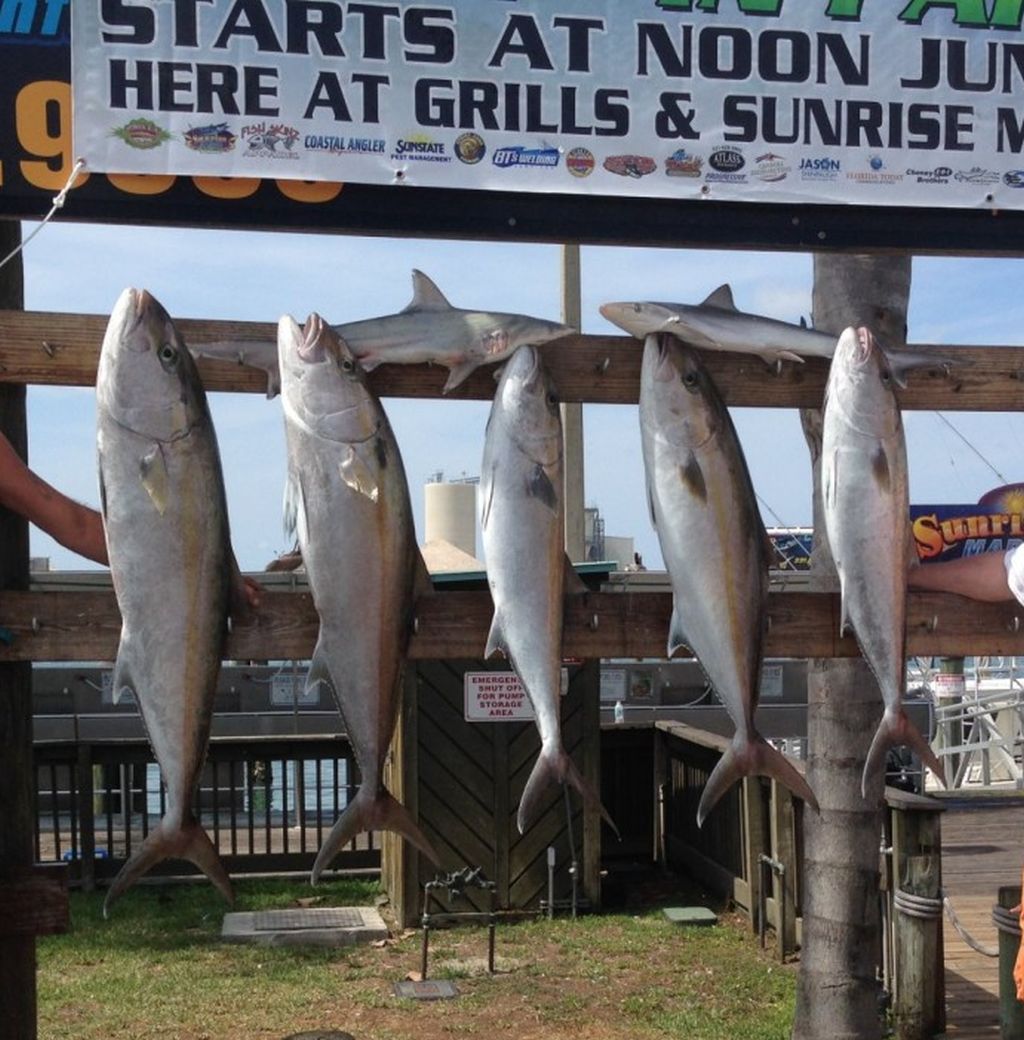
Deep sea fishing enthusiasts outside the 200 foot mark have been making some really tood catches of amberjack throughout our region.
The bite for lane snapper, vermillion snapper, and triggerfish is also good inside the 200 foot mark along with some legal size
black sea bass that have been showing up arouind the Daytona area. The snapper bite in general on most of the structure out of Port Canaveral is reported to be good by anglers using frozen squid, sardines, pilchards, chunked reef fish, and live baits on standard chicken and bottom rigs.
Closer to shore, bluefish have been making ther way into East
Central Florida waters in good numbers providing exciting action along the surf and the inlets. The fish aren't picky eaters and will inhale a big silver spoon, plug, cut bait, or dead shrimp. Long shank hooks are recommended to minimze cut offs.
Vast schools of black drum in the 10 to 40 pound category will make their
way along Space Coast beaches this February. They can often be seen from the beach as dark brown blobs from A1A beach accesses. Kayakers and paddleboarders can get into some great action when they find them by quickly deploying their gear. The fish aren't picky like they are in the backcountry and will chew just about any obnoxious presentation.
Surf Fishing:
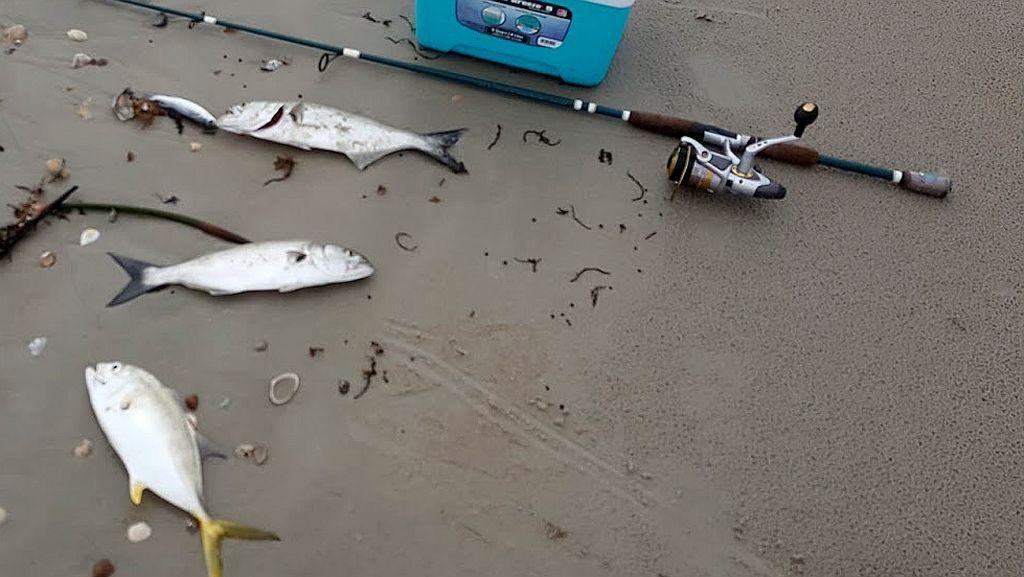
Surf fishing for pompano these past weeks in East Central Florida has not
met anglers expectations. The big question most anglers have been asking is "Where are the pompano?".
Although we have had several solid cold spells pass through our area, for the most part the pompano bite has been hit or miss along the Cape Canaveral and Cocoa Beach surfs.
The Northeast winds we normally get this month should help create some fresh troughs to fish as well as a light chop on the water which is key to good surf fishing. So far, except for a few days, the action along our beaches has been bull whiting, puppy drum, bluefish, permit, sheepshead, and jacks.
Anglers have been catching these species on live
sand fleas, small pieces of shrimp, and clam strips with or without fishbites; rigged on pompano rigs with pink, white, or orange floats. Some days have required a sputnik weight, and with this past week’s wind direction, extra weight will definitely be needed to hold bottom.
The pompano that are being caugtht are on dropper
loop surf rigs with sand fleas, shrimp, and pieces of clam strips for bait.
Some surf anglers have been successfully using banana shaped "Goofy" jigs popped along the bottom at low tide to where the waves break over the sandbars. Pompano will normally feed in churned up water. Sharp jerks of the rod tip will leave
a puff of sand that attracts the pompano to the bait. .
The bluefish action in the surf has picked up considerably in our area.. The fish are abundant in the surf and especially around the inlets, and are not very picky eaters. Cut baits, dead shrimp, or silver spoons and Gotcha plugs all work well on bluefish which are averaging 15 inches in the surf.
Fishing Port Canaveral:
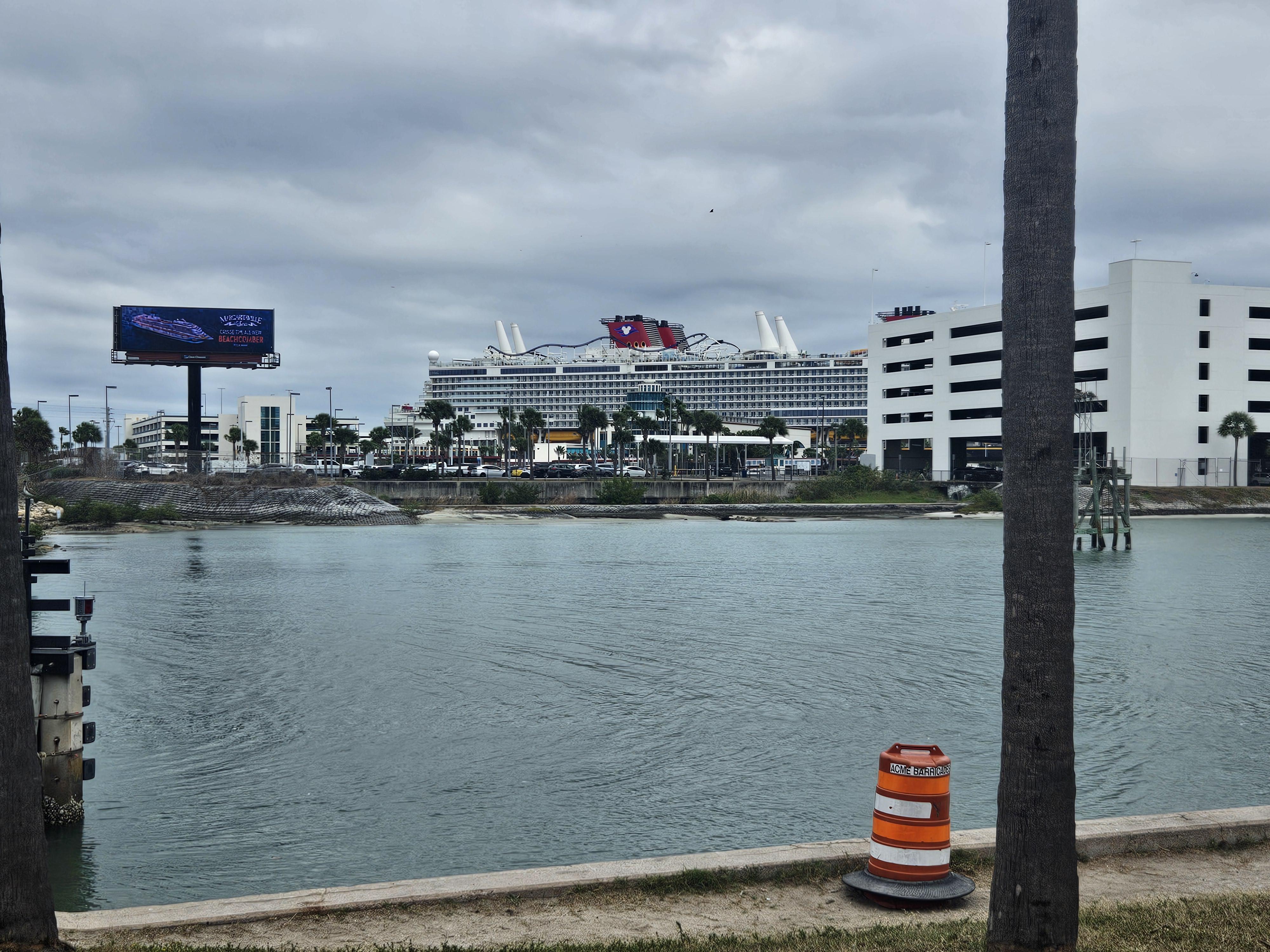
Port Canaveral isn't exactyly a pretty place to go fishing with the huge cruise ships, delapidated docks, and military presence but
the fish don't seem to care. Right now light tackle anglers willing to ignore the Port's industrial backdrop can catch pompano, weakfish, whiting, sea trout, mackerel, snook, and even bluefish as they move in and out of the Port.
As water temperatures in the surf drop into the 50s, schools of fish stake out in some of the Port's deeper basins, some of which are over 40 feet.
The restrictions for boaters inside Port Canaveral require the public to remain 25 feet from all Canaveral Port Authority (CPA) piers, wharfs and docks, 100 feet from moored vessels ,and 200 feet from the Navy Pier. When the cruise ships are docked in the west basin, boaters are not allowed to enter the area, however, the middle turning basin remains open to fishermen.
Locate the schools with sonar and drop a
small bucktail, spoon, or live shrimp to the bottom for some action.
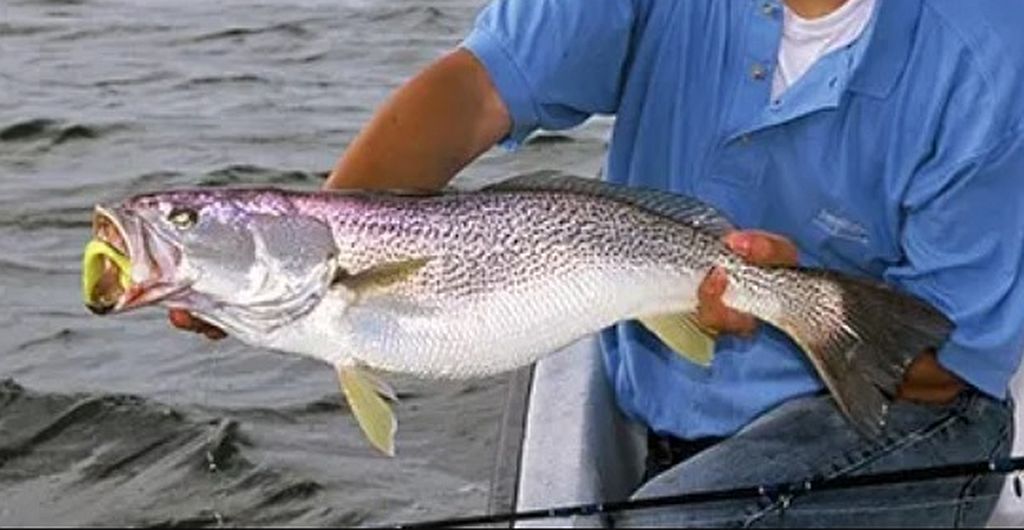
Schools of weakfish and silver trout, which usually run about a pound or two, are usually hovering just off the bottom in the deeper basins and will hit almost any small lure presented to them. Small yellow jigs work great on ultralight tackle with
flourocarbon leaders and get a plenty of bites.
Bluefish and Spanish mackerel roam closer to the surface and will hit small silver spoons or small diving plug. As the temperatures in the surf zones warm between the cold fronts, the pompano move in and out of the port and can be caught on live shrimp, sand fleas, and "goofy
jigs".
Two major launch sites serve boaters at Canaveral, both on the south side of the port, at the Freddie Patrick Park immediately west of Jetty Park, and at the Rodney Ketcham Boat Ramp at Port’s End Park.