SUPPORT COPY: Your January 2026🐬 Mosquito Lagoon & Indian River Fishing Report
Published: Thu, 01/01/26
Mosquito Lagoon &
Indian River
Fishing
Newsletter Issue # 198Januray 1, 2026
Mosquito Lagoon and Indian River:
We Hope You All Have A Happy New Year!
Florida's recreational season for spotted seatrout reopens today for
the Central East region and from the reports I have been getting, we should have some decent wintertime fishing this month for speckled sea trout, redfish, and black drum.
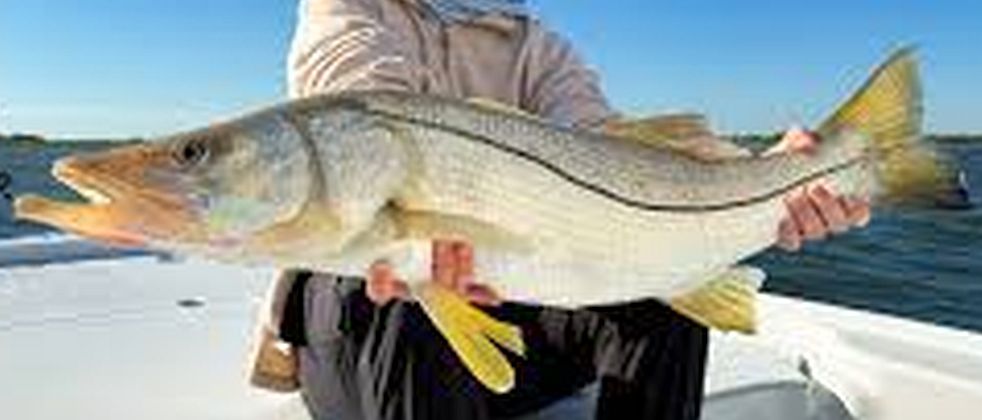
Anglers in our area have also be targeting snook around the deeper shorelines and mangroves before the winter temperatures set in.
The weather has been a little wierd lately. The wind and cold weather we get one day changes on a dime to warm, almost summertime weather but the fish don't seem to mind much.
For the past few weeks, the snook bite has been good for anglers fishing tight under the mangroves during the early
morning and late afternoon hours when the fish are most active. Skip casting dark colored 3 1/2" paddle tail baits on 1/8th oz. jig heads or 5" jerk shads on 1/8th oz. weedless hooks has been the best method for catching snook when they are tight to the bank.
In the New Smyrna area, the snook have been lingering around the deeper shorelines and just about any
deep watrer structure. With the fairly good shrimp run we have been enjoying, the fish have been targeting in on live shrimp and artificial shrimp patterns like the D.O.A. shrimp. However, spoons and live finger mullet have also been working well in that area. The redfish, black drum and sea trout in the Ponce area have been hanging in and around the bait pods in the shallows.
In south Brevard, anglers targeting snook have been using mostly artificial baits along the mangroves. Both
paddletails and artificial shrimp have been producing bites with most of the action coming from night fishing tight to the mangroves during periods of moving water. The bite in this area has been pretty slow but anglers willing to put in the time have been landing quality fish.
For the past several weeks fly fishing in the Mosquito Lagoon has been really
productive. Small streamer flys and shrimp patterns have been working best on the numberous small pods of 8 to 10 redfish that are tailing on the flats up and down the eastern side of the lagoon.
If you're not a fly guy, anglers have also been getting good results on 3" straight tail baits like the Shad Assassin, 4" paddle tail baits, and D.O.A. Shrimp;
especially in the clear with gold flake color.
Small schools of redfish can be seen this month working the flats in the Banana and Indian Rivers feeding on baby clams, snails, and shrimp.
The reds have developed a new attitude; they are starting to actively chase artificial lures again.
The same fish that last month would barely chase anything that was moving are now chasing just about anything that they think looks edible.
Charter captains are reporting that the best catches over the last few weeks occured on straight tailed 3 to 4-inch soft plastic “dart” style lures like the Rapala Crush City Salted Ned Roll and the Bass (saltwater) Assassin Lil’
P&V. The darker green or brown colors with a red or gold flake have been the best producers.
Rig the dart style baits on a 1/8-ounce Ned style head in open water or when there is not a lot of grass or weeds around. When fishing the deeper edges of the residential canals or the shallower mangroves along the flats, fish them on a 1/16 to 1/8 ounce
weighted weedless worm hook.
The sea trout action has also been good on these baits.
Redfish, snook, and some of the larger sea trout have been holding in the 18 to 30 inch depths. The smaller schoolie trout are mostly in deeper, 30 to 48 inch depths. The artificial bait bite should remain good until our next severe cold front which is occurring this evening as I
compose this article. Then the bite shuts down and everybody reverts to soaking medium size live shrimp and cut baits along the mangroves.
When the water temperatures this month really drop, you will find a lot of under slot sea trout stacking up in the deeper holes, channels, and sloughs throughout our lagoon system. When this happens, live baits fished
very slowly work best, however suspending plugs, plastic Saltwater Assassin baits, small jigs, and even Johnson Sprite type spoons will catch fish when worked very slowly.
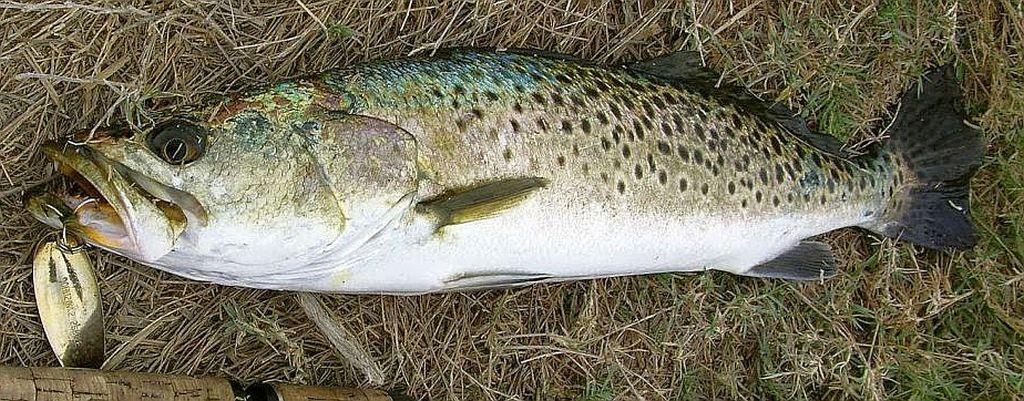
A lot of anglers in our area like to go after gator size sea trout during the winter months. Although big "gator" size trout are not as plentiful as they had been in past years; there are still
a lot of females in the 6 to 9 pound category caught in our area. A lively pinfish, croaker, mullet, or jumbo shrimp fished under a noisy popping cork is a hard bait to beat for catching large sea trout this month. Look for them in the lee side sloughs and troughs sheltered from the winds and around the potholes soaking up the sun and looking to ambush baitfish or shrimp for an easy meal.
In between the cold fronts, sea trout will generally hold close to their winter holes on the flats and move only short distances to feed. Because winter time fish are usually less aggressive and will test or "mouth" artificial lures before they commit to a strike; live baits normally work best for winter trout. . The best times to fish during cold weather periods is during the afternoon and evening
hours.
During the winter
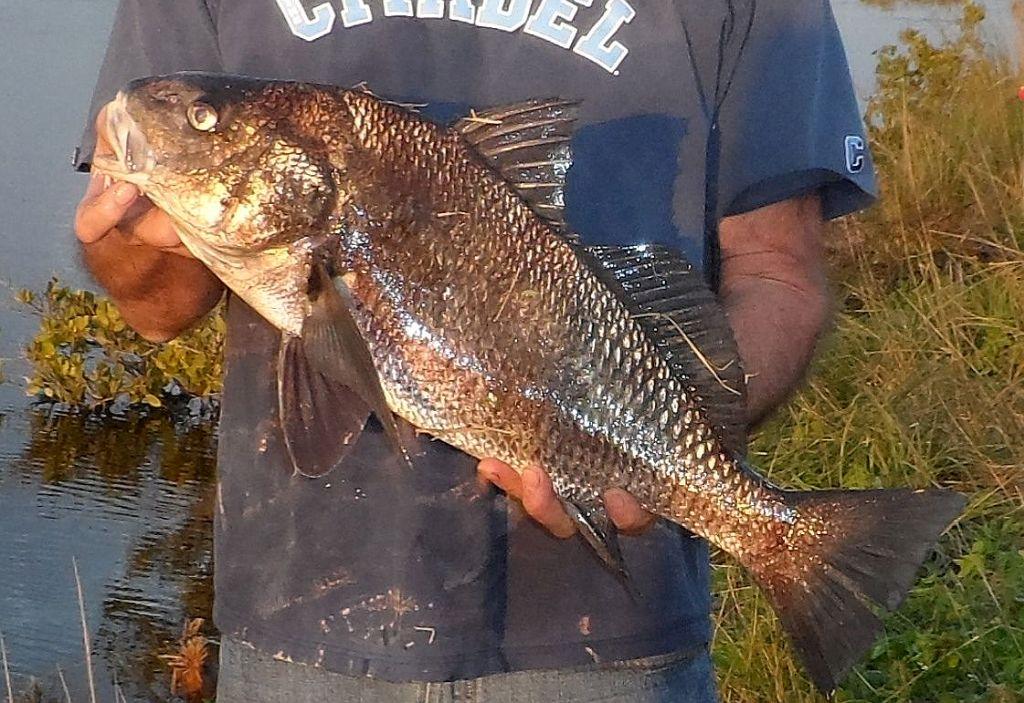
months into early spring, black drum up to 12 pounds gather up into large schools in the Mosquito Lagoon, Banana, and Indian Rivers.
Along Bio Lab Road in the southern part of the Mosquito Lagoon; anglers should be able to find single fish and medium to larger schools of black drum cruising the shallow flats. A lot of bank fishermen target this area for
black drum and redfish with live or fresh dead shrimp on sliding sinker rigs. Most of the fish caught are just in the slot with a few well over size.
The deeper flats in the northern section of the Indian River and the deeper waters in the Patillo Creek area are great places to target black drum this month. Anglers fishing live shrimp on sliding sinker
rigs or plain jig heads usually catch some nice slot size drum in these areas. Live or dead shrimp, cut mullet, chunked lady fish, and fresh cut sections of blue crab all work well this time of the year on black drum and reds in these areas.
The shallow mud flats along Gator Creek and East Gator Creek road also hold small pods of slot size black drum. On calm
days you can occasionally see them tailing on the shallow mud flats along East Gator Creek Road. Live or dead shrimp, sand fleas, and fiddler crabs are good baits for black drum in this area. On Tuesday afternoon, just about all of the best fishing spots were taken by bank fishermen after black drum.
The bite for for sheepshead and mangrove snapper
has been ramping up on structure close to moving water in both the Mosquito Lagoon and the Indian River.
Cold water temperatures make most gamefish sluggish, but for sheepshead and mangrove snapper, the conditions couldn't be more favorable.
Right now you should be able to find sheepshead hanging around any rough encrusted structure in our lagoon
system. Anglers dropping live shrimp or fiddler crabs around the bridge pilings, residential dock pilings, jetties, and rocky outcroppings have been hooking up with some nice mangrove snapper and good numbers of sheepshead.
Small fiddler crabs, sand fleas, live shrimp, and just about any other crustacean you can get on a small hook will work on sheepshead. These guys are bait stealers which is why most successful anglers use either a long shank #2 hook with
a small split shot and about three feet of fluorocarbon leaderor a dropper loop rig with a 1 or 2 oz. bank sinker and a sharp #2 or even smaller hook tied about 10 or 11 inches above the sinker to catch them.
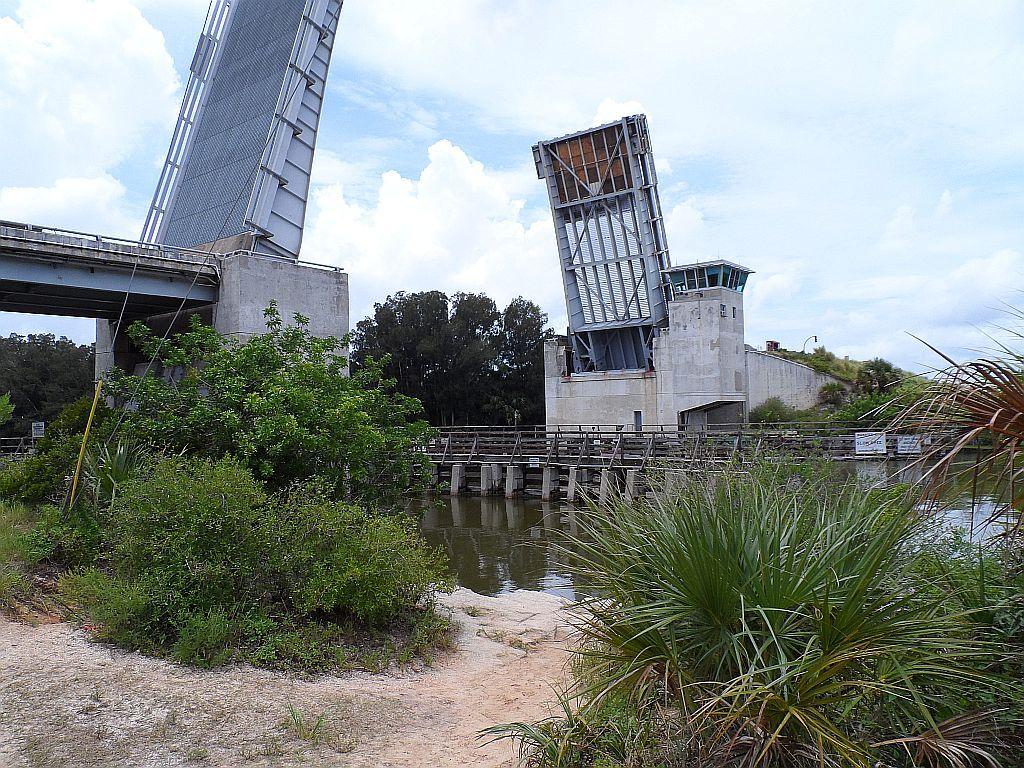
The dock pilings behind the condos in Titusville, both the fishing piers at the A. Max Brewer Bridge, the pilings at the railroad bridge, and the
fenders at Haulover Canal are all good areas to target sheepshead this month. The docks and sea walls at Port Canaveral, and the rocks at Jetty Park are also good spots to target sheepshead and snapper this month.
Port Canaveral Nearshore and Offshore:
Mahi, Bonito, Sailfish, Blackfin Tuna, Wahoo,
and Snapper are the best bets this January for anglers able to get offshore and drag a spread.
As surface water temperatures offshore drop into the 66 degree range, offshore anglers will find scattered blackfin tuna, wahoo, and dolphin around rips and color changes
near the western edge of the Gulf Stream.
Large, dark colored lures are generally pulled to catch wahoo, while small dark colored lures work best for blackfin tunas. Dolphin are usually suckers for blue and white or pink and white skirts in front of small to medium size ballyhoo.
The current cold front is causing a lot of anglers to fish nearshore out of Port Canaveral but when the winds start cooperating offshore, bottom droppers on charter and deep sea party boats out of the port should be making good catches of amberjack, mangrove snapper, mutton snapper, lane snapper, black sea bass, triggerfish, groupers, and cobia over the reefs.
The snapper bite in particular peaks this month and anglers targeting them can find most snapper species in depths as shallow as 50 feet. The snapper bite on the 60 to 120 foot structure is reported to be good by anglers using frozen squid, sardines, pilchards, mullet, and live baits. Chicken rigs and bottom rigs are standard terminal tackle.
Nearshore, the bite for Kingfish along the 60 to 90 foot reefs should be consistent for anglers slow trolling live pilchards, mullet, pogies or dead sardines on stinger rigs. Along with Sea Witch and bait strip combinations trolled deep behind planers, a lot of king mackerel are caught on spoons and lipped diving plugs.
When the Manta rays begin showing up this month, a lot of cobia will be tagging along with them. On calm days with good visibility, nearshore anglers will be able to sight fish for Cobia using hair jigs, jig and eel combos, and a variety of
live baits. Cobia will occasionally follow sea turtles and bull sharks over the shallower reefs.
When inclement weather makes offshore fishing tough, most anglers will move off the beach to fish for redfish, snook, Spanish
mackerel, bluefish, and jacks. Slow trolling Rapala X-Raplipped diving plugs and small spoons will catch most of these species just off the beach but a
small live finger mullet or pilchard is hard to beat.
After the cold front we just had, near shore anglers should start seeing better numbers of larger tripletail, weakfish, and even a few more cobia along the marker buoys, weed lines, and
near shore wrecks. .
This weeks colder temperatures should produce a hot bite in the shipping channel and deep water turning basins at Port Canaveral. Sheepshead, pompano, mangrove snapper, whiting, permit, blue runners, snook, and redfish should be hitting live shrimp on sliding sinker rigs or on light (1/8 to 1/4 ounce) jig heads around the drop offs and rocky areas at the port.. The sheepshead bite
in particular has been pretty decent so far around rough structure.
When the water temperatures outside Port Canaveral get down into the middle 60 degree range, the action should only get better.
Playalinda and Area Beaches:
January is an outstanding month for surf fishermen targeting pompano along east Central Florida beaches.
The currrent cold front will soon produce consistent water temperatures in the mid 60s which will make the pompano active and push flounder, Spanish
mackerel, and bluefish closer in to the beach.
As water temperatures stabilize into the high 60 to low 70 degree range, the larger pompano will begin moving closer to the beach within easy casting range of surf fishermen.
Right now we are beginning to see more schools of keeper fish moving closer to the sand. Live sand fleas are without debate the bait of choice for the majority of Pompano fishermen along Central Florida beaches, but they are sometimes hard to find. Fortunately we have had a bonanza year for sand fleas along our beaches and most bait shops have a supply available..
A lot of surf fishermen prefer using Fishbites, blanched sand fleas, salted clam strips, Fish Gum, or small bits of shrimp tipped with Fishbites when live sand fleas are not available. Terminal tackle is generally a 2 or 3 hook pompano dropper rig with or without a colored float.
Died in the wool pompano fishermen in our area like to custom tie their own
pompano rigs using a variety of combinations.
Most surf fishermen targeting Spanish mackerel, bluefish, ladyfish, or jacks will be tossing small silver spoons, Gotcha lures,
and Rapala X-Rap lipped diving plugs. Pink, orange, and yellow goofy jigs are also top producers for these fish. The pompano, jack and snook in particular love to strike goofy jigs when fished through the surf break and in the troughs along our Space Coast beaches.
Regardless of what species you target, knowing how to read the water from the beach is what makes the
difference between a successful fishing trip and a skunked outing.
Way too often anglers, including myself, are in such a hurry to set up and wet a line that they fish areas that are not productive.
Successful surf fishermen are able to identify depth changes, runouts, troughs, and ebbing waters off of the rip currents that pose the best opportunities for holding
fish.
Setting out several baits at varying distances from the sand is also basic to finding fish. Many anglers toss their baits out a country mile when the fish are schooling at their feet in the first trough.
Surf fishermen
specifically targeting sharks this month should continue to make good catches of blacktips on whole and fresh chunked baits.
Expect occasional cutoffs from sharks, even when you're not targeting them. Sharks will often cut off a hooked fish from a pompano rig that is being retrieved too slowly. This happens a lot in the
New Smyrna area where sharks are abundant.
Not much can be done about it except to reel faster or put out another rod specifically rigged for sharks. A wire or heavy mono leader with a large hook on a sliding sinker rig and a live or half of a whiting will get the job done!
Haulover Canal:
During the cold fronts in our area, the deep waters of Haulover Canal can become a holding area for black drum, redfish, sea trout, snook, tarpon, Mangrove Snapper, and a variety of other species.
On most
days after Christmas, both sides of Haulover are lined with shore based fishermen after Mangrove snapper, redfish, or big black drum.
Last week the guys fishing along the coquina outcroppings and bridge fenders were catching some decent sized mangrove snapper on live shrimp and small cut baits.
Live and fresh dead shrimp or small chunks of fresh caught fish on a
2/0 or 3/0 circle hook, with a small split shot or two to get the bait close to the bottom, is a good way to fish for Mangrove snapper in this area without getting hung up on every cast. Most guys using heavier barrel sinkers find themselves spending a lot of time re-rigging.
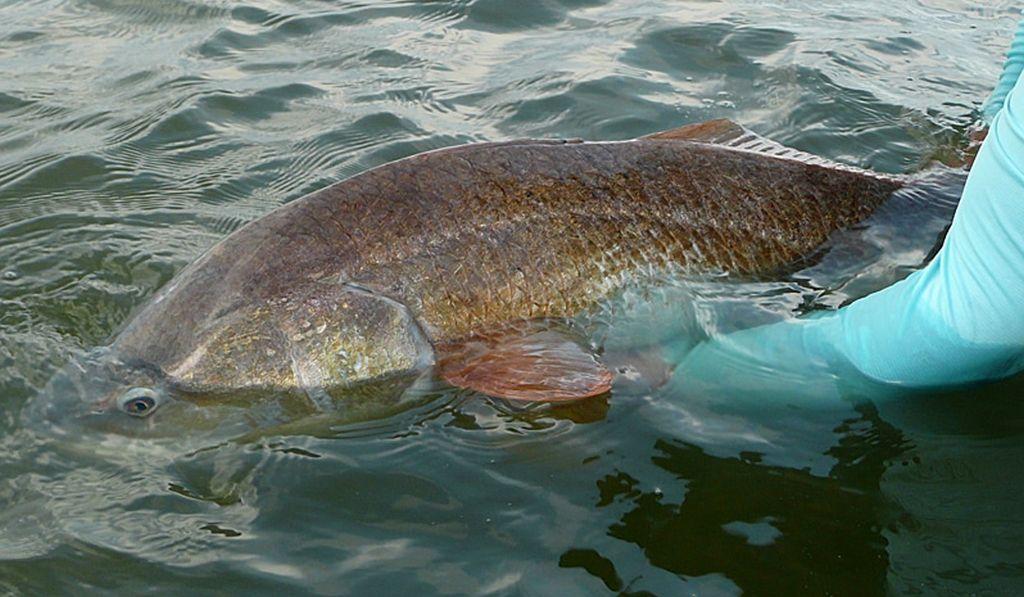
Some of the largest bull redfish in our area are taken from the deep waters of the canal by anglers using live blue crabs, jumbo shrimp, live pinfish or mullet,
and large cut baits, especially during the winter months.
Large, oversize baits account for more big redfish in the 40 inch and over category being caught than any other bait. They also minimize bycatches of hardhead cats and stingrays.
Serious fishermen specifically targeting bull reds use stout rods, 30 pound or heavier Power Pro or other brand braid, 30 pound or heavier fluorocarbon leaders, 6/0 circle hooks, and enough weight to hold bottom to stop the heavyweight reds from breaking off on the outcroppings.
There are deep holes at the mouth of the canal to the Mosquito Lagoon and on
the Indian River side that consistently produces bull redfish and black drum. When the bite is on, you can often see several boats anchored in these holes soaking live crab or shrimp after the reds and black drum. .
The best bite for black drum and bull redfish is usually just before and a few days after the cold fronts roll through the area,
and around the full moon. Shrimp and blue crab sections are by far the most productive baits.
Boaters can launch their vessels from the Bairs Cove boat ramp or the Beacon 52 boat ramp, and anchor off the ICW at either mouth of the canal.
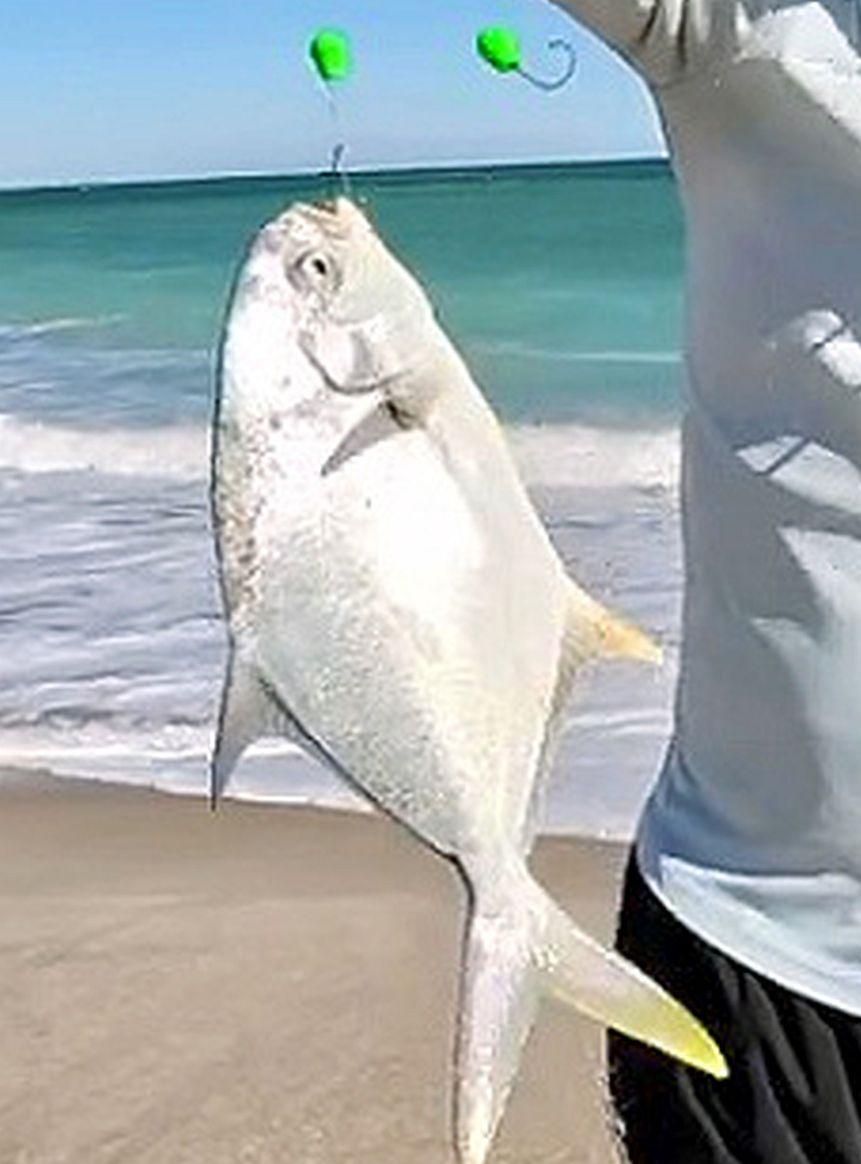 Right now we are beginning to see more schools of keeper fish moving closer to the sand.