SUPPORT COPY: Your December 2025🐬 Mosquito Lagoon & Indian River Fishing Report
Published: Mon, 12/01/25
Mosquito Lagoon &
Indian River
Fishing
Newsletter Issue # 197December 1, 2025
Mosquito Lagoon and Indian River:
Water levels in the Mosquito Lagoon and Indian River are up and the bite for redfish, sea trout, black drum, and snook has been good throughout our region.
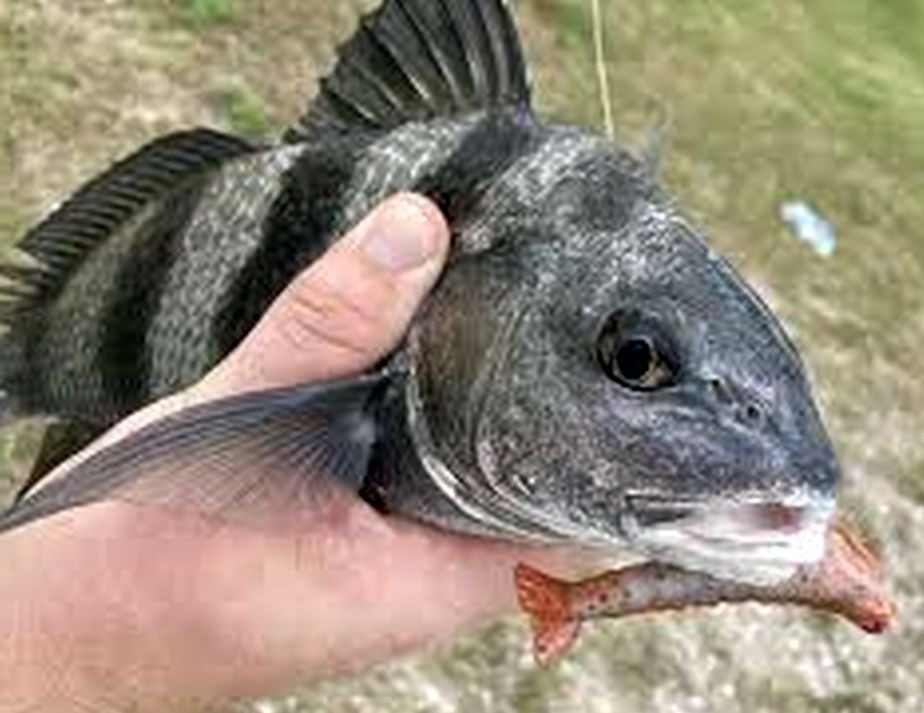
In the Mosquito Lagoon, black drum have been showing up in better numbers along the deeper drop offs along the east channel and the main ICW channel as well as along the klinker islands that go down from Oak Hill to Haulover Canal. The two fishing piers under the A. Max Brewer bridge, and the railroad bridge in Titusville are also good places to target both slot size and oversize
drum.
A lot of slot size black drum in the Titusville, Fl. area are caught along the mangrove covered shorelines, the mud flats around Gator and
east Gator Creek and the deeper waters around the bridge pilings.
Live shrimp, dead shrimp,
cut blue crab, fiddler crabs, and even sand fleas can be used in these areas to catch black drum up to 30 pounds or more.
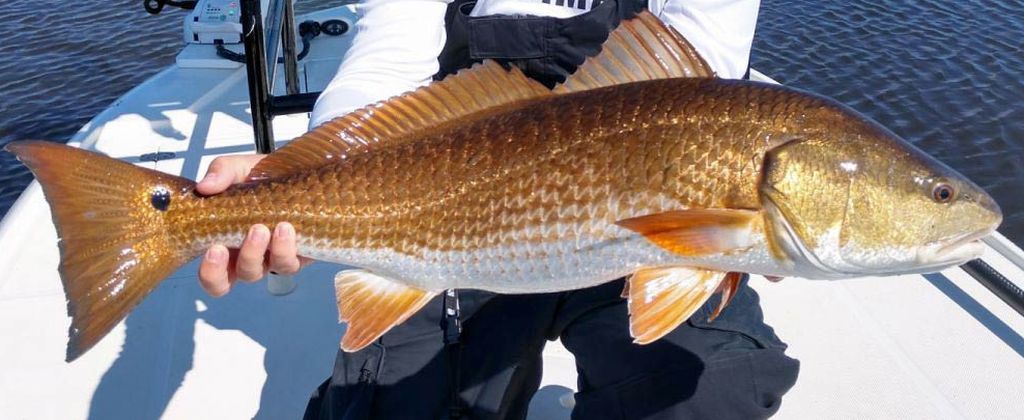
The bite for redfish and sea trout in the lagoon system is good, especially on the east side of the lagoon around the grassy areas.
It seems like the water clarity in the grassy areas is cleaner and less turbid than in the non grassy areas. Successful anglers have been sight casting for them using live shrimp as the bait of choice.
Since the sea grass has
been rebounding in the lagoon system, so has the numbers of quality sea trout and redfish.
On calm winter days, look for big sea trout staging around the potholes soaking up the sun and looking to ambush baitfish or shrimp for an easy meal. In between the cold fronts, sea trout will generally hold close to their winter
holes on the flats and move only short distances to feed. Because the fish are usually less aggressive and want to test or "mouth" artificial lures before they commit to a strike, live baits work best for winter trout.
Drifting a live pigfish or pinfish under a popping cork around the potholes is a good way to get
hooked up with a gator size sea trout or redfish. Slow twitching a weedless fluke through the grass will also get hookups.
Topwater walk the dog style plugs and popping plugs also work well first thing in the morning; particularly on larger sea trout. Zara Spooks, Rapala Skitterwalks, Chug Bugs, Super Spooks, Bass Pro Shop's XPS Slim Dog, and
Bad-A-Donks are good top water baits for lthe arger trout in our area, especially when you smear them up with some Pro-Cure Inshore Formula Gel. Work the baits very slowly during the colder months.
Farther south in the Sebastian and Wabasso area, lots of trout are being caught on soft plastics like the "Little John" straight tail in the watermelon red flake, mangrove green and clear with gold and silver flake or clear with black flake colors.
The majority of fish are being caught along the drop offs and along the clam lease areas where some pompano are also being caught on these baits.
The bite for bull redfish in our lagoon systems remains consistent and should stay that way throughout the balance of the year.
Large bull redfish can
usually be found stacked up in deep holes, around the bridges, in the deeper water channels, or around any deep water structure .
Baits of choice for bull redfish are large blue crabs, live pinfish, and large fist size chunks of mullet or ladyfish. Standard sliding sinker rigs with enough weight to
hold bottom are generally used to catch them.
You generally don't have to start fishing at the crack of dawn to snag a quality redfish during December. The redfish in particular really dont start feeding until late in the mornings when the water warms up a bit.
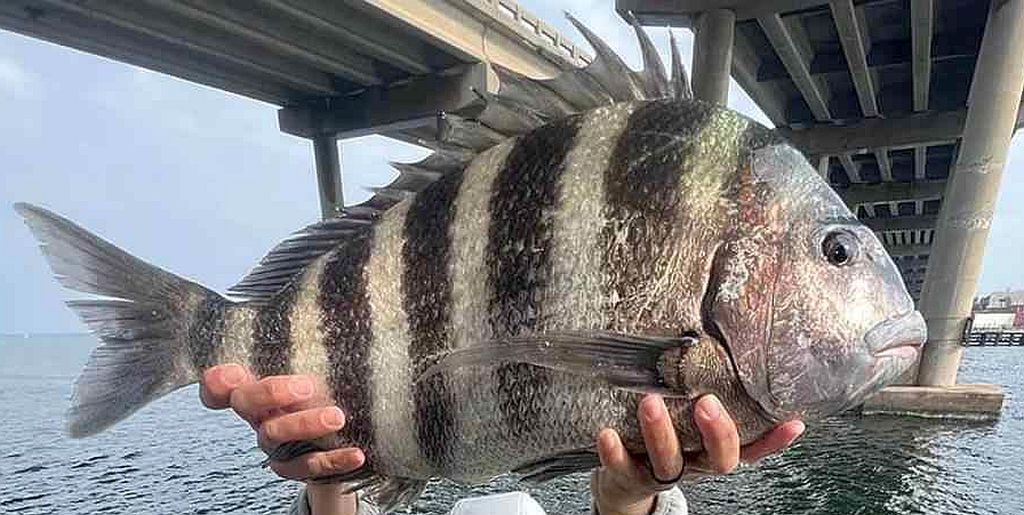
By late December, the sheepshead will start stacking up around the inlets, jetties, nearshore reefs, and in the lagoon system; the bridge pilings, docks, and sea walls. Rig up with some lignt tackle and pick up a bucket of sand fleas for some great eating. A dropper loop rig with a 1 or 2 oz. bank sinker and a sharp #2 or even smaller hook tied about 10 or 11
inches above the sinker with a fresh sand flea or small piece of shrimp is all you need to start catching sheepshead.
The current bag limit is 8 fish per day measuring at least 12 inches in length. When cleaning these tasty fish, don't forget to cut out and utilize the throat (collar) which has the texture of lump crabmeat.
The snook bite in our area remains good to excellent. All the inlets are holding good numbers of snook ritght now as well as the backwaters in the lagoon system.
During the winter months, juvenile and larger size Snook can often be found holding tight to the mangroves along
the shoreline and the banks of shallow mud bottom creeks. Although they will sometimes swim out to strike a live shrimp, finger mullet, or a well placed lure; skipping a bait under overhanging vegetation will get more bites.
The largest Snook, sea trout, and redfish hold around mangrove roots, older docks, and areas where
there is little to no human activity. Abandoned docks, bulkheads, rarely used canals, and even moored, abandoned, or partially sunken boats will often hold baitfish that the larger fish target.
The Snook season in the Indian River Lagoon closes December 15th–Jan. 31 and June 1–Aug. 31.
Port Canaveral Nearshore and Offshore:
Winter on the Space Coast means
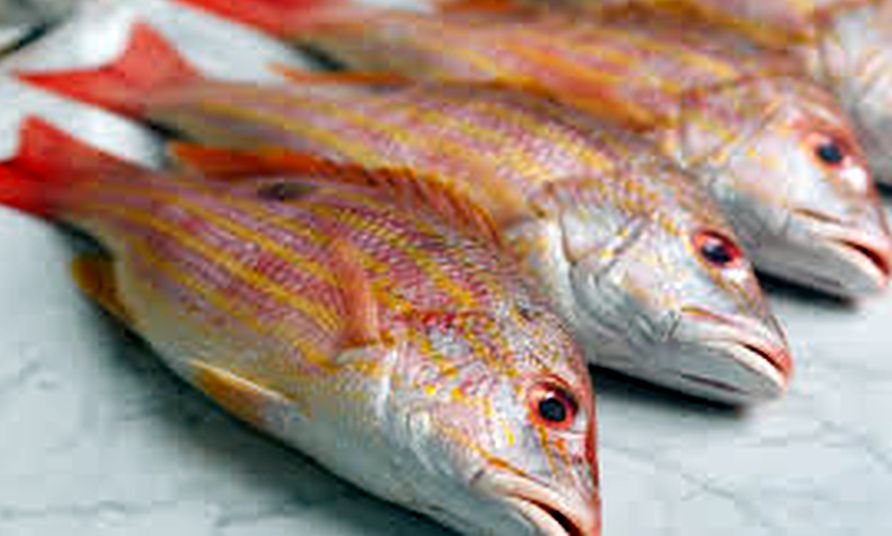
it's time to break out the bottom fishing gear. This month the 60 to 90 foot reefs from Sebastian to Ponce Inlet come alive with lane snapper, mutton snapper, mangroves, triggerfish, and cobia..
Medium action spinning gear with 20 to 30 pound Power Pro or other braided line is just about all you need to catch an assortment of
reef fish.
Sliding sinker rigs with short 25 to 40 pound leaders work best for leader shy snapper Chicken rigs with small circle hooks fished a few cranks off the bottom work best for triggerfish that like to hover just off the bottom.
Currently, the lane snapper bite in the Ponce Inlet
area has been really good around the 80 to 90 foot mark, along with a lot of triggerfish that are mixed in with them. Baits of choice include squid and finger mullet, if you can get them, fished on bottom rigs.
The lane snapper bite on the Volusia county reef in 60 to 80 feet of water is reported good by
anglers using live shrimp and squid on chicken rigs. The reefs with culverts or rock piles have been holding better numbers of lane snapper. The fish in this area have been averaging around 3 pounds and running around 14 to 15 inches or more in length.
December is also when ofshore anglers out of Port
Canaveral start rigging ballyhoo to target migrating Wahoo, Mahi, blackfin tuna, kingfish, and sailfish along the weed lines and temperature breaks.
This time of the year, Kingfish and Mahi can be found offshore around the weed lines, temperature breaks, and color changes in depths up to 500 feet. Both blackfin tuna
and wahoo are commonly caught by anglers trolling skirted ballyhoo in the 180 to 240 foot depths.
As the weather continues to cool down, the fishing for Wahoo and Sailfish which both prefer cooler water temperatures should noticebly improve.
A lot of really big kingfish are being caught offshore in the vicinity of Chris Bensen Reef and the area known as Sea World. Along with the king mackerel in this area are some good sized sharks that you might have to fight off to keep your catch.
Nearer to shore, if you can find some pogies, pilchards, or greenies just out from the beach you can find some nice redfish and bluefish around the pods.
All of our inlets are holding good numbers of
snook right now. Anglers are catching them primarily on croakers and live shrimp.
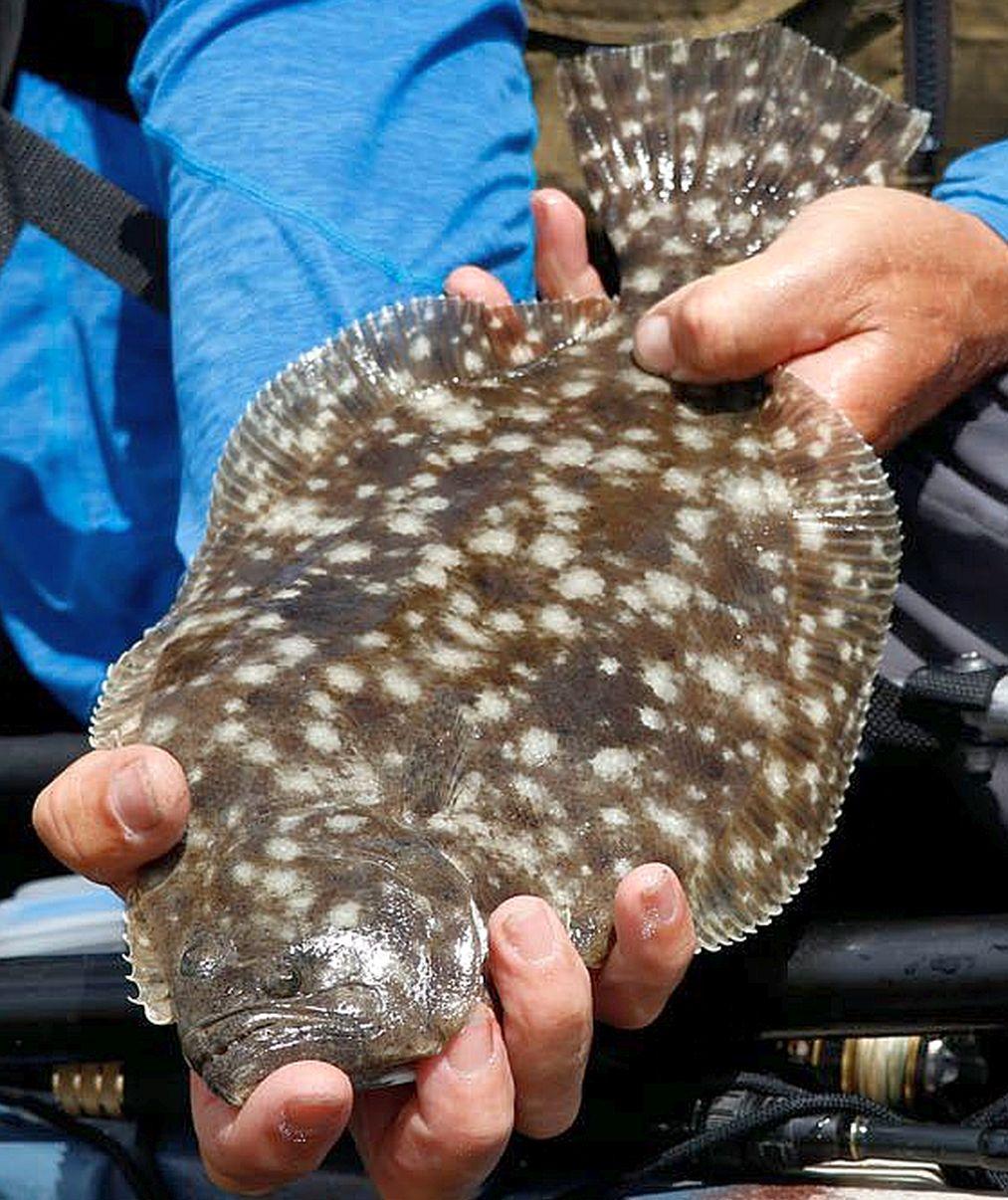
When the cold fronts swing into our area, the winter run of flounder will start showing up near shore just outside of the breakers, inside of Port Canaveral, and around the jetties at the west end of Jetty Park.
As the flounder run increases, the sea walls at Ports End
Park, the pier at the park, and most other accessible areas will be crowed with anglers fishing for these tasty fish.
Most anglers target flounder with a live finger mullet, mud minnow, or live shrimp on a short sliding sinker rig.
Small hair jigs tipped with a small piece of shrimp, or a bare jig head tipped with a live mud minnow or finger mullet bounced off the bottom, is a great way to cover ground and locate concentrations of flounder.
Most winter flounder caught in our
area are under 5 pounds, but doormats of up to 8 pounds are occasionally landed.
Flounder season in our area is open from December 1st to October 14th each year, with a closed season from October 15th to November 30th. The minimum size limit is 14 inches total length with a daily bag limit of five fish per person.
Playalinda and Area Beaches:
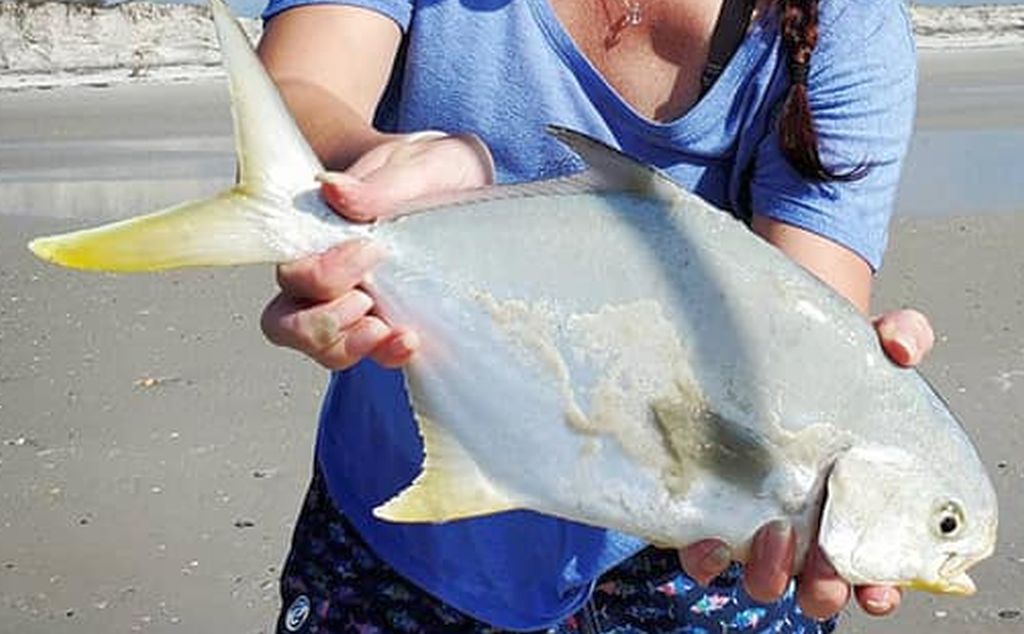
This summer we had a bumper crop of sandfleas along our coast which should hopefully produce a memorable pompano run this winter.
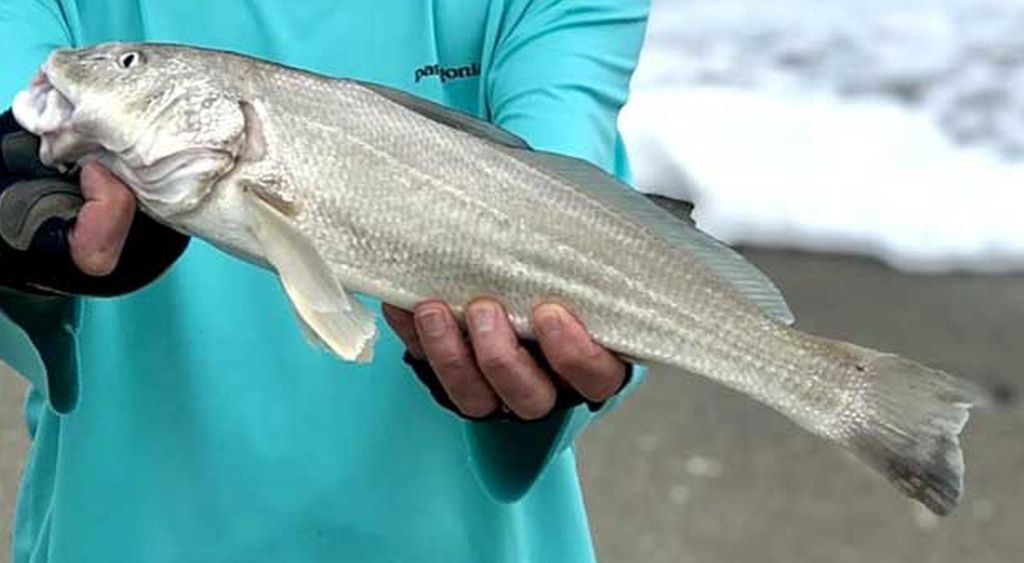
In the surf along our beaches right now there are plenty of pompano and whiting along with a good mixed bag of bluefish, jack Crevalle, and ladyfish that are chasing the remaining
finger mullet coming down the beach.
During the November run, surf fishermen were catching two and even three pompano at a time that were 1 or 2 inches short of the minimimun size. Hopefully these fish will return during the holiday season a bit larger.
These late running fish generally run in the 2 to 4 pound category and move in and out of the estuaries into the surf. These movements are based entirely on water temperatures.
This weekend's cold front has dropped the water temperature in the surf and we are beginning to experience almost ideal
water conditions for pompano. When the temperature is in the preferred range, between 65 and 75 degrees F., the fish will be moving into our area in greater numbers.
The by catch of pompano fishing usually results in good catches of whiting, black drum, Spanish mackerel, and even permit.
In general, winter pompano prefer deep water and will move around until they locate a food source at the right water temperature where they congregate in tight schools.
A lot of novice surf fishermen get skunked and
discouraged because they set their sand spikes where there aren't any actively feeding fish. Learn to read the beach before setting up your rods.
Watch how the waves are breaking and look for rip currents, wash outs, and sloughs that form just past the shore breaks. Pay attention to the sand in the surf for areas where
small shells are piling up and where sections of the beach have small bubbles popping up as the water recedes. These are areas where sand fleas, small clams, and crabs are being pulled out into the deeper troughs where the fish are holding.
Pompano, bull whiting,
black drum, and redfish often stage just outside of the rips to snatch up crustaceans as they are being pulled out into the troughs.
In addition to Playalinda Beach, some hotspots for pompano include Canaveral Bight, which is only accessable by boat; the rocky reefs around Satellite Beach and Cocoa
Beach, and the beaches within two miles north and south of Sebastian Inlet.
Baits of choice in our area includes live sand fleas, fresh and frozen shrimp, and fishbites rigged on a bare or colored float pompano rig with a 3 to 6 oz. pyramid sinker to hold bottom.
A lot of anglers who fish Playalinda Beach for pompano use live sand fleas or sand fleas tipped with fishbites, and small pieces of shrimp on double drop pompano rigs. With the price of fresh pompano fillets topping $14.00 per pound, a lot of couch potatoes have been picking up surf rigs on black
Friday and trying out surf fishing.
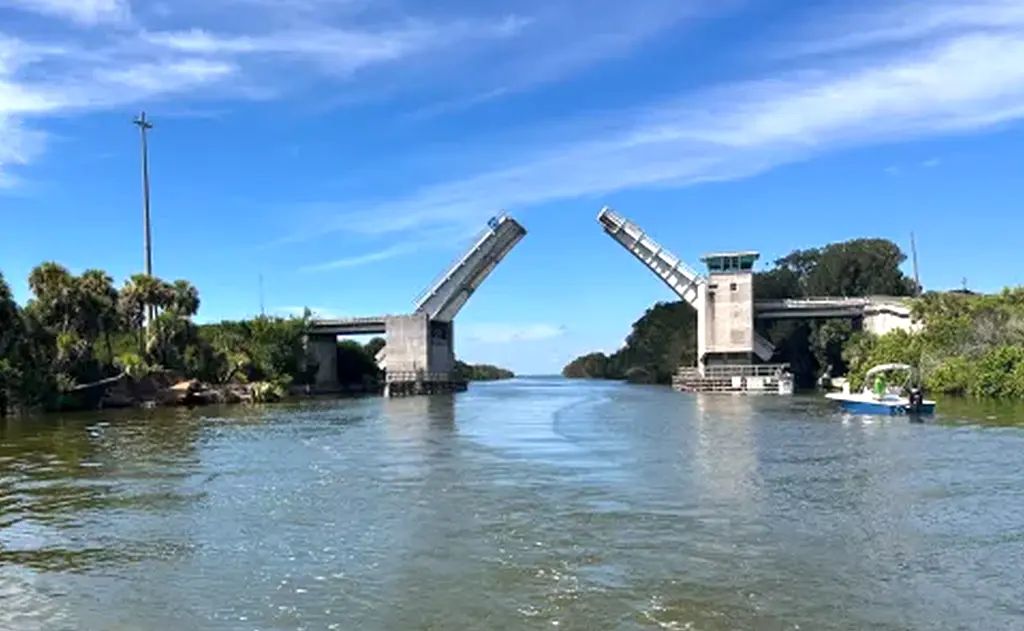
Haulover Canal:
Prior to the latest cold front this past
weekend, the redfish and black drum bite in Haulover Canal had been picking up dramatically.
Several nice schools of black drum have been meandering up and down the canal for the past few weeks as well as some nice size snook along the shorelines.
The black drum have been eating shrimp, sand fleas, and cut blue crab fished on or just off the bottom.
For the past week or so, early mornings seems to be the best time to fish for drum in the canal. The fish in the canal have been averaging around 12 to 14 pounds,
with a few well over that weight in the mix.
Redfish in the canal are being caught on shrimp, live croakers, and cut blue crab baits. The fish have been running anywhere from slot size all the way up to 46 inches in length.
Shrimping along the banks of Haulover Canal used to be popular with local residents, but fewer people seem to be utilizing this resource lately.
The shrimp in the canal run in good numbers during the winter months and are considerably larger than those netted in
the Oak Hill area and farther north, but the shrimpers anchored along the banks have all but disappeared.
The northwest side of the railroad bridge and both fishing piers at the A. Max Brewer bridge seem to be the most popular spots for sport shrimpers using dip nets. A good number of shrimpers throwing cast nets from the
small bridge at the entrance to the Pier 220 Seafood and Grill restaurant.have been making decent pulls
As the weather cools down this month, the shrimping in these areas should continue to improve.
 Canaveral, and around the jetties at the west end of Jetty Park.