SUPPORT COPY: Your November 2025🐬 Mosquito Lagoon & Indian River Fishing Report
Published: Sat, 11/01/25
Mosquito Lagoon & Indian River Fishing
Newsletter Issue # 196
November 1, 2025
Mosquito Lagoon and Indian River
Since
trick or treat is now past us, you might consider casting a topwater bait around the mullet pods that are still running along the shorelines of the Mosquito Lagoon and Indian River.
The hurricane in the Caribbean has dropped temperatures making inshore and freshwater fishing consistently
better throughout our region. In the lagoon system right now, the water levels are still high and most species are preferring cut or live baits.
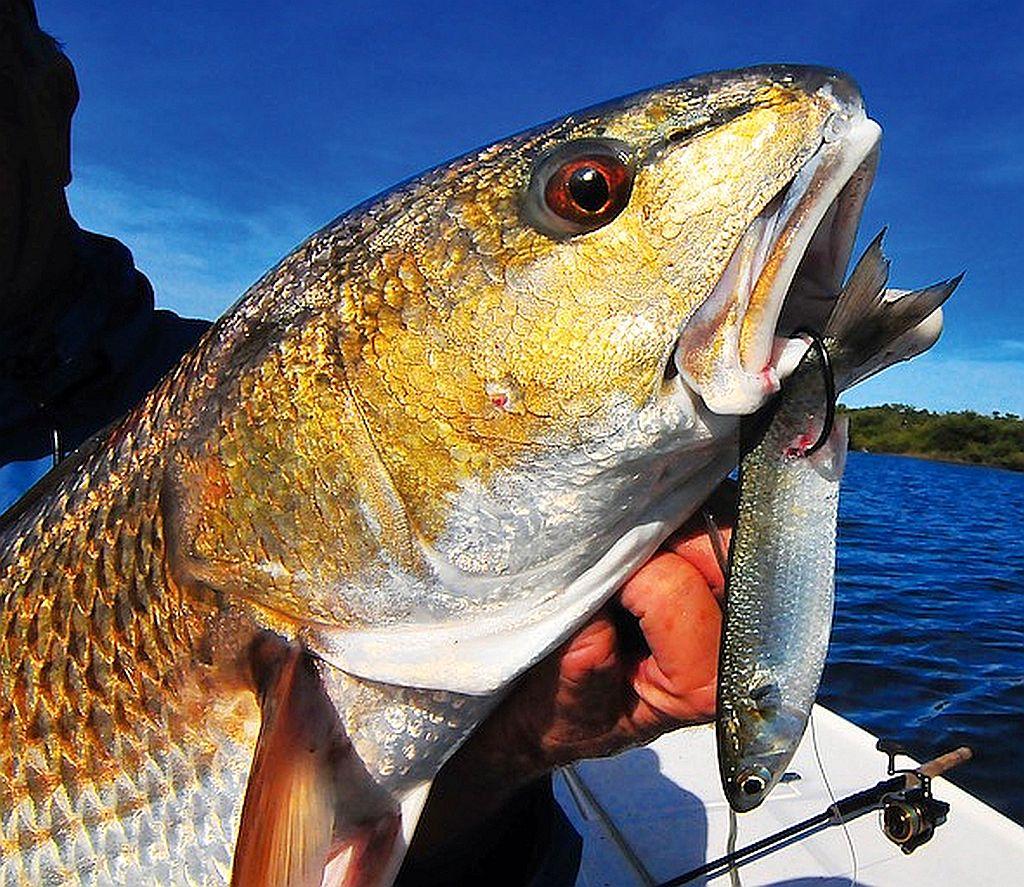
In the Mosquito Lagoon, the redfish bite is still going strong with cut baits doing the magic trick.
The early morning topwater bite for redfish and snook has been picking up in the Mosquito Lagoon with anglers using small topwater plugs like the Zara Spook Jr., Chug Bug, Skitter Walk, etc. The best bite is first thing in the morning until about 8:00 am, then most anglers switch over to live or
cut baits. If you can find clean patches of water with baitfish in them, that is where you will find most of the fish. The bite has definitely been slowing as the sun gets higher which is why most anglers are wrapping up by late morning.
Fish your baits tight to the
mangroves along the shorelines, along the windward side of the islands, or anywhere there is a point where water flows around.
Some of the captains fishing dirty water in the lagoon have been trimming the tails off live mullet to get more action from the baits and more bites.
Up towards the Edgewater and Ponce areas, the mangrove snapper bite has been good around the rocks and docks. Anglers fishing these areas have also reported catching some nice snook along the the snapper using live shrimp along the same structure.
Live baits are still working good for redfish and a few tarpon around the bridges in the New Smyrna area and along the ICW all the way down to Oak Hill.
In the
northern Indian River anglers fishing live and cut baits have been catching nice redfish in the flats across from the Scottsmore boat launch. Sections of live blue crab and large chunks of ladyfish are baits of choice for the larger bull reds in this area.
In the Gator Creek area of the Indian River at
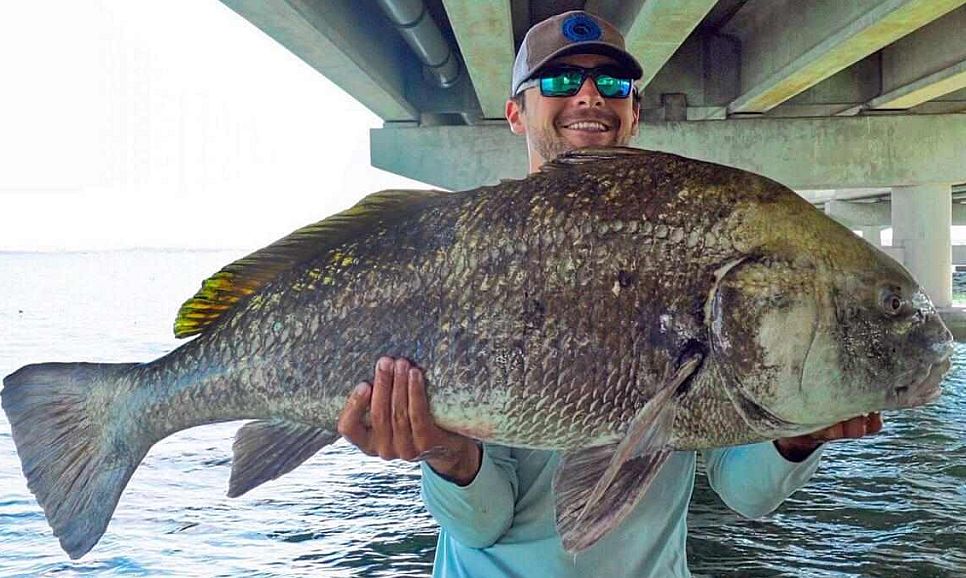
Titusville, the bite for black drum and redfish has been going gangbusters, especially when the culverts are open during heavy rains. The fish congregate in these areas and will bite on anything resembling a shrimp or small baitfish. Creme paddletail baits, tiny lipped plugs, cut baits, and live shrimp are all baits of choice with live shrimp being the number one choice.
The shallow mudflats along East Gator Creek road consistently hold slot size and larger black drum. During the early morning and late afternoons you can occasionally see them tailing in the shallows around the mangrove roots. Fishing a small live shrimp, a live fiddler crab, or sand flea with little to no weight can often get a hookup.
The new improvements that are being done along the causeway east of Parrish Park have forced shore based fishermen that usually fish that area for black drum, sea trout and redfish to relocate to the unimproved roads along Gator Creek, East Gator Creek and Catfish Creek Loop.
The black drum bite in these areas is best during
the morning and close to dusk. Baits of choice in these areas are live shrimp, fresh dead shrimp, and fingerling mullet.
When the erosion project is completed along the A. Max Brewer causeway, we should expect to see some decent fishing along the south end where they have positioned the concrete structures. Small
schools of redfish have already discovered this area.
Peacocks Pocket Road has also been producing good size sea trout, snook, black drum, and redfish along the "ditches". The problem is landing a fish when hooked. The banks are lined with brush and vegetation which makes things difficult to say the least.
Motorized vehicles are not yet permitted on the road so hiking or riding a bike is the only way to fish this area.
In southern Brevard this past week, anglers targeting
sheltered areas around the spoil islands that are holding plenty of baitfish, have been making good catches of snook, trout, redfish, tarpon, jacks, and ladyfish. Smaller 3 to 4 inch paddle tail baits and topwater plugs have been the top producers, especially during the early morning hours.
Farther south of us in the
Sebastian and Wabasso areas; good numbers of jacks have been blowing up baitfish around Pelican Island. Anglers in that area have also been catching good numbers of snook along the shorelines using white Gulp Shrimp. The white color has been the most effective in the dirtier waters created by the windy conditions we have been having in that area.
Surf and Inlet Fishing
The fall mullet run along the Space Coast is spotty to non existent right now but if you can find them, there will be a mixed bag of predatory fish on them.
For the past weeks the surf has
been pretty unfishable in most areas. There is still some dirty water and scattered weed patches, but if you relocate 20 yards or so to the left or right to get past them, you can still fish the surf.
The black drum are still hanging around and once this water clears up a bit, good numbers of whiting and pompano should start
showing back up.
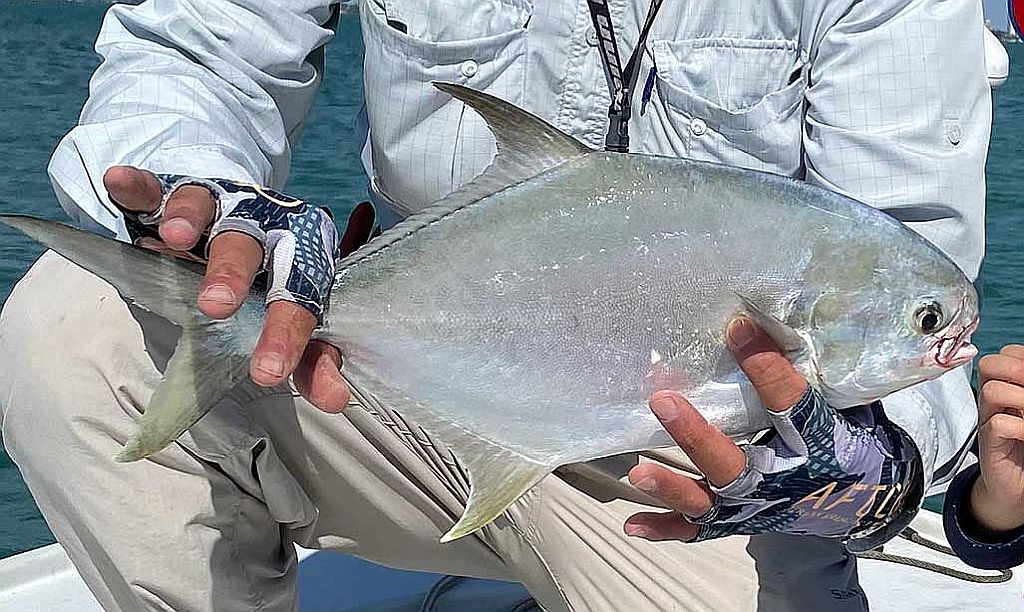
November is considered a peak month for catching Pompano along our beaches. As cooler weather starts to move into our area in the next few weeks, the annual southern migration of pompano will be moving south out of the Jacksonville and St. Augustine area towards our beaches.
Right
now, there are reports of pompano moving into the Jacksonville area, so it’s only a matter of time before they make their way down to Brevard County beaches.
When the cold fronts hit our area and the water temperatures drop down to 78 degrees, the resident pompano that stay in our lagoon system will begin to make their way out to
the beach where they school up with the southern migrating fish coming down from the Carolinas. Currently, water temperatures in the surf are still cooling down but as more surf fishermen are able to fish the beach, we should begin to see nice catches of pompano and bull whiting in our area.
Standard 2 or 3 hook pompano
rigs with white, pink, or chartreuse floats are the go-to setup for pompano and whiting in our area.
Baits of choice include sand fleas, a small piece of shrimp, clams, crab or clam flavored fish bites, and fish gum.
Although Sputnik weights have been necessary lately, this week we should be able to switch back to pyramid leads.
The largest whiting and pompano are usually found well past the first sandbar. However, it is a good idea to run several rods
spaced out along the beach at different distances until you find the areas where the fish are feeding for that day.
The first part of an incoming tide is believed to be the best time to fish the surf for pompano and whiting.
Most pompano caught from our beaches during the early fall are in the 1 to 2 pound category, but this month, fish up to 4 pounds or more are often the norm.
Port Canaveral Offshore and Nearshore
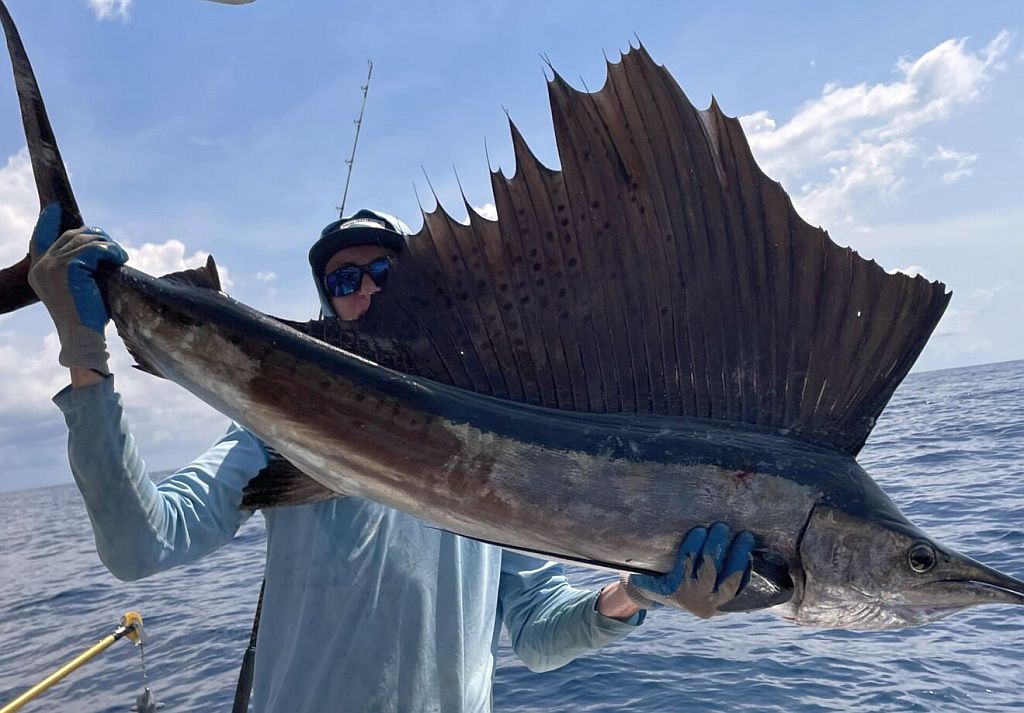
When the windows open, you can expect come great fishing offshore this month for Dolphin, scamp grouper, wahoo, sailfish and swordfish to name just a few.
October and November is when the Wahoo and sailfish bite peaks out of Port Canaveral. Both species prefer cooler water
temperatures and are normally caught in good numbers this month.
So far, we haven't heard much about the sailfish bite however, we should start to see some fish showing up this week along the 140 to 180 foot range out of Sebastian and about the 150 to 220 foot range out of Canaveral. Out of Ponce Inlet you will normally find them in the 200 foot plus depths. It seems the farther north you go, the deeper you will find the fish.
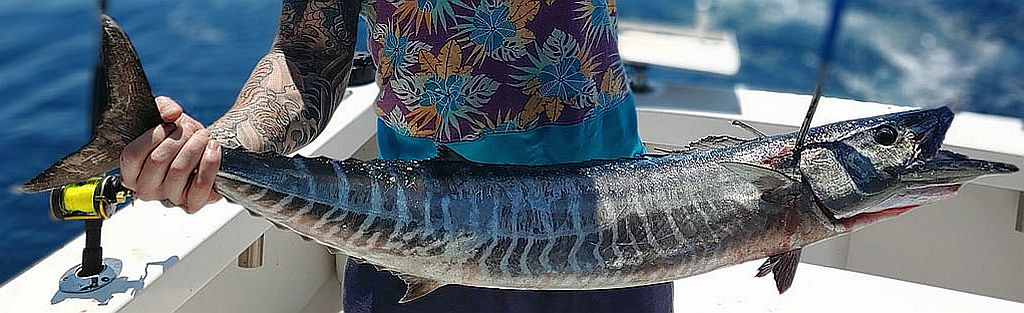
The bite for wahoo is still fairly decent for offshore anglers pulling fast moving baits over the cones. The Cones are in the 230 to 250 foot depths on the Oculina Bank where anglers have been catching some nice wahoo . The 27 fathom ridge is also a good area to fish for Wahoo this month.
Wahoo prefer eating fast moving targets like Bonita, flying fish, blackfin tuna, and juvenile king mackerel. Many anglers prefer pulling large dark colored lures at 9 to 15 knots or better to catch them.
Purple and black Islander lures with 24 to 36 ounce inline trolling sinkers to get the lures down to the fish are commonly used by captains out of the Port for wahoo, sailfish, blackfin tuna, and kingfish.
Wahoo in our area run
anywhere from 20 to well over 40 pounds, with most of the larger fish coming in during the winter months when the water temperatures are in the 73 to 76 degree range.
Offshore anglers who have been able to get past the windy conditions have been catching some dolphin in the early morning hours along the 220 to 240 foot mark
trolling skirted ballyhoo around the scattered weeds that are still out there.
Pulling a skirted ballyhoo is by far the best way to find dolphin out of Port Canaveral. Target some of the scattered weed lines that are out there along with temperature breaks and color changes.
During the summer months, most dolphin caught were in the 4 to 7 pound category but this month, the fish are running anywhere from 9 to 15 pounds.
Also, anglers who
have been targeting the shrimp boats between Ponce and Port Canaveral, especially as they set up for the night, have been hooking up with some nice blackfin tuna and an occasional cobia.
November is when offshore fishing heats up for the larger schools of kingfish that come into our area. Although the fall run is usually
not as spectacular as the spring run, the fishing is still great. Most anglers working the reefs and wrecks out of Port Canaveral slow troll live bunker or mullet on stinger rigs for kingfish.
Kingfish caught out of Port Canaveral this month are normally in the 10 to 15 pound category, with a few larger ones
always in the mix.
Along the beach, the redfish and snook bite has been pretty good for the past weeks.
Most anglers have been throwing finger mullet or
live shrimp either on a sliding sinker rig or on a jighead in or around the jetties at Ponce, Canaveral, and Sebastian. All our inlets and jetties this month will be good for redfish, snook, tarpon, and a variety of sharks.
Anglers at Ponce Inlet and Port Canaveral have also been catching good numbers of mangrove snapper for the past week or so on live shrimp and cut baits.
Although cut baits work well on almost all species, the bait of choice for most anglers fishing the jetties is a lively live fingerling mullet or shrimp on a sliding sinker or knocker rig.
Despite the fact that there are not as many finger mullet along the beaches as there were a couple of weeks ago, there are still good numbers of predatory species in the area.
When the window opens for bottom fishing on the reefs and wrecks in the 90 to 130 foot depths out of Port Canaveral; the bite is good for
grouper, mangrove and lane snapper, triggerfish, amberjack,porgies, and of course sharks. Anglers generally use live or cut baits, speed jigs, and hair jigs on these fish.
Grunt plugs, sardines, and any freshly caught live bait reef fish are good baits for grouper, AJs, and snapper.
Freshwater
Bass fishing in east central Florida can be fantastic this time of year through the
early winter, and one of the places you might want to check out is East Lake Tohopekaliga.
Lake Tohopekaliga and East Lake Toho near Kissimmee, Fl are both quality bass fishing lakes in our area that many anglers overlook in preference to fishing for saltwater species.
East Lake Toho is a classic "soup bowl" shaped
lake loaded with vegetation and fish. You have reeds, bulrushes, and lily pads in the shallows and a plethora of submerged cover offshore from the reeds. All good areas for big bass.
Right now with the weather cooling down, anglers are catching good numbers of bass and specks using live shiners and a variety of
artificial baits.
Bitter's speedworms rigged on a 3/16 oz weight on a 3/0 EWG are used by many anglers as a search bait. The rig can be retrieved at various speeds and fished in open water to the thickest vegetation without hanging up.
Senko style flipping worms rigged on a 3/8th oz. weight tossed into the pockets in the reeds work well on larger bass that hole up in these spots to conserve energy.
Popping frogs and prop baits also work well during low light periods and the early
morning hours.
You can launch your boat on the south side of the lake or from the Chisholm Park Public Boat Ramp on the east side of the
lake.
East Lake Toho has a great reputation for Speck fishing as well as well as for good numbers of large bass.
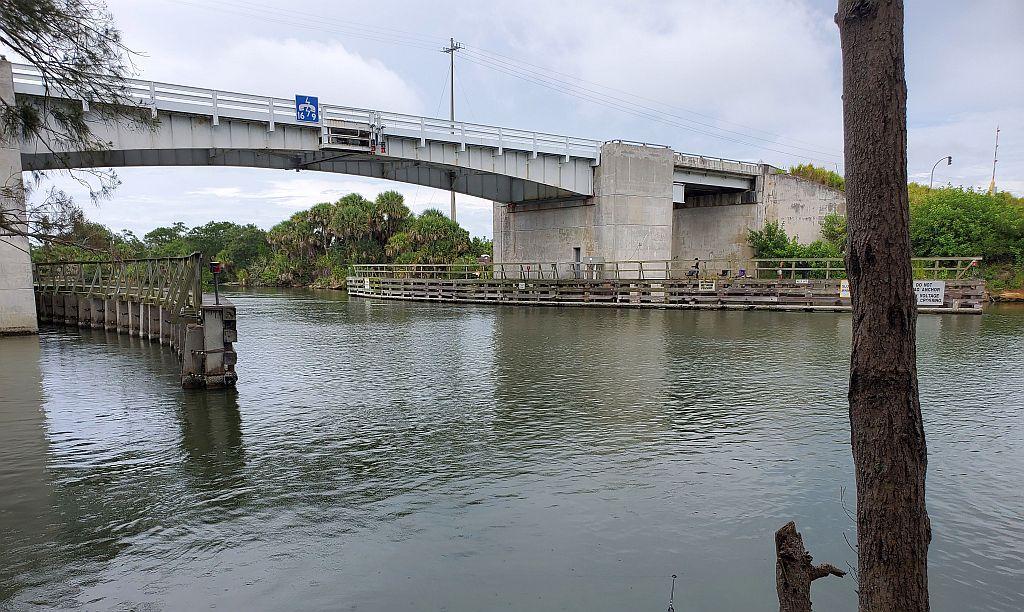
Haulover Canal
Redfish
migrate through Haulover Canal in good numbers every fall to spawn in the northern Indian River during September and October, however, depending on the weather and water temperatures, they can often be caught in good numbers during November and even December.
Shore fishermen commonly use a whole live blue crab, a large pinfish, fingerling mullet, or large cut baits to catch redfish in the 30 pound plus category.
Enough weight to keep the bait on or near the bottom with a heavy fluorocarbon leader and a 5/0 or 6/0 VMC circle hook is considered adequate terminal tackle.
Large snook are also often caught along the shorelines and the bridge fenders in the canal this month.
live baits, soft paddletail baits, and lipped diving plugs are all effective for snook, especially during low light and night time conditions.
Experienced anglers who fish Haulover Canal on a
regular basis will tell you that it's a good idea to use Power Pro or some other braided line in lieu of monofilament. Braided lines are stronger and more resistant to cutoffs from the Coquina rocks that line the banks of the canal. The rocks play havoc on monofilament lines, especially when you have a really big fish on.
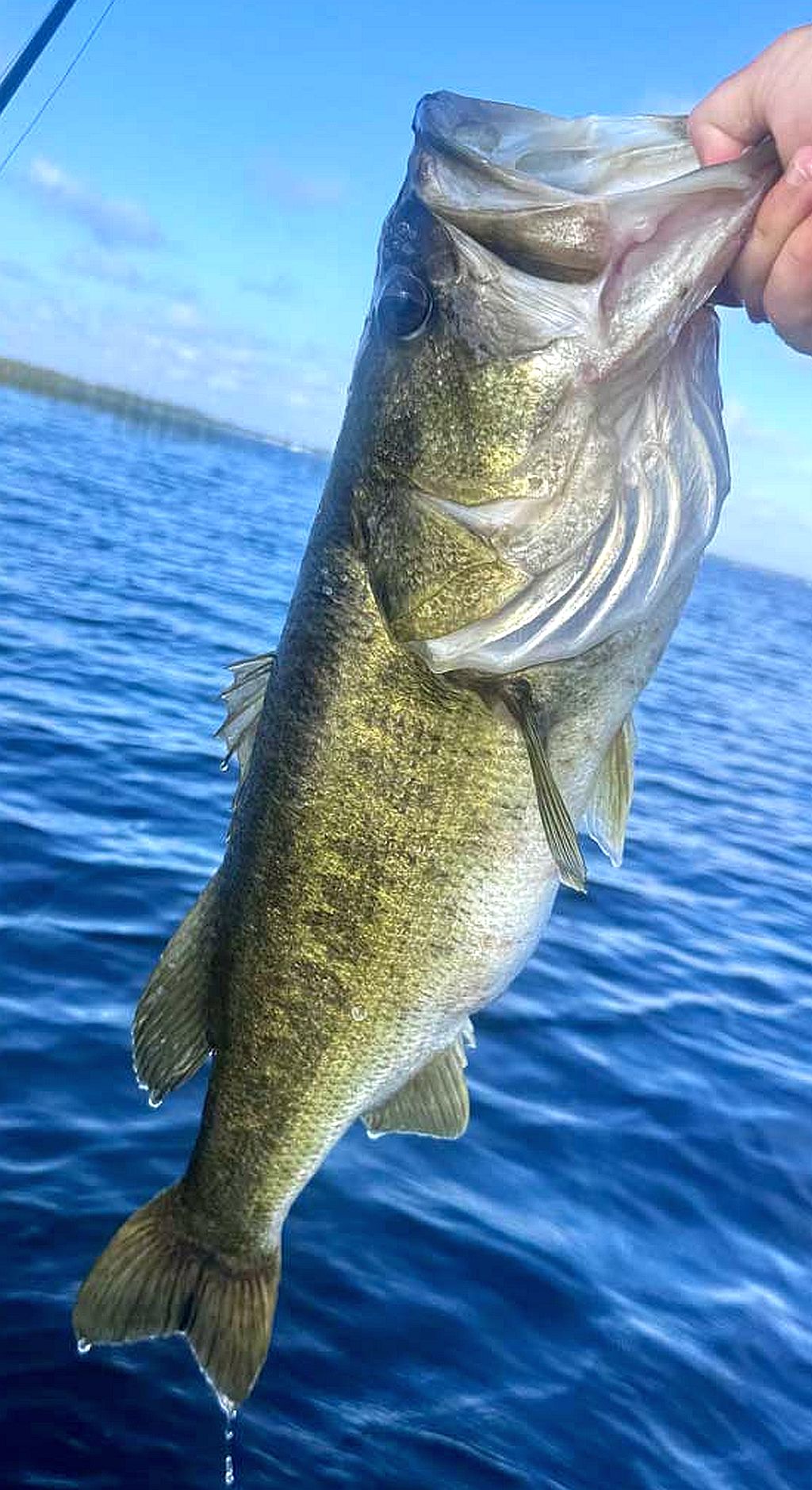 Lake Tohopekaliga and East Lake Toho near Kissimmee, Fl are both quality bass fishing lakes in our area that many anglers overlook in preference to fishing for saltwater species.
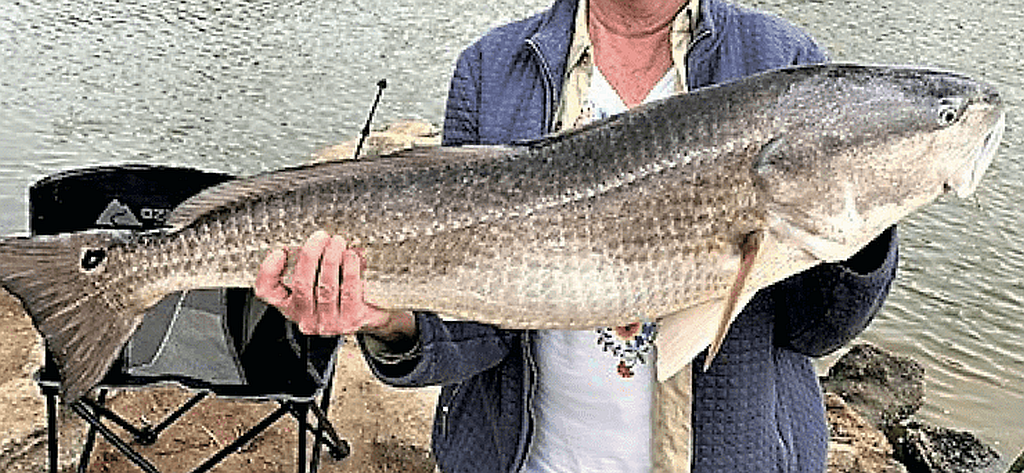 Shore fishermen commonly use a whole live blue crab, a large pinfish, fingerling mullet, or large cut baits to catch redfish in the 30 pound plus category.