SUPPORT COPY: Your June 2025🐬 Mosquito Lagoon & Indian River Fishing Report
Published: Sun, 06/01/25
Updated: Sun, 06/01/25
Mosquito Lagoon &
Indian River
Fishing
Newsletter Issue # 191June 1, 2025
Mosquito Lagoon and Indian River:
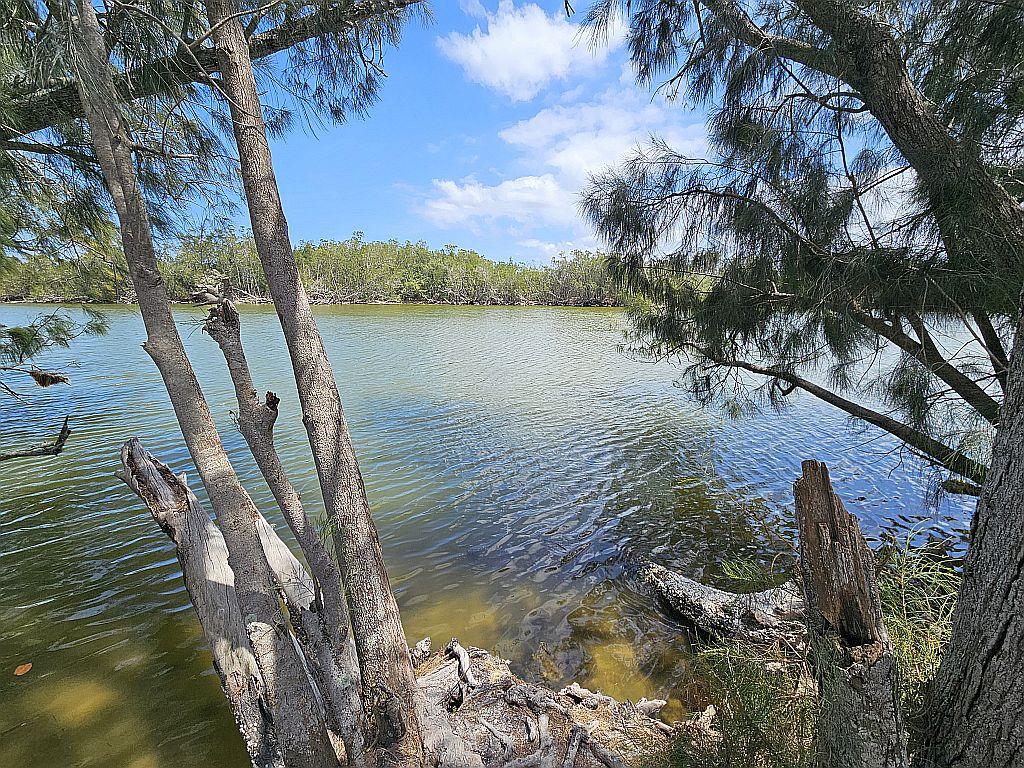
The water levels in the Mosquito Lagoon and Indian River are coming up a bit from the past weeks rains and remains clear enough for good sight fishing in most areas of our region.
The bite from Daytona Beach south into New Smyrna Beach and the Mosquito Lagoon south has been good to stellar. Summer fishing patterns are here and anglers have been boating some nice trout, redfish, black drum, and snook along with the occasional large Jack.
Focus on fishing the bait pods along the deeper grass flat edges in the upper Mosquito Lagoon and along the oyster edges up near New Smyrna. Top water plugs and gold spoons have been working well early in the mornings with live finger mullet and pinfish later on in the day.
The flats
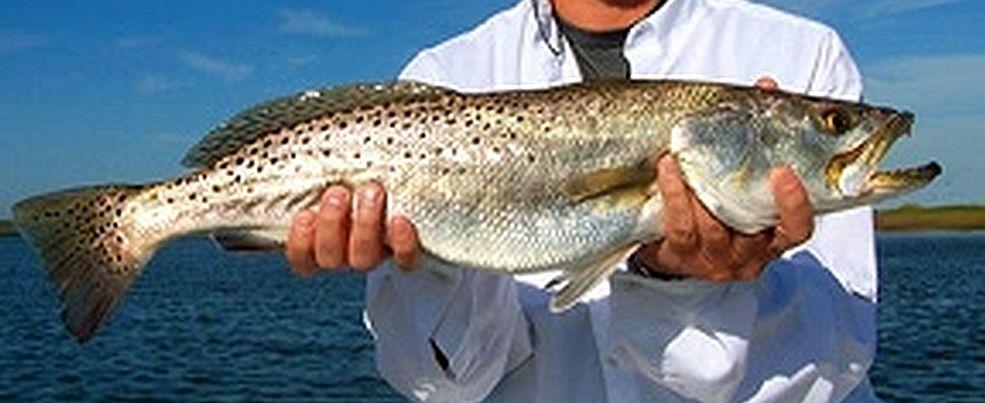
on the Mosquito Lagoon and several places on the Indian River is where you will find lots of speckled sea trout this month.
Right now there are tons of smaller trout on the grassy flats that are eager to eat. You can easily find the trout by fishing a live shrimp or a saltwater assassin sea shad rigged under a rattlin or popping cork. This combo is especially effective during the windier days on trout, reds and snook.
For larger sea trout, topwater walk the dog plugs like the SkitterWalk or Zara Spook and popping plugs like Chug Bugs have been working really well first thing in the morning.
If you have a hard time "walking the
dog" with hard baits, try fishing a Bass Assassin Salty Snak with a wide gap worm hook. This bait "walks" like crazy with little to no effort and is super effective on large sea trout. Its a go to lure for many anglers fishing the lagoon in our area.
For a really large gator trout, its hard to beat a big mullet or
croaker either free lined or fished under a popping cork.
The average size for Mosquito Lagoon sea trout right now is anywhere from 12 to 17 inches, with a few larger fish running up into the low 20s. There are also quite a few large gator trout up into the 28 to 30 inch category that are being caught on large live baits,
particularly in the northern and central to southern section of the lagoon. The back areas around the spoil islands is where many of the larger fish hunt.
The snook bite in or area remains strong throughout the region. The docks and causeway bridges in the New Smyrna area are hot spots right now for snook according to
some of the captains in that area. Around New Smyrna, anglers have been pulling in 18 to 30 inch snook on a regular basis. Live baits have been producing the most fish along with soft plastic jerk type lures. Lipped diving plugs seem to be working best at night and during low light periods around the bridges.
In
the south portion of our area, the mangrove islands around the Vero Beach area are holding excellent numbers of snook. Live baits, small soft plastic jerk baits, or small shrimp imitations are working best during the daylight hours when cast underneath structure and mangrove trees along the shorelines.
The mangrove
covered shorelines where mullet are congregating from Mullet Creek to Hole in the Wall Island is a really productive area right now for anglers using live mullet or lures that imitate live mullet.
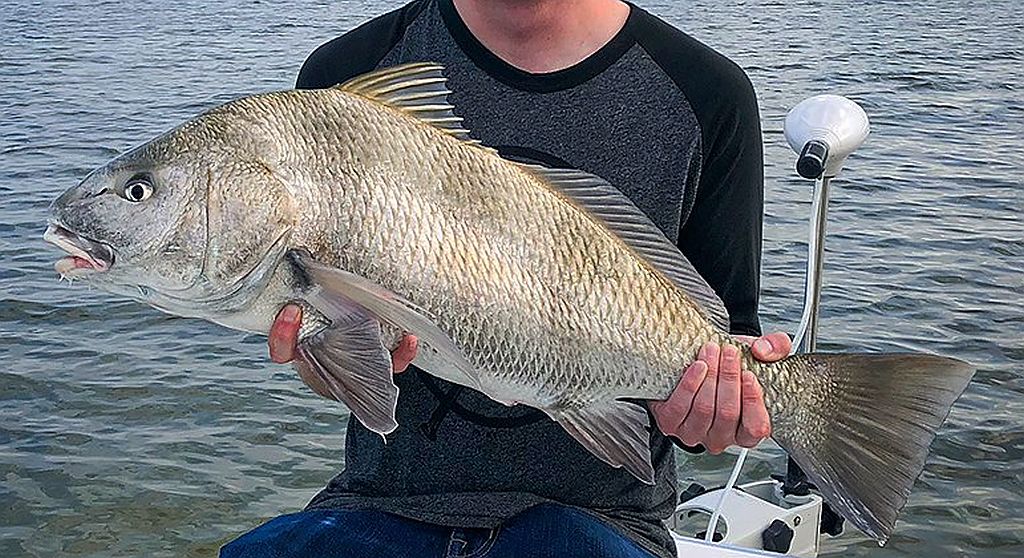
The black drum bite in our region has been pretty consistent. Anglers fishing live and fresh dead shrimp have been catching slot size and over drum in the lagoon and Indian River.
Single fish and small pods of black drum have been cruising just off the dropoffs along the shorelines in the Merritt Island National Wildlife Refuge along BioLab road, Peacocks Pocket road, Gator Creek, Catfish Creek Loop, the causeway along the A. Max Brewer bridge, Patillo Creek, Dummit Cove, and Haulover Canal. In short the fish can be caught just about anywhere this month. The best bite has been
best during low light hours in the early mornings and from 4:30 pm till dusk when you can often see them tailing in the shallows.
The mud flats along Gator Creek and East Gator Creek are beginning to fill up again. The fish are still concentrated into small areas making them relatively easy targets for anglers tossing small
plastic D.O.A. shrimp or Creme paddletail baits. You can also catch them on live shrimp either free lined or fished on a jighead.
The redfish bite in our area has also been consistent. In the Mosquito Lagoon, the redfish along with some black drum mixed in with the pods are mostly around the bait pods on the
grassy flats that are now alive with mullet and pinfish.
In the New Smyrna Beach area, the best bet is to target the oyster beds and shorelines throughout the backwaters with plugs, soft plastics and spoons. Tthe redfish and trout will be holding in and around the scattered bait. If live bait is more your
style; pinfish, shrimp or finger mullet will produce a consistent bite.
Cut baits work extremely well on big redfish in our area. Both inshore and backwater redfish can be caught on cut mullet, cut ladyfish or a cut pinfish fished on a knocker rig or sliding sinker rig with a 6/0 or 7/0 circle hook.
The last species we have in the backwaters right now is tarpon.
Juvenile tarpon up to 100 pounds are along the ICW in the Mosquito Lagoon and Indian River. Last week
several pods were in the Indian River around the Peacocks Pocket small boat launch.
The southern portion of the lagoon close to Playalinda Beach road has also been holding some nice tarpon up to the 100 pound range. The fish in this area have been hitting large D.O.A. Baitbuster lures and anything resembling a
finglerling mullet. Some large snook have also been caught in this area tight under the mangroves.
Port Canaveral Nearshore and Offshore:
The fishing on 8A , Pelican, and
all of our local reefs is insane right now for Kingfish, mahi, blackfin tunas, an occasional Wahoo and all bottom species.
Live bait is somewhat difficult to find right now, so it’s a good idea to grab a box of cigar minnows just in case. Frozen cigar minnows, what we call "spinning minnows", rigged on a 2 hook stinger
rig work well if you cant find or catch your own live baits. Although they have been working just fine, its always better to get live bait if you can find it.
Grouper season is now open in Atlantic, state, and federal waters.
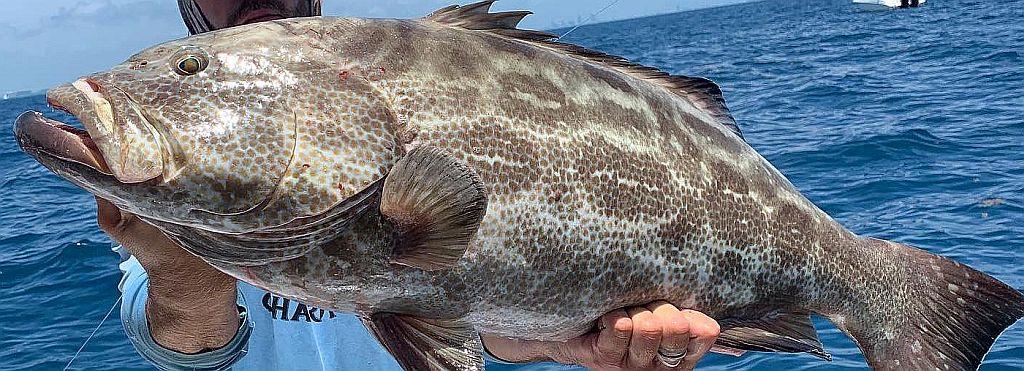
Black, gag, red, and scamp grouper can be found on the reefs, ledges, and structure in the 80 to 300 foot depths out of
Port Canaveral all along our coast.
Red grouper are generally found at depths to 200 feet; but most fish are caught closer inshore on the 60 to 100 foot reefs. Red Grouper are hard fighters and great eating but they only grow up to 30 or 40 pounds max. Most fish caught will be perfect table size; 10 to 12
pounders.
Snowy and yellowedge groupers can also be harvested by anglers deep dropping baits in the 500 foot and deeper depths. Snowy grouper can be harvested until June 30th while yellowedge grouper can be harvested year round.
Fishing with large baits like blue runners, live pinfish, big grunts, butterflied whole menhaden, or wide bodied butterfly jigs is recommended over smaller baits that usually get snatched up by the red snapper.
The offshore lane snapper bite
at Ponce Inlet is lit up right now.
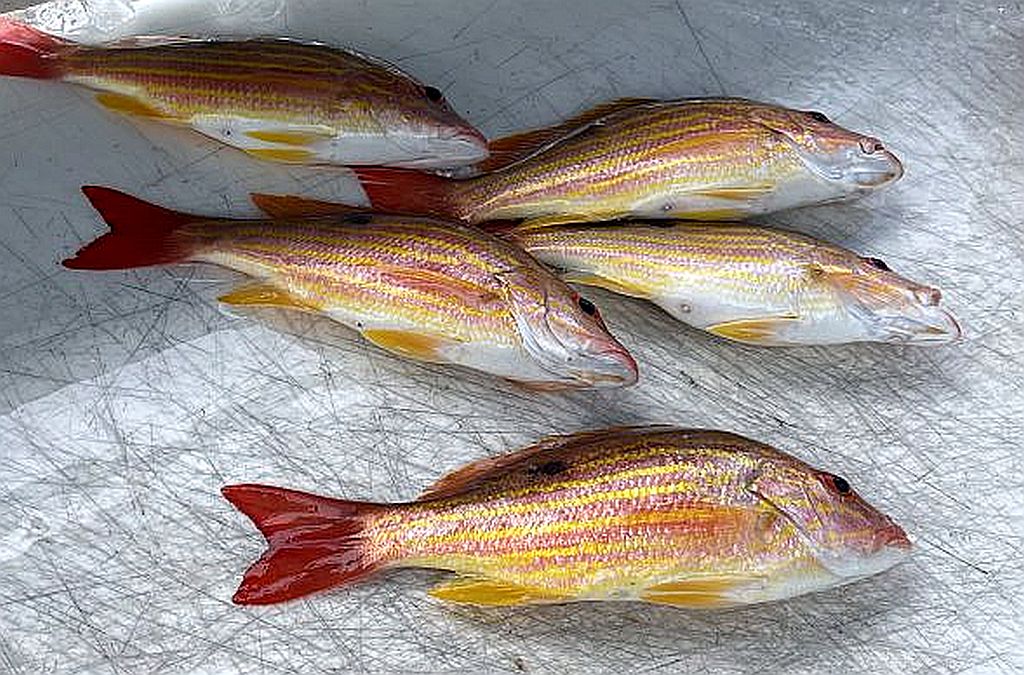
Target lane snapper in 120 feet of water or less with either cut baits or live baits. The fish aren't really very picky right now.
The
average size Lane Snapper in our area is about 3 pounds with a few running bigger.
Out of Port Canaveral, both the Mangrove and Lane snapper are hot on structure in the 70 to 130 foot depths. Fingerling mullet, pinfish, and cut baits on a standard bottom rig are producing fish right now.
The king mackerel
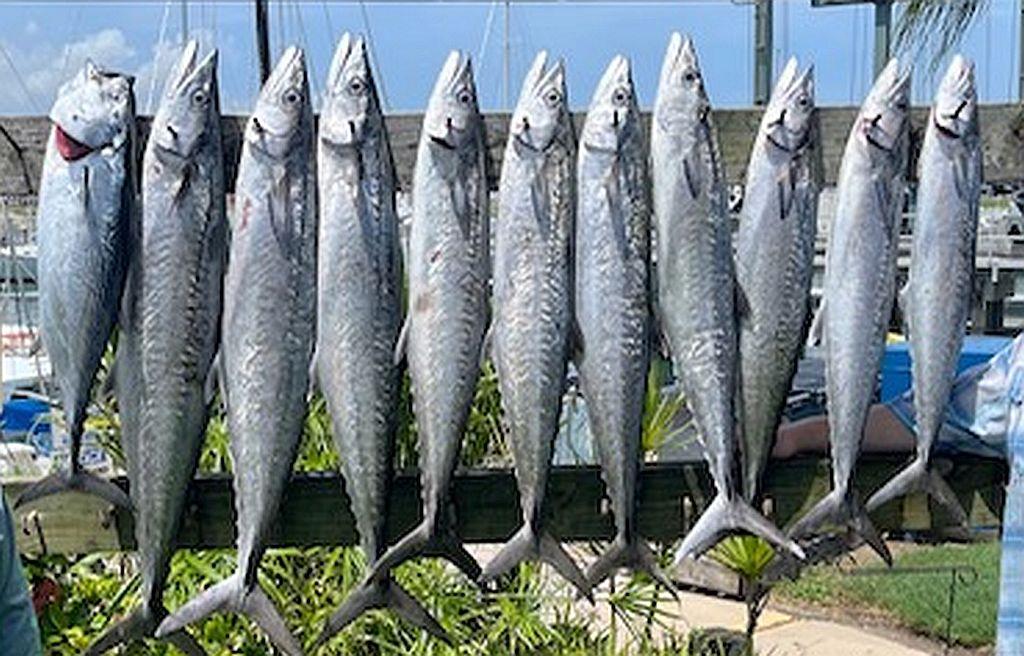
bite offshore on the 60 to 90 foot reefs out of Port Canaveral is also hot right now.
Early in the morning there isn’t much of a weed line out of the Port until you hit 170 ft. and once you get there the weeds have usually been too thick for trolling.
By noon, depending on the tides, blue water and fewer weeds appear in 90 to 115 ft of water. This is your best bet for dolphin and kingfish.
A large percentage of the kingfish caught by offshore anglers has been on
downrigged baits on stinger rigs pulled 30 ft behind the cannonball and 40 feet of rigger cable out, with an 8lb ball; down about 20′.
Skirt color doesn't seem to matter much, but coke or blue and clear are favorites. Most of our anglers have been getting their limit of kingfish
on frozen bait fish slow trolled on a wire stinger rig.
Right now in our region, you don't have to go very far offshore to target kingfish. The mullet run is coming up the beach and is bringing the kings and other predatory species closer to the surf. As the water remains warm and the baitfish stay around, the kingfish will be showing up on the beach in better numbers.
The king mackerel close to the beach are often mixed in among the bait schools and even the schools of tarpon, and will eat both live and artificial baits.
Pier and surf anglers have been catching an occasional king
mackerel on live mullet when they shadow the baitfish close to the sand.
A couple of weeks ago an angler fishing fishing from the Jetty Park fishing pier made an incredible catch of a 30 pound king mackerel with a live mullet on a pin rig. Pretty amazing catch for a land based angler.
The mullet run has also brought the tarpon in close to the beaches.
The recent rains should improve the bite as it pushes the smaller baits out of the creeks and lagoon system and gets the fish we are trying
to catch fired up.
Playalinda and Area Beaches:
For the the latter part of
last month, there has been little to no weeds in the surf and the water has been fishable in the Cape Canaveral and Cocoa Beach areas.
Anglers have been catching a lot of nice size whiting, palometas, and sharks with a few pompano in the mix. The baits of choice has been frozen shrimp rigged on a bare or white float pompano rig with a 3 to 6 oz. pyramid sinker to hold bottom.
Around the
Pineda area the surf is still pretty dirty but the seaweed has finally dispersed.
Anglers in that area are catching a few whiting and margate on small pieces of frozen shrimp on a double drop rig without any beads or floats. Low tide has produced the most fish.
Around Playalinda most anglers have been using live sand fleas or sand fleas tipped with fishbites, and small pieces of shrimp on double drop pompano rigs for whiting, palometas, and a few late season pompano in the surf.
Live sand fleas are usually the
bait of choice for most surf fishermen in our area but for the past couple of weeks, small, peeled, thumbnail pieces of fresh dead or freshly frozen shrimp seem to be the most reliable baits.
The guys in the Cocoa and Melbourne area still swear that freshly frozen Blue Magic shrimp from Florida Shrimp Company catches
more fish than brown shrimp or wild caught species. Regardless if we believe it or not, fresh baits do make a big difference in the bite.
Surf anglers in the South Melbourne Beach area report that the whiting bite this past week has been pretty decent. Most of the fish are being caught in the first trough on Fishbytes which
have been outfishing live sand fleas.
Surf fishermen using live and cut mullet this month can expect to catch bluefish, Spanish mackerel, snook, jacks, tarpon and the usual variety of sharks off the beach.
Small silver spoons, Gotcha plugs, Lhure Jensen spoons and Mirrolures fished past the breakers and in the troughs can often outfish live baits when the bite is on.
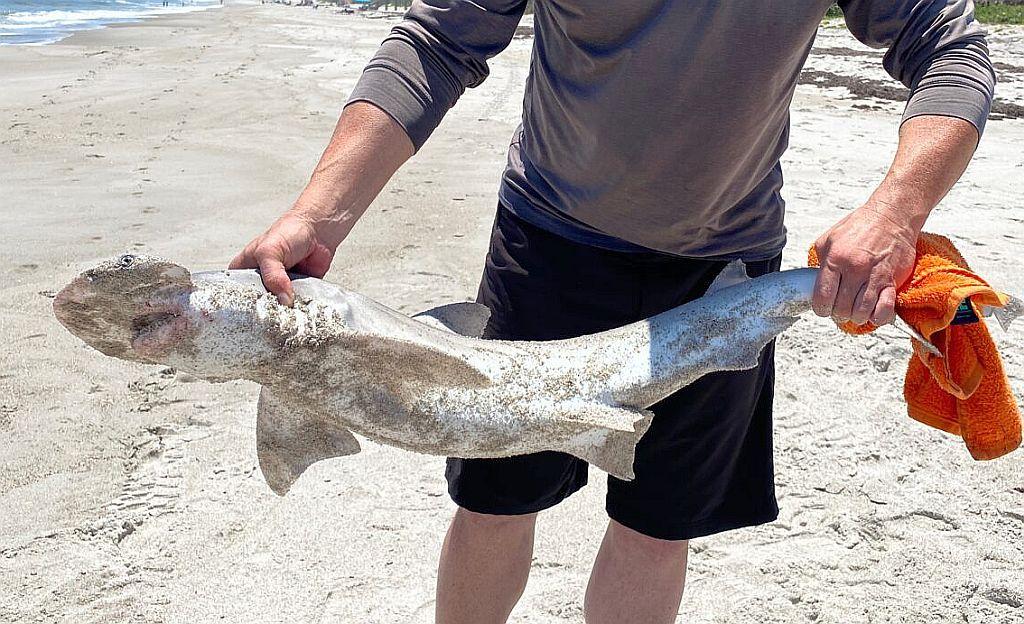
Shark fishermen this month are catching mostly bonnet head and blacktip sharks from the
surf.
However, bulls, hammerheads, and large sandbar sharks occasionally meander near shore just outside of the breakers.
Fresh shrimp, live baits, and chunk baits are good for bonnethead and smaller blacktip sharks.
Large chunks of bonito, fish heads, stingray bodies or wings, and fresh fish carcasses are all good baits for larger sharks. Wire leaders, large circle hooks, and stout tackle are the norm for land based shark fishermen.
The free FWC
land based shark course permit must be carried on your person when fishing for sharks from the beach.
To get the permit, you need to take an educational course at MyFWC.com/SharkCourse which consists of a quiz and some educational videos. After you create an account and pass the test, (which you can re-take if you fail) your certificate will have an ID code unique to you.
Haulover Canal:
The black drum and redfish bite in Haulover Canal is still good for anglers fishing with sections of blue crab and large chunks of fresh cut ladyfish or mullet.
Anglers fishing the bridge pilings with live shrimp are still catching a few keeper mangrove snapper along with a few slot size drum.
Serious bank fishermen who target bull reds and black drum in the canal have learned to gear up with heavy rods, 30 to 60 pound Power Pro, 40 pound and heavier fluorocarbon leaders, 8/0 circle hooks, and enough weight to hold bottom. The rig gets the fish in fast and keeps breakoffs to a minimum.
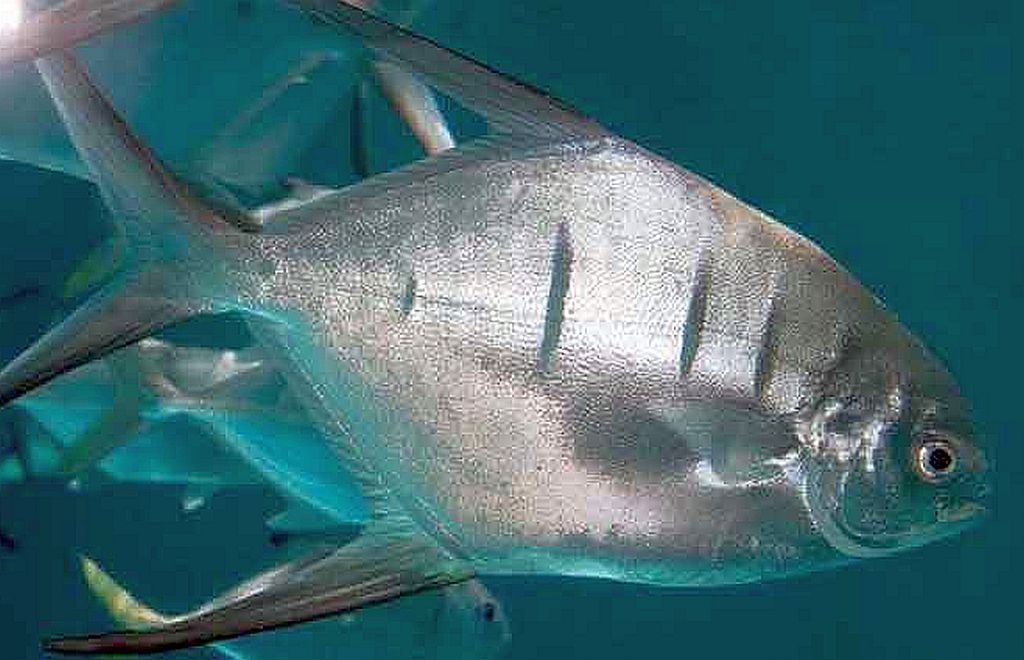 Anglers have been catching a lot of nice size whiting, palometas, and sharks with a few pompano in the mix. The baits of choice has been frozen shrimp rigged on a bare or white float pompano rig with a 3 to 6 oz. pyramid sinker to hold bottom.