SUPPORT COPY: Your August 2025🐬 Mosquito Lagoon & Indian River Fishing Report
Published: Fri, 08/01/25
Mosquito Lagoon &
Indian River
Fishing
Newsletter Issue # 193August 1, 2025
Mosquito Lagoon and Indian River:
Water levels in the Mosquito Lagoon and Indian River are still low but the bite for sea trout, redfish, snook and tarpon has been good throughout most of our area.
In the early morning hours during the summer months sea trout, redfish, and snook are usually found in shallow water on the flats. As the sun warms the water, the fish move into the deeper water drop offs adjacent to the flats, usually around 9:00 am.
During the magic early morning hours, many anglers in our area toss top water baits like Zara Spooks, Rapala Skitterwalks, Chug Bugs, Super Spooks, XPS Slim Dogs, and Bad-A-Donks until the bite subsides and then switch to plastic jerk baits or live baits in the afternoon to target the fish in deeper waters adjacent to the shallower grass flats.
A productive strategy is to explore the spoil islands and sandbars on foot. Wading these areas and looking for concentrations of trout around the depth changes can often produce some large fish.
Large top water baits smeared up with Pro-Cure Inshore Formula gel are preferred when fishing for the bigger "gator" trout in our area but so far this month, live baits have been working best for trout, reds, and snook.
Right now, the trout bite in
the northern and middle sections of the Mosquito Lagoon has been really good around the grassy areas, with croakers fished under a Cajun Thunder type float as the preferred method for taking them.
The trout have been schooling up on the grassy flats in the Tiger Shoal area and the outer bars towards Pardon Slew. The
middle to northern section of the lagoon has also been producing big fish along the docks, the transition zones at the rocky ledges, and the overhanging mangroves.
Live shrimp and small croakers are reportedly the baits of choice for both speckled sea trout and redfish in this area, but anglers tossing 4 inch Sea Shads,Saltwater Assassin Artemis Shads and other artificial baits are also getting their share of fish.
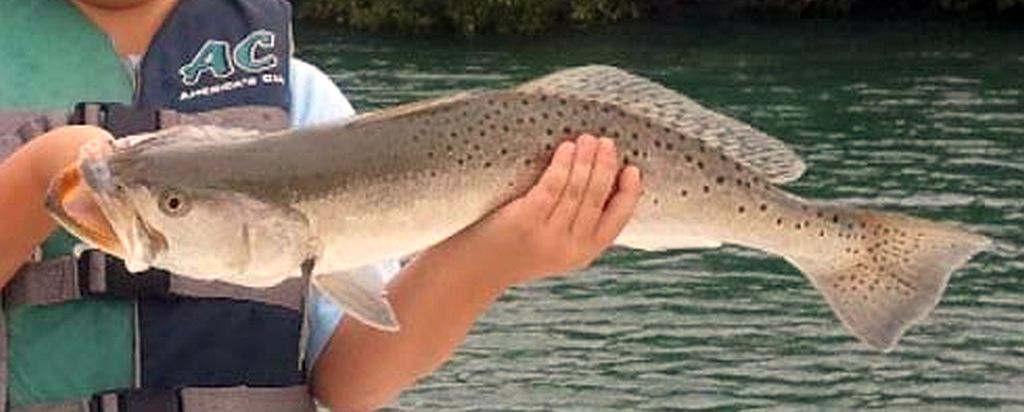
Our average Mosquito Lagoon sea trout is running anywhere from 12 to 17 inches with a few larger fish running up into the low 20s.
Most of the mangrove covered shorelines in the Indian and banana rivers have been holding trout and some snook.
The snook under the mangroves are running anywhere from 27 to 34 inches.
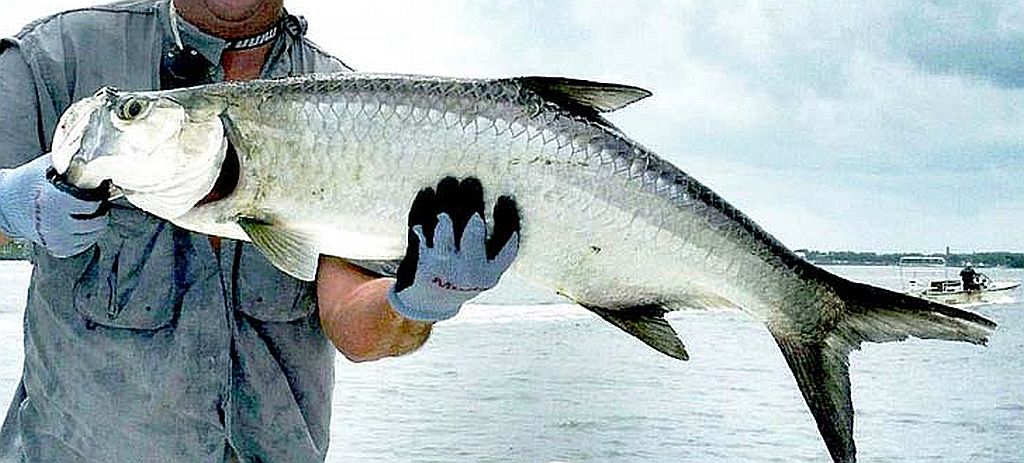
Currently there are quite a few larger tarpon moving around the ICW in the Banana and Indian Rivers. You will typically find them in areas with steep drop offs in the ICW and dredged out areas around docks. They have been hanging out around
mullet, pilchard, or pogie pods either in the middle of the channel or around dredge hole areas. These fish have been responding well to small paddle tail baits worked with a slow, steady retrieve.
Some baits of choice are the Heddon Chug N Spook and Z-Man MinnowZ in the Hot Snakes color.
For the past few weeks, the ICW in the Indian River from Melbourne to Titusville has been having a lot of activity from rolling
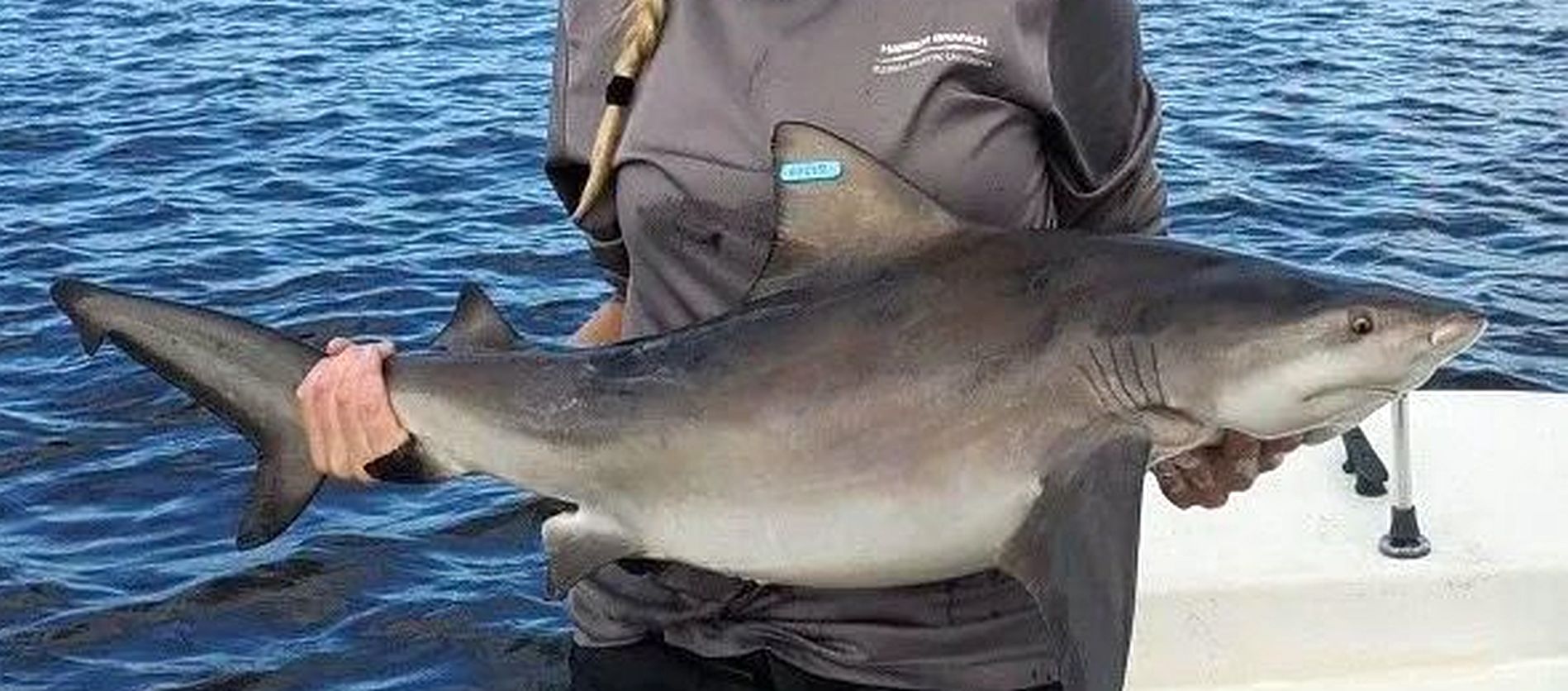
tarpon, big bull sharks, jack crevalle, and big sail cats that were travelling with the schools of tarpon.
Find some cleaner water areas with the bait pods and you will find the predators right behind them.
Last week there will still be some bull sharks hanging around the ICW channel in the Indian River mainly from Port St. John to Titusville. The tarpon in that area can be seen rolling early in the mornings when the water is calmer until later in the day when the wind picks up.
You can also find schools of big jacks chasing the mullet up and down the lagoon system in this area.
If you get out ahead of the pods and throw a big topwater plug, large paddletail bait, or Artemis Shad, you can generally hook them up pretty quick. By the time you land the fish, you have to run up the river a quarter mile or so to get ahead of the fish to get another bite.
The black drum bite has been consistent around the sandy pot holes in the grassy flats where the fish can be found foraging on crustaceans. A lot of quality black drum are caught along the mangrove shorelines, drop offs in the ICW, and the deeper water around the bridge pilings in our area.
The two fishing piers under the A. Max Brewer bridge, the railroad bridge going to the Cape in Titusville, and the deep waters of Haulover Canal are great places to catch both slot size and oversize drum up to 40 pounds or more. Live shrimp and cut blue crab are baits of choice in these areas.
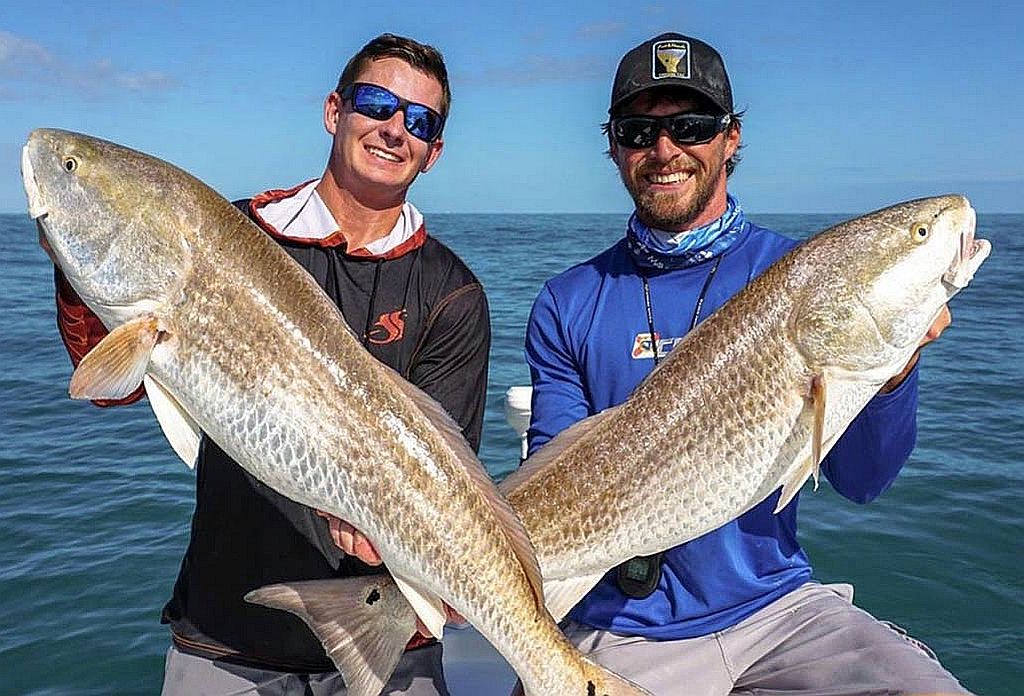
The flats up in the north side of the Indian River around Scotsmoor, basically the Mims area around Shiloh, are holding schools of good redfish right now. And, finally down in the Banana River, the west bank from Pineda to 520 seems to be holding good concentrations of redfish.
Port Canaveral Nearshore and Offshore:
Although it’s been blistering hot out, but the fish are on fire!
During the red snapper season last month, just about everybody who fished over hard bottom outside of 15 miles caught their limit of red snapper.
Obviously some of the better catches came out of the 27 fathom ridge and the "cones" from the guys fishing big live baits like blue runners, bluefish, croakers, and grunt on the bigger snapper.
The guys trolling live or
frozen minnows on wire stinger rigs over the 70 to 90 foot reefs throughout our region have been getting a mixed bag of some nice king mackerel, cobia (some nice ones), mahi, blackfin tuna, and even a couple of Wahoo here and there.
Because live baits have been hard to find, most anglers have been getting their limits
on frozen baits slow trolled on wire rigs over the reefs.
A few anglers pulling spoons, diving plugs and live baits on downriggers 40 to 50 feet down over the 70 to 90 foot ledges south of Ponce Inlet and have been catching some nice kings in that area. Lately, a lot more kingfish are being caught in that area on
spoons and sea witches with strips pulled behind the planers.
The kingfish in our area are running about 15 to 20 pounds.
The redfish bite along the nearshore coastal
waters around the Space Coast continues to be as hot as the air temperatures.
The fish are still gathering up in their pre-spawn aggregation with schools numbering up to 400 to 500 fish. When the schools get to this size, the redfish act like a ravenous school of big jacks that attack any bait you throw at them.
When these groups start to feed heavily; tarpon, jacks, and sometimes even cobia can be found roaming with the redfish.
Closer to shore, the snook bite along the jetties at Port Canaveral and along the beach where you can find mullet, is solid.
The tarpon are still scattered up and down the ICW as well as all along the beaches, along with sharks that are also along the beach under the mullet.
Fine tooth, blacktip, and spinner sharks are the most predominant
species being caught right now out from the sand.
Quite a few flounder are beginning to show up offshore on the sandy bottoms just off the near shore reefs.
Catch them on knocker rigs with 3/0 circle hooks or a 1/2 oz jig tipped with a live shrimp or a mud minnow.
Locating flounder is easy. Simply drift along the sandy bottom until you locate them and then anchor off.
Flounder in our area are running in the 15 to 22 inch range.
During hotter weather, you don't have to get very far out to get into some decent action. Right now there are some good size cobia in around 40 to 45 feet of water out of Port
Canaveral, as well as some shadowing the near shore bait pods.
Playalinda and Area Beaches:
Today the surf in the Cape Canaveral and Cocoa Beach area is clean with 0 to 1 foot waves and little to no weeds, which makes for some decent summertime surf fishing.
Schools of baitfish, including mullet and glass minnows are in the area along with the
bluefish, tarpon, jacks, sharks and snook that follow them.
For the above species, the surf fishermen in our area have been using live mullet, shrimp, croakers, cut mullet and a variety of medium size swimbaits. Right now, the chunked baits have been working well on keeper bluefish and sharks.
When the bite is on, small silver spoons, Gotcha plugs, Lhure Jensen type spoons, paddletail baits and Mirrolures fished past the breakers and in the troughs can often out fish live baits.
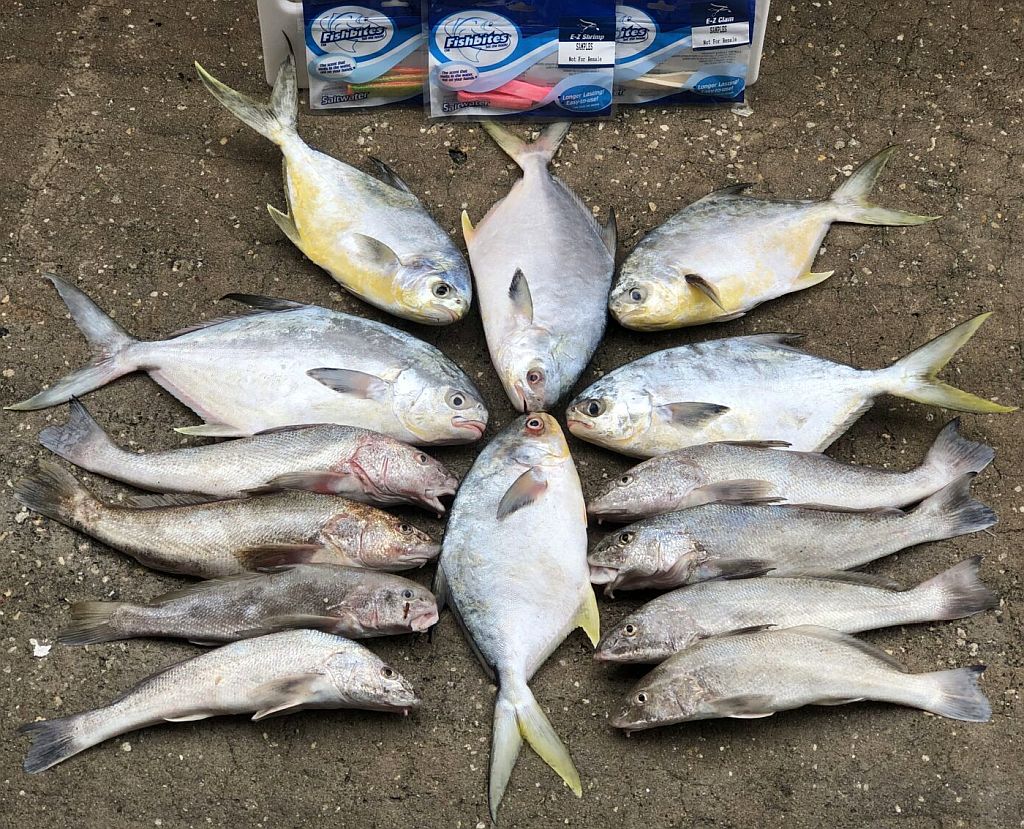
Whiting, croakers, and a few resident pompano are being caught along our beaches by anglers using sand fleas, shrimp, Fishbites, and peeled fresh dead shrimp.
A lot of surf fishermen at Playalinda Beach in the Canaveral Natioinal Seashore have been making nice catches of decent sized whiting on sand fleas tipped with Fishbites and small pieces of peeled shrimp on double drop pompano rigs
with colored floats to keep the baits off the bottom. Depending on surf conditions, 2 to 6 oz pyramid sinkers are needed to hold bottom.
Locating pompano and whiting during the summer months is the key to a successful fishing tirip. Clear water, depth changes, and bottom structure are all important. Pinpoint
the sloughs, runoffs, and breaks in the sandbars that the fish use to swim between the troughs, and the likelihood of success increases dramatically.
Pay attention to the sand in the surf for areas where small shells are piling up and where sections of the beach have small bubbles popping up as the water recedes. These
are areas where sand fleas, small clams, and crabs are being pulled out into the deeper troughs where the fish are holding. The fish will often stage just outside of the rips to snatch up crustaceans as they are being pulled out into the troughs.
Although the deeper troughs in between the sandbars farther out are where
the larger whiting and pompano schools are usually holding, pompano and whiting can also be found in the closest troughs to the beach where they can be caught with short casts and light spinning tackle.
When the fish are in the nearest trough, small pompano jigs tipped with a sand flea, a small piece of shrimp, or a sand flea/fishbite combination make excellent baits for pompano and whiting. .
Because the fish are constantly foraging up and down the beach, some areas will be hot one day and have zero bites the next day in the very same spot.
When this happens, pick up your gear and move to another section of the beach or relocate to another entirely
new area until you find where the fish are holding. The fish are always feeding. You just have to find out where they are at.
The best bite for most species is usually in the early morning hours during the last portion of an incoming tide, however, the outgoing and last portion of any incoming tide will usually produce
fish. In general, surf fishing is good during any moving water condition, regardless of the tide.
Try not to fish the same spot where you caught fish the previous day. Because wave action constantly changes the structure of the beach, fish will seldom be in the same exact spot they were at the previous
day.
Finally, when you locate a likely looking stretch of beach where fish may be feeding, stake out at least two rods on the beach and set your baits at varying distances from the shore. When you start catching fish, set all your baits at that general distance in the same general area.
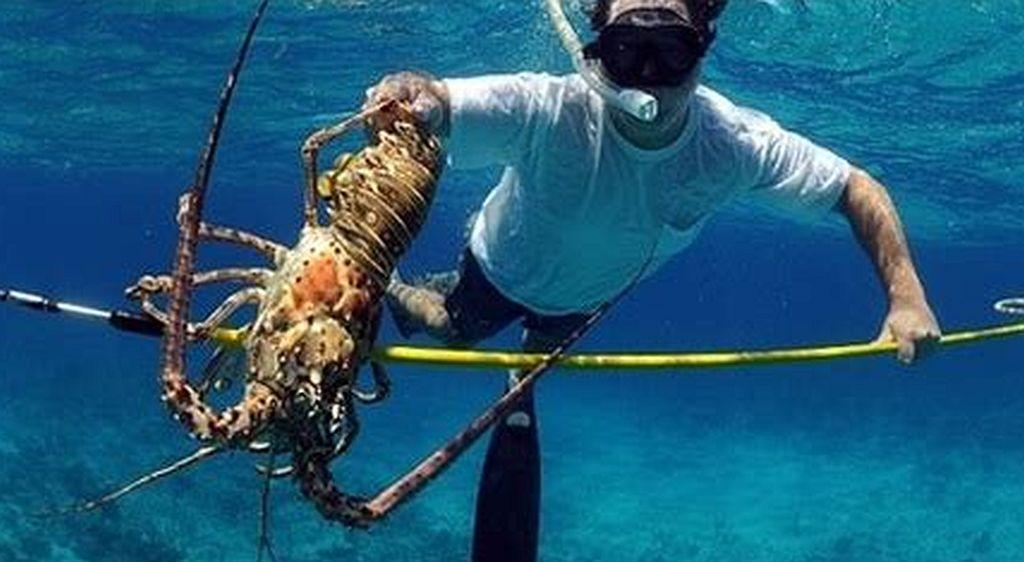
2025 Lobster Season:
CLICK ON PIC BELOW
Although the sport season for lobster is now over, the regular spiny lobster season reopens for recreational and commercial harvesting on August 6th. and runs through March 31st.
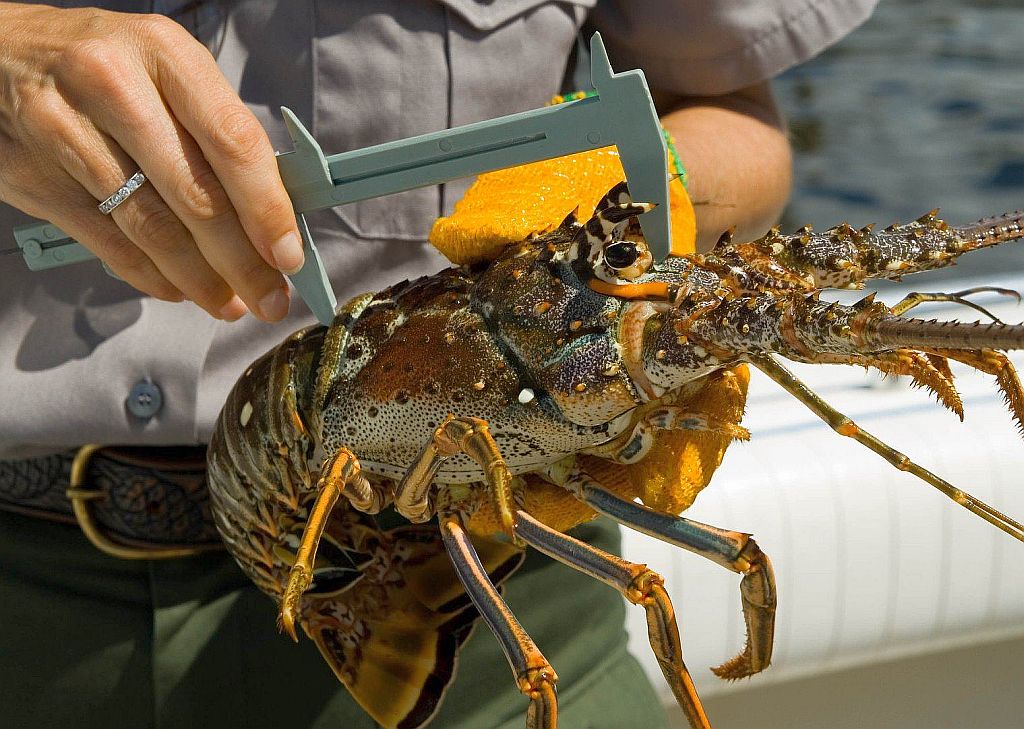
Spiny lobster must be measured in the water and have a carapace that exceeds 3 inches in length.
The carapace is measured beginning at the forward edge between the rostral horns, excluding any soft tissue, and proceeding along the middle to the rear edge of the carapace.
The daily bag limit and on-the-water possession limit is 6 per person.
Harvesting is prohibited in John Pennekamp Coral Reef State Park during the sport season, and in Everglades National Park, Dry Tortugas National Park, no-take areas in the Florida Keys National Marine Sanctuary and in the Biscayne Bay/Card Sound Lobster Sanctuary during both the 2-day sport season and the regular season.
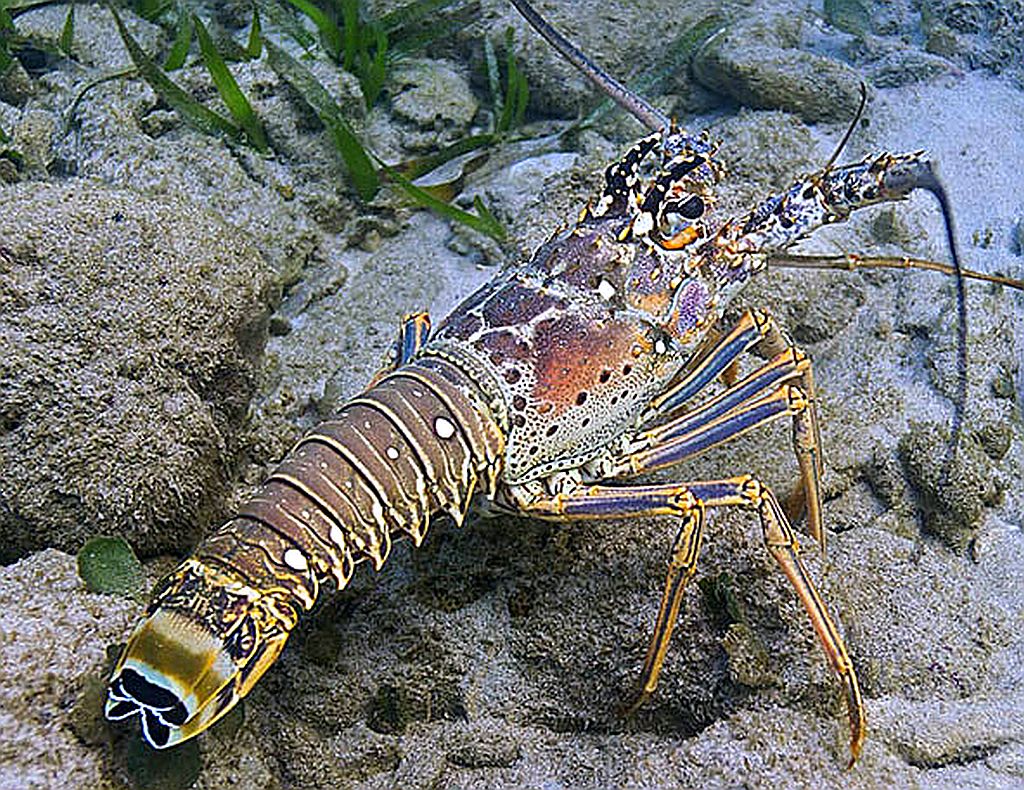
Here in the the East Central region, we harvest some really giant lobster in the 70 to 90 foot reefs.
The smaller ones generally show up on the near coastal reefs south of us from Sebastian south to Vero beach.
Our average lobster runs about 2 to 3
pounds, but the bigger ones in our area can exceed 10 pounds.
For additional information on harvesting Spiny LobsterClick Here .
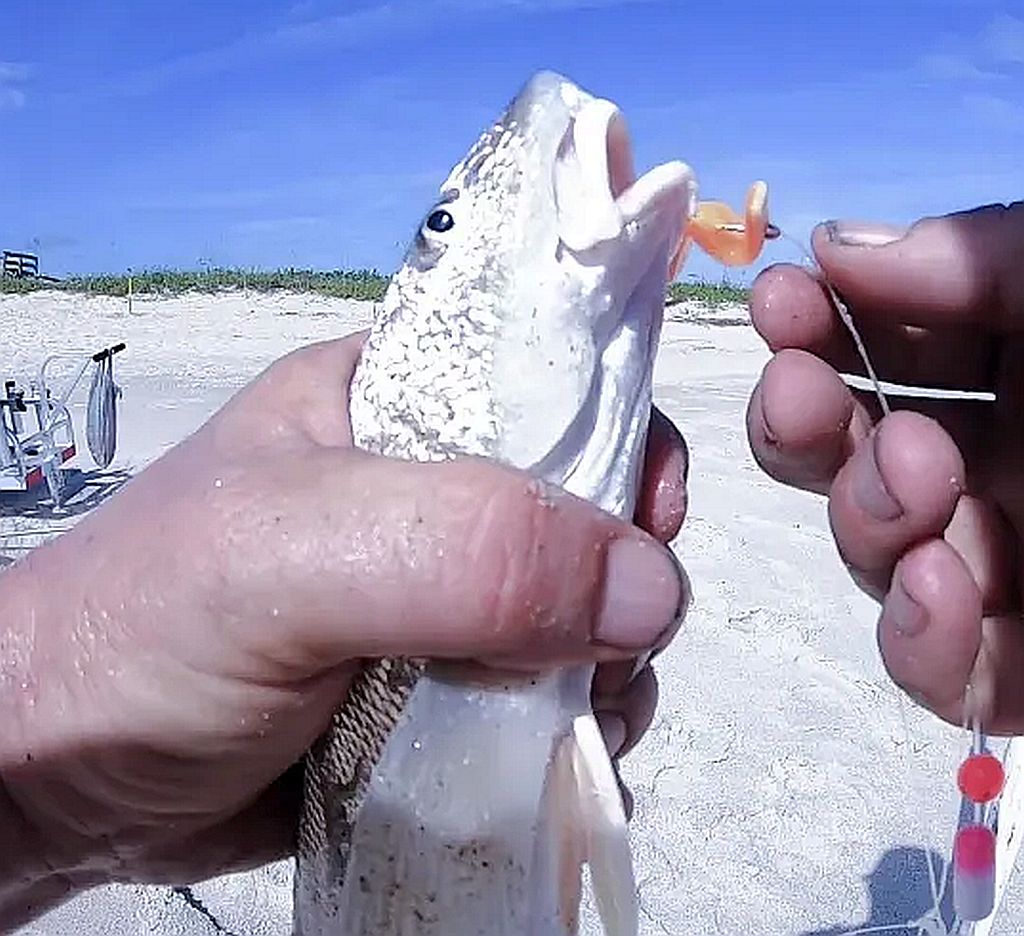 When the fish are in the nearest trough, small pompano jigs tipped with a sand flea, a small piece of shrimp, or a sand flea/fishbite combination make excellent baits for pompano and whiting. .