SUPPORT COPY: Your April 2025🐬 Mosquito Lagoon & Indian River Fishing Report
Published: Tue, 04/01/25
Updated: Tue, 04/01/25
Mosquito Lagoon & Indian River Fishing
Newsletter Issue # 189 April 1, 2025
Mosquito Lagoon and Indian
River:
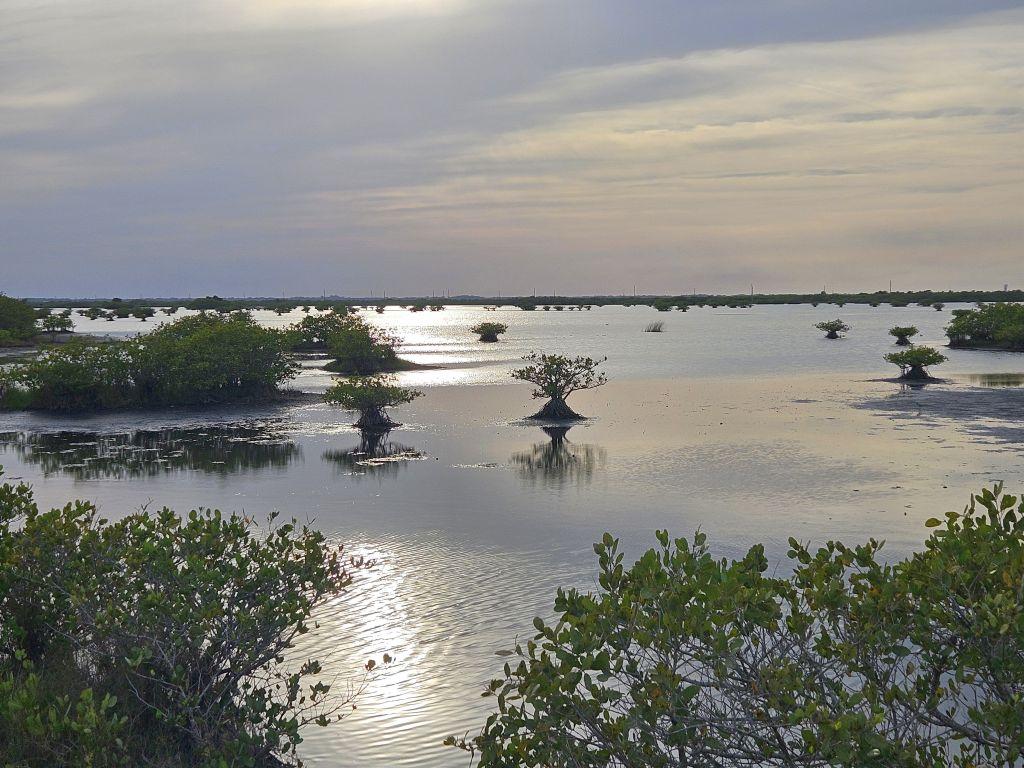
Now that springtime is in full swing, the fishing is getting really good in the Mosquito Lagoon and Indian River. The water levels are down and the water is clear, which is great for sight fishing.
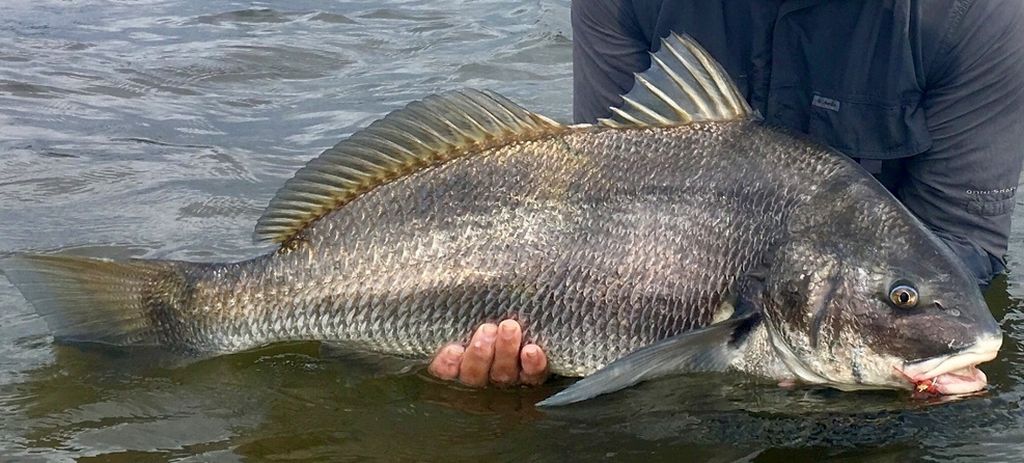
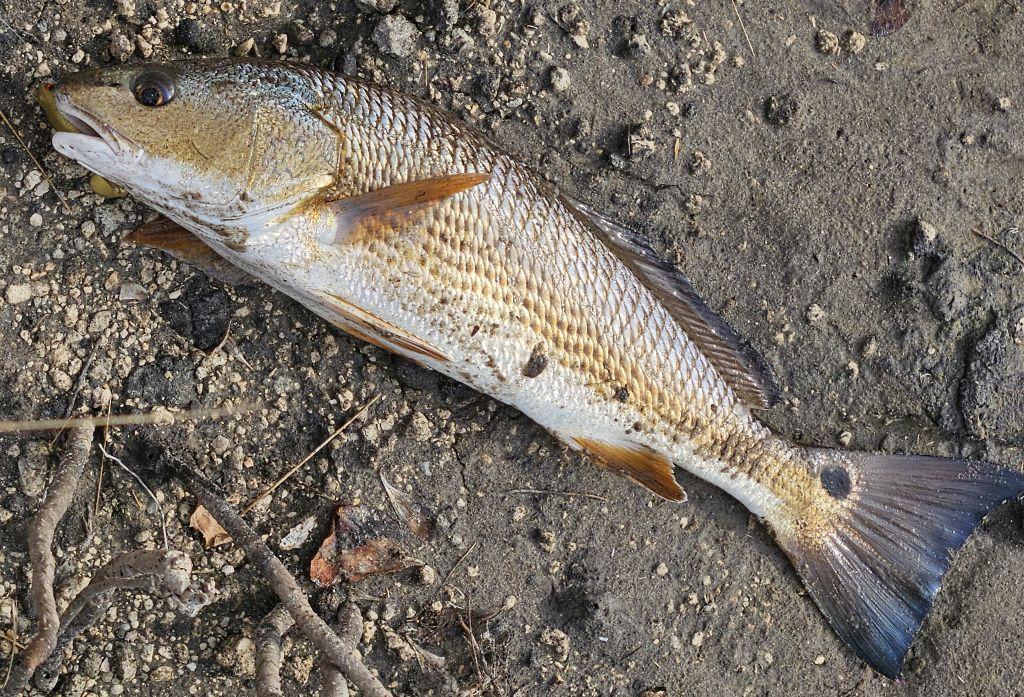
The black drum bite in all our lagoons systems continues to be very strong and the redfish are still schooled up and eager to eat on sunny days with good site fishing conditions.
In the Port Orange area, the redfish bite is
hot and the sheephead bite is still strong but the fish size is going down as the water temperatures warm up. Baits of choice for reds in this area has been shrimp, mud minnows, and live finger mullet if you can find them. When water temperatures hit 72 degrees, the snapper bite in this area will kick off.
In the middle portion of the lagoon system, redfish and black drum in the 8 to 15 pound category are still schooling together, with some of the schools having over 100 fish in them. Although some of the black drum are reported to be very picky eaters; anglers have been catching them
with live shrimp on a jig head and soft plastic baits. Live freelined shrimp with a small split shot also works well on these fish.
A lot of anglers have been finding redfish and some nice black drum in the northern part of the Mosquito Lagoon from George's Bar up to
around J.D.s Fish Camp. Live shrimp has been the most productive bait for these fish.
Along Gator Creek, Catfish Creek, Pumphouse Road, and the causeway in the Merritt Island National Wildlife Refuge in Titusville; black drum, rat and slot size redfish, and spotted sea trout are being caught around the shorelines and dropoffs in the Indian River, mostly on live shrimp.
Right now the water level in the mud flats along Gator Creek and East Gator Creek is being drawn down and the fish are being concentrated into small areas making them easy targets for anglers tossing small plastic Creme, or D.O.A. paddletail baits. Slot and under size redfish, sea trout, and black drum are hanging along the drop offs chasing glass minnows and mud minnows.
The snook bite in our area has been going gangbusters, especially along the docks, edges of the mangroves, and drop offs in the ICW around Oak Hill; just north of us. The fish congregate around ambush points near schools of baitfish in the shallows and close to the mangrove roots. Freelined jumbo shrimp works best on these fish especially with the shrimp run in Oak Hill being really good right now.
Sport shrimpers have been consistently netting 5 gallon bucket limits right now.
A fresh jumbo live shrimp tipped on a jig head is a hard bait to beat for black drum, snook, redfish, and larger sea trout.
Along the beaches just inside of Port Canaveral, Ponce and Sebastian Inlets where there is a tidal influence; good numbers of snook up to 38 inches are being caught. Most of these fish are being caught on live shrimp but croakers, spots, and most other live baits are also working well.
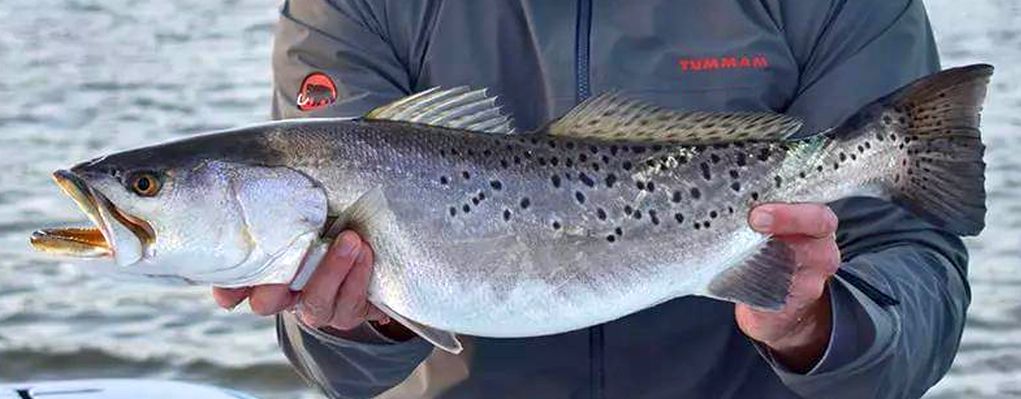
April is a prime month to catch gator sea trout in East Central Florida, especially on topwater baits.
During the early morning hours, late evenings, and at night; lone gator sea trout can be found following the bait pods or mingled in among the schools of redfish or black drum on the flats in the lagoon system.
These fish are prime targets for fishermen tossing topwater lures like the Chug Bug, Badonk-A-Donk, Skitter Walk, Zara
Spook, or anything resembling a baitfish around the bait pods.
As the waters warm up, usually around 9:00 am, the topwater bite will die down and the fish will move into the deeper water along the drop offs adjacent to the flats. This is when plastic swim baits like Creme's Spoiler Shad, D.O.A. Cal Shad Tails, and saltwater Shad Assassin baits can be used to get down to the fish. Large baits over 6" will catch larger trophy
size trout but 3″ to 5″ paddle tail baits will generally entice more bites, especially when some Pro-Cure Gel is smeared on the bait.
Sheepshead are still relatively plentiful around the bridge pilings, sea walls, coquina outcroppings, and rocky jetties in our area but they tend to be smaller in size. Regardless, they are easy
to find, fight hard, and taste great.
Playalinda and Area Beaches:
When the windy conditions allowed surf fishermen along the space coast to wet a line, fishing for the past few weeks has been steadily improving, especially for whiting.
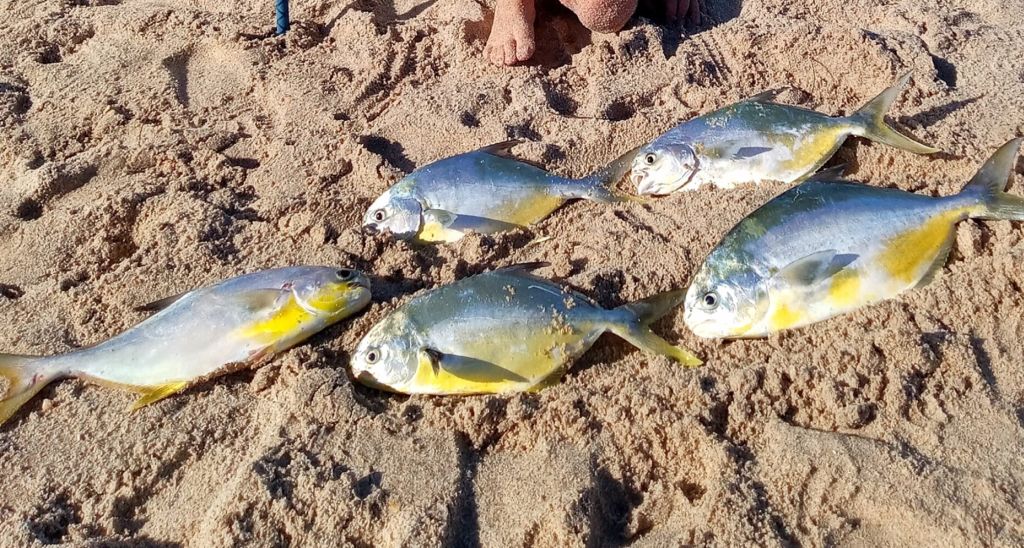
Anglers using live sand fleas, sand fleas tipped with fishbites, and small pieces of shrimp on standard 2 and 3
hook pompano rigs are still catching whiting and pompano in the surf.
The pompano bite along area beaches has been gradually slowing down, primarily because the south school of pompano has not yet moved back north into our area. Local anglers are still anticipating a strong finish to this years pompano
season.
The bite for whiting, croakers, big bluefish, juvenile black drum, and Spanish mackerel has been picking up as the water temperatures warm. The whiting bite in particular has been increasing dramatically.
Clam flavored fishbites tipped with a live or dead sand flea has become one of the baits of
choice for many surf fishermen in our area during heavy surf conditions. The fishbites stay on the hook better and keep the sand flea from rotating off the hook.
Around the Melbourne area, surf anglers are reporting that most of the fish caught have been on live sand fleas and frozen shrimp tipped with FishGum.
Surf fishermen using live and cut mullet this month can also expect to catch bluefish, Spanish mackerel, and a variety of sharks off the beach.
Right now farther out from the sand, large schools of bluefish in the 20 to 25 pound category and Spanish mackerel are making their way down the beach. These fish can occasionally be caught by surf fishermen tossing small silver spoons, Gotcha plugs, Lhure Jensen spoons and Mirrolures past the breakers or into the troughs.
Artificial baits are deadly when the bait pods are thick in the surf and the nearshore schools of bluefish and Mackerel move in to feast on them.
Farther south off the beaches at Patrick Space Force Base around the worm rocks and the Treasure Coast, surf anglers are reporting good catches of big whiting, Palmetto, juvenile black drum, Snook, and a few keeper
pompano.
Anglers targeting sharks this month will find a nice variety of larger sharks out from the surf. Blacktips, bulls, hammerheads, and lots of large sandbar sharks are meandering near shore outside of the breakers.
Chunk baits, live baits, and fresh shrimp are good baits for smaller blacktips.
For larger sharks most anglers have been using
Large chunks of bonito, tuna heads, stingrays, or fish carcass work for larger sharks. Wire leaders, large circle hooks, and stout tackle are the norm for sharks.
Remember to complete the free FWC land based shark course and carry the permit on your person when fishing for sharks from
the beach.
To get the permit, you need to take an educational course at MyFWC.com/SharkCourse which consists of a quiz and some educational
videos. After you create an account and pass the test, (which you can re-take if you fail) your certificate will have an ID code unique to you.
Port Canaveral Nearshore and Offshore:
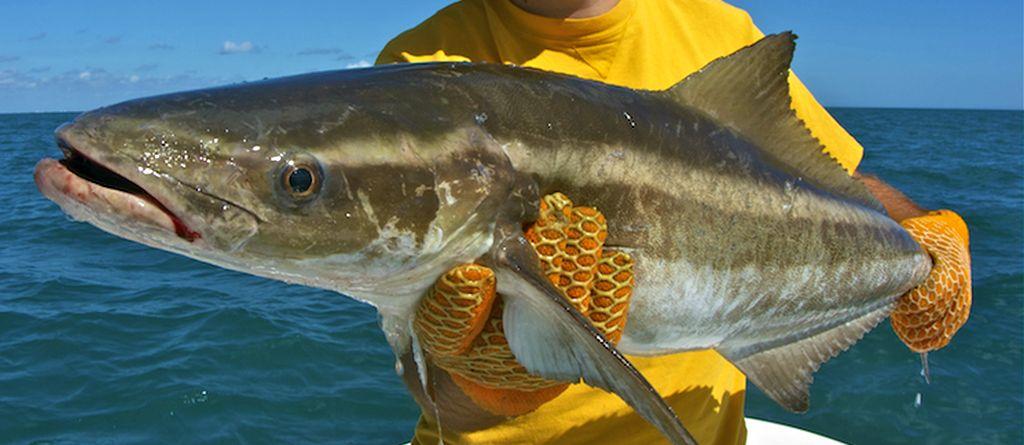
Although March Madness at Port Canaveral is over, the cobia are still coming.
Springtime is when the cobia migration along Florida’s east coast peaks. As nearshore and offshore water temperatures climb into the 68°F to 75°F range, the cobia begin to move northward from southern Florida waters into our area. Good numbers
of cobia normally begin arriving off Cape Canaveral between late March and early May.
With water temperatures now hitting the 70 degree mark, we are expecting to see greater numbers of cobia this month shadowing the manta rays and converging around the navigation buoys and towers, channel markers, color breaks and areas where baitfish congregate nearshore.
Right now, the cobia and tripletail are hanging around the marker buoys, weed lines, and near shore floating structure out of Port Canaveral and should continue to be with us throughout the month, only in better numbers. In the past week, there were definitely more cobia around Port Canaveral than in prior weeks; as well as some rays that are out in deeper water.
Cobia are aggressive feeders during spring run and respond well to a variety of live and artificial offerings.
The increased winds these past weeks have prevented most anglers from consistently getting offshore and the ones that did make it found the fishing not worth talking about.
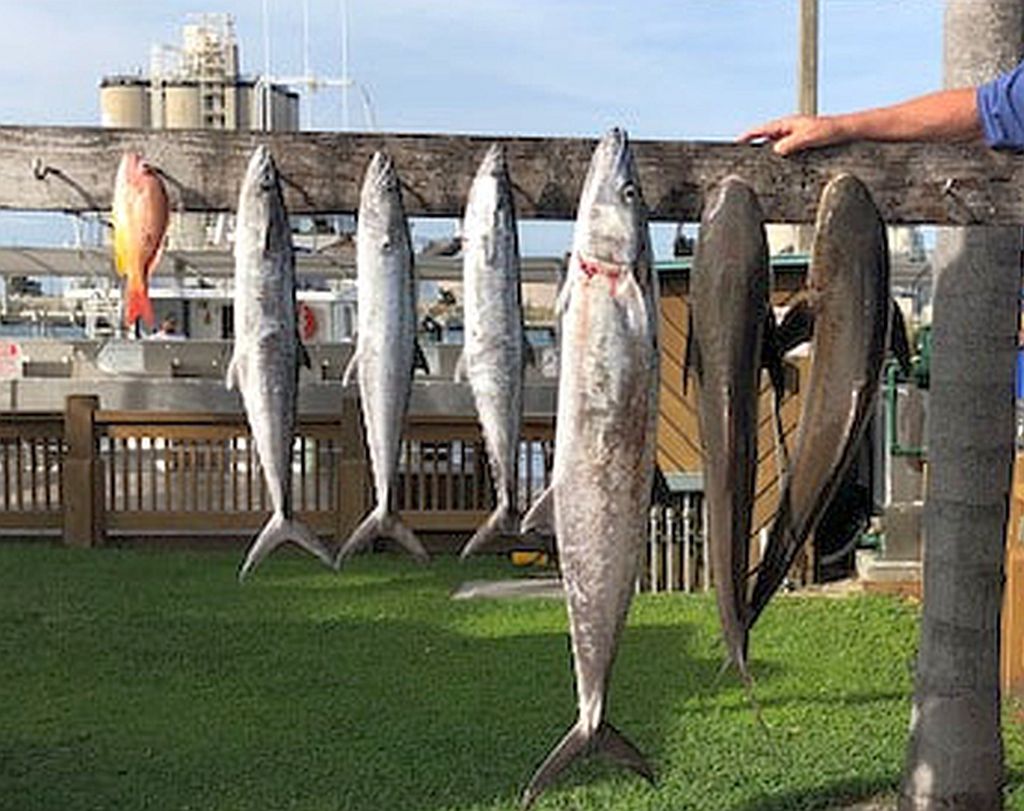
The kingfish in our area are gone right now and and although a few king mackerel have been trickling in, most anglers have switched gears to fishing nearshore for sharks, cobia, and a few mahi that have also been sighted in the area.
The nearshore shark fishing is providing nonstop action for everybody and has been on fire for hammerheads, bulls, and plenty of large sandbar sharks. The wrecks in the 80 to 120 foot depths have also been holding some large goliath groupers.
When the seas start to cooperate this month, chicken rigging should be on fire for plenty of lane snapper, triggerfish and an occasional cobia on the structure. Squid, sardines, pilchards, chunked reef fish, and live baits all work well on bottom species. Keeping a pitch rod handy while targeting bottom fish is always a good idea in the event a cobia shows up.
Bottom fishing "head boats"
like the Ocean Obsession out of Sunrise Marina at Port Canaveral will be gaffing a few cobia over the rail along with triggerfish, mangrove snapper, lane snapper, vermillion, and mutton snappers. Right now the most consistently caught bottom species are lane snapper and triggerfish.
As the month progresses, the
kingfish will be reappearing on 8A, Pelican, and other area reefs as well as nearshore. The bite for both mahi and kingfish on the 70 to 90 foot reefs will continue to improve as we progress into the summer months.
Slow trolled frozen minnows or live baits on stinger rigs over the reefs will be producing kingfish in the
10 pound range. Larger kings are generally caught closer to shore during the spring months.
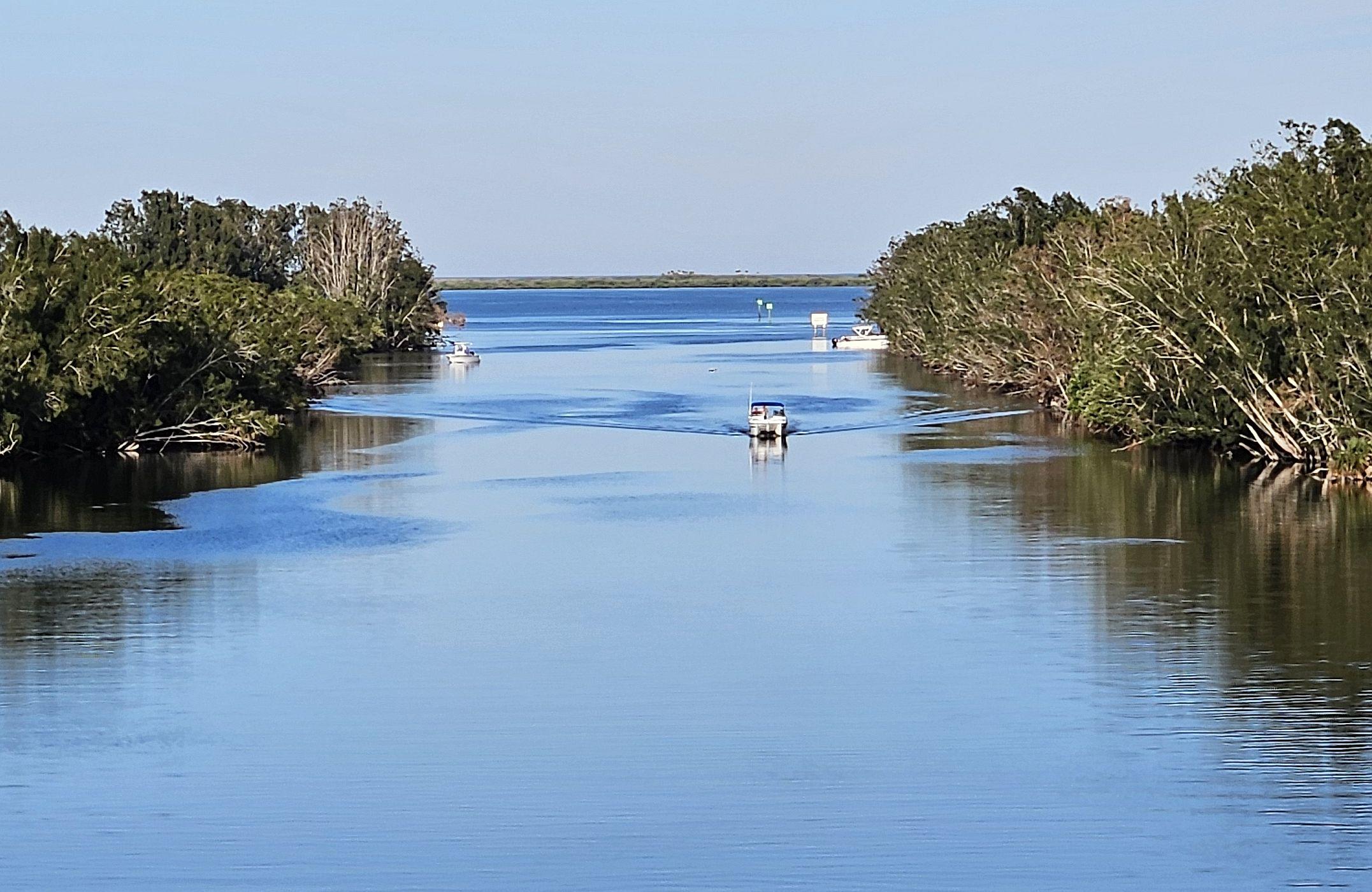
Haulover Canal:
The bite for black drum and redfish in Haulover Canal has been pretty consistent for anglers fishing with sections of blue crab and large chunks of fresh cut ladyfish or mullet for
bait.
Anglers fishing around the bridge pilings with live shrimp have been catching mangrove snapper and a few slot size black drum.
Boaters fishing the deep
holes at both entrances to the canal are catching some big black drum and redfish on live jumbo shrimp, a half of a blue crab, and cut baits.
Anglers fishing a jumbo live shrimp tight along the banks of the canal this month have a good chance of hooking up with a big snook, especially just before a front.
According to some locals, the shrimping at Haulover Canal is ramping up with some good pulls of jumbos. Night shrimping along the banks of the canal can be extremely productive when the current is moving.
Unlike the smaller shrimp caught in the Oak Hill area; Haulover shrimp are consistently much larger.
Serious anglers targeting the bull reds and huge black drum in the canal gear up with heavy rods, 30 to 60 pound Power Pro or other brand, 30 pound and heavier fluorocarbon leaders, 8/0 circle hooks, and enough weight to hold bottom.