SUPPORT COPY: Your December 2024🐬 Mosquito Lagoon & Indian River Fishing Report
Published: Sun, 12/01/24
Updated: Sun, 12/01/24
Mosquito Lagoon & Indian River Fishing
Newsletter Issue # 185
December 1, 2024
Mosquito Lagoon and Indian River
Slick, calm, windless days between the cold fronts
in December are the best days to search the flats throughout our lagoon system to find redfish, black drum, big sea trout, and snook. The cleaner waters during the winter months enable sight fishing that anglers from all over the country come to our area to enjoy.
Fishing before a winter cold front is more productive than fishing after one. Once the
barometer and thermometer stabilize, the fish tend to feed more heavily.
Cold weather in Central Florida generally means a hot midday bite for most species. The fish in our area have already adjusted to the temperature drop and have changed their feeding patterns accordingly.
As the sun rises, the fish make their way onto the warmer shallow flats where they can be picked off with smaller, slow fished lures.
A 3 inch jerkbait on a 1/8 oz jig head hopped along the bottom is deadly when fished very slowly. Each hop creates a puff of sediment that looks like a fleeing baitfish
or shrimp.
The same slow fishing technique applies to smaller topwater baits. Fish the baits super slow to get more hits. The bite will often occur when the lure is completely motionless.
Live baits work best in all water
conditions but you can cover a lot more water fishing with spoons, visible paddletail baits, and small shallow running plugs.
Targeting whats left of the bait pods in shallow water areas close to the shorelines in the backwaters of the lagoon system is a good tactic to use this month.
Predatory fish are often mixed in among the baitfish or holding close to the pods. Live finger mullet, live shrimp and a variety of surface and sub surface plugs and soft plastics can produce fish in these areas. The Subwalk and 3 to 5-inch Rapala topwater lures are a couple of baits that will produce bites on most days.
In the Mosquito Lagoon, the bite for black drum in the south end has started to ramp up. The water levels are low and relatively
clean along both banks, and the fish have been foraging closer to the shorelines. As water levels get back to normal, look for fish foraging in areas not usually accessible to them.
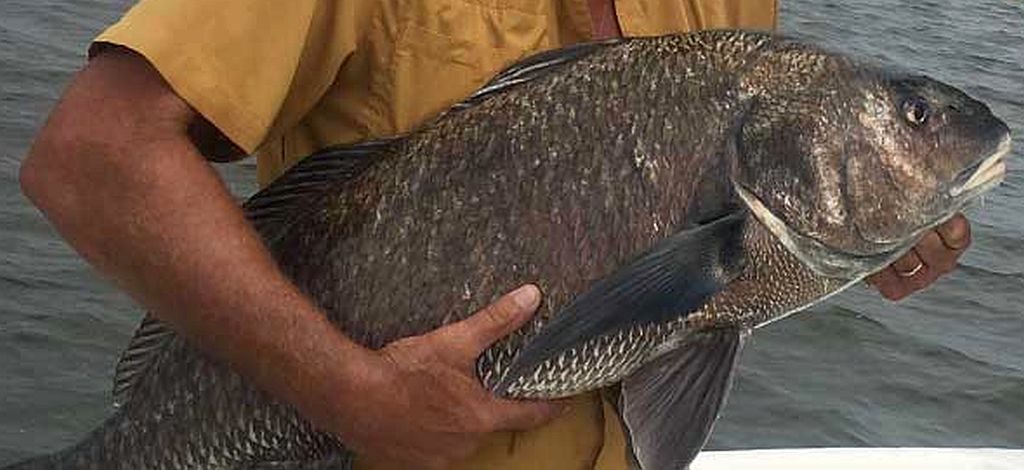
Although black drum are related to their redfish cousins, their feeding habits are much less predatory. Black drum are cumbersome and usually just too lazy to chase a
lively baitfish around. They like easy meals and prefer feeding on dead crustaceans and mollusks. They love eating live blue crabs, fiddler crabs, and shrimp and will occasionally chase a live finfish if they are feeling frisky; however, black drum will normally not waste their energy chasing down a meal..
Since the last cold front hit this past week, the
morning bite in the Mosquito Lagoon has been slow. From mid morning till around late afternoon, the action generally picks up. The backwater and inshore bite is usually best around 2:00 pm later on in the day.
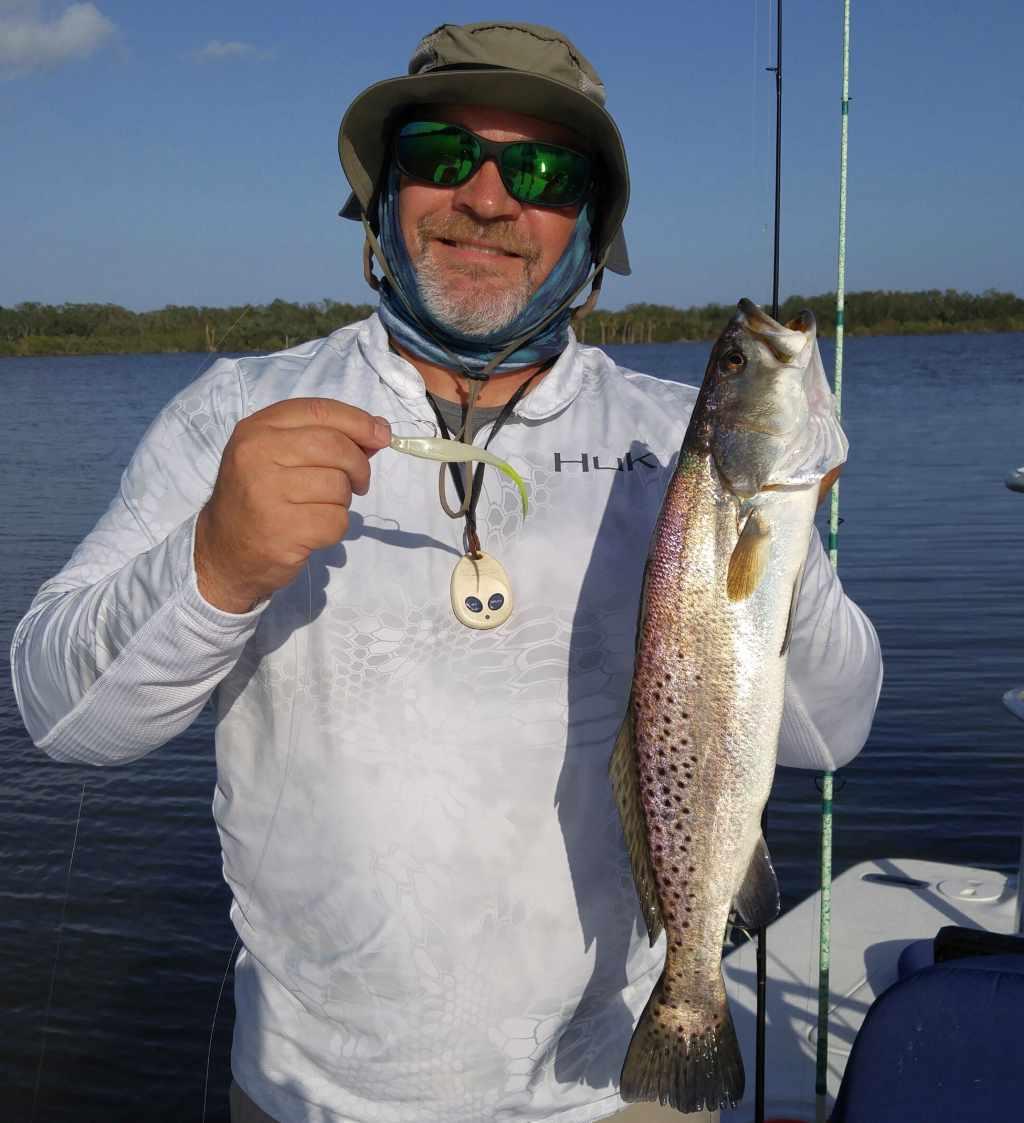
Large spotted sea trout are called Gator trout in our area when they exceed 6 pounds in weight. During the winter months, fishing for gator sea trout in deeper waters with well defined thermoclines can often produce good numbers of big fish.
In between the cold fronts, sea trout
will hold close to their winter holes on the flats and move only short distances to feed. Because the fish are less aggressive and often test or "mouth" artificial lures before they commit to a strike, live baits work best for winter trout. Small sea shad tails on a 1/8 th oz. jig head smeared up with some Pro-Cure or a fresh live shrimp are good baits to use on winter trout if you prefer using artificials.
Small plastic Creme Spoiler Shad or Saltwater Assassin baits in the 2 to 4 inch size will also produce when fished very slowly along the bottom.
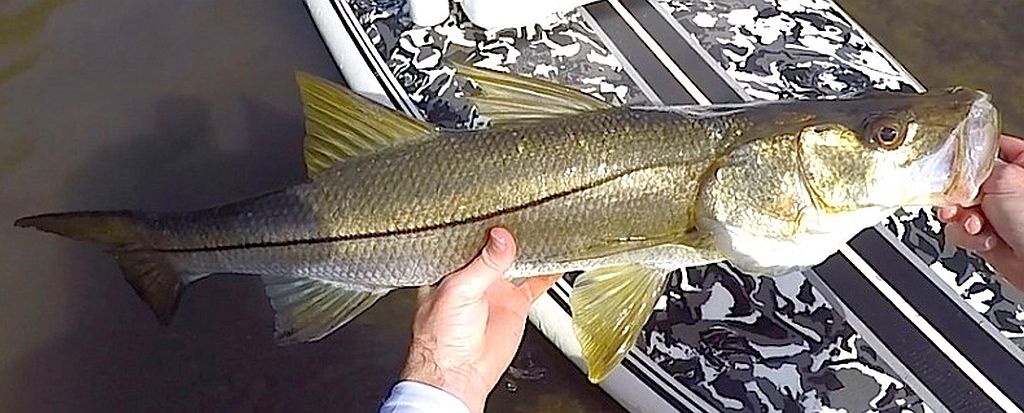
During the winter months, Snook can often be found holding tight to the mangroves along the shorelines and the banks of shallow mud bottom creeks. Sometimes they will swim out to strike a live shrimp, finger mullet, or a well placed lure but skipping a bait under overhanging vegetation will
get more strikes. Again, slow retrieves work best.
Surf and Inlet Fishing
Wintertime surf fishing along our Space Coast ramps into high gear this month.
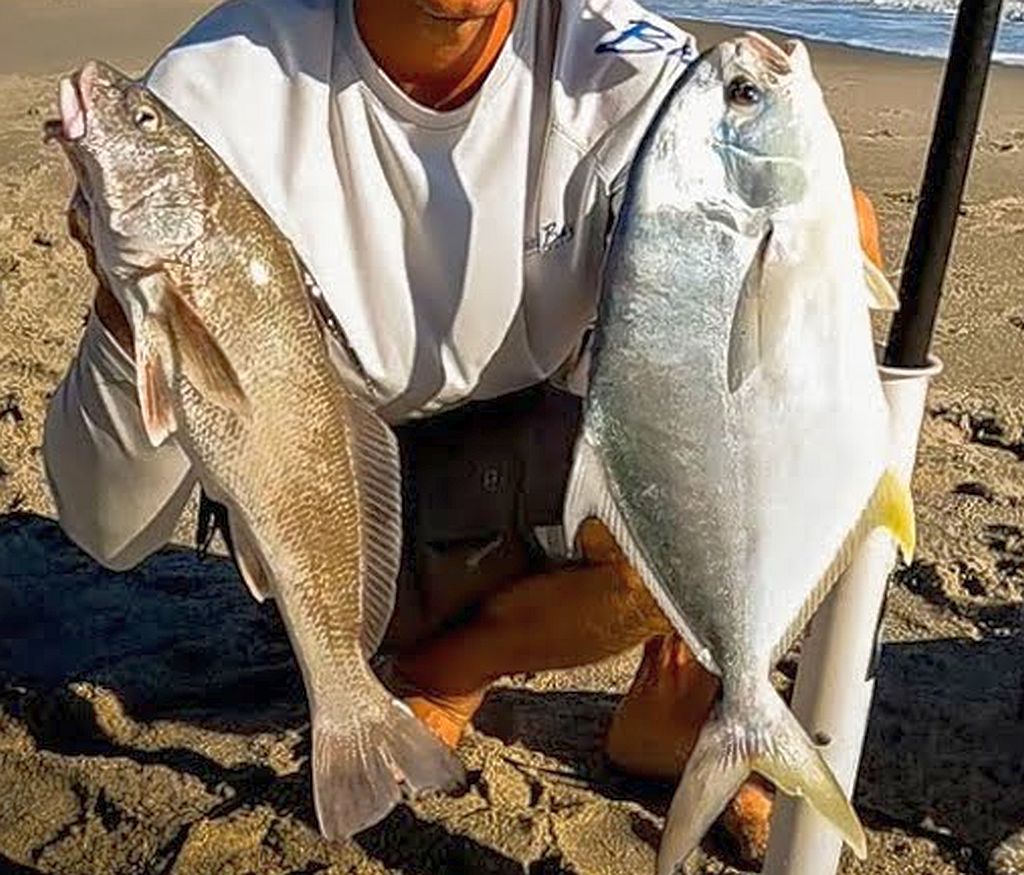
The cool water temperatures bring pompano,whiting, bluefish, black
drum, and a variety of predatory species close to the beach.
December is also a peak month to chase pompano along the beaches from New Smyrna at Ponce Inlet all the way down to to Sebastan. The most important keys to catching pompano in the surf are water temperature,
water clarity, and beach contours.
The north to south migration of pompano is driven primarily by water temperature, which is why you have deviations in migration periods from year to year.
When ocean water temperature drop below 75 degrees F. migrating pompano will hold in areas where an
abundance of food is present,. Because pompano are sight feeders, water clarity influences which beaches and how far from shore the migrating pompano will roam. Clean emerald green water areas with tropical blue colors provide the highest probability of finding fish.
Wind patterns determine the cleanness or dirtiness of the water along the beach. Northern winds generally clean up the water
while offshore winds dirty the water. Its a good idea to avoid areas where beach re-nourishment projects are being carried out. The dumping of silt along the beaches screws up the water quality and buries crustaceans like sand fleas that pompano and whiting feed on.
Tactics for pompano vary but most experienced surf anglers use two and three hook pompano rigs with bare hooks or chartreuse, green, red, or white
floats and multicolored beads to keep the baits just off the bottom. Top baits include sand fleas, fresh clams, peeled bits of shrimp and Fishbites,. Clam or sand flea scented strips of Fishbites, work almost as well as fresh baits and will not fly off the hook during long casts.
Experienced surf fishermen cast their baits out at varied distances. Its a good idea to run several rods spaced
out along the beach at different distances until you find the areas where the fish are feeding for that day. Place one bait out past the farthermost sandbar and others closer into the inner troughs. This simple strategy will quickly identify where the fish are feeding at any given time.
Winter pompano generally prefer deep water and will congregate in tight schools until they locate a food source in water temperatures between 65 and 75 degrees F. When this occurs, the fish will move into the area in greater numbers and hold there until the food source is exhausted or the water temperature changes. The largest pompano are usually found well past the first sandbar.
Our last cold front
dropped the water temperature in the surf and we are now experiencing almost ideal water conditions for pompano fishing.
Pompano fishermen this month can expect by catches of whiting, black drum, permit, and Spanish mackerel.
More and more anglers like to fish the first trough and slightly beyond with chunked baits, small plugs, or rapid retrieve spoons like
the Lure Jenson for bluefish, jacks, and Spanish mackerel.
Frisky Fins (rattle rigs), Pompano Rich’s pompano rigs, and Salty pompano rigs are deadly around Melbourne beaches and are the "go to" set ups for many beach fishermen in that area.
Most pompano caught in our area this month will fall in the 1 to
2 pound category, but you can expect fish up to 4 pounds or more as temperatures continue to drop.
The recent water temperature drop that bought the baitfish and dinner table species to our area has also attracted a plethora of sharks closer to the beach.
When fishing for sharks from
the beach; remember to complete the free FWC land based shark course and carry the permit on your person.
To get the permit, you need to take an educational course at MyFWC.com/SharkCourse which consists of a quiz and some educational videos. After you create an account and pass the test, (which you can re-take if you fail) your certificate will have an ID code unique to you. Refresher courses are available.
Get to the beach early in the morning for the best action regardless of
species; the bite usually slows down later in the day.
Thanksgiving day at Playalinda Beach found only a few surf fishermen on the beach. During the winter months you can expect the beaches along the Space Coast to be relatively uninhabited, especially during week days.
Port Canaveral Offshore and Nearshore
Between Ponce Inlet and Port Canaveral the nearshore bite along the beaches has been nothing short of great.
During Thanksgiving week, the redfish and black drum bite along the launch pad has been as
good as it gets.
Live shrimp or finger mullet fished on a knocker rig into the surf inside Canaveral Bite have been producing snook up to 35 inches, Black Drum to about 27 inches, a few pompano, and redfish up to 45 inches.
Farther offshore,
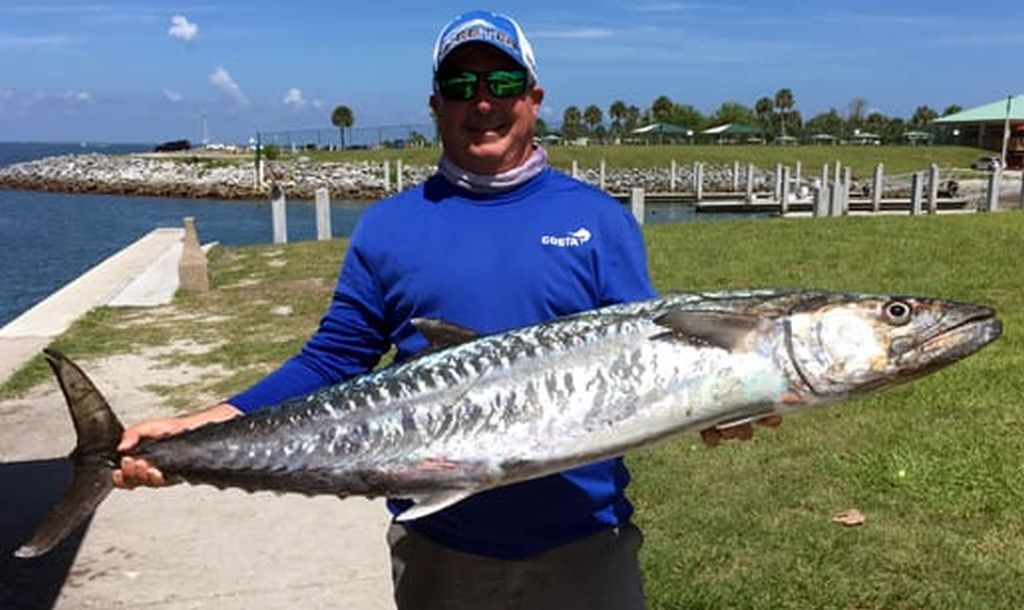
good schools of King mackerel are on the reefs. Pelican Flats, 8A, the High Bar, and even Bethel Shoals have been producing nice catches of kingfish along with a few Cobia that are swimming with the schools. Most anglers working the reefs and wrecks out of Port Canaveral have been slow trolling live bunker or mullet on stinger rigs for kingfish.
The average kingfish in our area right now is running about 10 to 15 pounds, with a few larger ones in the mix.
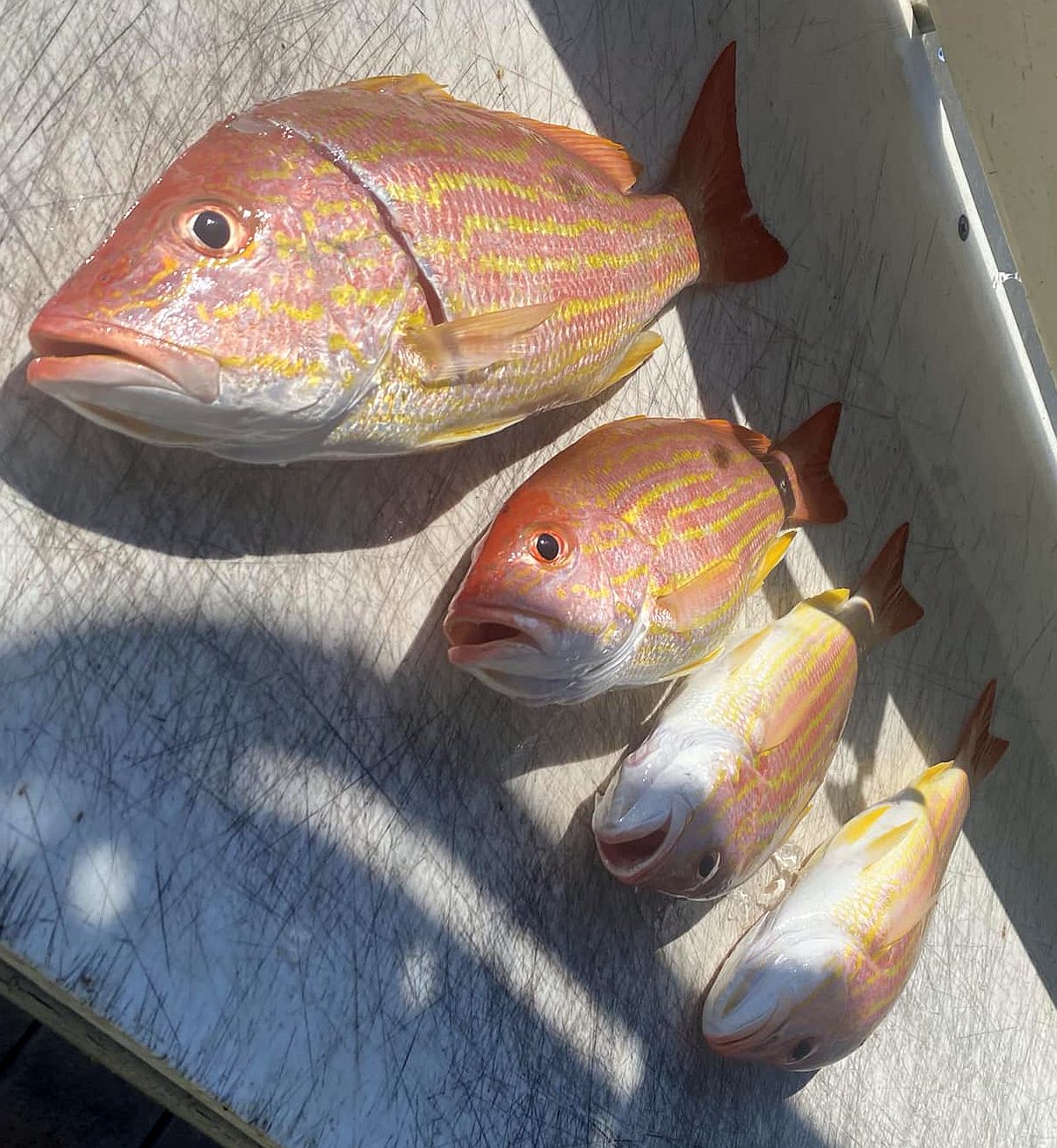
Space coast anglers often call December "assorted snapper month". Every reef between 50 and 90 feet will hold a variety and good numbers of snapper.
Lane, red, mutton, vermilion, and mangroves can be found on the ledges, broken bottom, and artificial reefs often
within a dozen miles offshore of Ponce Inlet, Port Canaveral, and Sebastian Inlet.
For many small boat anglers, December is light tackle bottom fishing at its finest. Light to medium spinning gear with 2 to 4 oz. egg sinkers above a 3 or 4 foot leader is standard terminal tackle. Keep leaders light to fool wary snapper. A 30 pound test fluorocarbon
leader is plenty.
Live shrimp, any small live baitfish, or pieces of fresh cut bait will work.
Expect by catches of black sea bass, triggerfish, white grunts, etc.
It pays to keep a heavier rig on the bottom. A jumbo mutton, mangrove, or cobia could pick up a bait at any time.
Lane snapper are an overlooked species that are found over low relief patch reefs in near shore waters and are typically caught over reefs where mangroves, grunts, and smaller mutton snapper are caught. They are great light tackle species that inhabit rocky ledges, the edges of channels, jetties, and inshore structure
like bridge pilings along the causeways and piers. Cut baits and small live shrimp are baits of choice for lane snapper on light tackle. There is no closed season for lane snapper and they taste great.
Dolphin and tuna are on the agenda for offshore anglers this month, but so far the action has been less than stellar.
Pulling a skirted ballyhoo around the scattered weed lines that are out there along with temperature breaks and color changes is the best way to find dolphin out of Port Canaveral. The average dolphin out of the Port is running anywhere from 9 to 15 pounds right now.
Although the Wahoo and sailfish bite supposedly peaks out of Port Canaveral during October. Both wahoo and sailfish prefer cooler water temperatures and are still being caught in good numbers.
The bite for wahoo is still fairly decent for offshore anglers pulling fast moving baits over the Cones are in the 230 to 250 foot depths on the Oculina Bank.
Most anglers pull large dark colored lures at 9 to 15 knots or better to get hookups. . Purple and black Islander lures with 24 to 36 ounce inline trolling sinkers to get the lures down to the fish are most used by captains out of the port for wahoo, blackfin tuna, king mackerel, and sailfish. Wahoo in our area can run anywhere from 20 to well
over 40 pounds.
The guys fishing around the jetties at Sebastian are catching some nice snook but the bull sharks have been getting on them pretty hard making landing a whole fish extremely difficult.
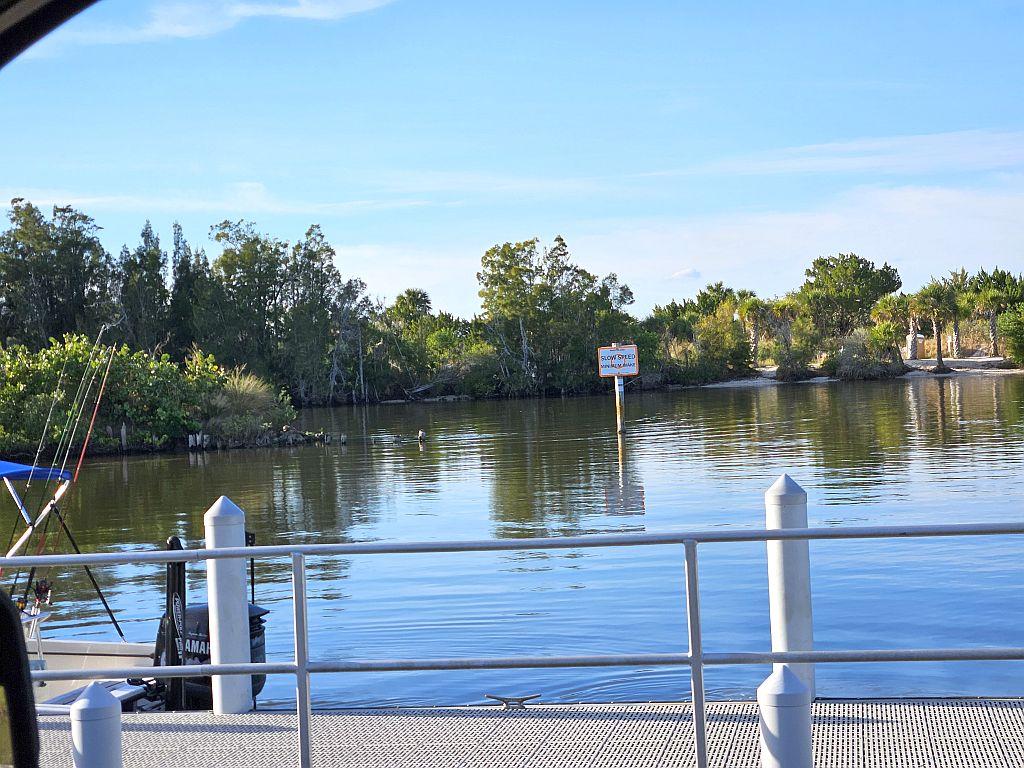
Haulover Canal
Although a couple of my fishing contacts tell me that they have been catching some nice bull redfish and black drum in Haulover Canal, the trip I made on
Thanksgiving day didn't bolster their testimony.
The guys I spoke with were dunking cut baits, shrimp, and sections of blue crab. One angler said he had a nice black drum on but lost him at the bank on the coquina outcroppings. He was fishing live shrimp on a sliding sinker rig.
The water in the canal was barely moving which could have been the reason for the lackluster bite.
The best bite for redfish and black drum is during the fall spawn when good numbers of big redfish move from the Mosquito Lagoon into the northern Indian River flats to spawn. This activity often continues well
into December.
Shore
fishermen along the banks of Haulover who target bull redfish generally fish with a whole live blue crab with the legs removed, a large pinfish, fingerling mullet, or large chunks of ladyfish or mullet. Catches of redfish up to 45 inches or more are not uncommon during the spawn.
This month anglers tossing live baits, soft paddletail baits, or lipped
diving plugs along the shorelines of Haulover can hook up with some nice snook, especially during the late afternoons and at night. Some nice snook have been caught along the bridge fenders during the evening hours.
Experienced bank fishing anglers at Haulover Canal will tell you that it's a good idea to use Power Pro or some other braided line in lieu of
monofilament as your main line. Braided lines are stronger and more resistant to cutoffs from the Coquina rocks that line the banks of the canal.