SUPPORT COPY: Your November 2024🐬 Mosquito Lagoon & Indian River Fishing Report
Published: Fri, 11/01/24
Updated: Fri, 11/01/24
Mosquito Lagoon & Indian River Fishing
Newsletter Issue # 184
November 1, 2024
Mosquito Lagoon and Indian River
After you're done casting your vote, you might consider casting a bait around the mullet pods that have been running along the shorelines of the
Mosquito Lagoon and Indian River.
During the winter months, many places in Mosquito Lagoon are clear enough to sight fish for redfish, snook, and sea trout, but right now the north end of the Indian River and most areas in the Banana River are too dirty to do any kind of sight fishing. If you can find clean patches of water with baitfish in them, that is where
you will find most of the fish.
Despite the murky water conditions, the inshore bite in the lagoons is still strong with plenty of reds, sea trout and snook being caught.
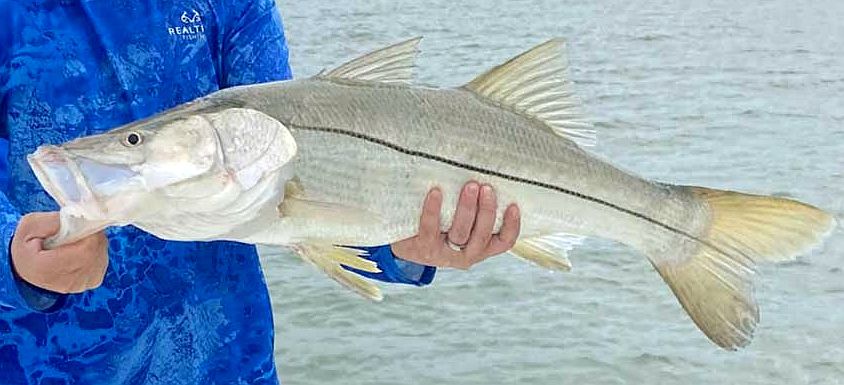
A lot of snook and sea trout are being caught in the Mosquito
Lagoon and Indian River on topwater baits like ..... early in the mornings, sometimes until mid day.
Once the topwater bite slows down, the fish have been eating DOA Shad tails on 1/4 ounce VMC jig heads and DOA jerk baits on jig heads.
Right now there are also plenty of jack Crevalle roaming the lagoon in large schools that will eat just about anything you throw in front
of them. Along with the jacks, a lot of anglers have reported hooking up with sharks that have been shadowing the jacks.
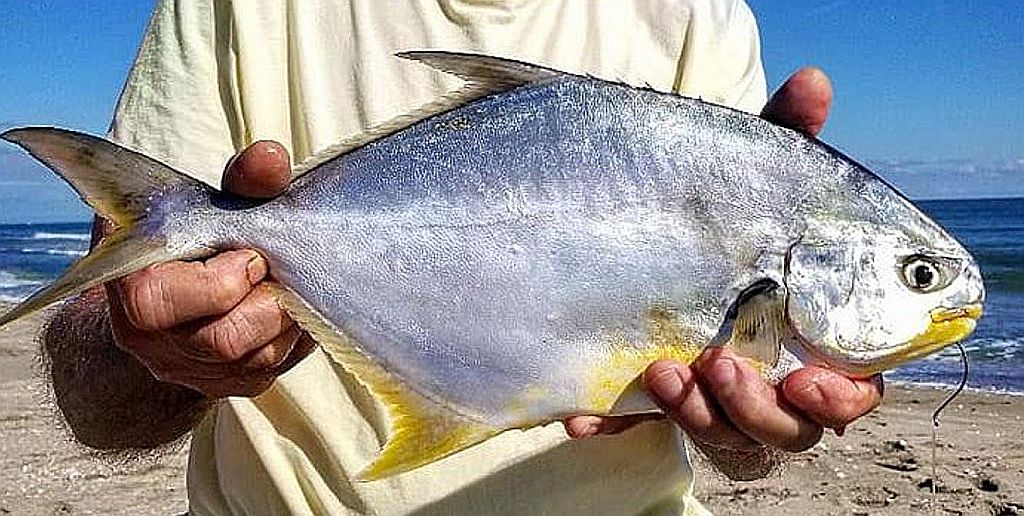
A little farther south of us down to the Melbourne area; a lot of Pompano have started to show up around the islands and on some of the flats. Anglers have been catching them on small chartreuse VMC Hot Skirt Glow Jigs that are nothing
more than dolled up bucktail jigs. Some anglers have also reported catching river pompano on goofy jigs but the bucktail jigs seem to hold up better and attract more bites.
Anglers fishing live and cut baits in the northern Indian River are still catching nice redfish in the flats across from the Scottsmore boat launch. Sections of live blue crab and
large chunks of ladyfish seem to be baits of choice for the larger fish.
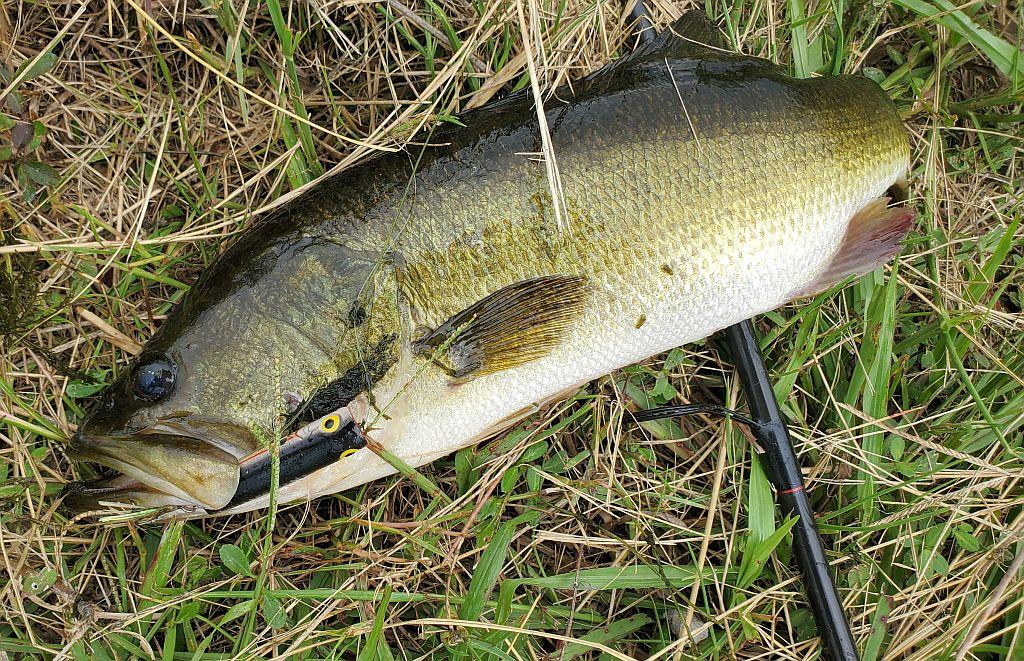
The clear shallow water grass flats around East Gator Creek are holding some juvenile tarpon, ladyfish, sea trout, black drum, and even a few freshwater bass; but you really have to work to get a bite.
The dense cover along the banks make landing a good fish extremely difficult for bank fishermen.
You can often see tarpon rolling on glass minnows and mullet in the deeper cut along the opposite bank from the road. Small topwater baits smeared with Pro-Cure Gel will usually get a bite on these fish early in the mornings and close to dusk.
The shallow mudflats along East Gator Creek road are also holding some slot size black drum. During the early morning and late afternoons you can occasionally see them tailing
in the shallows around the mangrove roots. Fishing a small live shrimp, a live fiddler crab, or sand flea with little to no weight can often get a hookup.
The improvements that are being done along the causeway east of Parrish Park have forced shore based fishermen that usually fish that area for black drum, sea trout and redfish to fish the unimproved roads
along Gator Creek and Catfish Creek Loop.
The black drum bite has been good with the best bite occurring during the morning and close to dusk. Baits of choice in these areas are live shrimp, fresh dead shrimp, and fingerling mullet.
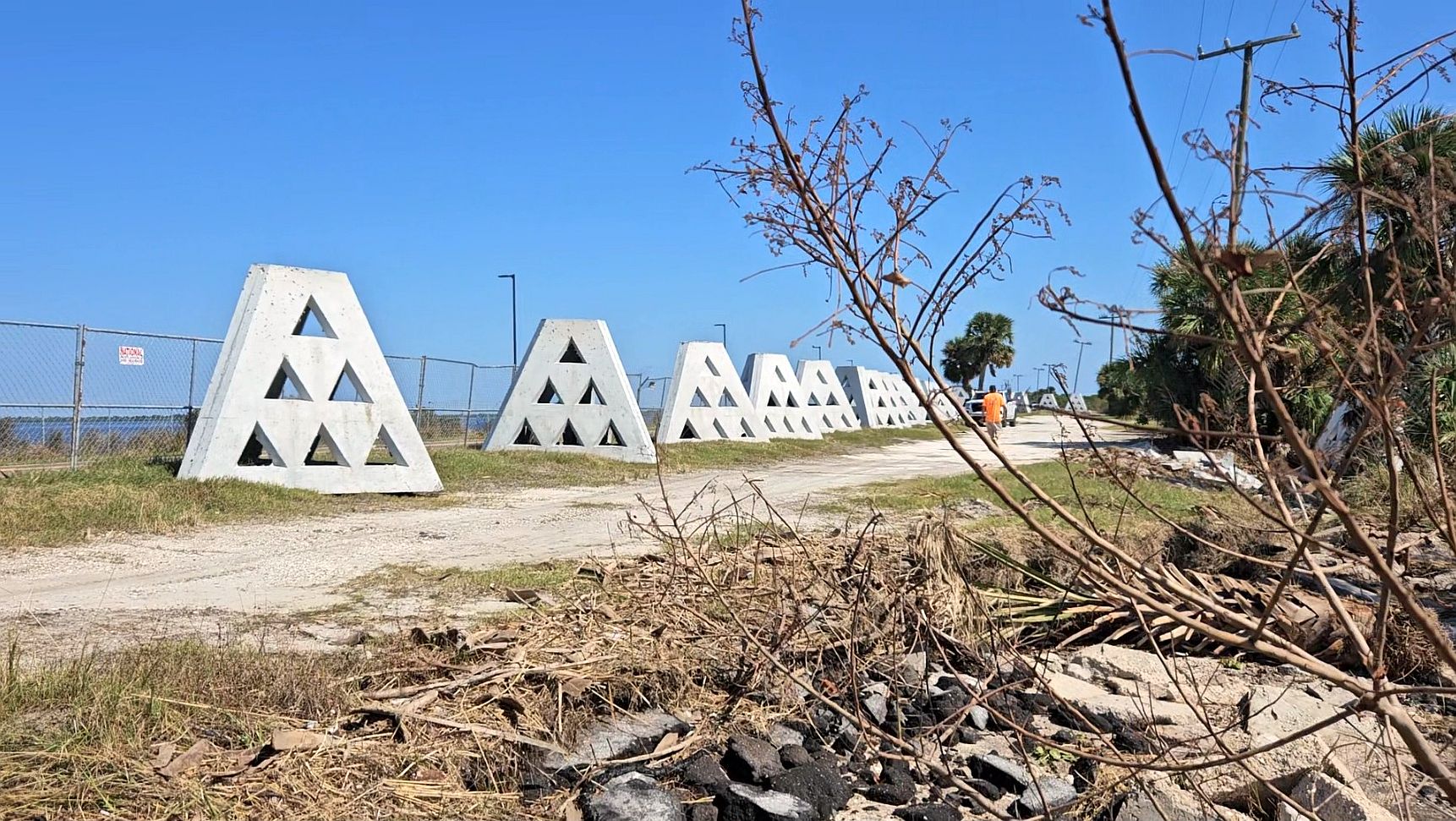
When the erosion project is completed along the A. Max Brewer causeway, we should expect to see some decent fishing along the south end where they will be positioning the concrete structure in the above pic. The triangular concrete structures are normally dropped offshore to create artificial reefs that attract a plethora of fish species..
Surf and Inlet Fishing
The fall mullet run along the Space Coast is a little spotty right now but if you can find them, there will be a mixed bag of predatory fish on them,.
This past week the surf has been unfishable in most areas but despite the challenging conditions, you can
still expect to catch tarpon, snook, big jacks, redfish, sharks, ladyfish, bluefish, etc. in areas where baitfish are plentiful. In the areas where there are not a lot of mullet, surf and nearshore fishing is obviously much slower.
Fall baitfish migrate from north to south, so when you locate a concentration of fish, start fishing south of where you
find the pod until the action slows down; then move south to the next access point and repeat the same procedure. Surf fishermen have found this a tried and proven method that will keep you on top of the action.
As the mullet migration moves farther south in a couple of weeks and the water temperatures drop; the surf fishing for whiting and pompano will
ramp up.
November is a peak month for catching Pompano along our beaches. As cooler weather starts to move into our area in the next few weeks, the annual southern migration of pompano will be moving south out of the Jacksonville and St. Augustine area towards our beaches.
When the cold fronts hit our area and water temperatures drop down to 78 degrees, the resident
pompano that stay in our lagoon system begin to make their way out to the beach where they meet up with the southern migrating fish coming down from the Carolinas.
Right now water temperatures in the surf are still cooling down but as more surf fishermen are able to fish the beach, we should begin to see some nice catches of pompano and bull whiting in our
area..
Anglers using crab or clam flavored fish bites, live sand fleas, fresh dead shrimp, or fresh clams on standard 2 or 3 hook pompano rigs should start seeing good catches of these fish.
The largest whiting and pompano are usually
found well past the first sandbar. Its a good idea to run several rods spaced out along the beach at different distances until you find the areas where the fish are feeding for that day.
The first part of an incoming tide is believed to be the best time to fish the surf for pompano and whiting.
Most of the pompano caught in our area during the early fall are in the 1 to 2 pound category, but starting in November, fish up to 4 pounds or more become the norm.
Many areas along the beach have stakes outlining turtle nesting areas but except for the occasional surf fisherman, the beaches along the Space Coast are relatively uninhabited during November, especially during week days.
Port Canaveral Offshore and Nearshore
Although the Wahoo and sailfish
bite supposedly peaks out of Port Canaveral during October. Both wahoo and sailfish prefer cooler water temperatures and are still being caught in good numbers this month.
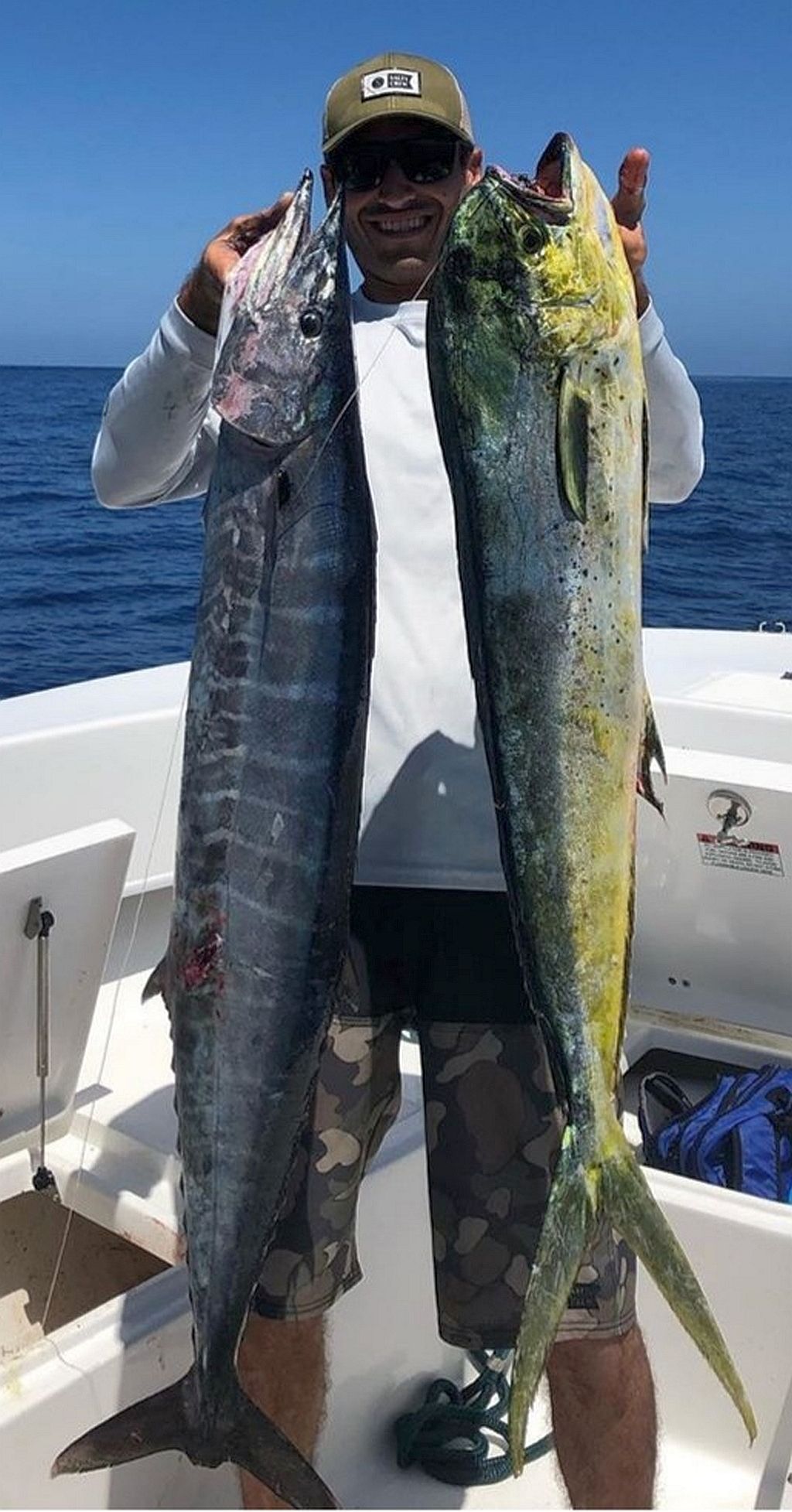
The bite for wahoo is still fairly decent for offshore anglers pulling fast moving baits over the cones or steeples, depending on what you want to call them. The Cones are in the 230 to
250 foot depths on the Oculina Bank where the guys are catching some good wahoo right now. The 27 fathom ridge should also be productive this month for Wahoo.
Wahoo prefer eating fast moving targets like Bonita, flying fish, blackfin tuna, and small king mackerel.
Most anglers pull large dark colored lures at 9 to 15 knots or better to get hookups. . Purple and black Islander lures with 24 to 36 ounce inline trolling sinkers to get the lures down to the fish are most used by captains out of the port for wahoo, blackfin tuna, king mackerel, and sailfish. .
Wahoo in our
area can run anywhere from 20 to well over 40 pounds, with most of the larger fish coming in during the winter months when the water temperatures are in the 73 to 76 degree range.
Although the offshore fishing has been difficult lately, the larger boats that were able to get out have found a respectable dolphin bite. Most of the action has been in the southern part of our region outside the 150 foot mark.
In the northern and central part of our region you have to get out to 200 feet or more to find decent water to put trolling baits out for the fish.
Pulling a skirted ballyhoo is obviously the best way to find dolphin
out of Port Canaveral. Target some of the scattered weed lines that are out there along with temperature breaks and color changes.
Right now the dolphin that are being caught are of a decent size.. During the summer months, most of the fish caught were in the 4 to 7 pound range but right now, the fish are running anywhere from 9 to 15 pounds.
November is when offshore fishing heats up for the larger schools of kingfish that come into our area. The fall run is usually not as spectacular as the spring run, but the fishing is still great.
Most anglers working the reefs and wrecks out of Port Canaveral will be slow trolling live bunker or mullet on stinger rigs for kingfish. Most kingfish caught in our area right now are in the 10 to 15 pound category, with a few larger ones always in the mix.
Around all the jetties along our inlets; the bite at Ponce, Canaveral, and Sebastian will be good this month for bull redfish, snook, tarpon, and sharks. Anglers at Ponce Inlet also catch a good number of mangrove snapper which has been reported to be good for the past couple of weeks.
Although live and cut baits work well on all of these species, the bait of choice for most anglers fishing the jetties is
a lively live bait on a sliding sinker or knocker rig.
The anglers targeting spawning bull reds generally fish a live blue crab, pinfish, croaker, pilchard, or chunk of mullet on a sliding sinker rig. A 3 to 4 ounce sliding sinker with a 3 foot section of fluorocarbon leader and a 6/0 or 7/0 circle hook is pretty much the standard rig for bull
reds. Use enough lead to keep the bait just off the rocks.
Bottom fishing on the reefs and wrecks in the 90 to 130 foot depths out of Port Canaveral has been good for sharks, AJ’s, grouper, mangrove and lane snapper, triggerfish, and porgies when weather permits. Anglers generally use live or cut baits and occasionally speed or hair jigs on these
fish. Grunt plugs, sardines, and any live bait reef fish are always good baits for grouper, AJs, and snapper. A few cobia are also occasionally caught on these structures.
Haulover Canal
A couple of my fishing friends as well as an old Charter Captain I rely on for my fishing reports have been catching some nice bull redfish and snook in
Haulover on a variety of live and artificial baits.
The reds migrate through the canal in good numbers every fall to spawn in the northern Indian River during September and October, however, depending on the weather and water temperatures, they can often be caught in good numbers during November and even December.
Shore fishermen using a whole live blue crab, a large pinfish, fingerling mullet, or large cut baits have been picking up redfish in the 30 pound plus category. Use enough weight to keep the bait on or near the bottom with a heavy fluorocarbon leader and a 5/0 or 6/0 VMC circle hook as terminal tackle.
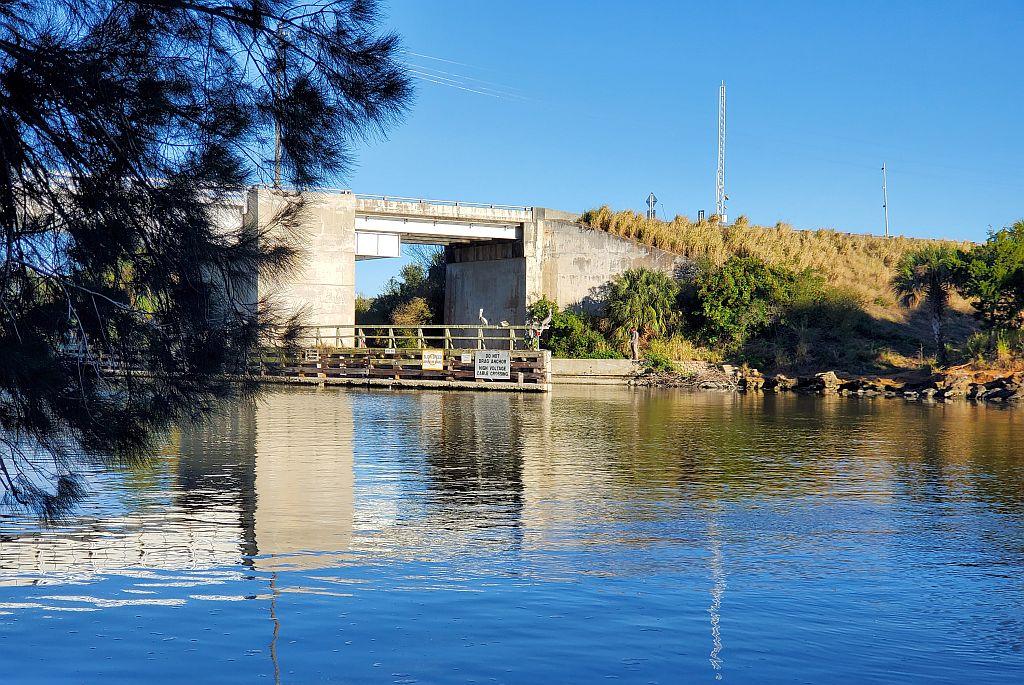
Some nice size snook are also being caught along the shorelines and around the bridge fenders in the canal.
live baits, soft paddletail baits, and lipped diving plugs are all effective lures for snook, especially during low light and night time conditions.
Experienced anglers who fish Haulover Canal on a regular basis will tell you that it's a good idea to use Power Pro or some other braided line in lieu of monofilament. Braided lines are stronger and more resistant to cutoffs from the Coquina rocks that line the banks of the canal. The rocks play havoc on monofilament lines, especially with really big fish.