SUPPORT COPY: Your August 2024🐬 Mosquito Lagoon & Indian River Fishing Report
Published: Thu, 08/01/24
Newsletter Issue # 179
August1, 2024
Mosquito Lagoon & Indian River Fishing
Mosquito Lagoon and Indian River
Water levels in the Mosquito Lagoon and Indian River are lower, but the bite for
speckled sea trout, redfish, and snook is good throughout our region.
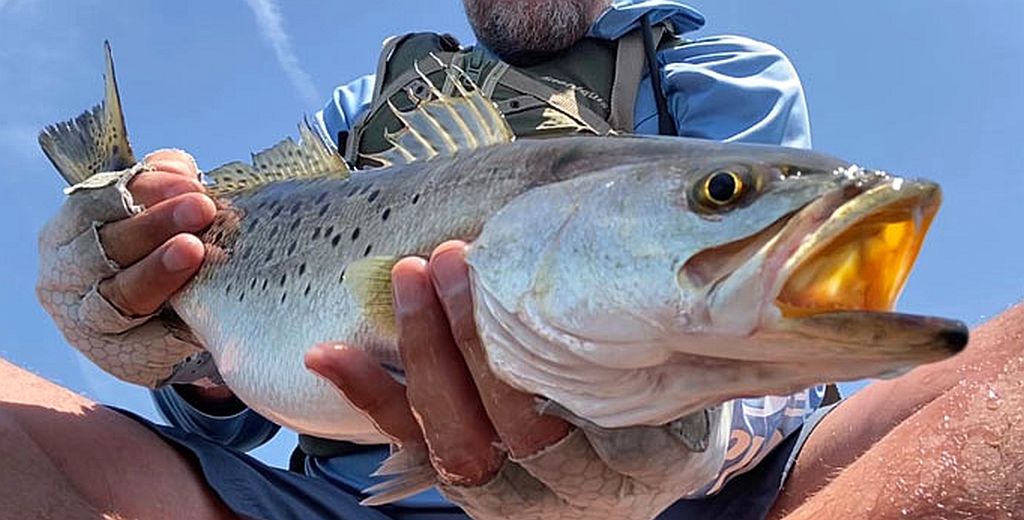
The sea trout are plentiful and easy to locate. Look for good cover and an abundant food source like finger mullet, small croakers, pilchards, or pigfish and you will likely find a big sea trout near the bait pods.
During the summer months, sea trout, redfish, and snook are usually found in shallow water on the flats during the early morning hours, and as the sun gets hotter and warms the water, will move into deeper water dropoffs adjacent to the flats.
During the early morning hours, most anglers in our area toss top water baits like Zara Spooks, Rapala Skitterwalks, Chug Bugs, Super Spooks, XPS Slim Dogs, and Bad-A-Donks until the bite subsides and then switch to plastic jerk baits or live baits in the afternoon to target the fish in deeper (4 to 5 foot) waters adjacent to the shallower grass flats.
Large top water baits are preferred for the bigger "gator" trout in our area, especially when smeared up with some Pro-Cure Inshore Formula gel.
The bite for big speckled sea trout around the grassy areas
in the northern Mosquito Lagoon was on fire last month and is still going strong. The majority of anglers have been using 4 inch Sea Shads, Saltwater Assassin Artemis Shads and live baits free lined or under a Cajun Thunder type float to catch them.
The Tiger Shoal area and the outer bars towards
Pardon Slew in the middle to northern section of the lagoon is also producing big fish along the transition zones of rocky ledges, docks, and overhanging mangrove trees.
During the early morning hours and later on close to dusk, wade fishermen are still reporting consistent bites on top water baits from 20 inch and over size sea trout north and south of
the Bio Lab boat launch. Larger sea trout stage around the sandy patches in the grass in about a foot and a half to three feet of water during the morning hours and during the day move into the drop off about 70 to 100 yards from the road as the water warms up.
Most of the big trout caught in the Mosquito Lagoon are running in the 24 to 26 inch category with a
few larger in the mix.
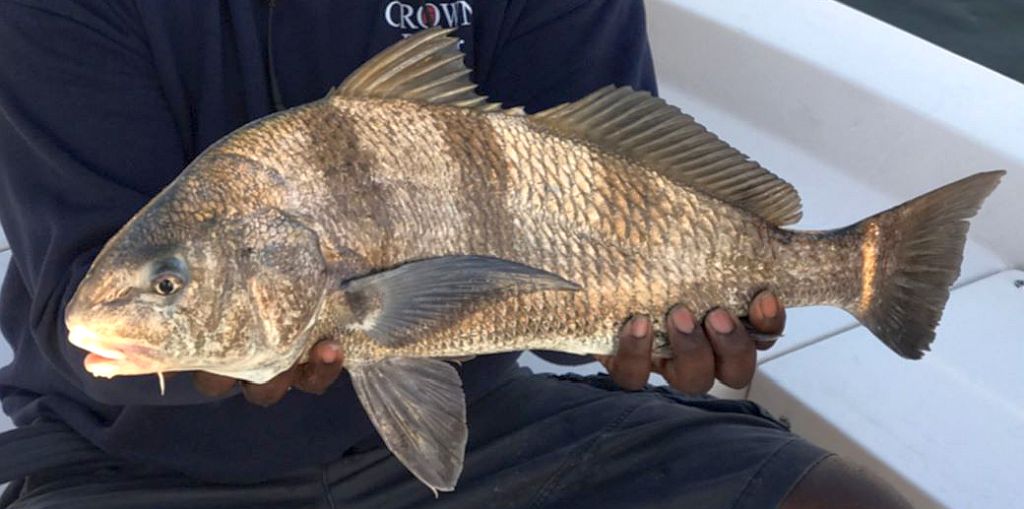
The black drum bite has been consistent on the mud flats and around the sandy pot holes in the grassy flats where the fish can be found feeding on crustaceans.
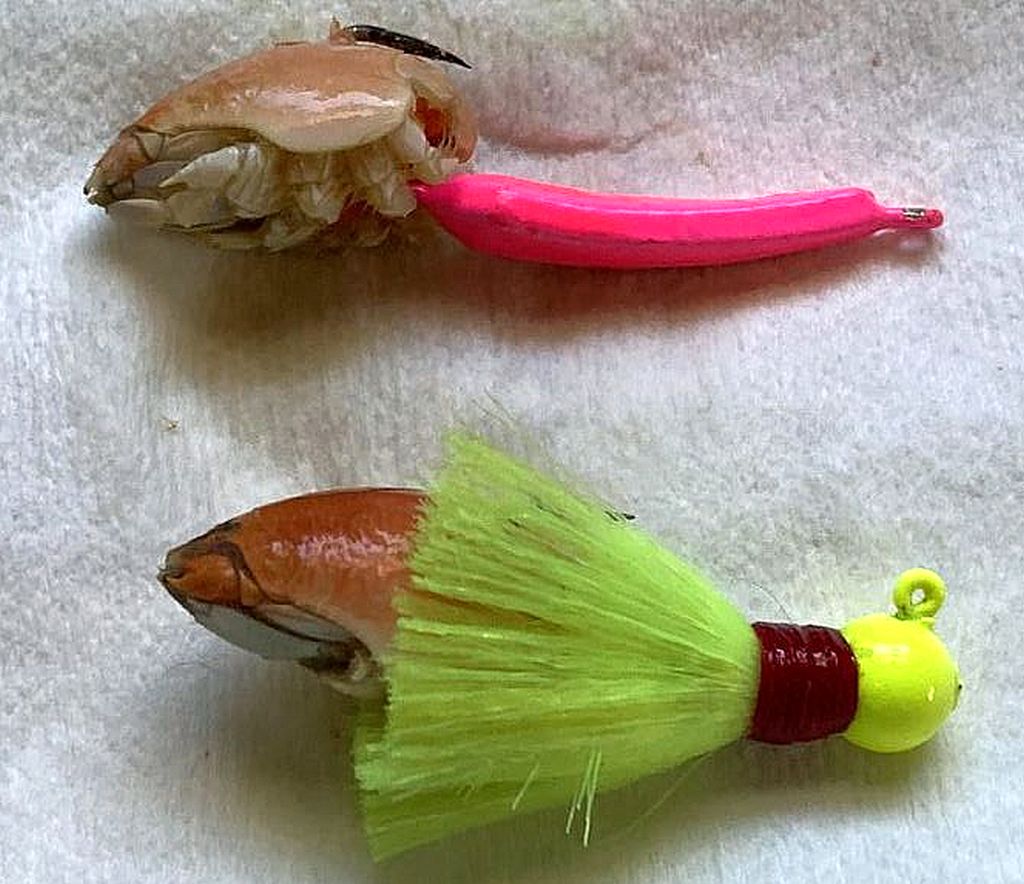
Most anglers targeting black drum on the flats prefer using live shrimp, small crabs, or sections of fresh blue crab for bait.
Small pods of slot size Black Drum are still schooling around the Coco Beach Thousand Islands area, George's Bar, Honest Johns Canal, Catfish Creek, Snook Creek, and the mangrove covered shorelines in the Banana River.
Live shrimp and cut blue crab are baits of choice in these areas.
In our area, a lot of quality black drum are caught along the mangrove covered shorelines, the drop offs in the ICW, and the deeper waters around bridge pilings.
The two fishing piers under the A. Max Brewer bridge, the railroad bridge going to the Cape in Titusville, and all areas at
Haulover Canal are great places to catch both slot size and oversize drum. The bridges often produce black drum up to 40 pounds or more.
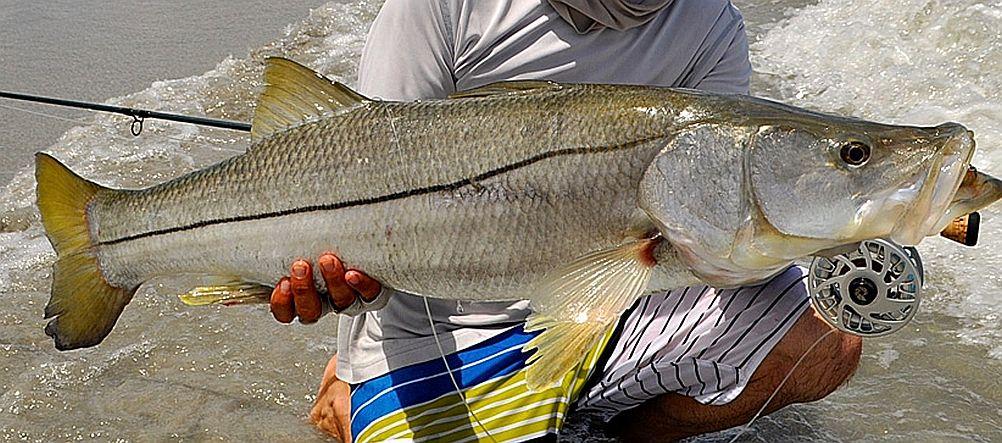
Although the Atlantic Snook season closed June 1st and re-opens August 31st; and it's a catch and release fishery right now, snook fishing is on fire throughout our region. The backwaters are loaded with smaller size
snook and all of our inlets are packed with bigger fish.
Small mullet and smaller size artificial baits are working well on the backwater snook that are feeding on the smaller 4 to 5 inch fingerling mullet in the area.
Saltwater Assassin
Artemis Shad, Flair Hawk jigs, and lipped diving plugs are working really well during the evening hours and at night in the inlets. The best daytime bait if you can get them is croakers, pogies, or pilchards. Anglers have been fishing them on 5/0 circle hooks.
The outgoing tides are producing larger and better fish than the incoming tides with some of
these snook running up to 38 inches or more.
Night fishing for snook at Sebastian Inlet is reported to be especially hot right now for fish up to 30 inches. Large swim baits fished near the T-dock and cleaning table continue to get the most hookups.
Baits of choice for evening and daytime snook fishing include live pigfish, croakers, pilchards, Mojarra, and pinfish rigged on 5/0 VMC Circle hooks.
The
average size snook caught in our inlets has been between 27 to 38 inches, with occasional fish up to 40 inches.
All of our inlets hold good numbers of bull redfish
during the summer months. They can be found hanging around the channel markers, the drop offs at the Canaveral shipping channel, Ponce Inlet, and in Canaveral Bite. In these areas, larger fish in the 40 inch and over category are usually landed in the early morning hours.
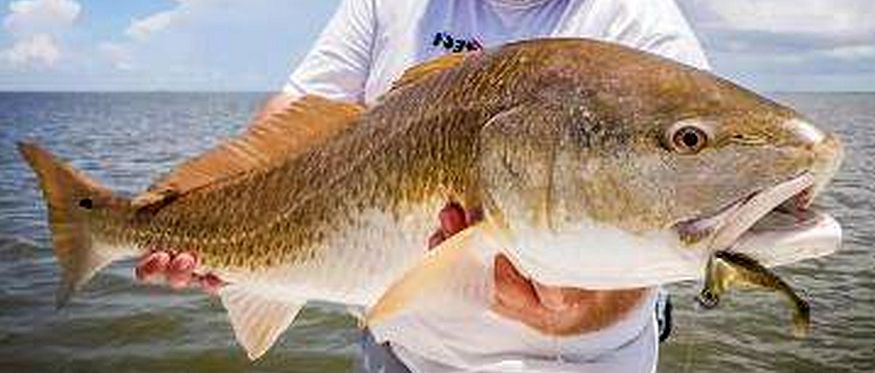
In East Central Florida some of the largest redfish are caught in the Mosquito Lagoon, the
north Indian River, and Haulover Canal.
Large live or cut baits, and a whole or half blue crab on a sliding sinker rig with a fluorocarbon leader and a 6/0 VMC circle hook is the commonly used rig in our area for
big reds.
The shark fishing in our area is still going strong and will continue throughout the summer months. Anglers targeting sharks inshore either drift fish for them with live baits, slow troll for them, or use large chunk baits.
The Melbourne Causeway, off the power lines along Turkey Creek, and the dredge holes around the Pineda Causeway south of us are productive areas for bull sharks. Sharks are still being reported in Haulover Canal, the northern Mosquito Lagoon, the ICW channel, inlets and creeks.
Surf Fishing
Traditionally, our pompano runs take place during the winter and spring.
Pompano fishing during the summer months is largely overlooked and may surprise the majority of surf fishermen however, we have a resident population of pompano available the year round. Some of the best fishing for pomps takes place when there aren't supposed to be and pompano around.
One of the best ways to catch summer pompano is to change your approach and ditch the traditional long rods, pompano rigs, and sand spikes and instead gear up with a spinning reel capable of casting both live baits and lures into the first and second near shore troughs.
Walking the beach with a single rod and a back pack with a mixture of
swimbaits, bucktails, diving plugs, and jigs is a great way to cover ground and catch summertime fish in the surf.
Casting lures into the first and second near shore troughs is a great way to catch ambush predators like snook and tarpon that feed in these zones, especially during dawn and dusk. The middle of the day is usually a skunk due to the
heat.
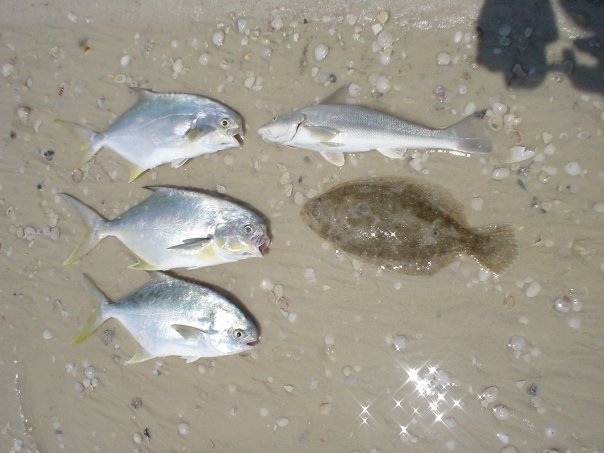
When the fish are in the nearest trough, small jigs tipped with a sand flea, a small piece of shrimp, or with fishbites are excellent baits for whiting, pompano, and flounder.
Breaks, cuts, and runoffs are used by the fish to swim between troughs. These areas can often be hot spots for both whiting and pompano.
A lot of surf fishermen who don't like to walk the surf line making repeated casts can still choose to set up in a productive area with a series of rods and fish with live baits. Deeper troughs between the sandbars farther out are where the larger whiting and pompano schools hold and where most surf fishermen target their casts.
Fish finder rigs with enough weight to hold bottom and a 4/0-6/0 circle hook with a live mullet, croaker, or live shrimp set at varying distances in the feeding zones are also productive. The circle hooks will do the work when a fish is on. Just reel in with steady pressure without jerking the bait.
Pompano, whiting, flounder and predatory gamefish are always on the move which is why walking the surf line is such a productive technique.
Many Space Coast surf fishermen target "resident" pompano throughout the summer months. The key to finding them during the summer months is water clarity, depth changes, and bottom structure.
All fish species constantly forage up and down the beach. The areas that are hot one day will often have zero bites the next day in the very same spot. When this happens, pick up your gear and relocate to another section of the beach until you find where the fish are holding. Fish will always be feeding, you just have to find out when and where.
Although the best bite is usually in the early morning hours during the last portion of an incoming tide; the outgoing and last portion of any incoming tide will usually produce fish.
Our summertime resident pompano normally run between 2 to 4
pounds
Shark fishing along our beaches during the summer months can be outstanding, especially this month with all the bull and blacktips in the area.
The blacktip migration peaked last month, but there are still plenty of sharks nearshore and in the surf. The sharks, especially bull and blacktips, often swim into the first and second troughs to feed on whiting and other baitfish.
The majority of surf anglers targeting sharks commonly use large live or chunked baits onheavy duty casting rigs with the ability to get out beyond the second trough, however, a lot of bites come from sharks patrolling the near shore troughs looking for an easy meal. Large chunks of Bonita, mackerel, stingray wings, ladyfish, large mullet or any bloody or oily fleshed fish can be used.
A fresh cut bait rigged on a steel leader with a 12/0 circle hook on a heavy spinning or casting rod is a good choice for targeting large sharks.
Don't forget that when targeting shark from shore in Florida waters,
you must complete the Shark-Smart Fishing educational course at MyFWC.com/SharkCourse and obtain a free Shore-based Shark Fishing permit.
Both are now required when fishing from shore. Learn more HERE.
Most of the sharks caught from area beaches are under 100 pounds, but much
larger fish are possible.
Port Canaveral Offshore and Nearshore
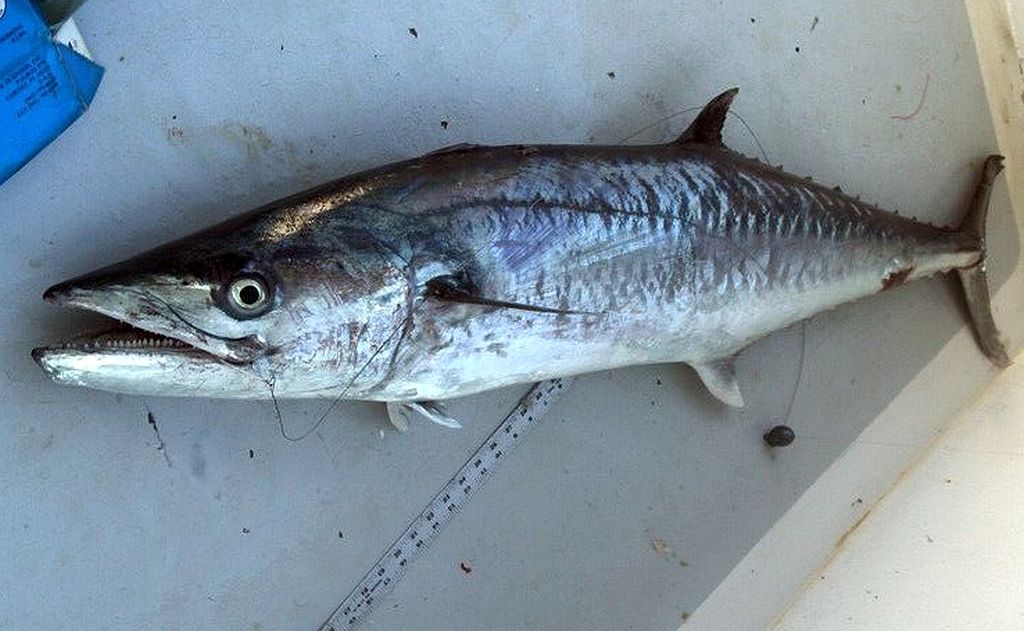
Offshore fishing for mahi, kingfish and cobia has been scattered on the reefs out of Port Canaveral, however, last week a lot more Kingfish were caught offshore by anglers slow trolling live baits over 70 to 90 foot structure.
Anglers pulling baits, spoons, and diving plugs 40 to 50 feet down on downriggers over the 70 to 90 foot ledges south of Ponce Inlet have been catching some really nice kingfish in that area. Lately, a lot more kingfish are being caught on spoons and sea witches with strips pulled behind planers.
The kingfish in our area are still running about 15 to 20 pounds.
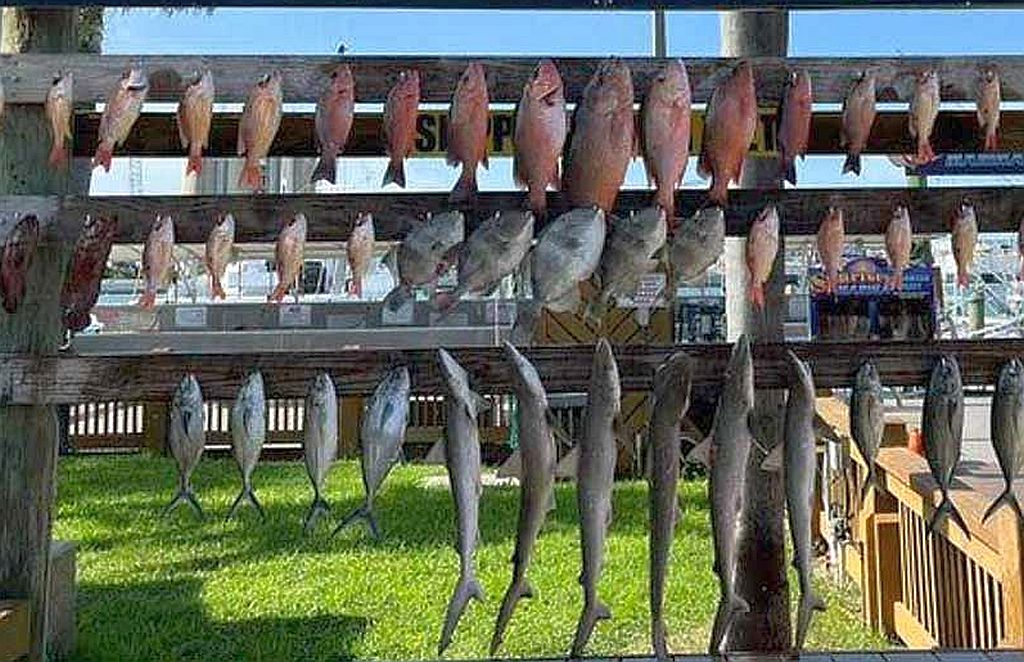
Bottom fishing anglers have been catching a mixed bag of triggerfish, lane, mango, mutton, and vermillion snapper from the 90 foot depths out, with most of the fish coming in from
the northern section of our region; from Canaveral toward the Ponce Inlet area. The offshore mangrove snapper bite out of Ponce Inlet is still pretty hot on the 70 to 130 foot reefs. Anglers are using live pigfish and cut baits for mangroves in this area.
Party boats like the Ocean Obsession out of Sunrise Marina in Port Canaveral seem to
consistently keep their customers on fish during the summer months.
Mangrove snapper, mutton snapper, lane snapper, triggerfish, sharks, and the occasional kingfish, dolphin, or cobia mixed in makes for some good fishing and great eating.
Every year we get the cold water upwelling showing up which chills the water drastically and usually shuts down the bite. This makes it
harder to locate baits and pushes the fish out of the area until the warm water returns.
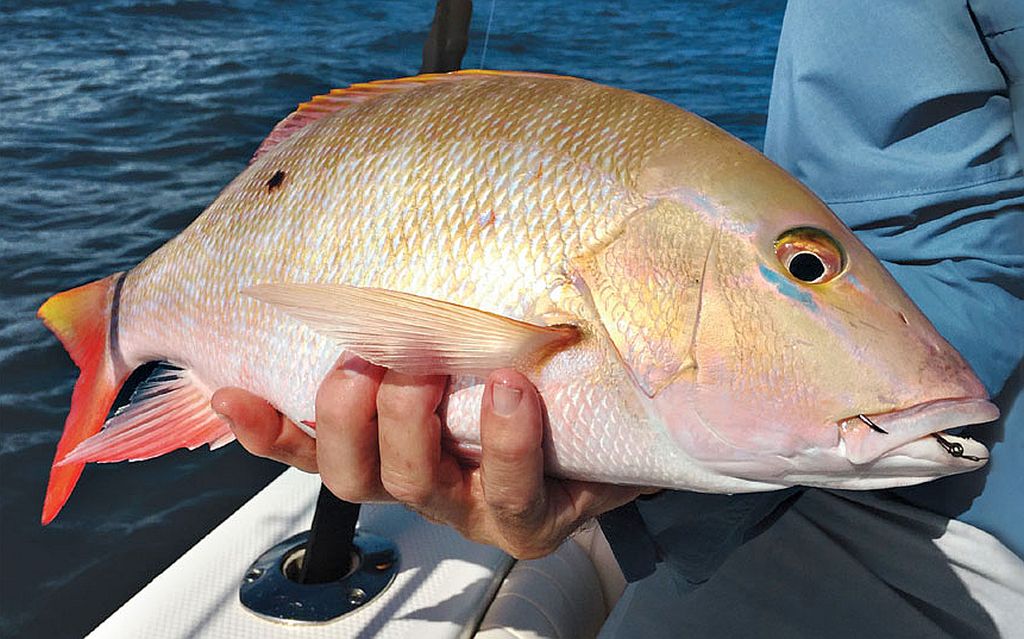
Last week we had cold water upwellings offshore that made bottom fishing for mutton snapper really good in the 60 to 90 foot depths throughout our region; especially in the southern part from Sebastian to Vero.
Anglers fishing the party grounds up north out of Ponce Inlet have also been getting good catches of mutton snapper. The south end of Pelican Flats has been especially productive.
Successful anglers have been using long 15 to 30 foot leaders with a chunk of ballyhoo, sardine, or other chunk bait on a 5/0 circle hook to catch them. The average snapper right now in that area is running 6 to 12 pounds.
August is usually when all the offshore fish move in close to the beach.
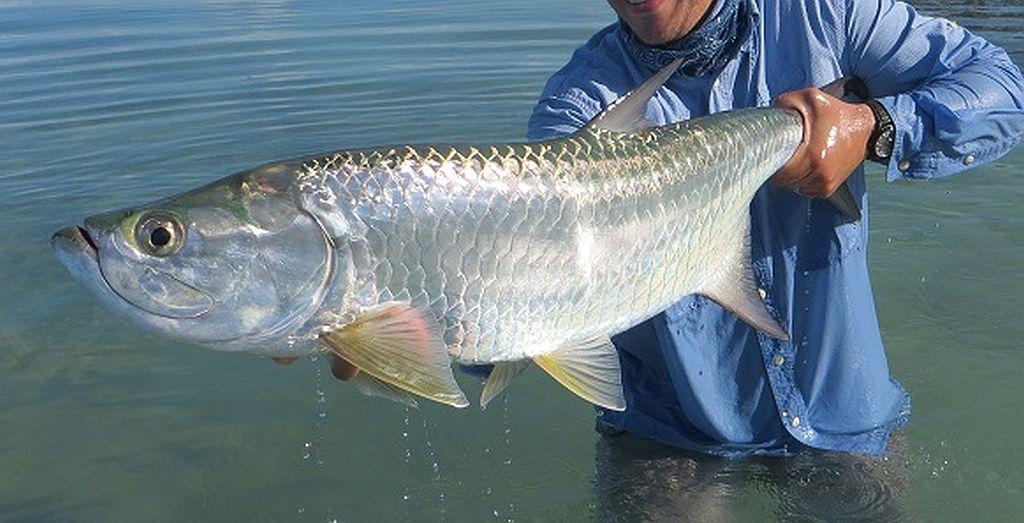
Inshore, we are seeing more tarpon back up on the beaches especially around the tip of the Cape, the false Cape just a little bit south of the Ponce Inlet area along that section of the beach, and also inside of the Inlet. In the New
Smyrna area, tarpon are plentiful but getting bait has been difficult.
Anglers up there are using a live 7 to 9 inch mullet on a 50 pound fluorocarbon leader to catch them. Fishing live croakers on a VMC 7/0 or 8/0 circle hook using the usual 60 to 80 pound leader isn't going to get it right now with these fish. 4 to 5 inch swim baits have
also been working well on tarpon when a 50 pound fluorocarbon leader is used.
The average size tarpon in the northern lagoon and inside Ponce inlet is running 40 to 70 pounds, with a few larger fish in the mix.
Anglers venturing out to the eastern part of the Gulfstream searching for tunas, wahoo, and billfish have also been finding good numbers of dolphin out there.
Most of the action is still beyond the 140 foot depths but always check out changes, rips, or other features the fish might be around when making your run out.
This month Dolphin normally start moving closer inshore. Locating them depends on water clarity, the amount of bait
around, and other features that the fish gravitate to.
Most offshore anglers targeting dolphin out of Port Canaveral use 30 pound class Penn lever drag reels with 30 to 40 pound mono to pull small Islander lures with small ballyhoo or strips behind them.
On bright sunny days yellow, pink, and bright blue colors work well. On dark overcast days, go with the darker black, red, and purple colors.
This setup makes catching smaller fish more fun while still having the capability to catch larger fish when you hook one.
The dolphin out of the Port have been averaging around 5 to 10 pounds with a few larger fish in the mix.
Offshore deep drop anglers who got out to the 500 to 650 foot depths are still catching some nice yellow edge grouper in the 35 pounds range, along with a variety of deep water species like snowy grouper, barrel
fish, and big queen snapper.
2024 Lobster Season
Although the sport season for lobster is over, the regular spiny lobster season reopens for recreational and commercial harvesting on August 6th. and runs through March 31st.
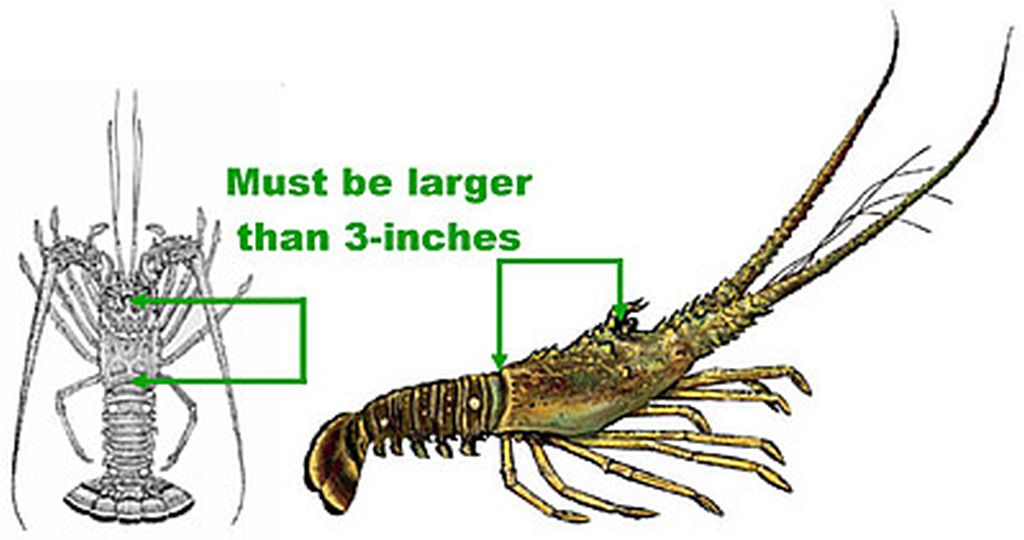
Spiny lobster must be measured in the water and have a carapace that exceeds 3 inches in length.
The carapace is measured beginning at the forward edge between the rostral horns, excluding any soft tissue, and proceeding along the middle to the rear edge of the carapace.
The daily bag limit and on-the-water possession limit is 6 per person.
Harvesting is prohibited in John Pennekamp Coral Reef State Park during the sport season, and in Everglades National Park, Dry Tortugas National Park, no-take areas in the Florida Keys National Marine Sanctuary and in the
Biscayne Bay/Card Sound Lobster Sanctuary during both the 2-day sport season and the regular season.
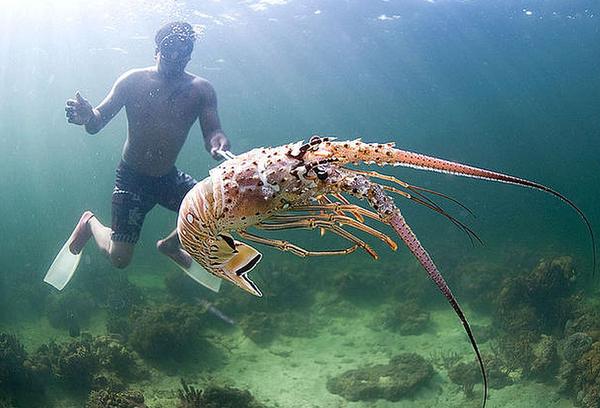
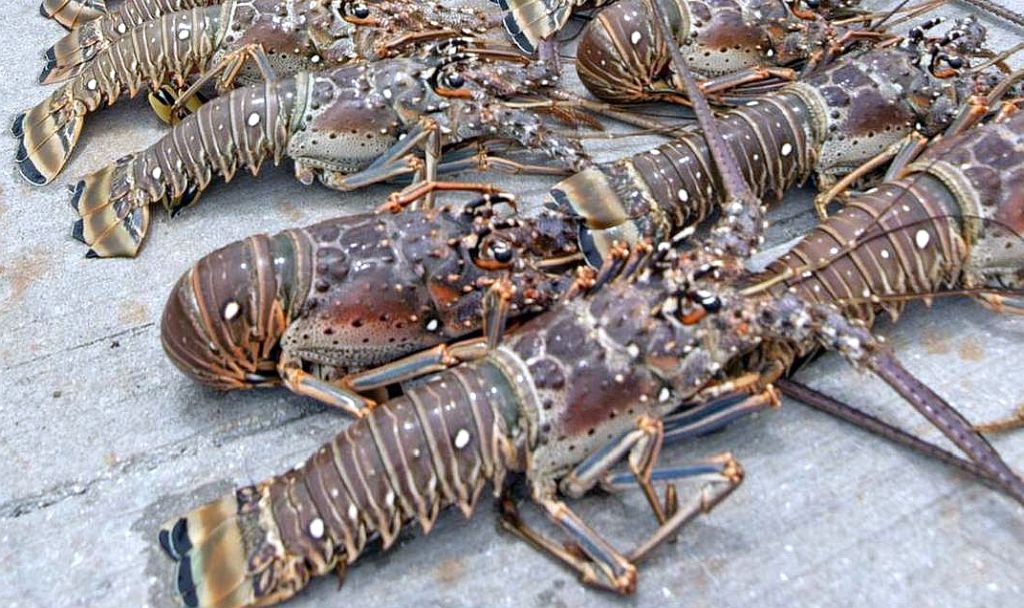
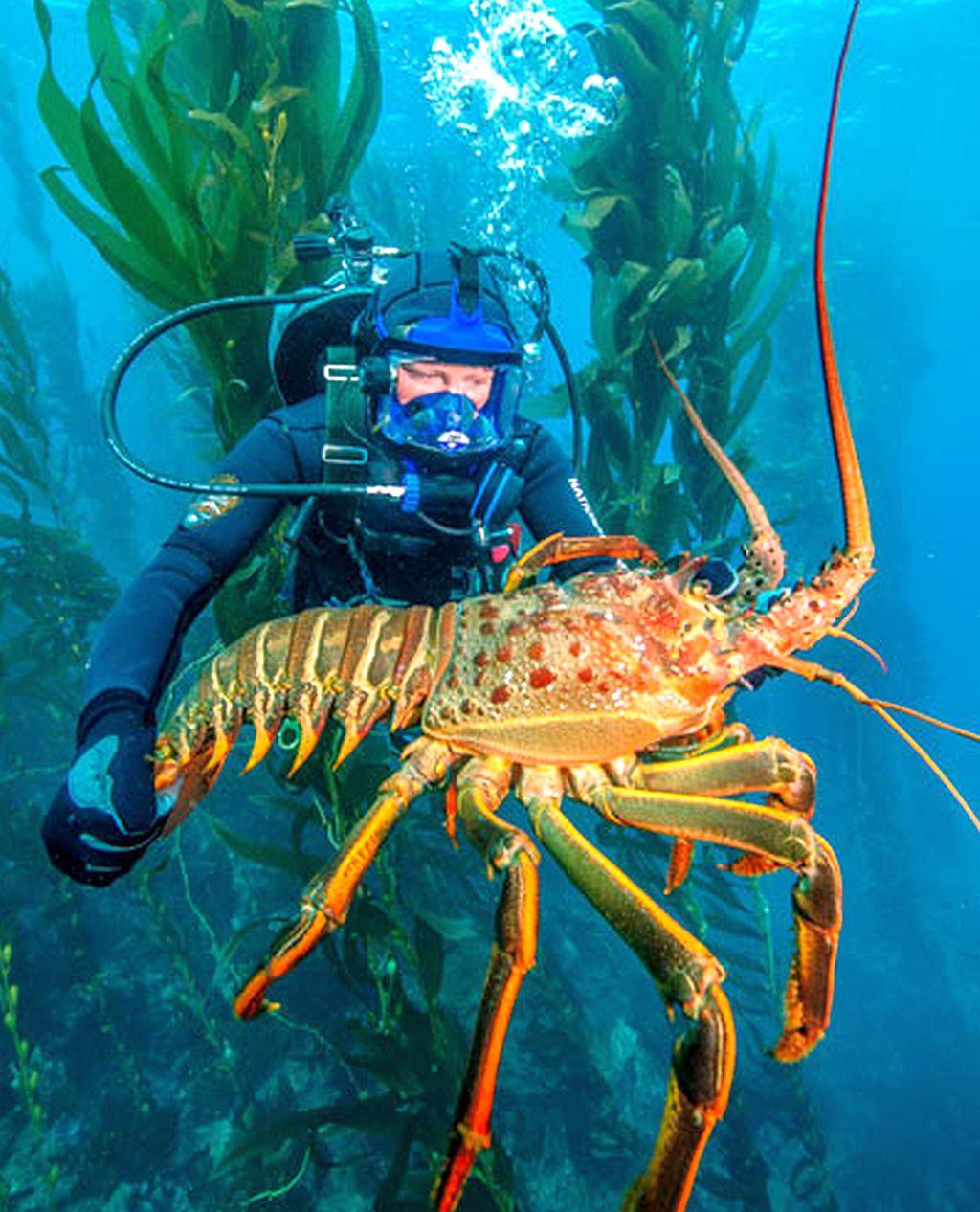
In the the East Central region we harvest some really giant lobster in the 70 to 90 foot reefs.
The smaller ones generally show up on our near coastal reefs from Sebastian south to Vero.
Our average lobster runs about 2 to 3 pounds, but the bigger ones in our area can exceed 10 pounds.
For additional
information on harvesting Spiny Lobster Click Here .
 The smaller ones generally show up on our near coastal reefs from Sebastian south to Vero.