SUPPORT COPY: Your July 2024🐬 Mosquito Lagoon & Indian River Fishing Report
Published: Mon, 07/01/24
Newsletter Issue # 178
July1, 2024
Mosquito Lagoon & Indian River Fishing
Mosquito Lagoon,Indian River, and Banana River
Water levels in the Mosquito Lagoon and Indian River are still down,
but the bite for redfish, snook, and big speckled sea trout is good throughout our area.
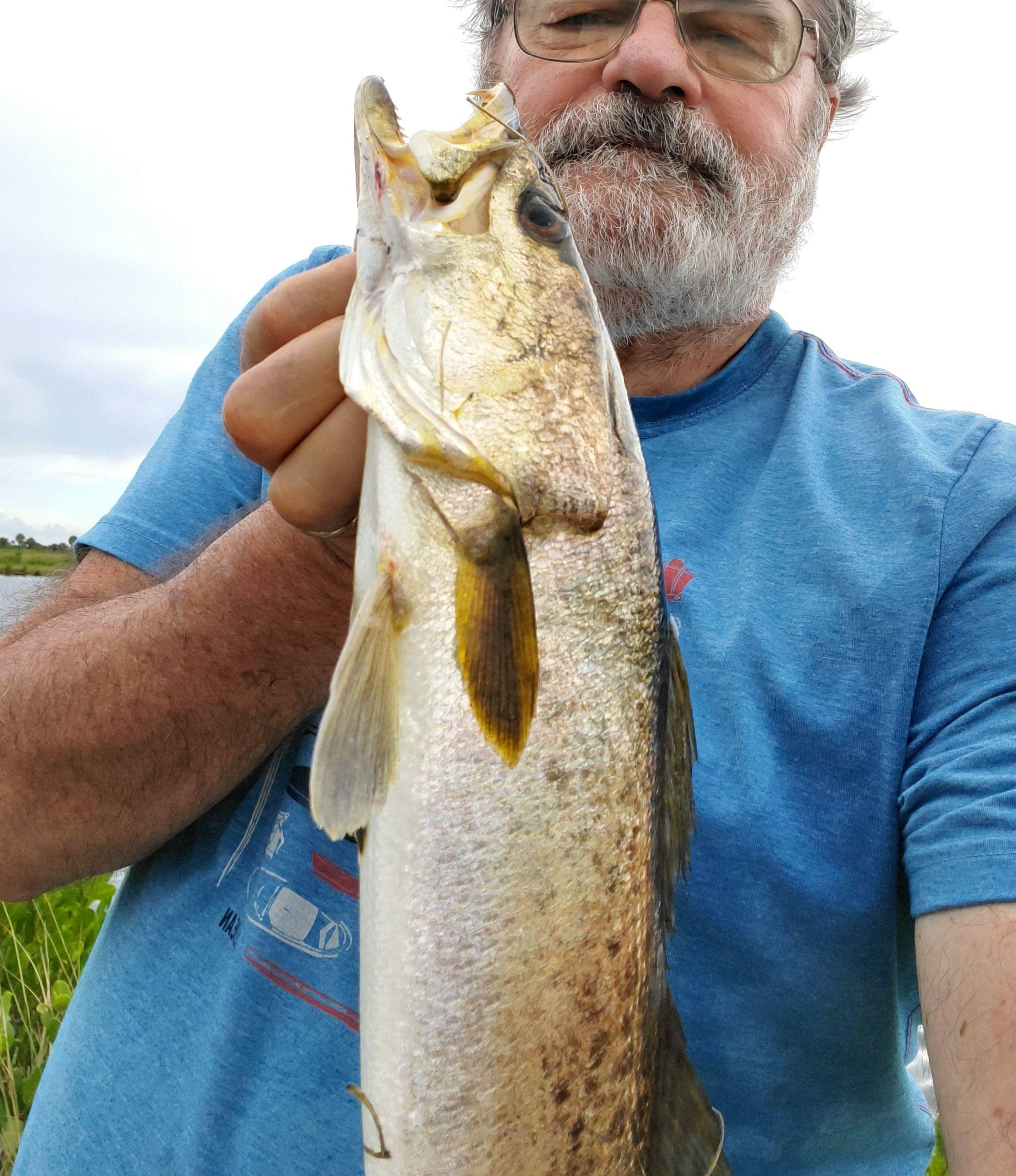
Big sea trout are plentiful in our area and easy to locate. Anywhere you find good cover and an abundant food source like pilchards, fingerling mullet, small croakers, or pigfish you are liable to find a breeder sea trout.
Larger sea trout can be found around the transition zones of rocky edges, docks, overhanging mangrove trees, or shallow water
that is adjacent to deeper (4 to 5 feet) water. Sharp dropoffs next to shallow flats are great places to target.
For the past weeks the bite for big speckled sea trout around the grassy areas in the north Mosquito Lagoon has been on fire. Most anglers have been using 4 inch Sea Shads, Saltwater Assassin Artemis
Shads or live pigfish free lined or under a float to catch them.
The Tiger Shoal area and the outer bars towards Pardon Slew in the middle to northern section of the lagoon has been especially productive for big fish.
The trick is to get out early, be super quiet, and not
run across the flat when approaching a fishing area. Those bigger fish are in there but unless you use a trolling motor or push pole to approach them, you will blow them out and they will immediately develop a case of lockjaw.
During the early morning hours, kayak and wade fishermen are still getting consistent bites on top water baits from sea trout in the 20
inch and over category north and south of the Bio Lab boat launch. The trout are still holding around the sandy patches in the grass in about a foot and a half to three feet of water. The dropoff about 100 yards from the road is a great area to target early in the morning and later on close to dusk.
Zara Spooks, Rapala Skitterwalks, Chug Bugs, Super Spooks, Bass Pro Shop's XPS Slim Dog, and Bad-A-Donks are some of the best top water baits for larger trout in this area, especially when smeared up with some Pro-Cure Inshore
Formula. Vary your retrieve speeds until you find what the fish are looking for.
Most of the big trout caught in the Mosquito Lagoon are running in the 24 to 28 inch category.
The Atlantic Snook season closed June 1st and re-opens August 31st; so it's catch and release fishery right now.
Snook will be thick in the jetties of all three of our Inlets this month. The daytime fishery at the inlets has been good for anglers fishing with
live croakers, pinfish, or pilchards but the night time snook bite at all of our inlets has been especially good for the past few weeks.
Night fishing for snook at Sebastian Inlet is reported to be especially hot right now for fish up to 30 inches. Anglers fishing large swim baits near the T-dock and cleaning table have been getting the most hookups, but a lot of night fishermen along the docks and bridges around Sebastian Inlet use R&R Flair Hawk jigs, large 5 and 6 inch Assassinswim baits, and large lipped diving plugs for snook. The incoming tides are reported to be the best
times to fish swimbaits at Sebastian.
When fishing from the jetty, bridge, or pier; a Penn slammer 5500 or a 6500 reel with 30 to 40 pound braid and a 50 pound leader is a good choice to minimize break offs.
Baits of choice for evening and daytime snook fishing include live pigfish, croakers, pilchards, Mojarra, and pinfish rigged on 5/0 VMC Circle hooks.
The average size snook in our area is between 27 to 38 inches, but fish up to 40 inches are not uncommon.
As baitfish become more plentiful on the flats this month, expect to find sea trout, redfish, black drum, and snook mixed in among them.
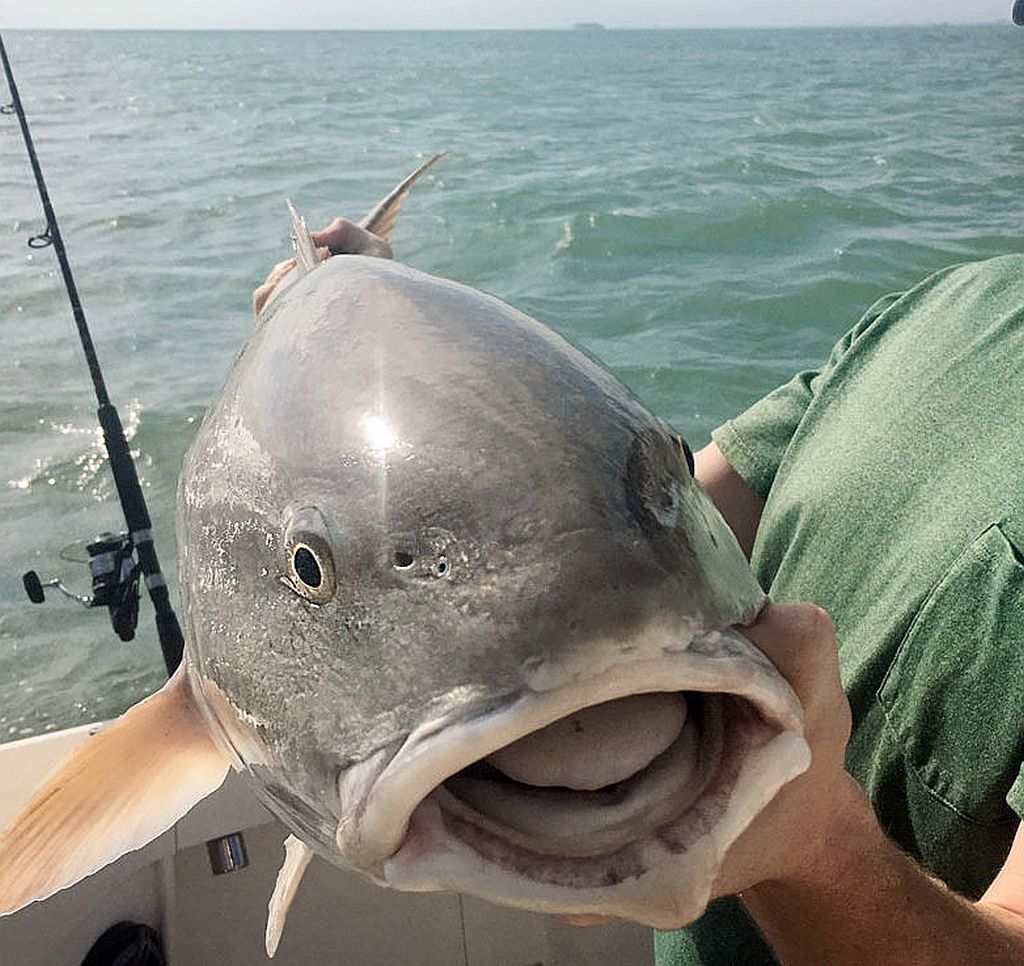
Some of the largest bull redfish in East Central Florida are caught in the Mosquito Lagoon, the north Indian River, Haulover Canal, and Canaveral Bite.
Live or cut croaker, mullet, ladyfish, pinfish, and blue crab on a sliding sinker rig with a fluorocarbon leader tied on a 6/0 VMC circle hook is a commonly used rig in these areas for big reds.
All of our east coast inlets hold good numbers of bull redfish during the month of July. Ocean side
fish can also be found hanging around the channel markers and the drop offs at the Canaveral shipping channel and at Ponce Inlet. The early morning bite is usually better for larger fish in the 40 inch and above category in these areas.
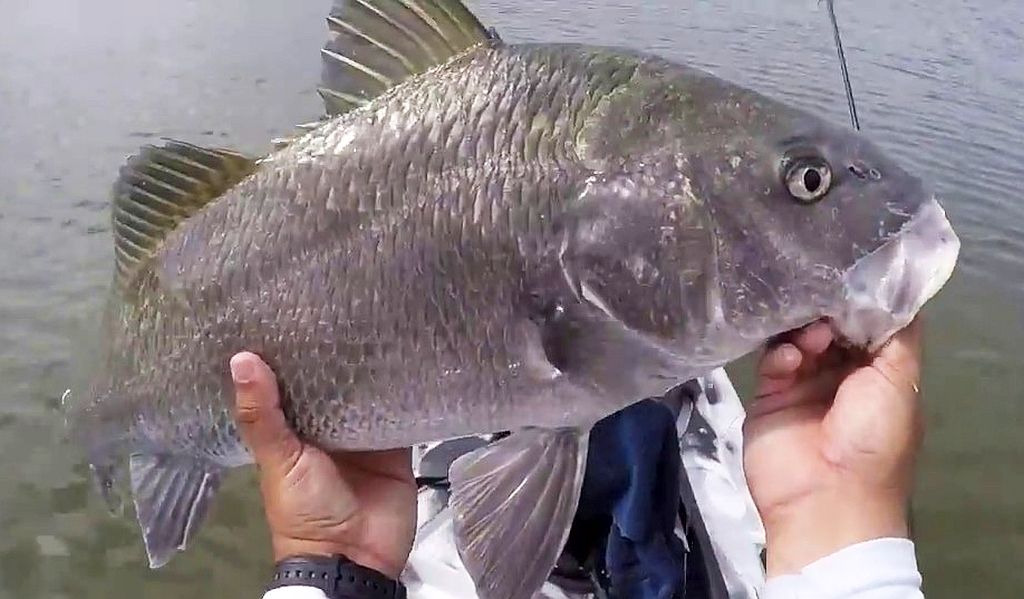
The black drum bite in our area is usually pretty consistent in July.
This month, expect to find schools of slot size Black Drum around the Coco Beach Thousand Islands area, George's Bar, Honest Johns Canal, Catfish Creek, Snook Creek, and the flats and near mangrove covered shorelines in the Banana River. Lve shrimp and cut blue crab are baits of choice in these areas.
A lot of quality black drum in our area are caught along the mangrove covered shorelines and the deeper waters around bridge pilings. The drop offs in the ICW, the two fishing piers under the A. Max Brewer bridge, and the railroad bridge in Titusville are great places to catch both slot size and oversize drum.
Live shrimp, dead shrimp, cut blue crabs, fiddler crabs, and even sand fleas are all used in these areas. The black drum caught in these areas can run up
to 40 pounds or more.
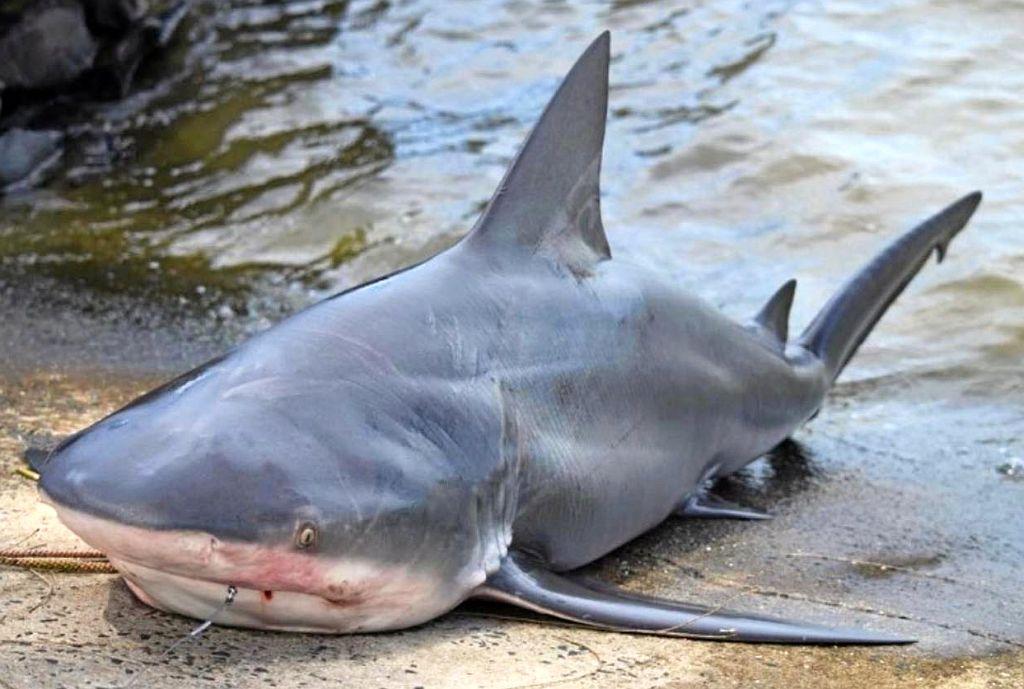
The shark fishing right now in our area is unbelievable. We have a lot of sharks, particularly bull sharks inshore, in the inlets and creeks like Turkey Creek, Crane Creek, the Sebastian River, and the ICW channel, as well as the Haulover Canal.
Although slow trolling or drifting with a live mullet like you would for tarpon, is a good technique for catching sharks in these areas, large chunked baits fished around some of the better areas like the Melbourne Causeway, off the power lines along Turkey Creek, and the dredge holes around the Pineda Causeway south of us are also productive for bull sharks.
Right now, Haulover Canal and the north Mosquito Lagoon are good areas to target bull sharks.
Playalinda and Surrounding Beaches
Despite the dirty inshore waters we have been experiencing for the past week or so, surf fishermen this month should expect to catch good numbers of whiting, pompano, and sharks along our beaches when the waters clear up.
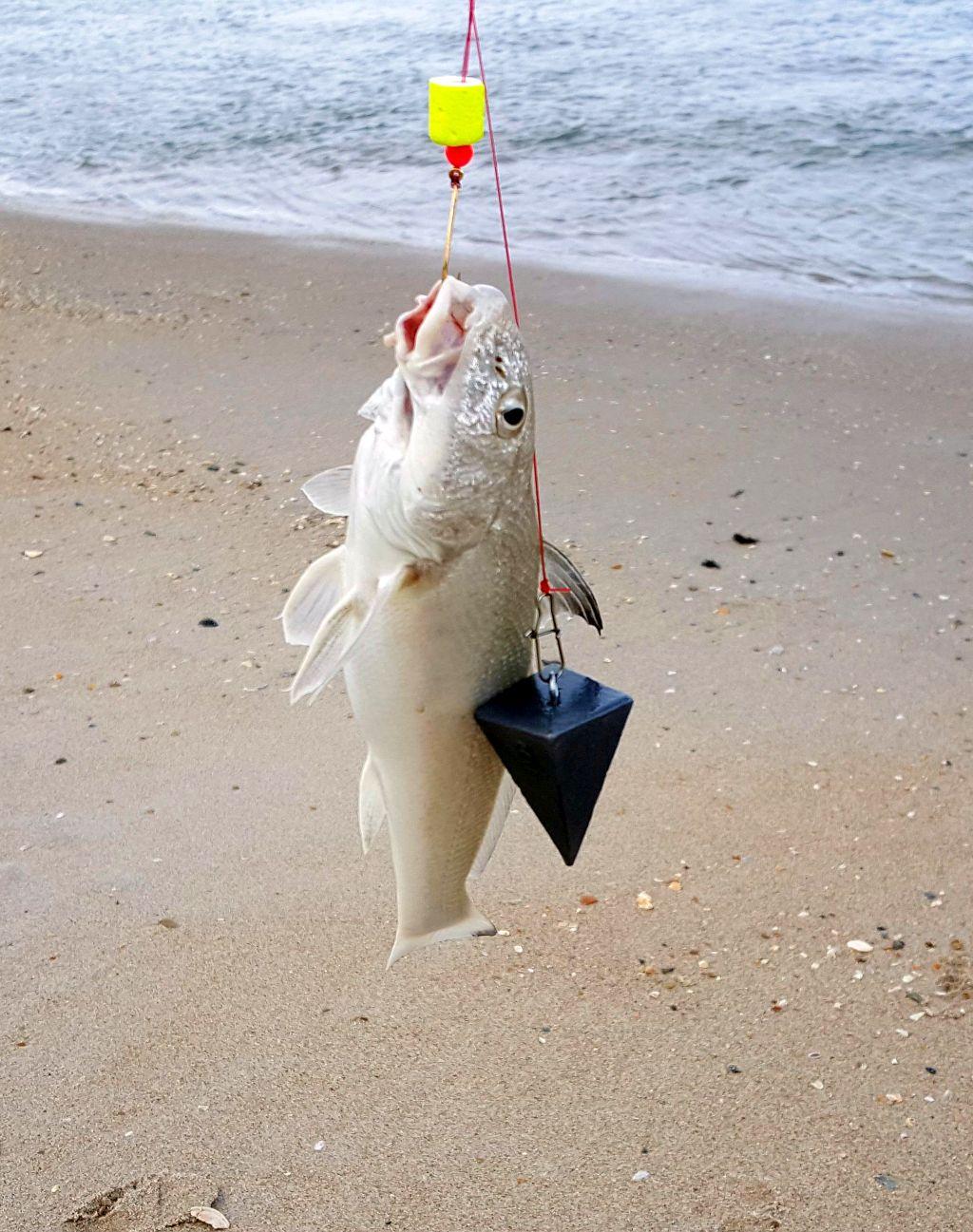
Whiting and pompano are school fish that are always on the move.
The large pompano schools that migrated from South Florida waters up into Volusia County have already left our area or are scattered into smaller groups, however, plenty of so called resident pompano stay in our local waters the year round for surf fishermen to enjoy.
Many Space Coast surf fishermen target these "resident" pompano throughout the summer months.
The key to finding pompano during the summer months is water clarity, depth changes, and bottom structure.
Pompano and Whiting cruise up and down the beach in small schools constantly feeding on small crustaceans that they find in the troughs and runouts.
The deeper troughs in between the sandbars farther out are where the
larger whiting and pompano schools are usually holding and where most surf fishermen target their casts. However, pompano and whiting are also found in the closest troughs to the beach where they can be caught with short casts and light tackle.
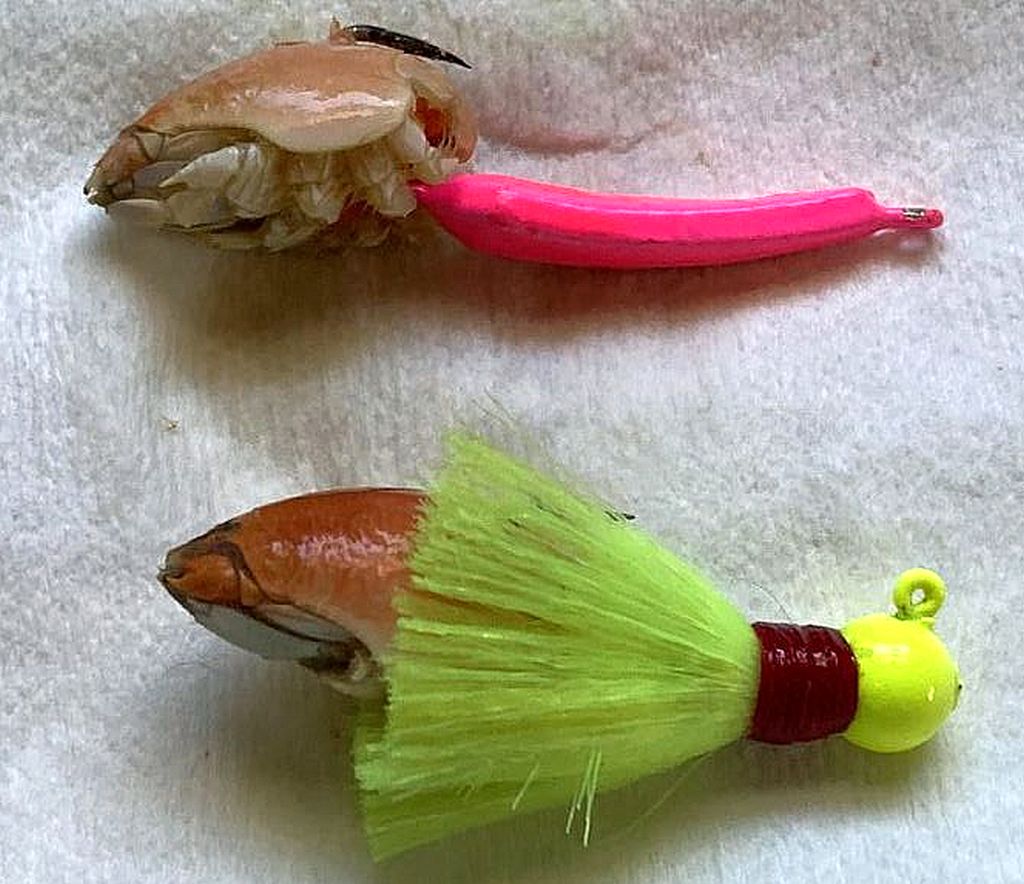
When the fish are in the nearest trough, small jigs tipped with a sand flea, small piece of
shrimp, a sand flea with fishbites to better hold it on the hook or just fishbites are excellent baits for pompano and whiting.
Breaks, runoffs, and cuts in a sandbar are used by the fish use to swim between troughs. These areas can be hot spots for both whiting and pompano.
On calm days when the ocean is clear enough to easily identify troughs and runouts; make a mental note of the structures and target these areas with sand fleas,
shrimp, clam, or Fishbites on your pompano rigs.
Because the fish are constantly foraging along the beach, some areas will be hot one day and have zero bites the next day in the very same spot. When this happens, pick up your gear and move to another section of the beach or relocate to another entirely new area until you find where the fish are holding. The
fish are always feeding. You just have to find out where.
Although the best bite is usually in the early morning hours during the last portion of an incoming tide; the outgoing and last portion of any incoming tide will usually produce fish. Generally, fishing is good during any moving water condition, regardless of the tide.
Many novice surf fishermen get skunked and discouraged because they set their sand spikes where there aren't any actively feeding fish. Learn to read the beach before setting up your rods.
Watch how the waves are breaking and look for rip currents, wash outs,
and sloughs that form just past the shore breaks. Pay attention to the sand in the surf for areas where small shells are piling up and where sections of the beach have small bubbles popping up as the water recedes. These are areas where sand fleas, small clams, and crabs are being pulled out into the deeper troughs where the fish are holding.
Pompano, bull whiting, black drum, and redfish will often stage just outside of the rips to snatch up crustaceans as they are being pulled out into the troughs.
Try not to fish the same spot where you caught fish the previous day. Because the wave action constantly changes the structure of the beach, fish will seldom be in the same exact spot they were at
the previous day.
Finally, when you locate a likely looking section of the beach where fish may be feeding, stake out several rods on the beach and set your baits at varying distances from the shore. Keep your baits in the feeding zone and when you start catching fish, set all your baits in that general area.
Not paying attention to these basics is what caused me to get skunked on many a day surf fishing. Now I catch fish.
Sand fleas are by far the preferred bait in our area, hooked either naked or tipped with Fishbites. Fresh clam or small pieces of shrimp are also good baits for
pompano and whiting, especially when a strip ofFishbites is added to keep them on the hook.
When the bite is really on, surf anglers can catch a bunch of pompano or whiting in a very short time along any of our area beaches with a surf rod, a 2 or 3
hook pompano dropper rig, some sand fleas, fresh shrimp, or fishbites, and just enough lead to hold bottom.
Although the summertime pompano bite in East Central Florida is generally not as good as the late fall and winter bite, surf anglers can still catch a mess of fish using these tactics.
The lousy water clarity and weeds along our surf has pretty much shut down the surf fishing along our beaches until the water clears up. Areas with shades of blue or green water are preferred to "muddy" silty water unless you like catching a lot of catfish.
Our summertime resident pompano normally run between 2 to 4 pounds
Shark fishing along our beaches during the summer months can be outstanding, especially this month with all the bull and blacktips in the area.
The blacktip migration is supposed to peak this month, but apparently nobody told them about it. You can also occasionally see airborne spinner sharks clearing the surface just outside the breakers in many areas at Playalinda Beach. The sharks, especially bull and blacktips, frequently swim into the first and second troughs to snatch up whiting and blue runners.
Surf anglers targeting sharks usually use large chunked or live baits onheavy duty casting rigs with the ability to get out beyond the second trough however, a lot of bites occur from sharks patrolling the near shore troughs looking for an easy meal.
Blacktip sharks are the species most frequently targeted along our beaches but Bull sharks, Bonnet Heads, Nurse Sharks, Atlantic sharp nose, Spinners, Sandbars, and Lemon sharks are also caught along our surf.
Baits of choice for shark fishermen vary but include large chunks of Bonita, stingray wings, mackerel, ladyfish, and large mullet; but any bloody or oily fleshed fish can be used. A fresh cut bait rigged on a steel leader with a 12/0 circle hook is a good choice for large sharks.
When targeting shark from shore in Florida waters, you must complete the Shark-Smart Fishing educational course at MyFWC.com/SharkCourse and obtain a free Shore-based Shark Fishing permit. Both are now required when fishing from shore. Learn more HERE.
Most of the sharks caught from the beaches in our area are under 100 pounds, but much larger fish are possible.
Port Canaveral Offshore and Nearshore
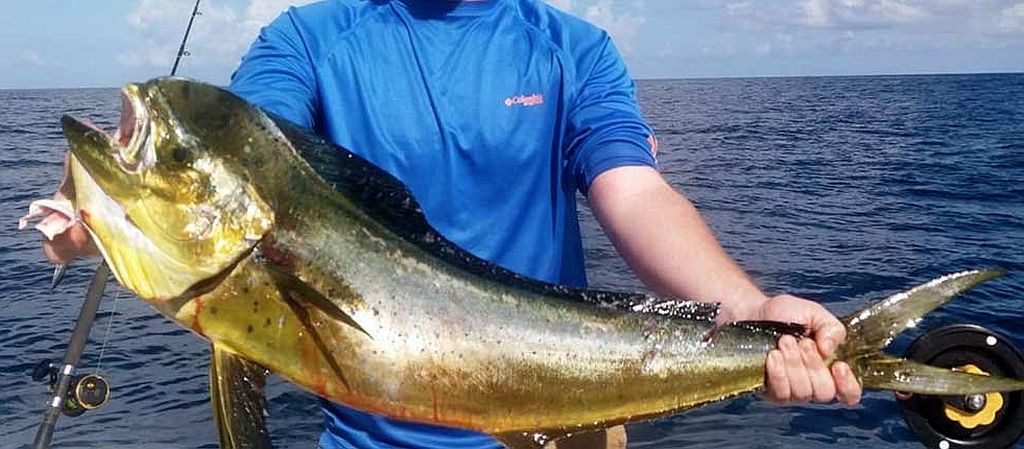
Right now we are right in the middle of our dolphin run out of Port Canaveral.
This past week, good numbers of dolphin have been coming through our area in waves. Anglers trolling skirted or naked chin weighted ballyhoo have been finding fish close to shore and at other times farther out. A lot of large
dolphin have been coming from the deeper offshore waters in the 200 to 250 foot mark all the way out to over 400 feet.
The guys and gals venturing out to the eastern part of the Gulfstream searching for tunas, wahoo, and billfish have been finding really good numbers of gaffer and slammer size dolphin out there.
Although most of the action has been outside of the 140 foot depths,
don't overlook color changes, rips, or other features the fish might be around when making your run out there.
Last week right out of Port Canaveral, an angler live baiting for king mackerel caught a 60 pound wahoo in 70 feet of water.
Dolphin normally start moving closer inshore this time of the year. They were in 200 feet of water, then 180 feet, and will get closer to the beach as the month progresses. It all depends on water clarity, the amount of bait around, and other features that the fish normally gravitate to.
Typically instead of using heavier gear, offshore anglers
targeting dolphin out of Port Canaveral are using 30 pound class Penn lever drag reels with 30 to 40 pound mono to pull their baits. This setup makes catching smaller fish a lot more fun while still having the capability to catch larger fish when you get them on.
Most anglers targeting dolphin and blackfin tunas on 30 pound class tackle like to pull
smaller Islander lures with small ballyhoo or strip baits. On bright sunny days yellow, pink, and bright blue colors work well. On dark overcast days, go with the darker black, red, and purple colors.
Right now the dolphin are averaging about 5 to 10 pounds with some larger fish in the mix.
Offshore deep drop anglers who got out to the 500 to 650 foot depths have been catching yellow edge grouper up to 35 pounds along with a variety of deep
water species like snowy grouper, barrel fish, and huge queen snapper.
Electric reels with heavy weights are used to hold bottom for this fishery with squid being the main bait of choice.
Bottom fishing the wrecks
and reefs has been very consistent for a good morning bite in the 160 to 260 foot depths for both amberjack, red snapper and groupers. Although the majority of anglers drop live or chunked baits, a lot of guys have been using 16 to 24 oz deep jigs or vertical jigs to get down to the fish. A lot of red grouper, scamp, and amberjack are caught deep jigging.
The overabundance of sharks, specifically Sandbar Sharks, has made it tough getting an amberjack, snapper, or grouper to the boat whole and intact.
The mangrove snapper bite out of Ponce Inlet offshore has been hot on the 70 to 130 foot reefs. Anglers have been using live pigfish and cut baits for mangroves in this area.
June and July is when all of the 70 to 90 foot reefs in our area start to light up with king mackerel however, the kingfish bite last week on Pelican flats and 8A reef has slowed down a bit. The fish are scattered and the water is a bit dirtier than it has been for the past weeks.
Slow trolling live baits on a stinger rig is the preferred method for taking kings in our area, but a lot of anglers like to flat line a live bait on a stinger rig with #4 wire or with 60# mono for larger fish. A good number of anglers out of Port Canaveral prefer slow trolling large spoons and lipped diving plugs in the 5 to 7 inch category, especially during the early morning and evening hours.
Pulling baits, spoons, and diving plugs 40 to 50 feet down on a downrigger over the 70 to 90 foot ledges south of Ponce Inlet is producing some really good results.
Right now the kingfish in our area are running 15 to 20 pounds.
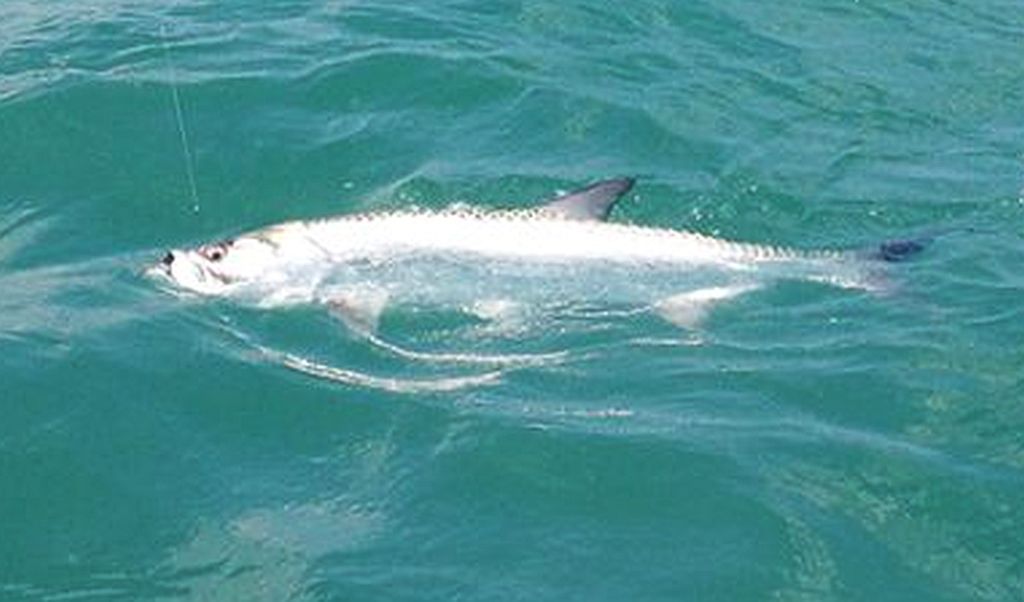
Tarpon fishing so far this month has a wrinkle to it. Although the inshore waters close to the beach was pretty dirty last week and should start getting cleaner over the next four or five days; the tarpon that normally cruise our beaches and hang out in 12 to 15 feet of water are being found by offshore anglers in around 50 to 75 feet of water feeding on schools of bait. This is probably because our inshore waters have been
really dirty.
On the days when anglers can sight cast to them, live pogies, croakers, and 4 to 5 inch swim baits have been working well on tarpon.
For anglers slow trolling or drift fishing for tarpon; live pogies, pilchards, and greenies are usually the "go to" baits. Live croakers rigged on a VMC
7/0 or 8/0 circle hook with a 60 to 80 pound fluorocarbon leader are excellent drift or pitch baits, but they don't troll well. .
A Penn Authority 6500 spinning reel spooled with 40 pound test braid and a 60 pound leader is a good rig for tarpon in our area.
Most of the tarpon caught are running in the 60 to 120 pound range.
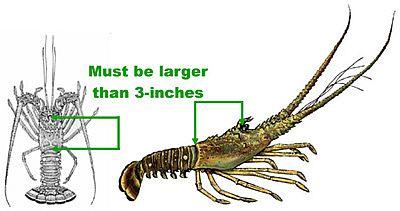
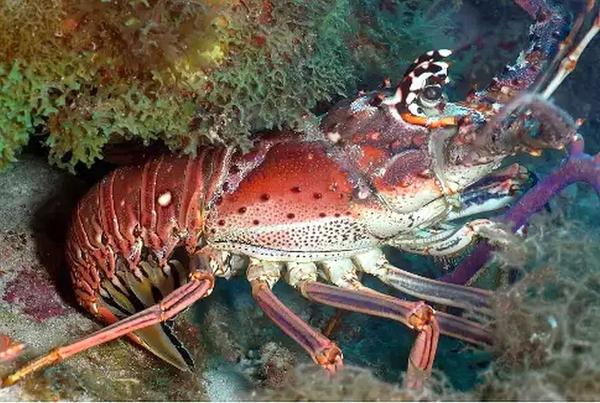
2024 Lobster Season
The July 26-27 Spiny Lobster sport season this year is just around the corner and some of the best spiny lobstering outside of the Florida Keys is
available to our residents right outside of Port Canaveral. Divers will be allowed a generous harvest of 12 lobsters per person during the two day season.
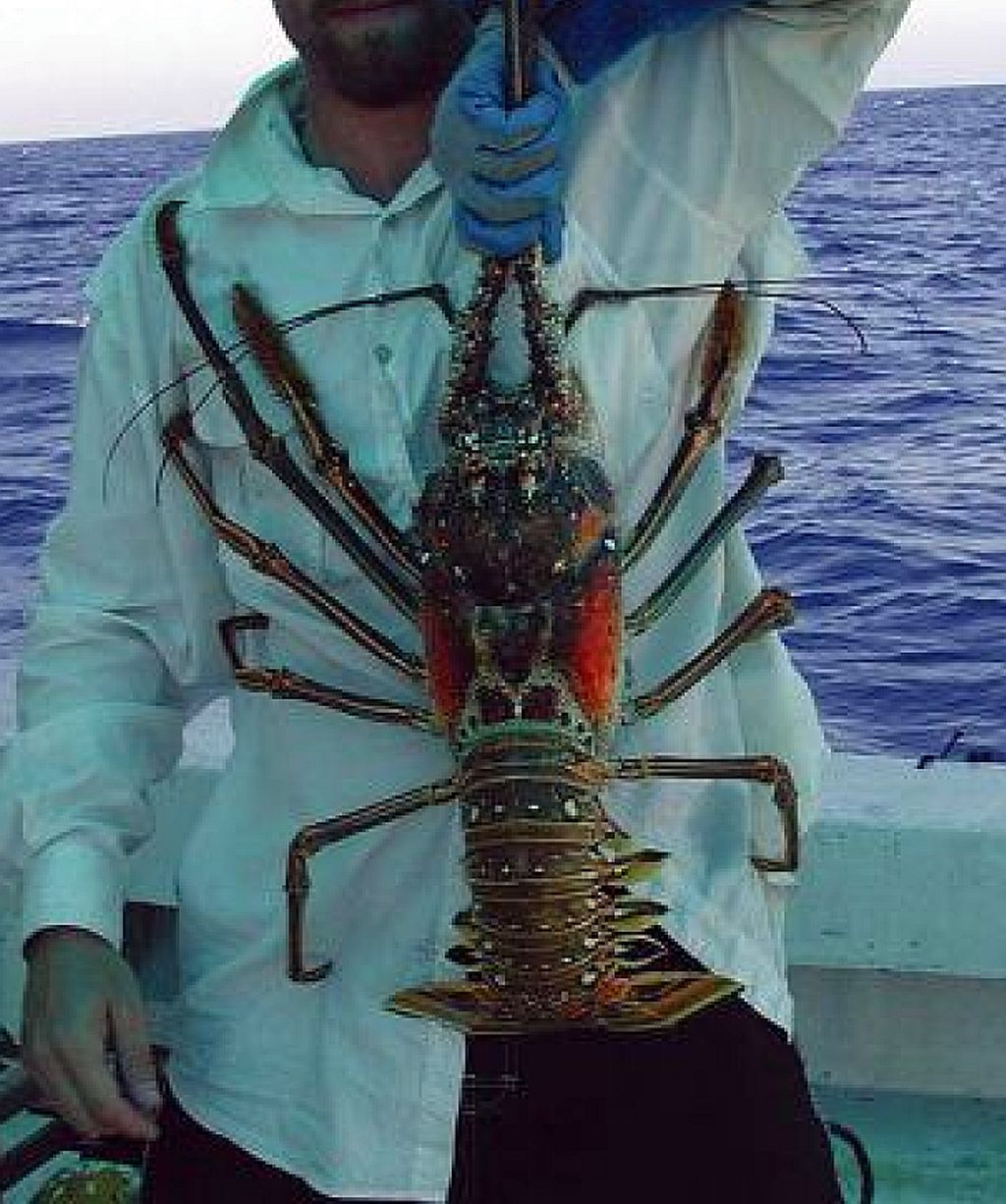
Although a lot of East Central Florida residents flock down to the keys; the waters out of Ponce, Canaveral, and Sebastian Inlets produce some of the best lobstering in the entire state of Florida, with "bugs" in the 6 to 10 pound plus category taken regularly .
During the July 24th and 25th sport season, and the regular season that begins August 6th and ends March 31st, divers out of all three inlets will be scouring the 50 to 55 foot reefs in search of the tasty "bugs".
More experienced professional divers that regularly descend to depths of 90 feet or more usually fill
their quotas with much larger bugs.
In our area, the largest lobsters are found in the 50 to 90 foot depths. Small craft unable to access these depths can still hunt them on the shallower water artificial reefs like those out of Ponce Inlet.
The stretch of beach between Wabasso Beach and Ft. Pierce Inlet is a popular area for beach divers who routinely snorkel out into 15 or 20 feet of water where some big spiny lobsters are often found. The Wabasso and Disney Beach areas annually produce "bugs" up to 15 pounds.
For additional information on the 2024
Florida Spiny Lobster Season, click on the icon at left.
 Larger sea trout can be found around the transition zones of rocky edges, docks, overhanging mangrove trees, or shallow water
that is adjacent to deeper (4 to 5 feet) water. Sharp dropoffs next to shallow flats are great places to target.
Larger sea trout can be found around the transition zones of rocky edges, docks, overhanging mangrove trees, or shallow water
that is adjacent to deeper (4 to 5 feet) water. Sharp dropoffs next to shallow flats are great places to target.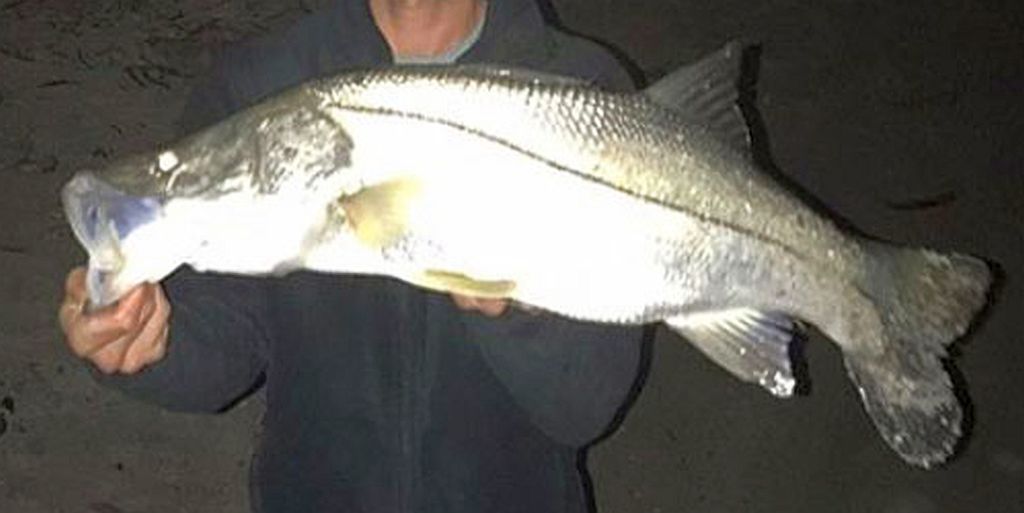
 Whiting and pompano are school fish that are always on the move.
  imp, a sand flea with fishbites to better hold it on the hook or just fishbites are excellent baits for pompano and whiting.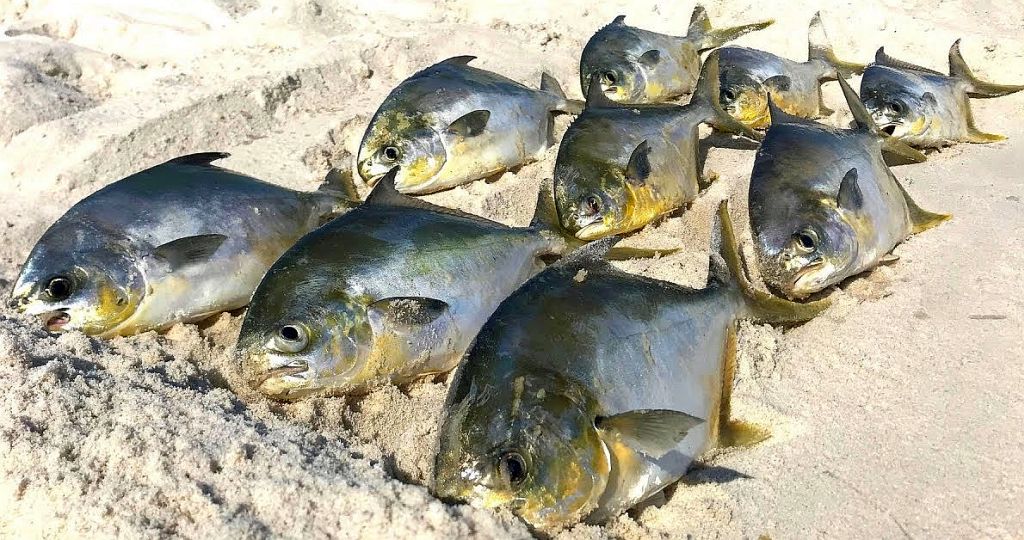
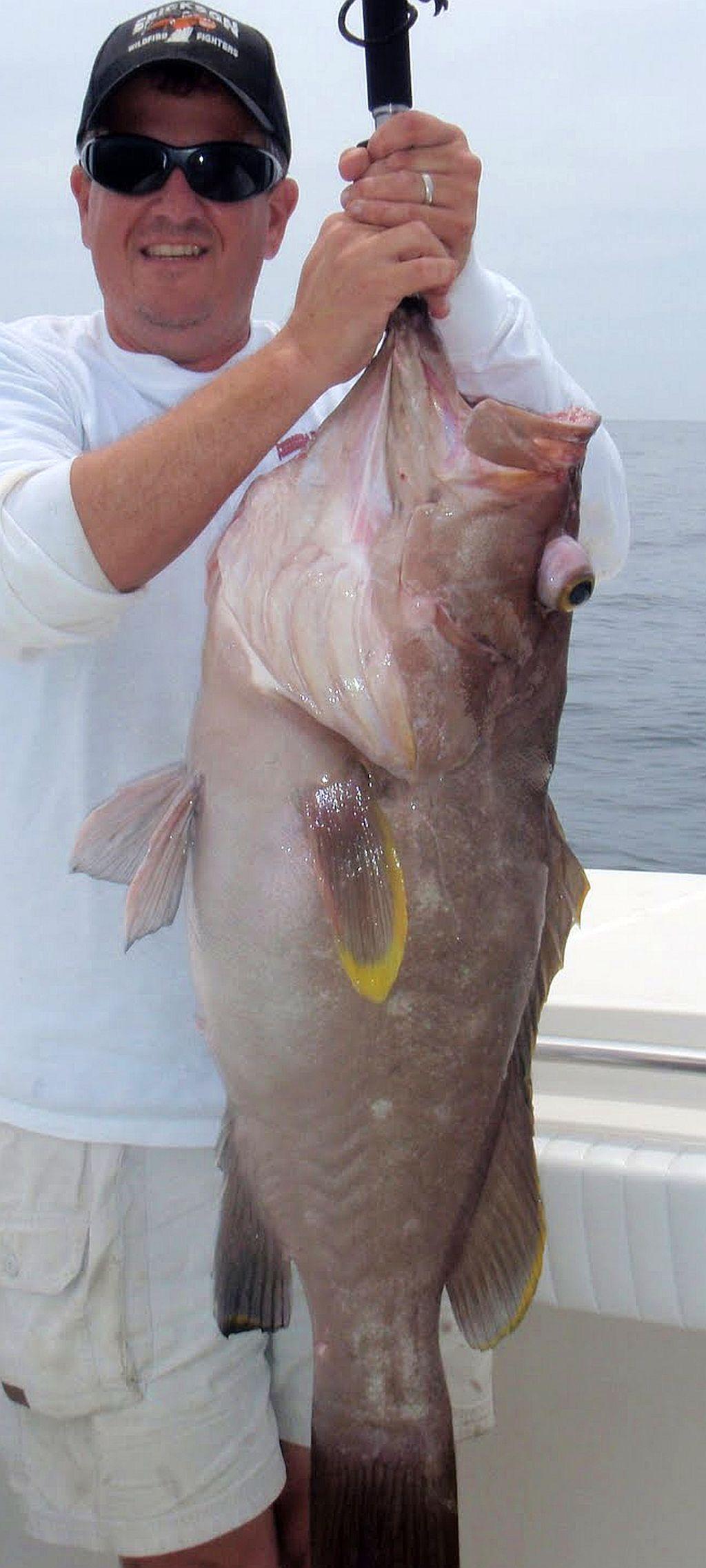 Offshore deep drop anglers who got out to the 500 to 650 foot depths have been catching yellow edge grouper up to 35 pounds along with a variety of deep
water species like snowy grouper, barrel fish, and huge queen snapper.
Offshore deep drop anglers who got out to the 500 to 650 foot depths have been catching yellow edge grouper up to 35 pounds along with a variety of deep
water species like snowy grouper, barrel fish, and huge queen snapper. 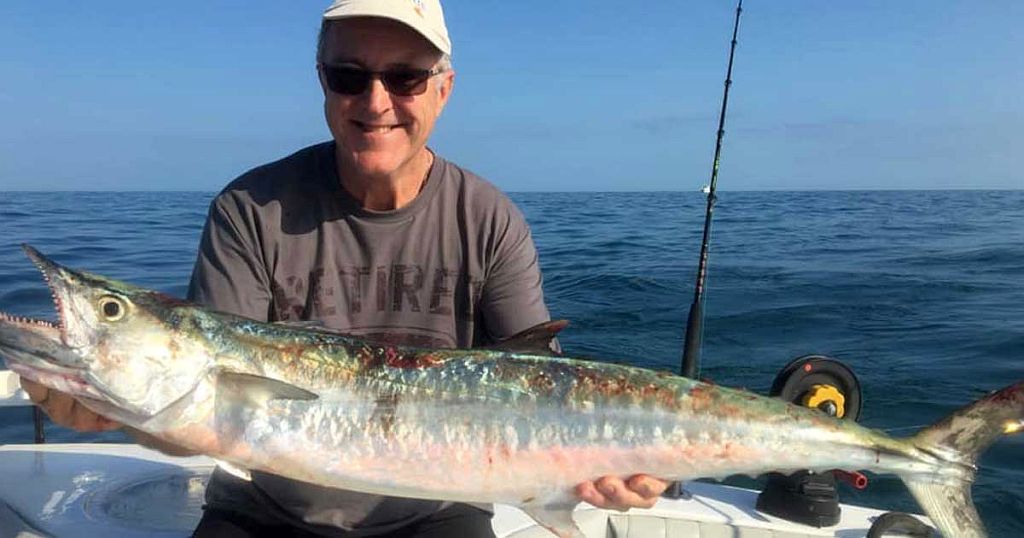
 Although a lot of East Central Florida residents flock down to the keys; the waters out of Ponce, Canaveral, and Sebastian Inlets produce some of the best lobstering in the entire state of Florida, with "bugs" in the 6 to 10 pound plus category taken regularly .