SUPPORT COPY: Your September 2024🐬 Mosquito Lagoon & Indian River Fishing Report
Published: Sun, 09/01/24
Newsletter Issue # 182 September 1,
2024
Mosquito Lagoon & Indian River Fishing
Mosquito Lagoon and Indian River
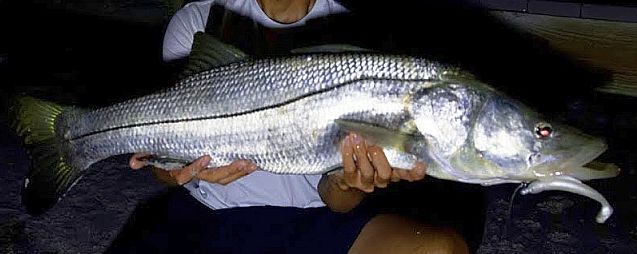
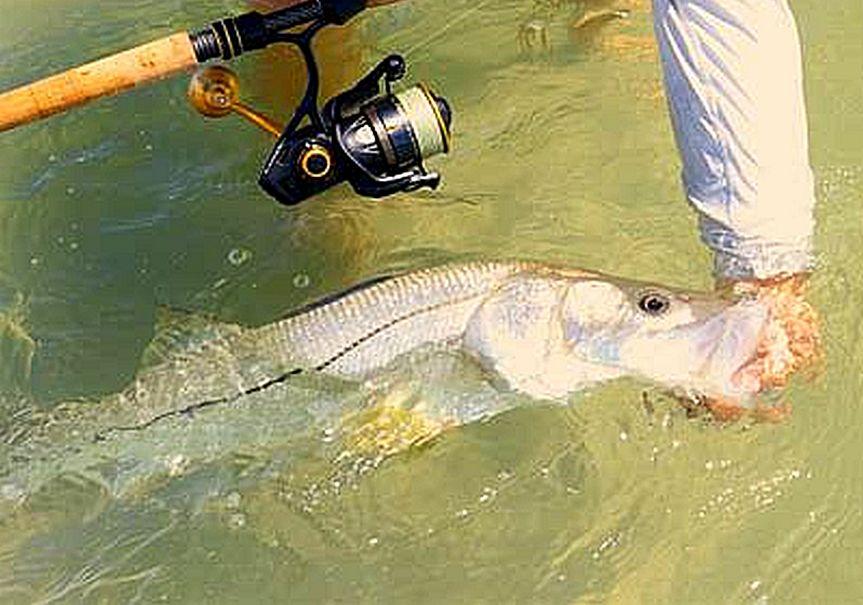
Snook season reopens today and anglers who have been targeting snook in the Indian River and Mosquito Lagoon already know that the bite during the
closed spawning season around the Space Coast has been red hot all summer.
The backwaters are loaded with smaller size snook and all of our inlets are packed with bigger fish. Small mullet and smaller size artificial baits work best on backwater snook that are feeding on smaller 4 to 5 inch fingerling mullet in the area.
Night fishing the docks for snook in the Indian River from Titusville to Sebastian is extremely productive during the summer months and into the fall.
At night, R&R Flairhawk jigs, 5" to 6" Saltwater Assassin swim baits on a jig head, and Artemis Shads skipped under the docks are absolutely killers for a
variety of species including snook.
Many local anglers prefer fishing for snook in the Mosquito Lagoon during the winter months and for the remainder of the year, at night.
Live baits like croaker, mojarra, pinfish, and mullet have been
producing the best fish. With the mullet beginning to run up and down our area beaches, mullet will be the preferred bait around the inlets and in the surf.
The best places to find inshore snook in the Mosquito Lagoon is in the deep holes, creeks, and channels of the ICW.
Around Titusville and New Smyrna Beach, snook are plentiful and can be found holding tight to shoreline cover where they use the overhanging brush, mangrove roots, sticks, and docks as ambush points for baitfish.
One of the best ways to fish for these snook is with a large mullet or
pinfish tossed tight to the ambush point.
Soft plastic D.O.A. Cal jerk baits, Saltwater Assassin 4" or 5" Sea Shad on a jig head, Gulp jerk shad, or any soft plastic bait skipped under a dock or tight to shoreline bushes will also produce bites. Smearing your lures with Pro-Cure gel or other scent will dramatically improve your hookup ratio.
Our
average snook is running 28 to 36 inches.
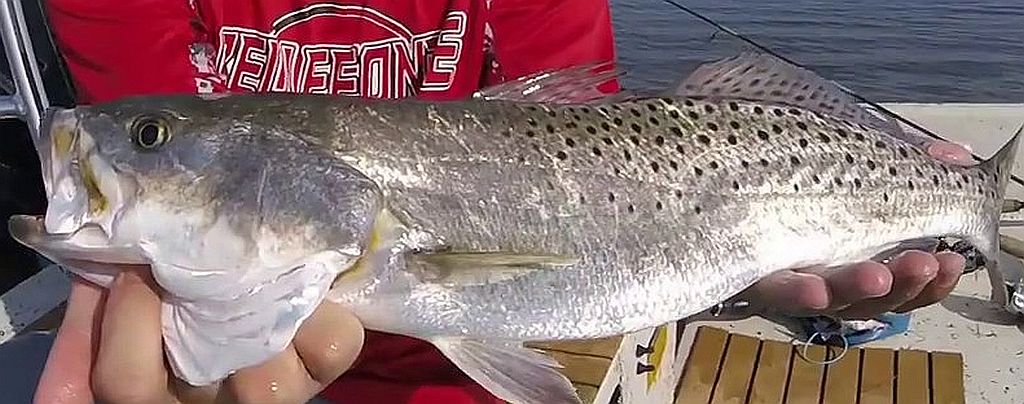
The inshore bite for speckled sea trout in the middle and southern portions of the Mosquito Lagoon is as good as it gets right now.
The Tiger Shoal area and the outer bars towards Pardon Slew
in the middle to northern section of the lagoon has also been producing big fish along the docks, and overhanging mangroves.
Saltwater Assassin 4 inch Sea Shads and live pigfish either freelined or fished under a Cajun Thunder type float along the drop offs and deeper grass flats has been the ticket to success for the past weeks.
During the early morning hours, many anglers in our area like
to toss top water baits like Zara Spooks, Rapala Skitterwalks, Chug Bugs, Super Spooks, XPS Slim Dogs, and Bad-A-Donks until the bite subsides and then switch to plastic jerk baits or live baits in the afternoon to target the fish in deeper waters adjacent to the
shallower grass flats.
Kayak and wade fishermen are still reporting good early morning bites on top water baits from gator size sea trout north and south of the Bio Lab boat launch.
The larger sea trout hang just outside of the sandy patches in the grass in about a foot and a half to three feet
of water during the morning hours and as the water warms up during the day move out into the drop off about 100 yards from the road.
Big top water baits are preferred for large "gator" trout in our area, especially when smeared up with some Pro-Cure Inshore Formula
gel.
Most of the big trout caught in the Mosquito Lagoon are running in the 23 to 25 inch category.
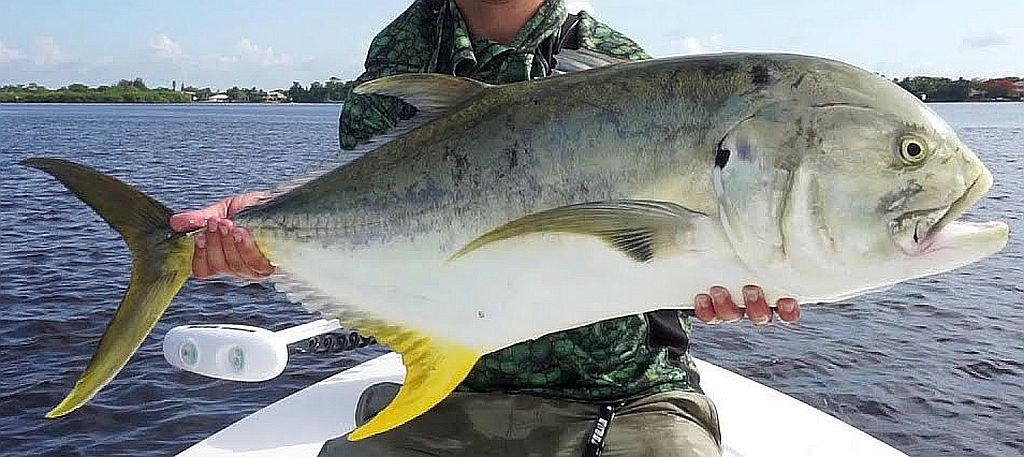
We have had some crazy fishing going on in the Indian River and Mosquito Lagoon this past week with huge schools of ocean size jack
Crevalles busting on the baitfish schools.
Along with the jacks are tarpon and of course sharks.
Any time you see an explosion going on right now, try tossing a large 6 inch Saltwater Assassin jerk bait, a 5 inch Artemis shad,
or any type of large topwater plug at the commotion. A Penn 5500 Slammer or 6500 size reel with some 30 to 40 pound Power Pro or other type braid and a 50 or 60 pound fluorocarbon leader is what you need tackle wise to land these fish.
Most of the jacks have been running in the 18 to 25 pound range.
The black drum bite around Titusville has been consistent on the mud flats and around the sandy pot holes in the grassy flats. Most anglers targeting black drum on the flats use live shrimp, small crabs, or sections of fresh blue crab for bait.
The construction along the causeway prohibits bank fishing in that area but
along the Catfish Creek, Gator Creek, and Puckett Creek area, singles and smaller pods of slot size Black Drum and a lot of redfish are still schooling in good numbers.
Live shrimp and cut blue crab are baits of choice in these areas.
The two
fishing piers under the A. Max Brewer bridge, the railroad bridge going to the Cape in Titusville, and Haulover Canal are great places to catch both slot size and oversize drum this month. The deeper waters around the bridge pilings frequently produce black drum up to 40 pounds.
In our area, a lot of quality black drum are caught along the mangrove covered
shorelines and the drop offs in the ICW.
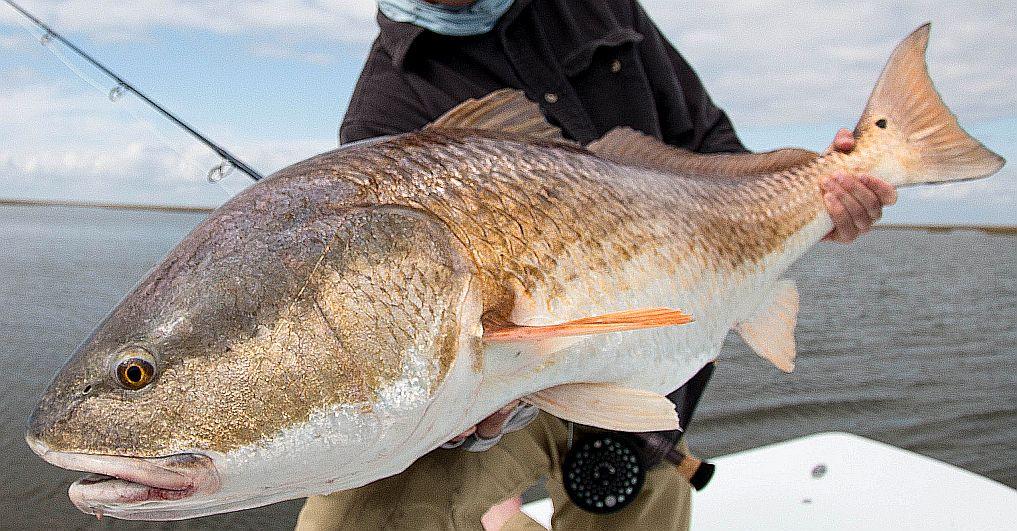
September is one of the best months to catch a trophy bull redfish in East Central Florida.
A lot of redfish are schooling up throughout the Mosquito Lagoon. On
calm days, you can see singles and schools tailing in the grass flats.
Along with the
black drum and large sea trout that cruise the flats in that area; redfish in the 40 inch plus category start to school up for their annual spawning ritual in the deeper flats across from the Scottsmoor boat launch during the fall months.
You can catch them by targeting the weedy areas with live shrimp, chunk baits, gold Johnson Sprite spoons, Saltwater Assassin
Shrimp, or a variety of plastic baits. Fly fishermen using patterns that imitate crabs, shrimp, or small baitfish also do well.
The weedy areas hold a lot of pinfish, croakers, pigfish, and glass minnows that attract the reds.
Although most redfish caught in our area are in the 18 to 27 inch range, during September and October you can hook into a 40 inch
plus bull red at any given time.
Some of the largest redfish In East Central Florida are caught in the Mosquito Lagoon, the north Indian River, and Haulover Canal during September.
Surf and Inlet Fishing
September and October is the best time of the year to catch snook in the surf.
With the opening of snook season today, a lot of surf fishermen will be targeting snook in the sloughs along our beaches as well as the jetties and sea walls at Port Canaveral.
The mullet run along the Space Coast peaks this month throughout the
Central East Coast region. Mullet and other baitfish will be pouring down the beaches along with snook, tarpon, huge jack Crevalle and sharks in close proximity.
The fall mullet run has already started and the snook are feeding like crazy. The bite has been on fire at the inlets as well as along the beaches.
In addition to snook and tarpon being in full swing this month, we will also start to see schools of migrating pompano pushing into Brevard County waters in good numbers.
Although some early schools start appearing on northern beaches this month, the hottest pompano activity doesn’t
really ramp up until November.
Snook and pods of tarpon are already feeding in the first trough. The preferred method for targeting snook in the surf is the gorilla style surf fishing approach.
Unencumbered mobility is the key to this style fishing. The angler has the freedom to quickly move up and down the beach to chase after predatory species
while actively fishing for pompano and whiting.
Beach anglers using a single 7 to 8 foot casting rod with a 4,000 to 5,000 series reel and a pack with swim baits, jigs, plugs and/or live baits are able to quickly cast to busting snook or tarpon while fishing for pompano and whiting on their 2 or 3 hook surf rigs.
Success is dependent on the waves of migratory baitfish passing through a given area, each week.
Before unpacking your tackle, start searching several beaches for diving birds, exploding baitfish, leaping tarpon or snook, or surging fish crashing along the shore.
When you find a potential hotspot with clean water conditions, set out your surf rods for pomano with crab or clam flavored Fishbites tipped with sand fleas or fresh shrimp.
Toss live baits caught from the surf, or large 5 inch
swimbaits, Flair jigs, or Rapala X-Raps to busting fish.
The jetties and sea walls at Port Canaveral, the causeway bridge fenders at New Smyrna Beach, and the bridge fenders at the A1A bridge leading to Sebastian Inlet are all great spots to target snook this month.
The surf around Patrick Space Force Base is also a good place for anglers targeting snook. A large 12 inch mullet on a sliding sinker rig cast out past the worm rocks will usually get you a hookup if the fish are in the area. If the snook aren't hitting, you can count on getting a shark of some species.
During daylight periods, most anglers have been fishing live finger mullet on a jig head or a knocker rig around the piers, sea walls, docks, and jetties. During overcast periods and periods of low light, anglers have been getting solid bites on a Rapala X-Rap and X-Rap Long Cast baits as well.
Night time anglers targeting snook along the piers, sea walls,
docks, and jetties have been getting good hookups on saltwater assassin Artemis Shads and R&R swimbaits. These baits minimize the fish throwing the baits. They look like a mullet but when a fish is hooked, the hooks pull away from the plastic bait.
A lot of night fishermen who target the inlet jetties, cat walks, pilings, and sea walls for
snook prefer using large Rapala X-Rap 14 baits, or large Saltwater Assassin 5" or 6" swim baits on big jig heads with 7/0 or 8/0 hooks. Baits smeared up with some Pro-Cure gel or other scent will normally get more bites.
Port Canaveral Offshore and Nearshore
Offshore fishing on all our local reefs and hot spots has been on fire lately and should continue throughout the month.
Offshore anglers are reporting great catches of blackfin tuna, sailfish, kingfish, cobia, and some mahi on live baits as well as frozen minnows slow trolled behind King Busters. The best part about the
good fishing is that you don't have to go much past 75 feet to find fish.
Since storm Debbie came in with high winds, the bunker has been steady and that is making catching much easier. Tip your live baits with some dusters to perk up the bite.
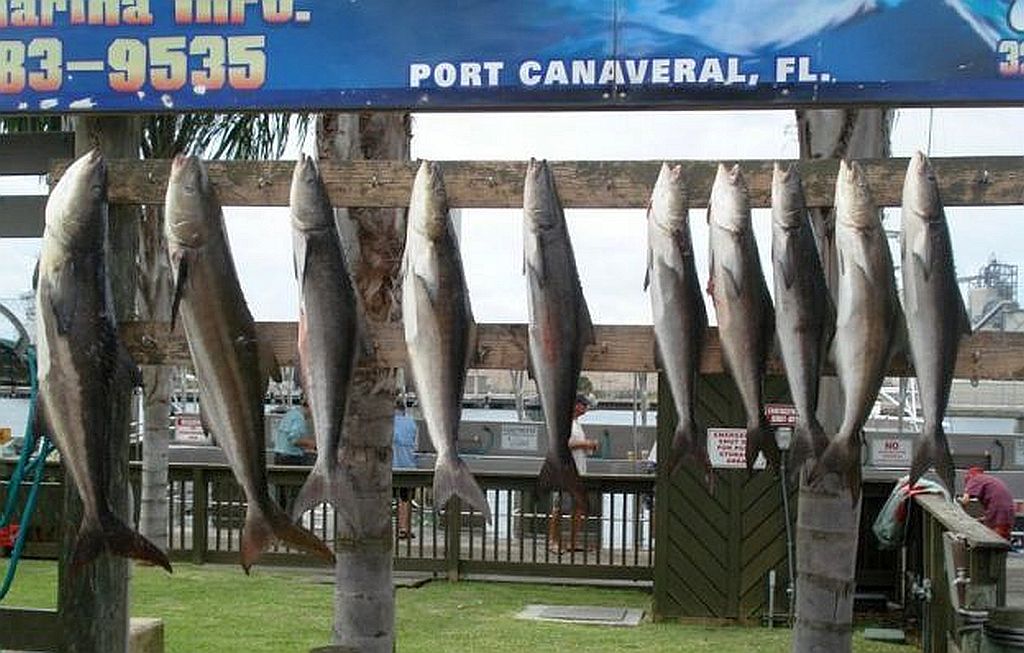
Out of Port Canaveral and throughout our area, cobia and king mackerel are showing up offshore in good numbers in 60 to 90 feet of water.
The guys slow trolling for king mackerel with live of frozen baitfish on wire stinger rigs have been getting the most shots at the cobia right now when the fish come up to the boat.
It really pays to keep a pitch bait ready in case a cobia comes up to the boat when you're slow
trolling.
Fishing on the bottom just off the Kennedy Space Center launch pads in 70 to 90 feet of water has been very productive for cobia. Live and cut chunk baits have been working really well on these fish.
Because the cold water
upwelling that we had pushed the fish around quite a bit, a lot of the shoals out there are also holding good numbers of cobia.
Places like Chester Shoal, the Southeast Shoal, and Ohio Shoal can have cobia on them any time there is a cold water upwelling. The fish will move off of the shoals into slightly deeper water structures right after the
upwelling subsides.
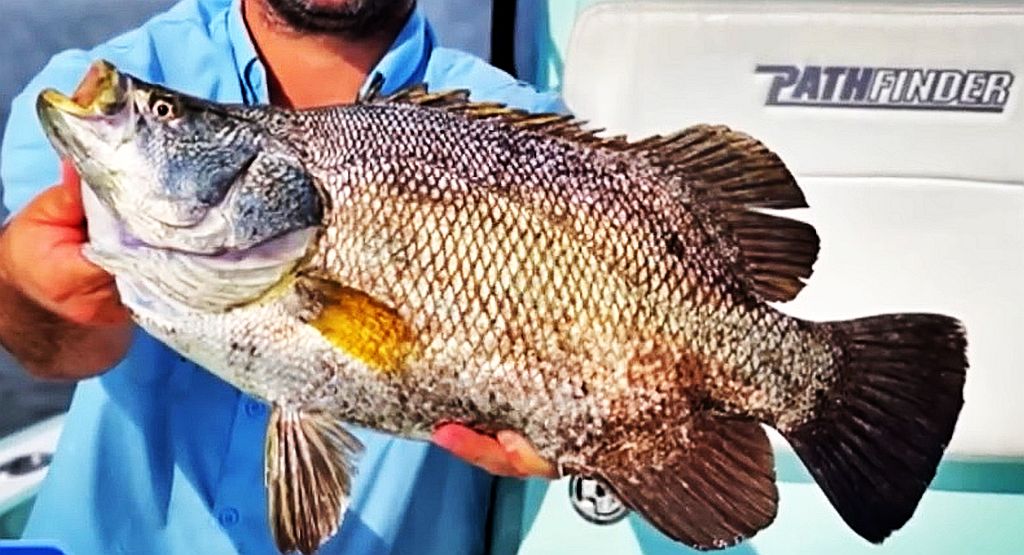
September is one of the best months to fish for big tripletail in our area.
Tripletail look like a prehistoric cross between a flounder and a grouper that float on top of the water and taste absolutely
delicious.
Out of Port Canaveral, tripletail can be found free swimming around the buoy
lines, crab traps, color breaks, floating debris, or almost any kind of vertical structure and will hit almost any small live bait or scented lure.
Live free lined shrimp, small jigs, flies, and plastic baits scented with Pro-Cure work especially well on them.
Although the best part of the mullet run normally starts mid to later on in the month, threadfins, sardines, and mullet are on the beach and so are the tarpon, snook, sharks and jack crevalle.
Larger kingfish are also following the schools of bait looking for an easy meal. Nearshore kingfish in our area have been running up to
40 pounds.
The best bet for catching any of these predators is to use some of that live bait and fish the outer edges of the bait pods.
During the peak of the mullet run along the beaches, D.O.A. Bait Busters and Rapala’s X-Rap Long
Cast in size 14 are excellent baits to use when targeting the bait pods
Bottom fishermen out of the port have been catching a mixed bag of triggerfish, lane, mango, mutton, and vermilion snapper from the 80 foot depths out. Most of the fish have been coming in from the northern section of our region.
The offshore mangrove snapper bite out of Ponce Inlet has also been
pretty steady with anglers fishing live pigfish and cut baits.
Offshore deep drop anglers who got out to the 500 to 650 foot depths are still catching some nice yellow edge grouper in the 35 pounds range, along with a variety of deep water species like queen snapper, snowy grouper, tile fish, and barrel fish.
Haulover Canal
Haulover Canal fishermen this month will be targeting oversize black drum and bull redfish that are
now moving through the canal from the Mosquito Lagoon into the northern Indian River to spawn.
The deep holes at both ends of Haulover are usually occupied by anchored boaters dunking live or cut baits for oversize redfish or drum.
Most anglers fish with whole or sectioned live blue crab, live pinfish or mullet, or large chunks of fresh cut ladyfish, mullet, or pinfish.
Stout tackle
and braided lines are recommended to keep the fish from breaking off on the rocky bottom structure. Sliding sinker rigs with 30 to 60 pound Power Pro or other braid and a short 12" to 15" leader completes the setup.
A few anglers at Haulover have started using jigheads tipped with a crab knuckle or clam scented
Fishbites with varying degrees of success.
Pods of tarpon in the 100 pound range are occasionally in the canal but few anglers fish for them. The fish are usually seen rolling close to the bridge pilings after the schools of glass minnow.
With Snook season opening up today, we can expect to see more anglers drifting the canal tossing topwater plugs and suspended twitch baits along the shorelines early in the morning, close to dusk, and at night.
This technique is also productive for snook, large sea trout, and tarpon when they are in the canal.