Your February 2024 🐬 Mosquito Lagoon & Indian River Fishing Forecast
Published: Thu, 02/01/24
Mosquito Lagoon & Indian River Fishing |
|||
|
Newsletter Issue #175 Fishing Forecast
February 1, 2024
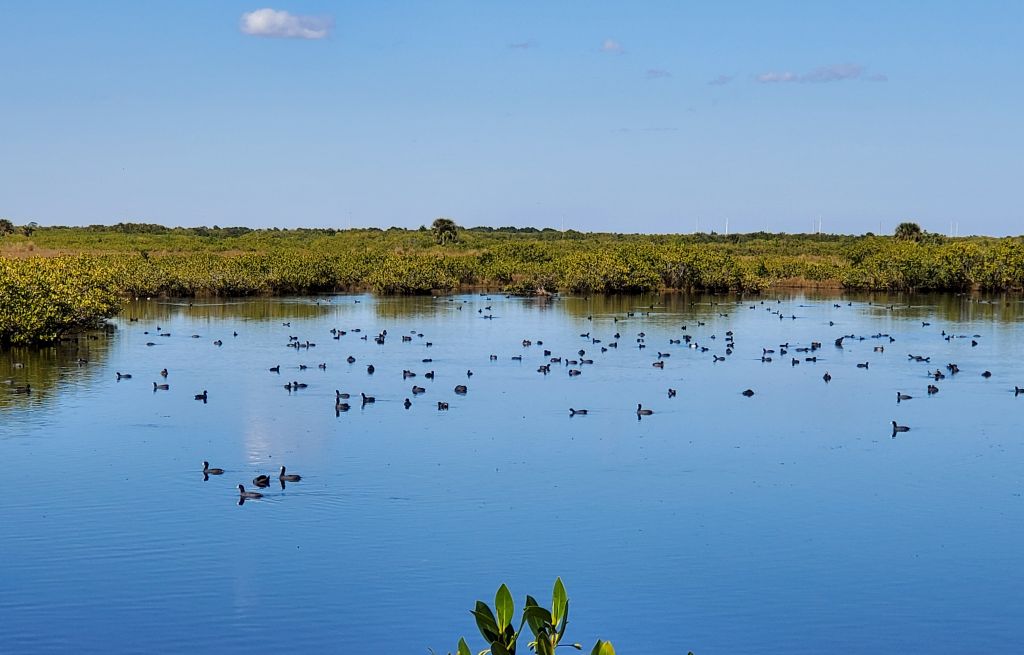 The Mosquito Lagoon and Indian River The water clarity has been exceptionally good throughout the Mosquito Lagoon making for some great sight fishing. The most productive periods for backcountry fishing in our lagoon system this month will continue to be just before the cold fronts. Just prior to the cold fronts; redfish, black drum, sea trout, and snook can sense the pending weather change and will start gorging themselves before the warmer water temperatures go south. Redfish can be caught all year long in East Central Florida, but from December through February, they become super aggressive during the warming trends that occur in between the cold fronts. During each cold front, redfish, black drum, and sea trout move up onto the mudflats for warmth, making them prime targets for sight fishing. A well placed live shrimp, crab, or artificial lure will usually result in an instant hookup. On the sunny days this past week when the winds have been relatively calm, the black drum bite has been on fire. Schools of black drum and redfish have been moving up onto the shallow flats to feed and were being caught on live shrimp free lined on a small J hook. When the winds were blowing, a jig head tipped with a live shrimp or a small piece of shrimp was the easiest and most effective way to catch these fish. 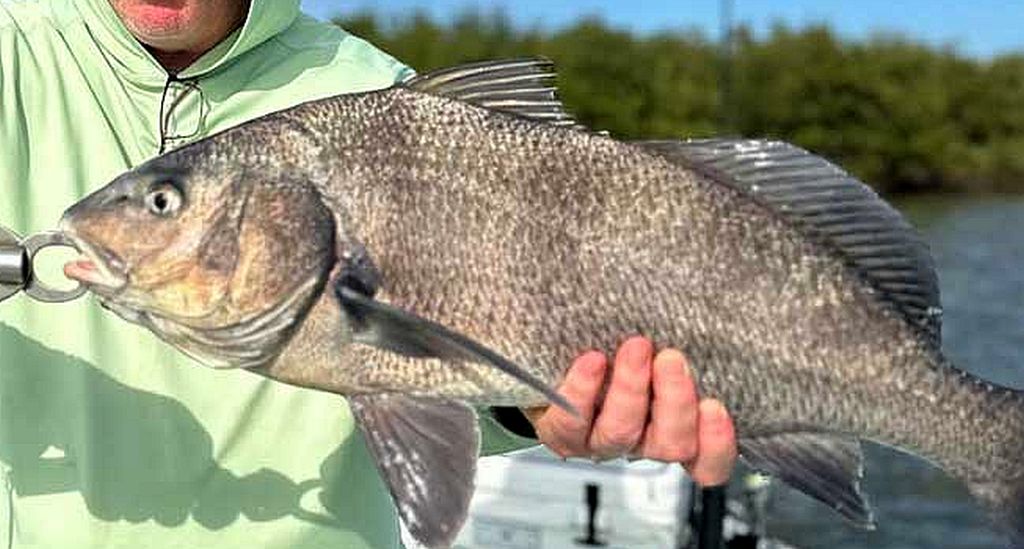 During the winter months, slow retrieves with baits that resemble small shrimp or crabs are most effective for reds, black drum, snook, and some surprisingly large sea trout. The fish are now firmly in their winter feeding patterns and are primarily targeting shrimp and crabs. The best areas to target fish during February's cold weather conditions are the deeper creeks, troughs, drop offs along the shallow flats, channels along the ICW, deep water bridge pilings, and in the southern lagoon system around Cocoa; the residential canals. Sea trout and Snook in particular will occasionally stack up in these areas seeking protection from the cold, and can be caught using slow presentations of live shrimp or soft Creme Spoiler Shad type lures. A bit of Pro-Cure smeared on the lure will keep slow moving fish holding on to your baits. If you're out with the kids and just want to catch a lot of fish, look for slot size and under speckled seatrout in the deeper water channels, pockets, canals, or the lee side of coves adjacent to shallow water structure. Small 3 1/2 inch paddle tail baits rigged on 1/8 th or 1/4 oz jig heads fished slowly along the bottom are hard to beat this time of the year for just about any species, but for sea trout they are deadly. Just about any brand of small paddle tail bait like Berkley Gulps, Lil Johns, Creme, and even Senko Bass worms cut in half will work. Use slow retrieves until you locate a school of trout. The smaller 12 to 20 inch size sea trout congregate into small to medium large schools this time of the year, so when you find a school of sea trout, work the area thoroughly. With colder weather forecasted for this week, expect the schools of redfish, black drum, and trout to gather into even larger schools. Catching a cooler full of sea trout is nothing to write home about, but catching just one "Gator Trout" is a completely different story. February is one of the best months to catch a trophy size sea trout in our area, especially between cold fronts but if you want to catch them consistently, you need to target them. Most anglers call a sea trout a "Gator" when it grows to 5 or 6 pounds in weight, but anglers who specifically target big sea trout don't consider it a Gator until the fish is in the 28 to over 30 inch category. The IGFA All-Tackle World Record was caught in Fort Pierce, Fl. and weighed in at a whopping 17-pounds, 7-ounces. Once a sea trout grows large enough to feed mostly on finfish, they become solitary, extremely wary, and lazy. They are ambush predators that feed mostly at night and during low light conditions. In tidal areas they like a moderate current to bring them their prey and will hold around structure near deeper water to escape predators. During the spring and summer months, you can find gator sea trout around the edges of sandy potholes on the flats. Drop offs, docks, bridges, structure, jetties and any areas that hold baitfish can also hold big trout and lighted docks should never be passed up when targeting big sea trout. Big sea trout are naturally skittish. They can detect the slightest vibration from a boat hull, boat wake, canoe oar, a wading angler, etc. and will immediately develop a case of lockjaw. Big sea trout like the one below are noted for seeking areas that are tough to access and where fishing pressure is limited. 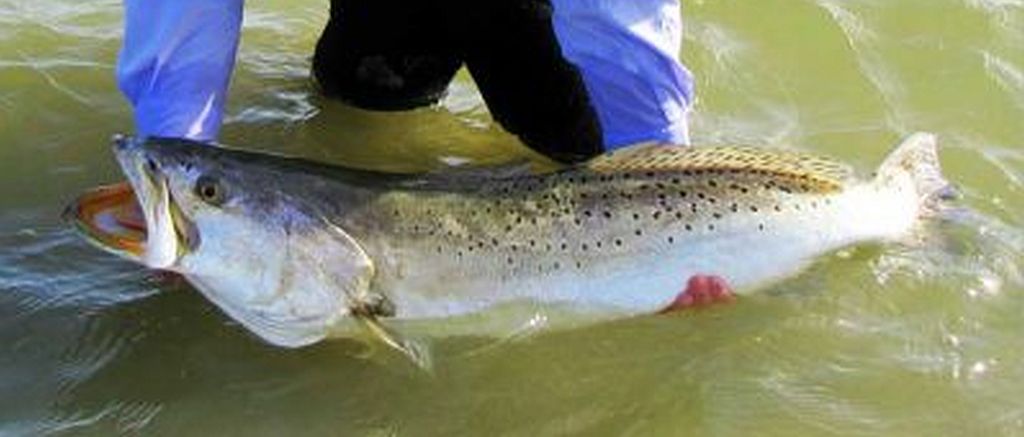 Peacocks Pocket Road, Shiloh Road, Long Pond Road, Granny's Cove, Pumphouse Road Loop, and Patillo Creek are all good areas to target Gator Trout for the next few months. In these areas, wading or fishing from a kayak or canoe are the best ways to sneak into the shallows where big trout reside. Targeted casts from the bank also catch a good share of big trout when wading or fishing from a kayak is not possible. Big sea trout eat big baits and although a gator sea trout can be caught on a live shrimp presented right in front of its nose; a live pinfish or mullet in the 6 to 12 inch category is more likely to gain it's interest. Long casts with artificial plastic 5 to 6 inch jerkbaits and large topwater plugs like the Skitterwalk or BadadonkA Donk are killer on big trout. Long blind casts will put the bait in front of the fish before the fish can sense you and slow presentations keep the bait in the strike zone longer. If you want to nail a Gator sea trout this month, be on the water just before dusk and fish the lighted docks in our area with a large topwater, plastic jerk bait or a live bait. This month in particular is also when many savvy anglers head to the deeper flats of the Indian River to target larger drum in the 20 to over 60 pound category. The larger schools of black drum, along with some redfish mixed in, are usually holding around the spoil islands, drop offs, and channel edges of the Indian River. Fresh sections of blue crab, and live or dead shrimp are baits of choice for these fish. During the warmer afternoon hours, small and medium to large schools of black drum and redfish can often be found foraging on the shallow water flats for shrimp, crabs, and other crustaceans. With the water clarity we have right now, these fish make easy targets for fly fishermen casting shrimp and a variety of crab patterns. Anglers fishing the deeper waters along the turnaround at Patillo Creek in the Merritt Island National Wildlife Refuge, are beginning to make good catches of slot and over size drum. This area has always been a popular area to soak a shrimp or a crab along the bank, especially during the winter months. Along the southern section of the Mosquito Lagoon off of Bio Lab Road, you can often find pods of black drum mixed with some redfish cruising the shallow flats often close to the shorelines during the late mornings and afternoon hours. On warm days, you can usually find groups of bank fishermen setting at strategic areas along Bio Lab Road fishing for black drum and reds. Live or dead shrimp, sections of fresh blue crab, sand fleas, fiddler crabs, and fresh cut chunks of ladyfish are baits of choice in this area. When the water temperature in the lagoon drop into the lower 60s and upper 50s; the black drum and redfish bite improves, but the snook bite slows down to a crawl. Right now the snook and sea trout in our area have been holding in deeper waters, preferring those water temperatures. The snook bite in general has been pretty consistent. Many anglers fish for snook along our inlets and from our beaches, but there is a substantial backcountry fishery in the Mosquito Lagoon on the shallow water grass beds and along the mangrove shorelines. The snook stage underneath the mangroves tight to the shoreline waiting to ambush shrimp and small baitfish. Tight, accurate casts to the mangrove roots with a variety of live baits, lures, and flies will get hookups if the fish are in the area. 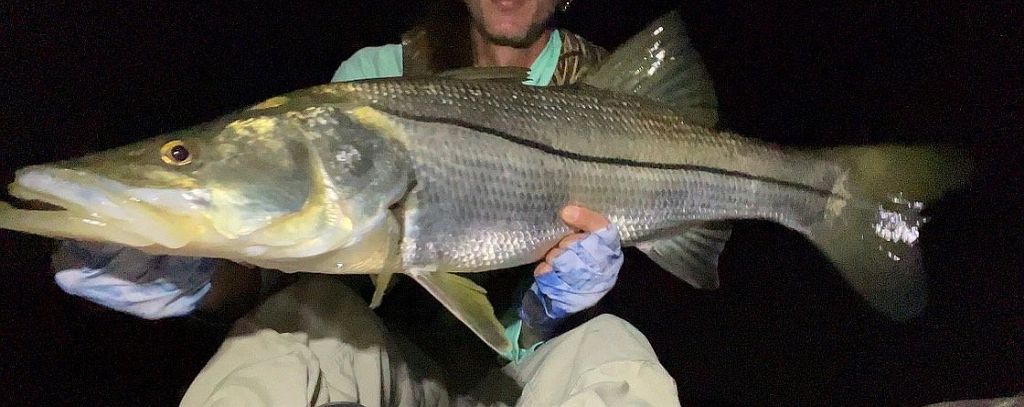 The best bet for catching larger snook this time of the year is to fish later in the day in shallow, wind protected areas with soft muddy bottoms. The fish have been eating soft plastic baits like the Z-Man Diesel Minnow fished very slowly along the bottom. In the Indian River, snook can be found holding close to the potholes in the grass flats, tight to the mangrove shorelines, and along the banks of the shallow creeks in the northern portion of the river around north Shiloh Road. You can often spot them laying up around the potholes in only a foot of water. Very slow presentations with little to no weight is necessary to hook up under these conditions. . Snook season reopens Feb 1st in our region with a 28" to 32" total length slot limit. Playalinda and Area Beaches When fishing conditions are favorable, January and February are always good months to fish the surf in our area for pompano, whiting, bluefish, Spanish mackerel, black drum, jacks and some bonnet head and black tip sharks. . In the Cocoa Beach and Melbourne Beach areas, surf fishermen have been catching good numbers of keeper size pompano on simple Frisky Fins pompano rig or Pompano Rich rigs with some fresh shrimp or clam tipped with fish gum or Fishbites for bait. Sand fleas, fresh shrimp, and clams alone or in combination with Fishbites are proven baits in this area for pompano, whiting, and puppy drum.
Anglers who custom tied their own pompano rigs and used electric chicken Fishbites and fresh shrimp as bait seemed to be getting the most bites. The black drum bite in our area has also been good on the same baits that surf anglers use for pompano. Puppy drum and adults up to 30 pounds are being landed in the beaches around Patrick SFB. 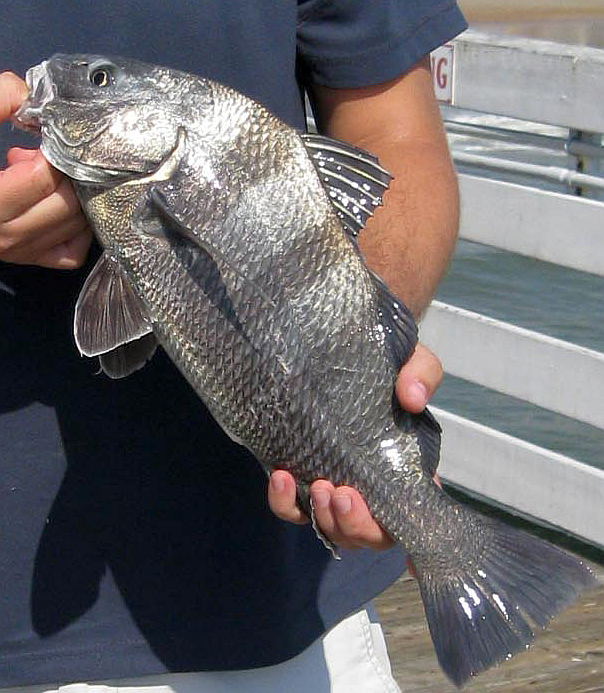 Large pompano generally feed in the deep outer troughs just inshore of the sandbars.
Playalinda Beach, Apollo Beach south of New Smyrna Beach, and several other beach accesses between Melbourne Beach and Wabasso Beach have these conditions and are prime areas to fish for pompano. The beaches north around New Smyrna, and the beaches at Daytona and Cocoa also hold pompano in isolated areas around deeper holes. Although an early morning incoming or full high tide is considered to be the best time to fish the surf zone, any moving tide can be productive, especially just before and after a cold front. The key to consistently catch pompano is to locate clear water with heavy runouts. Although live Sand fleas are considered by most surf fishermen to be the best all around bait for pompano; small pieces of shrimp, clam, and Fishbites or combinations of these baits can often
out fish sand fleas.
Fishbites are tough, stay on the hook for extended periods, and will catch almost as many fish as live baits. The surf fishermen who were catching the most Pompano in the Coco and Melbourne Beach areas were combinations of electric chicken Fishbites and fresh shrimp. During cold winter days fishing a rough, heavy surf is tough. The pompano are out there if you can get past the breakers and hold bottom, but many anglers choose to stay at home. These challenging conditions are often when some largest pompano and whiting are caught from the surf. Long surf rods capable of tossing a 4 oz or 5 oz Sputnik type sinker to hold bottom during a rough surf, will get you past the breakers to the farthermost troughs, especially when spooled with a thin diameter braided line. Change out kahle style hooks on your droppers with small circle hooks for better hookups in the rough surf. Live sand fleas can be tough to locate on the beach during February, but local bait shops in the Titusville and Melbourne areas usually keep live and frozen fleas in stock. Many surf fishermen use blanched sand fleas when live fleas are hard to find. Bluefish are a dominant predatory species during the winter months along all of our beaches. 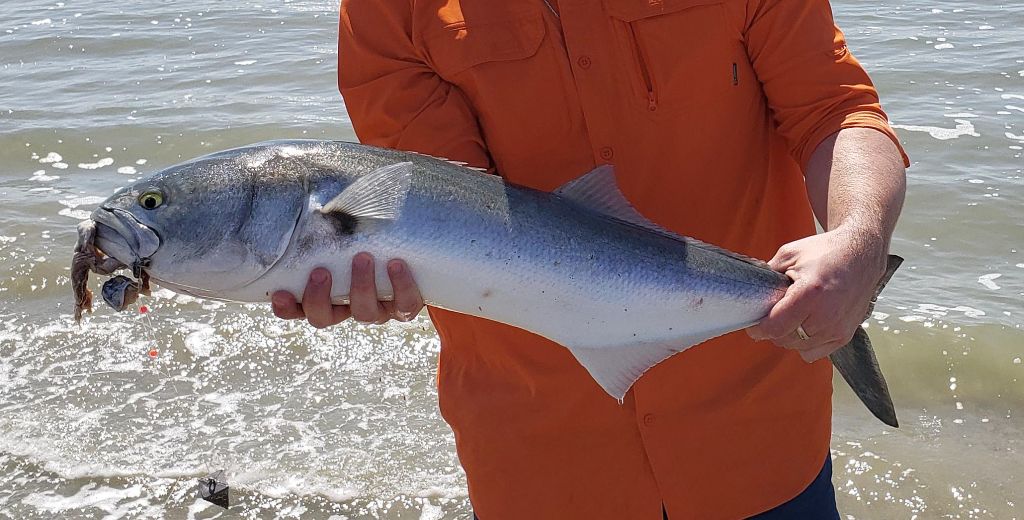 On any given day a surf fishermen can catch a bluefish on a small spoon or Gotcha lure using a light to medium action river rod, however, fresh shrimp, clams, live and chunked baits account for most of the bluefish that have been caught these past weeks. Small silver spoons, Gotcha lures, and Rapala X-Rap lipped diving plugs often out produce live baits when fishing for blues, however, for the past couple of weeks, live baits have been out fishing artificial baits. The bluefish that are being caught in the Melbourne area are running a bit larger than we have seen along Playalinda Beach. A lot of blues caught last week in the Melbourne and Cocoa area were caught on two and three hook dropper pompano rigs with sand fleas, or shrimp and Fishbite combinations. Shark fishermen this month are still finding plenty of blacktips along our beaches willing to bend a rod. Blacktips and bonnet head sharks are the most common species caught this time of the year and they have been eagerly eating live and fresh chunked baits almost everywhere along East Central Florida beaches. Heavy tackle with heavy mono or steel leaders is recommended when targeting sharks. Also remember to keep the free shark fishing permit on your person when targeting sharks from land. During February when the air temperatures drop and the weather is marginal, you will often find yourself alone on a long stretch of beach.
Port Canaveral Offshore and Nearshore Bluewater anglers who can safely make the run to the other side of the Gulf Stream have been finding mahi mahi, sailfish, and blackfin tuna in the current eddies. During the afternoon bite, high speed trollers pulling darker lures and swimming plugs have been picking up some nice wahoo. The darker colored high speed lures and plugs have been producing better than brighter, light colored lures with black and blue, purple and black, and red and black being the most productive color combinations. Closer to shore, the winter time king mackerel bite is beginning to pick up. Kingfish and some scattered mahi are being caught on the 70 to 90 foot reefs by anglers pulling spoons and strip bait/Sea Witch combinations behind a planer. Although live baits on a stinger rig work better, they are sometimes more difficult to find.  Although some big king mackerel are caught on Pelican and 8A, most of the kingfish are typical winter fish in the 6 to 10 pound category. Although some big king mackerel are caught on Pelican and 8A, most of the kingfish are typical winter fish in the 6 to 10 pound category. High speed trollers running multiple lines have been reporting catches of Wahoo in the same general areas of Pelican, 8A, and other 70 to 150 foot reefs where anglers were slow trolling for Kingfish. Small Islander lures ahead of a ballyhoo will generally work on most species. Ramp up your speed to 5 to 10 knots when targeting wahoo. When the water temperatures hit the 68 degree mark, watch for Cobia tracking the Manta rays in the 50 to 90 foot depths offshore. Cobia will begin moving inshore this month along the Space Coast following the manta rays and schools of menhaden that feed on zooplankton and other micro organisms that permeate our waters. The best times to target cobia is during calm bright days just before and after a cold front when the warmer water draws the fish, rays, and baitfish closer to the surface. The 40 to 60 foot depths between Port Canaveral and Sebastian is a good area to begin looking for cobia. The area directly off Indialantic and Satellite Beach where the 60 foot depths meander closer to shore is an especially good area to locate cobia this month. The oceanographic features of the Canaveral Bight and the shoals north of Cape Canaveral create upwellings and swirling currents that concentrate the plankton and baitfish which attract both the rays and cobia. Large bucktail jigs with a whole squid or a live bait are great baits for cobia. The offshore bottom bite for Lane and Mangrove snapper out of Port Canaveral has been very good on the 90 to 160 foot reefs with some upper teenage size fish being caught. Frozen sardines, squid, and live, or chunked reef species are all good baits for mangrove snapper, lane snapper, amberjack, grouper, etc. Some cobia are also being caught around the wrecks in the Sebastian and Canaveral areas. For boats equipped with electric reels, Deep dropping for Golden Tilefish, Yellow edge grouper, and a variety of other deep water species that are open to harvest is extremely productive and popular with many anglers running out of Port Canaveral. Specialized equipment and electric reels are required to pull these tasty fish our of the extreme depths they are found in. Most deep water species are excellent table fare and are well worth the cost of a trip. Closer to shore, expect tripletail to be hanging around the marker buoys, weed lines, and floating debris throughout our region. Small bucktail jigs tipped with a piece of live shrimp or squid, or a live shrimp free lined around floating structure are ideal baits for tripletail. Haulover Canal 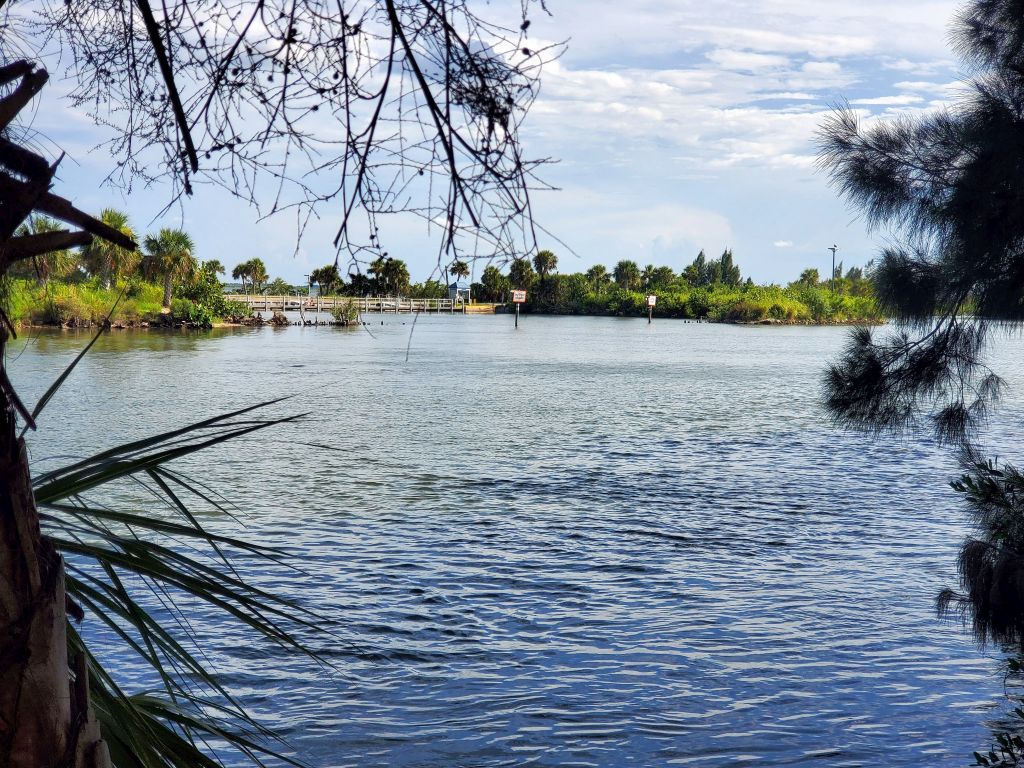 Almost any day you visit Haulover Canal, you will see anglers fishing a variety of baits for black drum, redfish, mangrove snapper, and sheepshead. Almost any day you visit Haulover Canal, you will see anglers fishing a variety of baits for black drum, redfish, mangrove snapper, and sheepshead.Bull redfish and big black drum are the primary targets for bank fishermen along the banks of the canal, and February is a good month to hook into a big fish. Last week, some bank fishermen I spoke with were catching black drum and redfish on sections of blue crab and shrimp. One angler said he had been catching some medium sized drum in the 10 to 15 pound category last week on whole blue crabs with the legs removed for bait. He was fishing at the pilings directly under the bridge using a heavy rod with 80 pound braid and a large hook tied directly to the main line. He was obviously serious about catching a big fish. When there is little to no current in the canal, many anglers toss live or dead shrimp around the coquina ledges for sheepshead or mangrove snapper with varied results. When the current picks up, the fishing generally improves for all species.
The pilings around Haulover Canal, both fishing piers at the A. Max Brewer Causeway Bridge at Parrish Park, and the railroad bridge also hold good numbers of sheepshead during the winter months. Anglers targeting them generally use fiddler crabs and small pieces of shrimp for bait. Until next time,
Tight Lines and bent rods!
|
|||