Your March 2024 Mosquito Lagoon & Indian River Fishing Report🐟
Published: Fri, 03/01/24
| Newsletter Issue # 174 | March 1, 2024 |
||||||
Mosquito Lagoon & Indian River Fishing |
|||||||
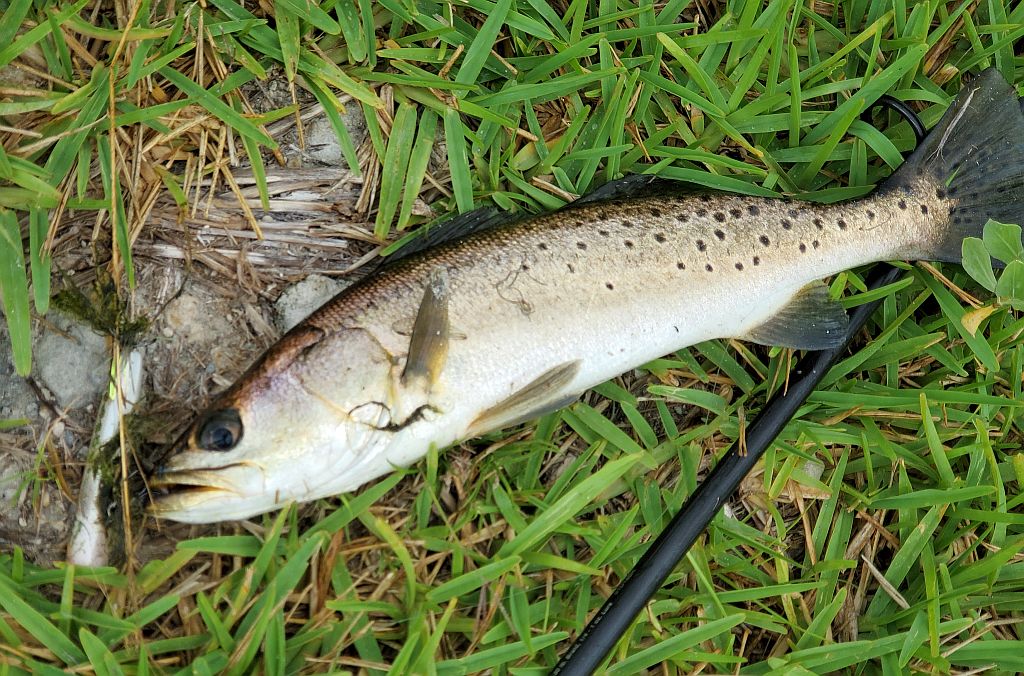
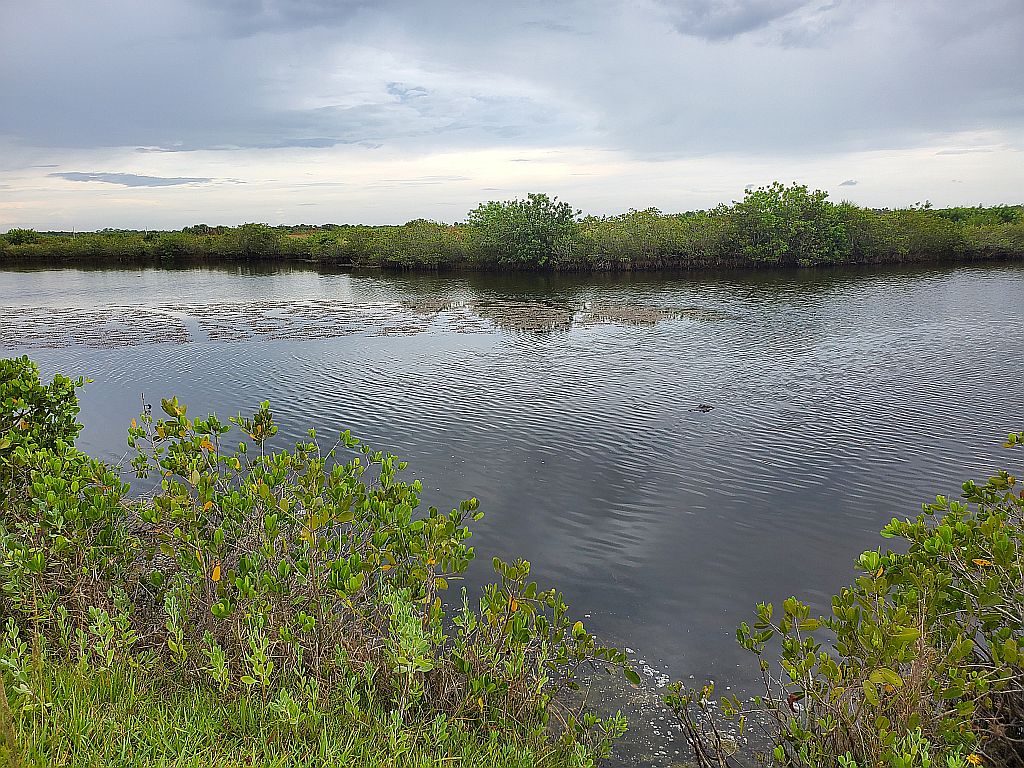 The Mosquito Lagoon and Indian River: The Sea trout bite in our lagoon systems is hot right now when the winds permit. Although the sea trout are not gator size, anglers have been catching anywhere from 30 to 50 schoolie (12 to 20 inch) speckled sea trout per outing in the Indian and Banana River lagoons as well as throughout the Mosquito Lagoon.
Small Paddle tail baits like Creme's Spoiler Shad or Storm's WildEye Swim Shad, and small shrimp imitations like Berkley's Gulp shrimp or D.O.A. Shrimp have been working well. Some anglers also successfully use Senko Bass worms cut in half on a 1/4 oz jig head. Make long casts over the targeted area, let the worm fall to the bottom, and slowly hop the bait off the bottom using a show twitch and pause retrieve. The majority of bites
occur on the fall. Right now, there are some decent size schools of black drum roaming around in the Mosquito Lagoon and northern Indian River. The southern portion of the Mosquito Lagoon is an especially good area to fish for drum that have been pushing up into the 45 and 50 pound category. On sunny days, the drum have been getting up as shallow as possible onto the flats to feed on shrimp, small crabs, clams, and other small crustaceans.
The majority of the fish will be on the shallow flats that are in close proximity to, or adjacent to a deep channel.
Farther north, you can find schools of black drum foraging on large rocky or shell strewn sandbars. These areas hold a lot of heat and crustaceans that the big drum feed on. 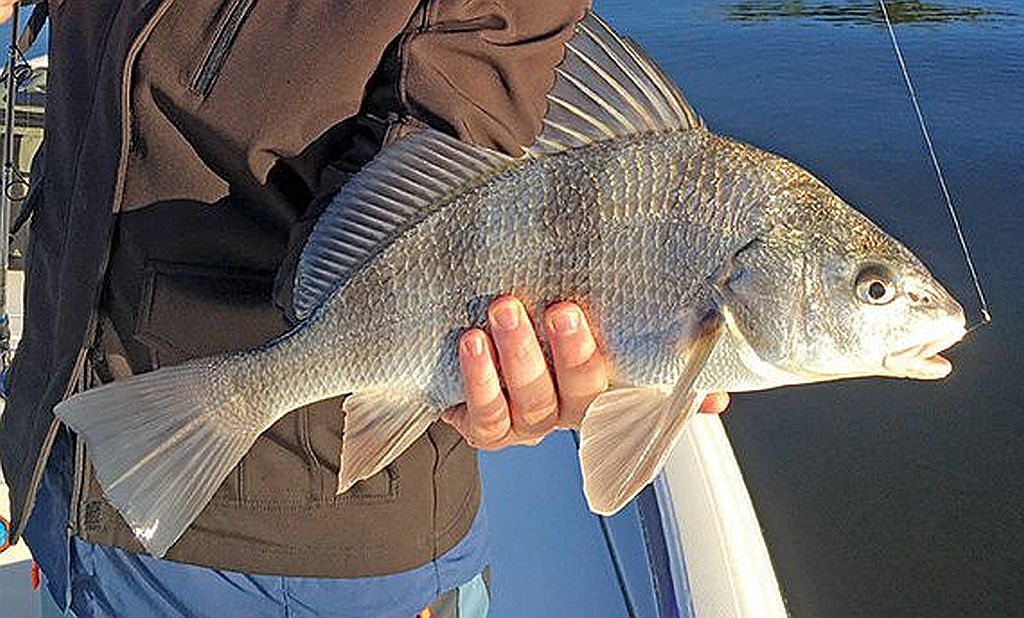 A good way to catch these fish is on light spinning gear with 20 pound fluorocarbon leaders and a live shrimp, cut bait, or section of fresh blue crab. A Gulp shrimp on a 1/8th oz jighead also works well when sight casting to these fish. . Use winter stealth tactics and long casts when sight casting to these fish when they are schooling on the shallow flats. Wade fishing is a good way to sight fish for black drum and redfish if you don't mind the cold water temperatures. Since this past full moon we have been experiencing a slight warming trend that has kicked off the bite for slot size redfish and sea trout. A lot of slot size and over sea trout have been hanging on the soft bottom slews right next to hard edges and around the perimeters of the rocky spoil islands like the klinkers. Soft plastic paddletail baits like the Saltwater Assassin 4 inch Sea Shads have been working best on these fish. In clear water, the albino shad, silver mullet, and grey ghost color patterns have been the most productive. In dirty water, the drunk monkey, mud bug, and Texas roach colors seem to be getting more bites. Some Pro-Cure gel smeared on your baits will definitely increase hookups. There is a Carbide Ditch that runs along the West bank of the Indian River north of the railroad bridge at Titusville, all the way up to Scottsmoor, that usually holds good numbers of spotted sea trout during February and March. Kayak, canoe, or Gheenoe anglers can access the ditch to toss Saltwater Assassin paddle tail baits, live shrimp, or cut baits to these fish. Anglers fishing the banks of Catfish and Gator Creek are having mixed results with black drum, redfish, and spotted sea trout. The fish have been most active late in the afternoons and are hitting on live or dead shrimp and cut baits. Black drum and redfish in this area cruise the shorelines in small pods or singles. The shallow flats along the west side of East Gator Creek Road is a good area for black drum and an occasional redfish during March. On calm days, you can often see the fish tailing in the shallows during the late afternoons. The redfish bite in the Indian River has been pretty steady but sporadic. A few slot reds and over-slot fish are being caught on a variety of natural baits including chunked ladyfish, mullet, sections of blue crab, and large shrimp. Anglers tossing artificial baits have been doing well using 1/4 ounce jig heads with jerk baits and artificial shrimp. Smear the baits with some Pro-Cure for increased hookups. Port Canaveral Offshore and Nearshore Fishing: Many nearshore anglers have reported that some of the best shark fishing they have ever seen along East Central Florida's coastline occurred during the past few months. The shark fishing is still on fire and should continue throughout the month of March. Although the heavy winds amid the cold fronts have cancelled some of the far offshore fishing this past month,on calmer days, the bottom fishing has been good for Amberjack, American red snapper, grouper, and a ton of sandbar sharks on the wrecks and reefs out of Port Canaveral in 180 to 250 feet of water. The AJ bite in particular has been good but the sandbar sharks have been wreaking havoc on the fish on the way up. Deep jigging is an especially good way to target amberjack but unless you have deep pockets and don't mind losing a jig every time a sandbar shark grabs your fish on the way up, you might want to stick with live or chunked baits. 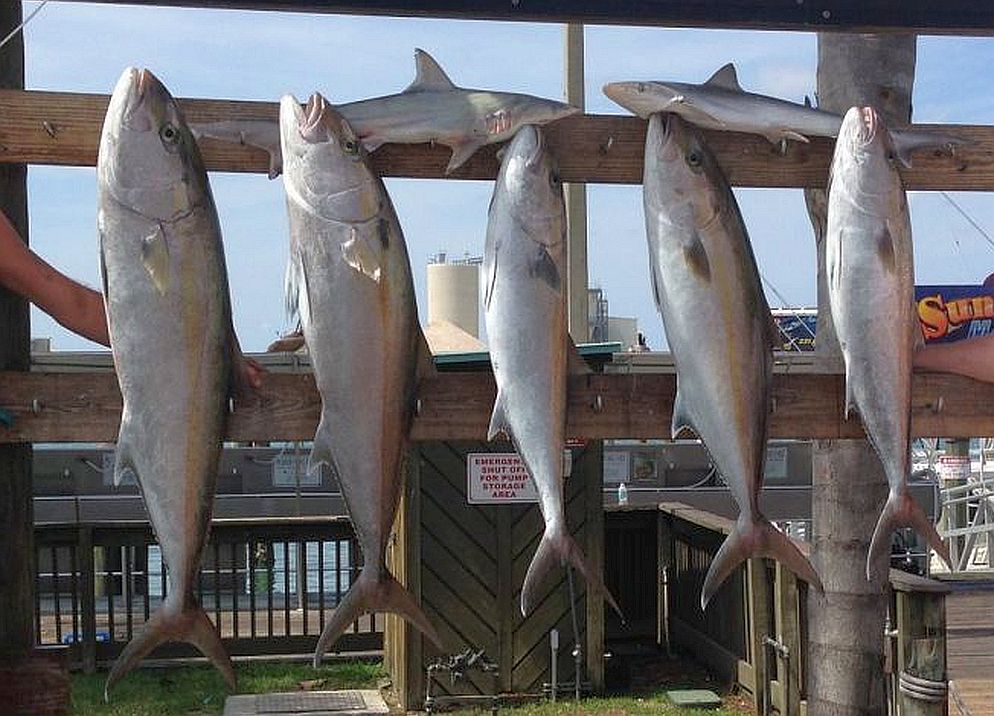 On the troll, the offshore bite has been pretty good for bonita, blackfin tuna, kingfish, and a dolphin here and there on the 60 to 90 foot reefs. The kingfish have been apparently running farther south around the Patrick AFB area. Nearshore fishing has been very good for blacktip and spinner sharks that have been migrating through our area. During March, the kingfish and cobia bite usually ramps up along the coast. The Cobia bite has not yet peaked to the "March Madness" hype, but a few nearshore anglers have been catching Cobia off the beaches in the Cocoa area. When the seas calm back down this month and the surface water temperatures hit 60 to 70 degrees, the Cobia bite will improve dramatically outside of both Port Canaveral and Sebastian Inlets. The Mantra Rays that the Cobia shadow move according to baitfish patterns governed by water temperature, so when we see the giant rays coming nearshore, we can expect the cobia to be shadowing them. The deep, 400 foot wide ship channel that extends 3.5 miles offshore from the mouth of Port Canaveral plays a major role in attracting baitfish, which in turn attracts the rays and the cobia. Historically, during the first two weeks in March, anglers can expect good numbers of Cobia to show up outside of Port Canaveral following the Manta Rays. 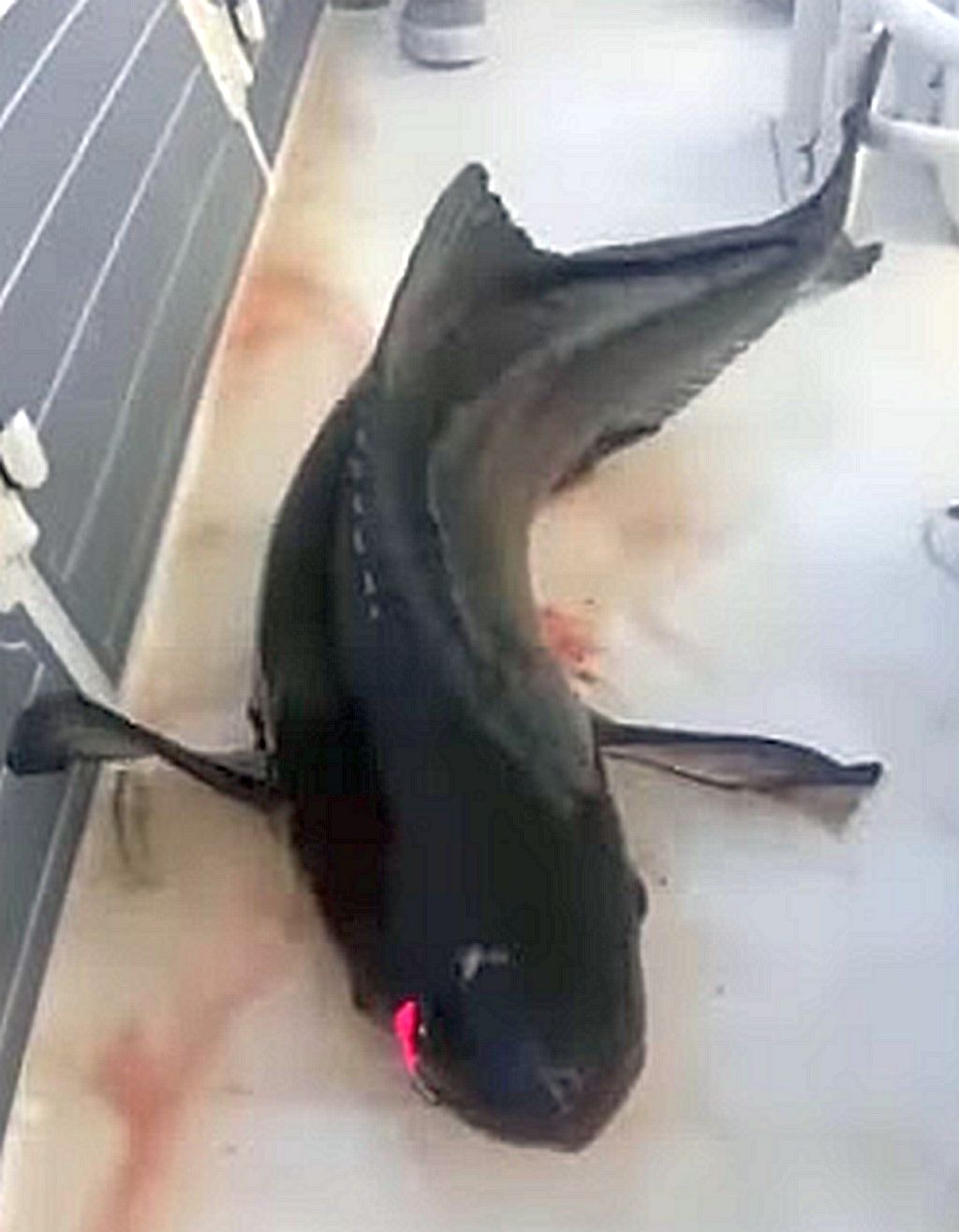 March is when many nearshore anglers begin targeting tripletail along floating debris, buoys, and weed lines around Port Canaveral. The tripletail can be found holding on the buoys and almost anything you can find floating on the surface. Palm fronds, tree limbs, old crab pot floats, boards, and even floating coolers can hold Tripletail. The larger tripletail are usually caught out in the 45 to 65 foot depths by anglers using live shrimp as the bait of choice. Small plastic or hair jigs, DOA shrimp, jig heads with a piece of shrimp, etc. all work on these tasty fish. 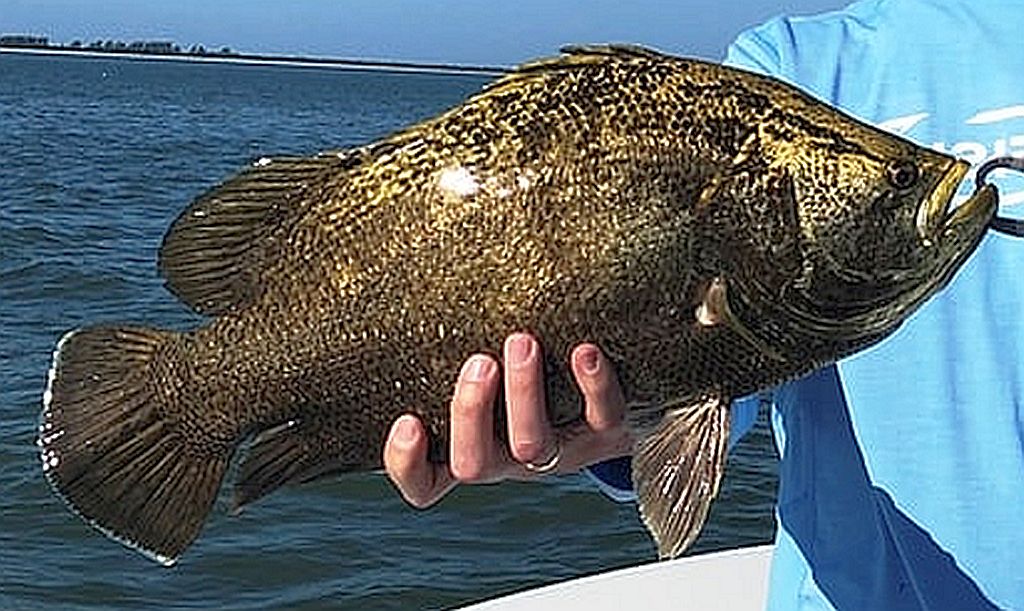 Closer nearshore and just outside of the surf break this month, nearshore anglers will be targeting bluefish, Spanish mackerel, and jacks by trolling or casting small spoons, jigs, or lipped diving plugs around the schools of glass minnows that hang around Port Canaveral. When good numbers of Spanish mackerel move into the Canaveral area and the seas are calm, you can sometimes during the early morning see them busting on the surface after baitfish. Spanish Mackerel can occasionally be seen actively feeding inside the mouth of the Port. Fast retrieves work best when targeting Spanish Mackerel.
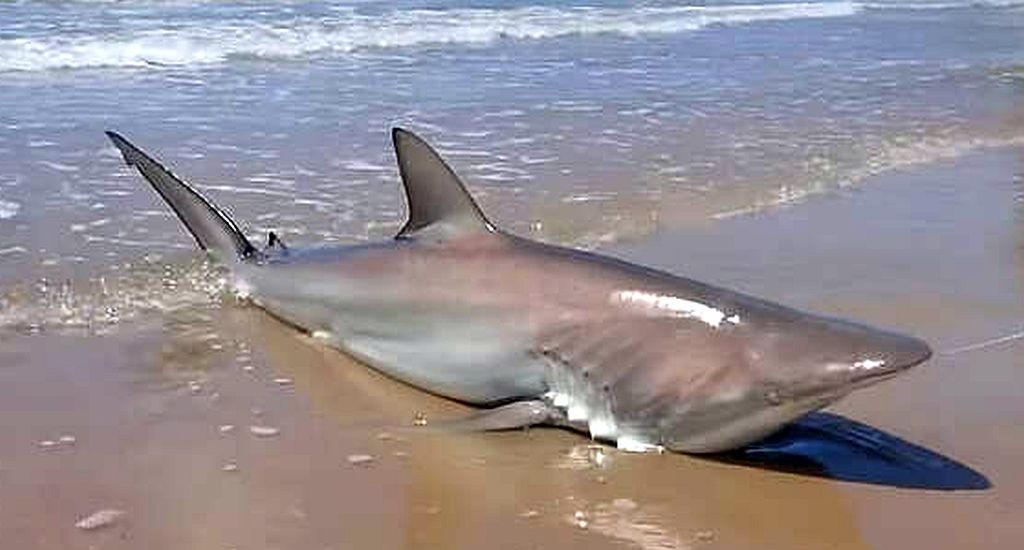
Playalinda and Area Beach Surf Fishing: The weather fronts we experience in much of Central Florida make surf fishing a feast or famine proposition. During good days, spurts of action will put pompano, whiting, black drum, and sharks on the beach. The fronts lower the water temperatures in the surf which greatly improves the pompano bite. At Playalinda Beach, sand fleas, Fishbites, and peeled shrimp are the baits of choice for whiting and pompano. Long casts to the sand bar about 100 feet or more from the beach are where the bigger whiting and pompano hold. The most optimal conditions for pompano fishing is during the last of the incoming and the beginning of an outgoing tide, just ahead of a cold front. 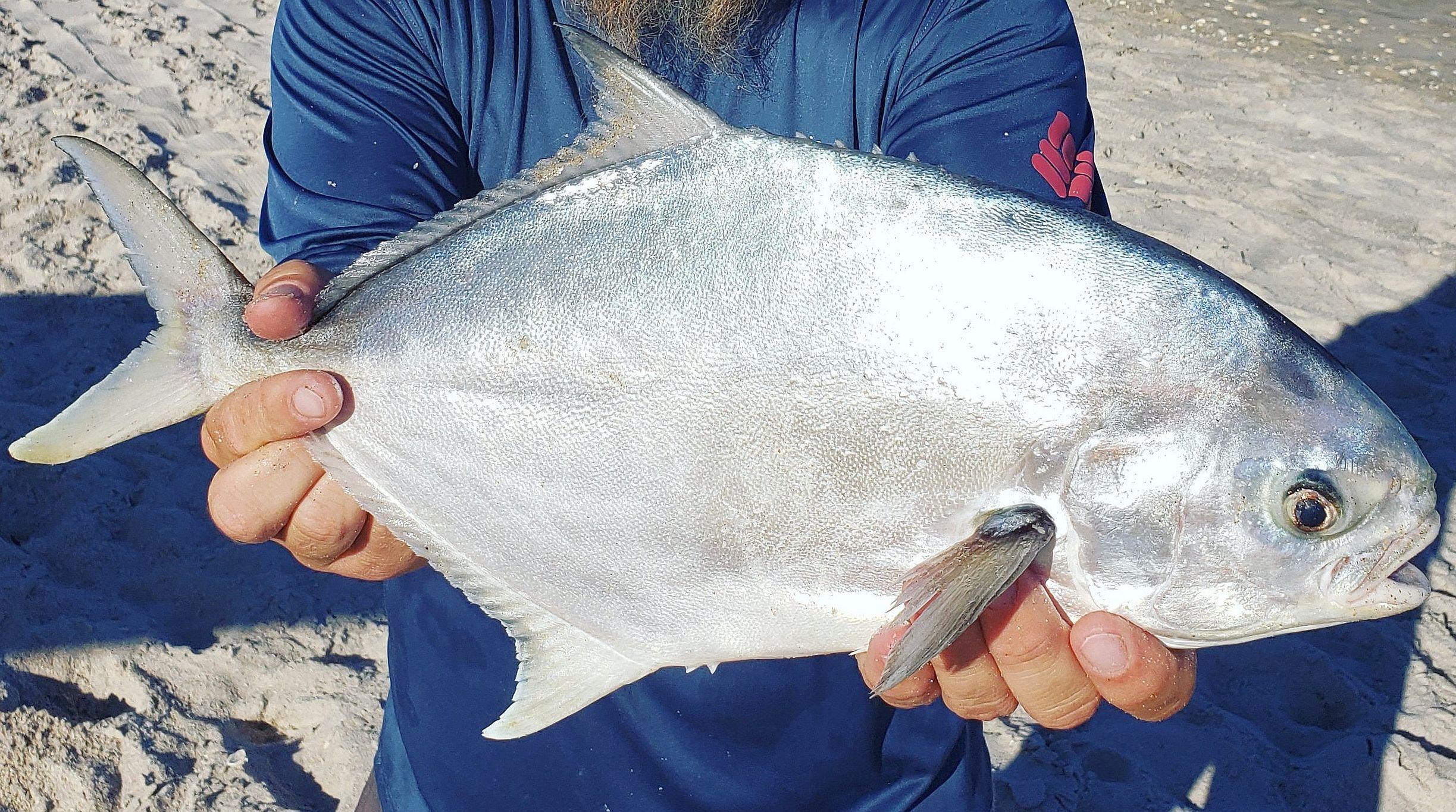 Long casts with small silver spoons or jigs will produce hookups with Spanish mackerel and bluefish that can often be seen chasing baitfish farther out from the sand. Surf anglers along Cocoa Beach have been targeting whiting using 2 and 3 hook pompano rigs with Pink Shrimp flavored Fish Bites, live sand fleas, and small pieces of shrimp for bait. Although the fish in the Coca Beach area are normally caught closer to shore making long casts unnecessary; it pays to set out several rods at varying distances until the fish are located. Surf fishermen near Cocoa Beach and around Cape Canaveral have been catching good numbers of whiting, along with some keeper pompano and black drum. Crab flavored Fishbites tipped with fresh peeled shrimp or blanched sand fleas on a pompano rig are baits of choice. Bluefish are also being caught in the surf by anglers using fresh chunked baits and small casting spoons. Most of the fish were caught on extremely long casts on a falling tide.  Pompano fishing throughout the Space Coast seems to be most consistent in the Melbourne Beach area. Unlike pompano in the Playalinda Beach area that are often under size, the majority of pompano caught in the vicinity of Melbourne Beach are slab size. Shark fishing along all of our area beaches has been off the charts for the last couple of weeks and that pattern should continue throughout the month of March. There has been a steady flow of black tip sharks, lemon sharks, and Atlantic sharp nose sharks in the surf with Melbourne Beach remaining as one of the top areas to hook up with one.
Until next time, Tight Lines and bent rods! |
|||||||
| Link One | Link Two | Link Three | Link Four | Link Five | Unsubscribe to this newsletter |