🐟 Your October 2023 Mosquito Lagoon & Indian River Fishing Report
Published: Sun, 10/01/23
| Newsletter Issue # 171 | October 1, 2023 |
||||||
Mosquito Lagoon & Indian River Fishing |
|||||||
 The Mosquito Lagoon and Indian River:
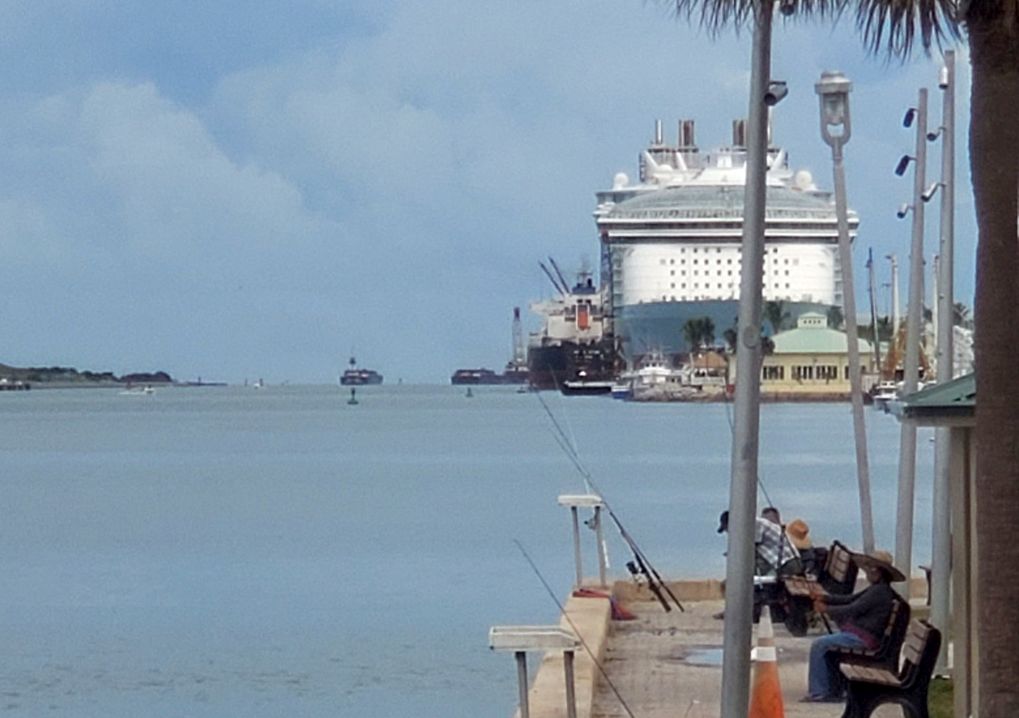
Water levels in the Mosquito Lagoon and Indian River are up and the fish are loving it. During the past few weeks, water levels in the Mosquito Lagoon have risen substantially. The rains combined with good numbers of finger mullet has made fishing for sea trout, redfish, black drum, and snook extremely productive in most areas. Although plenty of redfish are being caught in the lagoon system right now mostly around the inlets, the fish are starting to move back inside with lots of action around the mangrove shorelines throughout the system, around Haulover Canal, and in the New Smyrna area along the ICW channel, all the way down to Oak Hill. The inshore redfish bite in the Mosquito Lagoon has been really good with a lot of tailing action going on in the southern section. Some pods and small schools of reds are now on the larger flats like Tiger Shoals, Plantation Island flat, and the flat that is just south of Widgeon Island. Single reds have been busting on baitfish along the shorelines in the middle and northern section of the Mosquito Lagoon. Saltwater Assassin 4" shrimp in the drunk monkey and mudbug colors rigged on a weighted, weedless worm hook are working really good right now when sight casting to these fish. Assassin Sea Shad tails in those same colors rigged on the same weighted weedless worm hook works better for covering more territory when blind casting. The redfish have been running anywhere from 16 to 30 inches. Every year during late September and early October "bull" redfish gather up to spawn in the deep water flats of the northern Indian River. These breeders can be caught on live baits, cut baits, or blue crabs. Gold spoons, large swim baits, and a variety of topwater plugs are also effective, especially when sight fishing. Right now the reds are spawning in the deep flats across from the Scotsmoor boat launch. 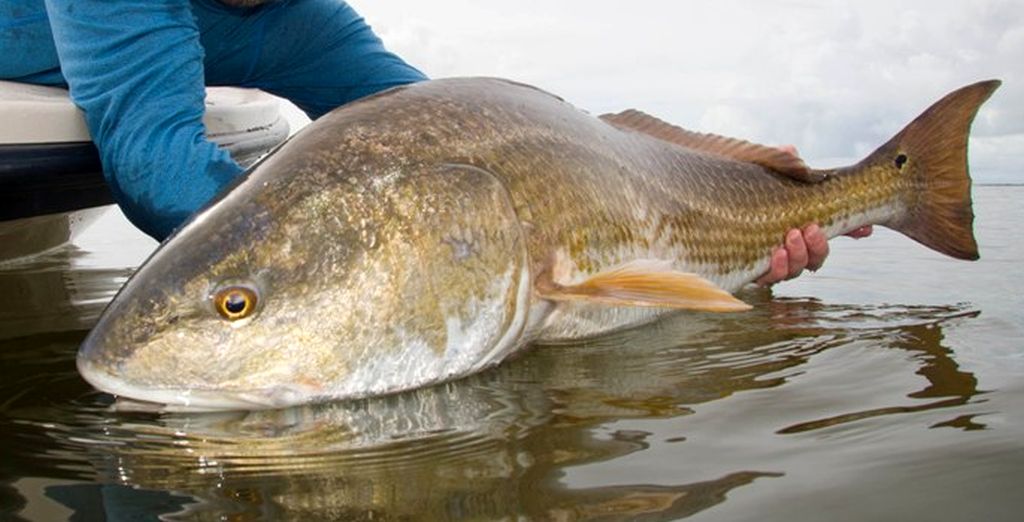 Moving into October, we should see more of the larger "Bull" redfish schools making their appearance in the deeper flats. Bull reds can run into the 40 inch plus category in our region. Small pods of black drum are roaming around the Banana River and Mosquito Lagoon along the banks and hiding underneath the overhanging mangrove trees. When sight casting to these fish, toss a live or a fresh dead shrimp to them and just let it sit there until you get bit. A 1/16 oz. R&R tackle yellow tail jig also works really well along the banks or on the flats. A lot of guys spice it up with a live or blanched sand flea to get more action. The sea trout action in our lagoon system has been really good during the first hour or two of the morning. Rapala Skitterwalk topwater plugs in the bluegill and pinfish color patterns are working best, but for any topwater bait that resembles a baitfish will work when fished properly. When the top water action slows down, Saltwater Assassin 4or 5 inch Sea Shads and straight tailed Shad baits will pick up the slack. With the rise in water levels, some large sea trout, redfish, and black drum can now be found foraging in the shallow marsh areas that were previously inaccessible during the summer months. Bank fishermen, wade fishermen, and anglers fishing from kayaks or canoes are best able to get back far enough into the flooded marshes to site fish the foraging fish. Another way to catch them in these areas is to stage at the entry points and fish either live or cut baits, or noisy top water plugs that draw the fish to the bait. In many areas of the lagoon system, the larger spotted sea trout are being caught around the mullet pods that are milling tight against the shorelines. One of the most productive "go to" baits right now for sea trout in our area is a 4 or 5 inch Saltwater Assassin Sea Shad tail rigged on a 1/8 th oz. jig head. The Mullet and Houdini colors are reported to be working best, but the general rule is dark colors for dirty water and light colors for clean. Most of the sea trout caught right now are in the 1 to 3 pound range, but some larger fish in the 5 to 7 pound category have been caught on live pinfish, croakers, D.O.A. Baitbusters, and topwater baits. Although some tarpon are still being caught along the deeper dredge holes and channel edges along the ICW in the Indian and Banana Rivers, most of the larger fish are shadowing the fall mullet run along the surf break. Juvenile and larger tarpon up to 100 pounds can be found in the Mosquito Lagoon along the deeper channels and in the southernmost portion around the mangroves and open culverts. When the pumps are turned on, the discharge from the pump station at the entrance to Bio Lab road often looks like a fish hatchery. Tarpon in our lagoon system are normally running in the 70 to 110 pound range. The Snook bite in our region has been really solid this year with all of our inlets holding Snook of all sizes. Slot size and a lot of under size fish have been holding tight under the mangroves in shallow water throughout the system. Good numbers of snook in the 29 inch and under category are being caught around the mangroves, bridge fender pilings, and docks north of us in the New Smyrna area. Along the jetties, sea walls, and boat docks in Port Canaveral, the snook bite has been really good, especially during the evenings and at night. During the day, a live finger mullet is the best bait to use. At night, R&R Flair Hawks, Saltwater Assassin 5" or 6" Swimbaits, or lipped diving plugs can be used along with live baits. For large snook in the 29 to 40 inch category; large swimbaits, live select jumbo shrimp, or a 10 to 12 inch mullet rigged on a 5/0 to 7/0 circle hook is your best bet. The best bite is usually at the change of the tide and about midway during the outgoing tides. The average snook for our area is 20 to 30 inches. With the high water levels we have been experiencing, the fishing in the ditches and shallow ponds along Peacocks Pocket road has been getting good for sea trout, redfish, and snook. The road is still under construction and closed to vehicle traffic but you can walk it from both sides. Fishing is tough because of the brush along the bank but there are many areas where you can make a successful cast. Landing the fish is another matter. Hopefully the road work will be completed early next summer. Nearshore And Offshore Fishing: October is when the bull reds are spawning nearshore, the Mahi and kingfish are still biting well, and the Wahoo and sailfish bite peaks out of Port Canaveral. Wahoo and sailfish prefer cooler water temperatures and faster moving baits. Pulling high speed lures along the rips, temperature breaks, and over ridges like the Oculina Bank and the 27 fathom ridge especially for Wahoo, who have a tendency to eat fast moving targets like Bonita, flying fish, blackfin tuna, and small king mackerel will be extremely productive this month. 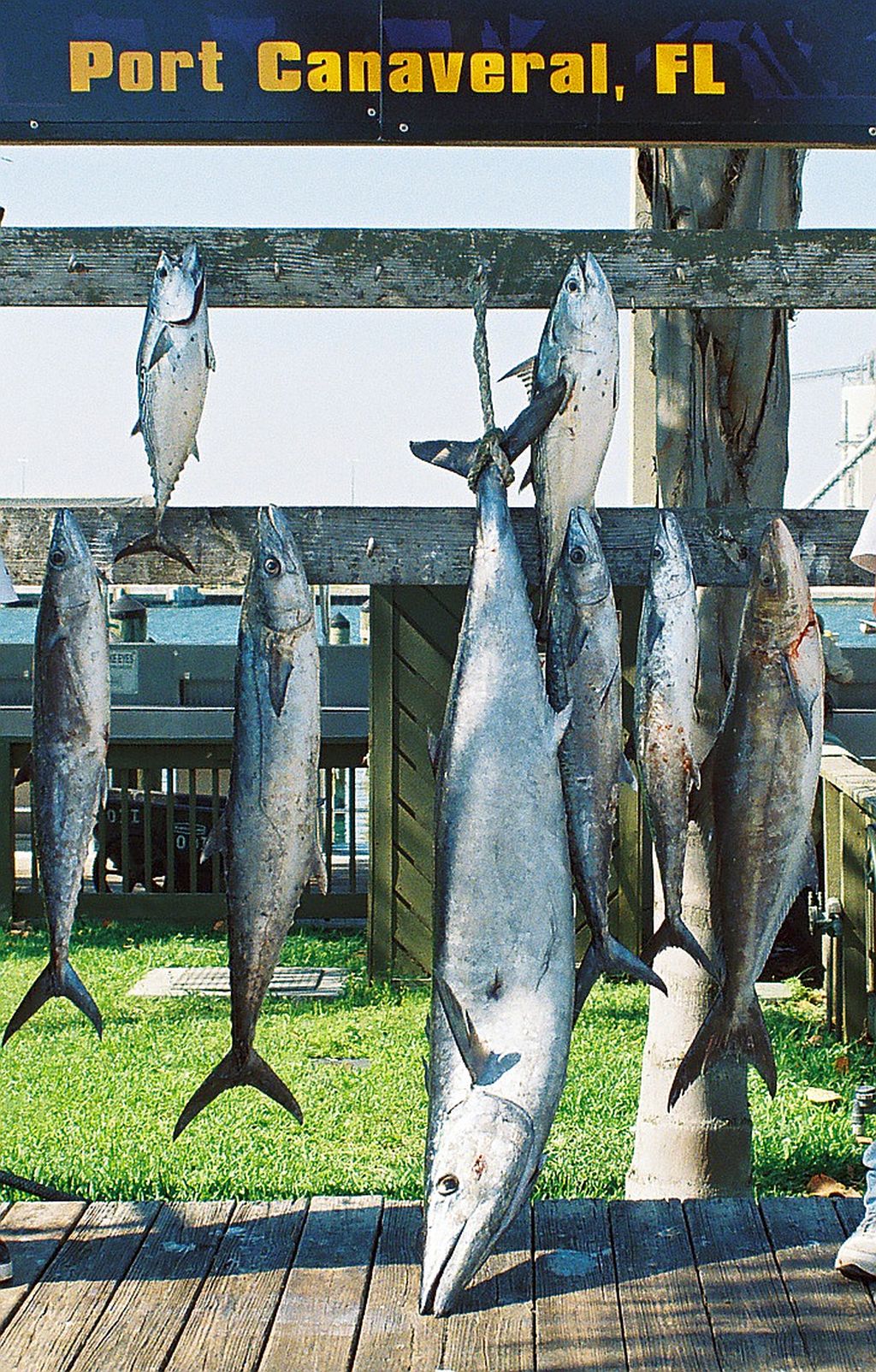 Large dark colored lures like a purple and black Islander pulled at 9 to 15 knots or better will often get a hookup. Inline trolling sinkers of 24 to 36 ounces will help to keep the lures down to where the fish are. Our average wahoo is running anywhere from 20 to 40 pounds. Most of our larger fish are landed during the winter months when the water temperatures are in the 73 to 76 degree range. Offshore bottom fishermen out of Port Canaveral will find a mixed bag of triggerfish, black sea bass, snapper, AJs, Scamps, Red Grouper, and Gag grouper. Live or cut baits work best on either knocker rigs or chicken rigs but the guys deep jigging vertical speed jigs also pick up their share of fish. Grunt plugs, sardines, and any live bait fish are always great baits for grouper, AJs, and snapper. Amberjack and just about every other species have been sitting right above the wrecks, larger reefs, and relief structure in120 to 240 feet of water. Deep jigging is extremely productive for catching grouper in these areas but the currents have been running strong lately and getting baits down can be tricky. Offshore, the tripletail are starting to arrive in our area in good numbers. The fish usually arrive about 3 to 4 weeks into the fall mullet run. Tripletail can be caught using live or cut finger mullet rigged on a saltwater assassin 1/4 oz. jig head or if they get picky, they will usually eat a select jumbo size shrimp on the same jig head or a 2/0 size circle hook with a split shot weight. 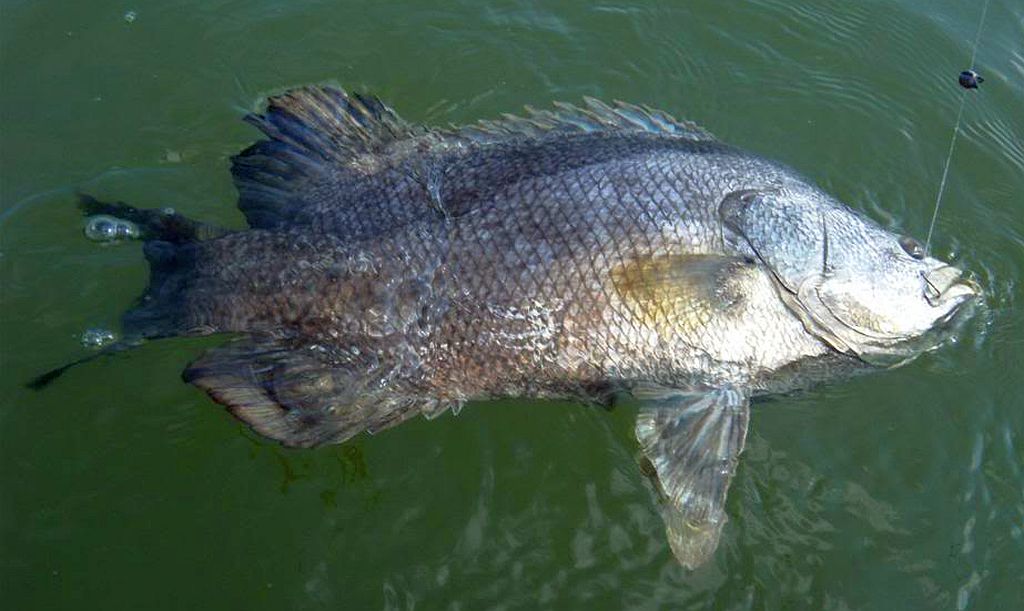 Right now the fish are holding just outside of the surf zone along floating debris, color changes, and of course the channel markers. Most of the tripletail are running about 2 to 8 pounds, but a few anglers have been catching fish up to 15 pounds. The king mackerel bite during October is always good in our region and slow trolling a live mullet or bunker on a stinger rig around the bait pods is the most popular method for catching them. Targeting the bait pods, small ledges, and scattered bottom structure as close as 5 or 6 miles from the beach is often very productive for kings this time of the year. The best bet for kingfish right now is over the 60 to 90 foot reefs in our area. Pulling a Sea Witch or a diving plug on a down-rigger or planer, or pulling live pogies, greenies, sardines, or mullet on two hook stinger rigs will usually result in good numbers of fish. Most of the kings that are being caught in our area right now are running about 10 to 15 pounds, with a few bigger ones in the mix. Playalinda Beach Surf Fishing: October is arguably one of the best months for surf fishing in East Central Florida, and Playalinda Beach in the the Canaveral National Seashore is one of the better, least advertised "hot spots". Except for lot #6 which is closed, all the lots were open last week for surf anglers and surfers alike. A lot of erosion has taken place along Playalinda Beach and most areas on the beach are loaded with stakes outlining the turtle nesting areas. There are huge berms of sand along the road from parking lots #9 to #13 where nude bathing is permitted. The beaches along these areas are open to surf fishing and are virtually uninhabited. 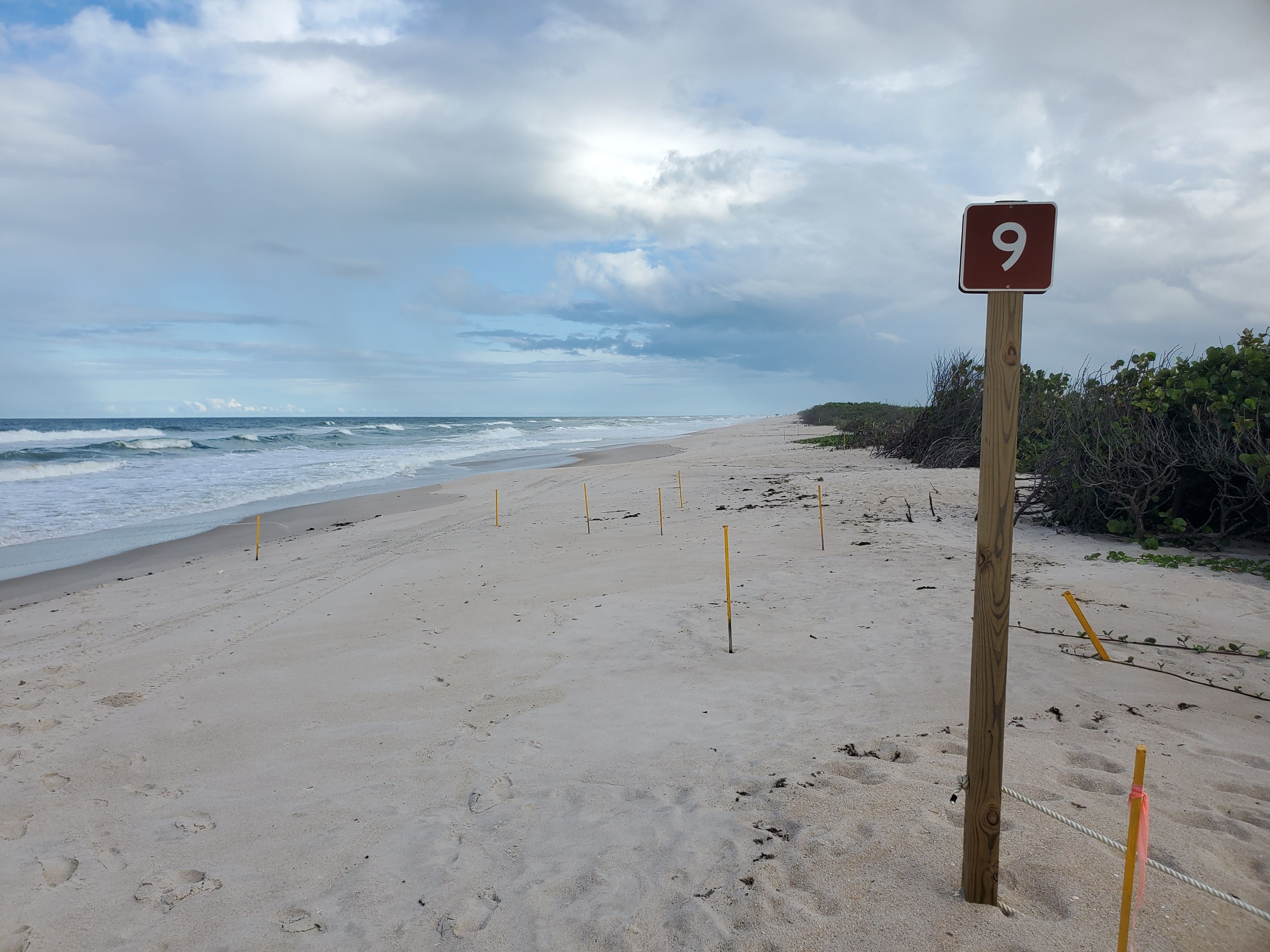 When conditions are favorable, surf fishing has been good for whiting, a few pompano, jacks, snook, bluefish, shark, and an occasional Spanish mackerel. With the baitfish migration along the Space Coast in full swing, the fishing should continue to be good for the next couple of weeks or so until the water temperatures drop and the baitfish move farther down south. When you locate large pods of mullet along the beach, you may occasionally see sharks, tarpon, snook, jacks, bluefish, Spanish Mackerel, and ladyfish, blowing them up. Most surf anglers stake out their rods and wait for the fish to swim into their baits. However, a better option is to find and follow the bait pods by stopping at the various beach access points and scoping the water with a pair of binoculars.
The baitfish are migrating from north to south so when you locate a concentration of mullet, start fishing south of where you find the pod until the action slows down, then move south to the next access point and repeat the same procedure. This is a tried and proven method for surf
fishermen that will keep you in the action. For those of you who don't already know, a daily $10.00 per person or $20.00 per vehicle Park entrance fee is charged to fish Playalinda Beach which is good for 7 days; or you can purchase a $40.00 annual Canaveral National Seashore/Merritt Island National Wildlife Refuge Park Pass at the entrance booth. If you are 62 or older, you can buy a Senior Lifetime Pass for $80.00 or an Annual Senior Pass for $20.00. A signed Refuge Sport Fishing permit that must also be carried on your person while fishing in the Merritt Island National Wildlife Refuge is also necessary and can be picked up at the entrance booth, any of the kiosks, or by downloading it HERE. The self-issuing permit makes sure that you have read and understand all the rules and regulations pertaining to the Merritt Island National Wildlife Refuge. Haulover Canal: 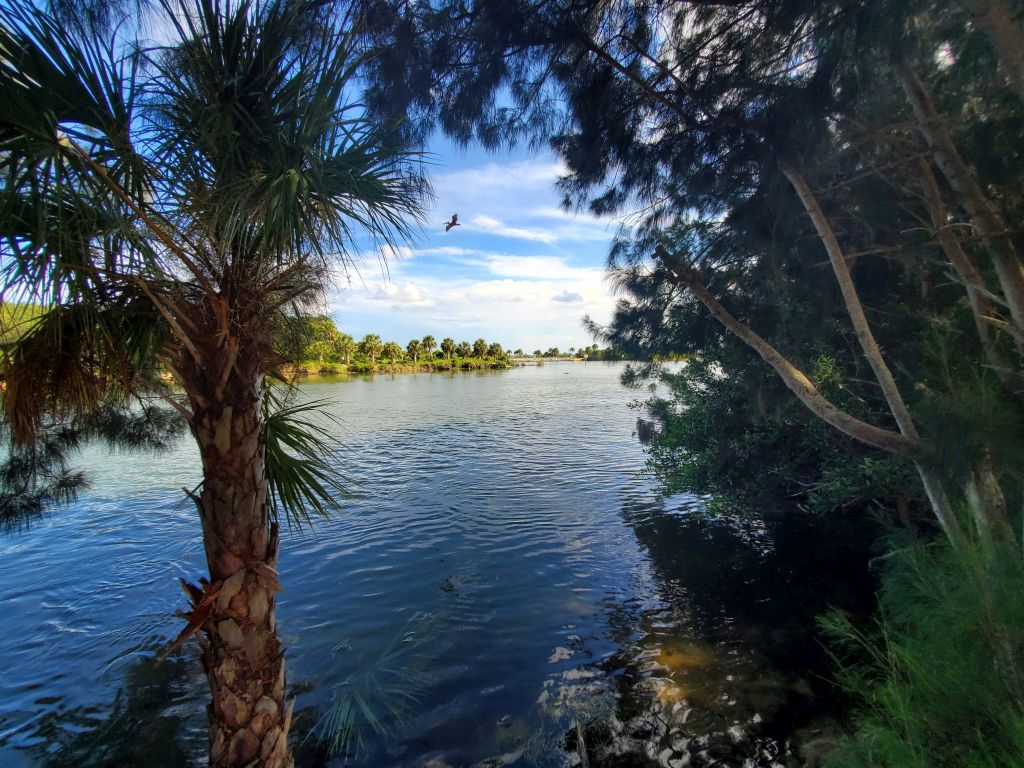 We write about the variety of species that can be taken in Haulover Canal almost every month, but during the September and October spawning migration, almost everybody fishes for "bull redfish" in the canal. We write about the variety of species that can be taken in Haulover Canal almost every month, but during the September and October spawning migration, almost everybody fishes for "bull redfish" in the canal.
Unlike the redfish in other coastal areas that migrate offshore to spawn, we have a unique redfish population that spend their entire lives in the shallow lagoon estuary.
The fish use Haulover Canal to travel from the Mosquito Lagoon into the deep water flats of the Indian River for their annual spawning ritual. The five mile wide section of the Indian River between Mims and Scottsmoor north of Titusville is where the redfish gather into huge spawning schools. If you're after a trophy and happen to spot a school pushing a wake or females daisy chaining near the surface, it's your lucky day. The larger females usually lead the school, so it's better to approach them from the side and cast in front of the leader. As the reds move through the canal this month, shore fishermen using a a whole live blue crab, a large pinfish or mullet, or a large chunk bait have an opportunity of picking up a trophy red in the 40 pound plus category. It's best to keep the bait on or near the bottom with an appropriate weight and to use a heavy fluorocarbon leader with a 5/0 or 6/0 VMC circle hook as terminal tackle. Anybody who fishes Haulover Canal on a regular basis will tell you that it's a good idea to use Power Pro or some other braided line as your main line. Braided lines are stronger and are more resistant to cutoffs from the Coquina rocks that line the banks of the canal. The rocks can play havoc with monofilament, especially with a really big fish. Although no night time bank fishing is allowed at Haulover Canal, anglers in kayaks and a variety of boats can be spotted night fishing almost any time of the year. The IRL Clam Restoration Project Update: We continue to believe that the clam restoration project that has been going on in the Indian River Lagoon is essential to the health of all our lagoon systems.  Clams and oysters are filter feeders that clean suspended impurities from fresh and saltwater. Over harvesting of clams in past years is believed to be one of the causes of the continuous brown algae plague that we endure every year. Clams and oysters are filter feeders that clean suspended impurities from fresh and saltwater. Over harvesting of clams in past years is believed to be one of the causes of the continuous brown algae plague that we endure every year.When I first moved to Florida, I remember watching the fleets of clam skiffs from the NASA Causeway bridge. The clamers had long rakes that they used to fill up their sacs which they eventually unloaded at Port St. John boat ramp. Over harvesting decimated the fishery to the point that clamming was no longer viable however, the long term effect to our lagoon system was the build up of brown algae that blocked out the sunlight and killed off the sea grasses that makes the whole ecosystem function so perfectly. Unfortunately it took scientists at the University of Florida Whitney Labs until now to realize that our waters were not being adequately cleaned by the shellfish that we over harvested however, they have developed a "super clam" that is hardier and more tolerant to fluctuations of water chemistry that they have been introducing into the lagoon systems to filter the water. In partnership with locals who have existing clam leases, the "super clam" spats are being distributed and covered up with netting to protect them from predation in our lagoon systems until the clams reach spawning size (approximately 1"). Once adequate breeding populations have been introduced and stabilized in the waters of our lagoon systems, the sea grasses will again flourish creating the nursery for shrimp, crabs, fish, etc. that we all enjoy. The IRL Clam Restoration project is a long overdue necessity to restore the water quality in the Indian River Lagoon System back to it's previous state. As of March 2023, the ROS team found that of the 100 clam bed sites, more clams survived the winter months when the salinity was stable. Survivability decreased during the summer months in the northern lagoon and Banana River in the Central Indian River Lagoon, however, at some of the 20 most successful clam bed sites in south Brevard, clams grew from about the size of a dime to the size of a tennis ball in only 9 months. The team is working with Brevard County's Save Our Indian River Lagoon Program to plant 1 million additional seed size clams in nursery bags on the lagoon bottom this month. They will be cared for by volunteers and released into lagoon sediments once they have grown larger to reduce their vulnerability to predators. The findings are that salinity is the strongest indicator of whether the clams survive or not. To donate to this fund CLICK HERE. Learn more about the project here: Video 1, Video 2 Until next time, Tight Lines and bent rods! |
|||||||
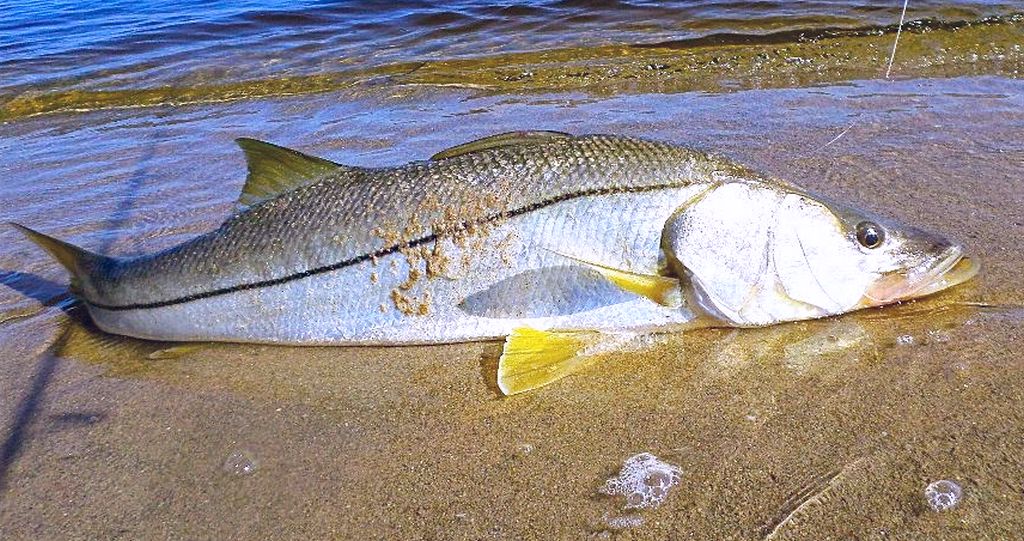
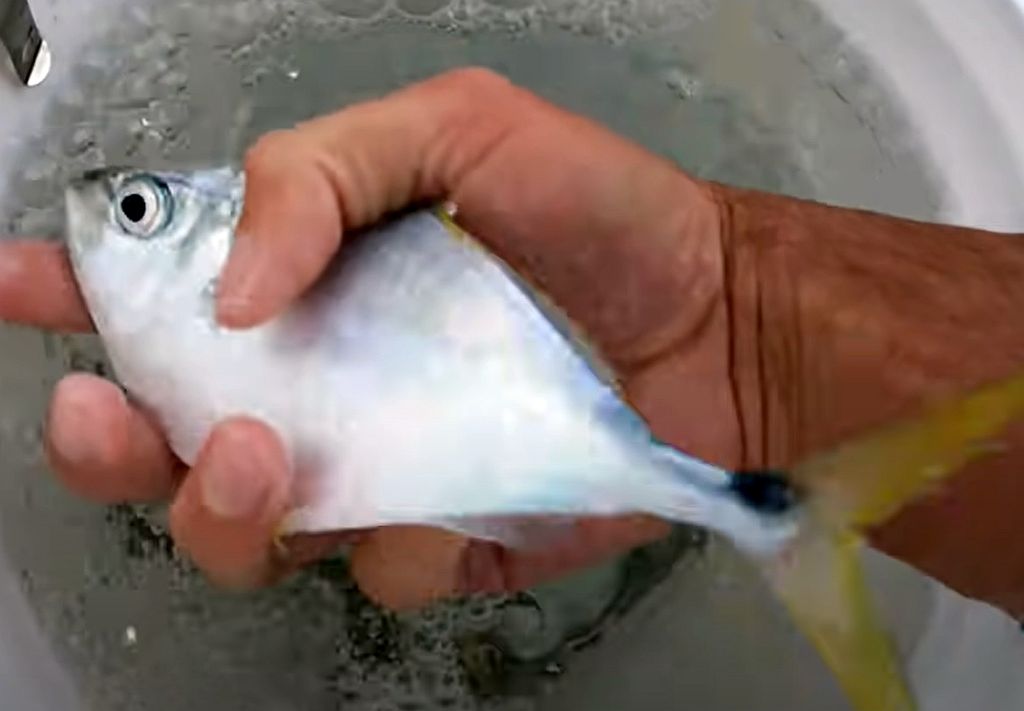 Surf anglers using live or chunked mullet or any artificial bait that resembles a baitfish will usually get bit. On many days, glass minnows and horn bellies (Atlantic Bumker) are the best bait for snook.
| Link One | Link Two | Link Three | Link Four | Link Five | Unsubscribe to this newsletter |