Your April 2023 🐬 Mosquito Lagoon & Indian River Fishing Report
Published: Sat, 04/01/23
| Newsletter Issue # 163 | April 1, 2023 |
||
Mosquito Lagoon & Indian River Fishing |
|||
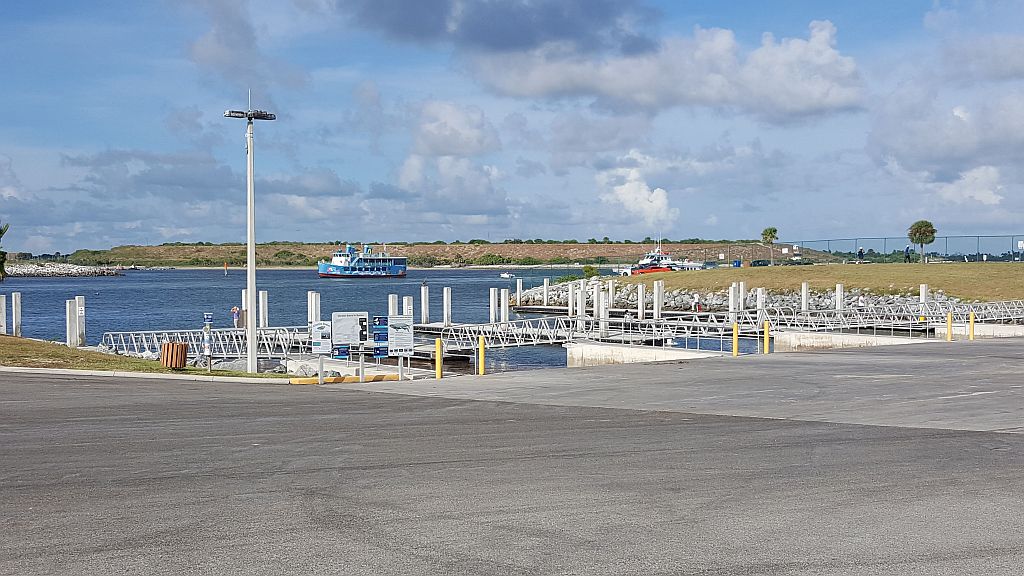 The Mosquito Lagoon, Indian, and Banana River Spring is here and anglers are targeting spotted sea trout, redfish, Snook, and black drum on a variety of lures and live baits on the Mosquito Lagoon and Indian River flats.
The black drum bite thoughout the lagoon system has been pretty consistent and should continue through the upcoming months. Fish from 5 pounds to bruisers pushing 50 pounds are being caught by anglers on a variety of baits. As our inshore waters continue to warm up; the large, egg laden females transition into their pre-spawn feeding mode from shrimp and crustaceans to finned fish in their traditional spawning areas on the inshore flats. This is when anglers targeting gator sea trout can get into some extreme topwater action on the flats.
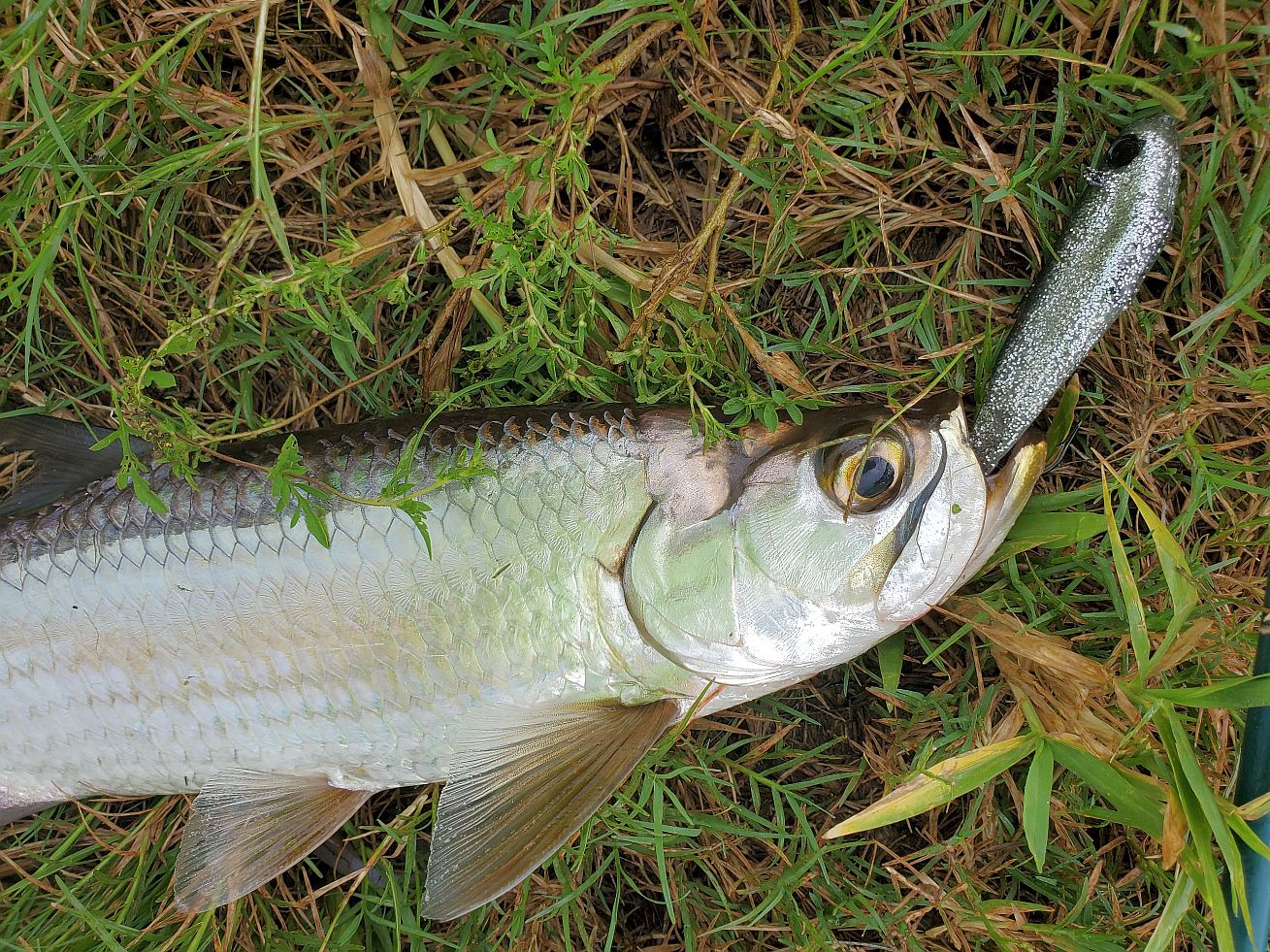
As the waters continue to warm up in our area, juvenile tarpon will become more abundant in our lagoon system. Playalinda and Area Beaches Last month whiting, pompano, and black drum were hitting cut shrimp, clam, and fresh sand fleas in the surf zones between Melbourne Beach and the tip of the false cape. In the surf at Playalinda Beach; pompano, bull whiting, bluefish, juvenile black drum, and a lot of sharks were also caught in the surf. When weather conditions allow; surf fishermen all along the space coast are still making good catches of whiting and pompano using live sand fleas, sand fleas tipped with fishbites, and small pieces of shrimp for bait on standard 2 or 3 hook surf rigs. Clam flavored fishbites tipped with a live or dead sand flea is the bait of choice for most surf fishermen in our area. 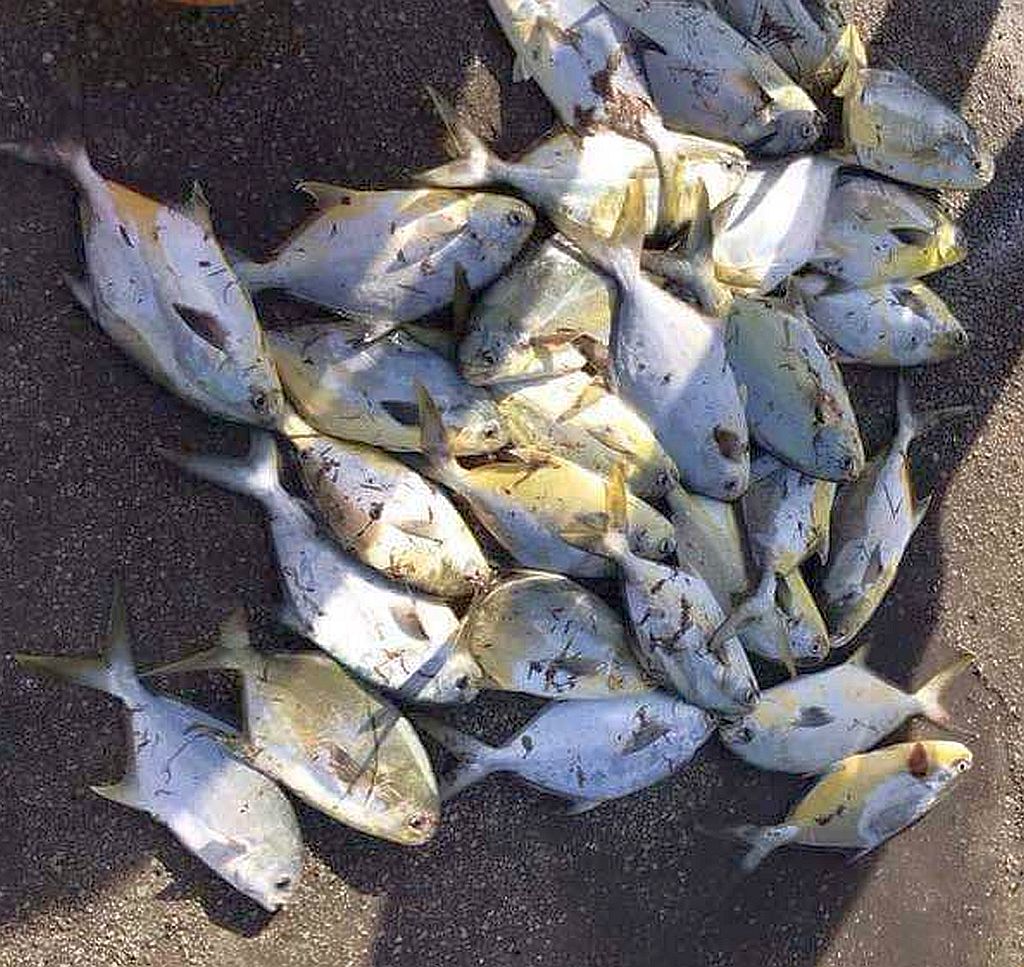 Around the beaches in the Treasure Coast and Patrick Space Force Base, surf anglers are reporting nice catches of bull whiting, keeper pompano, Palmetto, black drum, and Snook in the surf. Surf fishermen using live and cut mullet have been catching bluefish, Spanish mackerel, and a variety of sharks off the beach. Small silver spoons, Mirrolures, and Gotcha plugs pitched into the troughs are deadly when the bait pods are thick in the surf. As the baitfish run peaks along our beaches, live baits, Lhure Jensen spoons, and small lipped hard baits become baits of choice for Spanish mackerel and bluefish. Port Canaveral Offshore and Nearshore The weather last month definitely limited the amount of fishable days offshore for anglers out of Port Canaveral, in fact the party boats that did make it out a couple of days during the early part of the month, promptly came back in within 20 to 30 minutes. The predicted winds from a strong frontal boundary had seas building upwards of 8 feet over the first portion of the week. Towards the end of March when the seas settled down a bit, the charters that got out reported a decent bite for cobia, lane snapper, mangrove snapper, and triggerfish that were feeding on the reefs and wrecks in the 90 to 150 foot depths. The best catches were made with small bait fish dropped down on a small circle hook. Some amberjack were also holding on deeper structure in the 160 to 250 foot depths. The best baits to target them were live or cut pogies, thread fin herring, pilchards, and Spanish sardines. The offshore trolling action for wahoo, blackfin, and dolphin for anglers pulling ballyhoo or mullet should be improving throughout the month. High speed trolling offshore with black and green or blue and red lures usually works well for both wahoo and tuna. The staple fish for the majority of charter fishermen out of Port Canaveral is the king mackerel. This month you can expect kingfish up to the 30 pound plus range along with some Mani and blackfins to be over the reefs and ridges in the 75 foot depths out of the Port. Slow trolling frozen minnows naked or with a nice skirt works well for kings and the occasional Mahi. Deep water bottom fishing this month should continue to be good for lane snapper, mangrove snapper, porgies, triggerfish, grunts, and black sea bass. Expect nice by catches of groupers and Amberjack. Two and three hook chicken rigs with small hooks and cut baits are standard bottom fishing rigs on Port Canaveral "head" charters. On occasion a cobia will follow a catch up or pick up a bait on a chicken rig to make a bottom fisherman's day. On most days during April, Spanish mackerel and bluefish can be caught almost anywhere around the mouth of Port Canaveral. Most anglers catch them by tossing small silver spoons or plugs like the Lhure Jensen and Gotcha type plugs. The water temperatures nearshore is in the mid to upper 70 degree range and gradually rising. As the waters continue to warm up, we can expect the bluefish, sheepshead, and Spanish mackerel bite to slow down a bit. Since the beginning of March, anglers have had a good mixture of winter and summertime species available nearshore. Black drum, sheepshead, snook, pompano, Spanish mackerel, bluefish, jacks, and tripletail were all in the mix nearshore. 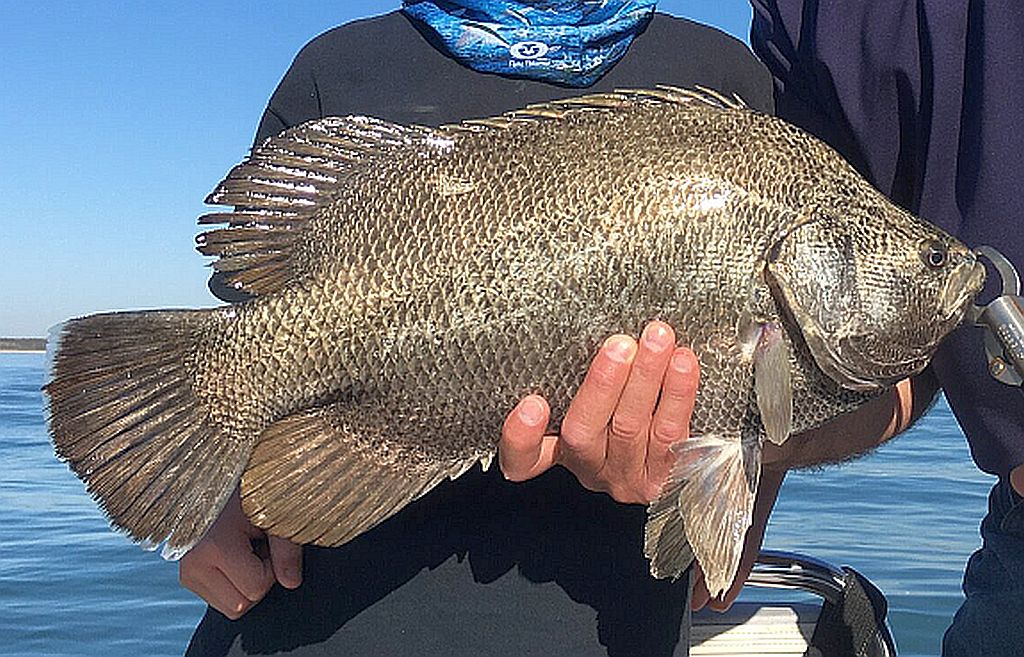 Although the tripletail bite is later than usual, there are still a lot of shrimp off our beaches here in the east central part of our state that are keeping the tripletail around. The bite along the beaches, buoys, and inlets all the way down to Grant has been especially good for tripletail and should improve throughout the month of April. Despite the weather, the tripletail bite has been decent when we had a chance to get out an search for them. A lot of them have been holding around the weedlines that form up along the south side of the southeast shoal between the end of the Canaveral shipping channel and the #2 buoy. Live shrimp free lined or rigged on an Assassin jig head is one of the best ways to target tripletail. As we progress into the spring and summer months, more and more fish will be showing up around the weed lines, crab traps, and floating debris near shore. Right now the cobia are still offshore but expect some good sight fishing as the month progresses. When the cobia show up in better numbers following the Manta Rays; bucktail jigs or live baits tossed at them will usually do the trick if they are chewing. Toss the bucktail first and if there's no interest, follow up with a live bait. Cobia aren't usually very picky, so almost any live bait will do. Anglers fishing around the jetties at Ponce Inlet last week have been doing pretty good on black drum, snook, pompano, sheepshead, bluefish, and Spanish mackerel. Small jigs tipped with pieces of shrimp have been the bait of choice in this area.
During April, anglers will find better numbers of flounder, sheepshead, black drum, and snook around the jetties, sea walls, and docks at all of our inlets. 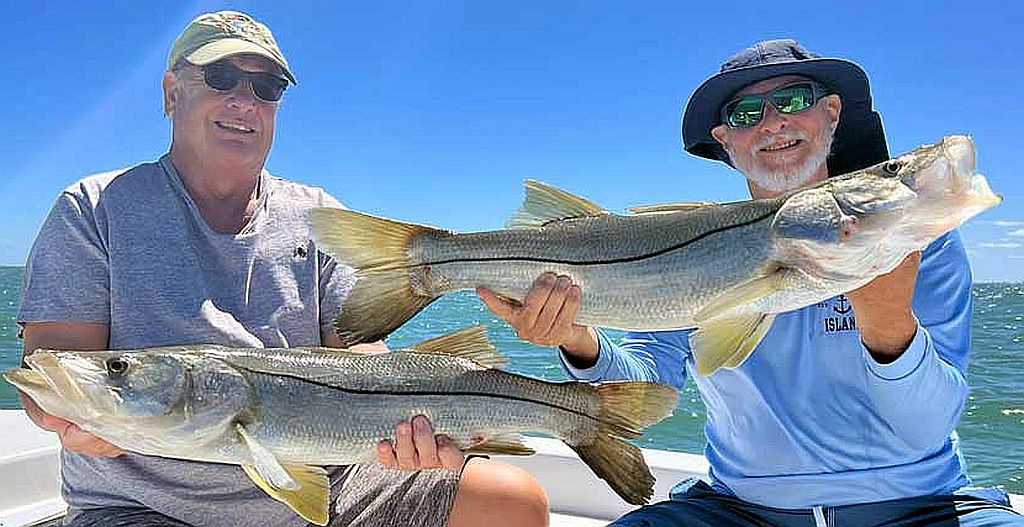 Snook fishing usually fires up in Port Canaveral and inshore during the month of April, and this year is no exception. Target them around the jetties, docks, and mangrove islands. Good numbers of snook are now in the Indian River lagoon around the mangrove covered shorelines and docks. Live fingerling mullet or shrimp are good live bait options for these fish. Small lures that imitate glass minnows like the Assassin Crappie Dapper (a 2 inch long sea shad style plastic tail) rigged on a small Boodah style jig head are killer lures for snook. On warm sunny days snook often lay up along the mangrove shorelines in 2 to 3 feet of water to soak up the rays. On days with very little wind or windy days along the leeward shorelines, a NLBN (No Live Bait Needed) Lil Mullet rigged with no weight or a live hand picked jumbo shrimp free lined on a 3/0 or 4/0 hook can be impossible for snook to resist. A lot of anglers fishing the jetties target snook with pilchards, greenies, or croakers rigged on a circle hook and just enough weight to get the bait close to the bottom with good results. Night fishing around the lights at the Port with lipped diving plugs can also be extremely productive, especially for larger snook. The best bite for snook is just before the full moon. Haulover Canal 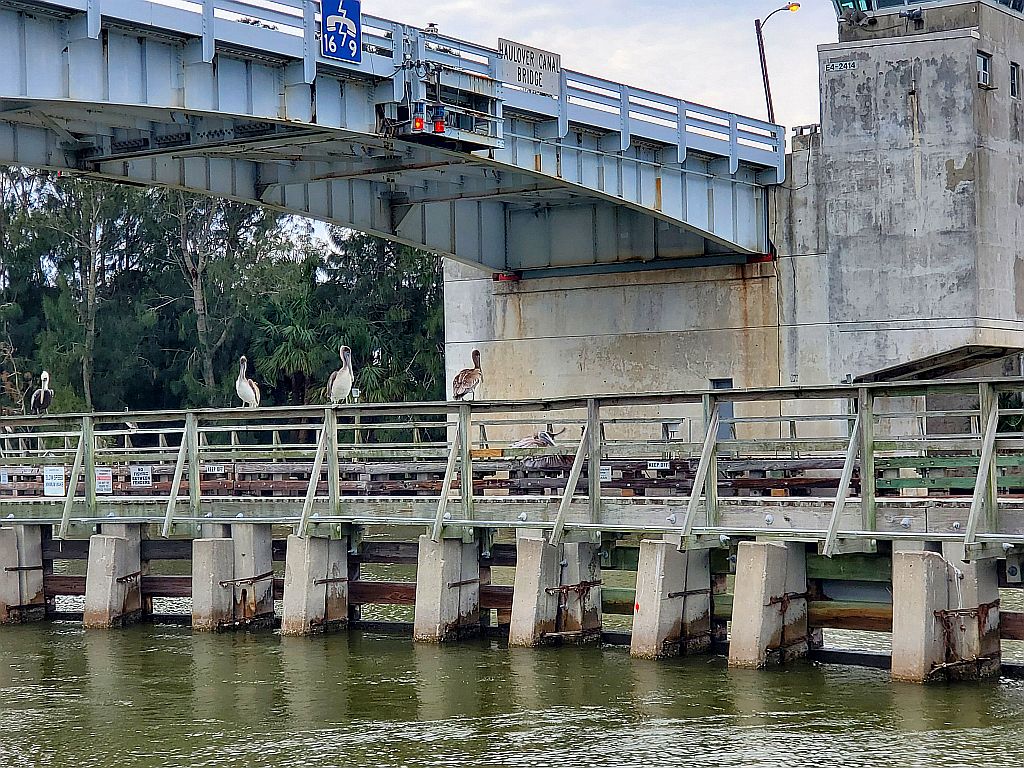 A lot of fishermen at Haulover who use live and dead shrimp for bait have been catching a few slot size black drum and mangrove snapper, mainly close to the bridge pilings. Live shrimp, cut baits, and sections of blue crab are baits of choice for the majority of anglers fishing Haulover. The deep holes located at both mouths of the canal usually hold some very large black drum and bull redfish. Most anglers after a trophy black drum or bull redfish anchor just off the holes and fish a whole blue crab or live pinfish on the bottom. A stout rod with Power Pro or other braid tied to a length of 40 pound fluorocarbon leader and a 5/0 or 6/0 circle hook is enough insurance to bring them to the boat. Tossing a jumbo live shrimp tight along the banks of the canal this month can hook you up with a snook, especially before a front moves through the area. Until next time, Tight Lines, and bent rods! |
|||

| Link One | Link Two | Link Three | Link Four | Link Five | Unsubscribe to this newsletter |