🐟 Your May 2023 Mosquito Lagoon & Indian River Fishing Report
Published: Mon, 05/01/23
|
Newsletter Issue # 164 |
|
||||||
|
Mosquito Lagoon & Indian River Fishing |
|||||||
|
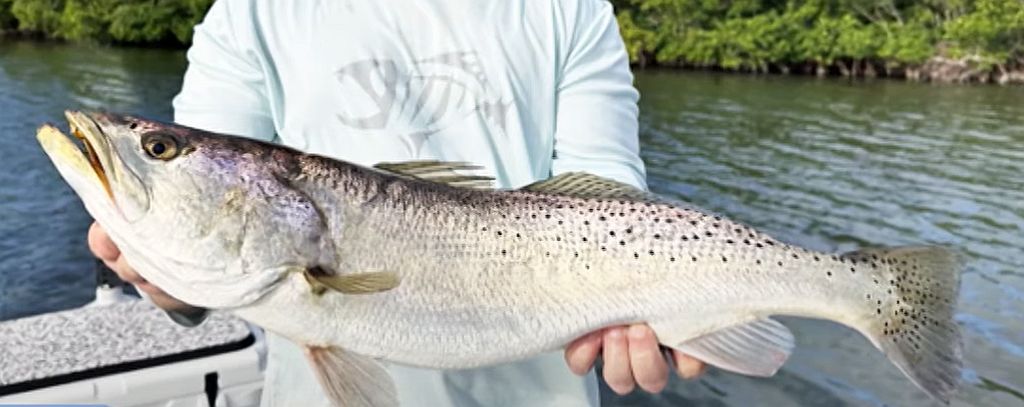
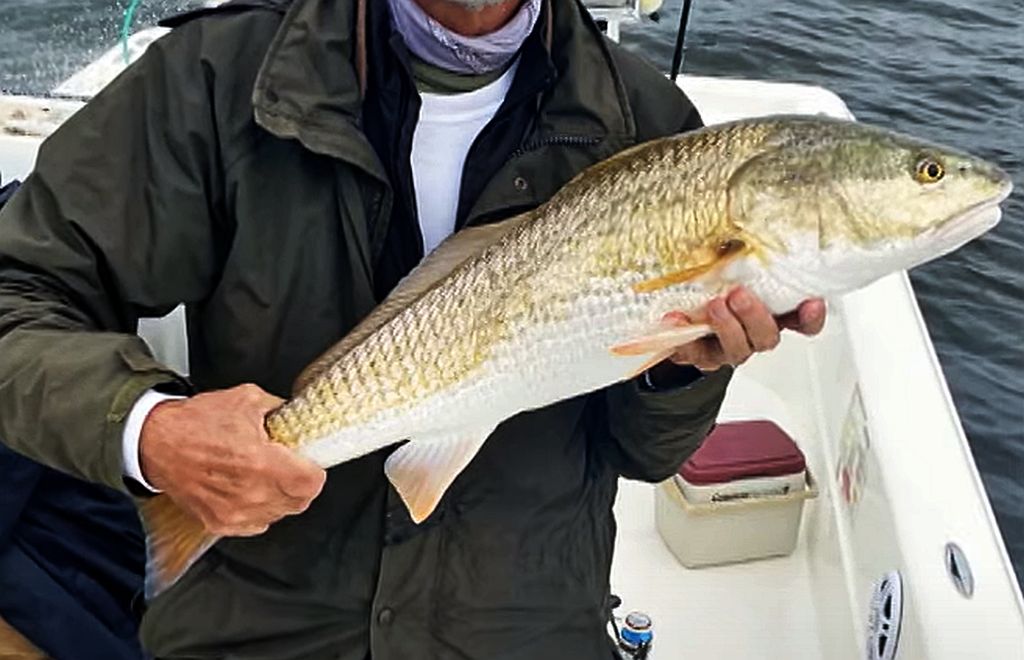
The speckled sea trout bite in our area is really good during April, but it gets even better in May. Although live baits have definitely been working better than artificial baits, the exception is first thing in the morning when you can find pods of mullet milling around on the flats and along the mangroves. In these areas, you can often find large egg laden females in their spawning mode roaming the shallower flats after the baitfish pods. 5" Saltwater Shad Assassins rigged on a 5/0 wide gap weedless worm hook and D.O.A. Baitbusters fished around the bait pods are also deadly baits, especially when smeared up with some Pro-Cure Inshore Formula Gel. It makes a huge difference. Although there have not been any reports of huge gator trout in the 30 inch range being caught; several fish in the 27 to 29 inch category were reported over the past weeks in the northern section of the Indian River and Mosquito Lagoon. Eventually some angler using a live pogie, croaker, or mullet worked around the mullet, glass minnow, or silverside pods will land a gator over 30 inches. From very first light to about 15 to 20 minutes after sunup seems to be the best time to fish for really big gator trout. Fishing live pilchards, pogies, croakers, or mullet in the residential canals, creek mouth openings, and anywhere there is mangrove cover available can potentially get you a hookup with a gator trout this month. The overhanging mangroves along the undercut banks in the Edgewater area harbors some big trout in the mid 20 to upper 26 inch range. Historically another good area to target big sea trout is where the Banana River and Indian River meet in the Dragon Point area. Fishing around the rocky areas, mangroves, and docks with live baits is normally extremely productive in this area. Farther south, between the Vero and Grant area, some of the biggest gator trout have been holding on the spoil islands and bars. We have had really good sea trout spawns for the last two years which is why there are so many smaller size trout in the lagoon system. The Houdini and Mama's 14K colored Assassin Sea Shad are the top "go to" baits right now for just about any size fish if you like pitching artificial baits. Hopefully at least a few of these smaller trout will grow up to become gators. The redfish fish bite in the Mosquito Lagoon on the shallow flats and along the overhanging mangroves on the east side has also been pretty good and should continue throughout this month. Target areas where the the dolphin have a hard time getting into an area to follow the fish. Mullet and other baitfish are in very shallow water in these flats to get away from the dolphin and the redfish are in there with them, especially early and late in the day. You can get the reds on paddle tail saltwater assassins, gold spoons, and small topwater baits that don't create too much of a disturbance. The water temperature is getting just right for redfish right now, especially if you like using topwater plugs like I do. In the Mosquito Lagoon, target the mullet pods in the early mornings with nothing but large topwater plugs until about 8:30 am when the bite stops; and then switch to jigs, paddle tails, etc. Most of the reds are running from about 20 to 25 inches with some fish in the early mornings pushing 30 inches or more.
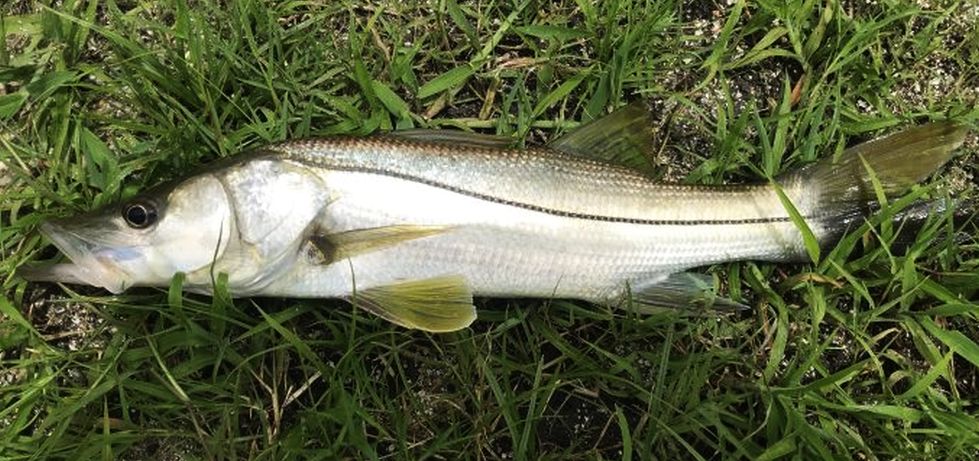
Anglers targeting the docks and pilings in the Edgewater and New Smyrna areas of the river with live croaker, spots, or mullet during the last portion of the incoming tide were doing quite well for slot and over size snook. Night fishermen tossing R&R Flairhawk Jigs along the shadow lines have also been catching good numbers of snook and when the tide is not ripping too fast around the pilings, a live jumbo shrimp is undoubtedly the best bait to fish for big snook in those areas. The best time to fish a live shrimp around the bridges is during a tide change when the water flow is slow or just beginning to pick up. Fishing the oyster bars in Spruce Creek, Calalusia Creek, Brown's Bay and a couple of other backwater bays is also productive. Most of the snook caught in the Ponce Inlet area have been running in the 21 to 30 inch category with a few larger fish in the mix. The black drum bite in the Mosquito Lagoon and throughout the lagoon system is still going strong. When you spot a school of drum wagging their tails on the flats, toss a live shrimp or a jig head sweetened with a piece of peeled shrimp, sand flea, or a strip of Fishbites ahead of the fish and slowly drag the bait along the bottom. Dragging the bait covers more territory and creates little puffs of muddy sediment that attracts feeding fish. A 4 inch saltwater assassin sea shad tipped with Fishbites is also a great lure to throw when you're on the deeper flats trying to locate some black drum. Hop the bait over the bottom for best results. Most of the black drum caught in our area right now have been running in the 20 to 30 pound category.
Baits of choice for pompano during the past weeks were peeled shrimp, sand fleas (when you can get them), and Fishbites. A few surf fishermen in the Coco Beach area have been using fiddler crabs and fresh clam strips with good results. If you can't purchase or find sand fleas, you can still catch fish using fresh peeled shrimp and Fishbites or a combination of the two. In most areas, casting just outside the breakers has been producing larger pompano and whiting. Most pompano and whiting in our area have been running around 1 to 2 pounds with an occasional heavier fish in the mix. Surf fishermen targeting sharks are still having a bonanza fishery all along our East Central area beaches. When you specifically target shark, use appropriate tackle. Heavyweight rods, high capacity reels, braided line in the 60 pound or heavier class, and 100 pound or better mono or wire leaders with large 12/0 to 15/0 circle hooks are the norm for these heavyweights. Also, keep your free shore fishing shark permit with you when fishing from the beach.
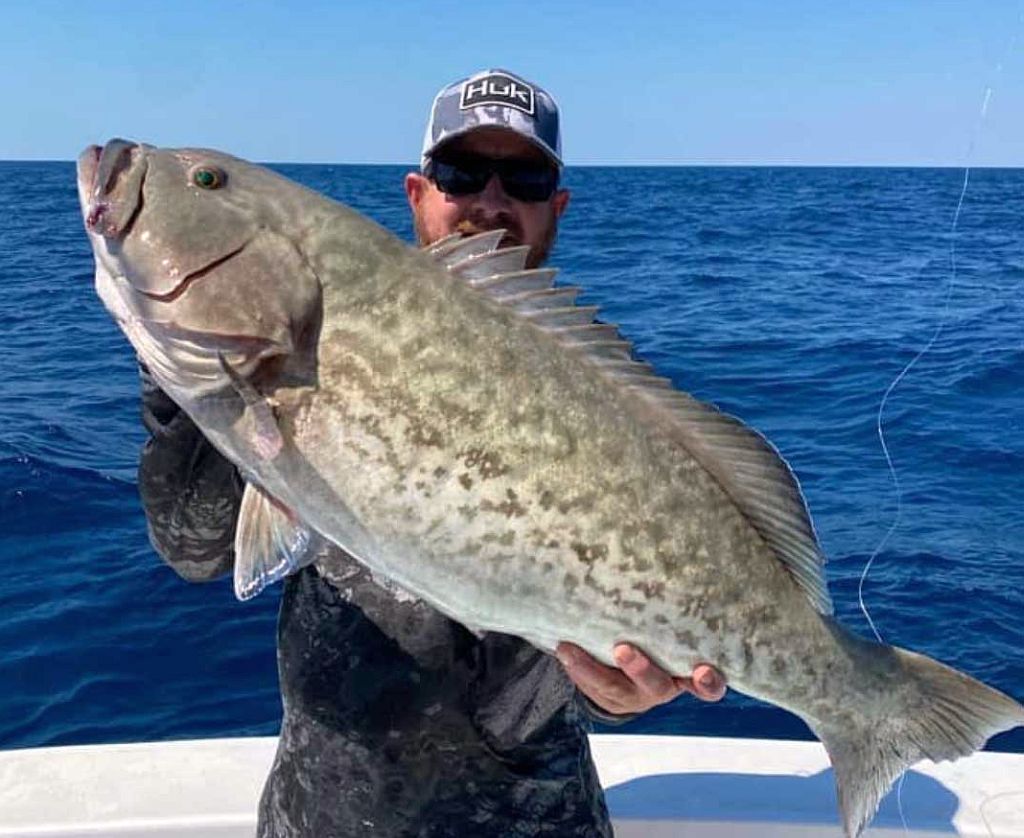
As the waters continue to warm this month, the bite along the beaches and inlets will become better for snook, tarpon, bull redfish, Jack Crevalle and other inshore species. During May, the King Mackerel bite our of Port Canaveral can be hot one day, and deader than Fred the next. The key to catching them in the East Central region is to "run and gun". A good number of anglers catch King Mackerel by dragging lipped diving plugs around first thing in the morning and later on in the afternoon during low light periods. Pulling a King Getter or a large spoon also works if you don't like fooling with live baits. The kingfish in our area generally run anywhere from 8 to 15 pounds, with some fish tipping over 20 pounds. Many of the larger King Mackerel caught in the shallower 35 to 55 foot depths throughout our region often get up to 50 pounds in weight. Remember, Grouper season opens up today and it looks like the weather is going to cooperate, which is why a lot of the party boats out of the port are pretty well booked up.
Time to dust off your bottom rigs!
|
|
|
|
||||

 For the best shot at catching some pompano, try fishing the incoming tide with live sand fleas or fresh shrimp on a standard two or three hook surf rig with enough lead to hold bottom.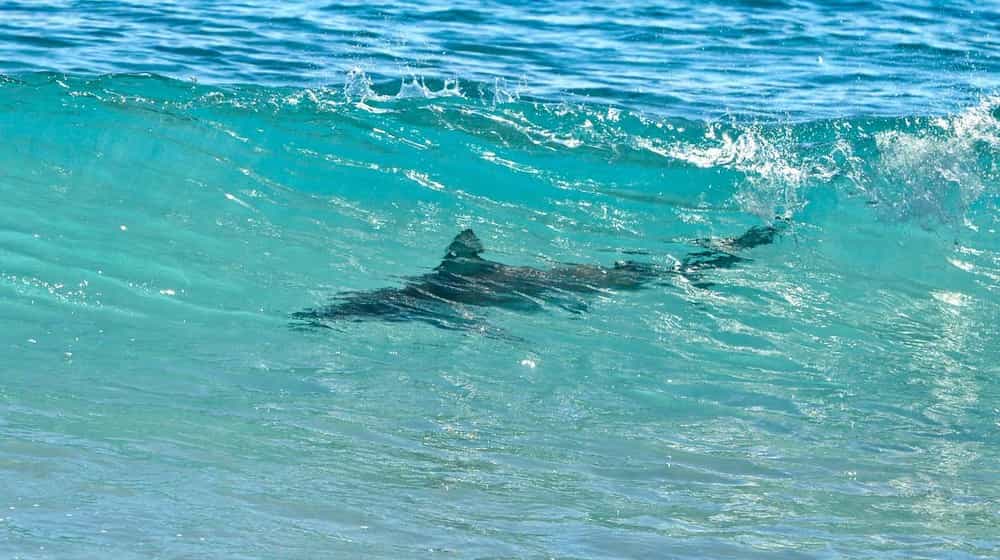
|
Link One | Link Two | Link Three | Link Four | Link Five |