Your March 2023 Mosquito Lagoon & Indian River Fishing Report🐟
Published: Wed, 03/01/23
| Newsletter Issue # 162 | March 1, 2023 |
||||||
Mosquito Lagoon & Indian River Fishing |
|||||||
 The Mosquito Lagoon and Indian River: Throughout the Mosquito Lagoon and Indian River this past month, we have had good fishing when the winds and weather conditions allowed. The winds have been the main challenge for offshore and back country fishermen.
As the water slowly warms up this month, it will jump start the migration of baitfish from down south back up to East Central Florida. The rising water temperatures that spur mullet, glass minnows, and pilchards to inundate our lagoon system and offshore beaches in good numbers, also make our year round population of resident Seatrout, Snook, Redfish, Black Drum, Mangrove Snapper and others become more active and aggressive. With most fish hugging the bottom during the winter months, expect the surface bite to increase this month for gator sea trout, redfish, and snook as the baitfish and spring shrimp run dump more food into the lagoon system. The topwater action on and adjacent to the flats during the morning hours and late afternoons can be spectacular for anglers using Skitterwalk, Badonk-A-Donk, Zara Spook, Sexy Dog, Chug Bug, etc. baits. Soft plastic swim baits smeared with Pro Cure Gel also work well throughout the day on these fish. The sea grasses in the northern and central areas of the lagoon that were lost to algae blooms in recent years are beginning to flourish again. When the weather cooperates, the forecast for sight fishing should be good to excellent in these areas. In the backwaters around New Smyrna Beach, anglers have been boating large numbers of redfish and black drum from several different large schools in that area. The best bite is just before the fronts move into the area. 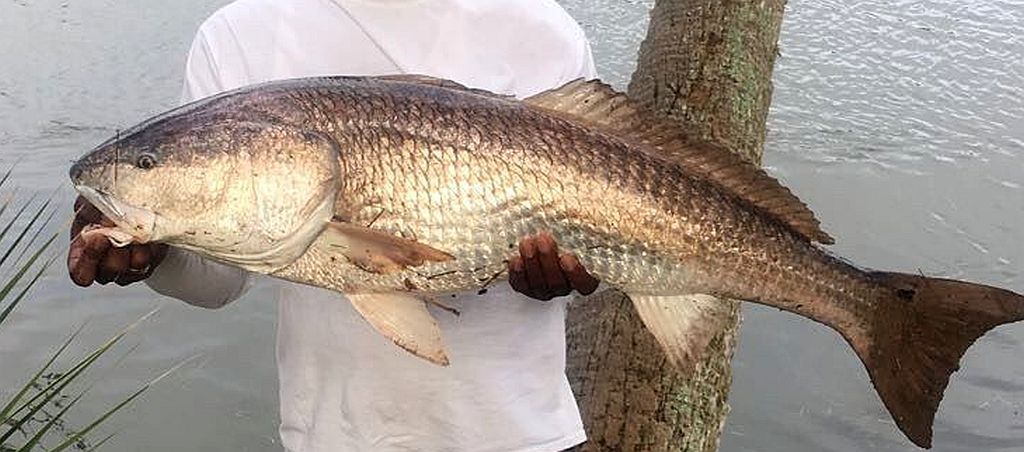 Slow presentations of small soft plastic baits and live shrimp have been working best on these fish. Full moons will typically group up large numbers of breeder reds and black drum to spawn. During the pre-spawn and spawn, they can be found along the deeper edges of spoil islands, bridges, shoals, and on sunny days; on the shallow flats adjacent to these deeper areas. Often schools in the hundreds can be spotted in these areas. With the cooler water temperatures we now have, you can use lighter tackle on these schooling fish and play them little longer without doing them any harm. 4000 size reels with 15 pound braid and scented soft plastic or Gulp baits will get the job done. If the fish are finicky, a half of a blue crab or a jumbo live shrimp will always work. As our waters warm up this month, expect to see more large drum and gator sea trout arriving in the lagoons. We are already seeing a few tarpon in some areas of the Mosquito Lagoon. In the Indian River around the pilings of the railroad and A. Max Brewer bridges, some nice drum have been caught on shrimp, crab knuckles, and sections of blue crab. Anglers bank fishing Catfish Creek are also picking up some nice black drum and redfish on shrimp, cut baits, and fingerling mullet. Black drum and redfish in this area cruise the shorelines in small pods or singles. The best bite is usually in the late afternoon. The shallow flats along East Gator Creek is also a good area to fish for black drum, however, because of the road construction on Peacocks Pocket road; the area is still closed to vehicle traffic. You can often see the fish tailing in the shallow mud flats during the late afternoons in this area if you want to park your car and walk the road. Port Canaveral Offshore and Nearshore Fishing: Nearshore anglers have reported some of the best shark fishing they have ever experienced along East Central Florida's coastline last month. We expect nearshore shark fishing to remain strong and to continue throughout the month of March. The heavy winds between the cold fronts last month cancelled out a lot of offshore fishing for a good portion of the month, but for anglers able to get out on a calm day the day before the front, the bite was unforgettable. Last week we had warm weather and some light winds out of the west. The nearshore and offshore anglers anglers who got out were rewarded with a good bite. Nearshore anglers found plenty of Spanish mackerel, jacks, and large bluefish along with blacktip and spinner sharks right behind them. Trolling or casting small spoons, jigs, or lipped diving plugs around the schools of glass minnows is the preferred method of catching them. Faster retrieves work best on Spanish Mackerel. The bluefish that have been moving into our area this year are larger than usual and there were several sightings of large hammerheads in the area following them. So far this year the nearshore shark bite has been on fire. Large hammerheads, blacktips, and blacknose have been plentiful along with a bunch of bulls. Last month just outside the Port and around the tip of the Cape, anglers were targeting the massive schools of bull redfish that were in the area, and they are still there. If you spot diving birds in the area, there's a good chance the reds are below them. If there are still large schools of bunker around, take the time to fish on them. The reds are all big, in the 35 pound and over category, and will eat anything you throw at them. Anglers have been catching them with live bunker, buck tail jigs, blue crab, jumbo shrimp, cut baits, etc. Deep sea fishing and offshore anglers in general did well when the weather cooperated. In general, bottom fishing offshore was reported good for Amberjack, American red snapper, grouper, and sandbar sharks on the wrecks and reefs out of Port Canaveral in 180 to 250 feet of water. 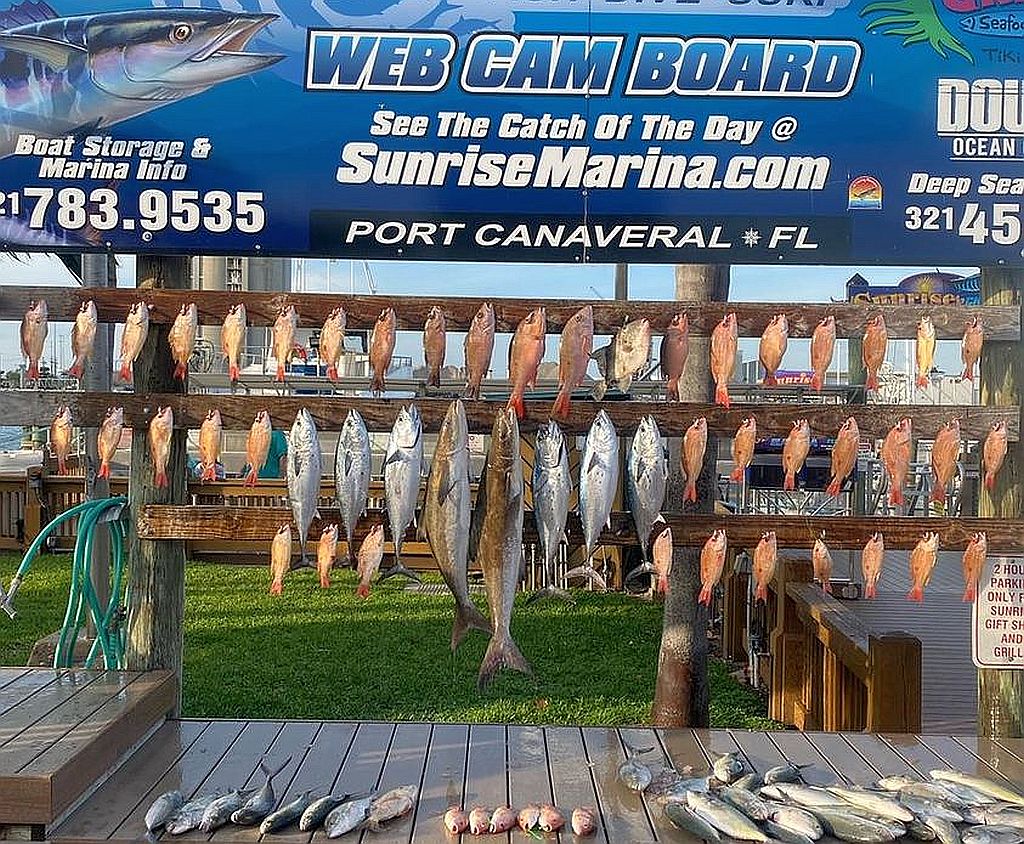 Anglers fishing on the Ocean Obsession Party Boat out of Sunrise Marina in Port Canaveral reported catching everything from lane, American, and mangrove snapper to cobia, triggerfish, an occasional Kingfish and of course sharks. Again, the best bite has been on a calm day, the day before a front rolls in. On the troll, the offshore bite has been relatively slow. Some bonita, dolphin, kingfish,and blackfin tuna were reportedly caught on the 60 to 90 foot reefs. As the waters warm up this month, we should start seeing more cobia and kingfish showing up off of our beaches. Typically, the first two weeks in March is when we can expect good numbers of Cobia to show up outside of Port Canaveral, following the Manta Rays. Cobia shadow the Mantra Rays that move according to baitfish patterns that are governed by water temperatures. So, when the surface water temperatures hit the 60 to 70 degree mark, the Cobia bite outside of Port Canaveral should improve dramatically. The deep, 400 foot wide ship channel that extends 3.5 miles offshore from the mouth of Port Canaveral plays a major role in attracting baitfish, which in turn attracts the rays and the cobia. So, when we see the giant Manta Rays coming nearshore, we can expect the cobia to be right there along with them. Although the Cobia bite has not yet ramped up to the "March Madness" hype, a few have been caught off the beaches in the Cocoa area. March is also when nearshore anglers start looking for big tripletail along the weed lines south of Port Canaveral and around any type of floating debris. Typically tripletail will be holding on the buoys and on any floating debris on the surface that you come across. Palm fronds, tree limbs, old crab pot floats, boards, and even floating coolers can hold Tripletail.
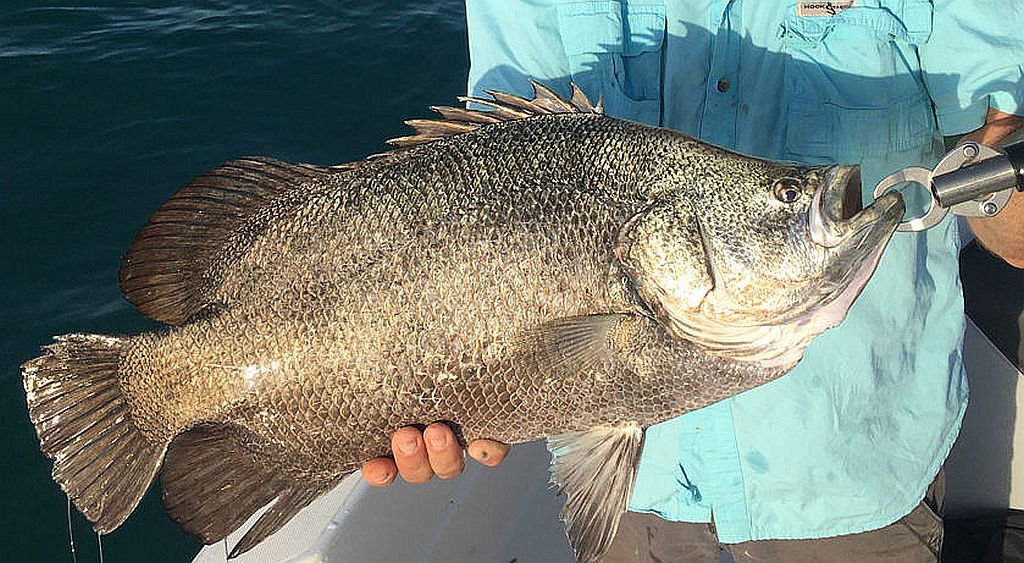 Most larger tripletail are caught out in the 45 to 65 foot depths by anglers using live shrimp. Small plastic or hair jigs, DOA shrimp, jig heads with a piece of shrimp, etc. will also catch these tasty fish. If the near coastal ocean waters this month stay in the 65 to 68 degree range, anglers can expect to catch weakfish, pompano, whiting and sheepshead in the surf zones north of the Port and along the deeper drop offs between the entrance of the port and the middle basin area. Sheepshead are usually holding along the rocky areas on the north side of the shipping channel. Most anglers catch them on fiddler crabs, small pieces of shrimp, or sand fleas on a heavy wire, short shank hook with just enough weight to get the bait to the fish. Weakfish look a lot like spotted sea trout but have spotty dashes on their sides instead of big spots. Every winter Weakfish migrate into our area and can be caught in the main shipping channel. They usually suspend in schools 5 to 10 feet above the bottom. During colder weather, the fish tend to group together in larger numbers and can be caught on live shrimp or soft plastic baits like the 4 or 5 inch Saltwater Assassin. Playalinda and Area Beach Surf Fishing: 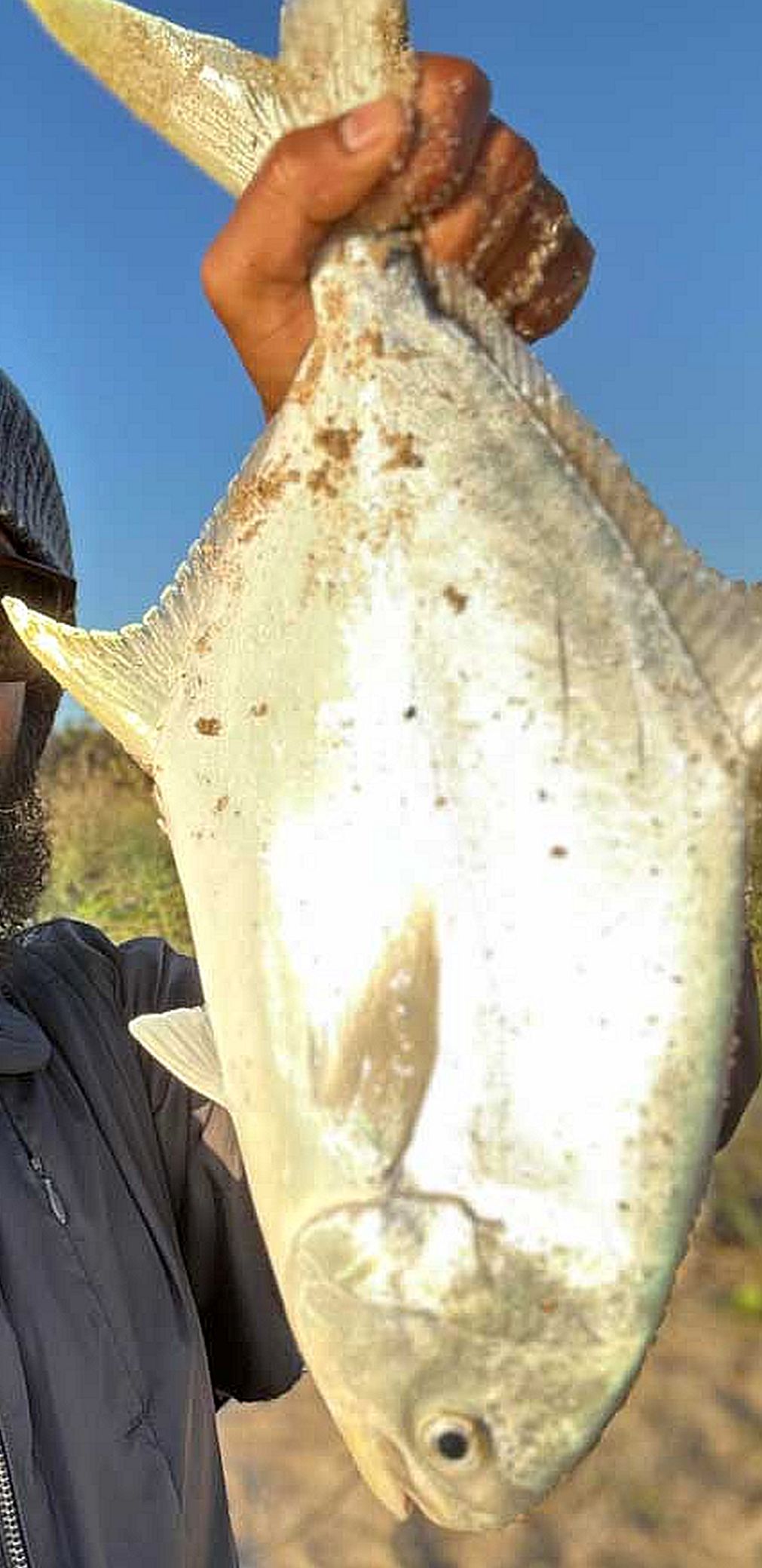 Closer to the inlets and around worm rock areas, surf fishermen have also been pulling in some nice slot black drum and sheepshead with shrimp, sand fleas, and fiddlers as baits of choice. The surf in the Patrick Space Force area is a great place to target them, along with Margate, Look Downs, and an occasional redfish. Closer to the inlets and around worm rock areas, surf fishermen have also been pulling in some nice slot black drum and sheepshead with shrimp, sand fleas, and fiddlers as baits of choice. The surf in the Patrick Space Force area is a great place to target them, along with Margate, Look Downs, and an occasional redfish.Surf fishing in much of Central Florida during March will be a mixed bag of pompano, bull whiting, black drum, bluefish, sheepshead, and a variety of sharks. Although the passing fronts have cooled off water temperatures in the surf, the air temperatures this month will be in the 63 to 75 degree range with winds averaging 10 mph. This scenario should provide surf anglers with many opportunities to fill their coolers ahead of the fronts. Anglers at Playalinda Beach generally fish peeled shrimp, sand fleas, Fish Bites, or clams alone or in various combinations for whiting and pompano during the last of the incoming and the beginning of an outgoing tide. The best bite is usually just ahead of a cold front. Long casts of 100 feet or more from the beach are often needed to get the baits to where the bigger whiting and pompano are holding. Long casts with small silver spoons or jigs will also produce hookups with Spanish mackerel and bluefish that are usually chasing baitfish around the last troughs. 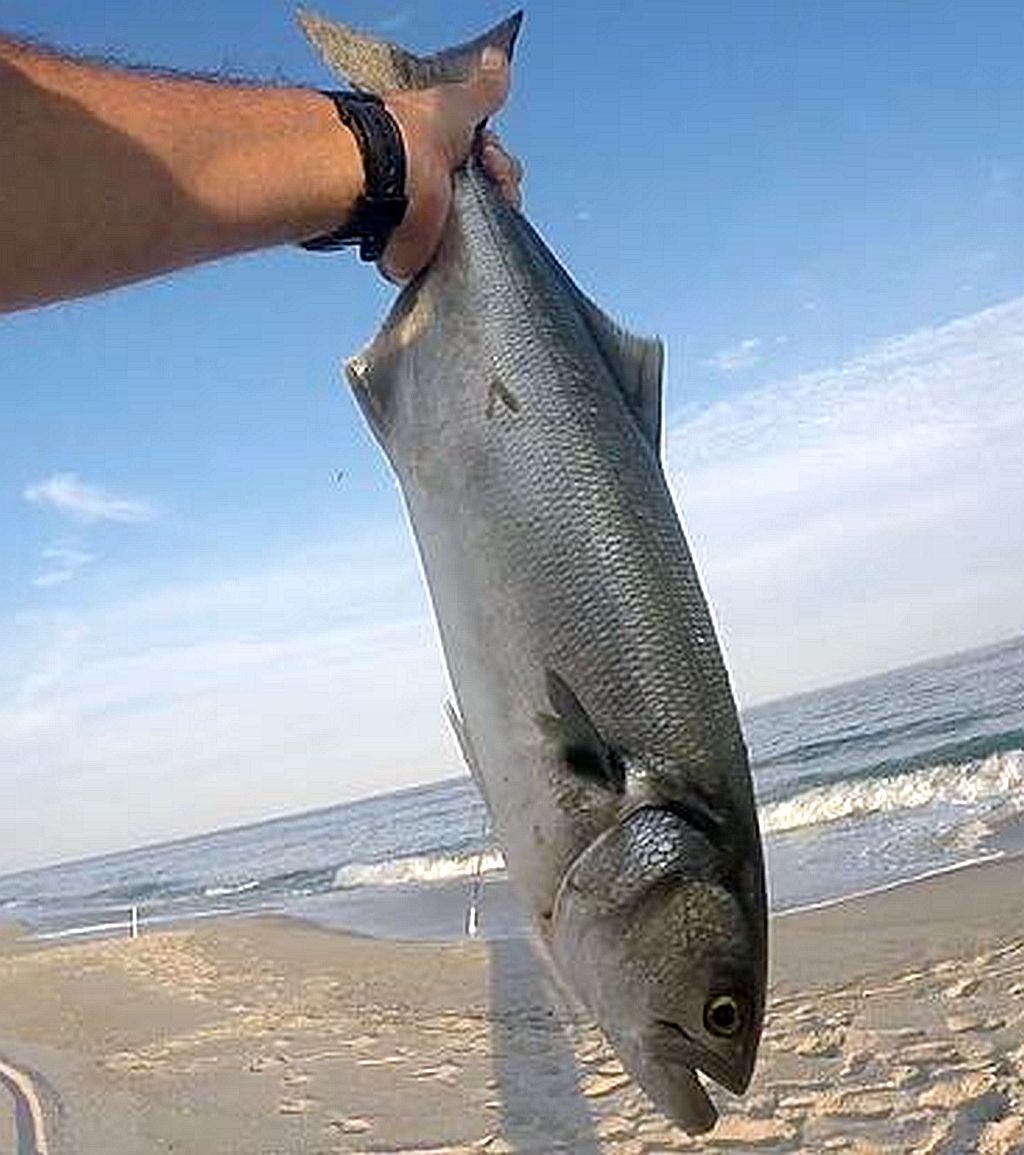 A lot of big bluefish are also being caught in the surf in our area by anglers using live finger mullet and fresh cut baits. Because of the numbers of sharp nose, lemon, blacktip,and large hammerhead sharks in the area; it pays to reel your catch in quickly.
Pompano fishing for for keeper size fish in East Central Florida seems to be most consistent in the New Smyrna and Melbourne Beach areas. Shark fishing along all of our area beaches and near shore has been off the charts for the last couple of months and should continue throughout the month of March.
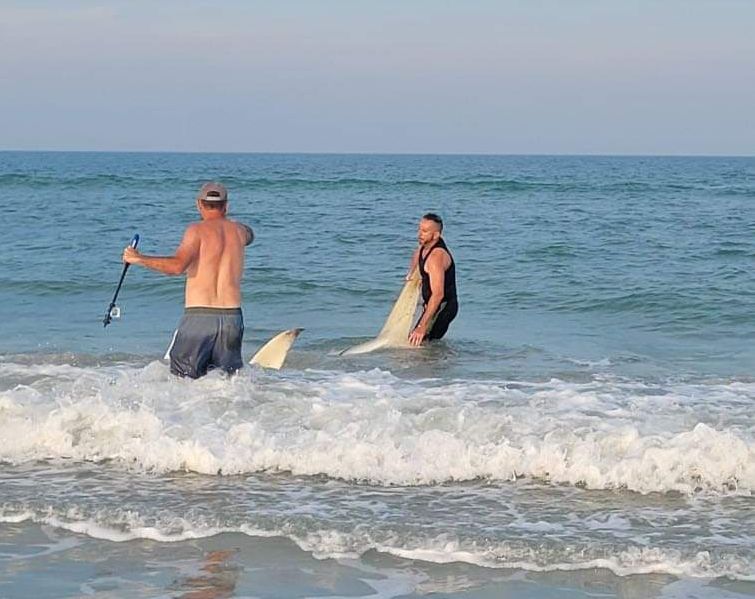
Black tip, lemon, bull, bonnet head, Atlantic sharp nose, and lately some large hammerhead sharks are being caught in the surf throughout our area, with Melbourne and New Smyrna Beach being one the top areas to hook up with one. Freshwater Fishing: Most bass fisherman consider March and April to be the most exciting months to fish for a trophy Largemouth Bass in Florida. 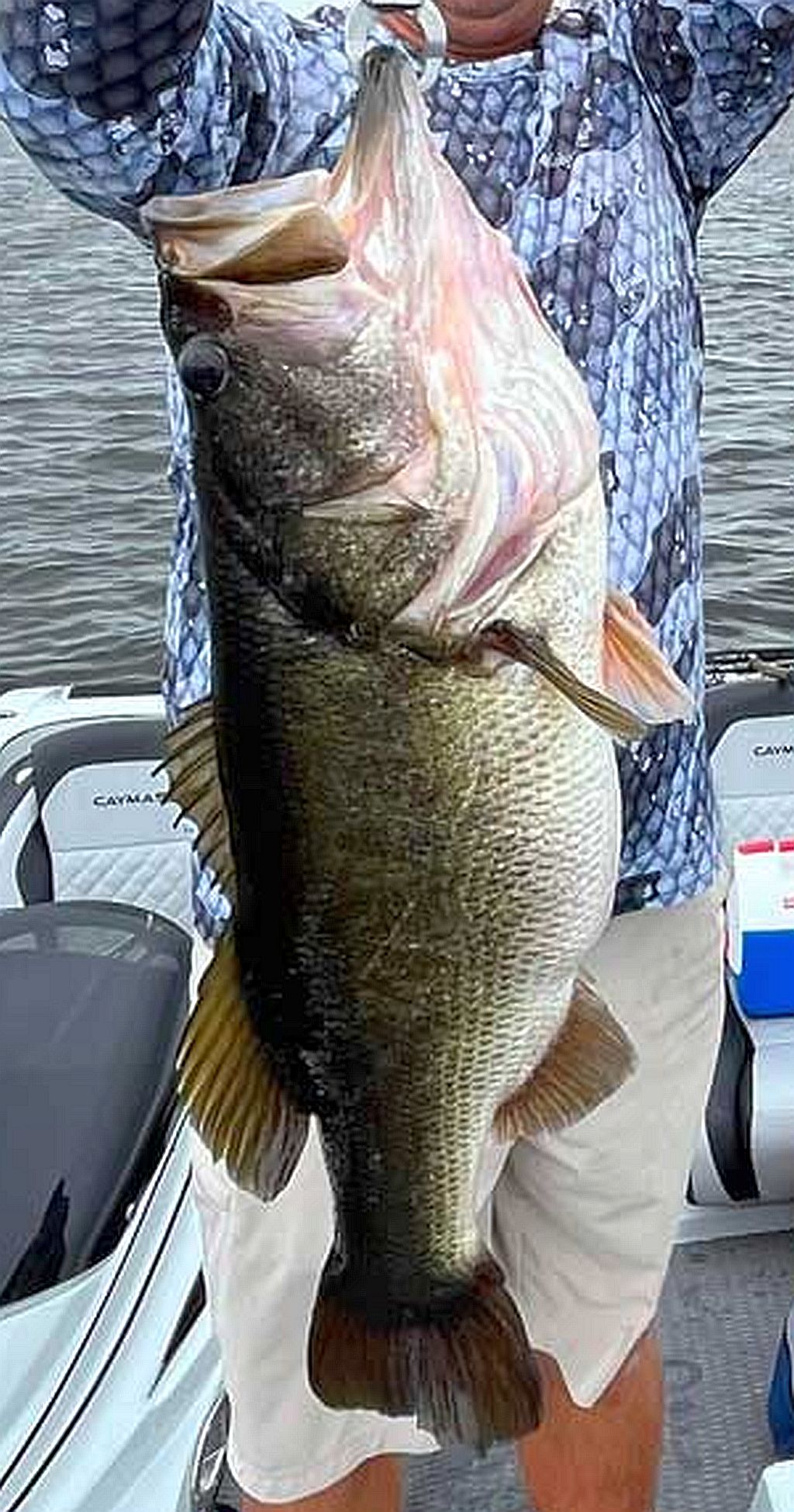 The early spring pre spawn, middle spring spawn, and late spring post spawn occurs during these months. During windy conditions, many anglers opt to pass up fishing the Mosquito Lagoon and head to the CFC ramp out of hwy 46 to troll or cast light jigs to American shad and specs (Crappie) or head to one of our area lakes to fish for bass. The freshwater bite for shad, crappie, and sunshine bass is still going on in our area and anglers are reporting good catches on the St. John's and area lakes. Big largemouth bass are also chewing on the flats east and west of the 45 canal with several big fish caught this week. A partial list of lakes in East Central Florida that hold trophy bass is listed below: Brevard County… Seminole County… Blue Cypress Lake, Stick Marsh, Farm 13, Lake Garcia, Kenansville Lake In my immediate area, I occasionally fish Fox Lake, South Lake, Loughman Lake, Salt Lake, and Buck Lake. Right now, the bass are crushing live shiners if you can find them, but I love topwater fishing with a variety of the same baits I use on the lagoon as well as hollow body frogs skimmed over heavy grass or Lily pads. If you don't have live shiners; the next most productive baits around here have been a Bass Assassin Vapor Shad (Panhandle Moon), Black and Blue Boneshaker, Jackhamer 1/2oz Golden Shiner, and Bass Assassin RSB worms. Fishing the Vapor Shad very slowly in the ditches along the hydrilla edges or “dead sticking” in some areas is definitely the ticket to catching big fish. Fishing these baits in the hydrilla holes with a 1/16 oz. weight and letting them fall to the bottom will also catch solid fish. A chatterbait worked as slowly as possible in scattered hydrilla has also been catching good fish as well as RSB worms dragged along the bottom with light weights. RSB worms will catch bass almost anywhere you toss them. So, the next time the wind makes you think twice about fishing the flats on the Mosquito Lagoon or Indian River this month; take a kayak, Ghenoe, flats boat and catch yourself a trophy bass on one of our area lakes. I sometimes forget that Florida produces some of the best black bass fishing in the United States. Until next time, Tight Lines and bent rods! |
|||||||
| Link One | Link Two | Link Three | Link Four | Link Five | Unsubscribe to this newsletter |