Your Novemberr 2022 🐟 Mosquito Lagoon & Indian River Fishing Report
Published: Tue, 11/01/22
| Newsletter Issue # 160 | November 1, 2022 |
||||||
Mosquito Lagoon & Indian River Fishing |
|||||||
 The Mosquito Lagoon and Indian River:
September, October, and November are always the most productive months to fish East Central Florida waters. During October, the inshore and offshore fishing went ballistic with and amazing tarpon run. The unprecedented run is believed to be caused by the new laws governing Atlantic fisheries management for Menhaden (Pogies), which are harvested for their fish oil. The new laws resulted in loads of menhaden invading the beaches and inshore waters along eastern Florida’s shorelines which resulted in more fish. Although the baitfish run is winding down, the southward migrating baitfish are still in our lagoons and along the beaches. The cooler water temperatures and remaining baitfish are still bringing in a variety of predators looking for warmer waters and an easy meal. The fishing forecast for November looks good for the Mosquito Lagoon and Indian River as the northern and central areas clear up and the seagrass lost to algae blooms in recent years regain their foothold. The lagoon bite has been solid for trout and snook anywhere you can find good beds of grass with mullet milling around. In areas with overhanging mangroves along the shoreline, look for redfish, snook, and juvenile tarpon; especially where you have find good numbers of baitfish. During the early morning hours, tossing topwater baits like the Rapala Skitterwalk, Badonk-A-Donk, XPS SlimDog , and popping baits like the Chug Bug around overhanging mangroves can be productive for snook, redfish, tarpon and quality sea trout. For quality speckled trout, you will probably have to get away from any freshwater inputs like culvert pipes, creek outflows, and rivers like Crane Creek and the Sebastian River. Most of the trout are in the deeper sections of the river around the spoil islands and channel drop offs away from the freshwater inputs. In the northern portion of the Indian River past the barrier to Shiloh Road, shore based anglers have been picking up slot size and over slot redfish on a regular basis just off the deeper flats using live mullet, live shrimp, and chunked up cut baits. Large schools of bull reds are still spawning in those deeper water flats and are being caught on a variety of live, cut, and artificial baits.  Water levels in the lagoon system are high right now, but as they drop, the water clarity will continue to improve throughout our area providing sight fishing opportunities for redfish, snook, and sea trout on the flats. As the baitfish become less abundant in the lagoon system and the fish transition into their winter feeding pattern, tailing redfish become a more common sight. This is when fly fishermen tossing a variety of shrimp and crab patterns come from all over the country for a chance to catch a trophy red on the fly in shallow water. Tailing redfish and black drum target smaller baits during the winter months. Except for a live shrimp or a small crab, nothing beats a well placed imitation crab or shrimp fly pattern to get their attention. Light tackle spin fishermen tossing a well presented DOA Shrimp, or small DOA CAL paddle tail bait smeared with some Pro-Cure will also catch their share of fish. During the colder winter months, the canals in the Satellite and Indian Harbor Beach hold good numbers of spotted sea trout, redfish, snook, and juvie tarpon. Live baits are the best bet for fishing around the docks, deeper canals, and mangrove shorelines in that area. When the road is open to vehicle traffic, the shallow grass flats at East Gator Creek hold some small juvenile tarpon, ladyfish, black drum, and a few reds; but you have to really work to get a bite. You can often see tarpon rolling on glass minnows and mullet in the deeper cut along the road. Small topwater baits smeared up with some Pro-Cure will usually work on these fish early in the mornings and close to dusk. The shallow mudflats along East Gator Creek road also hold some small pods of large black drum. During the early morning and late afternoons you can see them tailing in the shallows and around the mangrove roots. Fishing a small peeled live shrimp or a live fiddler crab with little to no weight can often pick up a fish. A few shore based fishermen along the causeway east of Parrish Park have been catching slot size redfish and black drum on shrimp and cut baits. The bite has been sporadic with the best bite occurring at dusk. Remember that redfish are now catch and release only in our area. Port Canaveral Offshore, Nearshore, and Inlet Fishing: November is when Port Canaveral offshore anglers start targeting migrating Wahoo, Mahi, blackfin tuna, kingfish, and sailfish. It's the time to start rigging ballyhoo and concentrating on the weed lines and temperature breaks. Right now Mahi and Kingfish are biting around the weed lines, temperature breaks, and color changes in depths up to 500 feet. A few blackfin tuna and wahoo are also being caught by anglers trolling skirted ballyhoo in the 180 to 240 foot depths. As the month progresses and the weather begins to cool down, the fishing for Wahoo and Sailfish, who prefer the cooler water temperatures, will improve dramatically. A lot of fish are being caught in shallower water on slow trolled live bunker by anglers targeting kingfish. Don’t wait to pass fish to find fish. Start fishing in 100 feet or so and be sure to put out some naked ballyhoo for sails as you go deeper. Don't forget to put out a shotgun rig; wire rigged and dropped way out there with a black and purple skirt. November is historically when offshore fishing heats up and the larger schools of kingfish come into our area. Although the fall run is generally not as great as the spring run, the fishing is still awesome. Most anglers working the regular reefs have been pulling live bunker and mullet for kings but don’t pass up the wrecks. Odds are good that if you find a pile of bait on a wreck, something’s there. If you have a slow day trolling, go try a wreck The offshore trolling bite out of Port Canaveral in 220 feet of water last week was good for Wahoo, blackfin tuna, and around many of the wrecks, Amberjack,. In 200 to 250 feet of water, the bite has been pretty solid for Mahi around the weeds and temperature breaks along the western edge of the Gulfstream, especially from mid day until late afternoon. Closer in around our inlets; the bite at Ponce, Canaveral, and Sebastian has been on fire, particularly for redfish and snook. If you fish up at Ponce Inlet, you can include mangrove snapper in the mix which has been hot for the past few weeks. The bite for black drum, Margate, and some pompano has been good for anglers fishing with live shrimp around the jetty rocks, near shore structures, and rocky areas at Ponce, Canaveral, and south all the way down towards Vero. Peeled fresh dead shrimp will get you about the same number of hits. 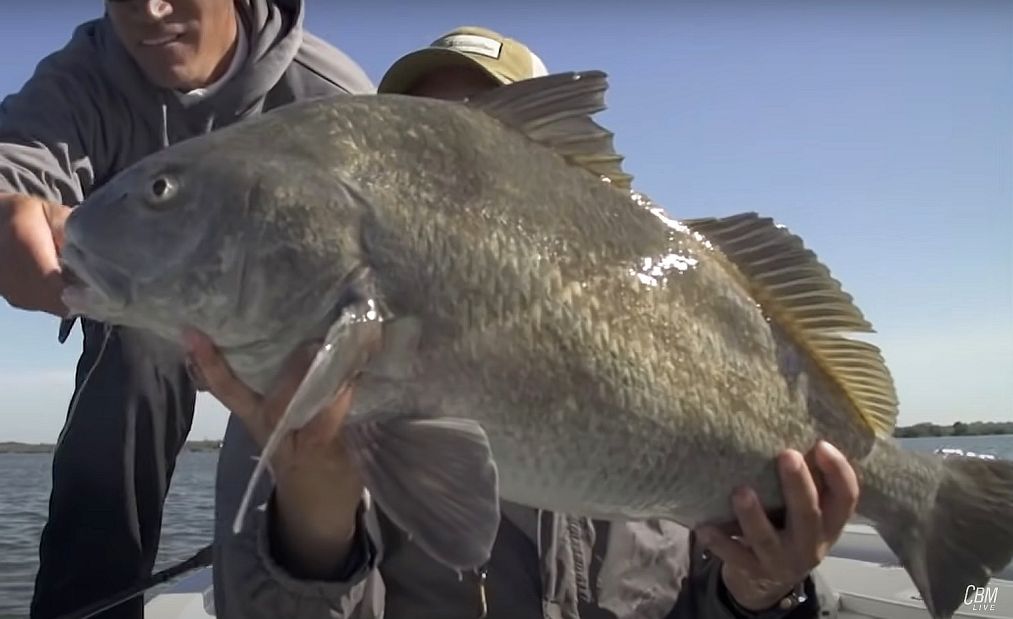 Shark, bull redfish, tarpon, and snook are still the main attraction for anglers working the mouth of the inlets and around the jetties. A couple of weeks ago, the snook bite at our area inlets was nothing short of spectacular! Several things came together to make this happen. Large schools of croakers returned to the near coastal waters and were joined by a small resurgence of fingerling mullet. We also had a large shoal of jumbo shrimp move into the Canaveral Bight. This trifecta of bait species produced one of the most incredible weeks of fishing that we’ve experienced in a long time. A simple sliding sinker or knocker rig and a lively bait was all it took for anglers to hook 60 to 80 snook and redfish a day. Nearshore fishing for sharks and bull reds has also been insane for the past few weeks. Live and cut baits have been working well on both species. Fish large topwater plugs and Rapala x-rap lipped diving plugs around the mullet pods for for tarpon, blues, and jacks. The bull reds have been spawning and most anglers have been targeting them with live baits or cut chunks of mullet on sliding sinker rigs. A 3 or 4 ounce sliding sinker with a 3 foot section of fluorocarbon leader and a 6/0 or 7/0 circle hook is pretty much standard for bull reds. A fresh live blue crab, pinfish, croaker, or pilchard also works well for redfish. 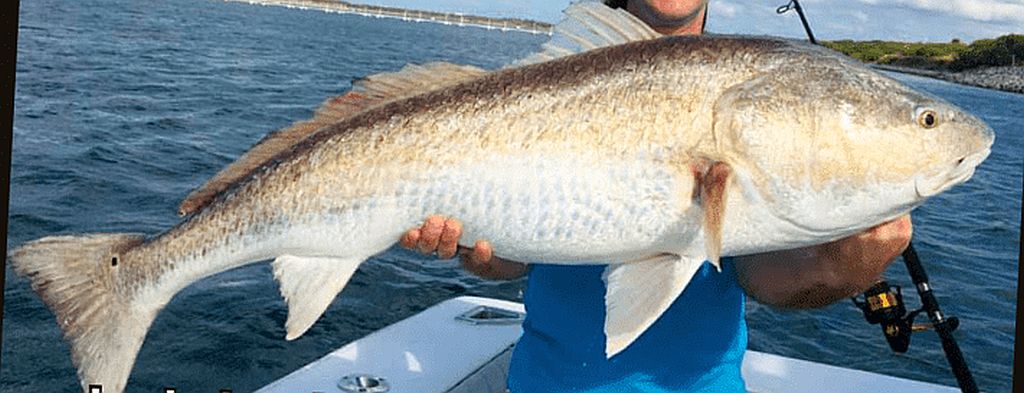 By most standards some of the best fishing of the year in our area is in November, but the window is closing fast. The baitfish are quickly migrating south for the winter and a lot of the game fish are moving south with them. Party boat bottom fishing out of Port Canaveral has been good and catches of sharks, AJ’s, cobia, grouper, and an assortment of snapper, triggerfish, and porgies have been solid. 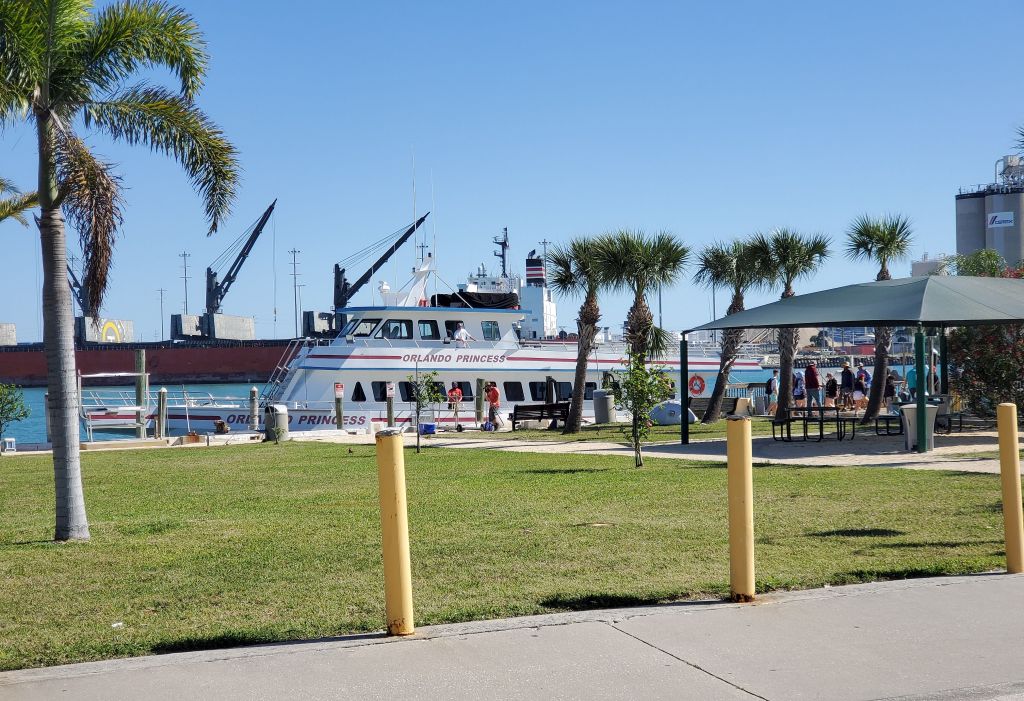 Anglers who are making it offshore and braving the strong winds and rough water conditions have been targeting the 90 foot and deeper reefs where the snapper and grouper bite has been reported as very good. Surf Fishing:
October and November is when the Pompano start their annual southern migration down our beaches.
When the cold front hits our area and water temperatures drop down to around 78 degrees, the resident pompano in our lagoon system that normally stay in the river will start to make their way out to the beach where they meet up with southern migratory fish coming down from the Carolinas. Lots of pompano, flounder, snook, and whiting are now being caught along our beaches. With the baitfish run still going relative strong, shark fishing from the beach is also still in full swing. Most of the pompano that are being caught at Playalinda Beach have been under the legal size limit however, some nice fish like the one below are being caught when the conditions are right. 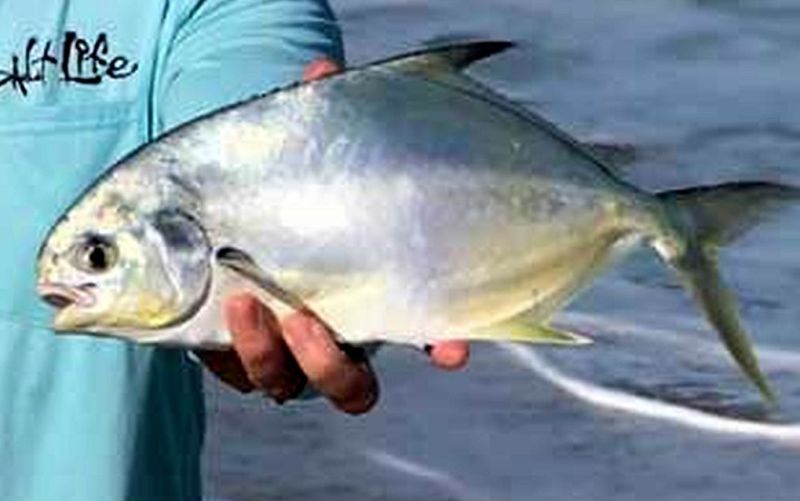 Surf fishermen north of us in Volusia county have been making good catches of bull whiting, a few large pompano, and good numbers of bluefish. When cooler weather starts moving into our area in the next few weeks, the larger pompano should be moving south out of the Jacksonville and St. Augustine areas towards our beaches. Persistent surf anglers using crab or clam flavored fish bites, and live sand fleas on standard pompano rigs with either purple or red beads should start seeing good catches of these fish. Although the largest whiting and pompano usually hold well past the first sandbar, it pays to run multiple rods fanned out along the beach until you find the area where the fish are feeding for that day. Most surf fishermen at Playalinda have been using standard pompano rigs with fresh shrimp for bait, however, sand fleas and fishbites are highly recommended if you are targeting pompano. South of us around Cocoa Beach, surf fishermen have been cleaning up on pompano, whiting, permit, juvenile black drum, bluefish, jacks, and ladyfish. They have been reporting the best fishing in months in that area when the weeds allow good presentations. Pompano are biting best on fresh shrimp and Fishbites on all tides in that area. Anglers say that it's most important to pay attention to the scent and color of bait that the fish are keying in on. On the outside of the sandbars, the bite has been off the charts for bluefish, jacks, and ladyfish. Closer to the sand, eating size black drum have been snatching shrimp right at your feet. Finding an area of the beach with clean green and blue water will give you the best opportunity for a successful trip. Baits of choice for surf anglers in the Cocoa area are fresh shrimp, sand fleas, and clams. Generally, live sand fleas and clams for pompano, fishbites and shrimp for whiting, and cut mullet for bluefish. Shark fishing from the beach has been outstanding along the east coast of Florida and should continue throughout this month. Blacktips, bonnetheads, bull, sandbar, and a few lemon sharks are the most frequently hooked species this month. Live or fresh cut chunked baits are preferred over frozen baits regardless of the time of day or night. Until next time,
Tight Lines and bent rods! |
|||||||
| Link One | Link Two | Link Three | Link Four | Link Five | Unsubscribe to this newsletter |