Your August 2022🦈 Mosquito Lagoon & Indian River Fishing Forecasting Report
Published: Mon, 08/01/22
| Newsletter Issue # 157 Fishing Forecast | August 1, 2022 | ||
Mosquito Lagoon & Indian River Fishing |
|||
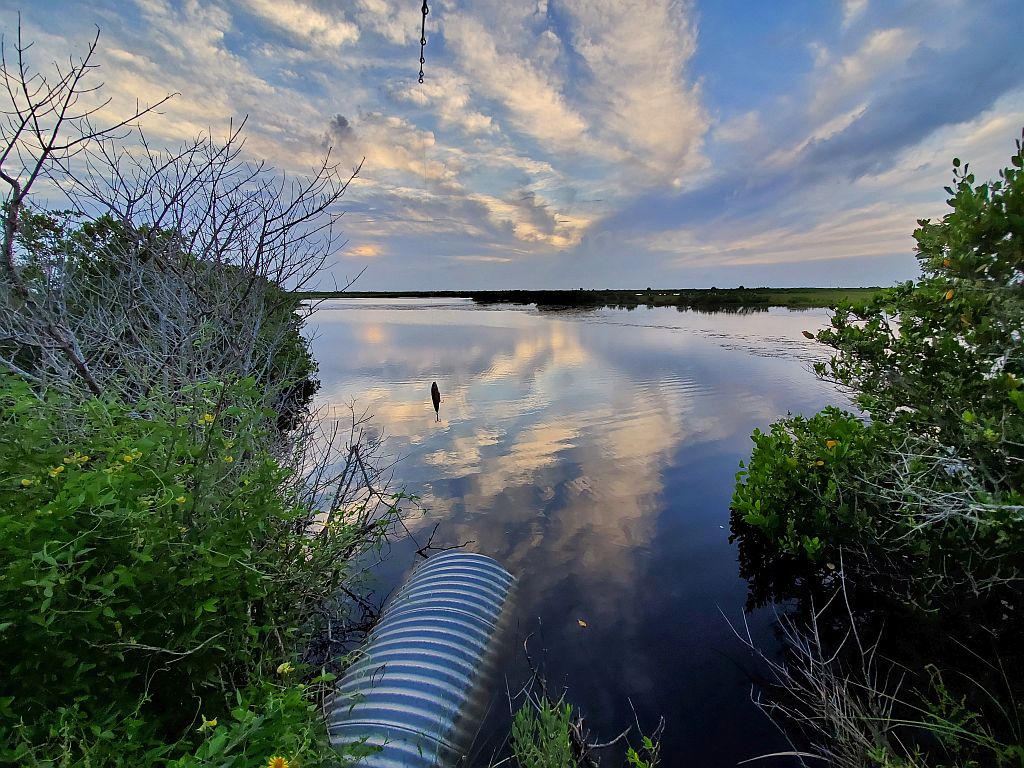 Mosquito Lagoon and Indian River Fishing For the past few weeks, we have been experiencing the "Dog Days of August" and on most days air temperatures in our area have been hanging around the 90 degree mark. This means that if you plan to catch fish, you need to have your line in the water before dawn. The predawn early morning hours up until about 9:00 am is when you will find the best shallow water sight fishing opportunities for spotted sea trout and redfish in the lagoon system. Target the bait pods milling around the spoil islands, sharp drop offs, shorelines with sandy edges, and mangrove shorelines with topwater baits like the Chug Bug, Zara Spook, BadonkADonk, SkitterWalk, XPS Slim Dog, or any lure that resembles a finger mullet. Smearing Pro-Cure on your lures will increase your hookup ration. As the bite slows, switch to smaller baits like the Mirrolure Mirrodine, the Mirro Minnow, and small Creme 2" paddle tail baits. As the sun rises and the temperatures climb, the fish will be pushing tighter to the trees and in many cases are unreachable with artificial baits. This is when dead shrimp and cut baits are most effective. Around New Smyrna Beach, Ponce Inlet down into Mosquito Lagoon, the Edgewater area, and the northern section of the Indian River, the bite for giant trophy bull redfish is getting better by the day. Most anglers have been using cut mullet, live pinfish, croaker, crab, and cut ladyfish on fish finder rigs to catch them. 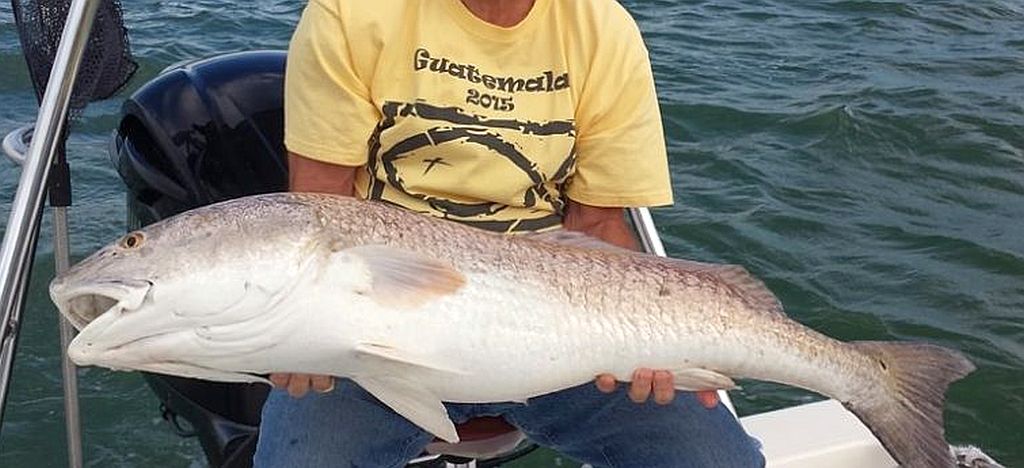 The deep water flats directly across the river from the Scotsmoor shallow water boat launch is also a good area to target oversize redfish, black drum, tarpon, and ladyfish with live or fresh cut baits. Since early April, the bite for redfish up into the 40 inch category has been outstanding and on many days, guides have reported hooking as many as 8 to 10 giant redfish per trip with at least one fish over 40 inches. The bite for bull reds is expected to get even better as the fish start forming up into spawning schools and should continue into September. Some years the spawning activity continues all the way into mid November. Smaller slot redfish under 30 inches are around in pretty decent numbers throughout the shallow waters of Mosquito Lagoon. Most recently anglers have been catching them sight casting with live baits and fly tackle as they cruise the shorelines. With good water clarity, you can often pick off a snook or speckled sea trout along with a red. As of September 1st, 2022 the FWC'S new regulations for redfish go into effect in our region allowing ONLY catch and release in the Indian River Lagoon region. If you plan on keeping any reds for your dinner, get them this month. The speckled sea trout and ladyfish bite in the backwaters of the Indian River and Mosquito Lagoon has been pretty good early in the mornings, but it shuts down around 10:00 am. The largest fish are being caught during the predawn hours and during the magic half hour or so before dusk. The majority of speckled trout that are being caught right now are in the 18 to 24 inch range, but some really big "gator trout" in the 25 to 30 inch range are starting to show up, especially by the guys tossing topwater plugs early in the mornings. Most of the area back country guides have been catching 10 to 15 trout in the 18 to 24 inch size range per outing, mostly on live baits. The trout bite should remain consistent for at least another month or two. The snook fishing around Ponce Inlet, Daytona Beach, and the northern portion of the Mosquito Lagoon has been really picking up. The snook have been schooling up with redfish and some good size sea trout which is good news for anglers trying to catch a grand slam of reds, trout, and snook. Snook season is catch and release until September 1st., but starting in August through late October, some of the largest snook of the year are caught in our area. 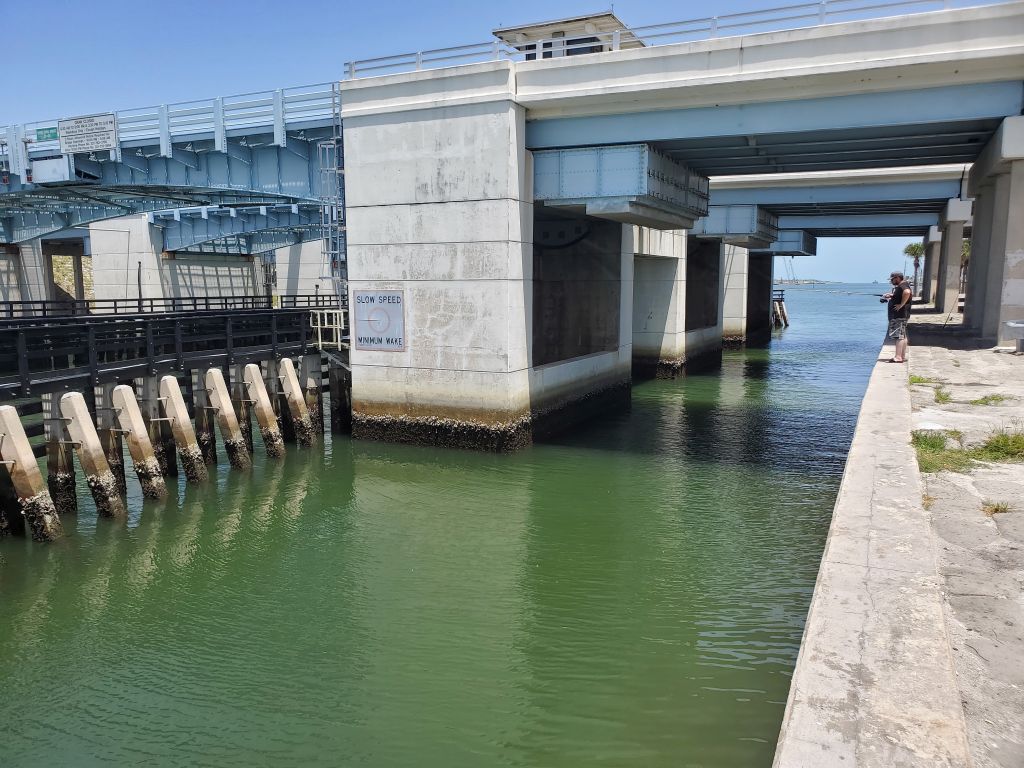 Some giant, trophy size snook are being caught in the Ponce Inlet area around the bridges and other structure in deep water areas. Around Port Canaveral, the snook are holding around the bridge pilings and sea walls inside the port (above) and at the jetties. Live baits, jumbo live shrimp, soft paddletail baits, flair jigs, and lipped diving plugs all work well in these areas, especially after dark when the bite really takes off. August is when tarpon become most abundant in the Mosquito Lagoon, the Indian River, and the Banana River. The tarpon bite is really good right now in the lagoon system. The tarpon are following pods of baitfish up and down the deeper waters in the ICW channels from New Smyrna Beach down into the Mosquito Lagoon and sections of the Indian River. Fish the deeper edges of the ICW, the south bridge at New Smyrna, the Haulover Canal betweem the Mosquito Lagoon and the Indian River, and any of the dredge holes around the causeways. Some of the pilings in the Pineada, the Coco Beach area, and also the Melbourne area are also holding some pretty good schools of tarpon. Most of the time you will find tarpon in the 10 to 15 foot depths and in the deeper dredge holes down to 20 feet. The deeper flats of the Mosquito Lagoon and northern Indian River, the north and south side of the NASA Causeway, the power lines right outside of the Port Malibar area, and the area from the Indian Mound Fish Camp north to Dick's Cut up in the Oak Hill and Edgewater areas are also good places to look for tarpon this month. A live pigfish, pilchard, croaker, or mullet under an R&R float is a great way to target rolling tarpon, especially during the middle of the day. Later in the day, artificial baits are more effective. Most of these fish are running about 50 to 100 pounds. Juvenile tarpon and ladyfish of all sizes can be found in the backwaters and are great action on 7 wt to 9 wt fly tackle. Deceivers, Tarpon Bunny type flies, and anything that resembles a small baitfish or crab will catch them. The Vistas in the Canaveral National Seashore along the road heading to Playalinda Beach, the mangrove shorelines along the southernmost portion of the Mosquito Lagoon, and farther south, the deep flats along the Pineda Causeway leading into Patrick SFB can also be productive areas to look for tarpon during the summer months. You can spot them almost any time of the day rolling in the residential canals, the mouths of the feeder creeks, and around the dredge holes.
Offshore and Nearshore Fishing
Offshore, the king mackerel bite has been really on fire this week with lots of fish coming from the 70 to 90 foot reefs throughout the region. The High Bar, the Pines out of Sebastian, the 8A and Pelican Flats out of Canaveral, and up north out of Ponce Inlet, the Site 3, 9 mile reef, the Cracker Reef, and the Party Grounds are all good places to catch kingfish right now. We have been getting some cold water upwellings that have been moving into the east central region that are moving the fish inshore, so if the fish aren't on the deeper reefs, move closer inshore, or better yet, check the inshore spots like the Coast Guard Bottom before you run out deeper to save some fuel. During the summer months out of Port Canaveral, always try for kingfish in the midway depths between 20 and 45 feet, as well as the 80 to 90 foot reefs farther out. Our average beach king is running between 15 to 20 pounds but many anglers have been getting fish in the 30 to 45 pound range. Capt. Jim Ross (below) is holding one of them. 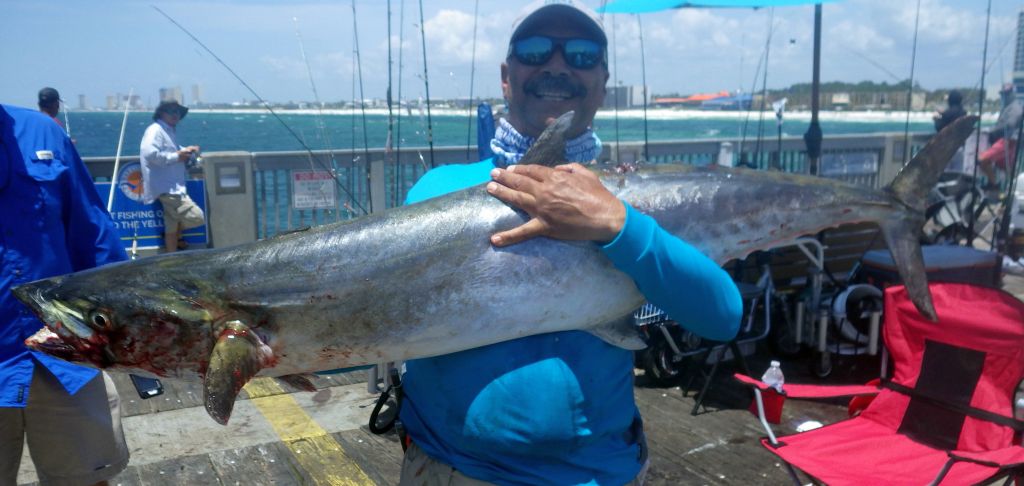 Although a lot of guys have been throwing live baits out the back on wire stinger rigs slow trolling for king mackerel, a good number of anglers have been pulling a number 8 planer with either a silver, white, or pink colored drone spoon behind it, or a Sea Witch and strip combo for kings. Both have been working really well. Keep an eye out for Cobia when slow trolling live baits, especially if we get the cold water upwelling coming in. That could kick the cobia up into your spread to eat some of those live baits. There are a lot of smaller size Cobia right now on the reefs and wrecks in 60 to 90 feet of water outside of Port Canaveral. Places like the 8A reef and Pelican Flats out of Canaveral, the 9 mile and 12 mile reefs out of Ponce Inlet, and the Pines and High Bar out of Sebastian are all really good places to look for Cobia this month. Inshore, the shark bite has been extremely good in the near coastal waters. Right now spinners, hammer heads, sharpnose, black tips, nurse, and fine tooth sharks are all being caught on inshore rigs and even if you don't specifically target them, you will catch them. In the lagoons, especially between Coco Beach and Grant there are some 3 to 6 foot bull sharks around the tarpon schools and following the pogie and greenie pods. Tarpon are also running along our beaches right now eating mullet, croakers, pigfish, pogies and just about anything they come across. You can catch a 150 pound class fish slow trolling or by drifting a bait on an R&R float through the bait pods first thing in the morning close to the surf break. As you get farther offshore, you will find them hanging deeper on the bait pods. For the next few weeks you will have an opportunity to catch a big tarpon anywhere inside of the 50 foot depths in our area. Snook are out of season right now but they are always on the menu for catch and release. Some really big snook are schooling at Port Canaveral, Ponce Inlet, and Sebastian and this activity should continue for the next couple of weeks at least. A good way to locate them is to drop a live bait down to the bottom on a slip sinker or a knocker rig. A lot of guys use a jig head with a pilchard hooked through the top of the mouth to catch snook around the rocks. This method gives the angler more control of the bait. Most of the snook being caught right now are running in the 34 to 40 inch category, and there are a lot of them out there. At Port Canaveral, snook have been schooling inside the Port along the bridge pilings and sea wall corners. The key to catching them in the daytime is to use live baits like croakers, pogies, or jumbo shrimp. The fish have had almost every lure known to man tossed at them and will seldom hit during daylight hours. At night when fishing around the inlets and bridge pilings, artificial lipped plugs or hair jigs will work almost as well as live baits. Offshore, the mangrove, lane, and vermillion snapper are on most of the structure in 90 to 130 feet of water. With that cold water showing up, look for them more in the south portion of our region rather than farther north. Small live baits and baitfish plugs fished close to any structure will get you strikes. As long as there is no cold water upwelling (the late July phenomenon that occurs along the eastern coast every summer) the offshore fishing for mangrove, mutton, and lane snapper should continue to hold up offshore in the 70 to 90 feet depths. 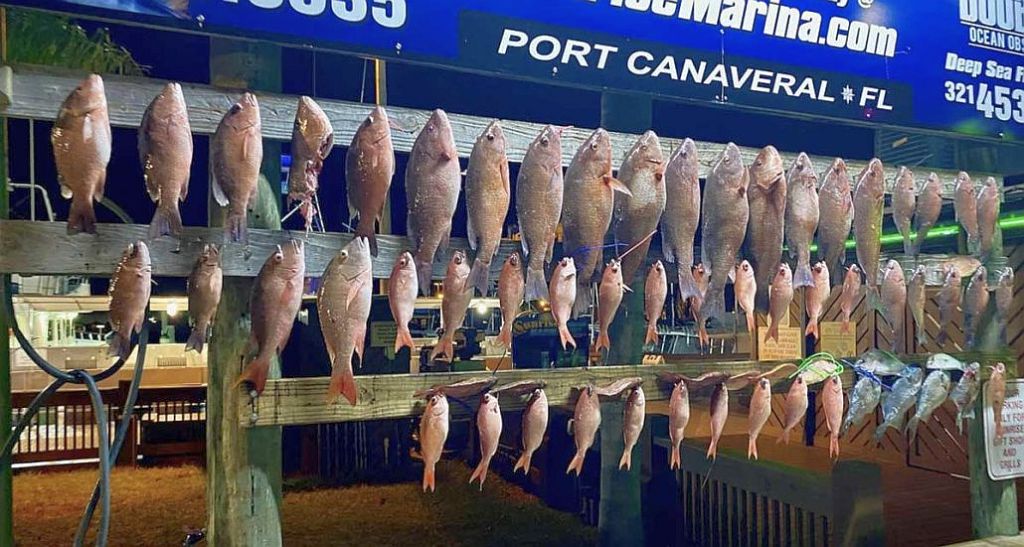 The cold water can shut down the snapper bite in a New York second, but the grouper and Amberjack may still be biting in the deeper 120 to 180 foot depths. Use dead sardines or grunt plugs for the best bite. Anglers fishing the eastern part of the Gulf Stream this month for yellowfin, blackfin, dolphin, etc. should pay attention to the birds, especially frigate birds. Frigates will frequently follow white marlin, blue marlin, and other large species looking for the scraps that the fish have been feeding on. Marlin will often ball fish up towards the surface where the birds can pick off some for a meal. White Marlin out of Port Canaveral typically run from about 50 to 60 pounds up to about 80 to 100 pounds in the spring, and the average Blue Marlin runs between 125 and 250 pounds. Surf Fishing
During the summer months, whiting becomes the main species targeted along East Central Florida beaches. As the summer temperatures heat up, so does the surf bite. Whiting, croakers, lookdowns, juvenile black drum, and sharks become targets of surf fishermen. As the currents begin to flow more out of the south, the bait pods will start to appear and snook, tarpon, bluefish, and mackerel will follow. Many anglers in our region prefer using light tackle 7 1/2 foot "river rods" with knocker rigs or sliding sinker rigs to fish for whiting in the near shore troughs. Sand fleas are the best bait for pompano and whiting, but fishbites and small pieces of live or peeled fresh dead shrimp also work well.  Among the worm rock shorelines at Patrick SFB and the rocky jetty at Port Canaveral, some nice mangrove snappers, snook, and flounder are being caught. Live mullet or fresh cut baits on a fish finder rig have been producing well around the bait pods. Some surf fishermen like targeting shark from the surf using a short piece of wire or a heavy piece of mono on a 8/0 to 12/0 circle hook, with a fresh cut or live whiting or finger mullet for bait, on an 8000 or larger reel. They put up a great fight and there are a lot of them out there right now that you might hook up with whether you want to or not. Most shark caught in the surf are under 5 feet in length, but Bull Sharks, Nurse Sharks, Black Tips, Bonnetheads, and even some Hammerheads over 6 feet are a possibility. Don't forget that if you plan to target sharks from land, you must take and complete the free shark permit course through FWC. Haulover Canal
As the temperatures continue to soar, the bull redfish bite in Haulover Canal and the channels in the ICW gets better by the day. Anglers have been making some nice catches from the banks and from small craft at Haulover using live blue crabs, live pinfish, and croakers for bait on sliding sinker rigs fished on the bottom. As the redfish begin to form into spawning schools, they will travel from the Mosquito Lagoon through Haulover Canal into the northernmost deep water flats of the Indian River to conduct their spawning activity. This means that from this month up until October it can pay you to target the deeper waters of Haulover Canal, the bridges along the ICW channel, and the deep water flats north of Titusville for redfish in the 40 inch plus category.
Contrary to some popular opinion, the best bite at Haulover occurs at the opposite end of the canal that the wind is blowing the current. The giant reds tend to gather up current for some reason. Last week, both banks of the canal were crowded with anglers dunking a variety of baits hoping to hook up with either a big black drum or a bull red.
Sliding sinker rigs with a large 6/0 or 7/0 VMC circle hook and half of a fresh blue crab is considered by far to be the bait of choice for big redfish, but live mullet, Croakers, pinfish, and large chunks of fresh cut ladyfish also work well. Spiny Lobster
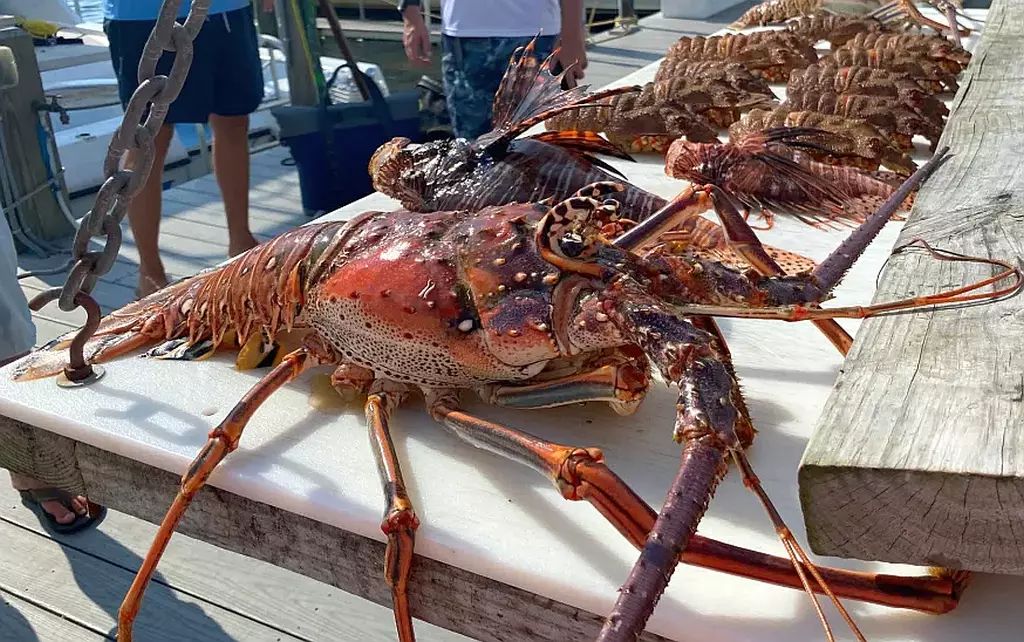
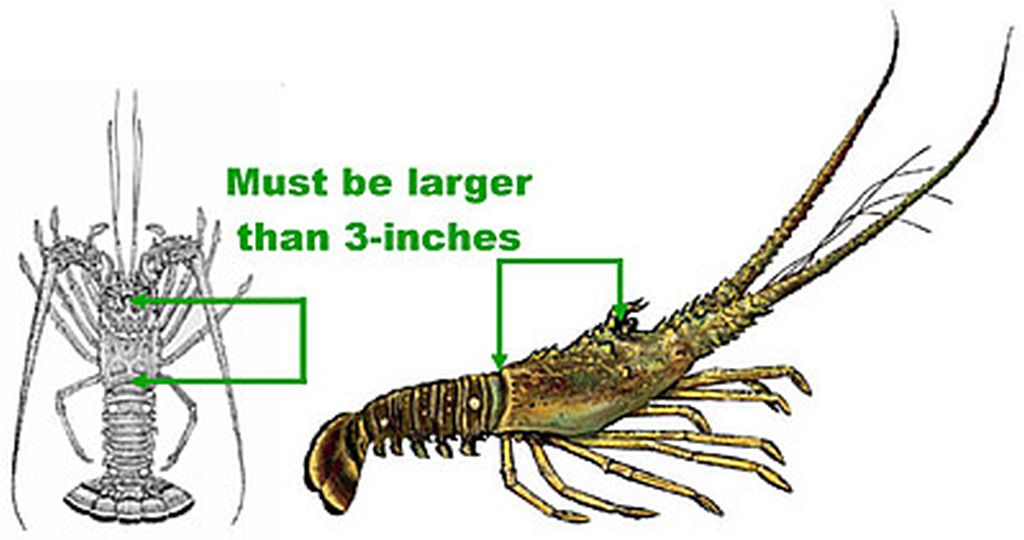
For additional information on harvesting Spiny Lobster Click Here. Till Next Month, Good Fishing & Tight Lines To You All!
|
|||
| Link One | Link Two | Link Three | Link Four | Link Five | Unsubscribe to this newsletter |