🐟 Your May 2022 Mosquito Lagoon & Indian River Fishing Report
Published: Sun, 05/01/22
| Newsletter Issue # 152 | May 1, 2022 |
||||||
Mosquito Lagoon & Indian River Fishing |
|||||||
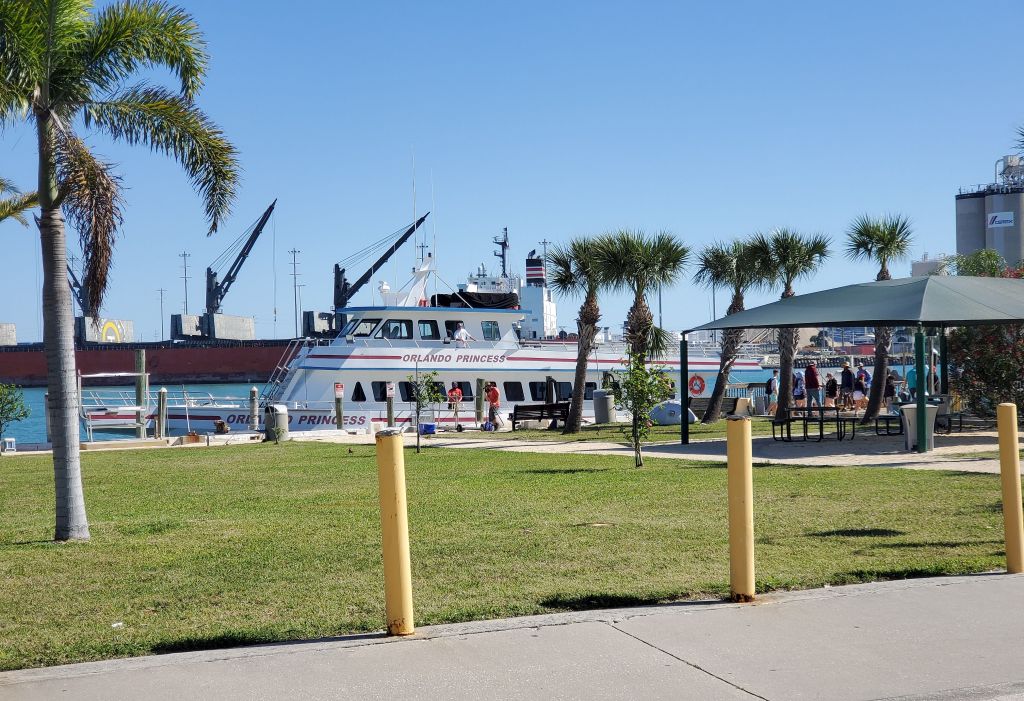 The Mosquito Lagoon and Indian River The snook bite in the Ponce Inlet area right now is red hot. Playalinda and Area Beaches Pompano, whiting, bluefish, Jack Crevalle, and croakers are in the surf in really good numbers right now throughout East Central Florida; and Playalinda Beach is definitely one of the hot spots along our Space Coast.
As the spring run of pompano continues, surf fishermen have been catching keeper pomps in clusters of paired fish, mostly along the outer edges of the surf zone where the color change occurs. The outer sand bars also have less seaweed and red slime that has inundated our coastline in many areas of Brevard. The red slime can definitely be a nuisance when you're trying to tend several rods. Baits of choice for pompano during the past weeks were peeled shrimp, sand fleas (when you can get them), and Fishbites. The best time to rake in some sand fleas seems to be during the mid tide, coming off of a high tide. If you can't purchase or find some, you can still catch a variety of fish using fresh peeled shrimp and Fishbites rigged solo on a 2 or 3 dropper pompano rig with enough weight to hold bottom. Casting just outside the breakers has been producing larger pompano and whiting in most areas. 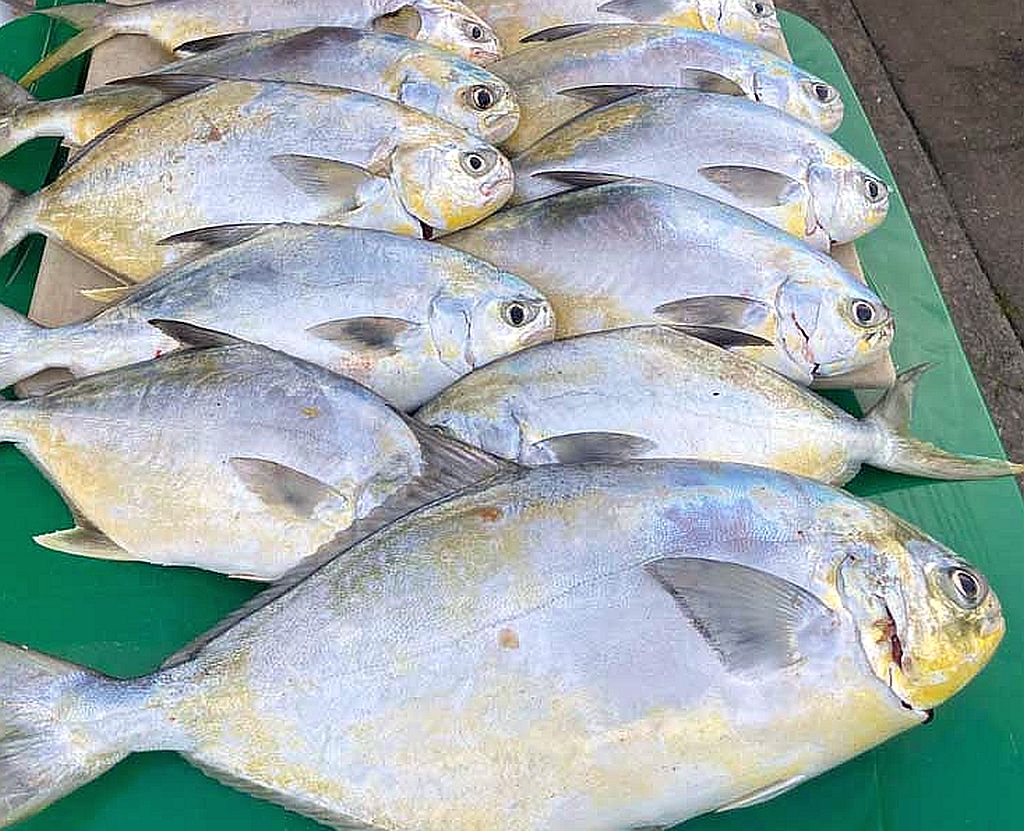 During a few days last week, croakers literally invaded the surf making it next to impossible to hook into a whiting or pompano. It's fun catching 2 and sometime 3 fish at one time but after a while it gets annoying when you're trying to hook into a keeper pompano for dinner. Most pompano and whiting in our area have been running around 1 to 2 pounds with a few heavier fish in the mix. Surf fishermen targeting sharks are still having a bonanza fishery all along our East Central area beaches. For the past couple of weeks, blacktips and lemon sharks made up the majority of catches with some bonnet heads in the mix. Fresh chunked baits tossed into the first and second troughs were where most bites occurred. Any fresh cut piece of bluefish, ladyfish, or mullet cast just into the first two troughs or even beyond the surf break won't last long before a shark picks it up. If you're specifically targeting shark, use appropriate tackle. Heavyweight rods, high capacity reels, braided line in the 60 pound class, and 100 pound or better mono or wire leaders with large circle hooks are considered the norm for the heavyweights. Also, make sure you have the free shore fishing shark permit with you when fishing from the beach. 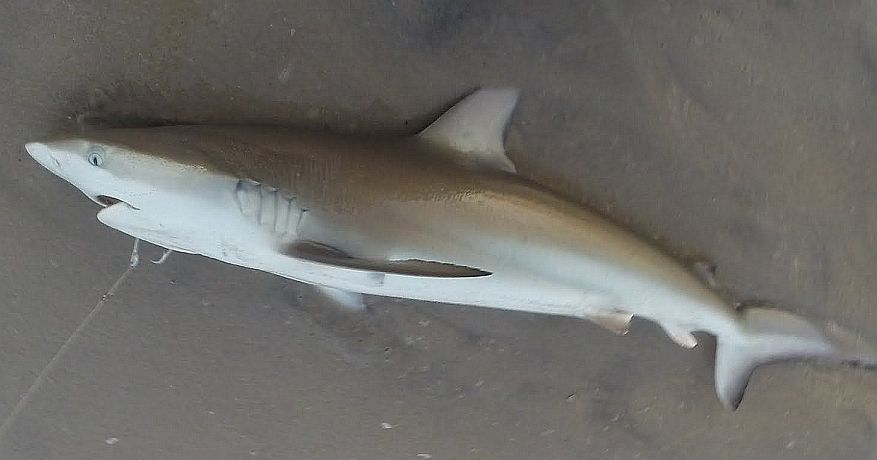 Blacktip and lemon sharks in our area have been running anywhere from 20 to 80 pounds, with a few heavier ones like the one above in the mix. Port Canaveral Offshore and Nearshore May is here and summer is just around the corner. As the waters warm, the beaches and inlets become hot spots for snook, tarpon, bull redfish, Jack Crevalle and other inshore species. Offshore, the east winds normally mean lots of weeds blowing onto the beach and that's exactly what is happening right now. The winds are creating lots of rips, eddies, weed lines, and temperature breaks along the west end of the Gulfstream from Ponce all the way down to Sebastian Inlet. Trolling skirted ballyhoo near the weed lines, rips, and color changes is producing dolphin, king mackerel, and an occasional sailfish. 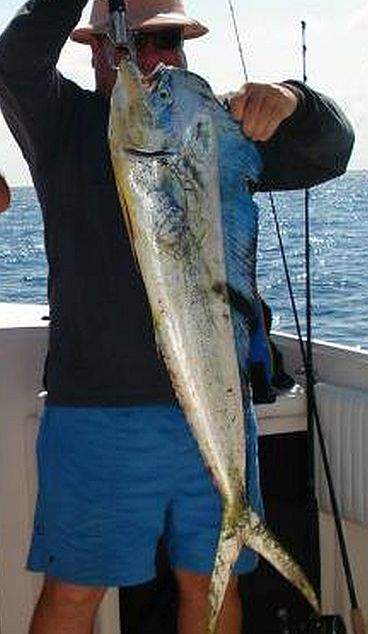 The dolphin that are being caught right now are pushing 20 to 25 pounds with some of them over the 50 pound class, so you don't have to go all the way to the other side of the Gulfstream to catch these bigger fish after this recent
blow. The dolphin that are being caught right now are pushing 20 to 25 pounds with some of them over the 50 pound class, so you don't have to go all the way to the other side of the Gulfstream to catch these bigger fish after this recent
blow.Light colored trolling skirts over your ballyhoo like green and yellow, blue and white, zucchini, and pink and white have been working better than the darker ones on dolphin. The King Mackerel bite our of Port Canaveral is hot one day and deader than Fred the next. The key to catching them in the East Central region right now is to "run and gun". Stop on those 70 to 90 foot reefs and if you're not catching any fish, move farther inshore where a lot of the bigger fish have been moving in the Sebastian and Canaveral area. With this next blow, the bigger kingfish will also be moving into the Ponce area, closer to the beach. Find those patches of weeds closer to the beach where the baitfish are hiding and you will find king mackerel underneath them after them. Right now live baits like greenies, pilchards, blue runners, and pogies (if you can find them) are working best on kingfish. Most of the kingfish farther out on the reefs are running in the 8 to 15 pound category. The bigger fish inside the 40 foot depths are pushing up to 50 pounds in weight. When the winds die down enough for nearshore anglers to get back on the beaches to chase bull reds, snook, and tarpon; fishing with live baits like croakers, mullet, and any type of white bait will increase your chance of catching one of these species. Snook in particular will begin their spawn this month, so make sure you’re careful when handling the big female breeders. Throughout the month of May, the kingfish bite on most of the reefs and wrecks in the 60 to 90 foot depths out of Port Canaveral should be good for anglers slow trolling live or frozen baits on wire stinger rigs. Strip baits behind a planer also work well when the fish are down deep.A good number of anglers catch plenty of King Mackerel by dragging lipped diving plugs around first thing in the morning and later on in the afternoon during low light periods. Pulling a large spoon or King Getter also works if you don't like fooling with live baits. Generally, the kingfish in our area will run anywhere from 8 to 15 pounds, with some fish tipping over 20 pounds. Many of the larger King Mackerel are caught on the shallower 35 to 55 foot depths throughout our region. In additions to kingfish, the inshore reefs also hold some cobia, snapper, and sharks. This month, the 8A and Chris Benson Reefs our of Port Canaveral, Pelican Flats to the east and southeast in 70 to 80 feet of water, and the artificial reefs out of Ponce Inlet should all be hotspots for kingfish. When the weather is favorable, the bottom bite our of Port Canaveral is good for black sea bass, triggerfish, mangrove, mutton, vermillion, and lane snapper over the deeper wrecks and reefs. Two drop chicken rigs with small hooks and pieces of squid or cut baits are all that is needed to bring in a mess of tasty fish. Grouper season opens up today and it looks like the weather is going to cooperate, which is why a lot of the party boats out of the port are pretty well booked up until mid week. Everybody, dust off your bottom rigs and make it happen! Until Next Time, Tight Lines, and Bent Rods! |
|||||||
| Link One | Link Two | Link Three | Link Four | Link Five | Unsubscribe to this newsletter |