Your July 2022 Mosquito Lagoon & Indian River Fishing Report🦈
Published: Fri, 07/01/22
| Newsletter Issue # 154 | July 1, 2022 |
||||||
Mosquito Lagoon & Indian River Fishing |
|||||||
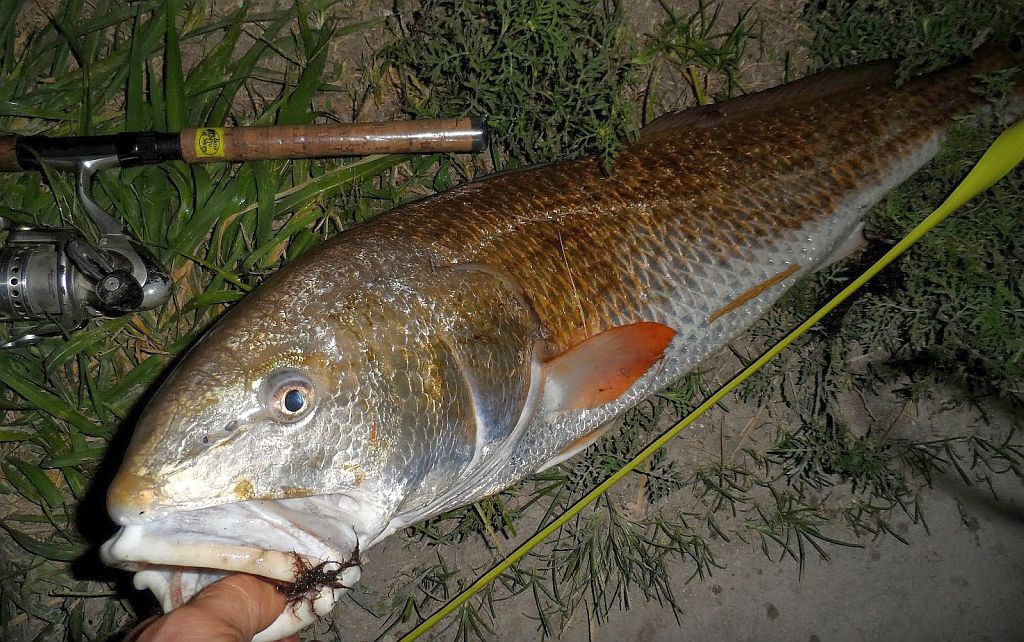
 The Mosquito Lagoon and Indian River Summer is when almost any inshore species can be caught in East Central Florida during an early morning fishing trip. High temperatures are now making early morning, late afternoon, and night fishing optimal times to be on the water to wet a line. It's been a tough couple of weeks along the Space Coast with water temperatures in the 90s every day and very little rain. With all the heat, the best bite has been around the residential docks and the canal systems. The deeper docks with lots of shade are holding snook, redfish, and juvenile tarpon. Small soft plastic paddle tail jigs, gulp shrimp, and small Mirrolure Mirrodine plugs are good choices to fish in these areas. Look for redfish and trout in the shallows early in the morning in and around the bait pods. This past week the redfish and trout in the Mosquito Lagoon have been holding in the shade close underneath the mangroves. A Saltwater Assassin Chicken on a Chain color 4" Sea Shad rigged on a 1/4 oz jig head has been the bait of choice for these fish on clear sunny days, but on windier days, cut baits fished in these same areas works better. If you find mullet, mud minnows, or glass minnows in areas with overhanging mangroves for the next weeks, your chances of landing a nice redfish or snook will greatly improve. For the past week, the snook action throughout the Indian and Banana Rivers has been really good. Plenty of 20 to 28 inch snook are holding under mangrove roots and the docks. Tossing a live shrimp, finger mullet, croaker, or silver perch will get them out from under to strike. 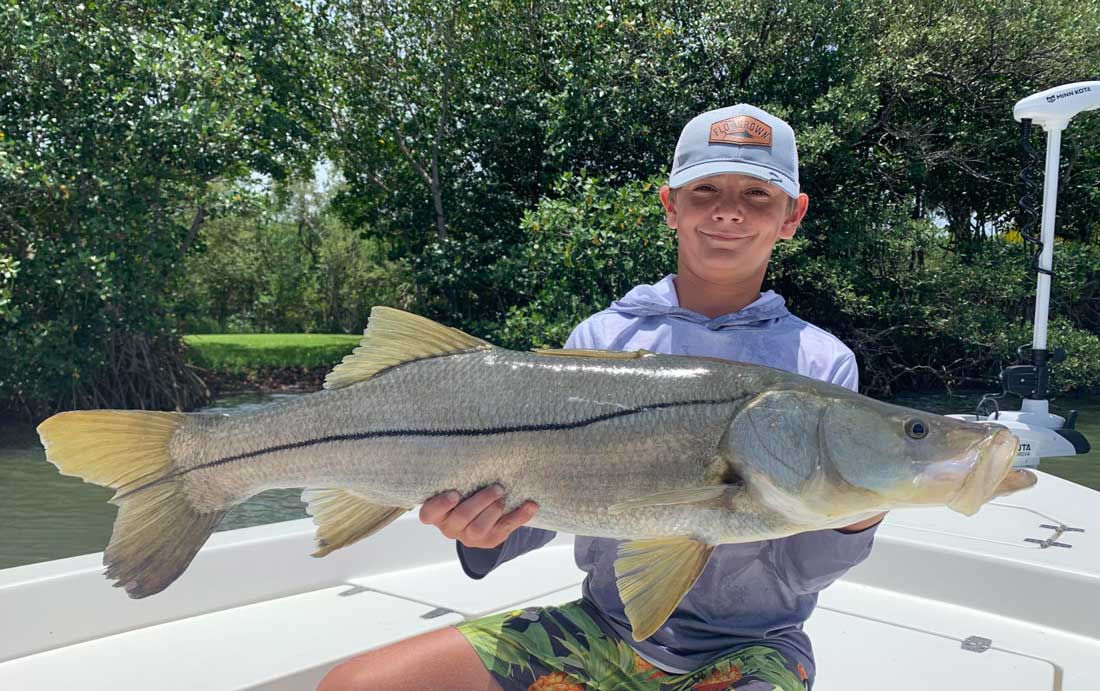 Generally, if you find baitfish in clean water areas along the shoreline, you should find snook. When larger amounts of baitfish begin moving through the Mosquito Lagoon, topwater plugs will work best early in the mornings. Shallow water flats with deep water access nearby, areas around deep cuts, and long points around the islands are good spots to target with topwater MirroLures, Rapala Skitterwalks, Chug Bugs, Zara Spooks, or anything that resembles a finger mullet. Sub walkers, plastic swimbaits, and spoons are more effective later on in the day. For the next few months, the best approach for catching a big gator sea trout in our area is to be out on the water at daybreak and target the finger mullet schools that are all over our lagoon system. When the sun rises higher on the horizon and the bite slows down, start tossing small jig heads with 3" Saltwater Assassin plastic jerk baits or Gulp Shrimp tails tight against the mangrove shorelines, deeper pockets, and shadowy areas where the fish tend to hide. Live finger mullet or Croakers under a clacking float also get smashing strikes. If you're after big bull reds, fish the deep water flats and outside edges of the sand bars like those around Tiger Shoals and the Whale Tail in the southern Mosquito Lagoon, or in Haulover Canal.
The deep water flats across from the shallow water boat launch in the north Indian River and the flats directly across from the power plant near the flea market are also good spots to target. A freelined pigfish will immediately swim down to the bottom to take shelter in the grass. When you pull back and twitch the bait a few times, the pigfish will pop up off the bottom and make an audible "Oinking" sound as it tries to swim back to shelter. The oinking sound that the bait makes drives sea trout absolutely crazy. Many anglers fish a live pigfish under a Cajun Thunder type float with just enough lead to keep the bait swimming above the sea grass. The vibrations and oinking noise that the pigfish makes as it tries to hide in the grass and get back to the bottom attracts sea trout and redfish from surprisingly long distances. The average sea trout in the Mosquito Lagoon right now is around 2 pounds with some larger fish in the mix. The black drum bite in the lagoon system has been hit or miss. A few early morning and late afternoon schools are still tailing in the shallows and on the points around the islands but during the heat of the day, the drum move into deeper water areas around drop offs, the vicinity of bridge pilings, and the deeper waters of Haulover Canal.
oBaits of choice for black drum are shrimp, cut or whole blue crab, and clams; in that order. The drum in our area have been running in the 6 to 10 pound category with a few larger fish in the mix. The shallow grass flats around East Gator Creek hold ladyfish, black drum, redfish, sea trout, and juvenile tarpon up to 50 pounds; however, the roads have been closed to vehicle traffic due to road work that is being done right now. If you feel like walking the road, the best fishing is about an hour before dusk. Peacocks Pocket road is being worked on and with any luck could be re-opened next year. Nearshore and Offshore July is considered the peak season for Tarpon and smoker King Mackerel fishing outside of Port Canaveral. The near coastal bite for King Mackerel and tarpon in the 30 to 60 foot depths out of Port Canaveral has been pretty good on any type structure in those depths. Sandy rolldowns, rocky bottoms, and near shore wrecks that are holding bait will be holding king mackerel. The best bite for kingfish has been really early in the day, and again later on in the afternoon. Slow trolling during the middle of the day has not been very productive. Most of our king mackerel are running in the 10 to 25 pound range right now, but there are some much larger fish being caught especially with the recent full moon. Large numbers of tarpon are now running up and down the coast with good numbers homing in around the Ponce Inlet area. The fish have been following the shrimp boats and are feeding on the by catch that the boats are dumping. 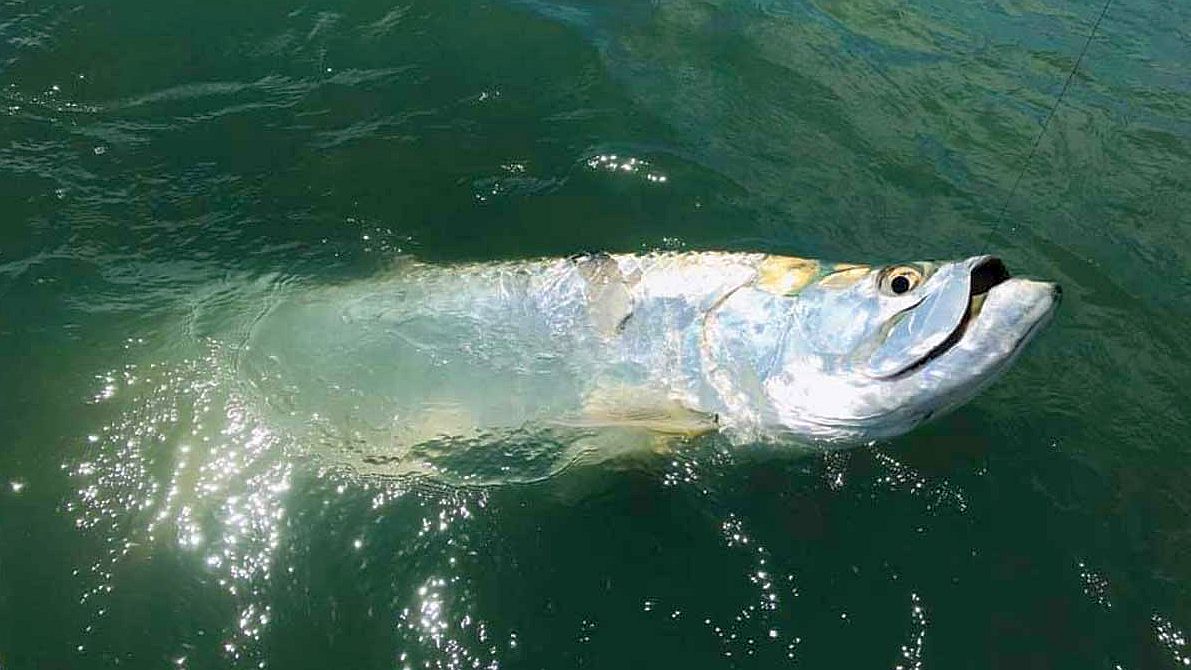 Right now, the beaches north and south of Ponce Inlet are extremely productive for silver kings that are following the bait pods along the shoreline. If you're starting out of Port Canaveral, you will need to motor all the way up to the False Cape before you get into good numbers of tarpon. This week the tarpon are in the 15 to 40 foot depths where anglers are getting multiple hookups with fish well in excess of 100 pounds. Drifting live baits through the pods of tarpon has been the best tactic for catching them and should remain so throughout the hot summer months. For the most part, the bunker that is being netted for bait have been around, but don't count on it. They have been more consistent north of the tip as well as inside the port early in the mornings. Fishing conditions in general have been hit and miss out of the Port. The inshore reefs have been muddy one day and clear the next, but if you get a nice day you will find kingfish, tarpon, some mahi, and possibly a late season cobia. The sharks that have been thick near shore virtually disappeared a couple of weeks ago, but this past week they seem to be coming back in good numbers to eat your catch. In our area, slow trolling live baits on stinger rigs close to the beach during early summer mornings before the sun gets too hot and the late afternoon thunderstorms come rolling through the area, is the route most small craft anglers pursue. 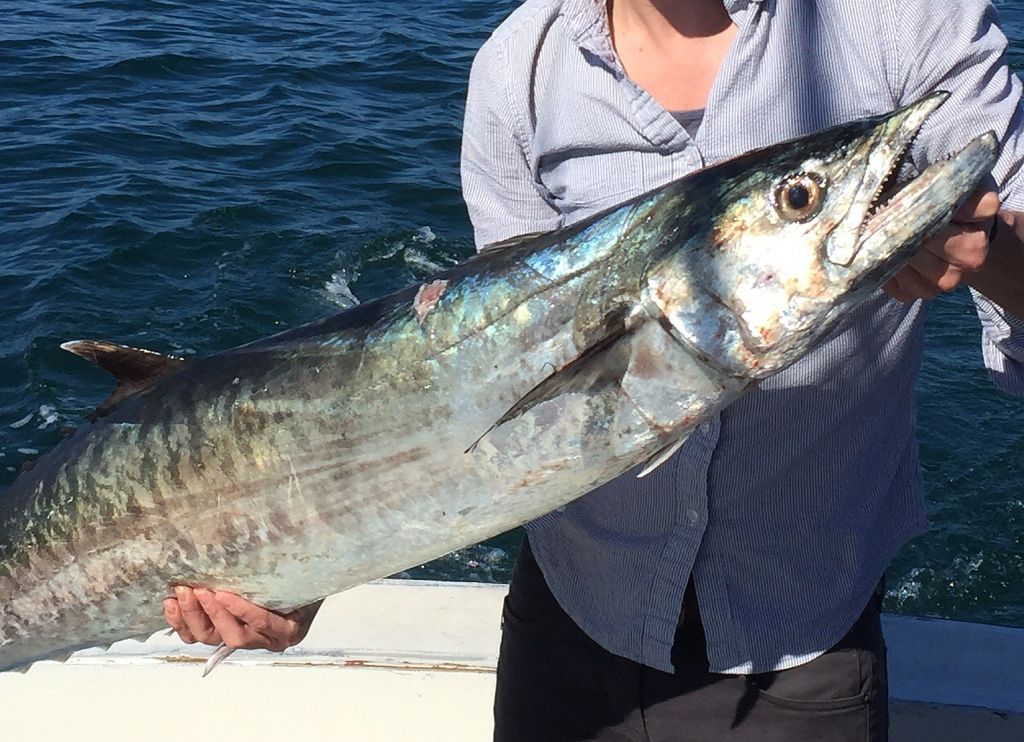 The nearshore Pelican Flats and 8A reefs are good for an early morning kingfish bite for anglers pulling stinger rigs. Blackfin tuna, mahi mahi, wahoo, and some cobia are generally found on the 70 to 90 foot reefs. Bottom fishing in deeper water has been good for AJs and grouper. Large live baits are the trick to catching big grouper. In 140 to 180 feet of water all the way out to around the 500 foot depths, anglers pulling ballyhoo rigs with small skirts will be picking up plenty of fish this month. Small, pink skirts usually seem to produce best. Every year a lot of huge Wahoo over 100 pounds are caught from the Oculina Bank; a deep water coral reef that parallels 130 miles of our coast from just South of St. Augustine all the way down to Fort Pierce.Local area fishermen refer to this sharply defined section of coral structure out of Port Canaveral as the "cones" or "steeples". The corals rise up to 65 feet from the bottom and are rich in baitfish making it a feeding grounds for king mackerel, dolphin, wahoo, marlin, tunas, and other pelagics. The offshore mangrove snapper bite has been very good throughout our region in the 70 to130 foot depths.
Around the Ft. Pierce area, lots of mangrove snapper are now being caught in the 60 to 90 foot depths. You can pull Mangrove Snapper off the bottom by chumming and chunking until they gather behind your boat. Hook them with small live baits, chunks of live or frozen sardine, Pogie or grunt plugs on a 1 to 2/0 circle hook buried inside the bait and drifted in the chum slick. Downsized leaders of 25 to 30 pound test will pick up more fish. A lot of Mutton snapper are also being caught in slightly shallower water using dead sardines and grunt plugs on long leaders. Most of the mangrove snapper caught are running about 3 to 4 pounds, and plenty in the 5 and 6 pound range. On a recent Sea Leveler charter, 5 mangroves over 10 pounds were caught. 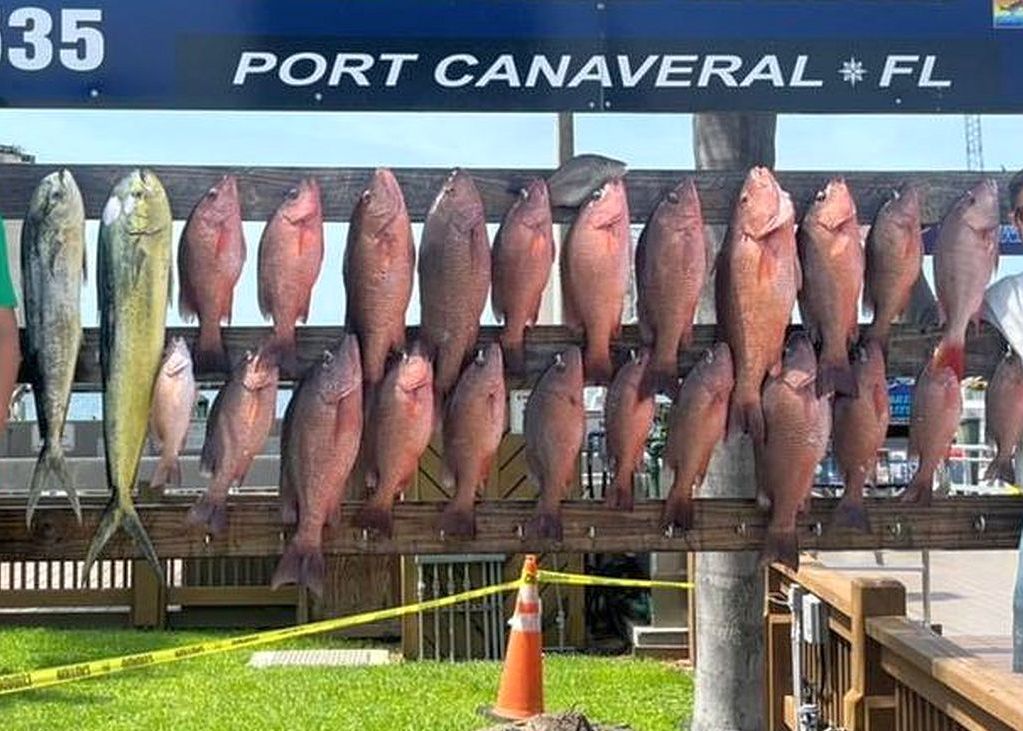 Deep dropping out of Port Canaveral in the 600 to 800 foot depths and deeper is good all year round. A variety of deep water species including Golden Tilefish, Snowy Grouper, Blueline Tilefish, Yellowedge Grouper, and Swordfish are caught on electric reels with heavy deep drop rigs using squid, bonito bellies, blue runners, etc. for bait. 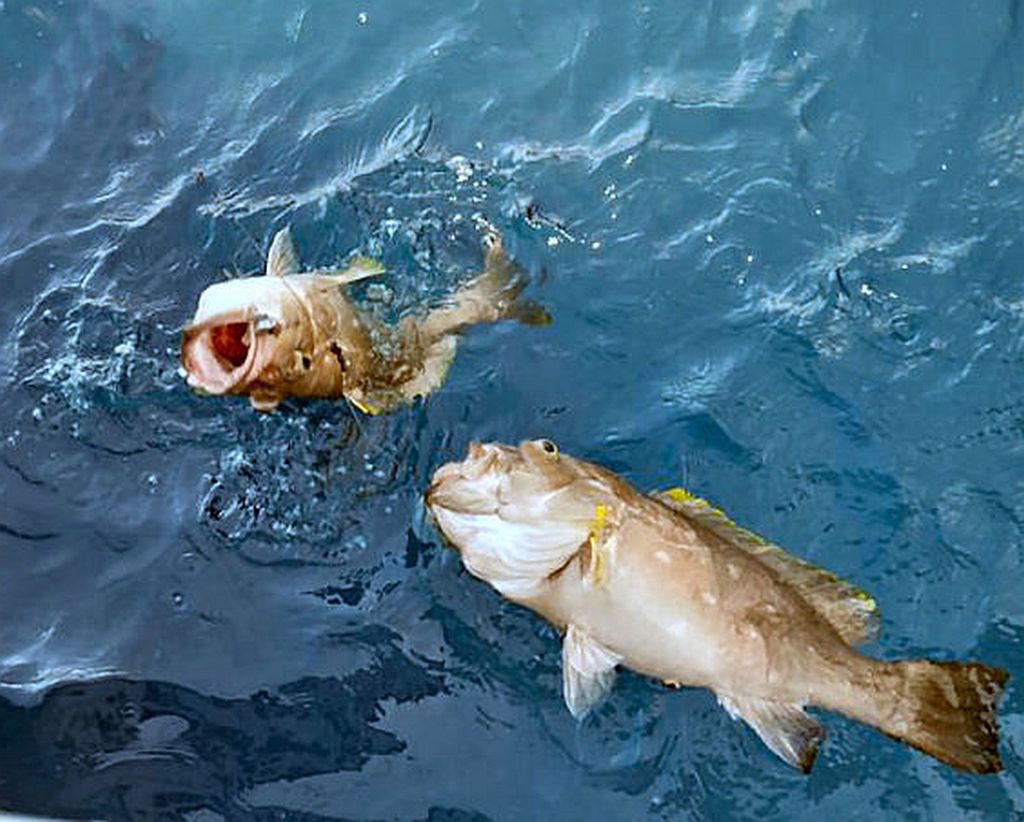 A lot of anglers chase swordfish at night working the 800 to 3,000 foot contours. Most guys start in the 1,500 to 1,800 ft depths and drift for 30 minutes to an hour and if they don't get a bite, move into shallower, or deeper water. When they get a bite or hookup with a fish, the captains will often power drift to keep fishing the same depth. Daytime sword fishing in our area is also catching on in our area and on any given day out of Port Canaveral, Ponce, or Sebastian Inlet, you can find boats deep dropping in the 1500 to 1800 foot depths. On average you can expect 1 to 3 bites in a day, so patience is required. The majority of keeper swordfish caught in our area weigh between 50 and 100 pounds, however many are caught that exceed that weight. Surf Fishing As the summer surf fishing pattern continues, anglers can expect to catch whiting, pompano, black drum, sharks, and an occasional nearshore tarpon throughout the upcoming months. The whiting bite in particular should be off the charts as they start getting thicker along our beaches this month. 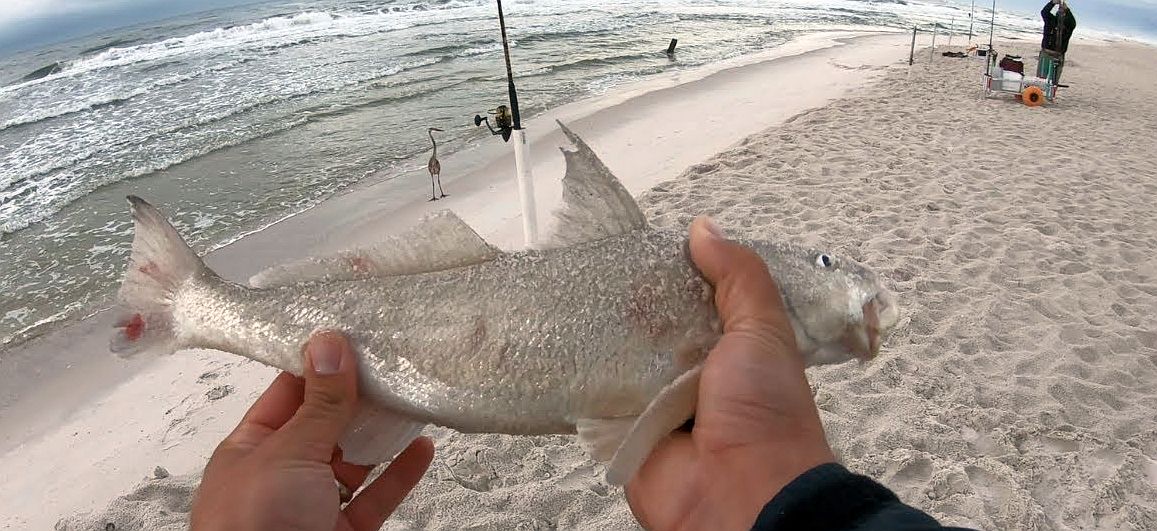 With the weather heating up and water temperatures on the rise, surf anglers will do best during the early morning hours to mid afternoon, and again in later in the afternoon till evening, and after dark where permitted. Lately, the pompano bite has been pretty hot early in the mornings with several limits reported by anglers who are willing to work at it. Surf fishermen who are able to read the surf and scan the beach to find that "perfect" hot spot and who are willing to move to a new location when they don't get bit will be rewarded with hookups. Right now, super long casts past the first set of breakers are needed to get to the keeper pompano. Closer in at the surf line, the bite has been good for smaller whiting, blue runners, and spots along with some small sharks mixed in that have been chasing the bait fish pods. The summer pompano bite in East Central Florida is normally not as good as the winter bite. Mostly residential pompano are caught in the surf during the summer months. The majority of pompano that migrate along our beaches travel north during the summer months to follow their ideal water temperature range, but a lot of fish remain along our coast year round and can be caught this month by surf anglers using conventional pompano rigs tipped with sand fleas, clams, small pieces of shrimp, and Fishbites. Live sand fleas are the preferred bait of choice in our area and are plentiful around low tide at all our area beaches. 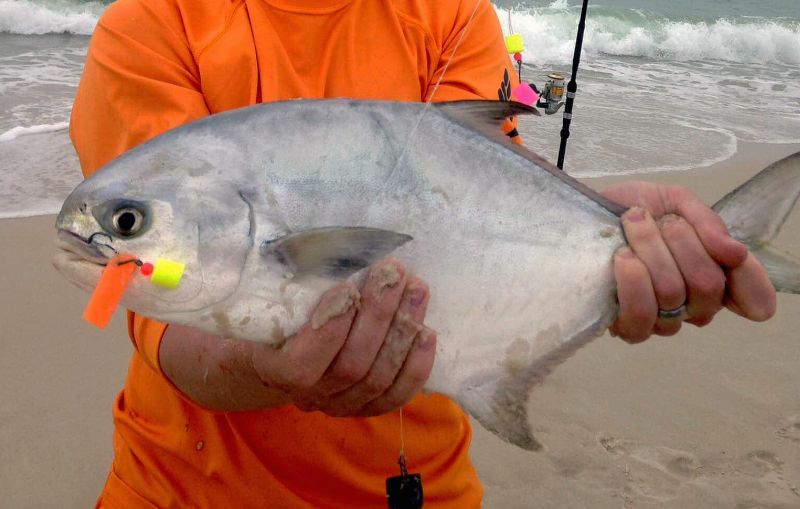 Right now the baits of choice reported by most surf anglers has been fresh shrimp, live sand fleas, small crabs, and fish bites or fish gum. Any of these offerings rigged on a standard pompano rig with small pearlized beads and floats to keep the baits just off bottom will catch fish. Water clarity and weeds along our beaches will often determine the success or failure of an outing for species that feed primarily by sight, so look for areas with shades of blue or green water. The seaweed along our beaches will eventually diminish as the winds calm down this month. Right now from Melbourne Beach south, the surf is virtually unfishable due to the slime seaweed. Sharks are always in the surf, especially when there are pods of baitfish along our beaches. Summertime surf anglers can always expect to catch a variety of sharks from area beaches. Black tips, sharp noses, bull, nurse, and even an occasional hammerhead can be hooked along the surf zone. Live mullet, Croaker, ladyfish, or a large chunk of bonito, etc. on a large 7/0 to 8/0 VMC circle hook crimped on a wire leader with 60 pound or heavier Power Pro as the main line is a good setup for catching larger fish. Although most sharks caught in the surf have been running in the 10 to 40 pound category, some species run well over 100 pounds. If you're specifically targeting shark from the beach, make sure you have a free shore fishing shark permit and have completed the educational course offered by the Florida Fish and Wildlife Conservation Commission. The free add on to your sport fishing license must be on your person while fishing from the surf. Haulover Canal Since the Bairs Cove boat launch was improved a couple of years ago, a fence was built along the southern bank of the canal to prohibits parking along the road. Except for the parking area at the bridge, anglers must now walk to their fishing spots along the southwest bank of the
canal.
Although it's somewhat inconvenient, the net effect is fewer bank fishermen and fewer line tangles. Despite the fence, the southern banks at Haulover Canal were lined with fishermen this past weekend who were catching Mangrove Snapper, black drum, and the usual by catch of catfish and stingrays. The baits of choice were live and fresh dead shrimp. The northwest bank of Haulover was not as crowded because of a palm planting restoration project. Several of the best bank fishing areas were cordoned off to allow the newly planted palms to grow unimpeded. 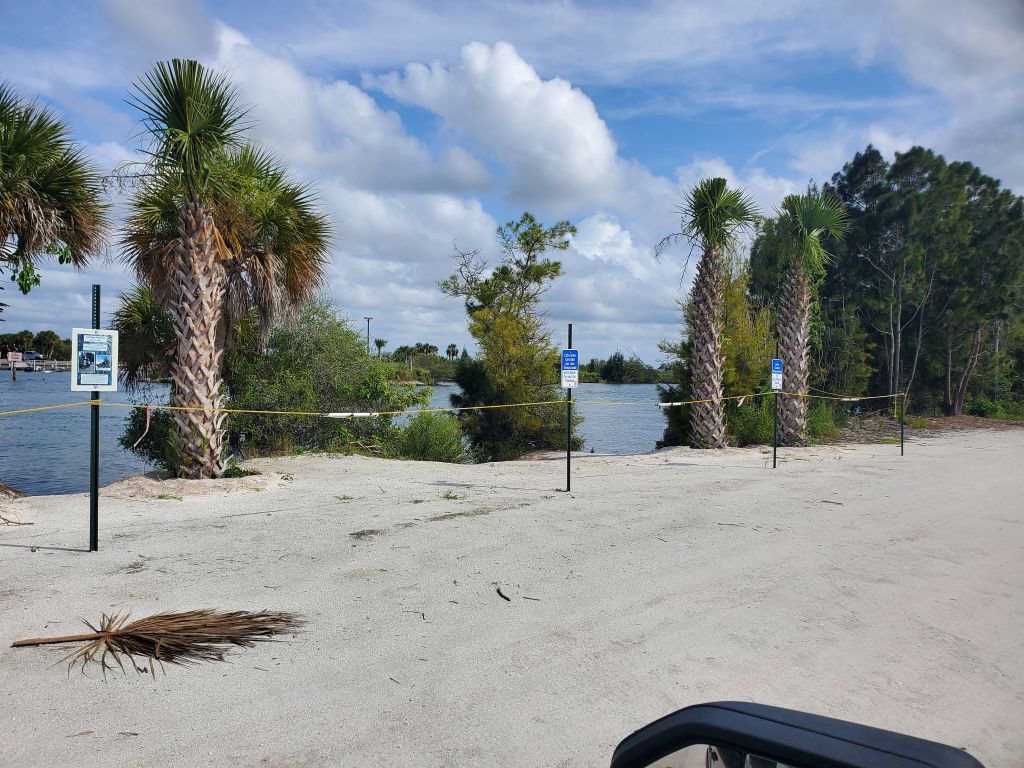 The Australian Pines that I call whispering pines are an invasive species that are being removed in favor of the domestic palms. 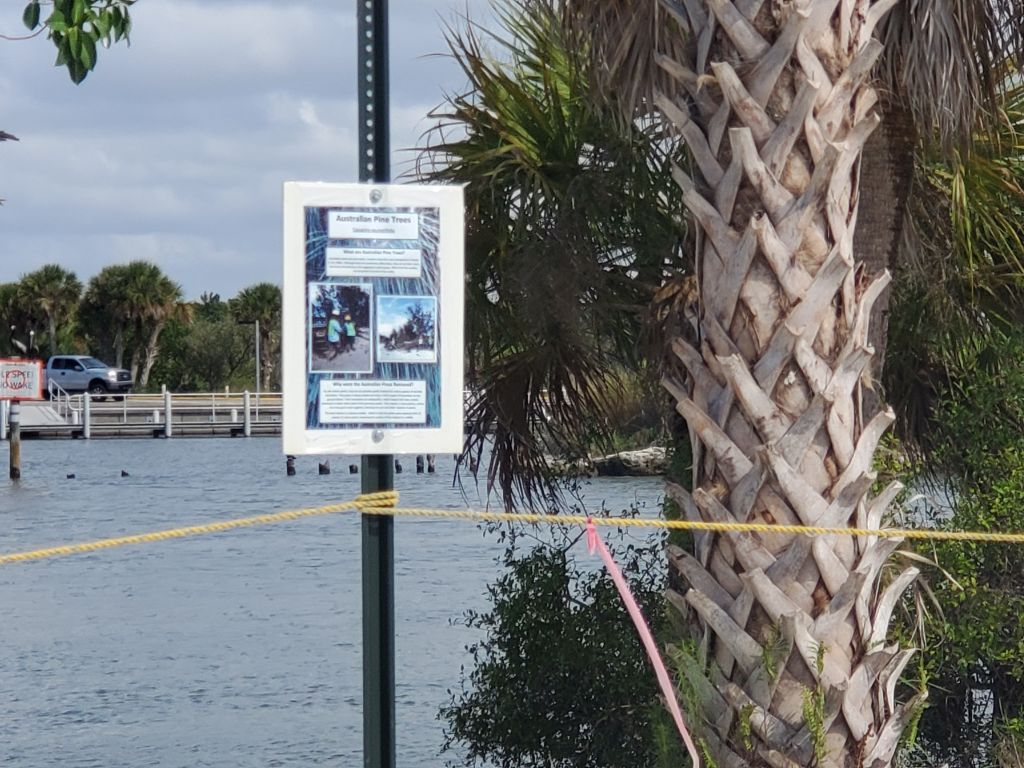 The anglers that were fishing from the bank were catching a lot of catfish and an occasional black drum. One couple was catching a few mangrove snapper and another couple I spoke with said that they saw a lot of tarpon rolling in the canal.
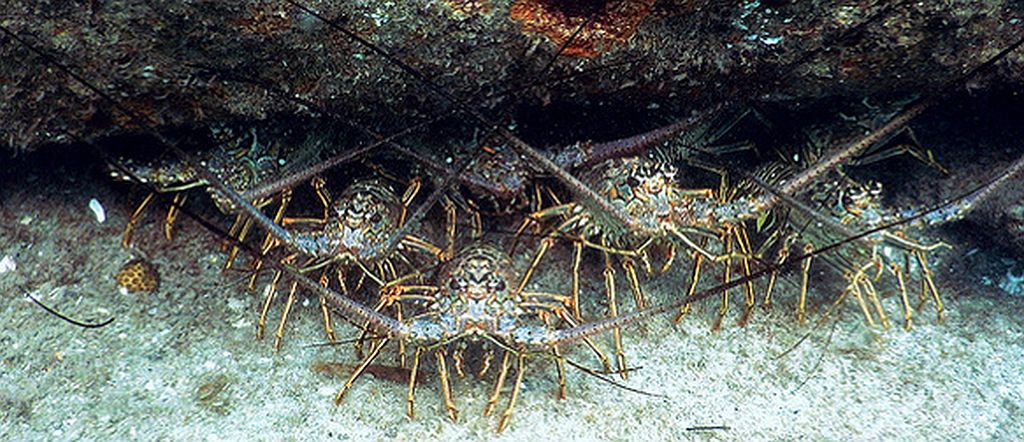
Although I did not get any reports of any anglers landing oversize reds, there were a lot of small craft anglers dunking live and cut baits while I was scouting the area. Almost every angler I spoke with was using shrimp or cut baits and only a couple of guys were fishing with cut blue crab. I was surprised that nobody was fishing with a live finger mullet or pinfish. There were a lot of brown pelicans in the canal diving on baits that were being pulled through by the current and I'm sure that's what the tarpon were feeding on. The current in Haulover Canal is not caused by tidal movement but by the wind which pushes the water through the canal, sometimes at a good clip. I spoke with a couple of anglers that were fishing on the bank opposite the Manatee Lookout who were putting a hurt on the black drum. Both guys were using half of a live blue crab for bait with just enough lead to hold bottom. They told me that the bite for black drum and redfish had been off and on for the past week. They both preferred using a blue crab for bait because they didn't have to put up with the catfish. The baits you choose definitely make a big difference at Haulover. 2022 Lobster Season The July 27-28 Spiny Lobster sport season this year is just around the corner and some of the best spiny lobstering outside of the Florida Keys is available to our residents right outside of Port Canaveral. 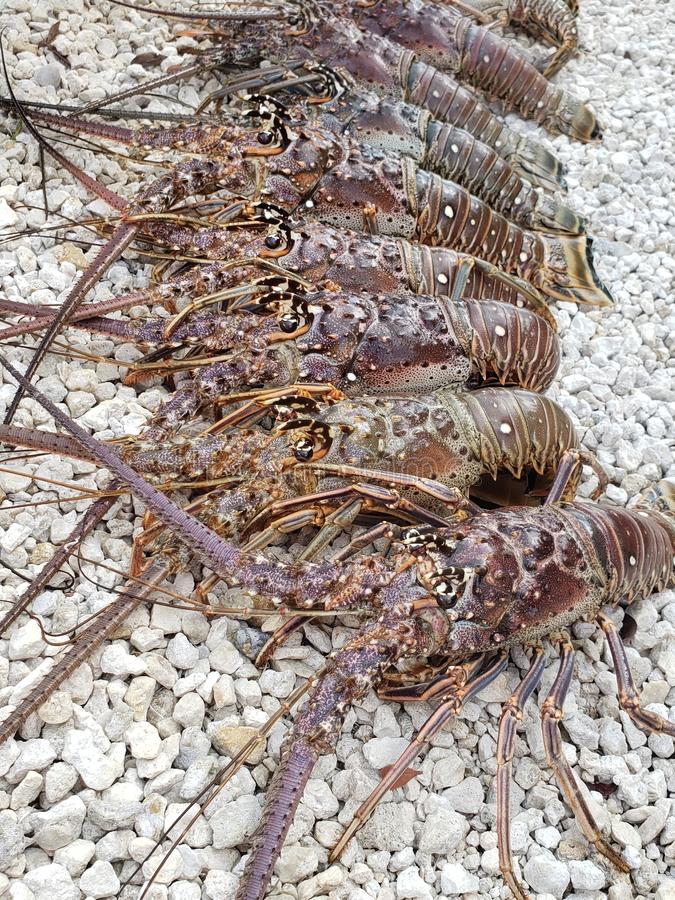 Although a lot of East Central Florida residents flock down to the keys; the waters out of Ponce, Canaveral, and Sebastian Inlets
produce some of the best lobstering in the entire state of Florida, with "bugs" in the 6 to 10 pound category taken regularly . Although a lot of East Central Florida residents flock down to the keys; the waters out of Ponce, Canaveral, and Sebastian Inlets
produce some of the best lobstering in the entire state of Florida, with "bugs" in the 6 to 10 pound category taken regularly .During the July 27th to 28th sport season, and the regular season that begins August 6th and ends March 31st, divers out of all three inlets will be scouring the 50 to 55 foot reefs in search of the tasty "bugs". More experienced professional divers that regularly descend to depths of 90 feet or more usually fill their quotas with much larger bugs. In our area, the largest lobsters are found in the 50 to 90 foot depths. Small craft unable to access these depths can still hunt them on the shallower water artificial reefs like those out of Ponce Inlet. Wabasso Beach is a popular area for beach divers who routinely snorkel out into 15 or 20 feet of water where some big spiny lobsters are often found. The Wabasso and Disney Beach areas annually produce "bugs" up to 15 pounds. For additional information on the 2022 Florida Spiny Lobster Season, click on the icon below. 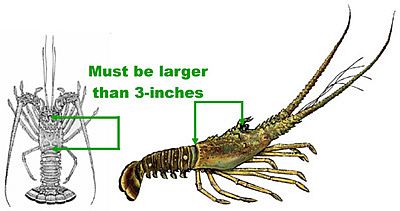 ____________________________________________________________________________________________________ Until next time, Tight Lines and bent rods! |
|||||||
| Link One | Link Two | Link Three | Link Four | Link Five | Unsubscribe to this newsletter |