Your February 2022 🐟 Mosquito Lagoon & Indian River Fishing Forecast
Published: Tue, 02/01/22
Mosquito Lagoon & Indian River Fishing |
|||
|
Newsletter Issue #151 Fishing Forecast February 1, 2022 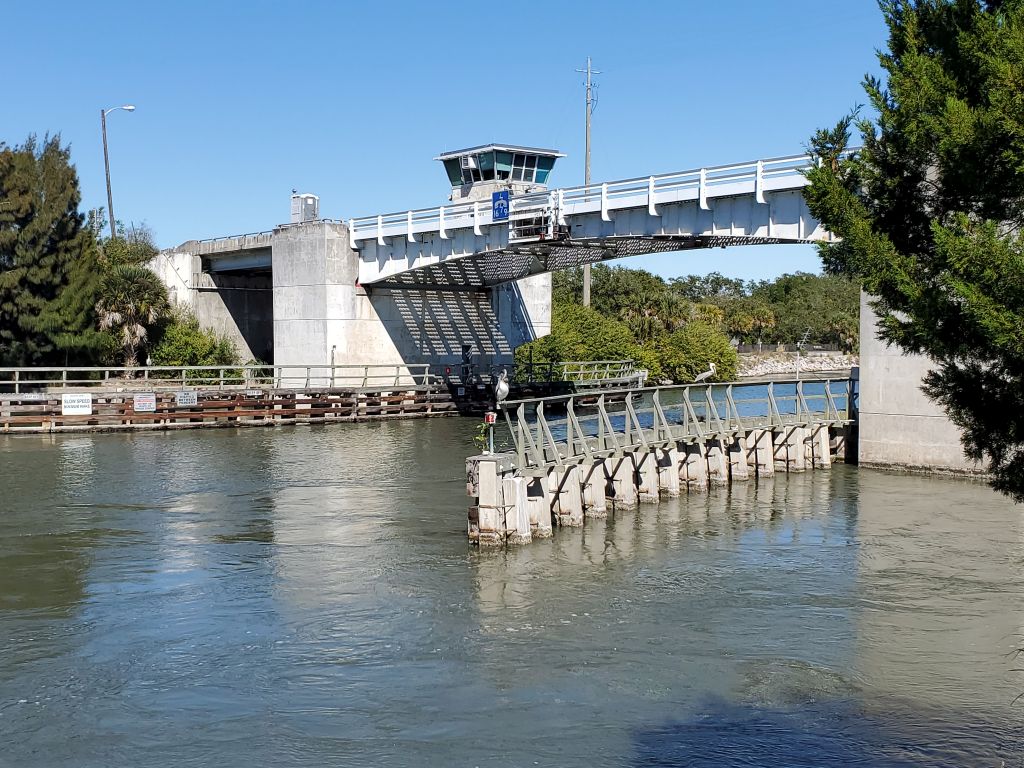 The Mosquito Lagoon and Indian River For the most part, the majority of baitfish in our area have already migrated out of the lagoon system for the winter, and this weekend's freeze in Central Florida has ensured that the redfish, sea trout, black drum, and snook have transitioned into their winter feeding patterns. One of the best times to go fishing this time of the year is just before the cold fronts start to roll in. The reds, black drum, and sea trout sense the change and will often attempt to gorge themselves before the water temps go south. During the winter months, slow retrieves with baits that resemble small shrimp or crabs are the most effective for redfish, black drum, and some surprisingly large sea trout. The best areas to target during cold weather conditions will be the deeper creeks, the troughs and drop offs along the shallow flats, the channels along the ICW, deep water bridge pilings, and residential canals in the southern lagoon system around Cocoa. The fish, especially sea trout and snook, sometimes stack up in these areas like cordwood seeking protection from the cold. Slow presentations of live shrimp or soft Creme Spoiler Shad type lures are the most productive baits during these conditions. Some Pro-Cure smeared on your lure will keep slow moving fish interested in your bait. 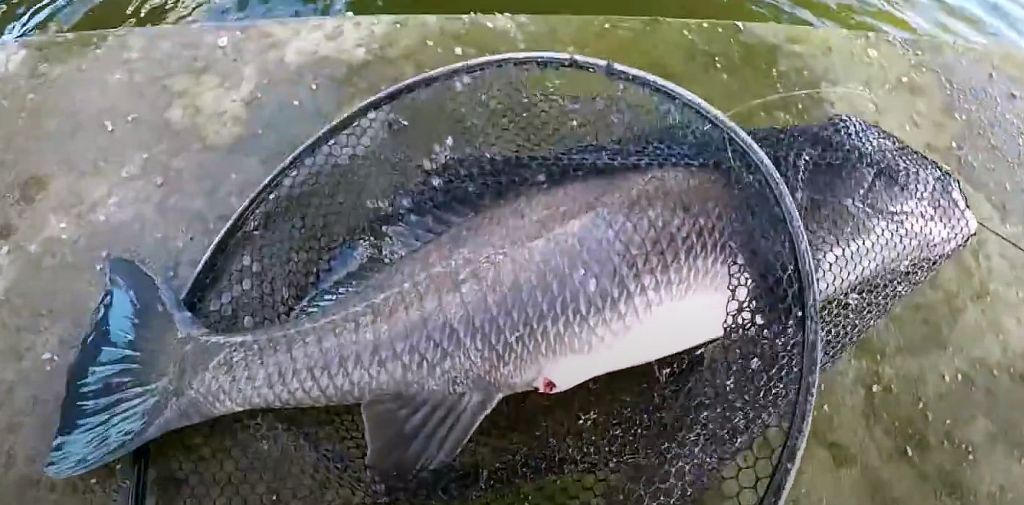 For the past few years, the black drum populations in our lagoon system have dramatically increased. On sunny days during colder weather, anglers have been targeting black drum around the sunny sandbars and structure in the deeper channels. The deep water along the turn around at Patillo Creek is a good area to soak a shrimp or crab during the winter months. Small and medium to large schools of black drum mixed with redfish are now foraging the shallow water flats during the afternoon hours for shrimp, crabs, and other crustaceans. These fish make easy targets for fly fishermen casting shrimp and crab patterns. Larger schools of black drum, also with some redfish mixed in, have been holding around the spoil islands, along the drop offs, and the edges of the channels. Fresh sections of blue crab and live or dead shrimp are baits of choice. In the southern portion of the Mosquito Lagoon around Bio Lab Road, a few small pods of black drum and some singles have been schooling on the shallow flats and around the shorelines during the late mornings and late afternoon hours. During warmer days, you can usually find shore fishermen along Bio Lab Road tending to their rods fishing for black drum and reds with live or dead shrimp, sections of fresh blue crab, sand fleas, or fiddler crabs. Soft plastic baits tipped with a strip of Fishbites are also productive. The black drum bite on the Indian River has been pretty consistent for the past couple of weeks. Most of the bank and pier fishermen have been using live shrimp or fresh dead shrimp for bait; but a few of them favor fresh sections of blue crab and fresh cut clam strips. I talked to a couple of guys who had mixed results using Saltwater Assassin 4″ paddle tails with a small piece of fishbites as a trailer for drum, reds, and sea trout. A few schools of big redfish have formed up last month in the deep flats on the upper section of the Indian River across from the Scotsmoor boat launch. The majority of the fish are over slot but you can occasionally land a keeper. Farther north in the Indian River near the entrance to the shallow creeks, some small pods and a few singles can usually be found over the shallow muddy bottoms during the warmer late afternoons. Anglers have been catching them in this area on live shrimp and fresh chunked baits. Snook season reopens Feb 1st in our region with a 28" to 32" total length slot limit. When the water temperature in the lagoon dropped down into the lower 60s and upper 50s; the black drum bite improved but the snook bite has slowed down to a crawl. Although many anglers fish for snook along our inlets and from the beach, there is a substantial backcountry fishery in the Mosquito Lagoon on the shallow water grass beds and along the mangrove shorelines. The snook stage underneath the mangroves tight to the shoreline waiting to ambush shrimp and small baitfish. Tight, accurate casts to the mangrove roots with a variety of live baits, lures, and flies will get hookups if the fish are in the area. Snook in the Indian River can also be found holding close to the potholes in the grass flats, tight to the mangrove shorelines, and along the banks of the shallow creeks in the northern portion of the river around north Shiloh Road. You can often spot them laying up around the potholes in only a foot of water. Very slow presentations with little to no weight is necessary under these conditions. As winter fishing conditions continue in our lagoon system, the waters will continue to become cleaner and more clear, making sight fishing easier by the day. Playalinda and Area Beaches As we all know, some days produce more fish than others, but in general, January and February are great months to soak baits in the surf when conditions were favorable. The surf has been producing plenty of action along Space Coast beaches this past month, particularly for pompano. The colder water temperatures has reignited the pompano run along East Central Florida beaches. Whiting, bluefish, Jack crevalle, and black drum are also being caught in good numbers by surf anglers from Playalinda Beach all the way down to south Melbourne Beach. Surf fishing in the Cocoa Beach area usually produces small to midsize black drum, whiting, croakers, and bluefish with only a few keeper pompano in the mix; but for the past couple of weeks, surf fishermen in the Cocoa Beach and Melbourne Beach areas have also been catching multiple keeper size pompano. 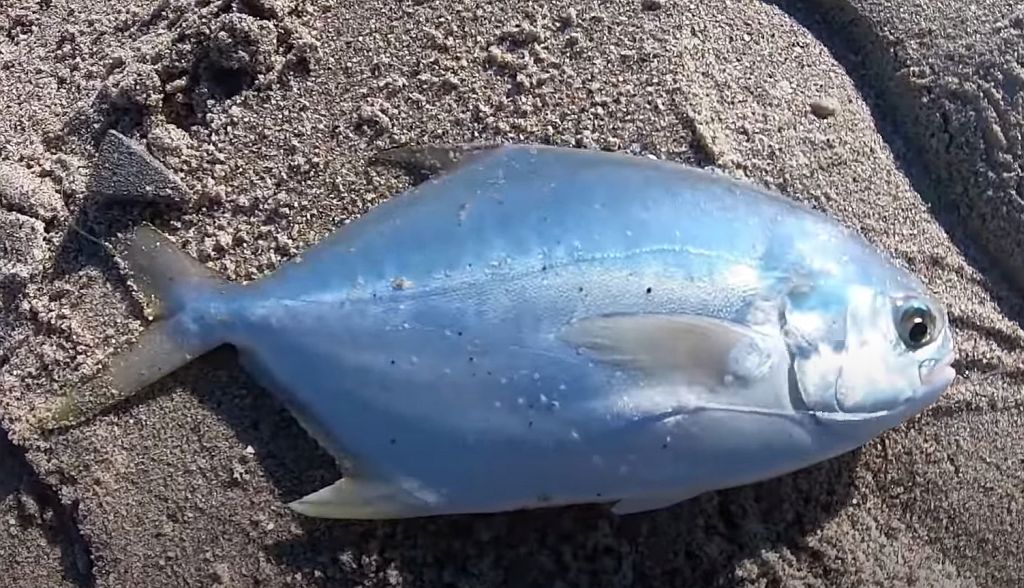 The two cold fronts we just had lowered the water temperature along Space Coast beaches which should kick off the run of "bull" whiting and bring in greater numbers of larger fish. Pompano generally feed in the deep outer troughs just inshore of the sandbars. Playalinda Beach east of Titusville, Apollo Beach south of New Smyrna Beach, and several other beach accesses between Melbourne Beach and Wabasso Beach have these conditions and are prime areas to fish for pompano. The beaches north around New Smyrna, and the beaches at Daytona and Cocoa also hold pompano in isolated areas around deeper holes.
Although an early morning incoming or full high tide is considered to be the best time to fish the surf zone, any moving tide can be productive, especially just before and after a cold front. The key to getting pompano into the cooler last month was to locate clear water with heavy runouts. The surf fishermen who were catching the most Pompano were using a combination of sand fleas with Fishbites for bait. White clam flavored and green crab flavored Fishbites produced the most bites when combined with fresh or blanched sand fleas or freshly peeled shrimp. Live Sand fleas are considered by the majority of surf fishermen to be the best all around bait for pompano, but small pieces of shrimp, clam, and Fishbites will also catch fish. Fishbites are tough, stay on the hook for extended periods, and will catch almost as many fish as live baits. 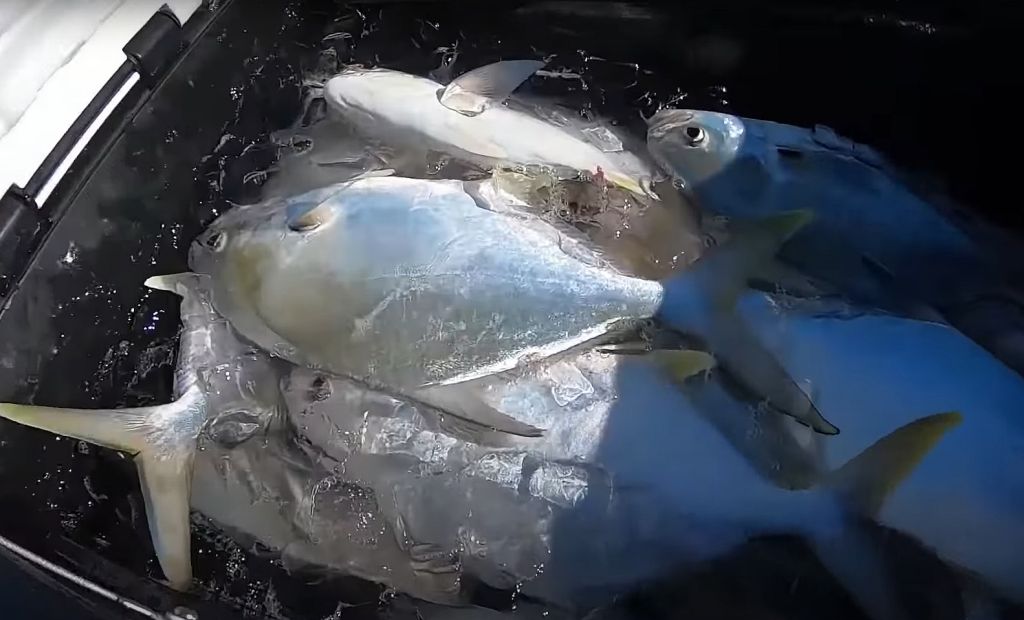 A rough, heavy surf is always tough to fish, especially during cold winter days. The pompano are out there if you can get past the breakers and hold bottom, but many anglers choose to stay at home. Often, these challenging conditions are when some nicest size pompano and whiting are caught. Long rods capable of tossing a 4 oz to 5 oz Sputnik type sinker to hold bottom during a rough surf will get you past the breakers to the farthermost troughs, especially when spooled with a thin diameter braided line. Change out kahle style hooks on your droppers with small circle hooks for better hookups in the rough surf. Live sand fleas can be tough to locate on the beach during February, but local bait shops in the Titusville and Melbourne areas usually keep live and frozen fleas in stock. Use blanched sand fleas when live fleas are hard to find. Fortunately, the Pompano, whiting, and black drum find clams, small pieces of shrimp, and brightly colored Fishbites just as tasty as sand fleas. Many local surf fishermen use salted clam strips and shrimp when sand fleas are tough to get. Salted baits are tough and stay on the hook longer than a fresh live bait. The colder waters that resulted from the freeze we had last week should also bring better numbers of larger bluefish into our area. A lot of blues are now being caught on two or three hook dropper pompano rigs with sand fleas and Fishbite combinations, shrimp, and small pieces of fresh chunked bait. Several surf fishermen in the Melbourne Beach area have reported that the best bite has been on orange colored floats. Fresh cut mullet, croaker, or whiting are also good baits of choice for these toothy guys. Shark fishermen this month will still find plenty of blacktip sharks along our beaches willing to bend a rod. Blacktips are the most common species caught this time of the year and they have been eagerly eating live and fresh chunked baits almost everywhere along East Central Florida beaches. Stout tackle with heavy mono or steel leaders is recommended when targeting these acrobatic predators. Also remember to keep the free shark fishing permit on your person when targeting sharks from land. During February when the air temperatures drop and the weather is marginal, you may often find yourself alone with a long stretch of beach all to yourself!
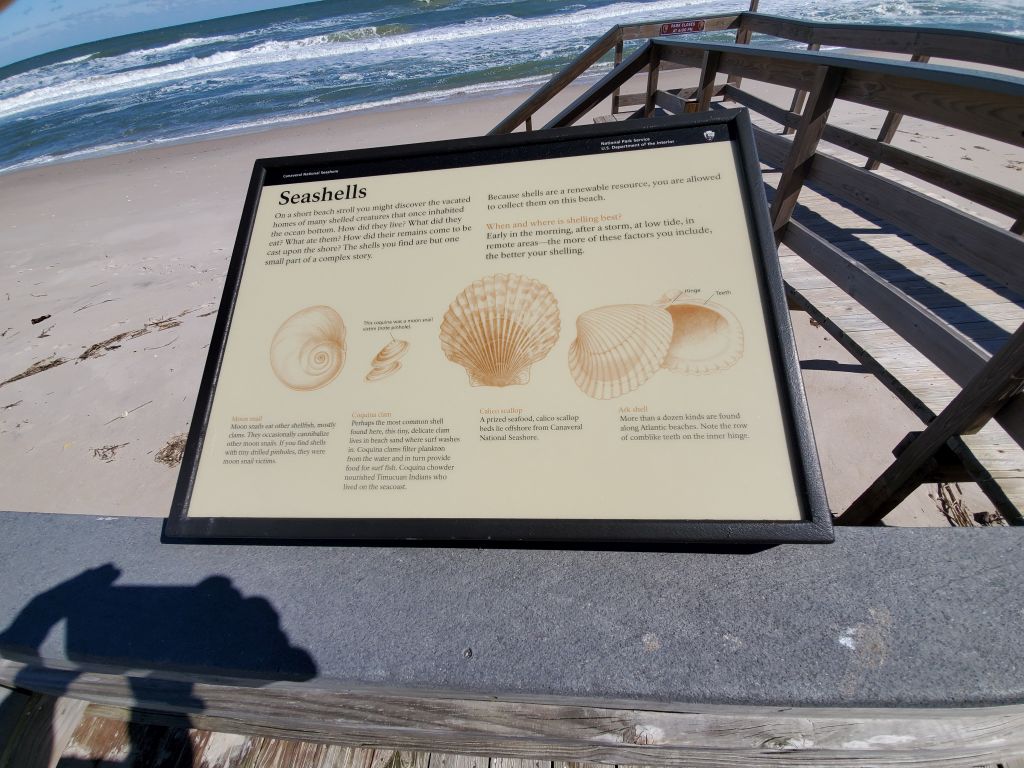 The short video above was taken last Saturday afternoon at Playalinda Beach during the outgoing tide. Although lots #8, 9, and 10 were closed for repairs, the remaining open lots had absolutely no fishermen in the vicinity. (Click on pic) Port Canaveral Offshore and Nearshore If you have a big enough boat to safely run to the other side of the Gulf stream, the dolphin and yellowfin tuna bite has been exceptionally good along with quite a few blackfin tuna, especially when you run out to the 75 to 85 mile mark. 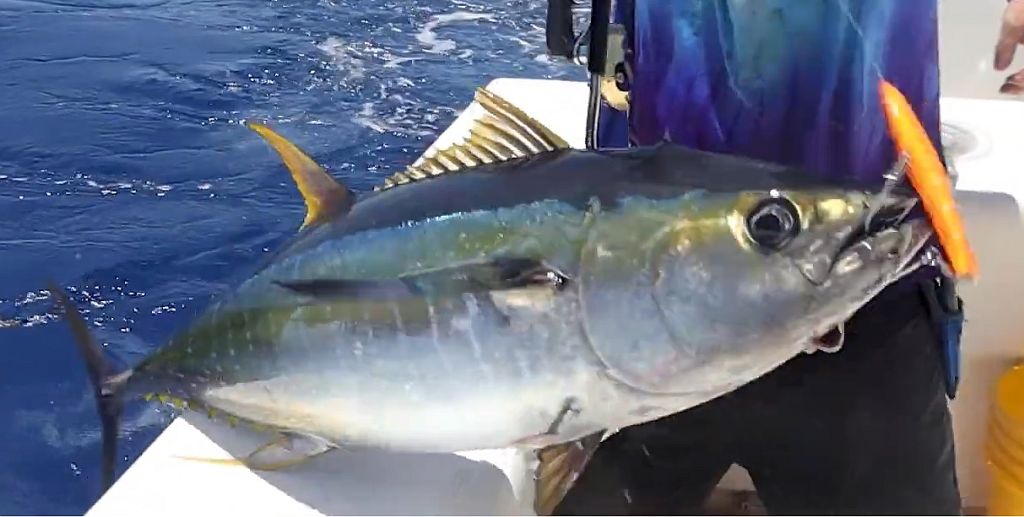 The guys who are able to get offshore to the gulfstream and beyond are also doing pretty good with wahoo on the high speed troll. Anglers pulling swimming plugs and regular high speed lures have been bringing in some really nice wahoo during the late afternoon bite. Anglers targeting wahoo are typically on the water at the break of dawn, but for the past few weeks the bite has been better later on in the day and during the afternoon hours, especially after the full moon that has just passed. Darker colored lures are working much better than bright colored lures right now during the mid day and afternoon bite. The most productive colors for Wahoo were purple and black, black and blue, and red and black. A little closer to shore, the king mackerel bite has started to pick up along with some scattered dolphin here and there. Pelican and 8A have had some big king mackerel on them. Though live baits on stinger rigs normally work better, they are harder to find this time of year, so have your dead sardines handy. If you can’t locate any bunker to net up, try jigging a sabiki rig around some of the buoys or wrecks for some blue runners or threadfins on the way out. High speed trollers running 5 to 10 knots with multiple lines out were reportedly landing good numbers of Wahoo in the same general areas of Pelican, 8A, and other 70 to 150 foot reefs where anglers were slow trolling live and frozen baits for Kingfish. Although there are specific tactics used to target both species, small Islander lures with a ballyhoo will generally work on most species. The guys that target Wahoo, just ramp up their trolling speed a bit. When anglers pulling stinger rigs and lures limit out on the troll, many move on to try out the bottom bite for snapper, grouper, amberjack, and an occasional cobia. Right now there are still some cobia on a few of the wrecks, primarily in the Sebastian and Canaveral area. Frozen sardines, squid, and other live or chunked reef species is all you need to catch some amberjack, mangrove snapper, lane snapper, grouper, etc. Deep jigging over the wrecks is also very productive for Amberjack, grouper, and snapper. For boats equipped with electric reels, deep dropping for Golden Tilefish, Yellow edge grouper, and a variety of other deep water species that are open to harvest is extremely productive and popular with many anglers running out of Port Canaveral. Most deep water species are great table fare and well worth a special trip. Because of the extreme depths and current, electric reels are a "must" for this type fishing. Closer inshore in the 20 to 35 foot depths, the shark bite is still pretty strong and tripletail can be found throughout our region. Plenty of small sharks are being caught, mostly blacktips, but there are also a lot of big ones in the area. 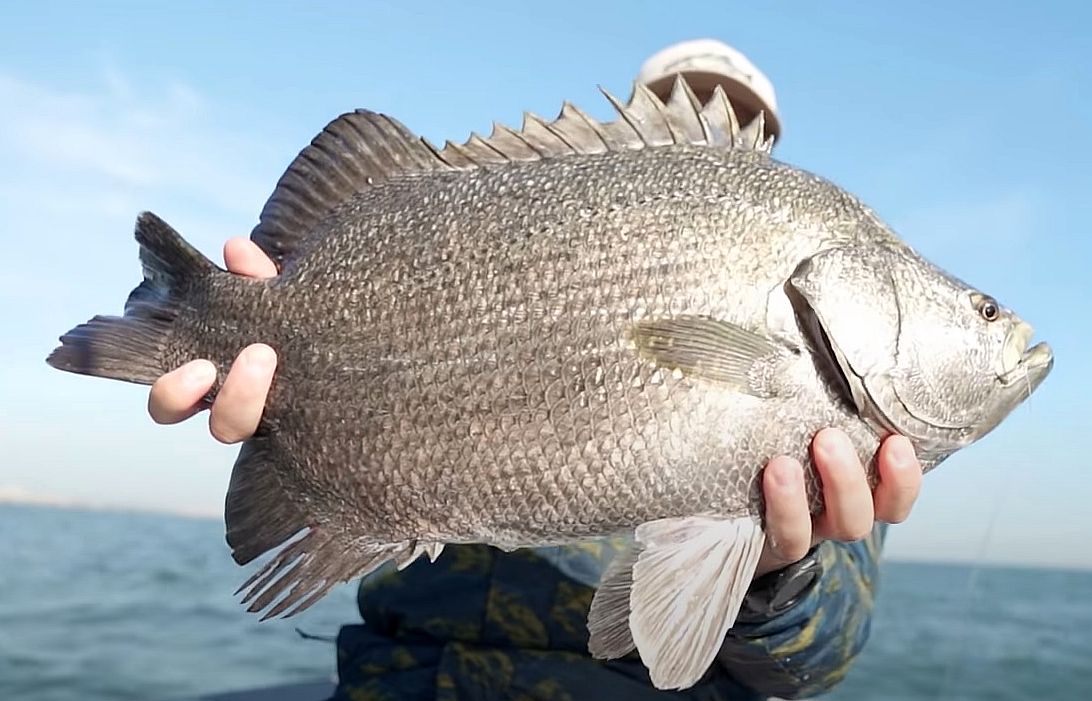 The tripletail and a few scattered cobia have been seen hanging around the marker buoys, weed lines, and other floating structure. Use small bucktail jigs tipped with a piece of live shrimp or squid for tripletail and a large bucktail with a whole squid or a live bait for cobia. When the water temperatures hit the 68 degree mark, start looking for Cobia that will be tracking Manta rays in the 50 to 90 foot depths offshore. Finally, Port Canaveral is still producing some great nearshore action for bull redfish and black drum, along with some sheepshead and pompano. Haulover Canal On most days at Haulover Canal, you will usually find a number of bank fisherman soaking a variety of baits for black drum, redfish, mangrove snapper, and sheepshead.
Last Saturday just before Sunday's cold snap, only a half dozen or so anglers were fishing the southern banks of the canal. 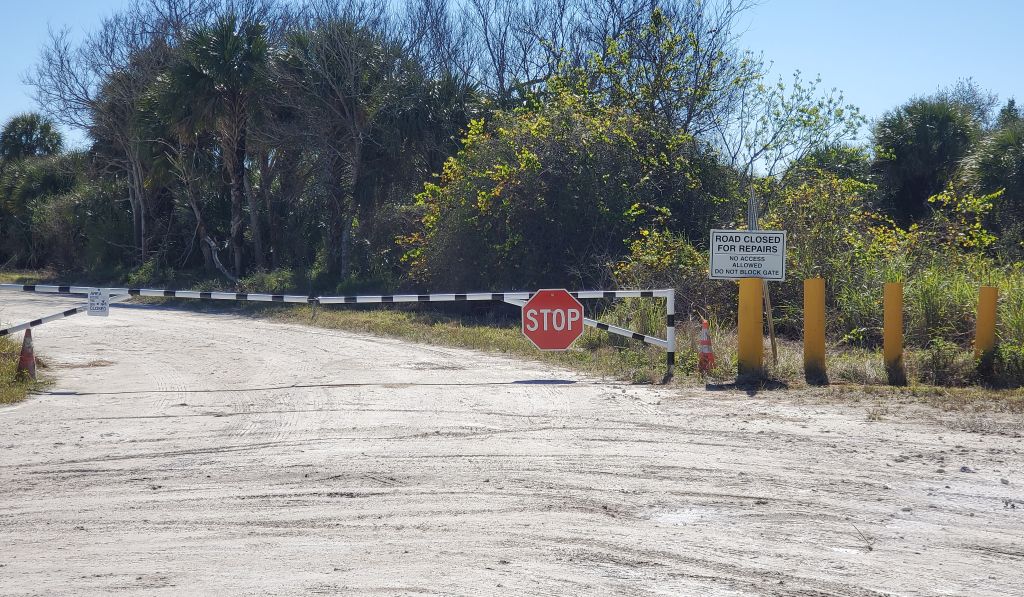 The fact that the northwest entrance to the canal was closed for road repairs could have been one reason, but the slow bite was probably the more reasonable explanation. Despite the road closure and the fast moving current, several anglers were fishing the southern banks of the canal. The fishermen I spoke with were all using a whole or half section of blue crab for bait and were targeting big black drum that they said were hitting well throughout the prior week. Both anglers said that they had been catching drum in the 10 to over 20 pound category around the bridge fenders. Although bull reds are often the primary target in the canal, nobody I spoke with reported catching any during the past week. 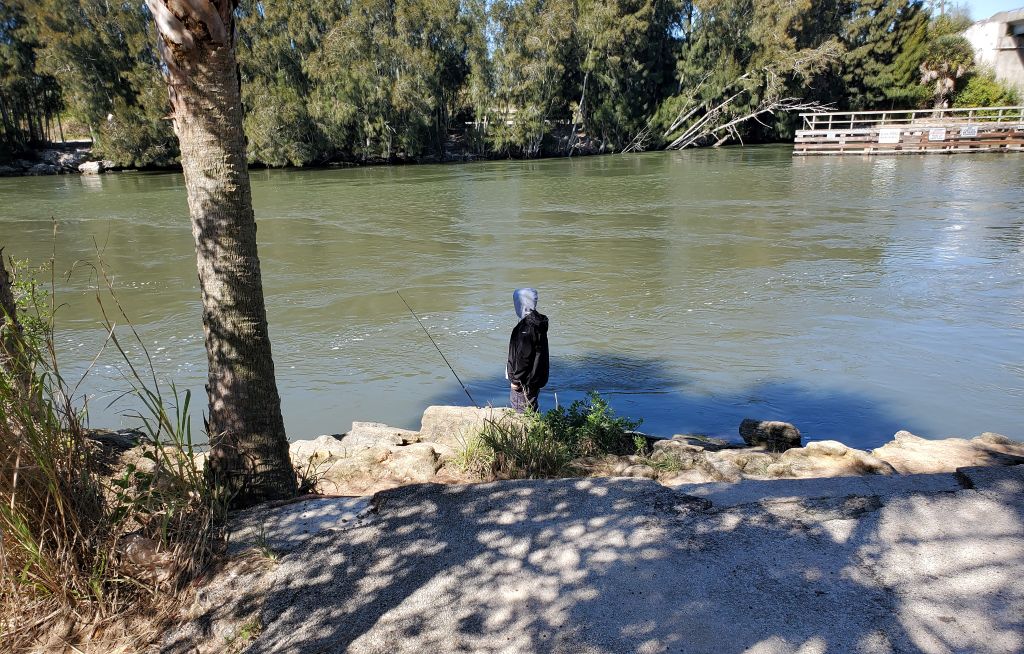 The current in the canal was running pretty strong when I visited the area which is probably why nobody was fishing for sheepshead or mangrove snapper around the coquina ledges on the Bair's Cove side of the canal. With the drop in water temperatures, I expected to see more fishermen lining the banks after reds and black drum. The pilings around Haulover Canal and both of the fishing piers at the A. Max Brewer Causeway Bridge at Parrish Park usually hold good numbers of sheepshead this time of the year. Anglers at Haulover also target them around the coquina outcroppings using fiddler crabs and small pieces of shrimp for bait. Until next time,
Tight Lines and bent rods!
|
|||