Your January 2022 🐠 Mosquito Lagoon & Indian River Fishing Forecast
Published: Sat, 01/01/22
Mosquito Lagoon & Indian River Fishing |
|||
|
Newsletter Issue # 150 Fishing Forecast January 1, 2022 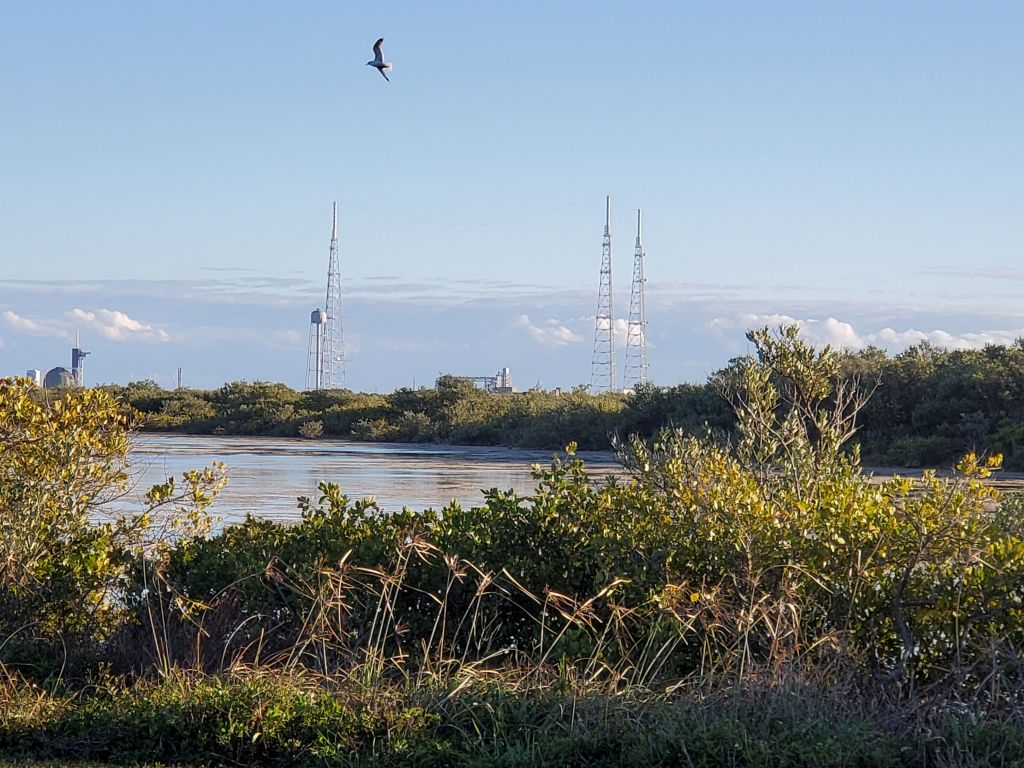 We Hope You All Have A Happy New Year! The recreational season for spotted seatrout and grouper both open up today and the way it looks right now, we should have some great weather to harvest both of these species going into 2022. Although the trout bite slowed down a bit after the cold front moved through our area a couple of weeks ago, the fishing has been pretty good in our lagoon systems. The last cold front did manage to concentrate the sea trout into the deeper holes and since this past full moon, the best bite for sea trout has been from around 12:00 in the afternoon until evening. Cut baits have been working best on the sea trout and redfish as well as the black drum that are swimming around the area. Lower water levels in the Mosquito Lagoon and Indian River are beginning to concentrate the redfish into larger schools. Most anglers targeting reds are finding singles, pairs, and small groups in the shallows with the best bite being around the cold fronts. Until the reds begin to gather up into larger schools this month; live shrimp, cut baits, and live mullet will be the best baits of choice. The deep holes in the flats of the northern Mosquito lagoon and farther south in the Vero Beach and Sebastian areas are holding slot size sea trout and a few scattered sheepshead. Around New Smyrna Beach, the sight fishing for redfish and lone sea trout is good when the winds allow. Most anglers have been tossing shrimp and cut baits to the fish. When the sea trout season opens up today, anglers fishing the backwaters of New Smyrna Beach down into the Mosquito Lagoon for gator sea trout should be finding good numbers of fish laying up in the shallows adjacent to deep water. Although the true gator size trout are not as plentiful as in past years, a lot of big fish in the 8 to 9 pound and over category are still out there. 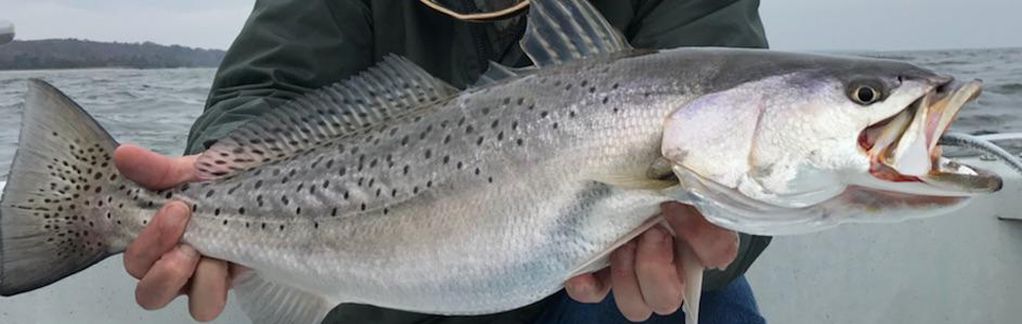 Under slot sea trout should be stacking up in the deeper holes, channels, and sloughs when the weather gets colder this month. Smaller jigs, suspending plugs, 3" plastic Saltwater Assassin baits, and Johnson Sprite type spoons fished very slow will score on these fish over the next couple of months. Larger sea trout are more receptive to a live Croaker, mullet, or jumbo shrimp. For anglers who enjoy fishing for black drum, you probably already know about the schools of 5 to 12 pound fish that have been forming up in many areas in the Mosquito Lagoon and the north Indian River. There are several areas along Bio Lab road where bank fishermen have been making sporadic catches of slot to over slot drum. Baits of choice in this area have been live or fresh dead shrimp and cut mullet. A few guys were using sections of fresh dead blue crab on sliding sinker rigs with mixed success. The Black Drum in our area spawn in the spring and will normally school up well into April and early May. In the Indian River anglers have been targeting black drum in the 15 to 20 pound class in the deeper waters around the bridge pilings and any other deep water structure they can find. The larger fish are often mixed together with the smaller "puppy" drum foraging in the shallower mud flats. The mud flats along Gator Creek and East Gator Creek have been holding small pods of black drum. You can sometimes see them tailing along East Gator Creek Road but they are pretty closed mouthed. At least a couple of guys I spoke with said they were catching them on live fiddler crabs. The shallow creeks like those in the northernmost section of the Indian River are usually overlooked by anglers, but redfish, snook, and juvenile tarpon in the deeper water flats of the Indian River occasionally make their way into the dark bottom creeks during the winter months to forage for small crabs, shrimp, and small baitfish. As the sun warms the water over the dark bottom, the best bite usually occurs later in the afternoons. Live or dead shrimp and cut baits work best for these fish during the winter months. Later on in the spring when the water warms up, artificial baits will out fish live baits. Playalinda and Area Beaches
January is considered an outstanding month for Playalinda and other Central Florida Beach surf fishermen targeting Pompano; especially when the cold fronts start moving through our area. As the weather stabilizes and our local nearshore and inshore water temperatures reach the high 60 to low 70 degree range, we will see more pompano moving in closer to the beach. The pristine weather conditions we have been enjoying for the past week or so has surf fishermen of all ages celebrating the holidays with nice catches of pompano, whiting, Spanish mackerel, bluefish, and sharks. This past week, the bite for Spanish mackerel, bluefish and small jacks has been red hot and almost non stop. 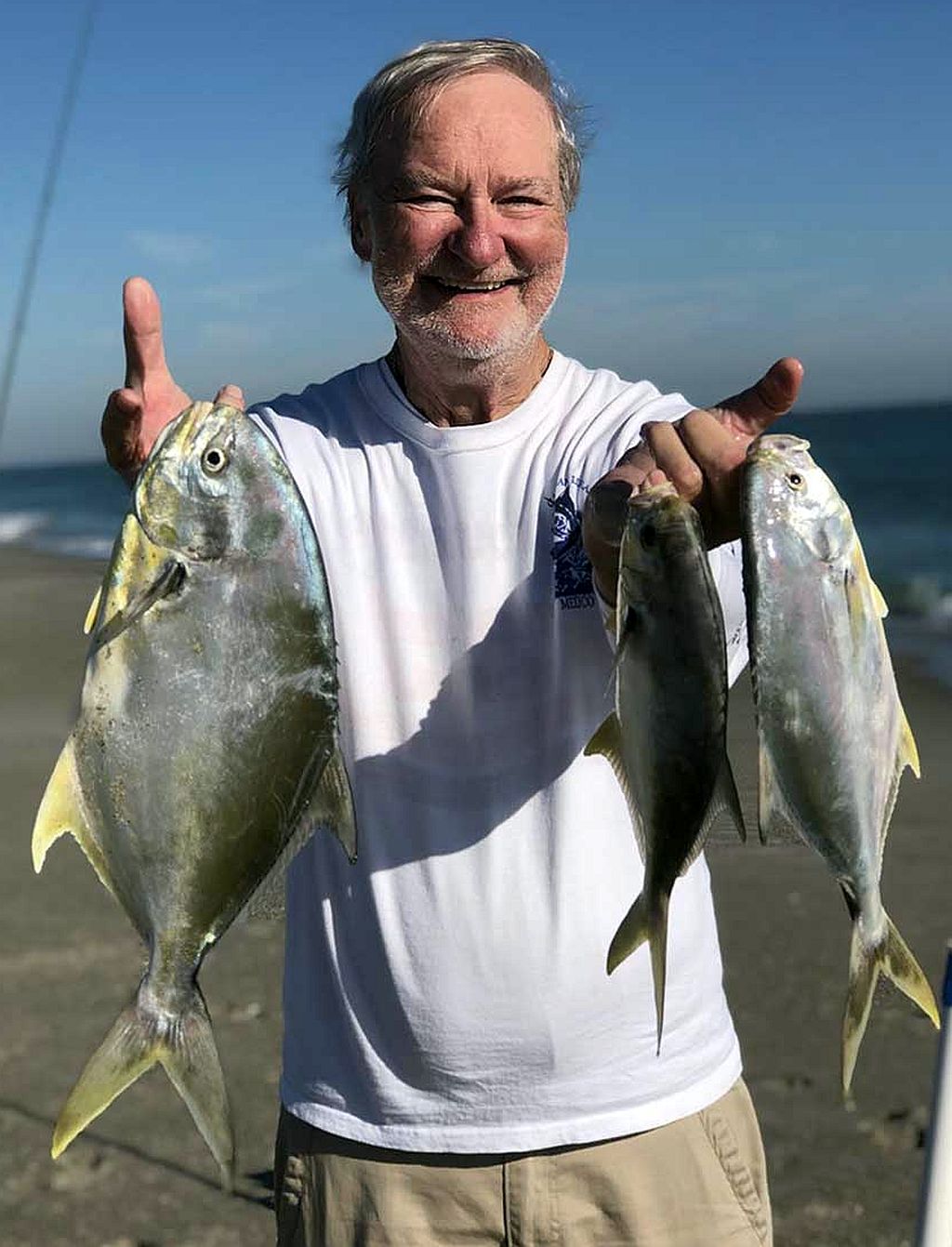 Although surf fishing anglers are still catching large keeper size pompano, we are not seeing the numbers that were landed in the first two weeks of the month. With the stellar surf fishing conditions that are predicted and the schools of pompano and whiting that continue moving up and down our coast, it is just a matter of being in the right location and having the right bait to achieve success. Sand fleas are definitely the bait of choice for the majority of Pompano fishermen, but during the winter months they are hard to find in many areas . A lot of surf fishermen substitute fishbites, salted clam strips, blanched sand fleas, or small bits of shrimp on 2 and 3 dropper pompano rigs when live sand fleas are not available. Right now, most of the pompano and whiting that are being caught from the beach are with live or blanched sand fleas or fresh clam strips on standard pompano rigs with floats to keep the baits just off the bottom. Surf anglers tossing small silver spoons and Gotcha lures in the same areas were also making good catches of blues, mackerel, and jacks. Depending on the tide and day of the week, each species had its ups and downs, but Spanish mackerel, bluefish, and sharks proved to be the most receptive to baits tossed by surf fishermen. Surf fishermen around Cocoa Beach and Cape Canaveral have been catching more black "puppy" drum in the surf than in most other areas in Brevard County. Also, the pompano, whiting, and bluefish caught in these areas seemed to be much larger than in most other areas. Shark fishermen have been making above average catches of mostly blacktips on whole and fresh chunked baits. The sharks have been going after any live fish that is being retrieved on a pompano rig or a freshly cut chunked bait. That being said, a lot of larger sharks are being caught from the shore using an entire fish carcasses for bait. The sharks seem to have specific preferences on a day-to-day basis, so make sure you vary your baits and methods. As a general rule, the shark fishing around Cocoa Beach and Cape Canaveral is not as productive as from the central and southern beaches. Depending on the day and species you intend to fish for, it can be a crapshoot trying to stay on top of a good bite in one location. A good spot one day does not mean you will catch fish in the same spot the next. 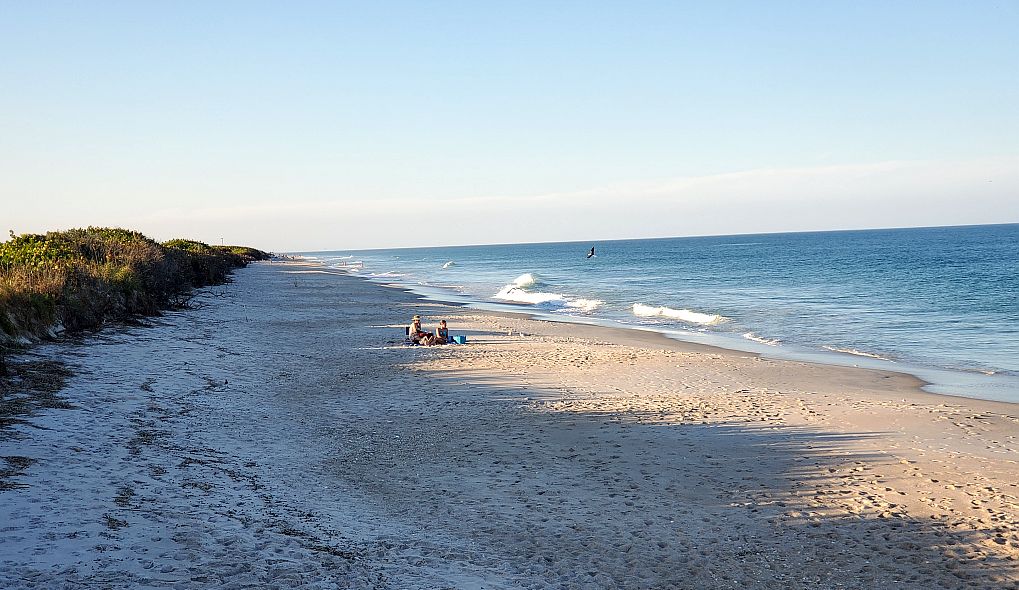 This week at Playalinda Beach, the surf fishermen were hard to find. Several lots where surf anglers normally congregate were closed for repairs; specifically numbers 6, 7, 8, 9, and 10. A few sunbathers managed to get onto the beach but the days we visited Playalinda, no fishermen were to be found. Too bad because the surf was beautiful. Port Canaveral Nearshore and Offshore
The nearshore bite out of Port Canaveral is fairly strong right now with weakfish being the main targeted species. As the water temperatures outside of Port Canaveral fall down into the middle 60 degree range; bluefish, weakfish, and tripletail usually become the main species targeted by nearshore fishermen. The odd, unseasonable weather we have been experiencing has kept local water temperatures in the mid to upper 70 degree range. This is not a good scenario for our normal winter fishing pattern and has kept the bite sporadic. Pompano and sheepshead have become favorite targets as of late and although the river pompano are in a state of flux because of the changing water temps, the sheepshead bite is more predictable. Currently around all of our inlets, anglers are fishing the rocks, pilings, and jetties for a mixed bag of mangrove snapper, sheepshead, margate, and black drum.Although out of season, the Snook are still biting around all of our inlets and will continue as long as the water temperatures don't get too cold. Live Croakers, pinfish, mullet, mojarra, and live shrimp have been working well on these fish. A few tripletail are being caught around the buoys, weed lines, near shore wrecks and reefs, but we should start seeing a lot more of this species coming in this month.  Farther offshore, some blackfin tuna are beginning to show up along with some sailfish. When the snapper bite peaks this month, anglers will be able to find fish moving into water as shallow as 50 feet. St. Johns River Every year central Florida anglers are given a Christmas gift that migrates up the St Johns River to spawn, called the American shad. 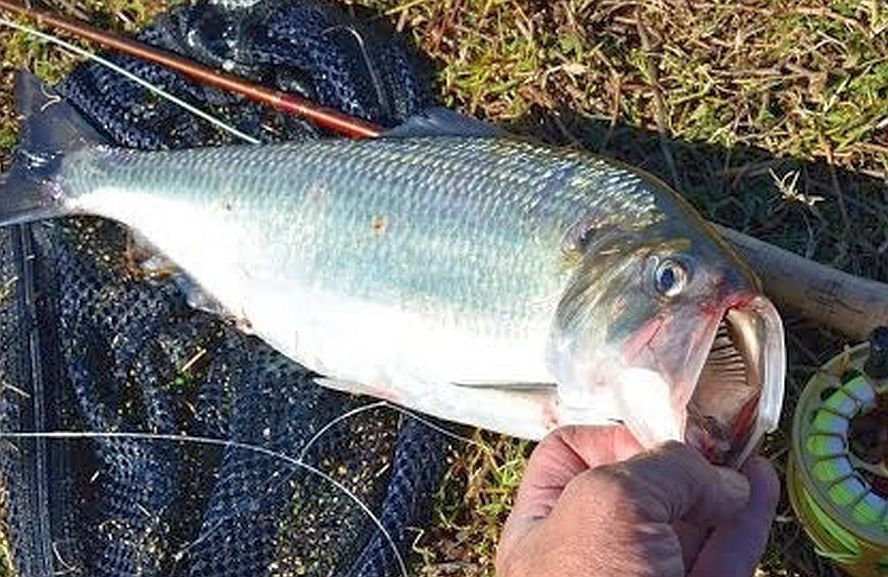 American shad are an anadromous species and like Salmon spend four or five years in the ocean before returning to their freshwater birthplaces to spawn. Every major river along the Eastern coast of North America from the St. Johns River in Florida, all the way north to the St Lawrence River on the Canadian boarder, will experience the annual winter spawn of these two to five pound fish. American shad and their smaller cousin the Hickory shad generally start to show up in the Middle Basin of the St. Johns River in early December and continue to migrate upstream in small schools throughout the season. The peak of the run is from mid January through mid February, but each year is different. Depending on the year, water levels, and temperatures, shad can be caught in the Middle and Upper Basins of the St. Johns and tributaries like the Econlockhatchee River until sometime in March, but fish can be in the river as early as May, and as late as October. When water levels are low, many anglers hike in from the Brumley Road trailhead to fish the Econ with light spinning and fly tackle. Prime shad fishing areas are the middle and upper basins of the river. On the lower part of the Middle Basin where the water is deeper and wider, most shad fishing is done south of Lake Monroe and north of Lake Harney. The Mullet Lake Park, Cameron Wright Park, and Lemon Bluff areas is where boaters launch to slow troll small lures until they locate a school of fish. When a concentration of fish is located, they normally drop anchor to thoroughly fish the area. American shad travel in loose schools so where one fish is found, you can expect to find others. Anglers will generally catch several fish using this technique before the fish move on; then the tactic is repeated until more fish are found. Most anglers in this area use small shad darts, jigs, or small spoons. Fly fishing is possible but sinking lines and weighted flies are needed to get the lure down to the fish. On the upper part of the Middle Basin, the best shad fishing occurs south of Lake Harney and north of S.R. 50 (C.S. Lee Park, Hatbill Park, and the Highway 50 Boat Ramp). The most popular area is the section of river between S.R. 46 and Puzzle Lake, which includes the mouth of the Econ. When the water is in its banks, the river from Puzzle Lake through Hatbill to S.R. 50, twists and turns in a maze of swift current winding channels. Although this entire stretch of river is perfect for shallow draft boats, kayaks, and canoes, it also has a lot of airboat traffic and the largest concentration of 10 foot plus alligators in the country. It is also perfect for fly fishermen and anglers using conventional light spinning tackle. Both American and Hickory shad are found in areas of the river with a good current and a nice firm, clean bottom. Shad are broadcast spawners, and do not normally congregate in slow moving water with mucky or silty bottoms. Good areas to target are areas of the river that split and come together, the heads and tails of pools in the river bends, areas outside the current along deep pools, eddies and seams, areas where the speed of the current increases or decreases, and areas where the water depth noticeably changes. Although American Shad in the St Johns River appear to do little to no feeding during their spawning migration, they will usually hit bright, flashy lures. The trick to catching shad is to look for spawning and feeding fish. Spawning fish will generally ignore a fly or lure. Feeding fish on the other hand will aggressively nail flies and small lures on the top or just under the surface. Shad darts, small fixed hook Nungesser and Johnson spoons, plastic or hair panfish jigs, and small Road Runners are all classic classic lures for shad fishermen using light or ultralight spinning tackle. A 4 wt to 6 wt fly rod with a sinking line and small #4 to #8 weighted patterns that hug the bottom is perfect for catching shad. The fish don't seem to care about patterns or color as much as the profile of the fly. 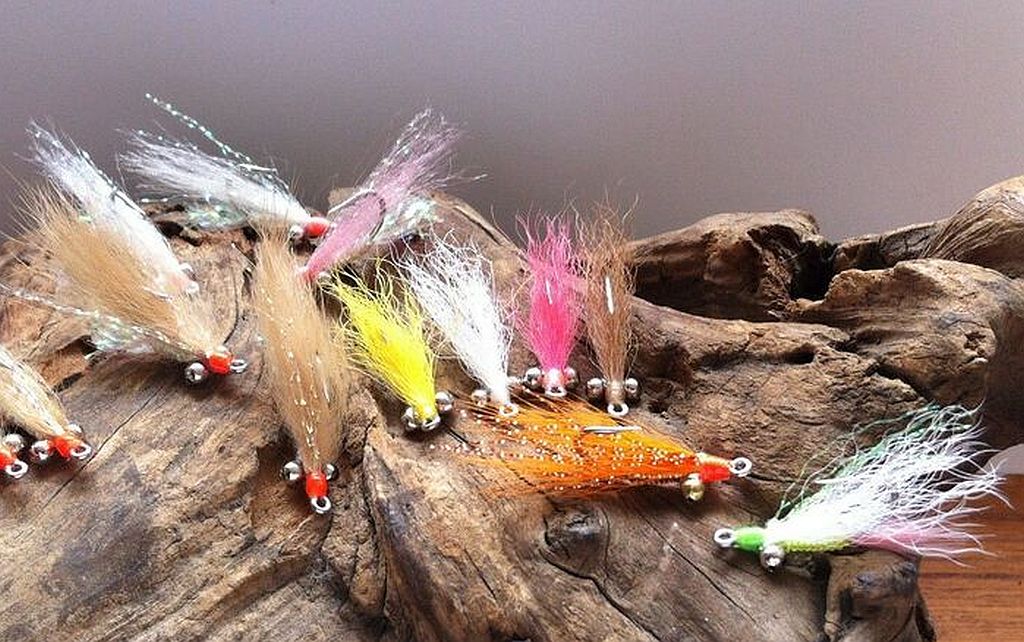
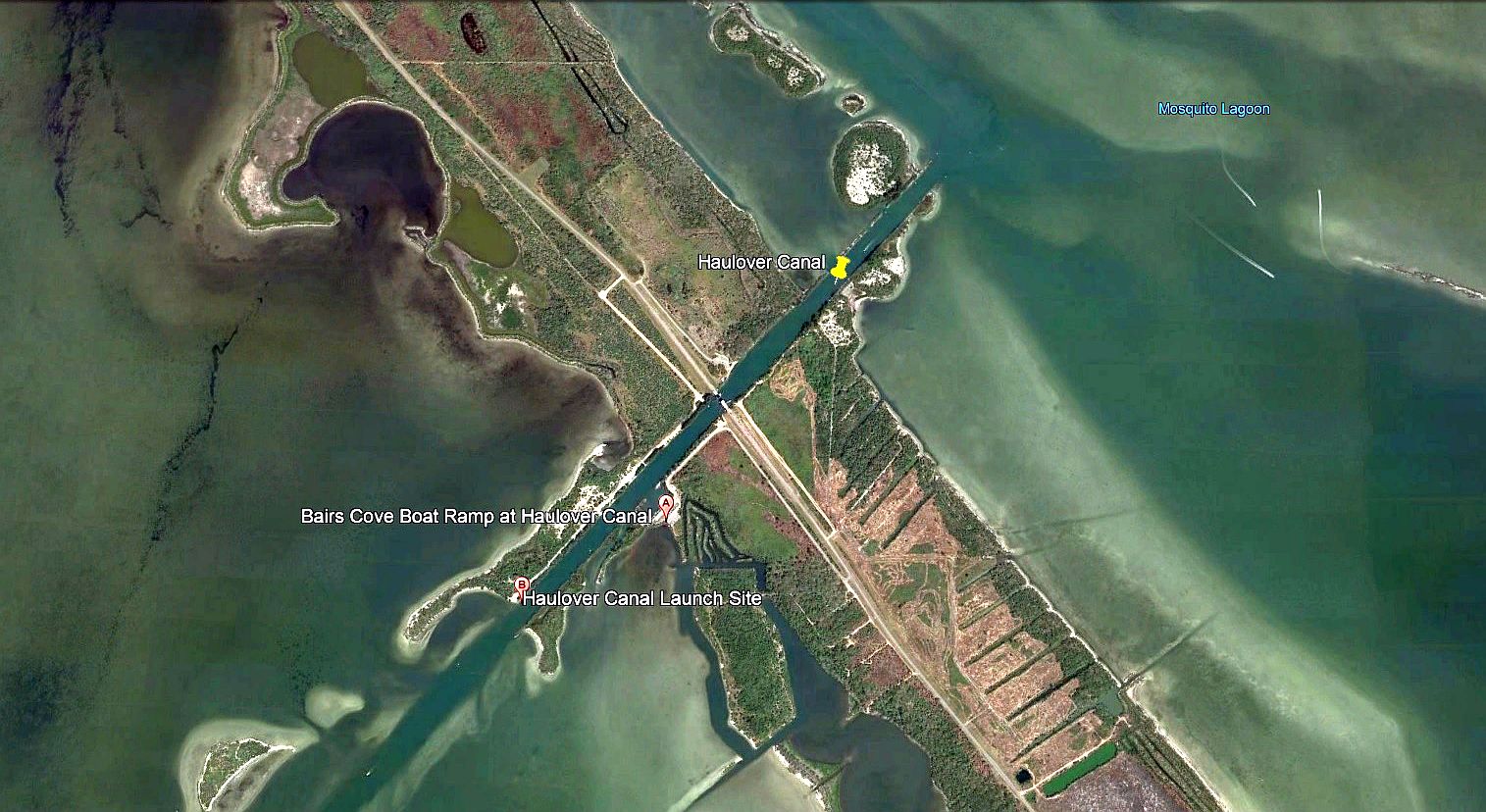
When searching for shad, always look for diving birds that feed on small minnows or concentrations of grass shrimp. It's a good bet that areas where the birds are feeding are probably where the shad are also feeding. The best way to find where the fish are on any given day is to talk to local fishermen, bait shop owners, local shad fishing guides, or search the internet for shad fishing reports. When you find a general area, congregations of fishermen along the bank or anchored just off the bank will generally indicate where the fish are holding. Don't be shy about asking questions, most anglers are happy to provide information about the bite and what baits are hot. Shad fillets are sweet and delicate but they have a lot of tiny bones that should be removed before cooking. The roe is a delicacy that is hard to beat when lightly sautéed in garlic butter. The state record for American Shad on the St. Johns River is 5.19 pounds; but the average size for shad in the St Johns is around 2 to 3 pounds. There is a 10 fish aggregate bag limit for American and Hickory Shad if you plan on harvesting them. A freshwater and saltwater fishing license is required to fish for them. Haulover Canal  Haulover canal is best known for catches of big bull redfish
and black drum, and although the bite for bull redfish, black drum, and Mangrove Snapper in Haulover Canal, has been sporadic all last month, the fishing has been picking up.. Haulover canal is best known for catches of big bull redfish
and black drum, and although the bite for bull redfish, black drum, and Mangrove Snapper in Haulover Canal, has been sporadic all last month, the fishing has been picking up.. During the past week, bank fishermen had most of the good casting spots taken up almost every afternoon.
Several bank fishermen were making nice catches of keeper Mangrove Snapper around and under the bridge using live and fresh dead shrimp for bait.
A good number of under size fish were also caught in the bridge area near the fenders and along the pilings.
Live or fresh dead shrimp and fresh caught chunks of fish on a 2/0 or 3/0 circle hook with a pinch or two of split shot to get the bait close to the bottom is the best way to fish this area without getting hung up on every cast..
Expect to get caught up in the coquina rocks when you fish this area. During the winter months, some of the largest bull redfish in our area are caught in Haulover by anglers fishing a whole live blue crab for bait. This past week a couple reds in the 40 to 45 inch category were reportedly caught from the canal on a live blue crab and a live pinfish. The deep holes at the mouth of the canal to the Mosquito Lagoon consistently produces bull reds and large black drum. When the bite is on, you can usually see several boats anchored in the area dunking crab and shrimp. Normally both entrances of the canal are crowded with anchored boaters when the weather is as nice as it has been, but last week for some reason, there were only a few anglers fishing the holes. You can either launch your boat the Bairs Cove boat ramp or at the Beacon 52 boat ramp and anchor at the mouth of the canal out of the ICW. Stout rods, 30 to 60 pound Power Pro or other braid, 30 pound or heavier fluorocarbon leader, a 6/0 circle hook and enough weight to hold bottom is recommended terminal tackle. The best bite for black drum and bull redfish is usually around the cold fronts. Shrimp and blue crab sections are by far the baits of choice for most anglers. Not much shrimping activity is being reported along the banks of Haulover lately, however it is definitely a good area for dipping large shrimp. Most sport shrimpers have been working the railroad bridge and the ICW up north around Edgewater and Oak Hill. Until next time, Tight Lines, bent rods, and a safe Prosperous New Year to you all!
|
|||