Your Novemberr 2021 🐟 Mosquito Lagoon & Indian River Fishing Report
Published: Mon, 11/01/21
| Newsletter Issue # 148 | November 1, 2021 |
||||||
Mosquito Lagoon & Indian River Fishing |
|||||||
 The Mosquito Lagoon and Indian River:
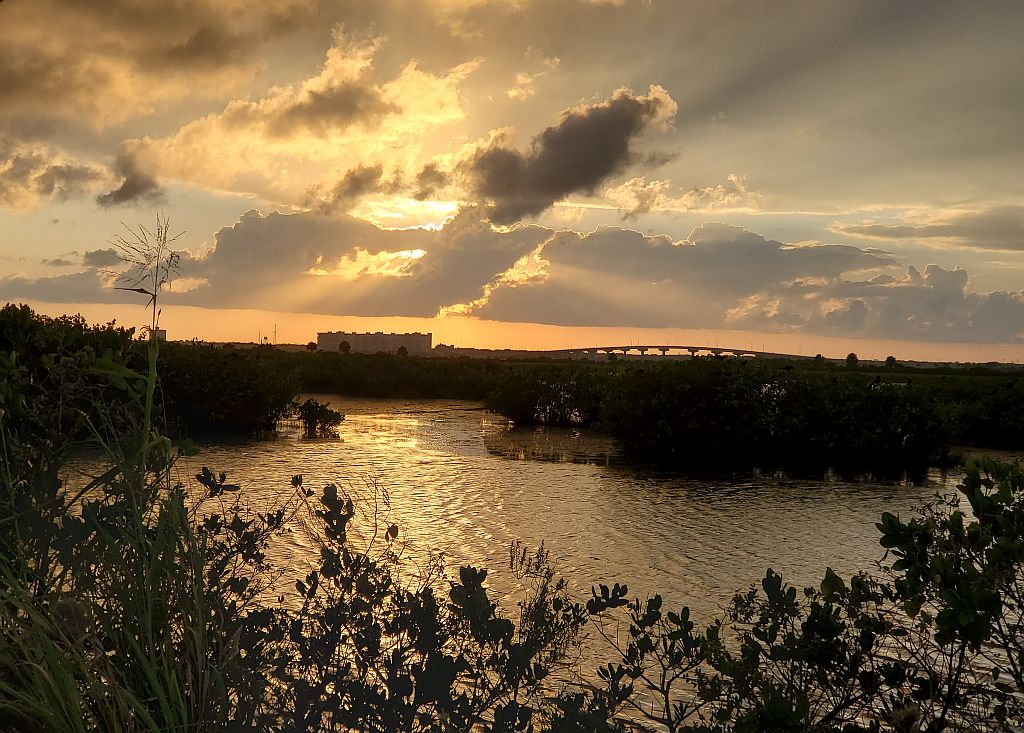
September, October, and November are some of the most productive months for East Central Florida anglers. Although the mullet run is winding down, the southward migrating mullet are still in our lagoons and along the beaches. The cooler water temperatures and remaining baitfish are still bringing in a variety of predators looking for warmer waters and an easy meal. Last week in the Mosquito Lagoon, northern Indian River, and just off the beach, charter captains have been reporting some fantastic fishing for huge redfish, snook, tarpon, and sharks. In the lagoons, the bite for juvenile tarpon, snook, spotted sea trout, and redfish has also been good to excellent. In the early mornings, tossing topwater baits like the Rapala Skitterwalk, Badonk-A-Donk, XPS SlimDog, and popping baits like the Chug Bug can be productive for quality sea trout, redfish, and snook; especially around the mangroves that are still holding pods of mullet. When the fish stop hitting topwater baits, switch over to either live baits or a 3 inch Bass Assassin on a jighead or a CAL Jerkbait smeared up with some Pro-Cure Inshore formula gel. Either bait will score on sea trout, reds, snook, and even flounder. In the northern portion of the Indian River along Shiloh Road, shore based anglers have been picking up slot size and over slot redfish on a regular basis just off the deeper flats using live finger mullet, live shrimp, and chunked baits. 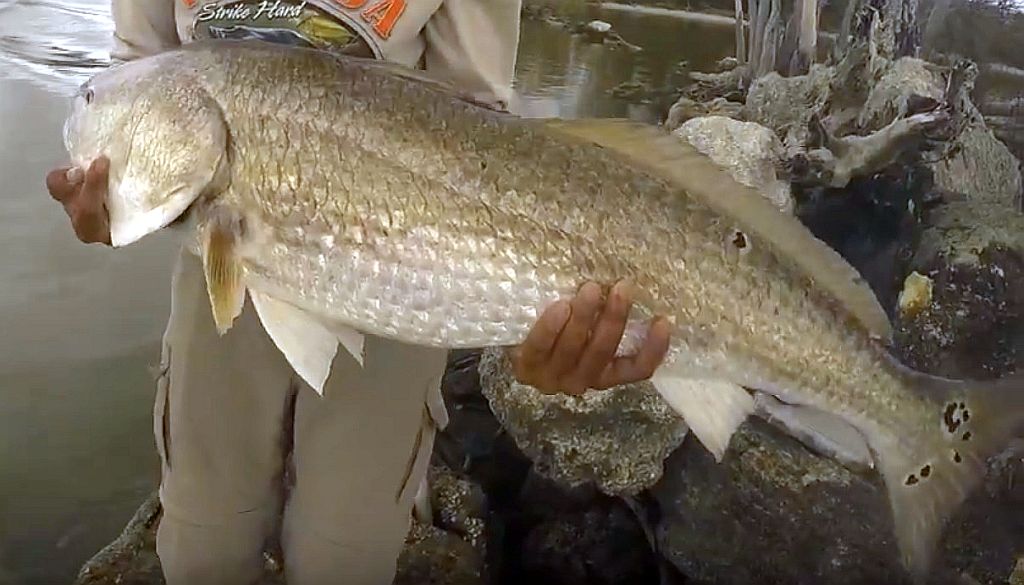 Large schools of bull reds are now spawning in those deeper water flats and are being caught on a variety of live, cut, and artificial baits. As the water levels drop and the water clarity continues to improve throughout our area, sight fishing for redfish and sea trout on the flats will also improve, especially for fly fishermen tossing a variety of shrimp and crab patterns. As the finger mullet become less abundant in the lagoons, tailing redfish will become a more common sight as the fish transition into their winter feeding patterns. This is when anglers will find trout, black drum and redfish feeding primarily on shrimp and crabs instead of finfish. Tailing redfish and black drum target smaller baits and except for a live shrimp or small crab; nothing beats a well presented DOA Shrimp, 3″ DOA CAL paddle tail bait, or a well placed imitation crab fly to get their attention. With the current water conditions in our lagoon system, many anglers have switched over to cut baits or a live shrimp or pigfish free lined or under a popping float when the topwater bite slows down, for sea trout and redfish. During November and the winter months, the canals in the Satellite and Indian Harbor Beach areas usually hold good numbers of spotted sea trout, redfish, snook, and juvenile tarpon. Live baits are the best bet for fishing around the docks, deeper canals, and around the mangrove shorelines. The shallow grass flats at East Gator Creek have been holding some small juvenile tarpon and ladyfish but you have to really work to get a bite. You can occasionally see them rolling on glass minnows and mullet, but too often they develop a case of lockjaw. Smaller topwater baits smeared up with some Pro-Cure work early in the mornings and close to dusk. The mudflats in that area also hold some nice pods of large black drum. Close to dusk you can see them tailing in the shallows and around the mangrove roots. Fishing a small live shrimp or live fiddler crab with little to no weight can often pick up a fish. These fish are usually really spooky. Schools of black drum are roaming the Indian River from Scottsmoor up north all the way down south of Port St. John. Shore fishermen along Catfish Creek, Gator Creek, and the A. Max Brewer bridge have been making sporadic catches of drum up to 15 pounds. Most anglers have been using live shrimp or fresh dead shrimp for bait on standard sliding sinker rigs. Shore fishermen along the causeway east of Parrish Park have been catching slot size redfish on live finger mullet and cut baits. The bite has been sporadic with the best bite occurring near to dusk. Port Canaveral Offshore, Nearshore, and Jetty Fishing: As the water temperatures cool, the near shore bite out of Port Canaveral, Ponce Inlet, and Sebastian Inlet will continue to heat up. Shark, bull redfish, tarpon, and snook will be the main attraction for anglers working the mouth of the inlets and around the jetties at Ponce Inlet and Port Canaveral. Nearshore fishing has been insane for sharks these past weeks, as well as for bull redfish. Although live and cut baits have been working well on all of these species, large topwater plugs and Rapala x-rap lipped diving plugs have also been very effective when fishing around the mullet pods. The bull reds are now spawning and most anglers targeting them have been using cut chunks of mullet for bait on sliding sinker rigs. A 3 or 4 ounce sliding sinker with a 3 foot section of fluorocarbon leader and a 6/0 or 7/0 circle hook is pretty much standard rigging for bull reds. A fresh live blue crab, pinfish, croaker, or pilchard also works well for redfish. 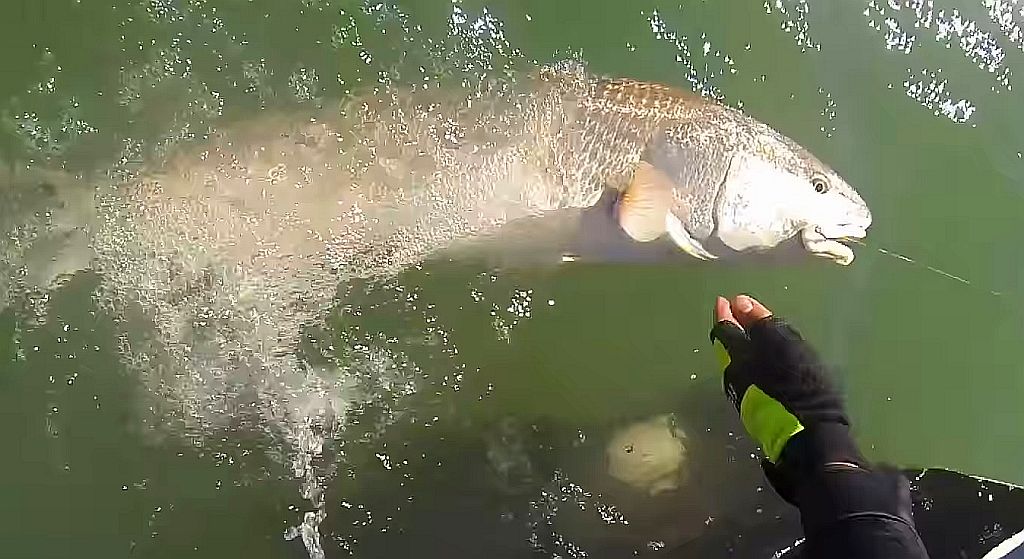 The awesome fishing action we have been experiencing these past weeks is by most standards some of the best fishing of the year, but the window is closing. The baitfish are quickly migrating south for the winter and most of the game fish are moving along with them. When you can find a non-windy day to get offshore, you should also be able to find kingfish, Mahi, a few cobia, and occasionally a sailfish. Right now the Mahi and Kingfish are still biting well around the weed lines, temperature breaks, and color changes in depths up to 500 feet. A few blackfin tuna and wahoo are also being caught by anglers trolling skirted ballyhoo in the 180 to 240 foot depths. as the month progresses and the weather begins to cool down, the fishing for Wahoo and Sailfish, who prefer the cooler water temperatures, will improve dramatically. Party boat bottom fishing out of Port Canaveral has been really good and catches of sharks, AJ’s, cobia, grouper, and an assortment of snapper, triggerfish, and porgies have been solid. 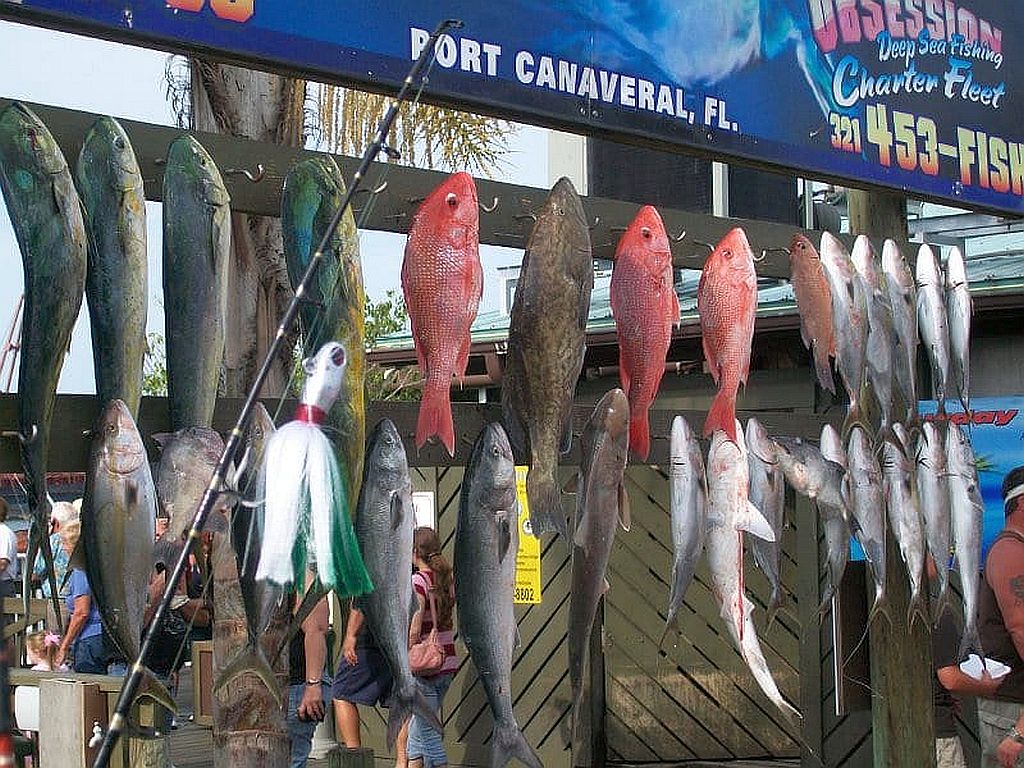 Anglers who are making it offshore and braving the strong winds and rough water conditions have been targeting the 90 foot and deeper reefs where the snapper and grouper bite has reportedly been very good. Surf Fishing: October and November is when the Pompano start their annual migration down the beaches of East Central Florida towards the south.
When the first cold front hits our area and the water temperature at Playalinda drops to around 78 degrees, the resident pompano in the lagoon system which normally remain in the river will start to make their way out to the beach where they meet up with the migratory fish coming down from North and South Carolina. For the past week, surf anglers have been battling seaweed along Space Coast beaches making decent presentations all but impossible. The anglers who persevered were rewarded with catches of bluefish,whiting, Jack crevalle, pompano, and lots of sharks.  Most of the pompano caught have been under the legal size limit however, some nice fish like the one here are being caught when the conditions are right. Most of the pompano caught have been under the legal size limit however, some nice fish like the one here are being caught when the conditions are right.The surf fishing up north around Volusia county has been producing outstanding catches of bull whiting, some keeper pompano, and large schools of bluefish for surf anglers who could find a spot without weeds or with light concentrations of weeds. With cooler weather moving in this week, the larger pompano should be moving south out of the Jacksonville and St. Augustine areas towards our beaches. The anglers who have shown persistence were using crab and clam flavored fish bites, and live sand fleas on standard pompano rigs with either purple or red beads. Although the largest whiting and pompano are holding out well past the first sandbar, it pays to run multiple rods fanned out along the beach until you find the area where the fish want to feed for that day. Around Playalinda Beach, most anglers who braved the weeds were catching whiting and slightly under size pompano. Pompano fishing should become more consistent with a drop in water temperature that we anticipate with the upcoming front. We can also expect better numbers of large whiting and smaller black drum with the approaching cold front. Most surf fishermen at Playalinda have been using standard pompano rigs with fresh shrimp for bait, however, sand fleas and fishbites are highly recommended. Coco Beach surf anglers are also reporting too much salad in the waves to be able to properly present a bait or lure. The anglers who managed to fish the area reported some success with live sand fleas for pompano, fishbites and shrimp for whiting, and cut mullet for bluefish. There had been lots of mullet around but as the weeds showed up, the pods disappeared. Although the water clarity has improved, most surf anglers are crossing their fingers hoping for the seaweed situation to improve. Shark fishing from the beach has been outstanding along the east coast of Florida and should continue throughout the month. 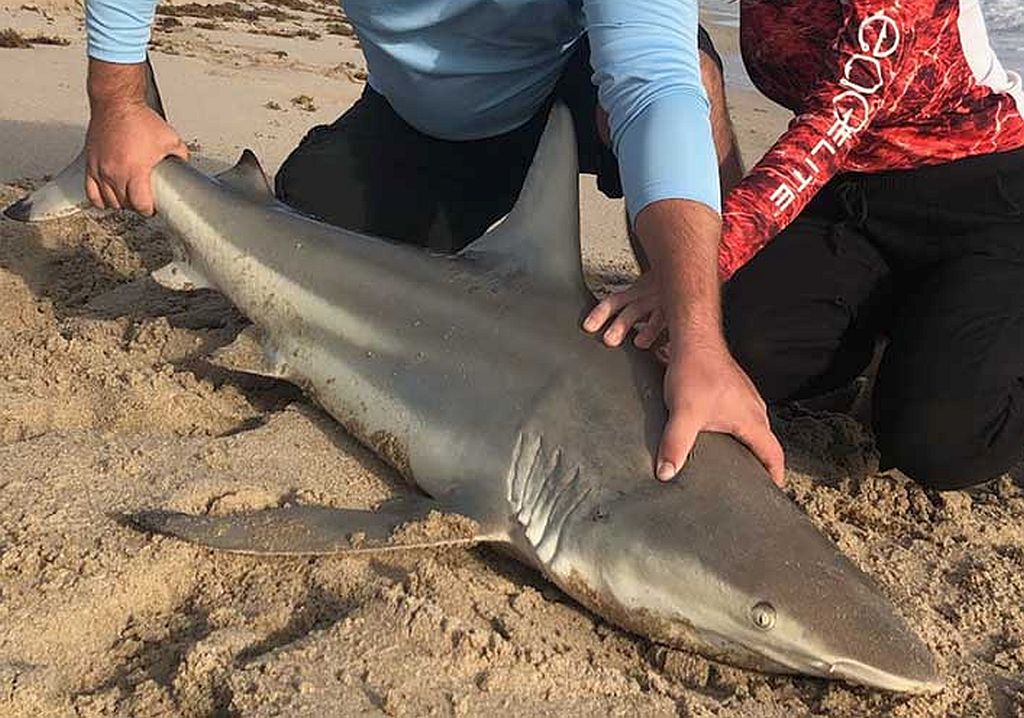 Surf anglers have been catching sharks, bluefish, and Spanish mackerel on a variety of live or cut baits and lures from north of New Smyrna Beach, all the way down to Sebastian.
Around Vero, surf fishermen have been catching numerous Blacktip sharks with a few lemons and sandbar sharks in the mix. Fresh cut chunked baits were preferred over frozen baits and produced the most fish regardless of the time of day or night. Until next time, Tight Lines and bent rods! |
|||||||
| Link One | Link Two | Link Three | Link Four | Link Five | Unsubscribe to this newsletter |