Your April 2018 Mosquito Lagoon & Indian River Fishing Report
Published: Sun, 04/01/18
| Newsletter Issue # 105 | April 1, 2018 |
||||||
Mosquito Lagoon & Indian River Fishing |
|||||||
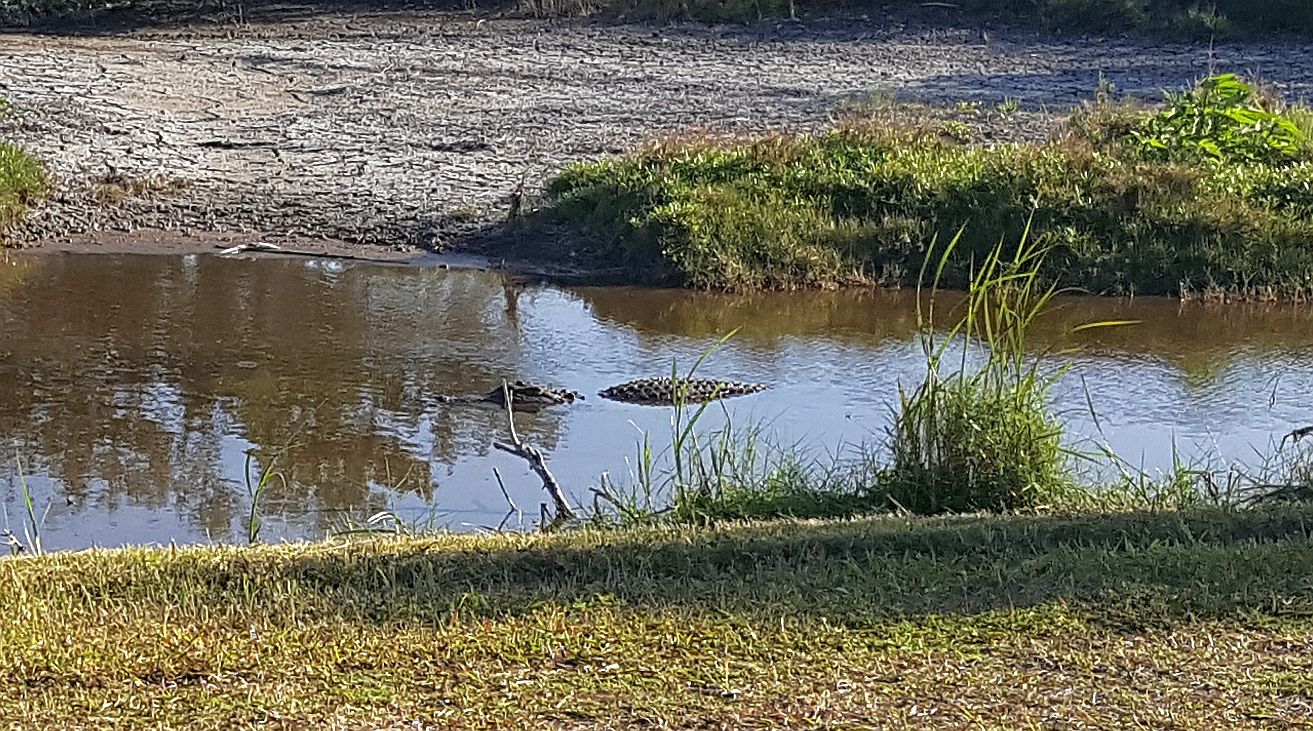 The Mosquito Lagoon and Indian River The water levels in the Mosquito Lagoon and north Indian River are lower and the water quality, especially in the Indian River and Banana River lagoons, has been pretty lousy by any standard. The run offs from lawn fertilizers in the rain water, the raw sewage seeping into the lagoon's waters from many leaking septic tank systems throughout Brevard County, and the raw sewage that is reportedly being dumped directly into the lagoon by the city of Satellite Beach have all contributed to an overload of nutrients in the system. Although this is believed to be the primary cause of the brown algae blooms that have been screwing up the sight fishing opportunities, causing fish kills, and more importantly hampering the re-growth of sea grasses that are essential to a healthy eco system in all of our lagoons; in many areas of our lagoon system, the waters have cleared up considerably and the sea grasses appear to be gradually growing back. Despite these problems, March has been another stellar month for redfish, black drum, and gator sea trout in both the Mosquito and Indian River lagoons, and as the windy conditions gradually die down, we should expect the same reports for April. During the months of March and April, breeder black drum are the primary target for many fishermen in the Mosquito Lagoon and Indian River lagoon systems. The females begin their annual spawning ritual during these months and some really humongous drum in the 30 pound plus category can be found along the deep water pilings and bridges throughout the ICW.
Playalinda Beach On most weekdays at Playalinda Beach during the winter months, surf fishermen will have most of the real estate to themselves (below) but when the annual baitfish migration commences this month and the word gets out that the baitfish are in the surf, the picture will change dramatically and you'll start to see surf sticks all over the place. Playalinda is one of the many areas where surf fishermen will be able to target bluefish, Spanish mackerel, snook, redfish, Jack Cravelle, and a variety of sharks. 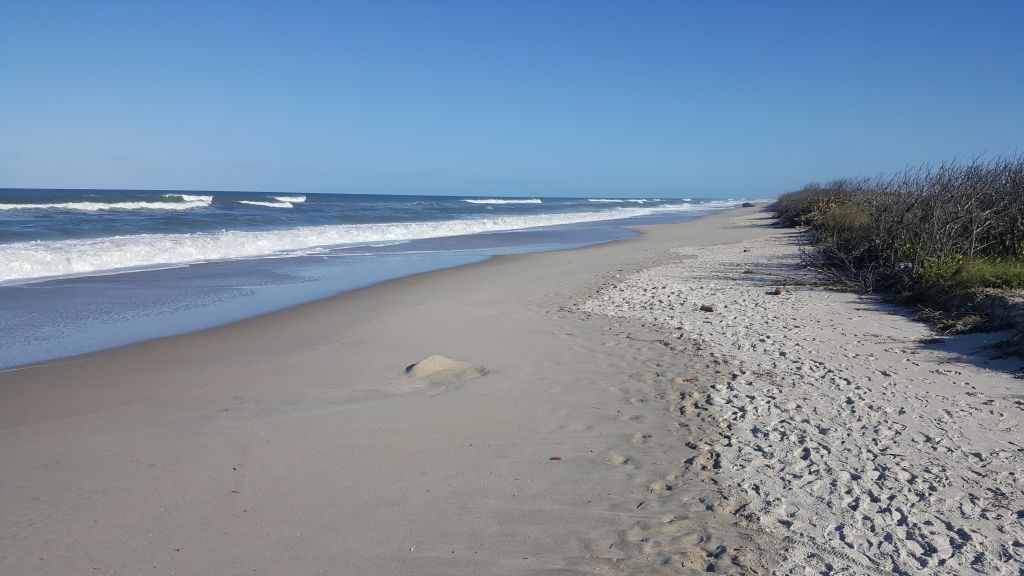 Although there have been sporadic catches of bluefish in the 10 to 20 inch range reported, fishing the "lots" right now has been limited to whiting, pompano, and an occasional black drum when conditions are favorable. This past week the weather was great for fishing, but the surf was rough and except for a few surfers taking advantage of the large waves, I spotted only one fisherman tending to a surf rod. April is still a good month to target pompano at Playalinda when the surf is calm enough to go after them. Use live sand fleas if possible or small pieces of fresh dead shrimp. Fresh or salted clams are also used and even preferred by many veterans. Try hitting the beaches early in the morning as the tide starts to come back in and toss your baits into the deeper troughs between the outer sandbars. This is usually a productive tactic for a variety of species. Most of the Pompano that are caught in our area are between 2 and 4 pounds, with a few larger fish always in the mix. When the baitfish show up in the surf in good numbers, almost any tide is productive for blues. The last half of an incoming tide is usually the best bite with the larger fish running just outside the second set of breakers. A live finger mullet on a 4/0 or 5/0 hook with a plastic coated steel leader, free lined or on a sliding sinker rig, is all you need for blues, Spanish mackerel, shark, and other toothy fish. Farther south in the surf at Patrick AFB, the Margate bite should also be picking up this month. Port Canaveral Offshore and Nearshore Gulfstream 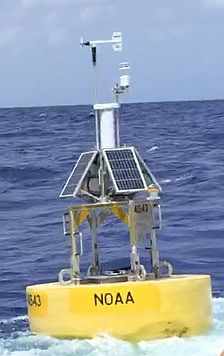 April is one of the best months to make the trip towards the "otherside" NOAA buoy for Yellowfin Tuna, Blackfin Tuna, Skipjack, big Dolphin, Blue marlin, White Marlin, Sailfish, Swordfish, and even sharks at night. April is one of the best months to make the trip towards the "otherside" NOAA buoy for Yellowfin Tuna, Blackfin Tuna, Skipjack, big Dolphin, Blue marlin, White Marlin, Sailfish, Swordfish, and even sharks at night.In 1990, Capt Eddie Dwyer let out the beans on the plethora of pelagic species that can be caught on the buoy 120 nautical miles NE of Cape Canaveral 28.872 N 78.493 W (28°52'18" N 78°29'36" W) and every year since, more and more large vessels (over 30 feet) have been making the trip to the Gulfstream. Most early season Yellowfin Tuna are in the 60 pound category but as the season progresses into late July and August, fish in the 90 to over 100 pound class are routinely harvested. Captains locate the fish by using sophisticated on board radar systems to find the large flocks of sea birds that are feeding on the baitfish schools that the big tuna target. The conventional method of slow trolling a weedline or rip on the is replaced on the other side by "run and gun" sight fishing tactics. Trolling R&S plastic lures or Ilander lures rigged with Balao in the vicinity the birds or the buoy, pitching cedar plugs, or live baiting are all productive methods in the 2500 foot depths. Several Captains out of Port Canaveral specialize in fishing the other side of the Gulfstream but unless you're a seasoned captain, it's not advisable to make the trip alone. Because of the distance, offshore fishermen are cautioned about venturing that far out to sea alone and even then, only large boats should attempt to make the trip. It's always safer to travel with the company of at lest one other vessel. Offshore During the month of April, you can expect a mixed bag of King Mackerel, Mahi Mahi, Cobia, Sailfish, Grouper, Snapper, and Wahoo offshore of Port Canaveral. For this past week, Cobia have been showing up outside of Port Canaveral in good numbers. From the 30 to 70 foot depths, start looking for manta rays or other large free swimming fish that the Cobia follow, and toss a hair jig, a live bait, or a size 14 diving X-Rap or Rapala long cast to the fish. All will produce when presented correctly. 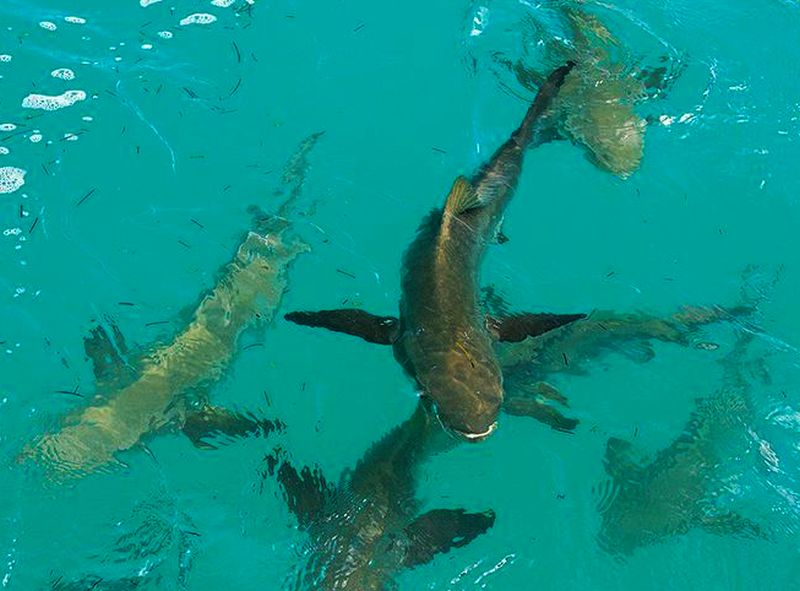 With the nicer weather offshore, the King mackerel bite has begun to improve for anglers slow trolling spoons and live or frozen sardines on a wire stinger rig over the 70 to 90 foot reefs out of the Port. Bottom fishing over the 70 to 90 foot reefs has been producing mixed bags of Red eyes, Lane snapper, triggerfish, mutton, mangrove snapper and an occasional grouper. Smaller live or cut baits have been the best producing baits. Beginning this past weekend, the fishing started getting really good for anglers targeting Dolphin, wahoo, and sailfish a little bit north out of Ponce Inlet. High speed trolling over the western edge of the Gulf stream and the ridges from about 180 feet out during the early dawn hours accounted for the best luck with Wahoo fishermen. Later in the day, trolling naked ballyhoo accounted for some sailfish. Although the dolphin have not showed up yet in our area, they are expected anytime, especially when weeds of rips are present. Nearshore From April through the late summer, and around November in the fall, Port Canaveral is where some of the largest tripletail in the world can be caught. Tripletail are one of the most cooperative near shore species targeted by small boat anglers out of Port Canaveral. They are delicious eating and on light tackle put up a great fight. Tripletail are also known as "leaf fish" because of their habit of occasionally lying on their side while floating on the surface. They are found around channel marker buoys, surface debris, flotsam, weed lines, crab trap anchor lines, and can be caught on live shrimp, small hair or plastic jigs, D.O.A. shrimp, and other small lures. The cooperative species is tailor made for small boaters venturing out of the Port. Haulover Canal The deeper waters of Haulover Canal produce good year round fishing for big Redfish, Black Drum, snook, speckled sea trout, and a variety of other predatory species. Because it provides easy access to both the northern portion of the Indian River and the middle portion of the Mosquito Lagoon, many of our local area guides use the Bairs Cove boat launch as a starting point for their charters. 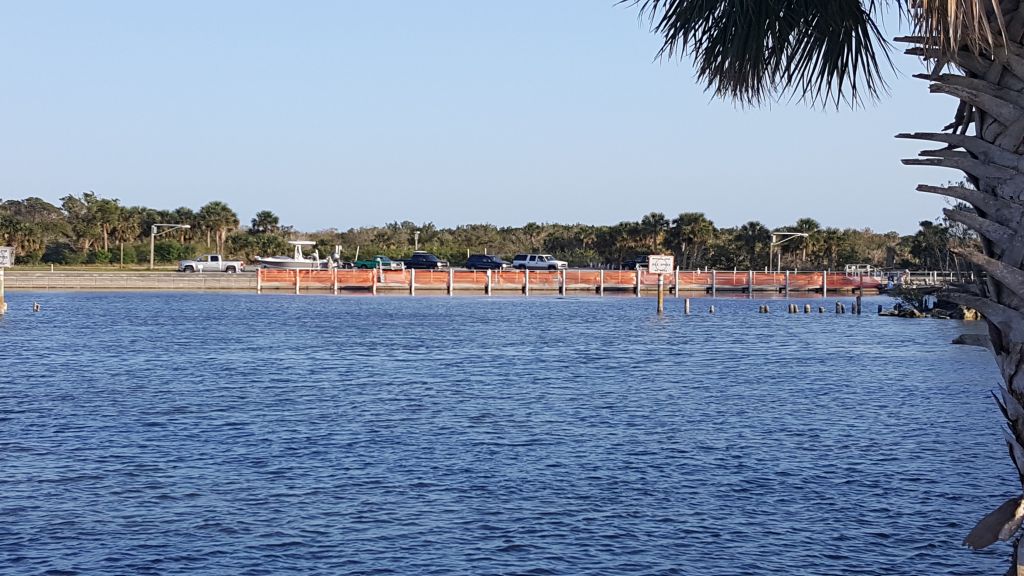 When the fishing is slow or when a client wants a trophy fish, a lot of the guides will anchor along the banks or either mouth of the canal to fish for bull redfish and big black drum. Preferred baits are a whole blue crab, sections of fresh blue crab, fresh cut baits, live pinfish, and large shrimp. When using blue crabs, remove the legs and top half of the blue crab, cut it in half or use it whole, and skewer it onto a 5/0 to 6/0 circle hook. Use a two or three foot length of 30 or 40 pound fluorocarbon leader, and 30# - 60# Power Pro or other braid for the main line to keep the fish from breaking off on the submerged Coquina rocks that line the canal. There are a few sheltered ledges where Gag Grouper can be found in the canal. A live pinfish, croaker, or silver mullet on a stout bottom fishing rod is needed to get them up if you hook up on one. Most anglers that hook one get cut off and never know they even have one one. Although fishing from the bank after dark is prohibited at Haulover Canal, night fishing and shrimping just off of the banks from a boat can produce some some big fish and really large jumbo shrimp. For some reason many sport shrimpers don't take advantage of Haulover's shrimping, but they are there year round and although they are not as plentiful, they are normally much larger than those netted at Oak Hill farther north in the lagoon system. I'll try to post a shrimping report on my site in the near future for both Oak Hill and the Titusville area. Until next time, Tight Lines and bent rods! |
|||||||

| Link One | Link Two | Link Three | Link Four | Link Five | Unsubscribe to this newsletter |