Your January 2018 Mosquito Lagoon & Indian River Fishing Forecast
Published: Mon, 01/01/18
Mosquito Lagoon & Indian River Fishing |
|||
|
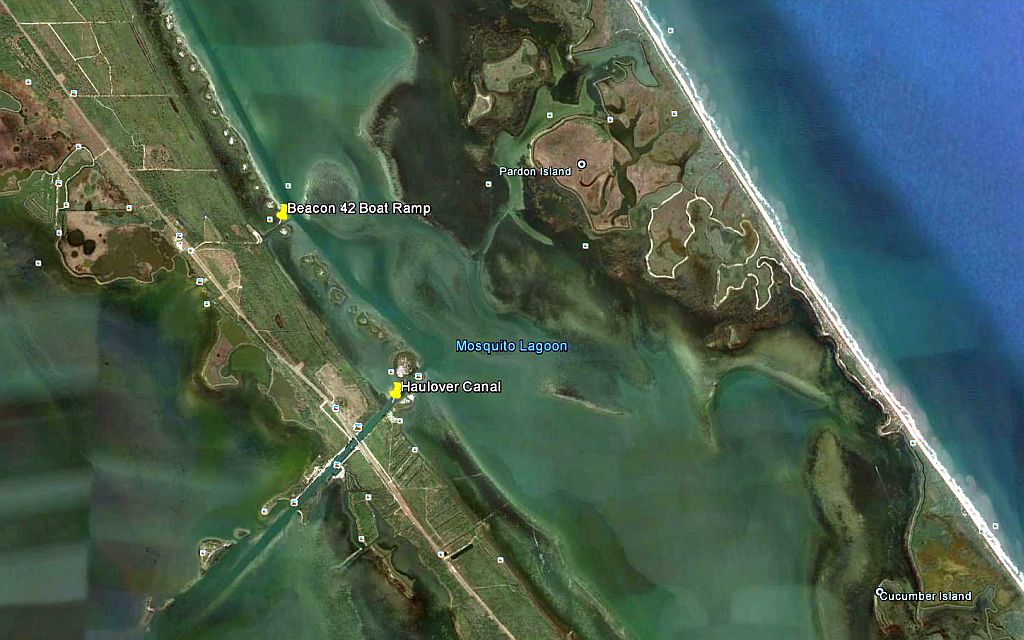
Newsletter Issue # 101 Fishing Forecast January 1, 2018 Wishing You All A Blessed New Year! The redfish bite in the Mosquito Lagoon has been a mixed bag of all sizes between 16 to over 40 inches. The majority of the fish are being caught on plastic jigs, with the larger reds hitting cut blue crab, chunked ladyfish, and live jumbo shrimp. Johnson Sprite type gold spoons have also been taking a good share of mostly slot size redfish in the southern part of the lagoon. Although some of the best fishing in the Indian River and Mosquito Lagoon occurs in between the "cold" fronts during December and January, the weather fronts can also make sight fishing them a hit or miss proposition. Until yesterday, we have had a relatively mild winter with almost "Indian Summer" like fishing conditions. The water in most areas of the lagoons is clear and when the wind allows it, plenty of sight fishing opportunities exist for redfish, "gator" sea trout, and black drum. 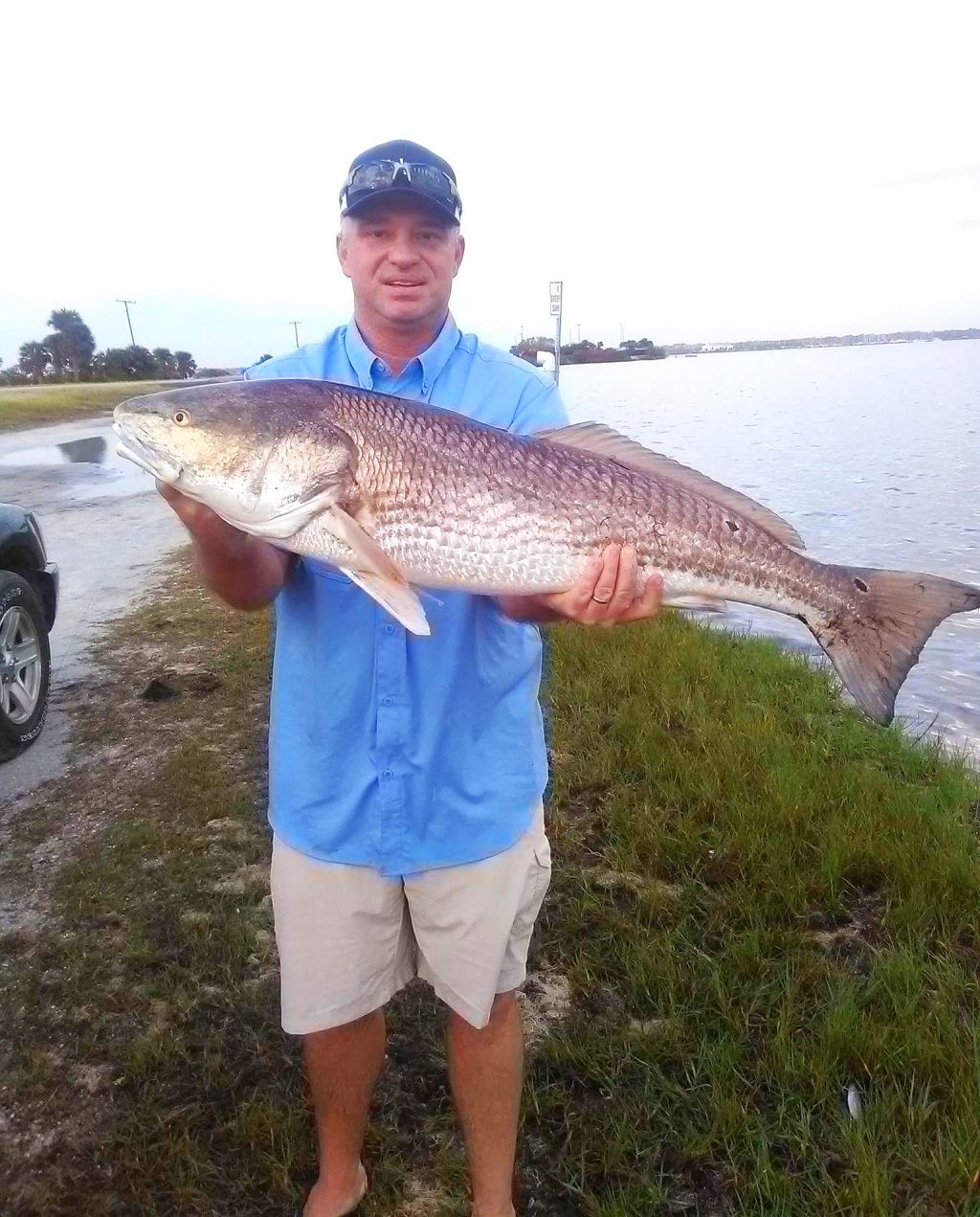 The black drum that have been populating Haulover Canal last month have been slowly moving out of the Canal onto the flats and holes in the Mosquito Lagoon, where they have been eating cut crabs and shrimp. The black drum that have been populating Haulover Canal last month have been slowly moving out of the Canal onto the flats and holes in the Mosquito Lagoon, where they have been eating cut crabs and shrimp.The middle flats around Pardon Island, directly across from the mouth of Haulover Canal, has been producing some nice slot size redfish. Farther south around Pelican Island and the shallows around Eddy Creek, the redfish bite has also been good on soft plastic baits and flies resembling shrimp or crabs. During January, you can usually find schools of redfish near JB's fish camp south to Tiger Shoal in the middle of the lagoon, and around Whale Tail farther south. Both areas are fished pretty hard during the summer months, but during the winter months the fishing pressure lets up and you can generally catch some nice fish on 4 inch Sea Shad Tails, D.O.A. shrimp, or jerk baits. The Saltwater Assassin sea shad rigged weedless on a 1/8th ounce jig head in the Fried Chicken color is deadly on reds and sea trout in these areas. When the water temperatures drop into the the mid 60s, start hunting for gator sea trout on the flats. The fish will be lying in the shallow water along the shorelines, basking in the sun. Look for very shallow sandy or muddy bottoms that gradually taper off into the deeper grass flats where the fish can easily be seen lying in open water. As the sun rises, the fish move up into these shallows where the water is warmest. Keep your eyes open for any slight movement around the patches of grass or darker spots in the sand. You don't need to get on the water early in the morning like you do during the summer to catch a good fish. The fish don't really "wake up" until the water warms up a little, and that happens around noon to early afternoon. Finesse is the name of the game for gator trout. A medium action 7' 6" rod, a reel loaded with 10 pound braid, around 4 feet of 20 pound fluorocarbon leader, and a soft 4 inch shad style plastic bait is all you need this time of the year to nail a gator sea trout. Choose natural colors for your baits, rig them weedless, and create the least amount of commotion possible when searching for fish. On windy days, fan cast a soft plastic bait on a jig head and hop it off the bottom. The "hop" creates a puff of sand which often results in a strike. Start fan casting into shallow water and work the bait into deeper water, hopping the retrieve very, very slowly. If you feel like walking Peacocks Pocket road and fishing the marsh areas in the Merritt Island National Wildlife Refuge, you should find the redfish and sea trout bite to your liking. Few people bother fishing this area since the road has been closed to vehicle traffic and the fish have not had much, if any fishing pressure. Pack up up a few DOA CAL jerkbaits, Creme Paddletail baits, a gold spoon, and a Chug Bug or two. Bring along a small bottle of Pro-Cure to smear on your baits in case the fish are fussy. The docks around the Thousand Island and Coco areas have been producing good numbers of sea trout and redfish by fishermen using soft baits and live shrimp for bait. Around the Rockledge and Coco Beach areas, a lot of smaller trout and a few redfish are being caught around the mangroves. Farther south of us, the flats from Vero to Melbourne have been a mixed bag for anglers using shrimp, live mullet, and artificial baits. Pompano, jacks, bluefish, whiting, smaller sea trout, and a few snook are being caught along the shorelines in that area. At Sebastian Inlet, live Croakers, pigfish, and pinfish are the preferred baits for snook and redfish at the jetty. To date, the bite has not been gangbusters, however, it is much better on the incoming tides. The bite should improve dramatically as the next new moon approaches, and just after the full moon. Playalinda Beach
January should be an outstanding month for Playalinda Beach surf fishermen chasing Pompano, especially when the cold fronts really start moving through our area. The best bite usually occurs on the incoming, or moving tides prior to and after the front.
During early part of December, the pompano fishermen at Lots #1 thru #4 were reporting some good catches of pompano on the incoming tides, with only a few fish reported from Lots #8 to #11. A couple of weeks ago, the guys who were fishing at the higher numbered Lots seemed to be catching more and larger pompano than the anglers who were fishing the lower numbered Lots. During the last week of December, just before the new year, the best bite was again reported at Lots #1 thru #4. The point being, the fish move up and down the beach in the troughs and where you catch them one day, you may not get a bite the next. Move around if you don't get bit in an hour or so. Although early morning incoming tides are generally recognized as the best bite for most surf species, the pompano bite this past month was better on the last part of the outgoing tide. As long as the water was moving and the ocean was not totally flat, the pompano seemed to be eating. Almost everyone who was catching larger pompano in the 16 to 18 inch category at Playalinda was using live sand fleas for bait. The guys who were using small pieces of shrimp or cut clam were catching more whiting than pompano, but I've had days where fresh or salted pieces of clam seemed to be the only bait the fish would eat. All the surf fishermen I talked with over the past couple of weeks were using standard store bought two, or three kahle hook pompano rigs as terminal tackle, with whatever lead was necessary to hold bottom. However, I noticed that some of the more successful surf fishermen who were tending to three or more rods were getting more hookups by replacing the kahle hooks with small circle hooks. Surf fishing for bluefish, whiting, and pompano should also continue to improve as the weather cools down. Some "Bull" whiting are also in the surf this time of the year and like pompano, can be caught on sand fleas, peeled pieces of fresh shrimp, and strips of fresh or salted clams. If you use frozen clams, shrimp, or sand fleas for bait, make sure they are completely thawed out before putting them on your hook. Frozen sand fleas will not stay on the hook as long as a live sand flea or one that has been completely thawed out. This also applies to frozen shrimp and clams. When using clams for bait, try packing the meat in Kosher salt until all the juices are all drawn out. The clam meat toughens up and stays on the hook a lot longer. If you hit the beach early in the morning on the days where 3 ounces of lead is needed to hold bottom during a moving tide, and make sure your live sand fleas are in the troughs between the sandbars or along the outer edge of the surf break, you should expect a decent pompano bite at Playalinda Beach throughout the winter months. Pompano can grow as large as 8 pounds, but most of the fish caught in the surf in our area are usually in the 2 to 4 pound category. Right now there are a lot of undersize pompano being caught but as the winter progresses, more of the larger fish will arrive on the scene. Port Canaveral Offshore and Nearshore  Offshore During January, King Mackerel is the main species targeted out of Port Canaveral by most anglers. Right now fishermen slow trolling live baits and dead sardines over the 70 - 90 foot wrecks and reefs have been catching kingfish throughout our region, with couple of sailfish and some cobia showing up in the mix. Most captains fishing the 70 to 90 foot reefs have been slow trolling frozen sardines, ballyhoo, or live mullet on wire stinger rigs. A few free swimming cobia, and a few of the cobia that have been shadowing the manta rays in the 50 to 75 foot depths between Canaveral and Ponce Inlet have also been caught by anglers slow trolling the same rigs. There have been reports of a few Wahoo in the 30 to 40 pound category, and an occasional blackfin tuna or two also being caught offshore this past month. Nearshore Around Port Canaveral, anglers have been picking up a few bull redfish but the bite has not really been on fire. As more pilchards and baitfish start moving into the Canaveral Bight area, the fishing will improve dramatically for bull redfish and shark. Cut mullet, pinfish, croaker, and for shark, chunks of bonito are baits of choice. The anglers fishing at Ponce Inlet have been getting snook, tarpon, oversize reds, and a few black drum. Haulover Canal 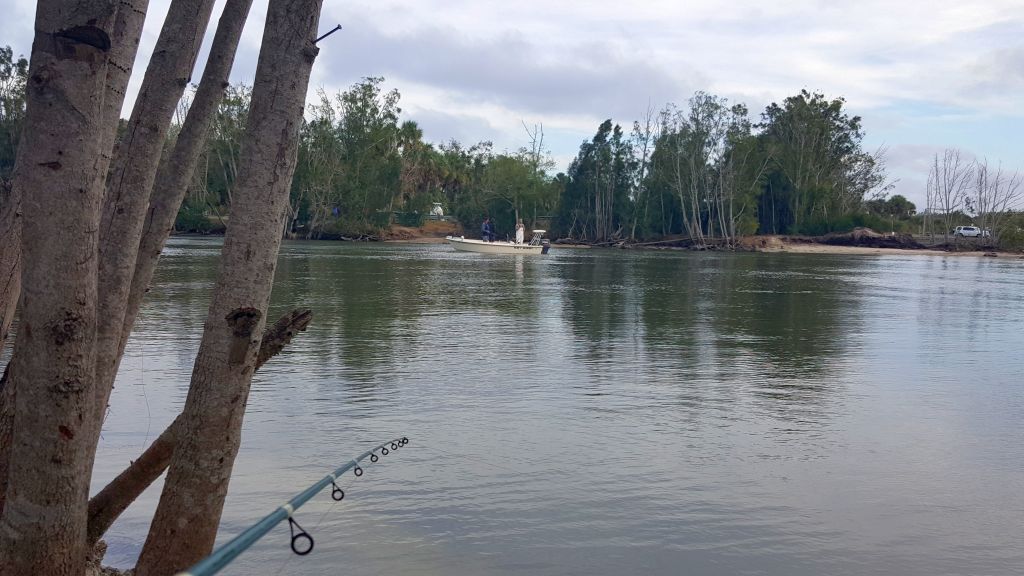 December has been an outstanding month for fishermen targeting bull redfish and black drum in Haulover Canal, and the bite should continue into the upcoming months. The deep waters in the canal between the North Indian River and the Mosquito Lagoon act as a highway where almost every species of fish can be caught at one time or another throughout the year.
Although Haulover is best known for bull redfish and big black drum, the canal also holds Snook, speckled sea trout, ladyfish, mangrove snapper, bluefish, whiting,
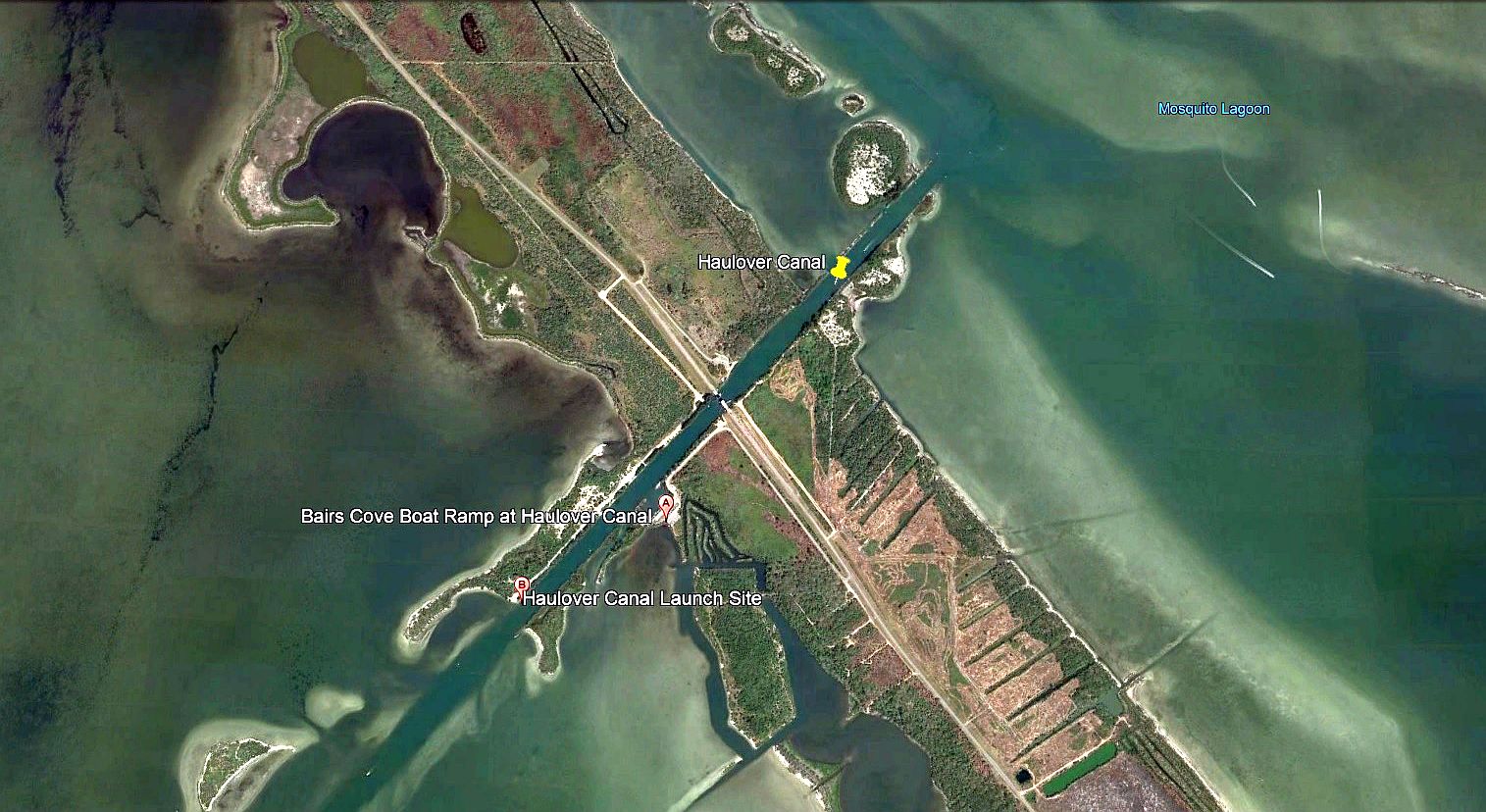
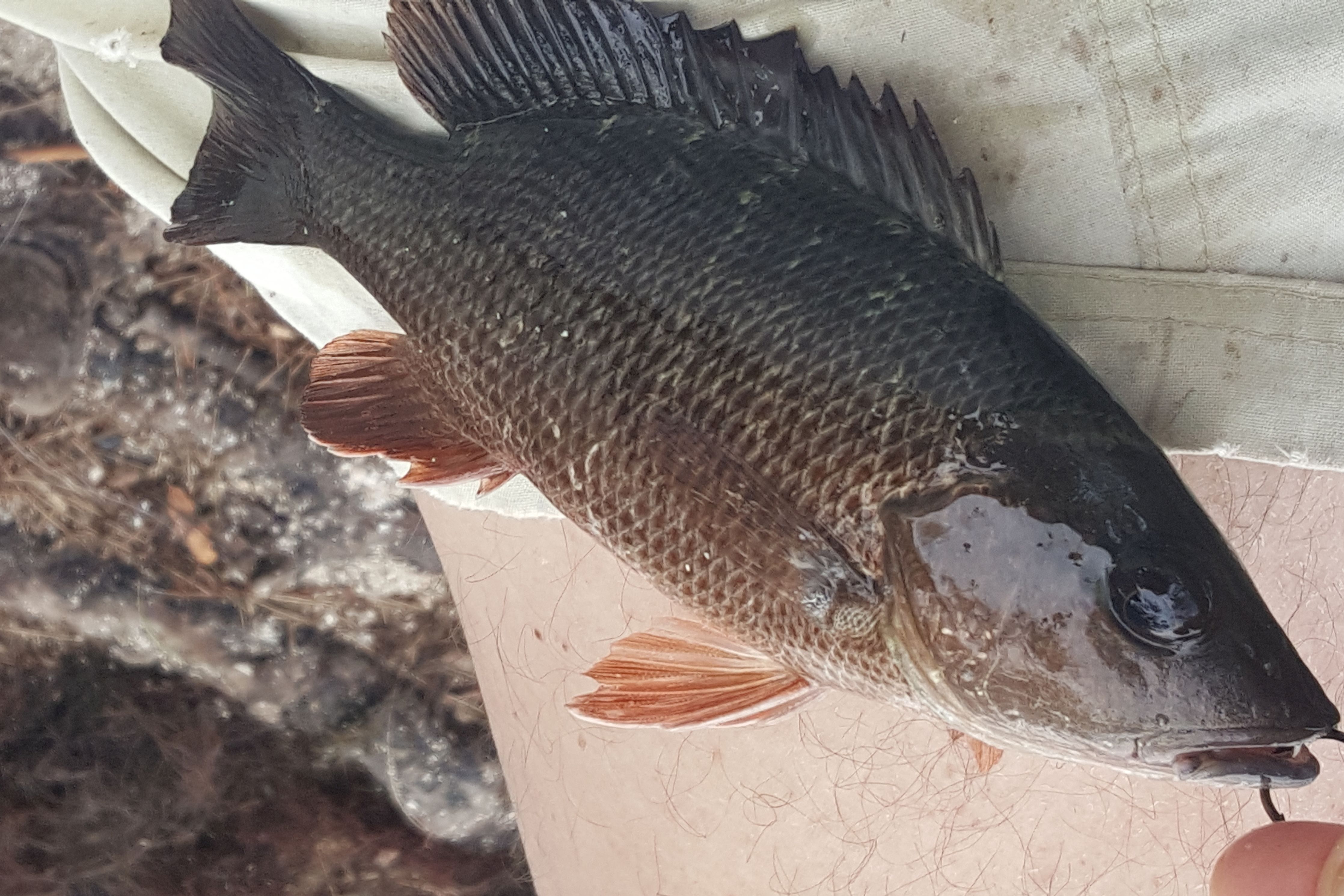 sheepshead, gag grouper, tarpon, stingrays, and catfish. sheepshead, gag grouper, tarpon, stingrays, and catfish.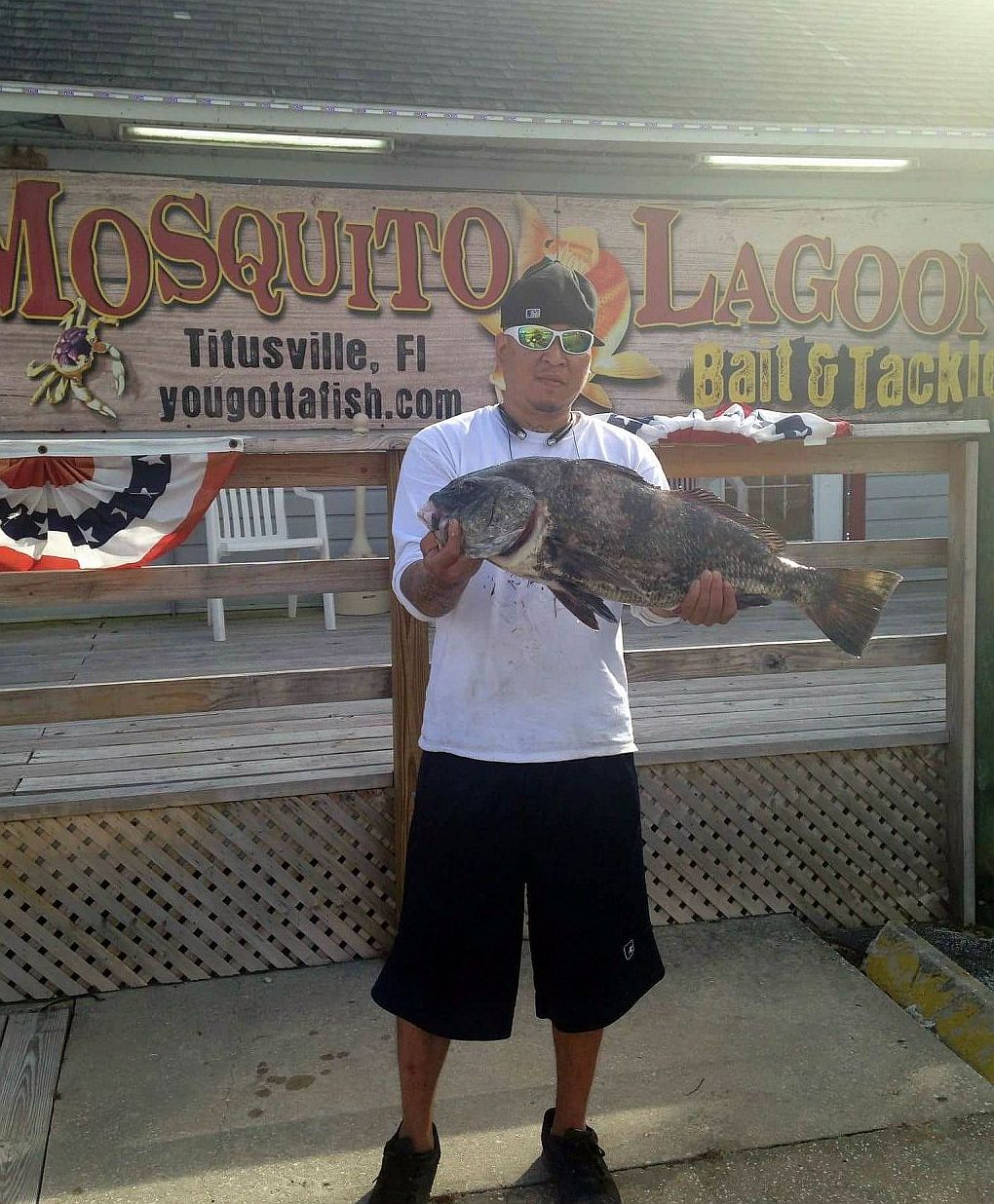 On most days during the last weeks of December, bank fishermen were making multiple catches of black drum in all sizes. On most days during the last weeks of December, bank fishermen were making multiple catches of black drum in all sizes. Catches of 20 or more black drum made by fishermen using fresh frozen shrimp as bait were not unusual. Most of the catches from the bank were made midway, to either of the mouths of the canal, and anywhere from 10 to 20 foot out from the bank. A lot of fishermen who were spending time around the bridge were mostly re-rigging their tackle from snags and cutoffs on the Coquina outcroppings. Unless you're in boat, it's best to keep away from the bridge. You will get more bites, land more fish, and definitely keep a lot more of your terminal tackle. The guys targeting black drum in boats usually start by anchoring along the west side of the canal between the bridge and the entrance to the boat launch, and toss out a shrimp with enough weight to just hold bottom. If you don't get a bite in a half an hour or so, pull up anchor and re-locate until you find fish. This is the same basic technique used to find "bull" redfish, except that you use a half of a fresh blue crab for bait. 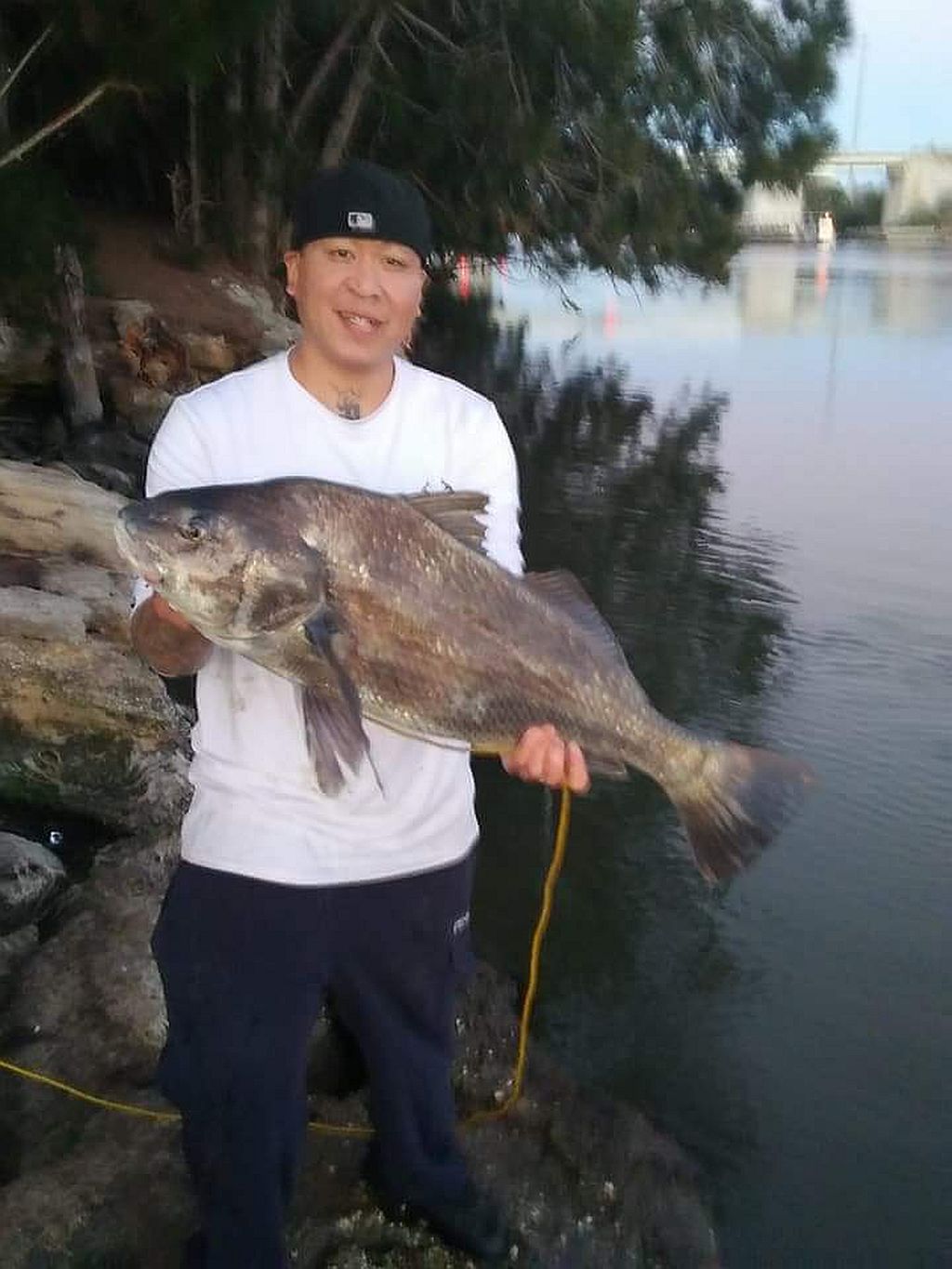 Split a live blue crab in half, remove the top of it's shell and all of it's legs, bait it up on a 6/0 circle hook with a two or three foot length of 40 pound or heavier fluorocarbon leader and 60# Power Pro or other brand braid as the main line, and you're in business. A lot of boaters like to anchor at the deep hole at the mouth of the canal on the Mosquito Lagoon side to fish for reds and big black drum. Or, when the wind blows the current in the other direction, anchor just off of the rocks at the mouth of the Indian River. If you drive over the bridge and see a group of boats anchored at either the mouth of the Indian River, or the Mosquito Lagoon; you can make book that the black drum or bull redfish bite is on. A live blue crab split in half, with the top and all its legs removed is a hard to beat bait for bull Redfish and Black Drum.
Nighttime fishing in the canal from the bank after dark is prohibited, but fishing or shrimping from a boat is allowed. During December, shrimpers have been dipping decent numbers of large shrimp along the banks of Haulover Canal. We can expect the shrimping to get better as the weather continues to cool down. The higher fishing pier at the A. Max Brewer Causeway Bridge has been opened, but the lower pier is still damaged from the hurricane and remains closed to fishing and shrimping. Until next time,
Have a Safe Happy New Year, Tight Lines, and bent rods!
|
|||