Your December 2017 Mosquito Lagoon & Indian River Fishing Report
Published: Fri, 12/01/17
| Newsletter Issue # 100 Fishing Forecast | December 1, 2017 | ||||
Mosquito Lagoon & Indian River Fishing |
|||||
 The Mosquito Lagoon and Indian River
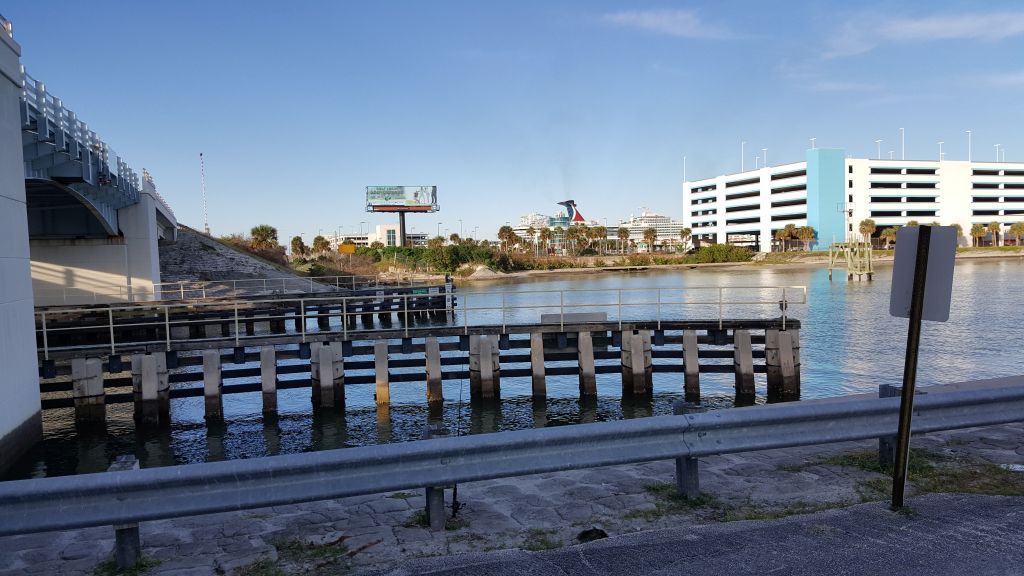
Surf Fishing: Playalinda Beach in East Central Florida will be a major pompano "hotspot" for the next few months. Playalinda Beach lies just north of the Kennedy Space Center and the Cape Canaveral Air Force Station, and is the southernmost portion of the Canaveral National Seashore. 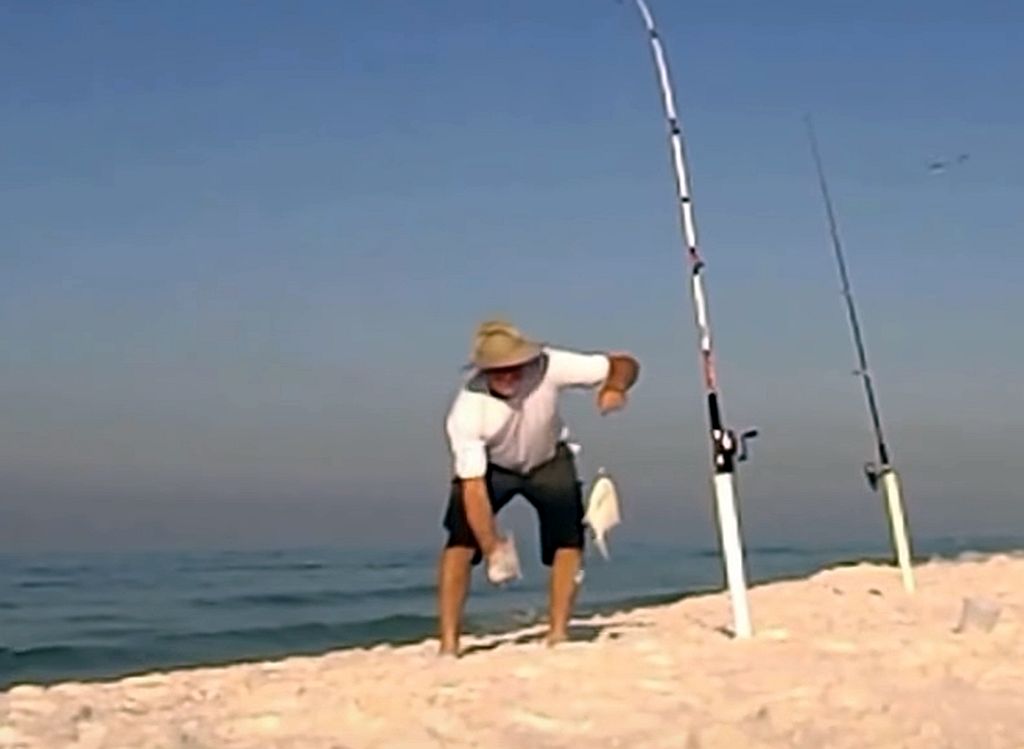 The Canaveral National Seashore is in the Merritt Island National Wildlife Refuge which is 12 miles east of Titusville, Fl. Thirteen parking lots provide easy access to the beach, which is the longest undeveloped beach on Florida's East Coast. Six of the parking lots are equipped with handicapped access ramps and most have restrooms. There are no tackle shops or concession stands anywhere near the beach, so bring your bait, rigs, and snacks along with you if you plan on going pompano fishing. During the winter months, especially during the weekdays, the beaches are often barren. I've often been surf fishing on the beach many times during the winter months with absolutely no one else in sight. Playalinda Beach is narrow and drops off sharply in many areas forming deep troughs which are in easy casting distance from the beach. During high tides, the troughs gather crabs, sand fleas, small shrimp and baitfish that are pulled in with the backwash from the shore breaks and swells that cross the offshore sandbars, just past the troughs. At high tide, schools of pompano move in closer to the beach to feed on the crustaceans and baitfish caught in the troughs. During low tides, the schools move out into deeper water just past the sandbars where longer casts are needed to catch them. This past Thanksgiving week, a few Pompano and Whiting were being caught at the lower numbered lots, but the blues were also hitting pretty good. The basic Playalinda Beach surf fishing rig is an 8' to 12' surf rod, a spinning reel loaded with 10 to 20 lb monofilament or braided line, and a 1 or 2 hook dropper rig with a 1 to 4 ounce pyramid sinker. Live sand fleas, small pieces of fresh cut clam, small pieces of shrimp, or Fishbites are all baits of choice for pompano. A $5 per vehicle entry fee is charged to fish Playalinda Beach, or you can purchase an annual pass for $35 at the guard station. If you are 62 or older, you can buy a Senior Pass for $10.00. A signed Refuge Sport Fishing permit must be carried on your person while fishing in the Merritt Island National Wildlife Refuge. You can pick one up at the guard shack, any of the kiosks, or you can download it HERE. The self-issuing permit assures that you have read and understand Merritt Island National Wildlife Refuge's fishing rules and regulations. Sebastian Inlet: 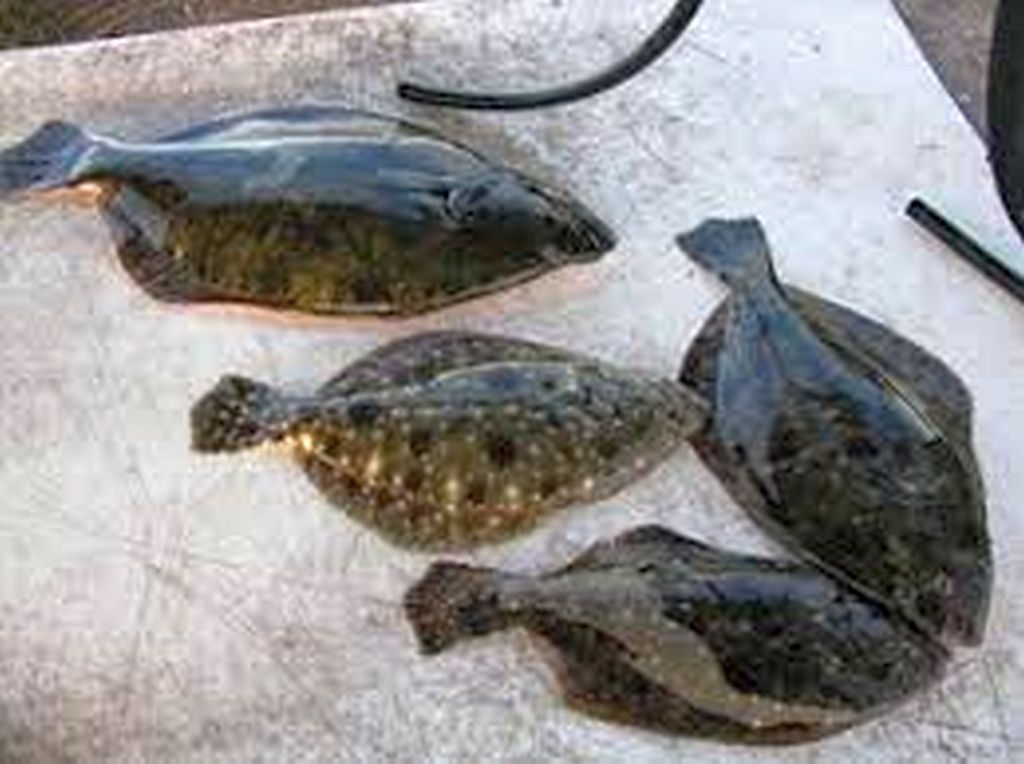 The fall Flounder run at Sebastian Inlet starts around Thanksgiving Day and by the middle of December, anglers will be making regular catches of 8 to 12 pound "doormats". The bigger flounder will continue to remain in the Inlet well into January. The fall Flounder run at Sebastian Inlet starts around Thanksgiving Day and by the middle of December, anglers will be making regular catches of 8 to 12 pound "doormats". The bigger flounder will continue to remain in the Inlet well into January. Although live finger mullet account for the majority of the larger flounder caught, live mud minnows, shrimp, and hair jigs also take a good share of doormats. Most anglers use a sliding sinker rig or knocker rig to keep the bait right on the bottom. Use very short fluorocarbon leaders (about 12 inches or so) and enough lead to keep the bait in the strike zone and occasionally hop it off the bottom to cover more area. The majority of doormats at Sebastian are caught by boaters, but bank fishermen on the rocks or on the catwalk at the State Road A1A bridge also take their share of fish. Anchoring in the marked channel west of the bridge is still prohibited. Many of the bank fishermen I spoke with at Haulover Canal this past Thanksgiving week were making some decent catches of oversize Redfish, Black Drum, and Mangrove Snapper. The bigger redfish were caught on sectioned blue crab and cut ladyfish, but most of the guys I spoke with who were catching black drum were using either fresh dead shrimp, live shrimp, or clams. Most of the fish caught during the past couple of weeks were either just in the slot or well over the slot, and reports of 10 and more fish being caught per outing were not uncommon. A few of the bank fishermen I talked with were targeting Mangrove Snapper but most of the fish were under the slot. Most of the black drum caught last month were in the 10 to 12 pound class, but during the winter months, redfish in the 30 pound plus category are not uncommon. Although most fishermen targeting bull redfish along the banks of Haulover Canal swear that half of a fresh live blue crab is by far the best bait for larger blacnlet drum and redfish; many anglers use live pinfish, mullet, and large select shrimp with equal success. Whatever bait you select, if you're bank fishing, it's a good idea to use Power Pro or any other brand of fine diameter braid as your main line, and a heavy fluorocarbon leader snelled onto a 5/0 or 6/0 VMC circle hook as terminal tackle. Unlike fishing from an anchored vessel, braid is highly recommended to minimize cutoffs from the Coquina outcroppings that line the banks in the canal. No bank fishing is permitted in Haulover Canal at night, but boaters night fishing almost any time of the year have an opportunity of catching big black drum, bull redfish, snook, sea trout, Gag Grouper, Mangrove Snapper, and even tarpon in season. As the weather becomes colder, sport shrimping in Central Florida generally gets better. Unfortunately, because of damage done by the hurricane, both of the fishing piers at the A. Max Brewer bridge which are prime spots for dip net shrimping in this area are now closed to the public until further notice. 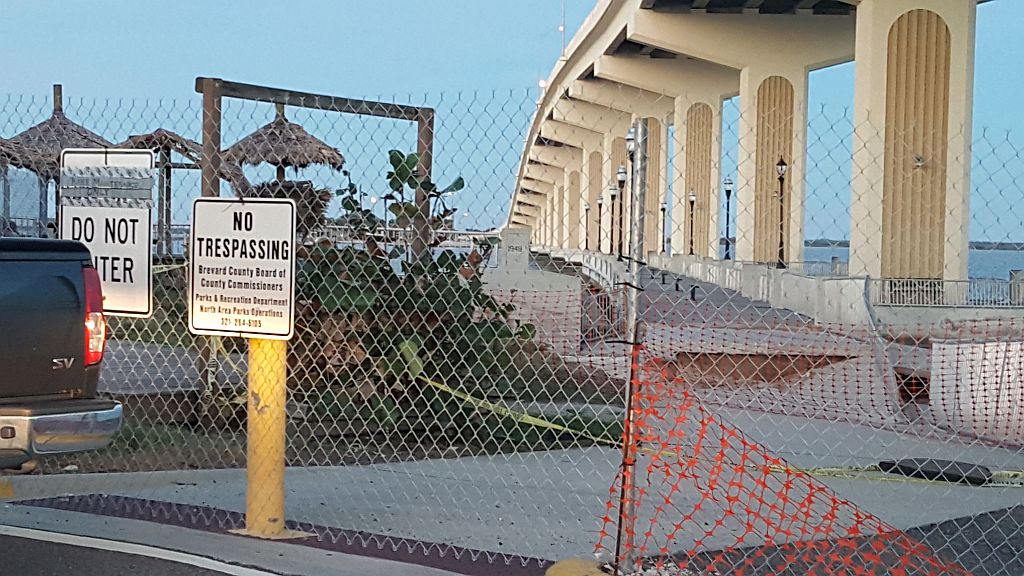 Unless they are re-opened, we can expect to see lots of boaters at the railroad bridge, the A. Max Brewer bridge, and along the banks of Haulover Canal throughout the winter months dipping shrimp through the wee hours of the morning. Till Next Month, Good Fishing & Tight Lines To You All! |
|||||
| Link One | Link Two | Link Three | Link Four | Link Five | Unsubscribe to this newsletter |