Your November 2017 Mosquito Lagoon & Indian River Fishing Report
Published: Wed, 11/01/17
| Newsletter Issue # 99 | November 1, 2017 |
Mosquito Lagoon & Indian River Fishing |
|
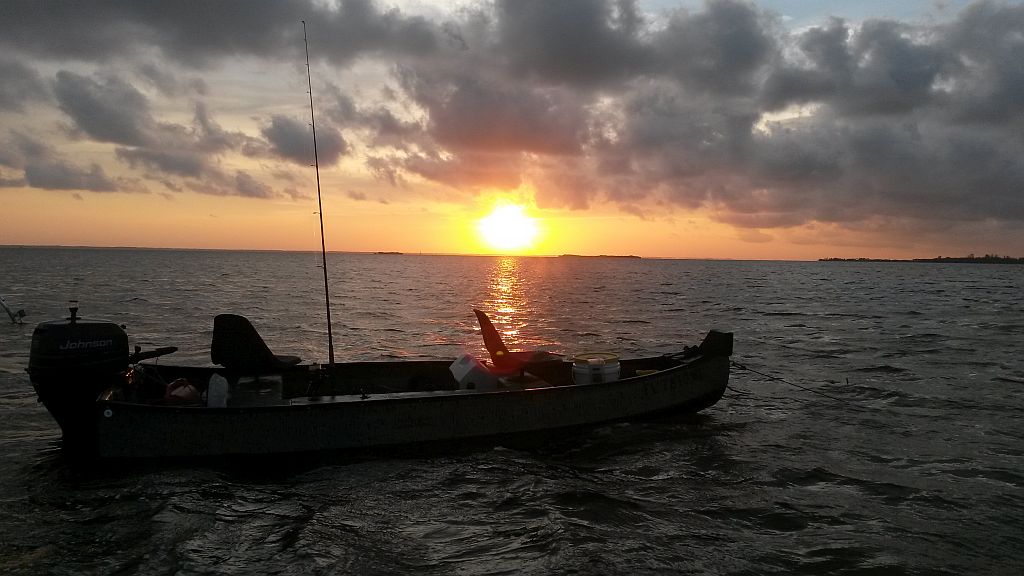 The Mosquito Lagoon and Indian River Despite the strong (15-20 mph) East winds and high water conditions we had throughout much of October, the fishing in the Mosquito Lagoon and northern Indian River was still pretty good for anglers who managed to wet a line, and since cooler weather has set in, the redfish have become more active and eager to eat. This past week, boaters were finding black drum roaming the flats in the northern Indian River and on the flats just north and south of the Pineda Causeway in the Banana River. Most fishermen targeting black drum prefer using live or fresh dead shrimp, but tossing a soft jerkbait or white hair jig at schooling fish can also be productive. _______________________________________ Offshore and Nearshore Fishing
Offshore fishing during November outside of Port Canaveral is entirely dependent on weather conditions. On days that anglers can get out there, the deep droppers out of the Port have been picking up limits of Tilefish using cut baits in 600 to 800 feet of water. They have also been reporting good 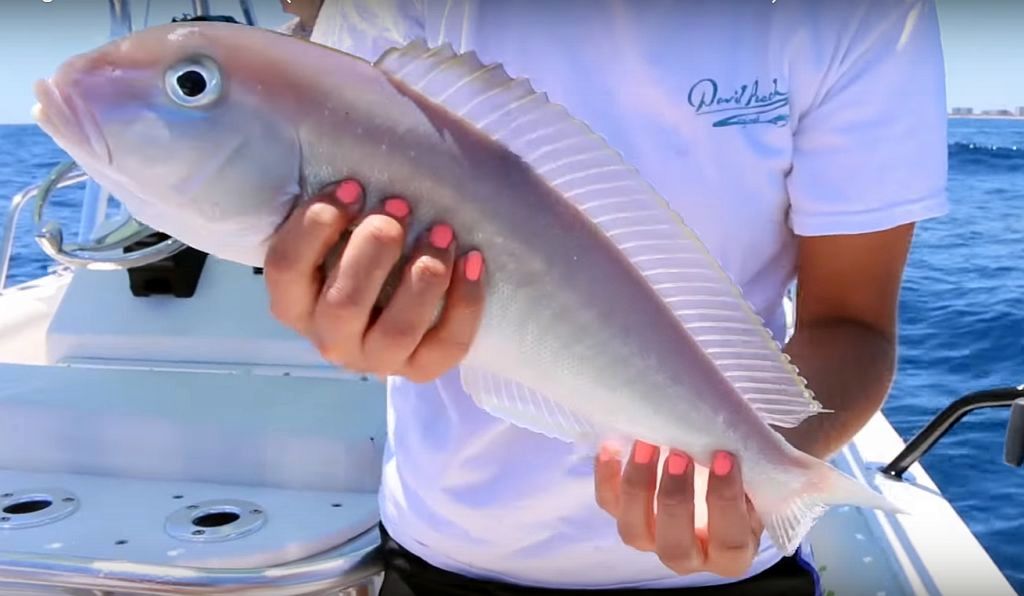 catches of Mutton, Lane, and Yellowtail snapper on sardines and cut squid. The bite is expected to
continue getting better later on into the month. catches of Mutton, Lane, and Yellowtail snapper on sardines and cut squid. The bite is expected to
continue getting better later on into the month.Anglers trolling in deeper water have been reporting a really good sailfish bite and a decent bite for smoker kingfish, mahi, wahoo, and Blackfin tuna where the water color changes from green to blue, and around any type of floating debris. Several captains reported multiple hookup trips with occasional double hookups last week on sailfish, with a few smoker kings in the mix. Farther north out of Ponce Inlet, the bottom fishing for snapper and triggerfish has also been very good when the captains can get offshore. The fish have been on the reefs and wrecks in 70 to 125 feet of water in that area. The 15 to 30 foot depths of Canaveral Bight this month should still be productive for bull redfish and shark. Live mullet, pogies, or cut baits on sliding sinker rigs with enough weight to hold bottom is the rig preferred by most anglers. A few captains bounce large Cobia jigs along the bottom in this area with a great deal of success, especially when the jig is tipped with a live pogie or mullet. The inshore fishing for snook, mangrove snapper, ladyfish, jacks, sheepshead, redfish, and tarpon should be good at the mouths of all our jetties throughout this month. When hurricane Irma dumped tons of water into the Halifax, St. Johns, and other river systems causing the waters to rise, snook and tarpon entered into the river systems to gorge on the shiners, crabs, shrimp, mullet, and other tidbits that were flushed through the system. A lot of snook and tarpon are still holding in the ditches and backwaters of the river systems. At the mouth of the Sebastian Inlet during a falling tide, tarpon in the 80 to 90 pound category and big snook line up at the mouth of the Inlet to feed on the crab, shrimp and baitfish that are flushed out of the river. Anglers fishing from the smaller south jetty casting large plugs and spoons during a falling tide have been hooking some really big tarpon up to 120 pounds. Unfortunately, landing them is another story entirely, but it's great sport watching them jump allover the place when they're on the line. Surf Fishing 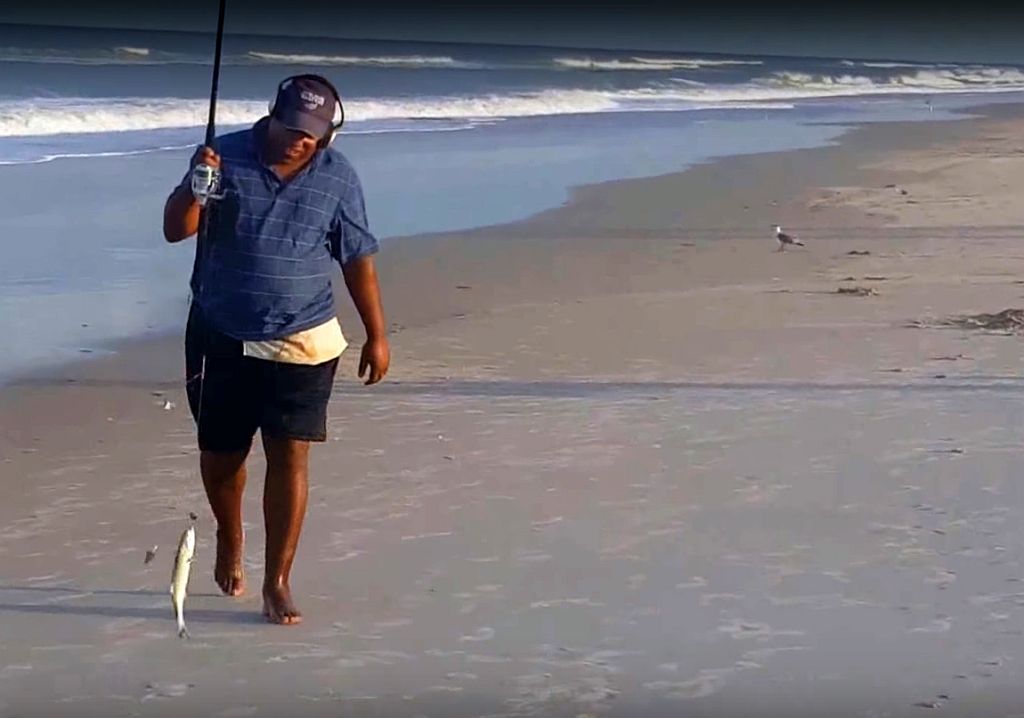 There are scattered pods of baitfish along our beaches that surf fishermen will be able to take advantage of during November. Bluefish, Spanish Mackerel, Snook, and jacks will be the main targets until the Pompano arrive. There are scattered pods of baitfish along our beaches that surf fishermen will be able to take advantage of during November. Bluefish, Spanish Mackerel, Snook, and jacks will be the main targets until the Pompano arrive.As the water temperatures drop, the Pompano bite will perk up and as the cold fronts pass by, more and more anglers will be seen along our beaches. The fish usually show up in good numbers along Playalinda Beach sometime in November or December on their way to Miami's beaches. But the best way to tell if the bite is on, is to check out the local bait shops or drive along the beach to see which areas have the most vehicles. During the winter months, you can pretty much have the beach to yourself, especially if you get there early. Basic tackle for Playalinda Beach surf fishermen is an 8' or 9' spinning rod, a reel loaded with 12 to 20 lb test monofilament line, and a 2 or 3 hook dropper rig with a pyramid sinker heavy enough to hold bottom. Live sand fleas, fresh cut clams, Fishbites, or a small piece of shrimp are preferred baits for Pompano and whiting. Make sure you use fresh clams, not frozen. Most bait shops sell frozen clams that turn into mush when defrosted and don't stay on your hook well. If you are targeting bluefish or Spanish mackerel, a chunk of mullet or a live finger mullet on a long shank hook is your best bet. ________________________________________________ Haulover Canal Haulover Canal is open again to bank fishermen who have reportedly been catching black drum and bull redfish well over the 20 pound category. 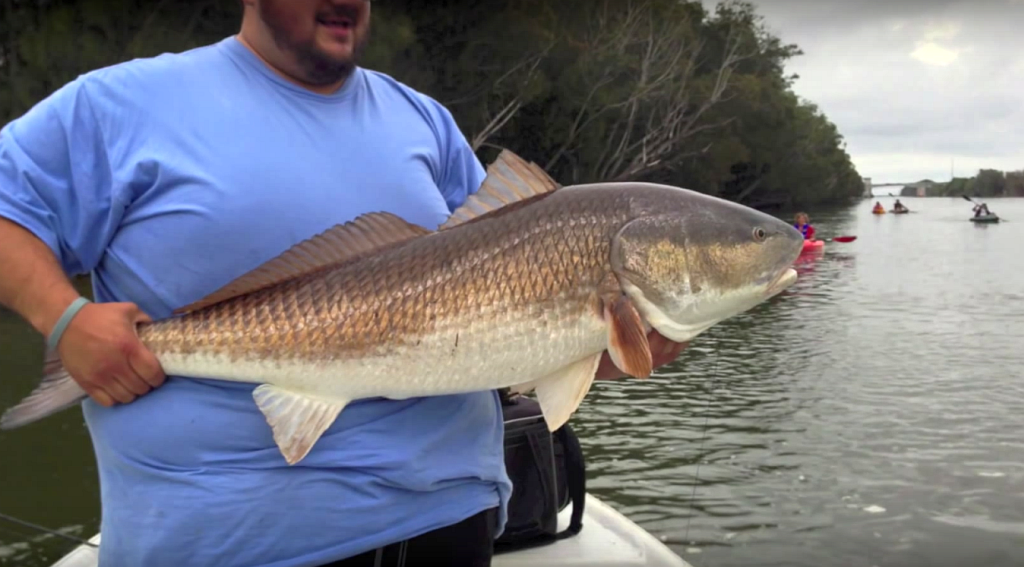 Most successful anglers fish half of a fresh blue crab right on the bottom on a knocker or a sliding sinker rig, or use a live pinfish, mullet, or large shrimp for bait as a good second choice. Power Pro braid, heavy fluorocarbon leaders, and 4/0 to 6/0 VMC circle hooks are recommended as terminal tackle if you plan on targeting these guys. Although night fishing in the canal is not permitted from the bank, boaters fishing at night regularly catch black drum, redfish, sea trout and snook. During November, Haulover Canal and the deeper waters around our area bridges are especially good areas to target black drum. ________________________________________________ Till Next Month, Good Fishing & Tight Lines To You All |
|
| Link One | Link Two | Link Three | Link Four | Link Five | Unsubscribe to this newsletter |