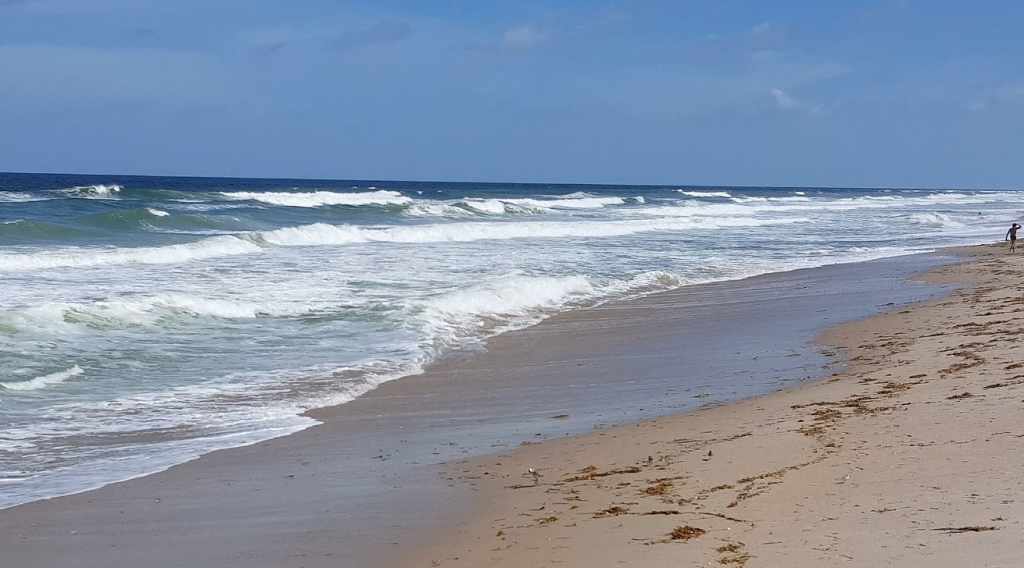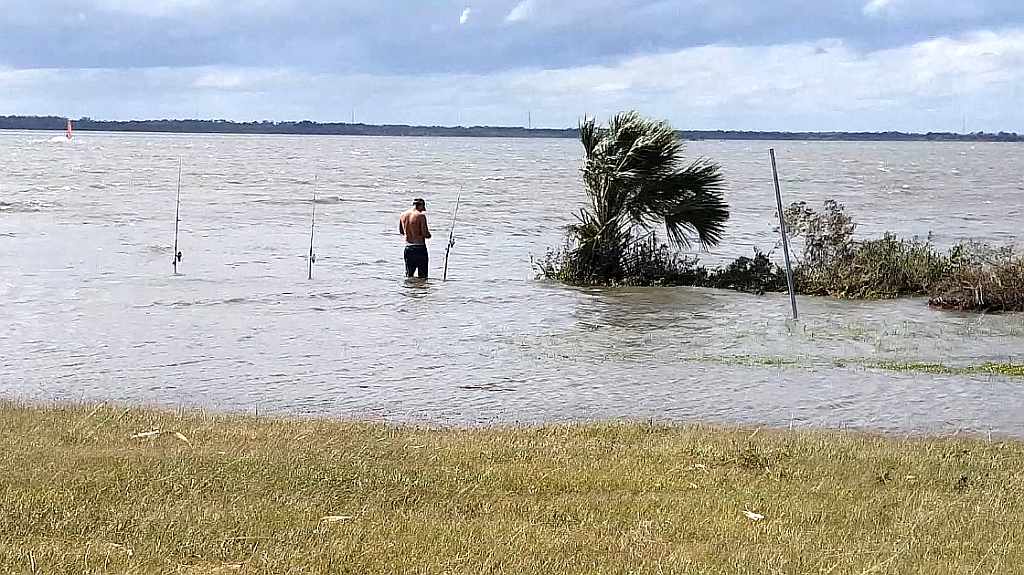
The Mosquito Lagoon and Indian River
Hurricane Irma really did some serious damage to the East coast of Florida, and in our Central East region it left a lot of damaged docks, boat ramps, and closed access roads in many areas including, the Merritt Island National Wildlife Refuge.
In our area, many of the local launch ramps took a hit, and almost all of the access roads leading into the wildlife refuge still have barricades erected on them.
Marina Park, Kelly Park, Bio Lab, Christianson boat ramp farther south, and the launch ramp next to Outrigger's restaurant in the New Smyrna area is open, but Beacon 42, Peacocks Pocket, and several other launch ramps in our area are still closed.
Peacocks Pocket, Gator Creek, Catfish Creek Loop, Patillo Creek, L. Pond, and many other dike roads still have barricades erected which makes bank fishing limited to the causeways or how far you are willing to walk with a couple of rods and a pack full of tackle.
October is a transition month for redfish and sea trout in the Mosquito Lagoon and Indian River estuaries, and this year is no exception, however, because of the water levels in the Indian and Banana Rivers are so high from hurricane Irma, the culverts have been open and the redfish have been literally swarming around the creeks and culvert outflows.
Throwing a 4" saltwater assassin sea shad rigged on a 1/8 th or 1/4 oz. Assassin spring lock jig head around the outflows right now will almost guarantee you a hookup.
Most of the redfish that have been caught are running in the 20 to 26 inch range.
When the mullet are around the flats and not in the culvert outflows, cast a gold Johnson's Sprite Weedless Spoon around the baitfish pods. The bigger redfish have been chasing mullet around the flats and hitting the gold spoons on a regular basis. These fish have been running in the mid 30 inch range.
Fishing the flowing culverts is not just limited to catching redfish. 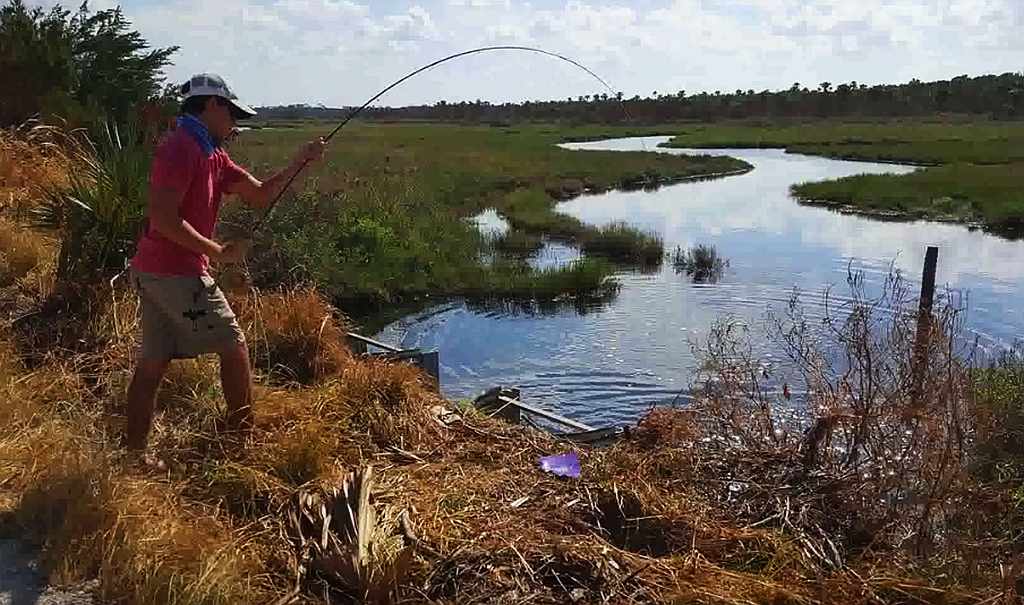
Snook, sea trout, and juvenile tarpon are also congregating around the culverts and can be caught on small jigs or flies that imitate small glass minnows or fingerling mullet.
Last week I took a scouting trip around the wildlife refuge and saw first hand how the tarpon and Snook were murdering small glass minnows around the flowing culverts along Bio Lab road and some areas in the northern Indian River.
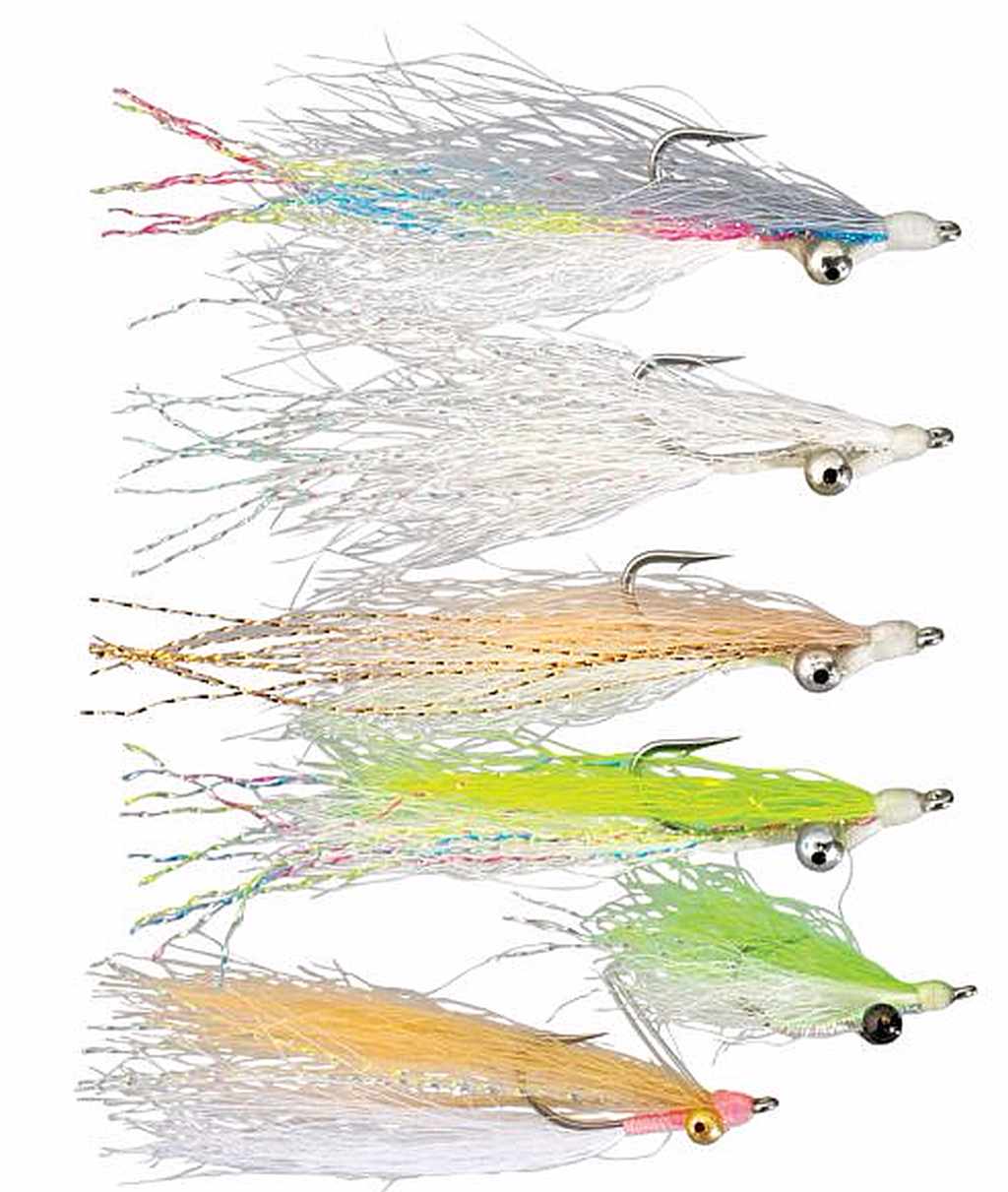 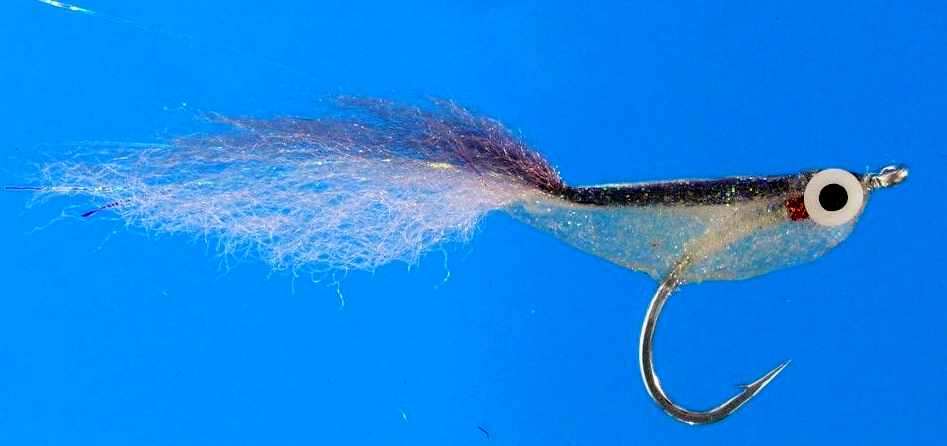  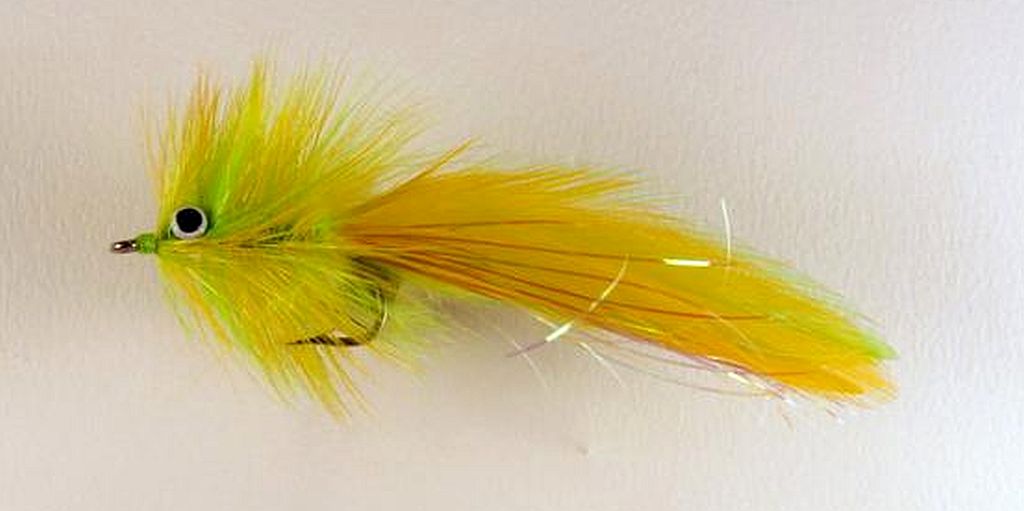 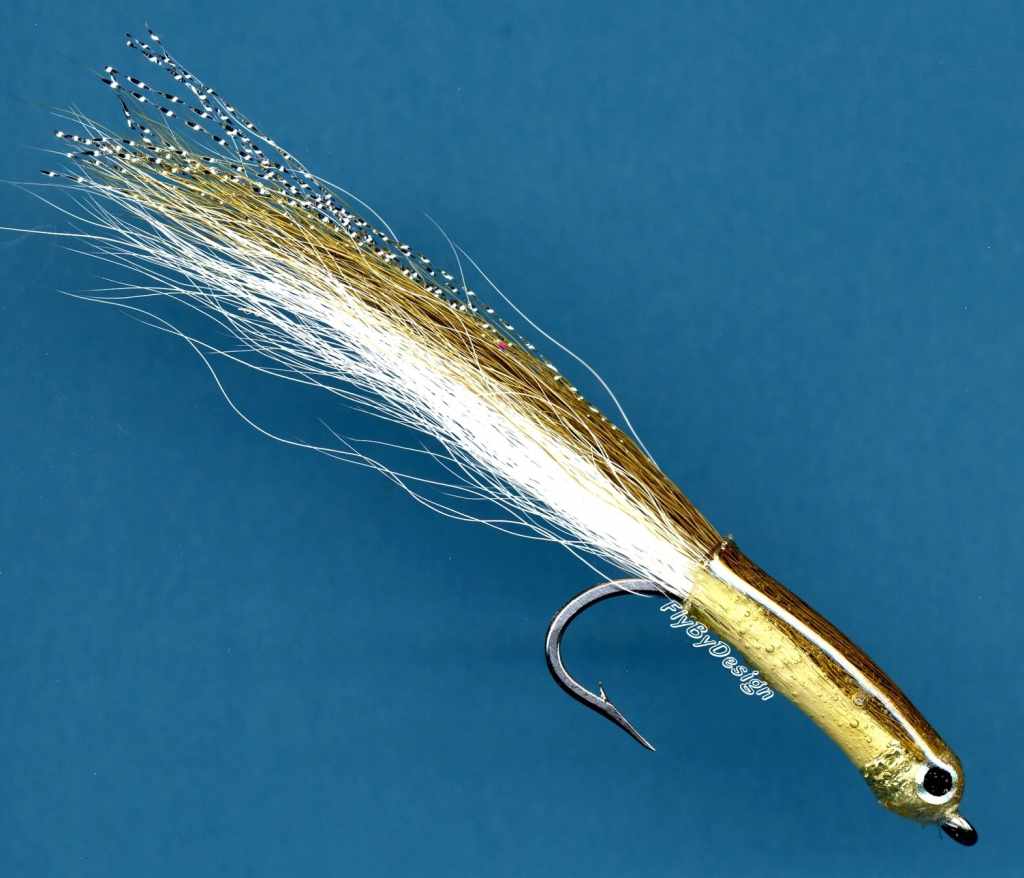
Small flies that imitate glass minnows or fingerling mullet were producing tarpon when nothing else thrown at them could get a hit.
The black drum that were starting to school up and run in the Mosquito Lagoon around the Klinker Islands and throughout the sand bars in the middle portion of the lagoon last 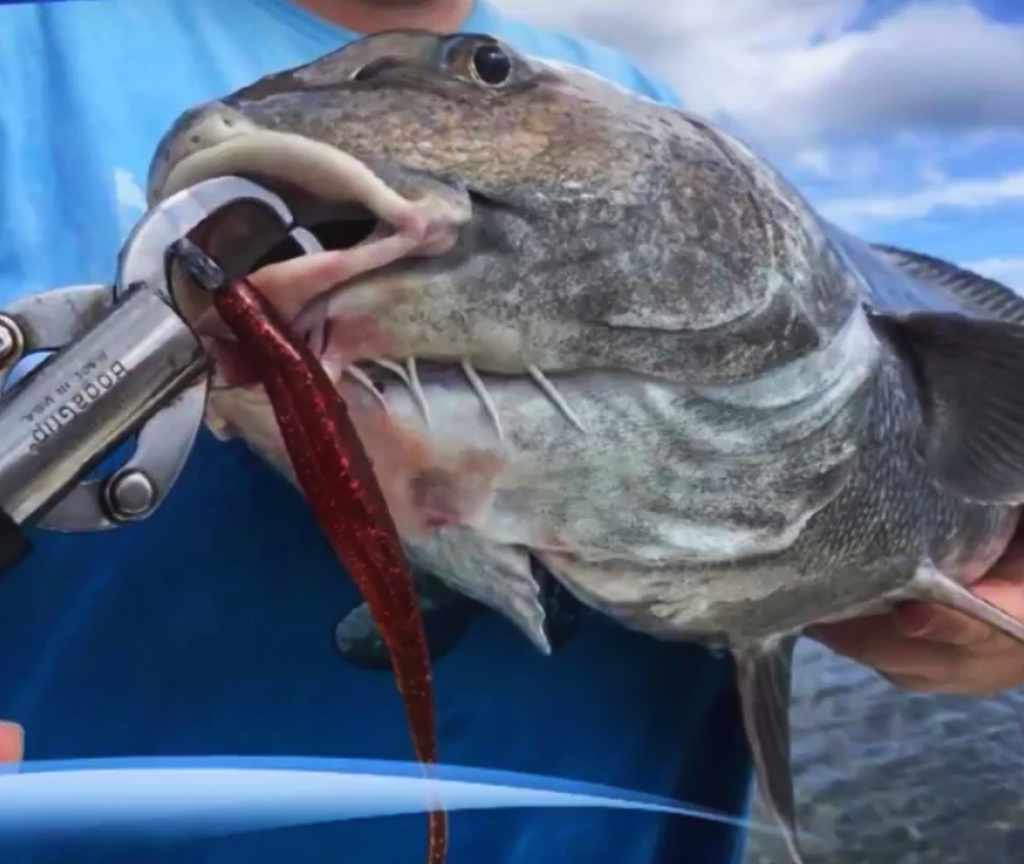 month are still around.
You can still see groups of 20 to 80 or more black drum moving up and down along the outer sand bars foraging along the bottom.
When the fish are not moving, live bait like shrimp, cut blue crab, or fiddler crabs will get you a hookup, but when they start moving around, you can catch them more easily on artificial baits like the saltwater assassin 5" shad and other plastic baits.
The "golden brim" or "root beer red flake" colors have been the most productive colors for the past couple of weeks.
The average size black drum right now in our lagoon systems is around 10 to 15 pounds.
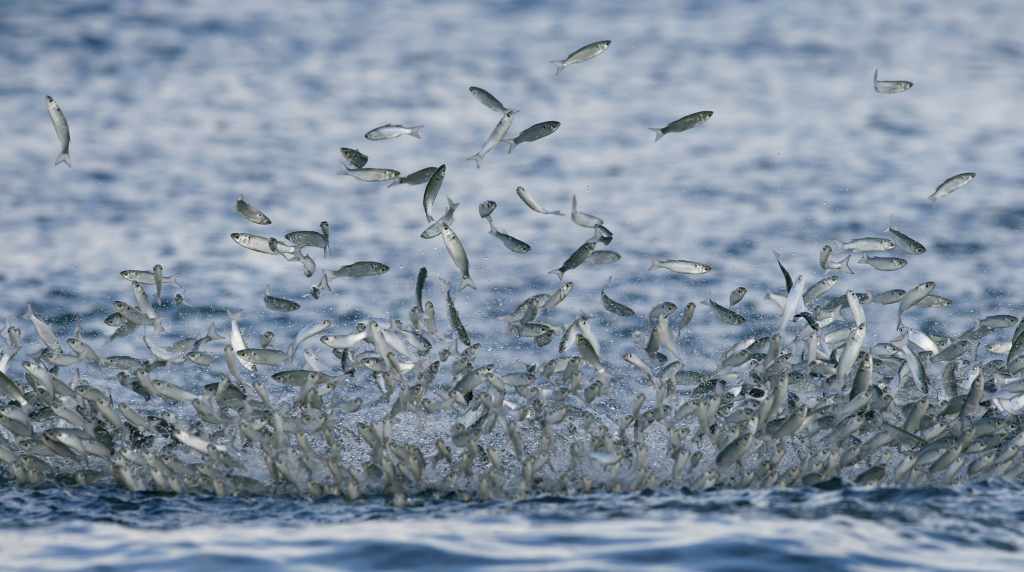
Although nighttime, dusk, and dawn are the best times to fish for them in and along the outside of all of our inlets, at the height of the mullet run, you can see them skyrocketing out of the water through schools of baitfish almost any time of the day or night.
on September 1st., the mullet run has been going absolutely crazy and the rock jetties at Ponce, Port Canaveral, and Sebastian Inlets are undoubtedly the best places to visit if you are targeting Snook.Snook seasonSince the re-opening of
Work the rock jetties with artificial baits like the size 12 or 14 Rapala X-Rap, Skitterwalk, 1 to 2 oz. Flare Hawk jigs, saltwater Die Dappers rigged on a 1 oz. jighead, or the new Rapala X-Rap Long Cast lures fished along the jetties and bridge pilings.
The lipless plugs work best because they don't get down too deep and they look just like a mullet. The "Greenback" and the new mullet finish longcast models are reportedly working really good right now.
Live pinfish, mullet, and croakers on a sliding sinker rig and a 6/0 VMC circle hook will also get you a hookup.
Most of the guys fishing the inlets use 50# fluorocarbon
leaders and 30# to 50# Sufix 832
braided line. It casts farther and holds up better along the rocks and pilings.
Most of the Snook in our area inlets have been running 28 to 38 inches in length, but some smaller fish have been holding in the runoffs in the river along with the redfish.
Nearshore And Offshore Fishing
With the rough seas we've been experiencing out of Port Canaveral, Amberjack, King Mackerel, and sharks have been some of the most targeted species.

The Amberjack out of Port Canaveral are normally taken from any of the reefs and wrecks in the 150 to 250 foot depths, and they will usually hit on any type of live or fresh dead bait you drop down to them.
Artificial lure fishermen have been using the Williamson
vertical speed jig with a lot of success. The 7 oz. and 9 oz. models sink quickly and are very erratic which quickly gets the attention of the "reef donkeys".
Smaller Amberjack in the 20 to 30 pound class make great eating, but the bigger ones over 50 pounds, not so much. Regardless of their size, Amberjack are great fighters and will make your back hurt after catching a few fish.
Because of the recent hurricanes, the ocean has been rough and with all the dirty water that is still out there from the hurricanes, a lot of sharks are being caught over almost any structure that you drop a bait on.
The majority of the sharks caught have been Sandbar sharks, but black tips, spinners, bulls, and sharpnose sharks are also showing up right now in decent numbers on the structure.
Most of the sharks, with the exception of the sharpnose, are running 35 to 45 pounds on the bottom side, to well over 150 pounds, especially some of the bigger sandbar sharks.
Any type of bait on a wire rig will work right now to catch numerous, and big sharks.
Once the weather settles down this month, the offshore bite outside of Port Canaveral will continue to improve, especially for Wahoo and possibly Sailfish. 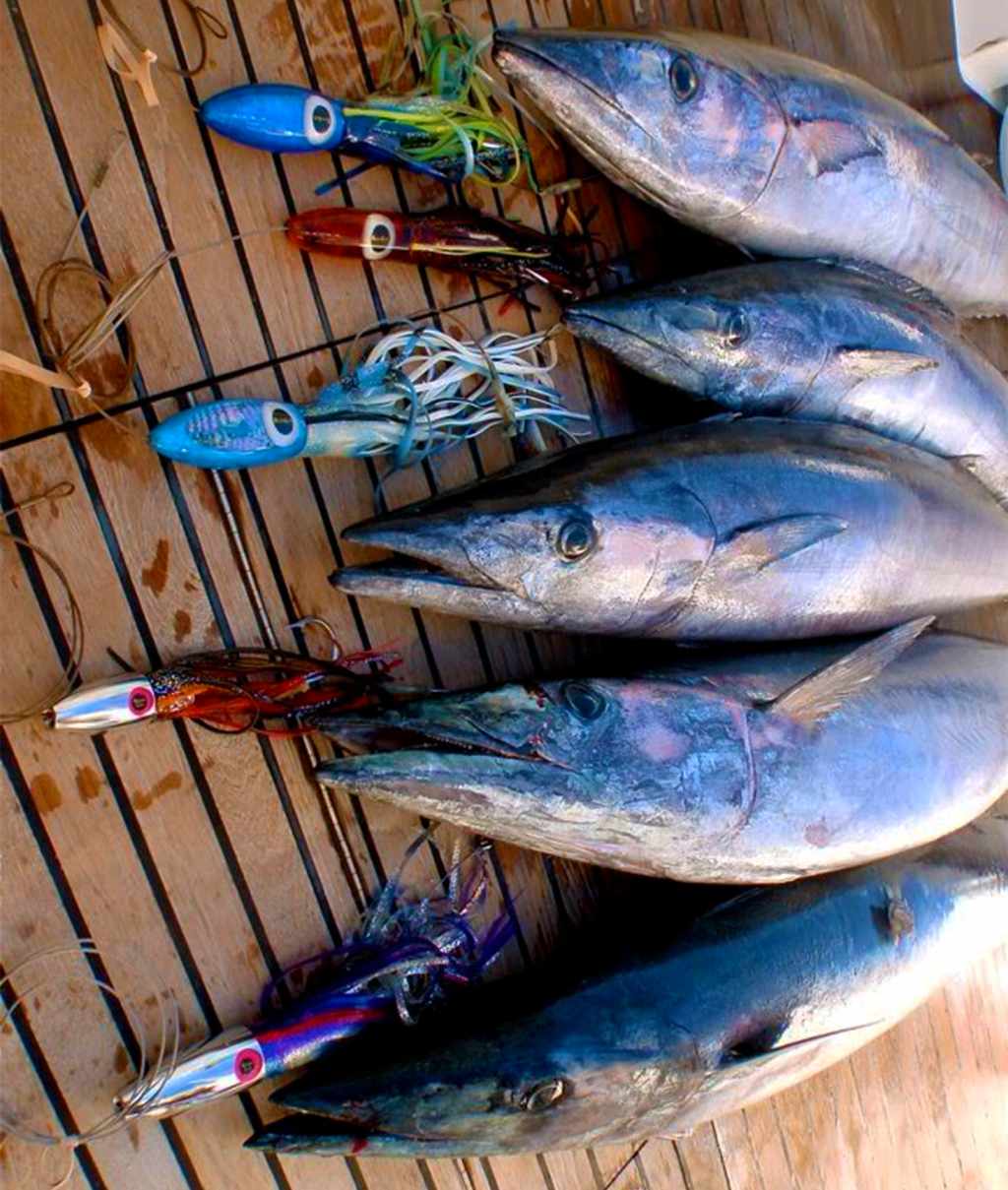
Wahoo are high speed predator members of the mackerel family. They can be caught on a variety of baits using a variety of tactics, but high speed trolling on the shotgun line with a horse ballyhoo and a big black and red Islander, is one of the proven methods commonly used to catch these speedsters in our area.
Slow trolling live baits is another tactic used to target Wahoo, King Mackerel, small Dolphin, Tarpon, and sailfish. Generally, the Wahoo bite is usually better at sunrise.
Although king mackerel get most of the publicity in our region and are caught the year round on the 70 and 90 foot reefs, the Spanish mackerel have also begun to show up in better numbers chasing baitfish along our beaches.
The average size kingfish right now is in the 10 to 20 pound range, and the average size Spanish Mackerel is 1 to 4 pounds.
Spoons, small Diamond Jigs, Gotchas,
Rapala X Raps, and any lure in the 3" to 5" size will work well inshore and from the beach to catch Spanish Mackerel.
If you are using live baits, expect a by catch of small sharks during the fall baitfish run.
Dolphin have also started to show up between the 120 and 180 foot depths right before we had this low pressure system sitting over the states. Hopefully, these fish will continue to hang around for awhile.
Naked ballyhoo and ballyhoo with a small skirt have been working really well on the dolphin. Look for color changes and temperature breaks in the 120 to 180 foot depths before putting your lines in.
Most of the fish caught are running 5 to 8 pounds.
|
The fall mullet run has started and has been going full bore for the past few weeks.
Surf fishermen in our area can expect to catch almost any predator that swims in the Atlantic Ocean along our beaches, and during October the beaches for the most part are relatively uninhabited.
At Playalinda Beach, bluefish, Spanish Mackerel, Jacks, Snook, and a variety of sharks are being caught on live and chunked mullet when the baitfish are close to shore, and right now they are in the surf, out to about 100 yards or so.
Almost all of the sharks that were caught in the surf have been under 4 feet long, but a few surf fishermen who have been specifically targeting the species have been landing sharks over 6 feet long.
The Bonnet heads and black tip sharks caught from sand spikes at Playalinda Beach are mostly under 5 feet long, but a couple of bull sharks that were caught around Patrick AFB last week were in the 6 foot category.
As the water begins to cool down in the late fall and winter, the Pompano bite usually picks up and sand fleas, cut clam, and small bits of shrimp will be the baits of choice.
The pier fishermen in Daytona and Coco Beach have been taking advantage of the fall run of Spanish Mackerel. The extra casting distance they have from the piers gives them a distinct advantage reaching the mackerel that are farther out, which the surf fishermen lack.
Most of the guys casting Gotcha
plugs, small spoons, and tandem rigged bucktail jigs these past weeks have been bringing home Spanish Mackerel for dinner.
Haulover Canal
Since this past May, bank fishing at Haulover Canal was prohibited; mainly because of littering throughout the area. However, it has since re-opened and the banks last week were lined with enthusiastic fishermen trying to catch redfish, mangrove snapper, black drum, or whatever was biting at the time.
Although October is usually a particularly good time to target big redfish and black drum that inhabit the deep waters of the canal, the unusually high water levels caused by the hurricane could make this month even better.
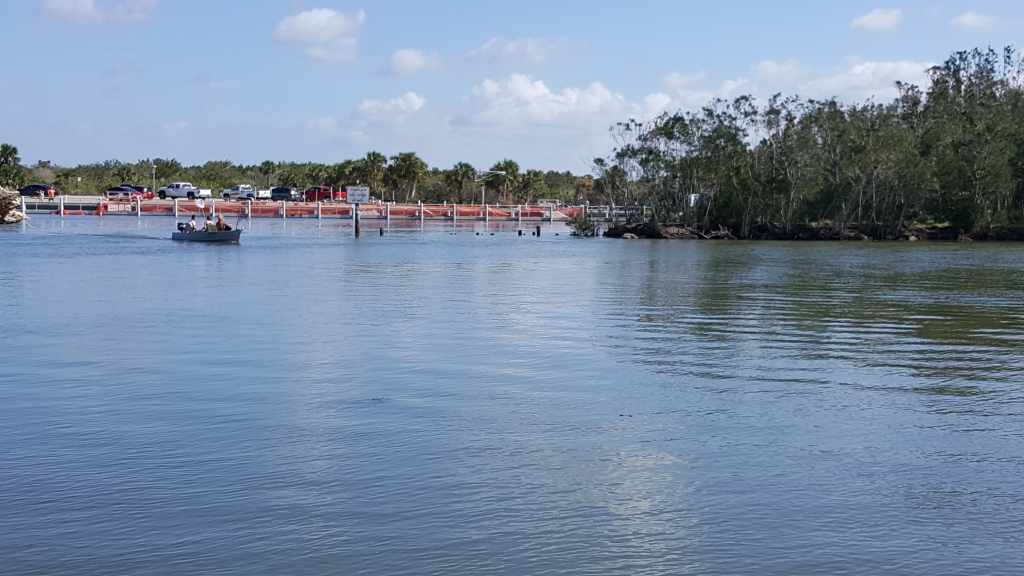 Last week, most of the guys were fishing cut baits and live or fresh dead shrimp. I did not see anybody fishing with blue crabs which is the preferred bait for bull redfish.
Half of a fresh blue crab impaled on a 5/0 or 6/0 Owner hook, tied on 30 pound or heavier fluorocarbon leader, with a "knocker" or sliding sinker rig, will get a bull redfish to the bank without having it cut off on the coquina outcroppings.
Although I prefer using 30 or 60 pound Power Pro as the main line, any braided line will suffice.
A fresh cut chunk of ladyfish is a good substitute for blue crabs when fishing for bull reds, but a half of a fresh blue crab is hard to beat.
Although the Snook bite in Haulover Canal can be on fire during October, since hurricane Irma, I haven't received any reliable reports about the Snook catch.
However, fishing a lipped diving plug like the Rapala X-Rap Twitchin' Mullet, the Rapala X-Rap, or similar plugs around the pilings and mangrove roots is usually productive, especially at dusk, during overcast days, or in the evening when the water is moving.
30 pound or heavier fluorocarbon leaders are recommended to prevent break offs.
Till Next Month, Good Fishing & Tight Lines To You All!
|