Your August 2017 Mosquito Lagoon & Indian River Fishing Report
Published: Tue, 08/01/17
| Newsletter Issue # 96 Fishing Forecast | August 1, 2017 | ||
Mosquito Lagoon & Indian River Fishing |
|||
 The Mosquito Lagoon and Indian River The August summer doldrums are upon us and with air temperatures in our area topping the 90 degree mark on most days, getting a line in the water before dawn is a "gimme" if you plan on catching any decent fish. The water levels in the Mosquito Lagoon have dropped some but the water clarity is still good in most areas. Throughout this month, from the predawn early morning hours until about 9:00 am, you can expect some excellent sight fishing opportunities for spotted sea trout and redfish in the shallow flats of the Mosquito Lagoon and Indian River. Although the sea trout bite has been off a bit lately in the Mosquito Lagoon, some trophy fish are still being caught in the early morning hours, at dusk, and by night fishermen, and the redfish, black drum, ladyfish, and tarpon are still great targets for sight fishermen throughout the lagoon system. Some true "gator" size spotted sea trout are being caught on live pigfish, Croaker, and pinfish along the Klinker Islands west of the ICW, around Cucumber Island on the Cucumber Bar, the middle section of Tiger Shoal, and along the false channel bar in the Mosquito Lagoon. In the deeper water flats at Scotsmoor, the flats around the Black Point Wildlife viewing area, and in the Dummitt Cove area south of Haulover Canal in the north Indian River, fishermen have been catching some nice sea trout and oversize redfish on cut baits and live fingerling mullet, but unless you want to chase juvenile tarpon or ladyfish in the deeper flats, even some guides are not recommending full trips for their charters. An early half day fishing trip with light spinning or fly tackle is enough to keep most fishermen satisfied during the summer doldrums. 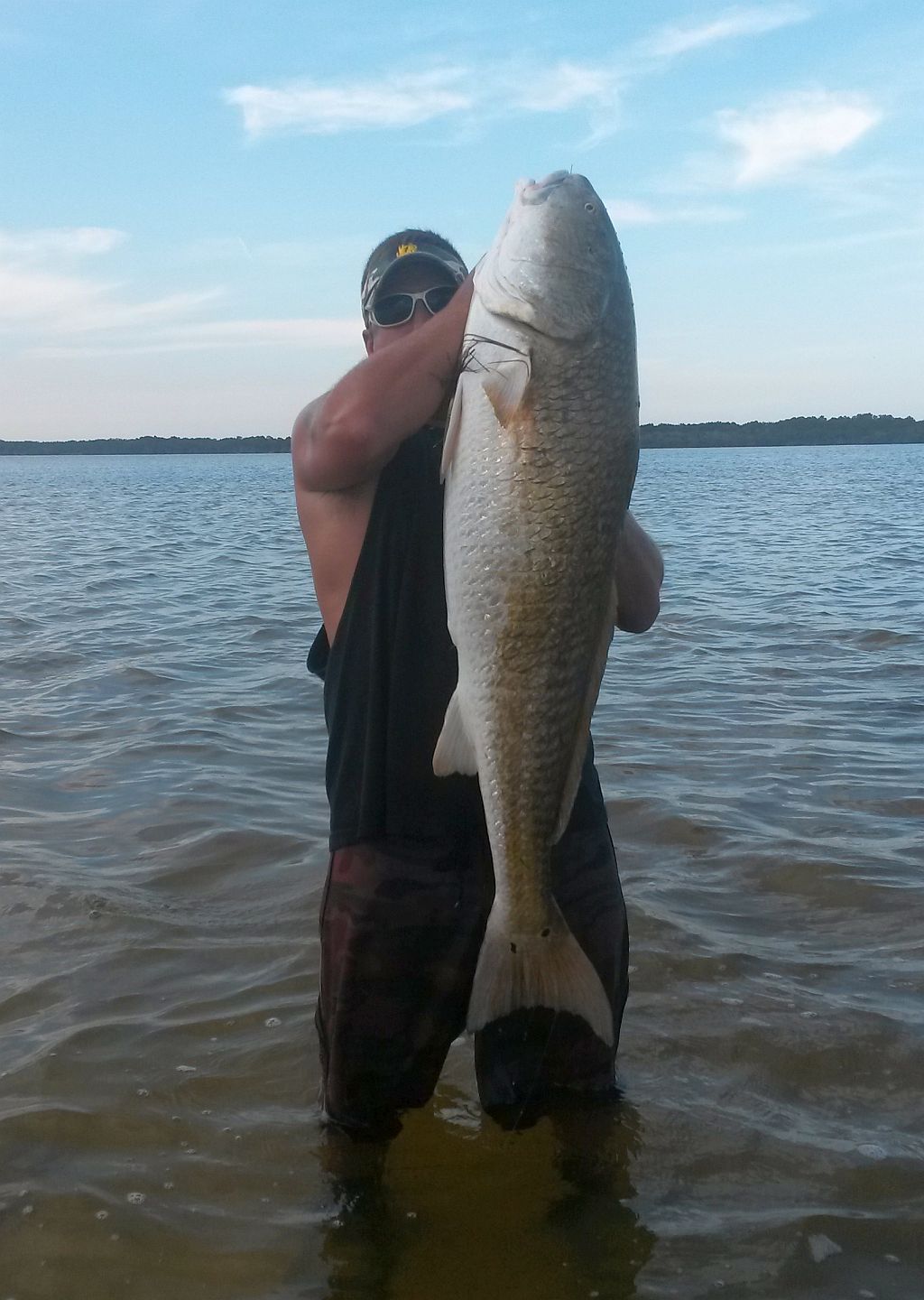 Every August, schools of big bull redfish in the 40" plus category head from the Mosquito Lagoon, through Haulover Canal, and into the upper reaches of the Indian River north of Titusville where they gather in the cooler, deeper water flats for their spawning ritual. Every August, schools of big bull redfish in the 40" plus category head from the Mosquito Lagoon, through Haulover Canal, and into the upper reaches of the Indian River north of Titusville where they gather in the cooler, deeper water flats for their spawning ritual.Targeting the bridges of the ICW channels, the deeper waters of Haulover Canal, and the deep water flats during this time period can hook you up with a monster redfish. A live blue crab, mullet, pinfish, or a freshly cut chunk of ladyfish are the preferred baits of choice for these fish, but they are also receptive to soft plastic baits, jigs, gold spoons, and topwater baits. Across from the Scottsmoor shallow boat launch in the north Indian River, some anglers have already been catching bull redfish and juvenile tarpon in an area called the Onion Farm. If you're a live bait fisherman, dunking a large live mullet or a big chunk of fresh cut bait should get you a hookup in this mostly overlooked area. If you enjoy fishing artificial baits; D.O.A. Baitbusters, Gold Johnson Sprite spoons, and a variety of soft plastic baits smeared up with some Pro-Cure will also work well in this area. 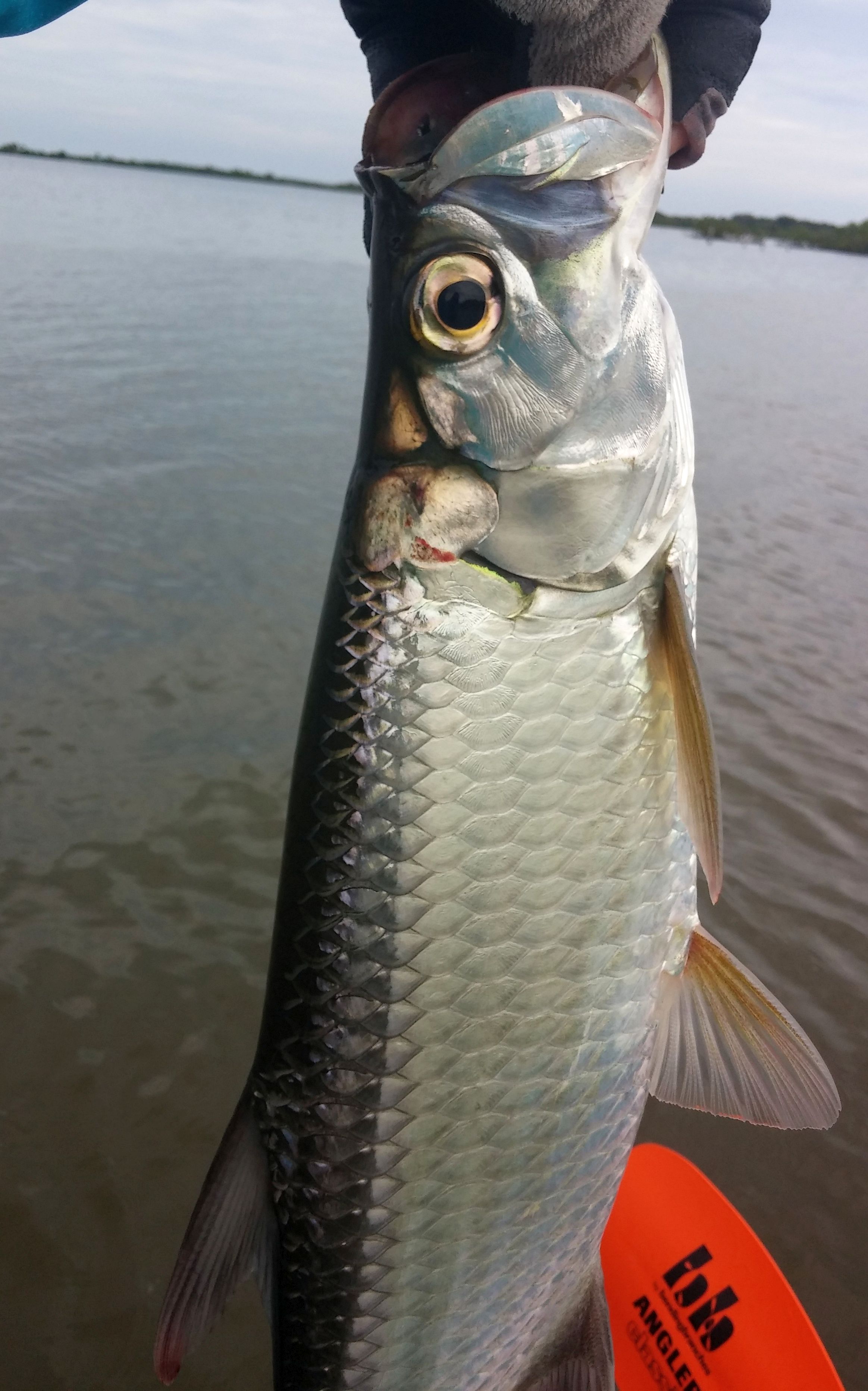 A lot of small to medium size Tarpon in the 5 to 50 pound range are in the Mosquito Lagoon, the Indian River, and the Banana River right now and have been striking lures, flies, and small baitfish. A lot of small to medium size Tarpon in the 5 to 50 pound range are in the Mosquito Lagoon, the Indian River, and the Banana River right now and have been striking lures, flies, and small baitfish. Look for rolling tarpon in the residential canals, creek outflows, and some of the dredge holes throughout the month. Farther south in the deeper water flats along the north and south side of the Pineda Causeway going into Patrick AFB, anglers have been catching juvenile Tarpon on 3 1/2" Rapala Raps, XRaps, 3" Subsurface lures, Clouser or Deceiver flies, and basically anything that mimics a small glass minnow. Because the fish have been pretty leader shy, they recommend dropping your leader size down to 40 pound or even 25 pound test to get more bites. The Snook have really turned on this past week, especially in the Ponce Inlet and Port Canaveral areas. The fish are getting ready to spawn on the upcoming new moon, and there are a ton of fish out there just waiting to be caught. Fish a live croaker, pinfish, menhaden, pilchard, or any kind of herring bait along the jetty rocks or piers on an outgoing tide for the best bite. Lures like the 5" Storm plastic swim bait, the new Rapala Long Cast, or the old standard "FlareHawk" will also catch Snook, especially at night under the lights. The Edgewater and New Smyrna beach residential canals, and the south bridge at New Smyrna are also good areas to target Snook. The snook are frequently caught underneath the rolling tarpon that usually inhabit this area.
Night time fishing around the docks and bridges during August is almost always productive for snook. Offshore Fishing
There have been a few reports of Blue Marlin being caught offshore of Port Canaveral, however most of the marlin caught in our area are on the eastern side of the Gulf Stream, with the best bite coming during October.
Most Blue Marlin are caught by anglers trolling large skirts or big lures with ballyhoo, or even a Spanish mackerel on them. If you are going after White Marlin, downsize the lures a little bit and try adding a mullet dredge to your spread; it seems to turn on the fish and produce a better bite. Look for marlin in the 200 to 300 foot depths starting on the west side of the Gulf Stream, with May and October being the best times of the year to target these fish. To get to the other side of the Gulf Stream, you're looking at making a run of 65 to 70 miles or so, with many anglers going out to the 110 mile buoy, or even farther. Marlin can be caught at any depth from 200 feet on out, but the bigger fish are usually caught on the eastern side of the Gulf Stream. The average sized Blue Marlin caught out of Port Canaveral will run anywhere from 125 to 250 pounds, and the average size White Marlin will run in the 60 to 80 pound range. Right now, if you don't hook up with a marlin, you can expect to catch some really big Skipjack Tuna, Yellowfin Tuna, Blackfin Tuna, Sailfish, Bull Mahi, or Wahoo as a by catch. 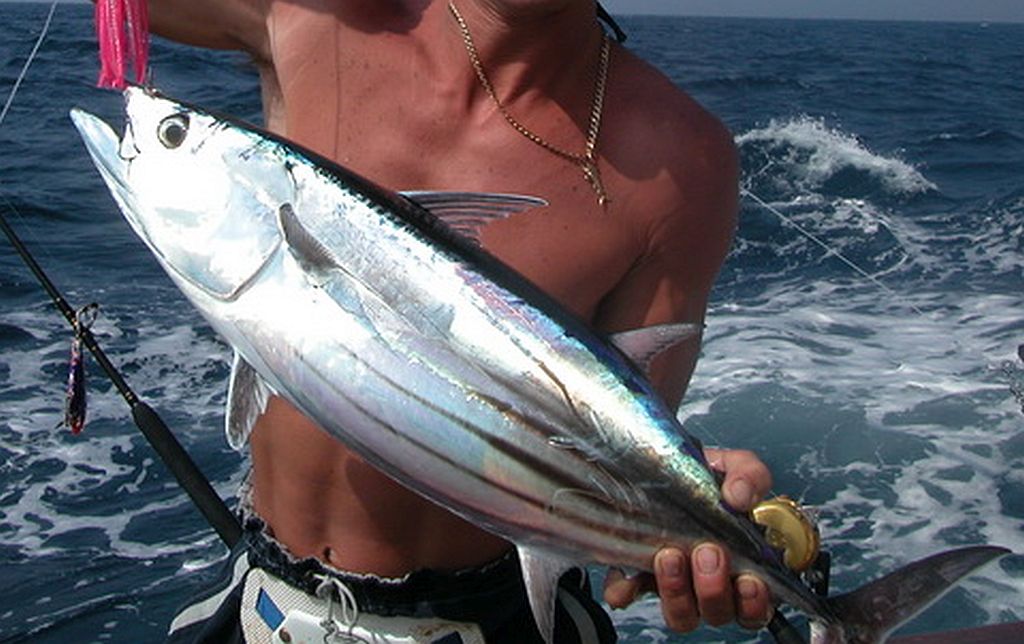 Trolling 10 to 14 knots with dark colored lures seems to be working best right now. Last week I received a report from a local charter Captain about a group that was trolling 85 to 110 nautical miles out on the "other side" of the Gulf Stream with skirted baits and chin weighted ballyhoo. They cleaned up on big Skipjacks and Yellowfin Tuna in the 35 to 55 pound category. Yellowfin Tuna usually run anywhere from 35 to over 100 pounds. ____________________________________________ Nearshore Fishing For the last week or so, the Cobia have been showing up in really good numbers around the reefs and wrecks in the 60 to 90 foot depths out of Port Canaveral. The anglers who have been slow trolling for kingfish with live Menhaden or Sardines have also been picking up good numbers of Cobia. Some of the guys setting up chum slicks over the wrecks and reefs have also been reporting Cobia coming up into their slicks. This time of the year. if you don't get a Cobia coming up into your chum slick, you can get some of the bigger Sandbar or Bull sharks coming up, and often the Cobia will be following them up to the surface. The average size Cobia for our area right now is 30 to 40 pounds, so size up your tackle accordingly so you can get them into the boat before the sharks eat them. Kingfish will be the staple for near shore fishing this month on the near shore wrecks and reefs, with dolphin, wahoo, and an occasional sailfish thrown in for good measure. The preferred method for catching all these species is to slow troll live pogies on stinger rigs. Although the 70-90 foot Chris Benson, 8A, and Pelican Flats areas are the most hammered during the month of August, good numbers of kingfish can usually be found just east of Playalinda Beach to the north of Cape Canaveral, in the turning basins inside of the Port, and in the main channel of the Port. The main channel at Port Canaveral is about 3 1/2 miles long with the deep water turning basins connecting to it from the north side. When the large schools of mullet and pogies invade the 35 to 40 foot depths inside the Port, the kingfish are often close behind and although few anglers take advantage of this fishery, the ones that do usually clean up. Slow trolling from the middle basin to the mouth of the port will usually produce the best catches. Most fishermen will begin by slow by trolling a large 10" to 12" mullet from the entrance of the Port into the middle turning basin, and then back. When the schools of baitfish are really thick, you can sometimes get an immediate hookup with a smoker king. The Trident submarine basin holds the most numbers of kingfish, but it is obviously off limits to boaters. The middle basin is part of the main section of the Port, and is usually the best area to target kingfish, however there are some rules and regulations you need to familiarize yourself with before fishing these areas. Inside the Port and along the inlets; the snook, Spanish mackerel, flounder and mangrove snapper bite should also remain pretty steady. Try using a DOA Shrimp smeared up with some Pro-Cure on a ¼ or ½ ounce jig head to target flounder and mangrove snapper around structure and the sandy drop offs. The trick is to cast the jig as close as possible to the structure and letting it sink to the bottom without getting snagged. When it hits bottom, drag it back very slowly while letting it rest every foot or so. You can use the same rig for Spanish mackerel and other toothy predators, but retrieve it quickly to avoid cut offs. The technique works almost as good as live bait, and you can cover much more water. When there is clean water along the Port Canaveral buoy line and the beaches, nearshore fishermen can expect to see tarpon, huge jacks, smoker kings, bonito, and a variety of sharks following the concentrations of bait fish. As of a couple of weeks ago, the tarpon and sharks were concentrated mostly between Satellite Beach and Patrick AFB; but last week, they were in their preferred summertime haunt, the Canaveral bight. Surf Fishing Surf fishing during the month of August is dominated by shark fishing. You should be able to catch a shark of some species almost anywhere off the beach and along our inshore waters, on a variety of live or chunk baits.
Most of the shark caught in the surf will be less than 6 feet long, but Bull Sharks, Nurse Shark, and some Hammerheads up to 10 foot long are always a possibility.
When you're targeting shark off the beach or in the surf, you never know what species you're going to catch. During the summer months, Bull Sharks will follow the schools of baitfish into the Indian River where they bear their young. They are a particularly aggressive species that you need to pay attention to, especially if you enjoy wade fishing for sea trout or putting out your baits for redfish. 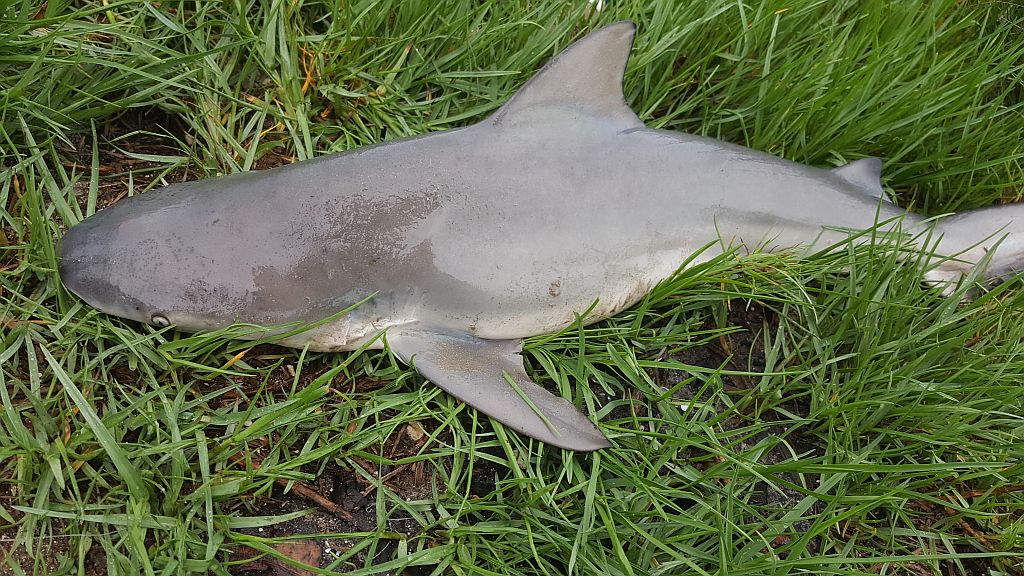 Bull sharks are one of the few species that will intentionally go after humans and travel great distances into freshwater.
If shark fishing is not your cup of tea, Whiting are always on the agenda for surf fishermen along our beaches until the cooler months when the Pompano bite starts up again. ______________________________________
Haulover Canal
During August, savvy Haulover Canal fishermen will be targeting the oversize Redfish that travel from the Mosquito Lagoon to the northern Indian River to spawn, but Black Drum, Snook, Tarpon, and Sea Trout are always a possibility, especially during overcast days and towards the evening. 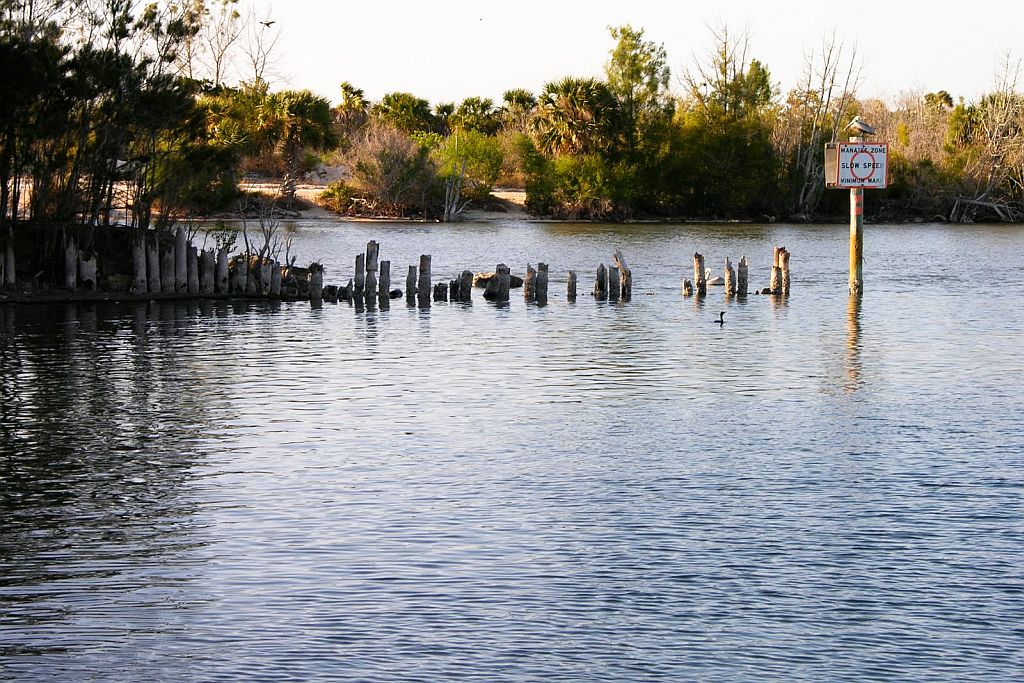 Because of littering in the area, bank fishing at Haulover Canal is no longer permitted. Most boat fishermen targeting bull redfish and black drum in the canal use a standard sliding sinker rig with a large 6/0 VMC 7685 circle hook and half of a fresh blue crab for bait. Live Croaker, mullet, pinfish, and large chunks of fresh ladyfish also work well. If you are fishing a live bait, try using a knocker rig to get the bait on the bottom, and hook it close to the tail so it swims away from the sinker. During the evenings and at night, fishing with topwater or suspended twitch baits is also a productive tactic for catching big sea trout, Snook, and tarpon. During the summer months, the cooler waters of Haulover Canal act as a fish highway between the Mosquito Lagoon and the Indian River, and you can expect to catch almost anything that swims there.
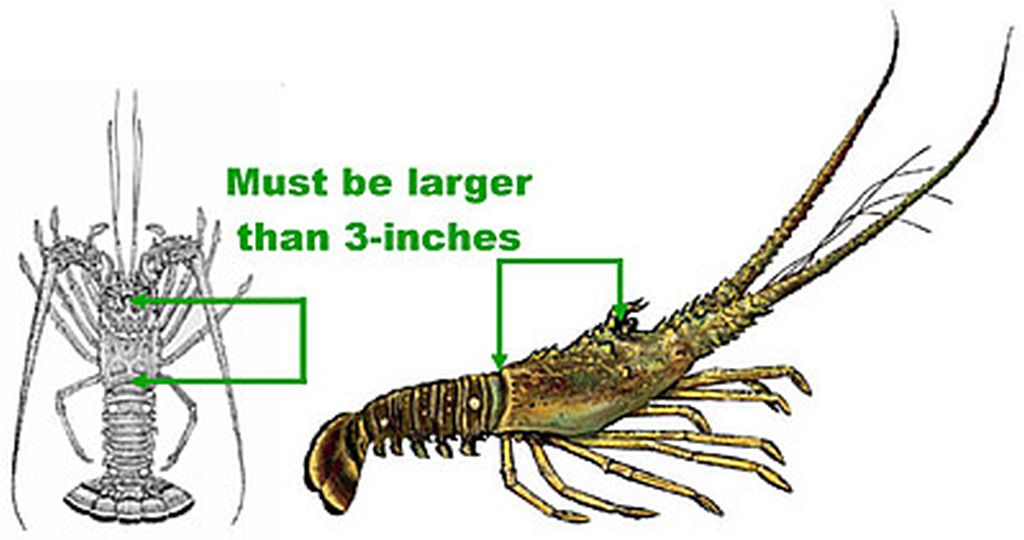
______________________________________ Spiny Lobster
For additional information on harvesting Spiny Lobster Click Here. Till Next Month, Good Fishing & Tight Lines To You All!
|
|||
| Link One | Link Two | Link Three | Link Four | Link Five | Unsubscribe to this newsletter |