Your March 2017 Mosquito Lagoon & Indian River Fishing Report
Published: Wed, 03/01/17
| Newsletter Issue # 91 | March 1, 2017 |
Mosquito Lagoon & Indian River Fishing |
|
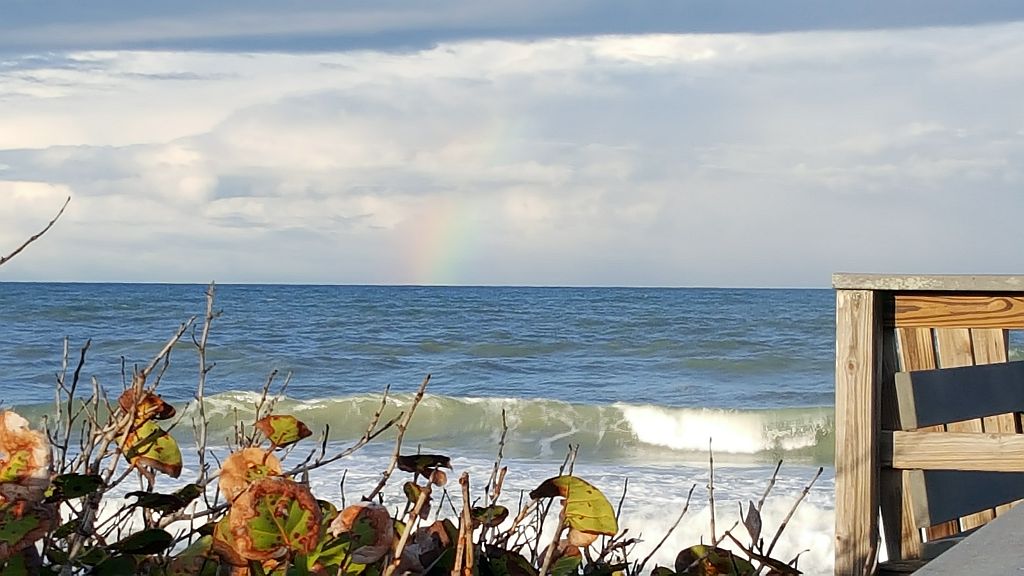 The Mosquito Lagoon and Indian River Despite the windy conditions, the redfish fishing in the Mosquito Lagoon this past February has been pretty awesome, and we can expect this to continue throughout the month of March. Although the water levels are really low, a lot of the oversize redfish that have been roaming the deeper flats are being caught primarily on live, and cut baits, with most of the larger fish eating a fresh piece of blue crab, a live pinfish, mullet, or a large shrimp. Plenty of slot reds have also been caught during the past few weeks on the shallow water flats. The best bite has been in the late morning hours as the water on the flats warm up. Depending on the color of the water, most of the fish are being caught either on live baits, cut baits, or jerk baits. The waters adjacent to the Mosquito Lagoon in the northern Indian River Lagoon around Mims, north of the railroad bridge at Titusville all the way up to Scottsmoore, has also been producing some nice sight fishing for redfish. Cut baits, sections of fresh blue crab, and live shrimp have been the baits of choice in this area however, 3″ DOA C.A.L. Shad Tails in the New Penny and Electric Chicken colors have also been producing some nice fish. On the colder mornings, the outflow at the local power plant has been producing some nice catches of redfish, jacks, ladyfish, and an occasional snook. The seatrout bite should be improving during the month of March, especially for the larger gator trout. Right now, the most common catch throughout most of the central and northern sections of the Indian River and Banana River are under slot or "barely keepable" sea trout. The best baits for these fish have been live shrimp, D.O.A. Deadly Combos, and saltwater Assassin sea shads on a jig head. When the spring run of baitfish begin to invade the estuaries, they usually travel with and are pushed along by the strong March winds. This is when you can find gator speckled sea trout, redfish and snook shadowing the schools. During March they will be along the lee shorelines and the leeward sides of islands; especially when the winds have been blowing for several days in the same direction. During these periods the mullet congregate in areas like bridge abutments, spoil islands, and shorelines that are protected from the wind. The winds also push the floating sea grasses toward the windward shorelines, leaving the calmer leeward waters free from floating grass. These conditions are perfect for fishing topwater, soft bodied, and suspended hard bodied baits In the Mosquito Lagoon, the "klinker islands" directly West of Tiger Shoal and across the ICW just north of the Beacon 42 boat ramp is a good area to target. 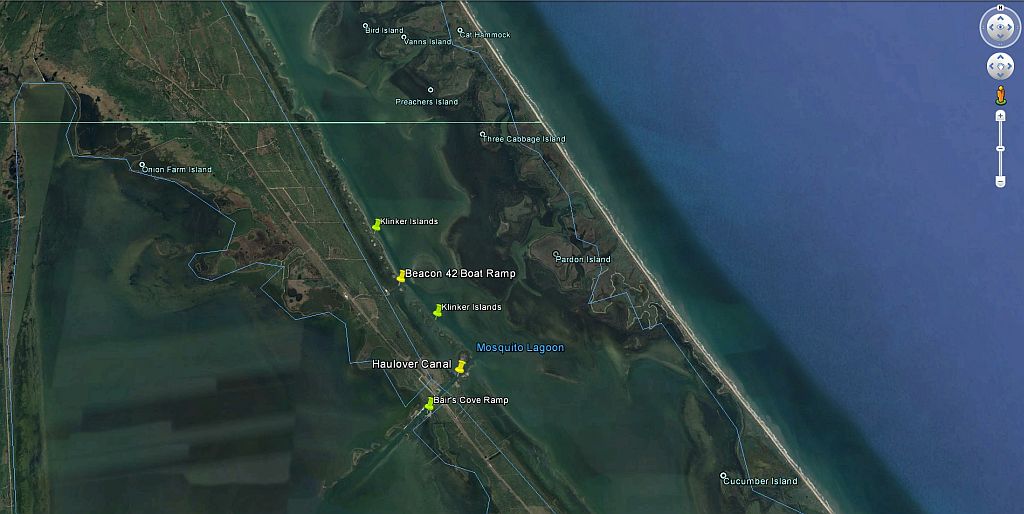 The lee side of the islands offer protection from the winds where you can often spot reds and sea trout foraging for shrimp, baitfish and fiddler crabs. The shoreline along Bio Lab Road, south of Haulover Canal can also provide some good fishing when the winds are in your favor and the waters warm up towards the end of March. The potholes in the grass flats there, and farther South around the Whale Tail and Pelican Island, offer some nice sea trout and redfish opportunities for top water kayak and wade fishermen. A Skitter Walk , Zara Spook, Chug Bug, Badonk-A-Donk , or any other topwater bait covered with some Pro-Cure and fished with a slow steady retrieve early in the morning, is a great way to pick up a trophy sea trout in this area. Cast well past and alongside of the potholes. When the sea grasses pile up along the bank, use a soft paddle tail bait fished on a jig head or a weighted weedless hook along the perimeter of the grass. Some nice fish are often found in very shallow water hiding just under the piled up grass, or along the edges, especially when the weather warms. When the winds starts to calm down a bit, we should see more pods of black drum tailing in the flats of the northern Indian River, Banana River, and Mosquito Lagoons. The best bite will occur during the mornings and late evening hours. Most fishermen have been using fresh cut clam, live or fresh dead shrimp, and freshly quartered blue crab to catch them. Starting in late February and into March, start looking for sheepshead around the docks and bridges along the deep water canals. The pilings close to the deeper channel at the two fishing piers and the A. Max Brewer Bridge, are good places to drop a fiddler crab or a live sand flea this month, if you are after sheepshead. Small pieces of shrimp are also effective if you can't pick up any live sand fleas or fiddlers. Merritt Island National Wildlife Refuge Fishing in the Merritt Island National Wildlife Refuge along Peacocks Pocket Road in past years has been outstanding for gator sea trout and oversize redfish however, this year it appears that another road will remain closed to vehicle traffic for an indefinite time. Peacocks Pocket Road was supposed to re-open February 15th., but I was told that the road was washed out during the last hurricane and would not open again until funds were available for repairs. I walked about 5 miles of Peacocks Pocket road last week from the barrier at Catfish Creek Loop to see if I could find the washed out area, and the road was just fine up to where I stopped. I plan to walk the road from the shallow water kayak launch to see if I can find the bad section before I leave town again. 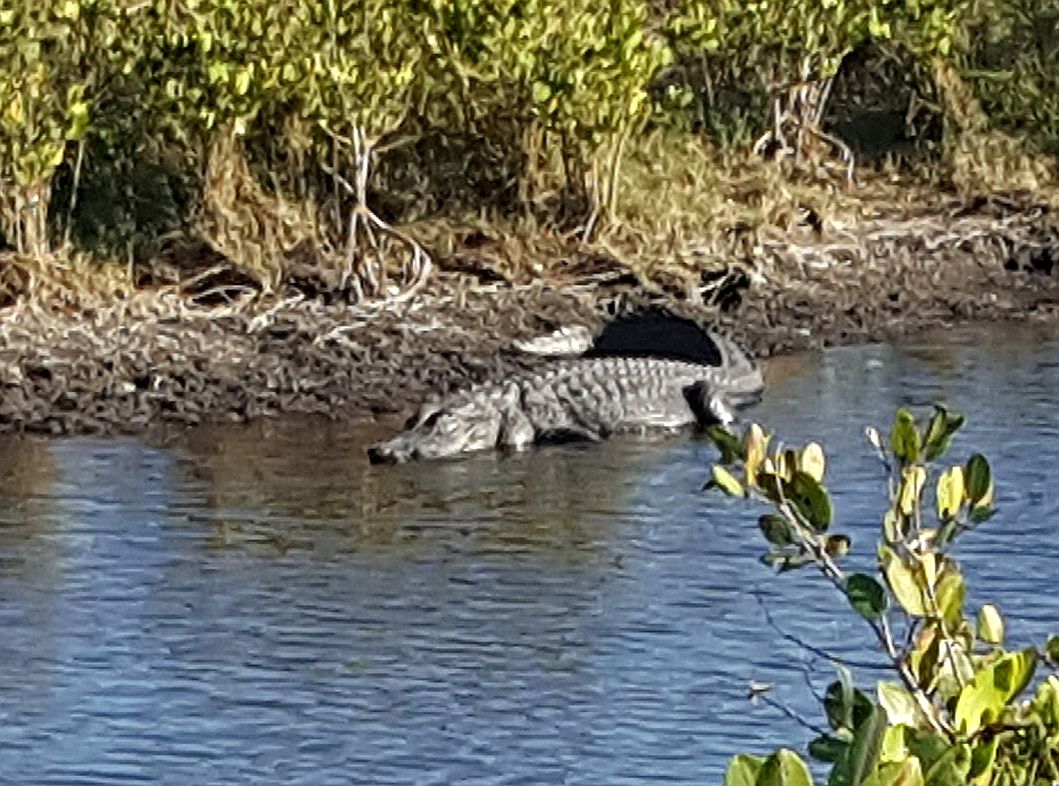 Most of the small ponds in the marsh have dried up and water levels are at an all time low. The water has been drawn down and the once clear tannin stained water is a dirty mud color in most of the areas I walked. I caught a couple of under size sea trout and spooked a couple of oversize redfish during my walkabout, but the fish are concentrated in the deepest water areas and are very spooky. I left several messages to the management people at the refuge to see if they could pass me on to someone in authority to talk with, to see what the public can do about re-opening the road, but to date I have not received any replies from the management people. Since I have been living in the Titusville, Fl., they have closed Shiloh Road, Long Pond Road, the access roads to Granny's Cove, Pumphouse Road, the Southeast road along Haulover Canal, the dirt road along Pelican Island, and now possibly Peacocks Pocket Road to vehicle traffic. All I want to know is what are they doing with the money? _______________________________________ Offshore And Nearshore Fishing For the most part, far offshore fishing has been shut down out of Port Canaveral because of the windy conditions however, near shore fishing has been fairly strong. Near shore fishermen have been catching bull redfish, Black Drum, spinner sharks, and black tip sharks using threadfin herring, pinfish, mullet, cut baits, and jumbo shrimp.  On the calmer days, near shore boaters can venture outside of the Port basins to target flotsam, weeds, and the buoy line for a shot at tripletail and cobia. On the calmer days, near shore boaters can venture outside of the Port basins to target flotsam, weeds, and the buoy line for a shot at tripletail and cobia. If the light easterly breezes are blowing, Canaveral Bight will be a good area to target, but any flotsam or weed line up to 6 miles from the beach between the Cocoa Beach Pier and the tip of Cape Canaveral could be holding Cobia or Tripletail this time of the year. Tripletail have been hitting free lined shrimp and small jigs along the buoys, and as March continues we hope to see the Cobia run out of Canaveral gear up. Large brightly colored jigs, jig and eel combos, and a variety of live baits will get you a hookup if they are around. Fishing closer inshore around the jetties and bulkheads, small Rapala type lures, like the size 10 X-Rap, can be extremely effective if you are looking for a lot of action with blues, jacks, Spanish mackerel, and even small kingfish. Inside of Port Canaveral, along the main shipping channel leading into the Port's Basins, the annual migration of weakfish run can keep you busy. Weakfish are usually suspended above the bottom in the middle basin in anywhere from 10 to 15 feet of water. A live shrimp on a "drop shot" rig works well, or you can just skewer a live shrimp on a jig head to get the bait down to the fish. Weakfish are similar to speckled sea trout, but lack the distinctive spots on their fins. Outside of the Nassau and Duval county weakfish management zone, recreational anglers can legally harvest up to 100 pounds per person per day of weakfish, sand sea trout, and weakfish-sand sea trout hybrids without any size limit. That's a lot of fish.. Surf Fishing Whiting and Pompano will continue to be the most targeted species this month along the beaches and near the entrance to the Port. Sand fleas and small pieces of fresh cut clam or shrimp work well on Pompano, and a thumbnail piece of shrimp on a small hook is the bait of choice for whiting fishermen Playalinda Beach provided some good Pompano fishing last month, and if the weather remains cool, it should continue well into the month of March. 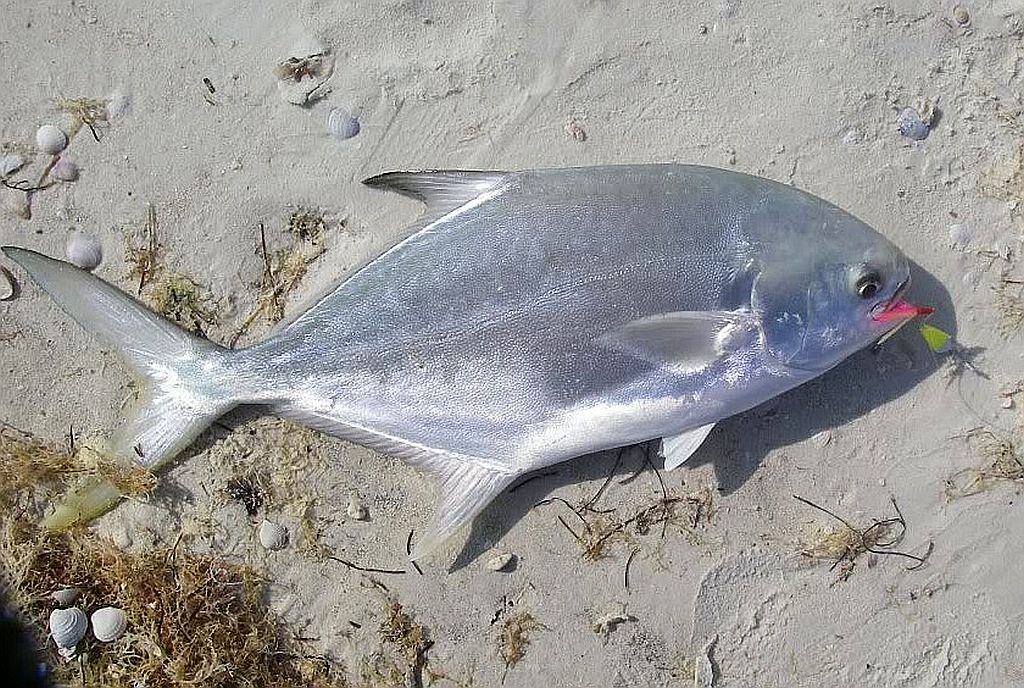 An 8' or 9' surf spinning rod, a reel loaded with 10 to 20 lb test monofilament line, and a dropper rig with a 1 to 4 ounce pyramid sinker is all you need to catch either species. An 8' or 9' surf spinning rod, a reel loaded with 10 to 20 lb test monofilament line, and a dropper rig with a 1 to 4 ounce pyramid sinker is all you need to catch either species. If you get a calm surf during March, use a 7' spinning rod with 8 to 10 pound mono or 20 pound braid with a fluorocarbon leader and tie on a yellow, white, or chartreuse colored jig for Pompano. Spicing up the jig with a "pinkie sized" piece of shrimp can improve your hookup ratio. Bluefish and Spanish Mackerel will also be on the agenda during March. When the baitfish are in the surf and the Blues or Spanish Mackerel start cutting off your Pompano rigs, tie on a long shank hook or a thin nylon coated wire leader and switch over to cut baits. I always carry a bag of frozen finger mullet with my sand fleas and shrimp when I surf fish, just in case. When the baitfish are migrating and you can see schools mullet all over the surf, I like to use silver Krocodile spoons about the size of the baitfish for blues. You can make more casts past the breakers to where the fish are, and you don't have to worry about short strikers cutting your mullet in half. Shallow diving plugs also work well but I like to remove the treble hooks and replace them with circle hooks. Trying to get the treble hooks out of a 15" to 20" bluefish can really mess you up if you're not careful. If the water temperatures continue to cool this month, the Pompano bite should continue to improve even more. ________________________________________________ Haulover Canal  Bank fishermen in Haulover Canal have been making some nice catches of sea trout, mangrove snapper, black drum, and oversize bull redfish. Bank fishermen in Haulover Canal have been making some nice catches of sea trout, mangrove snapper, black drum, and oversize bull redfish. Most of the bank fishermen I spoke with last week were using shrimp and cut baits. These guys were mostly catching a lot of Sailors choice, snapper, catfish, and stingrays. They guys who were using a quarter or half of a fresh blue crab were catching black drum and redfish. The fish I saw caught were black drum in the 5 to 10 pound range, but two fishermen I see bank fishing on a regular basis said they had been catching some bull redfish in the 20 to 30 pound category, mostly close to dusk and when the current in the canal was almost dead calm. The rigs used were a bank sinker on a three way swivel, with a 15" to 20" length fluorocarbon tied to a 4/0 or 5/0 Owner hook, and standard sliding sinker rigs. When my wife and I fish the canal, I use a surf rod with 60 pound Power Pro , a 30 pound fluorocarbon leader, and a 4/0 or 5/0 VMC circle hook. The long rod makes casting effortless and keeps big fish from breaking off on the Coquina outcroppings. I didn't get any shrimping reports this month but if the weather gets colder, you can expect to see some shrimpers anchoring along the banks of the canal after the jumbos that drift by. ________________________________________________ Till Next Month, Bent Rods & Tight Lines To You All |
|
| Link One | Link Two | Link Three | Link Four | Link Five | Unsubscribe to this newsletter |