Your February 2017 Mosquito Lagoon & Indian River Fishing Forecast
Published: Wed, 02/01/17
| Newsletter Issue # 90 Fishing Forecast February 1, 2017 | ||||||||
Mosquito Lagoon & Indian River Fishing |
||||||||
osquito Lagoon & Indian River Both the Mosquito Lagoon and Indian River Lagoon systems during February are great months for sight casting when gin clear water conditions exist.
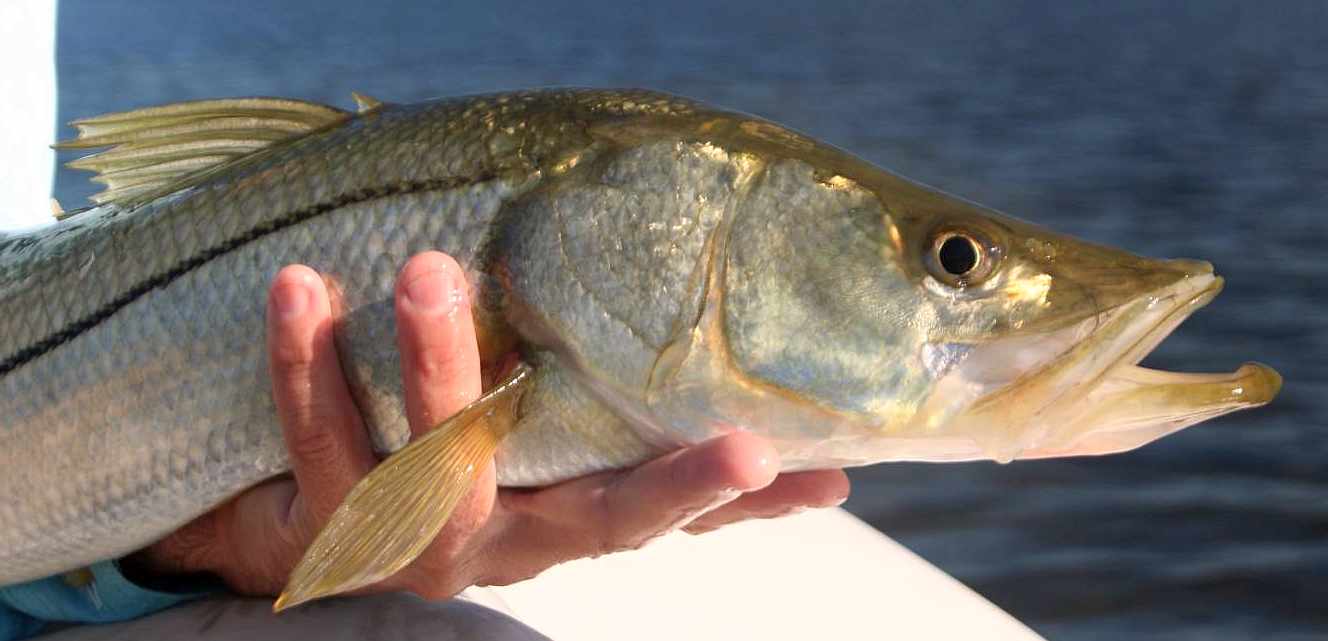
Snook are routinely targeted during the winter months by many fishermen in the New Smyrna area, and with the reopening of snook season February 1st., more fishing pressure can be expected on the species.
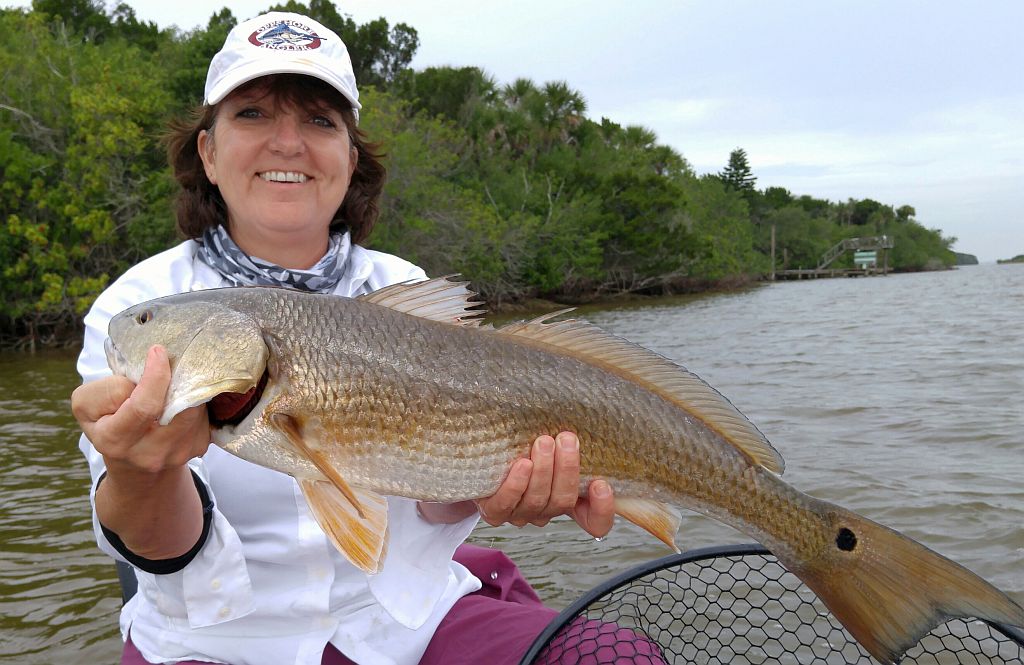
Fishing for pre-spawn reds will be a hit or miss proposition until they form up a bit more, but we should expect some great fishing for bull redfish during the March through May season. This month is also a prime month for catching big gator sea trout in our area. Some real whoppers in the 10 to 14 pound category can be caught when they are laid up in the sandy potholes around the cold fronts. Target them with live mullet or soft plastic lures fished very slowly.
When the water temperatures drop into the 50s during February, the deep water canals around Cocoa Beach and Merritt Island will be a great place to fish for Gator sea trout.
There is a die hard group of fishermen who wait every year for the air temperatures to plunge into the 30s for several days, until the water temperatures drop into the 50s. The relatively warmer temperatures of the deeper canals are where the baitfish congregate. The larger predators are drawn to the extra degree or two of warmth and the waiting buffet of baitfish where they can be easily targeted.
The 2017Atlantic coast snook fishing season in Florida starts on Wednesday, February 1st, and will remain open through the end of May.
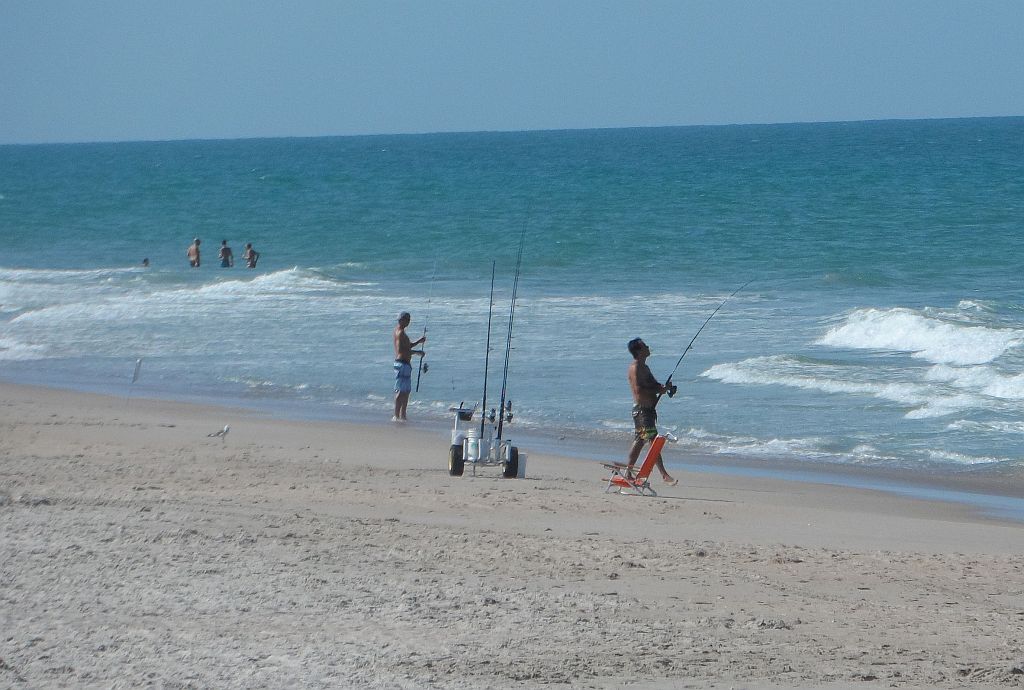
Playalinda Beach And Surrounding Areas It's Pompano season again and in the surf along our East Central Florida beaches, Pompano will be the staple for the majority of surf anglers, with a mixed bag of whiting, black drum, Spanish mackerel, and bluefish added into the mix.
All these areas offer public access points with free parking to surf fishermen who have reportedly been making decent catches of whiting, pompano, bluefish, and a few Spanish mackerel.
During the week, you may often find yourself completely alone on the beach with only an occasional surf fisherman on the horizon and during the weekends, it usually doesn't get much more crowded.
St. Johns River System
Earlier they were around the old Marina Isle and Mullet Lake Park east of Sanford. Nearshore And Offshore Fishing Ponce Inlet Offshore 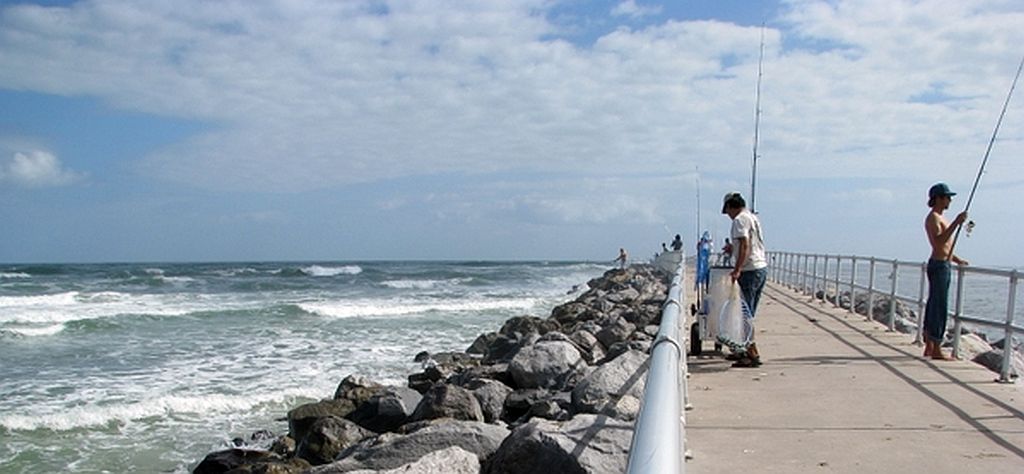 Offshore
The king mackerel bite on the reefs and larger wrecks in the 70 to 90 foot depths continues to be fairly strong and should continue so throughout the month. Slow trolling strip baits and frozen sardines over these structures is the preferred method of catching kingfish. The anglers that are moving out to the 150 to 200 foot deep reefs and speed trolling skirted ballyhoo have also been picking up wahoo and an occasional sailfish. Bottom fishermen who have been using small pieces of sardines or squid to get past the red snapper on their bottom drops have been making some good catches of porgy, black sea bass, red eyes, and triggerfish in the 70 to 90-foot depths. Port Canaveral Offshore and Nearshore  Offshore
Out of Port Canaveral, King Mackerel continue to be the mainstay of the fishery and can be caught on the 70 to 90 foot structures. Most of the kingfish in our area are being caught by slow trolling frozen sardines on a stinger rig. Slow trolling a Sea Witch/strip bait combo, or a medium sized spoon behind a planer or from a downrigger, is also a good way to locate a school and can also produce better fish. Once you locate a school, circle the area and you should be able to pick up your limit. Anglers in our area are also reporting occasional hookups with blackfin tuna and sailfish on the 70 to 90 foot reefs. 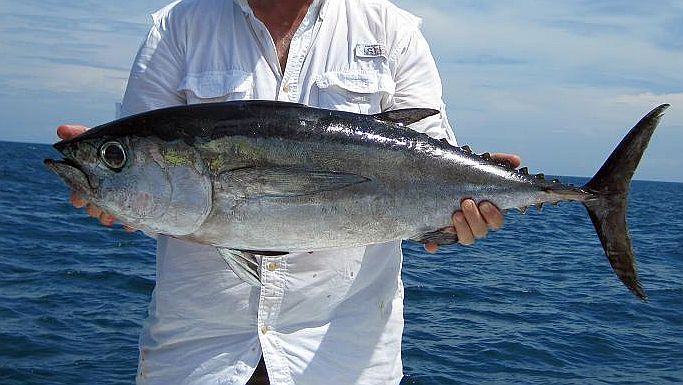 Both the 8A and Pelican reefs have had some nice kingfish over them but because live baits are tough to come by this time of the year, most anglers have been using frozen sardines with good results, but live baits are definitely the best. It might pay you to drop a sabiki rig around some of the buoys or wrecks on the way out to pick up some blue runners, pogies, or threadfins for a more productive trip. A little farther offshore the Mahi, wahoo, and sailfish have started to show up in good numbers and although each species can be targeted using specific tactics, a small Islander with a ballyhoo or a naked ballyhoo will work just fine. If you're specifically targeting Wahoo, which are found in greater numbers during February, just increase the speed of your troll. If you are a bottom fisherman and like dropping cut baits or frozen finger mullet to the bottom of the 70 to 140 foot structures, you can expect good catches of porgy, Lane and vermilion snapper, black sea bass, and triggerfish throughout the month. Nearshore The near shore fishing for shark and the bull redfish that are still roaming the beaches on most days has been outstanding. Most fishermen are using large chunk baits and fishing in the 10 to 25 foot depths to catch them.  The Cobia and triple tail have also been hanging pretty close to the beach. The Cobia and triple tail have also been hanging pretty close to the beach.For triple tail, use a small bucktail tipped with a piece of squid or a live shrimp with just a small shot of weight on it. If you tease them with it a little, most of the time they will eat it. Triple tail are some of the best eating fish in the ocean and can be found free swimming around rafts of weeds, along the weedlines, close to the buoys and anchor chains, or holding around anything else you can find floating on the surface. Cobia have been hanging out with the tripletail in these same areas, so keep a bucktail jig tipped with a whole squid or some other bait ready to pitch to them. Cobia are not very particular, so you can use a variety of live and artificial baits to catch them, but if they're hungry they will eat. On most days you can expect to catch pompano, whiting, trout, jack cravelle, and bluefish just outside of the surf break. Surf fishermen using whole sand fleas, fresh cut strips of clam, and small pieces of shrimp on a surf rig or on a bare jig head have been making decent catches which should continue throughout the month. The flats in the no motor zone in the Banana River have been producing some nice speckled sea trout, black drum, and redfish. Live shrimp and fresh cut pieces of blue crab have been producing the most action for the reds and the black drum. There are also a lot of black drum and redfish in the Haulover Canal area right now. You can tell where they are by the number of boats anchored either at the mouth of the Mosquito Lagoon or Indian River. Fish half of a fresh blue crab or a jumbo shrimp on either a standard bottom rig or a bare jig head to get them. Sebastian Inlet Offshore and Nearshore
Offshore Sailfish, king mackerel, and blackfin tuna are the three species that anglers have been targeting outside of Sebastian Inlet for the past few weeks. The best bite has been reported from anglers trolling small to medium sized ballyhoo rigged with a small trolling head or a kingfish duster. Trolling naked ballyhood with a chin weight to get the bait down into the strike zone has also been producing good numbers of fish. 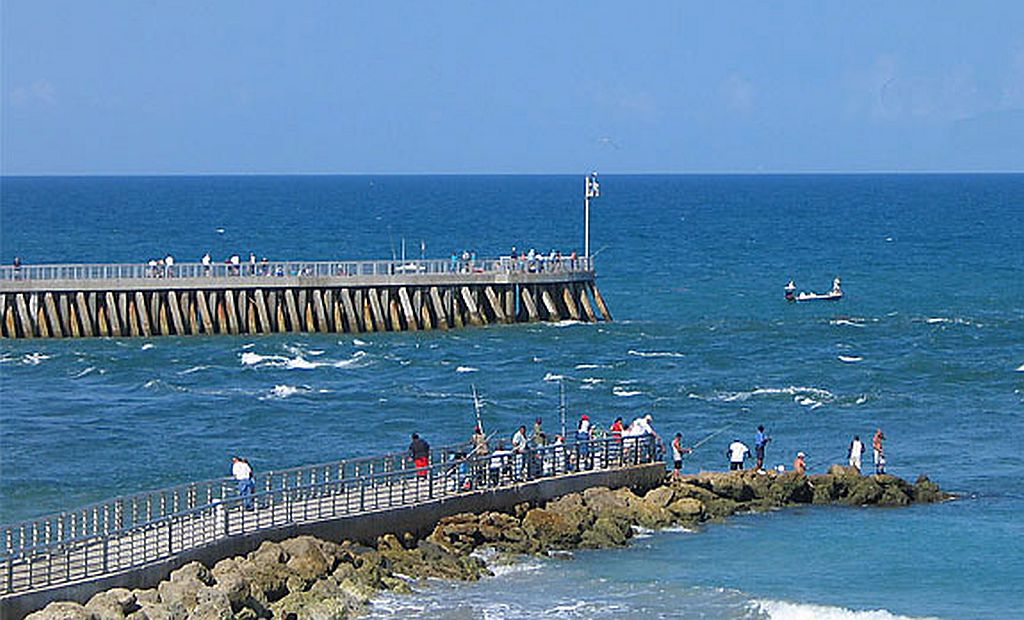 Nearshore
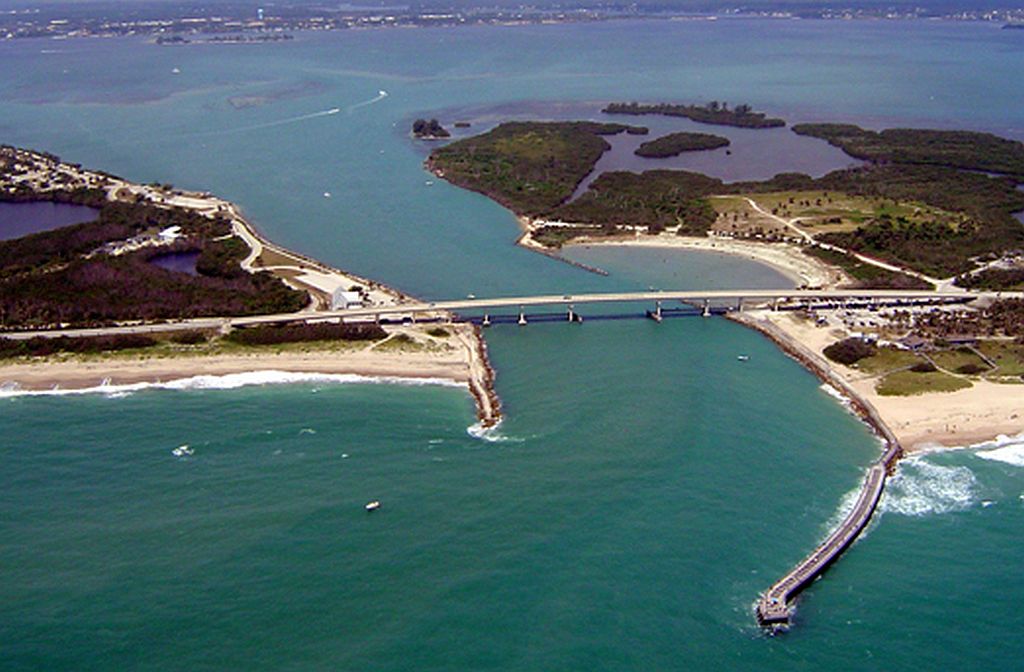
The jetties and the inlet at Sebastian is always good fishing and on most days you can expect redfish and snook to be hitting live and artificial baits. Although each day is going to be different, the Captains in the area have lately been using live shrimp, croaker, or Majorra as bait when fishing the Inlet for snook and reds with good results. In addition to the snook and redfish, a lot of bluefish, jack crevalle, Sheephead, Spanish mackerel, flounder, and black drum have also been showing up in the inlet, but the Black Drum are by far the dominant species that is now being landed at the inlet. The Pompano bite in the inlet has been sporadic, but the deeper flats between Mullet Creek and Long Point, and the flats near the clam lease have also started to produce some numbers of Pompano and nice speckled sea trout. With the opening of snook season, you can expect crowds of fishermen along the jetties and the piers. If you don't mind fishing in a crowd, Sebastian will have some great fishing during February.
Until next time,
Tight Lines and bent rods!
|
||||||||

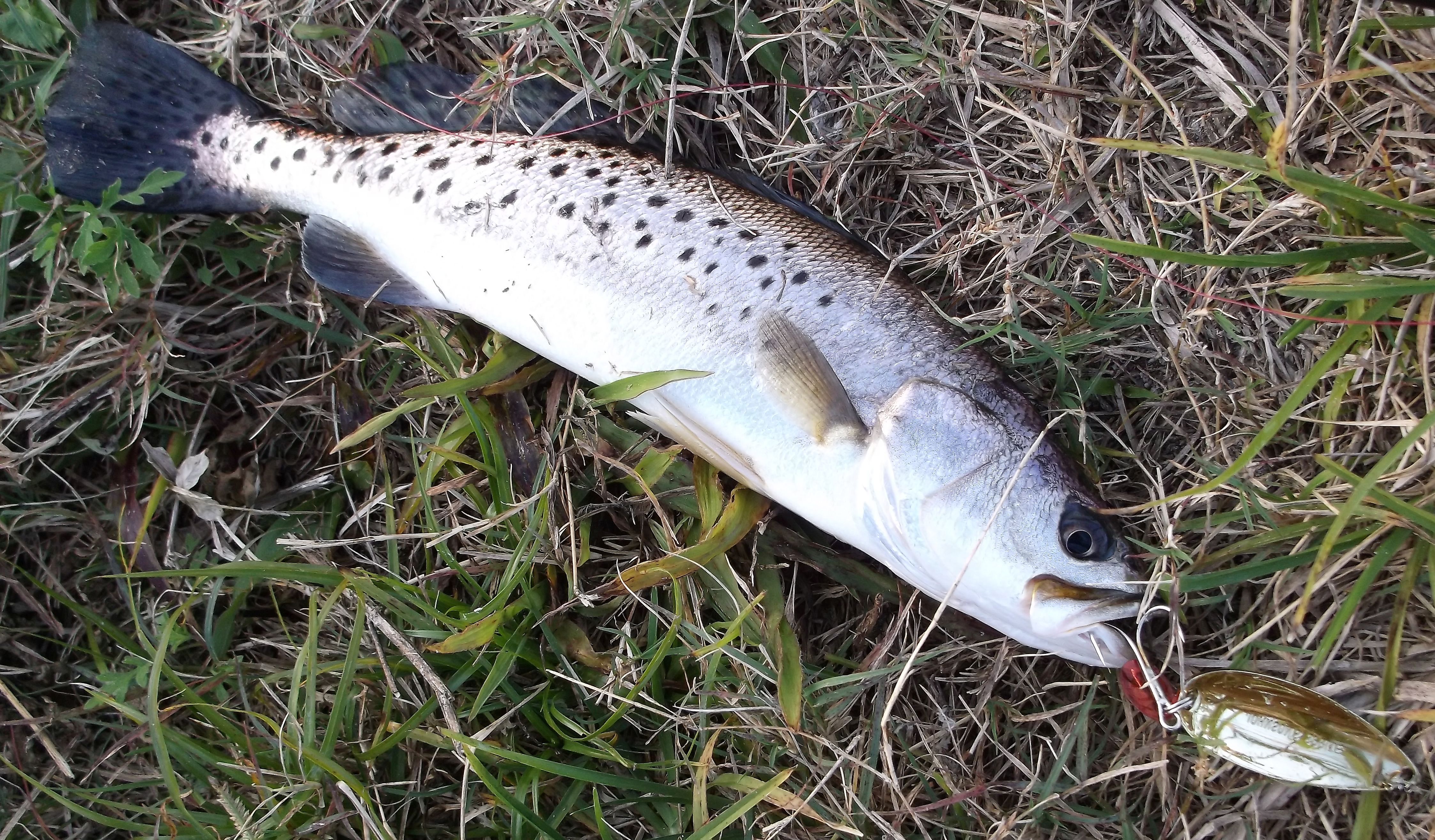 Peacocks Pocket Road and most of the other areas in the Merritt Island National Wildlife Refuge are closed to vehicle traffic until Feb. 15th., however you can park at the barriers and walk the roads for some decent fishing for spotted sea trout and an occasional redfish.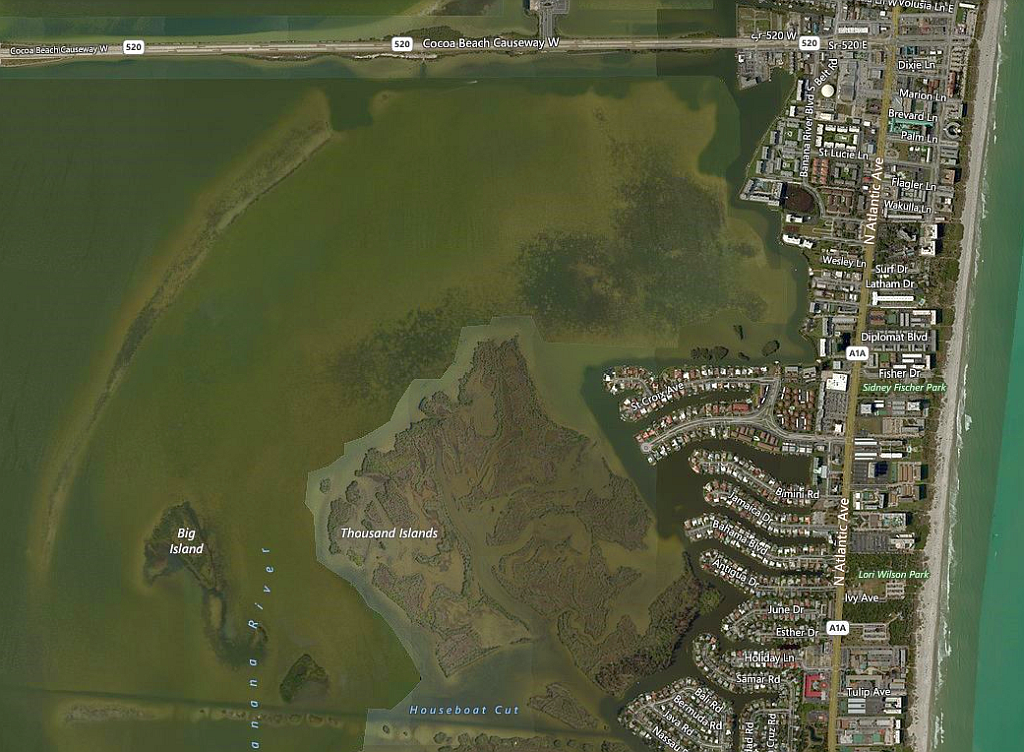

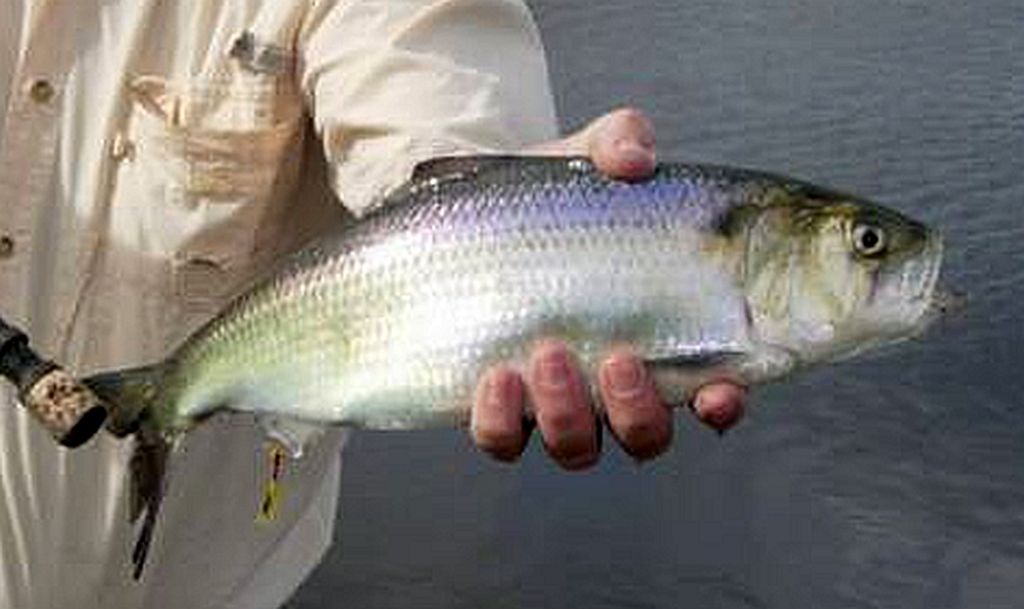 The American Shad run in Florida's St. Johns River will peak in the next few weeks so if you plan to try fishing for them, the time is NOW. By April 1st, the bulk of the 2017 shad run will be over.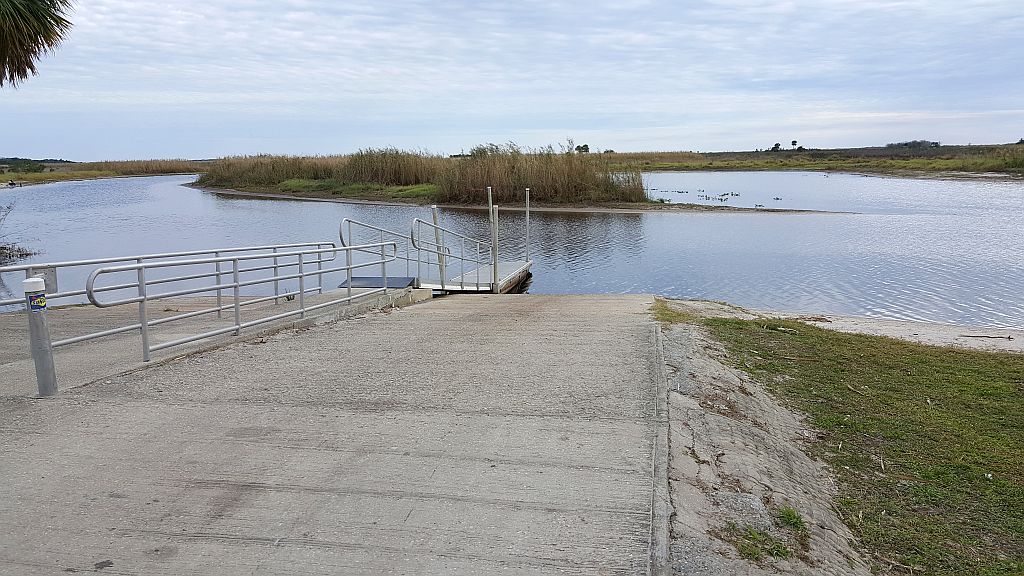
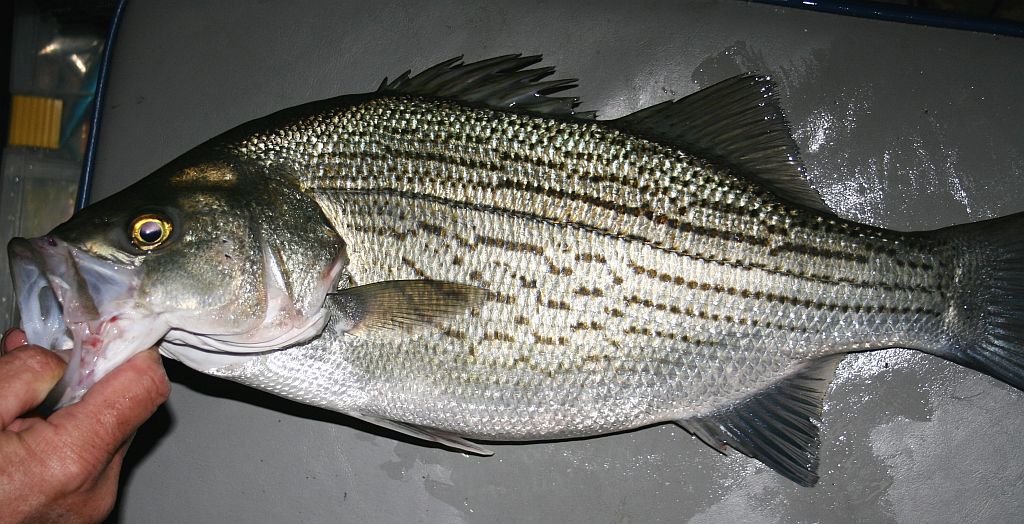 Some nice catches of Sunshine and Striped bass have also been reported in the river where the Econlockhatchee empties into the St. Johns; a mile south of the SR 46 bridge east of Geneva.
| Link One | Link Two | Link Three | Link Four | Link Five | Unsubscribe to this newsletter |