Your November 2016 Mosquito Lagoon & Indian River Fishing Report
Published: Tue, 11/01/16
| Newsletter Issue # 87 | November 1, 2016 |
Mosquito Lagoon & Indian River Fishing |
|
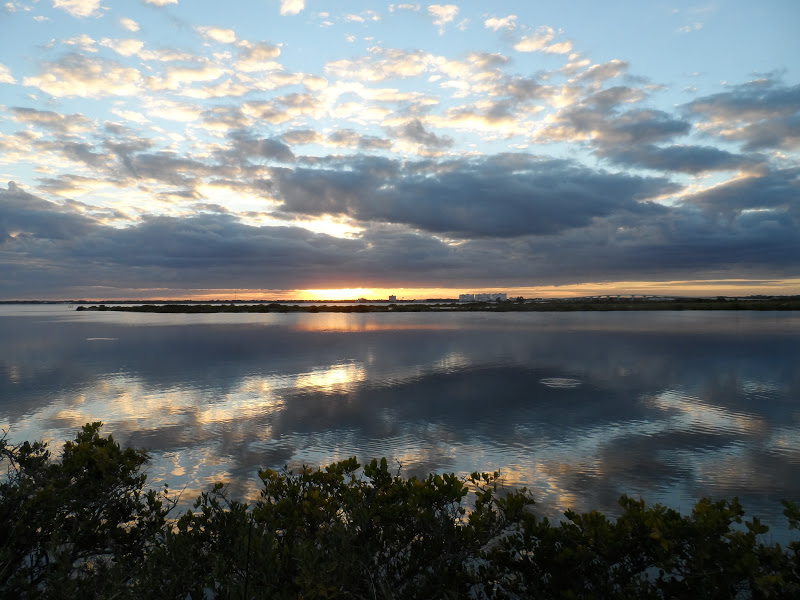 The Mosquito Lagoon and Indian River Because of the continuing dirty water conditions in much of our lagoon system, the redfish and sea trout bite has been pretty much a hit or miss situation. Although the brown algae has made it extremely difficult for sight fishermen to locate schools of fish in most of our area, the conditions should improve as colder weather sets in. In the Mosquito Lagoon, Indian River, and Banana River systems, live shrimp and finger mullet have been accounting for most of the fish catches, but anglers using artificial baits like small Assassin Sea Shads, Johnshon's gold spoons and small topwater baits have also been picking up some decent size fish when they can be located. In the Mosquito Lagoon, fishermen targeting the eastern shoreline flats near Vans Island and the Tiger Shoal area have been producing decent catches of speckled trout and redfish on a regular basis. Inside the Klinker islands on the west side of the ICW just south of Oak Hill has also been a good area to target when the winds are blowing from the east. 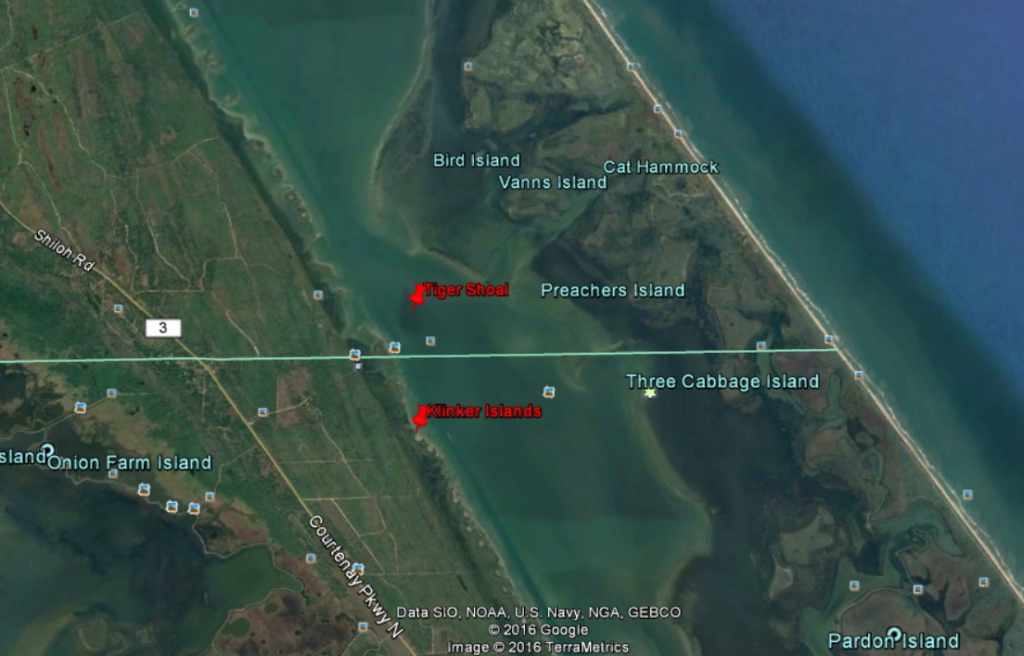 Although most of the spotted sea trout in our area have been on the small side, some really nice gator trout are also being caught in these areas. Farther south around Merritt Island, the bite in and around the canal systems has been good but most of the sea trout are under, or just above the slot. As the weather cools down, this area should start to produce some larger sea trout and Snook around the mangrove shorelines and canal docks. In our area, the redfish bite has been particularly good in the Indian River around Mims, and along the shorelines east of Parrish Park. 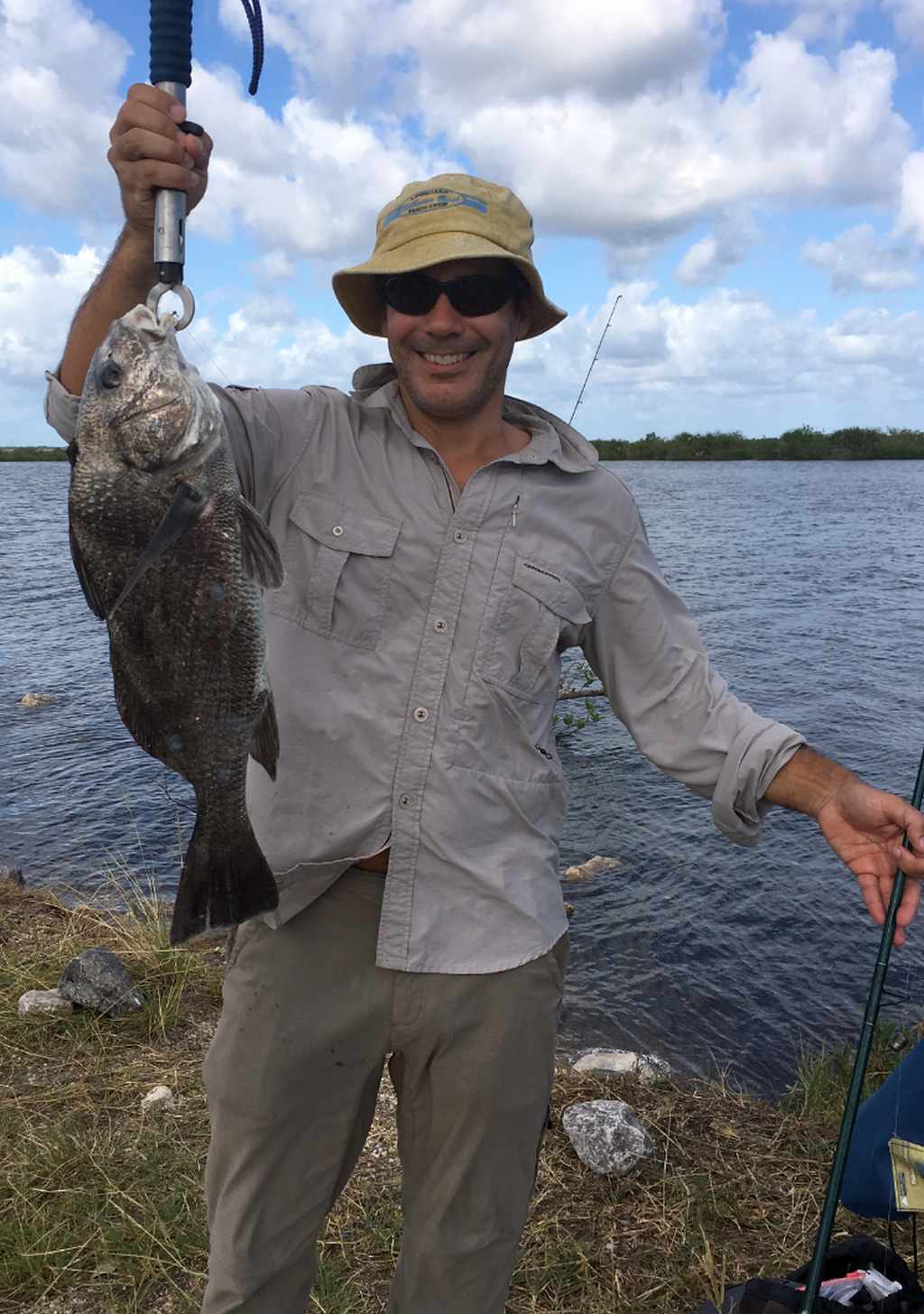 Because some portions of Peacocks Pocket road were washed out during the hurricane, it has been closed to vehicle traffic, but anglers fishing the Catfish Creek area with live finger mullet, large live or dead shrimp, and cut baits have been catching some nice redfish and black drum off the bank, from kayaks, and wading. Because some portions of Peacocks Pocket road were washed out during the hurricane, it has been closed to vehicle traffic, but anglers fishing the Catfish Creek area with live finger mullet, large live or dead shrimp, and cut baits have been catching some nice redfish and black drum off the bank, from kayaks, and wading.Fly fishermen wading these areas have also been picking up some really nice sea trout and redfish on a variety of flies that mimic a baitfish. Last week a friend of mine who regularly fishes the area, almost exclusively with chunks of ladyfish, caught a 54" redfish off of a point at Catfish Creek Loop. Several other readers have reported making nice catches of reds, black drum, slot size sea trout, and even juvenile tarpon in the same area. North of Titusville towards Ponce Inlet at Daytona, anglers fishing live finger size and larger mullet on the outgoing tides have been catching a lot of Jacks around the mangrove shorelines that line the back of the inlet. Jacks and redfish are also being caught in good numbers southward in the river on live mullet, shallow swimming plugs, spoons, and anything that resembles a baitfish. The 20 to 30 pound bull redfish schools that were in the inlet and around the ICW for their annual spawn last month, have pretty much broken up and moved out. The higher water levels have caused the fish to move closer to shore, hopefully making for some good bank fishing. During the winter months as the weather cools down, the fishing pressure on the Mosquito Lagoon, Indian River, and Banana River Lagoons usually decreases, which makes the redfish and sea trout become much more cooperative, especially in the very shallow waters around the perimeter of the waterways. Fishing with jerk baits, D.O.A. shrimp, gold Johnson's spoons, crank baits, topwater Chug Bugs, Zara Spooks, Rapala Skitter Walks, and XPS Slim Dogs will all produce fish but during dirty water conditions, fishing with live shrimp, mullet, and cut baits are your best bet. _______________________________________ Offshore Fishing Offshore fishing during November outside of Port Canaveral will depend entirely on weather conditions. After Hurricane Matthew blew through our coast last month, the dirty water conditions and rough seas caused a lot of anglers to stay off the water, but around the jetties, the Redfish and Snook bite was starting to kick into high gear, and by the end of the next week, there were tons of Snook and Red Drum everywhere. In Port Canaveral and Sebastian Inlet, Snook were being caught on live Mullet and Pinfish with the best bite at night. The few hardy anglers that did make it out of the port this past week fished mostly around the second buoy at the tip of the southeast shoal pulling Clark spoons behind small planers and trolling weights. They were picking up some small Kingfish and Spanish mackerel up to 7 pounds. 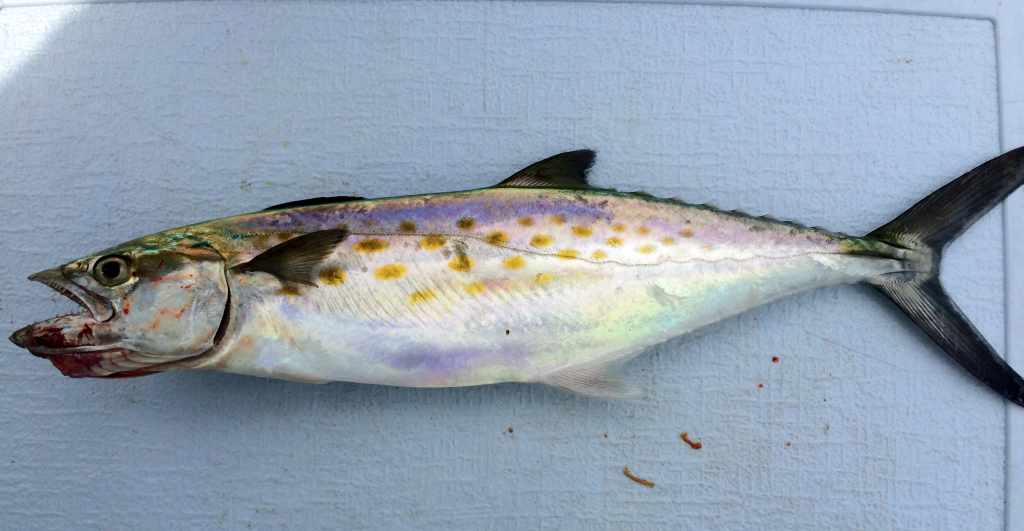 The guys who are fishing in the Canaveral Bight in the 15 to 30 foot depths are catching sharks and bull redfish in the 40 inch category on live pogies, mullet, and cut baits. Large Cobia jigs dragged or bounced along the bottom will also pick up some nice reds, especially when you add a live pogie. Farther north towards Ponce Inlet, the anglers who were getting out to fish the 130 foot depths and beyond are catching sailfish and dolphin on ballyhoo spreads. The anglers who get out to fish the temperature breaks and clean water edges in between fronts this November, should find the fishing for sails, dolphin, and kingfish improving throughout the month. Surf Fishing This month we will experience a full "super moon" that will be the closest to our Earth in over 68 years. The next time it will occur will be in the year 2034. This super moon will cause really high tides which could result in some great surf fishing opportunities. 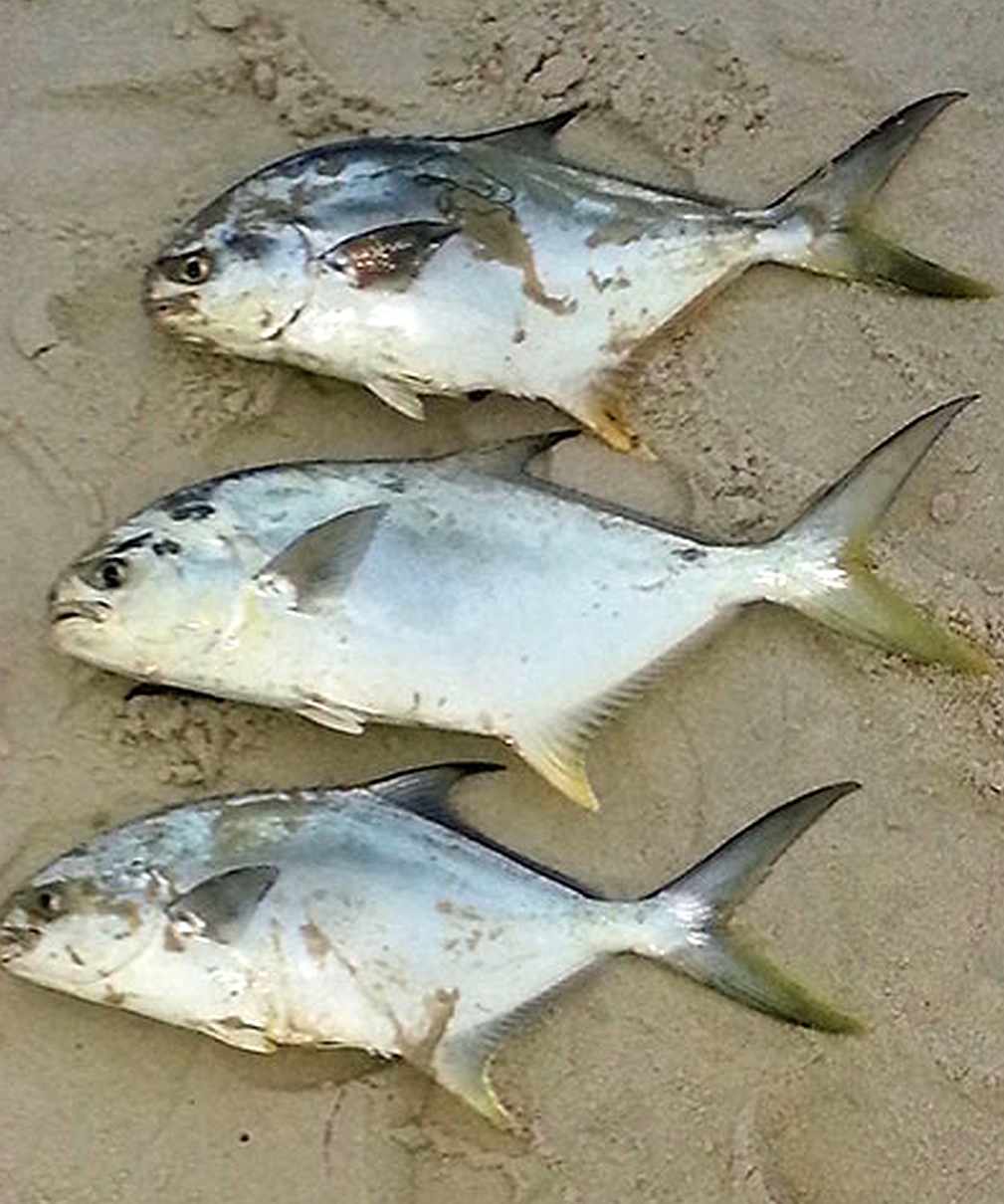 Although there are still lots of baitfish in the jetties and in the surf along our beaches, for the next few months Pompano will be the name of the game for surf fishermen along our coast. Although there are still lots of baitfish in the jetties and in the surf along our beaches, for the next few months Pompano will be the name of the game for surf fishermen along our coast.Every fall as the water temperatures cool down, schools of pompano migrate from the northernmost parts of Florida, all the way south to Miami's beaches. The Pompano will move south through Jacksonville Beach, Flagler Beach, Daytona Beach, and after a couple of cold fronts pass us by, will eventually show up at Playalinda Beach around November or December. Although Playalinda Beach at the Canaveral National Seashore is considered a hop spot for Pompano, during the coldest days of winter good numbers of Pompano can be caught in an around the beaches of Sebastian, Vero, Ft. Pierce, Stuart, Jupiter, all the way down to Miami. The basic tackle for Playalinda Beach surf fishermen is an 8' or 9' surf spinning rod, a reel loaded with 12 to 20 lb test monofilament line, and a dropper rig with a 1 to 4 ounce pyramid sinker. In a calm surf, I use a "river" spinning rod with 8 to 10 pound mono or 20 pound braid with a fluorocarbon leader. You can use pre-rigged Pompano rigs or save money by tying your own. When baitfish are in the surf and the Bluefish or Spanish Mackerel are cutting off your Pompano baits, tie on a long shank hook or a snelled 2/0 hook on a nylon coated wire leader, and switch over to cut baits. For Pompano and whiting, bait up with live sand fleas, fresh cut clams, Fishbites, or half of a piece of shrimp. If you're using clams, make sure they are fresh. Most bait shops sell frozen clams that turn to mush when defrosted and don't stay on your hook. When using shrimp for Pompano, pinch off the head and the tail and use only half of the body on the hook. For whiting, use a peeled piece of shrimp slightly larger than your fingernail. When the pompano are in close, I use a 1/4 oz. jig head with a small piece of peeled shrimp as a tail tied directly to the main line. If you are targeting bluefish or Spanish mackerel, use a cut chunk of mullet or use a whole fingerling mullet with the head and tail removed. Blues seem to always miss the hook when I use a whole mullet. ________________________________________________ Haulover Canal 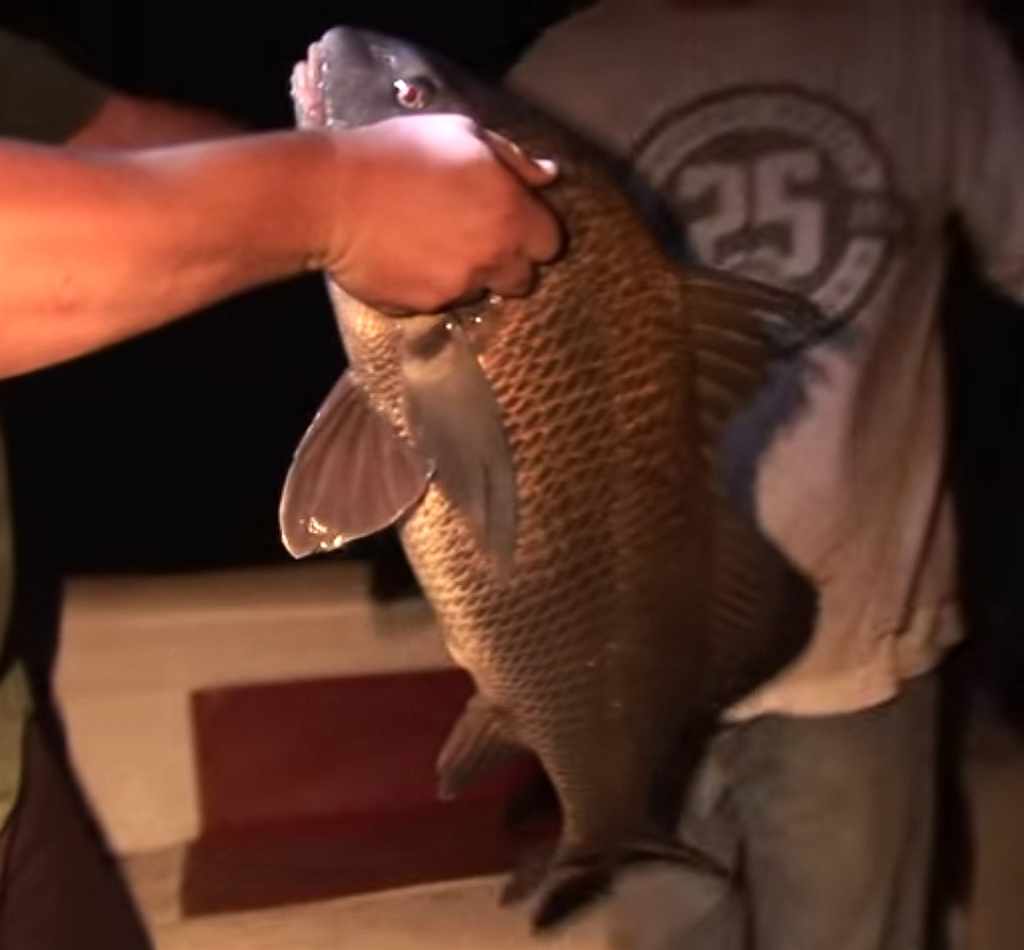 Haulover Canal fishermen have been making some nice catches of black drum up to 30 pounds, bull redfish up to 40 inches, mangrove snapper, and Snook. Haulover Canal fishermen have been making some nice catches of black drum up to 30 pounds, bull redfish up to 40 inches, mangrove snapper, and Snook. Bull redfish and big black drum move through the deep waters of the canal from the Mosquito Lagoon to the northern Indian River throughout the year, making Haulover one of the best places to pick up a trophy fish. Bank fishermen using half of a fresh blue crab fished right on the bottom have been landing 30 pound plus fish on a regular basis. Live pinfish, mullet, and large select shrimp on a knocker or sliding sinker rig have also been producing some nice fish. Power Pro or any other braid, heavy fluorocarbon leaders, and 4/0 or 6/0 VMC circle hooks are recommended terminal tackle. Most of the black drum that were caught last month were running about 5 to 15 pounds however, a few in the 20 to 30 pound category were reportedly caught on blue crabs. The smaller fish were caught on cut clams and shrimp. The east side of the canal seems to be a better area for redfish, but boaters fish the side that the current is flowing towards. Night fishing in the canal is not permitted from the bank but boaters at night have been making nice catches of black drum, redfish, sea trout and snook. Durnig November, Haulover Canal and the deeper waters around our area bridges should be a good bet for black drum. As the temperatures cool down the shrimping activity should also start to pick up. ________________________________________________ Till Next Month, Good Fishing & Tight Lines To You All |
|
| Link One | Link Two | Link Three | Link Four | Link Five | Unsubscribe to this newsletter |