Your August 2016 Mosquito Lagoon & Indian River Fishing Report
Published: Mon, 08/01/16
| Newsletter Issue # 84 Fishing Forecast | August 1, 2016 | ||
Mosquito Lagoon & Indian River Fishing |
|||
 The Mosquito Lagoon and Indian River
The proverbial dog days of August are here and our weather has become really hot and muggy. Because the air temperatures in our area will be topping the 90 degree mark most of this month, getting a line in the water before dawn is mandatory if you plan on catching any decent fish. Water quality in the Banana and Indian River lagoons is generally brown from the algae blooms that have returned to this portion of the lagoon system but if you can find pockets of clean water, you will find snook, sea trout and slot size redfish around the shorelines, docks, and bridges. The glass minnows are in all the river system and anglers using 4" Assassin Sea Shad Tails have been have been doing well with all species. The Fried Chicken and Butt Naked colors have been the preferred choice of most successful anglers. The redfish and sea trout bite has been good in the north Indian River around the deeper water flats at Scotsmoor, around the Black Point Wildlife viewing area, and in the Dummitt Cove area just south of Haulover Canal. During the predawn early morning hours until about 8:00 am, there should be some excellent sight fishing opportunities for sea trout and redffish in the Mosquito Lagoon throughout the month. But even the guides are not recommending a full days fishing trip for their charters. Fishing for four or six hours with light spinning tackle and twitch baits or small hard baits will produce enough action to keep most fishermen happy. A lot of smaller sea trout are being caught along the transition edges of the flats where the water drops to 3 to 6 feet or more. Live or DOA shrimp on Cajun Thunder popping corks, small jigs, or small topwater baits will all produce fish. The larger sea trout will be prowling in the shallower waters when the water temperatures are cool enough. Larger walk the dog type baits, Chug Bugs, spoons, and jerk baits are all good producers. The really large "Bull" reds in the 40" plus category will be holding in the cooler waters along the deeper edges off the flats, around the bridges along the ICW channels, and in the deep waters of Haulover Canal. Large live mullet, pinfish, live blue crab, chunked ladyfish or mullet, and large shrimp are the baits of choice for these fish. The deeper flats south of Onion Farm Island across from Scottsmoor in the Indian River have been producing some bull redfish and tarpon on chunked baits and live finger mullet. I've caught them on gold Johnson Sprite spoons and D.O.A. Baitbusters smeared up with some Pro-Cure, but live bait works best. 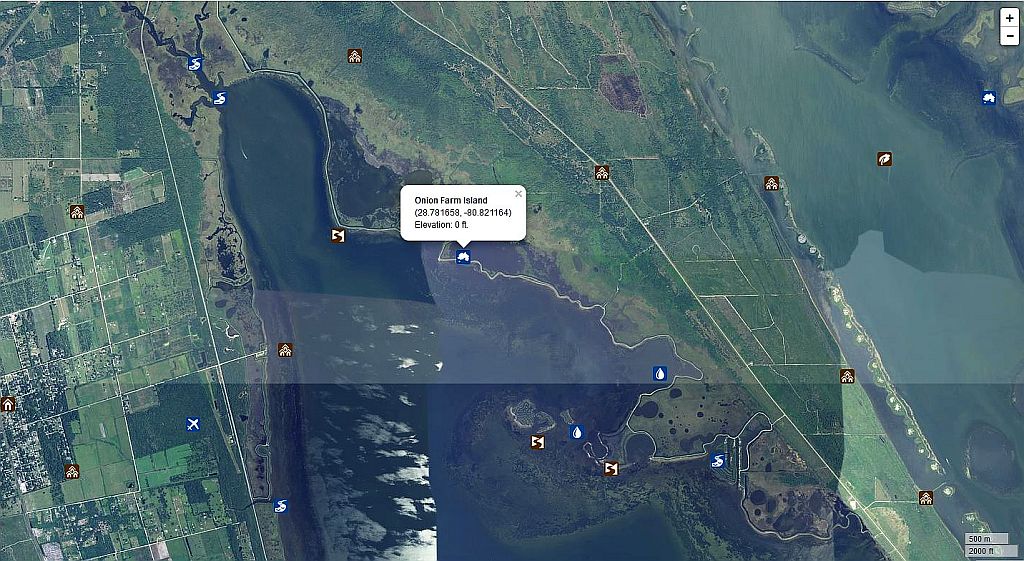 The local guides have been catching some gator size spotted sea trout in the Mosquito Lagoon on live pigfish or pinfish along the Klinker Islands west of the ICW, down near Cucumber Island on the Cucumber Bar, and also in the middle portion on Tiger Shoal and along the false channel bar.
Again, the baits of choice have been Saltwater Assassins or Sea Shad tails in the "Butt Naked", "Chicken on the Cane", or "Fried Chicken" colors. But any bright colored bait that shows up well in the murky water will work just as good. The average size of the trout are between 15" and 18", but plenty of fish over 20" are being caught, along with an occasional 10 or 12 pounder. The Snook have been starting to move back into the river following the glass minnows, pilchards, and finger mullet. They are holding close along the docks and mangrove shorelines in the Indian and southern Banana River. Most of the Snook in our area are smaller, running in the 18" to 25" range, but if you want to travel south towards Palm Bay to the Vero area, there are plenty of Snook running in the 30" range and even a few up to 40". Croakers, pigfish, finger mullet, and pinfish are all good baits for these fish. Up to the north, Snook can be found around the Edgewater and New Smyrna residential canals, as well as the south bridge at New Smyrna where they are often caught underneath the rolling tarpon that usually inhabit the area. Fish croakers or pinfish along the jetty rocks on an outgoing tide for the best bite. Night time fishing around the docks and bridges this time of the year is especially productive for snook. 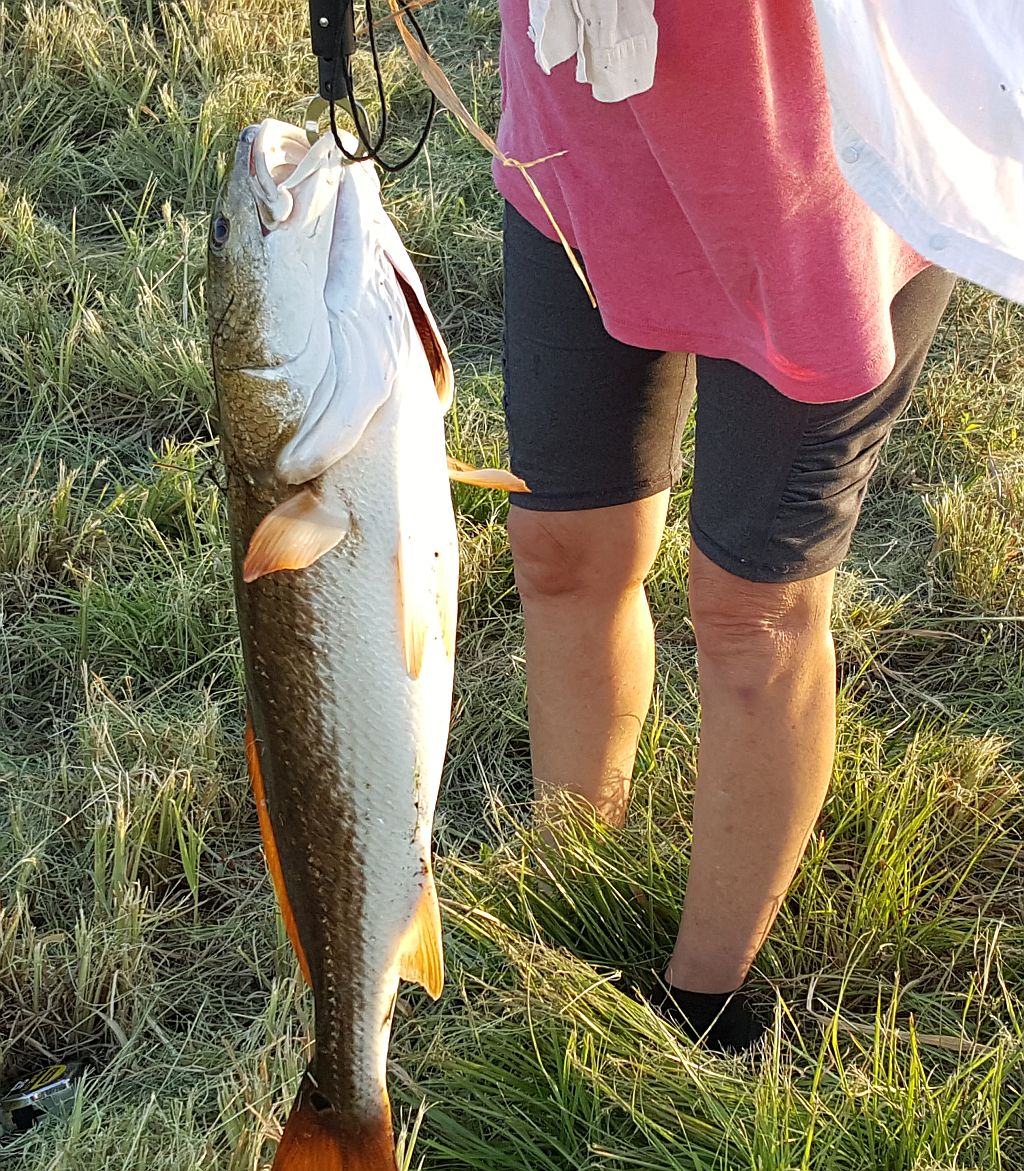 In the Merritt Island National Wildlife Refuge along Peacocks Pocket Road, the bank fishermen are still making consistent catches of slot size and over redfish on live mullet, chunked mullet or
ladyfish, and pieces of live blue crab. In the Merritt Island National Wildlife Refuge along Peacocks Pocket Road, the bank fishermen are still making consistent catches of slot size and over redfish on live mullet, chunked mullet or
ladyfish, and pieces of live blue crab. The reds hug the shoreline and although they can be caught throughout the day, the best bite is in the early morning hours and later around 5:00 to 6:00 pm. The reds and sea trout in the salt marsh are generally prowling the weedy ponds for baitfish, small crabs, mud minnows, etc. until the late afternoon hours when they travel the marsh canal moving from pond to pond. Big sea trout can be caught in the marsh canals early in the morning, close to dusk, and often just before a thundershower on topwater "walk the dog" type baits and Chug Bugs as they meander along the banks chasing baitfish. On calm mornings when the water looks like glass, you can often stir up some vicious strikes with a Chug Bug or a "walk the dog" topwater bait smeared up with some Pro-Cure Inshore
formula and worked with a slow, steady retrieve.
Right now throughout the East Central region, Juvenile Tarpon are in the residential canals and creeks leading into the Indian River and are feeding on glass minnows. A small fly or a 2" Perch Assassin in the "Arkansas Shiner" color on an assassin head, is a good bait to use to catch these juvenile fish or you can use a small finger mullet on a 3/0 VMC circle hook. You won't land many fish but they're great fun when hooked. In the middle and southern Indian River, and parts of the Banana River, the sea trout bite is also really hot right now. Live shrimp or jigs underneath a float will get you plenty of fish if you don't mind the by catch of puffers, ladyfish, catfish, small jacks, and even bluefish. An assassin spring lock head with an assassin sea shad tail will minimize hooking some of these fish. Offshore Fishing
The Sailfish bite about a 22 mile run offshore outside of Port Canaveral is beginning to perk up in the 120 to 190 foot depths. The fish have been moving north from the East region, chasing the schools of sardines and glass minnows.
The majority of the captains that are chasing them look for bird activity or just target the weed lines. Most of the captains troll small to medium size, naked or chin weighted ballyhoo. Some add a small skirt for appeal. If you happen to run up on a school or a ball of baitfish, the sailfish often follow them up to the surface where they can be caught with frozen or live baits. There has been a lot of "dirty" green water reported out of the Port Canaveral but if you keep searching for decent water conditions, scattered king mackerel, dolphin, and sailfish can be found in the shallower 75 to 180-foot depths. And, don't overlook the scattered sardine schools that are currently in the 50 to 90 foot depths. During August, good numbers of Kingfish can usually be found just east of Playalinda Beach, north of Cape Canaveral. The turning basins and main channel at the Port can also be a great place to target smoker kings. Although most fishermen never think about this fishery, large schools of mullet and pogies sometimes invade the 35 to 40 foot depths with the kings following close behind. Most guys begin slow trolling a large 10" to 12" mullet from the entrance of the Port into the middle turning basin and when the baitfish schools are thick, you can often get a hookup with a smoker kingfish. Although the Trident basin has the most numbers of kingfish, it is off limits to boaters. The middle basin (above) is part of the main section of the port and is the best area for kingfish, but it has some limitations you need to familiarize yourself with. Usually trolling from the middle basin to the mouth of the port produces the best catches. Offshore fishermen have also been catching Mangrove Snapper on the 75 to 100 foot reefs by heavily chumming and drifting chunk baits into the chum slick on 3/0 to 5/0 vmc circle hooks. As of last week, Mangrove Snapper up to 12 pounds are being caught.  The mixed bag catch above is a typical example of what you can catch just outside the Port. In our area, the reefs and wrecks in the 150 to 250 foot depths are also producing some nice Amberjack. Live pinfish, sardines, croakers, and pogies are all good baits to use on a standard bottom rig, or if you don't want to fool with live baits, a 10 oz to 20 oz jig will also produce fish. If you want to catch a really big Amberjack, send down a 1 to 2 pound live blue runner on 80 lb braid or 80 to 100 pound mono, with an 80 to 100 pound Suffix leader in front of the fish. Most of the Amberjack caught in our area will be running in the 30 to 50 pound range but the bigger the bait, the bigger the fish. Cobia are also starting to show up in our area right now and they are hanging on the wrecks in the 50 to 100 foot depths. When fishing for these guys, be prepared when you pull up to a wreck or a reef and have a live bait ready to toss out to the fish. Cobia are curious fish and will often come up to investigate what is going on. Right now the Cobia are only averaging only 32 to 34 inches. _____________________________________ Surf Fishing During August you can expect to catch Shark almost anywhere off the beach and along our inshore waters on a variety of live or chunk baits.
Although most of the shark caught will be less than 6 feet in length, Bull Shark, Nurse Shark and some Hammerheads in the 8 to 10 foot category are always a possibility.
When you're targeting shark off the beach or in the surf, you never know what you're going to catch. Your first bite on the beach could be a 2 to 3 foot long Bonnet Head and the next could be an 8 foot long Hammerhead. 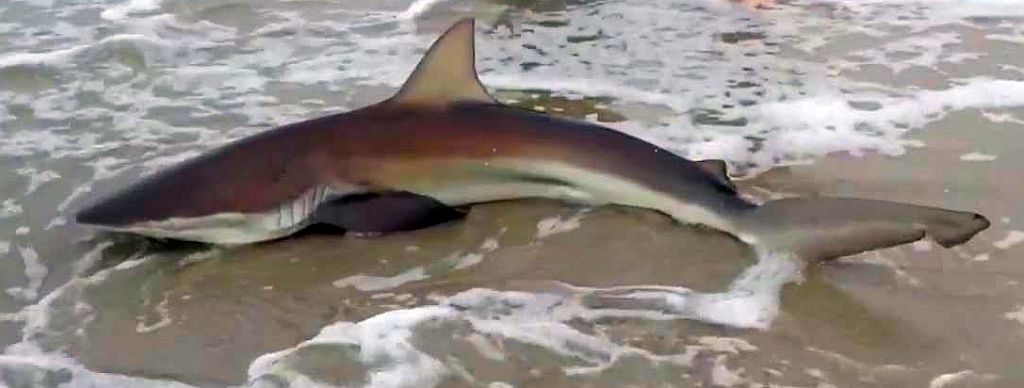 During the summer months, Bull Sharks will follow schools of baitfish and move into the Indian River to bear their young. They are a particularly aggressive species that should be paid attention to, especially if you plan on wade fishing for sea trout or putting out a bait for redfish. If shark is not your bag, Whiting will be the staple for most surf fishermen along Playalinda Beach until the cooler months when the Pompano bite starts up again. ______________________________________
Haulover Canal
During August, Haulover Canal fishermen will be targeting oversize Redfish, Black Drum, Snook and Sea Trout, especially during overcast days and towards the evening.  Most of the boat fishermen targeting bull redfish and black drum use a standard sliding sinker rig with a VMC 7685 circle hook and half of a fresh blue crab for bait. Live mullet, pinfish, croakers, and chunks of fresh ladyfish or mullet also works well. Bank fishermen will do better with a dropper rig and a bank sinker heavy enough to hold bottom. Sliding sinker rigs usually roll along the bottom and get hung up on the coquina. Night fishing with topwater or midwater twitch baits is also productive for big sea trout, snook, and sometimes a wandering tarpon. The cooler waters of Haulover Canal act as a highway for the fish during the summer months and you can expect to catch almost anything that swims there.
Throughout the summer months we can always expect good fishing for bull redfish, black drum, sea trout, snook and and Tarpon at Haulover. The fish use the cooler waters of the canal as a "fish highway". ______________________________________ Spiny Lobster
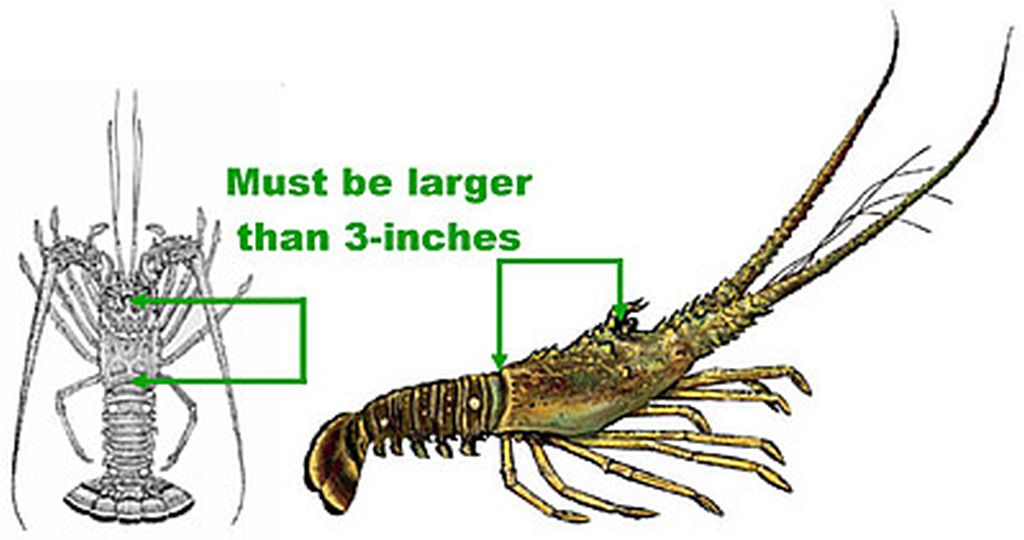
For additional information on harvesting Spiny Lobster Click Here. Till Next Month, Good Fishing & Tight Lines To You All!
|
|||
| Link One | Link Two | Link Three | Link Four | Link Five | Unsubscribe to this newsletter |