Your September 2021🦈 Mosquito Lagoon & Indian River Fishing Report
Published: Wed, 09/01/21
| Newsletter Issue # 146 | September 1, 2021 |
||||||
Mosquito Lagoon & Indian River Fishing |
|||||||
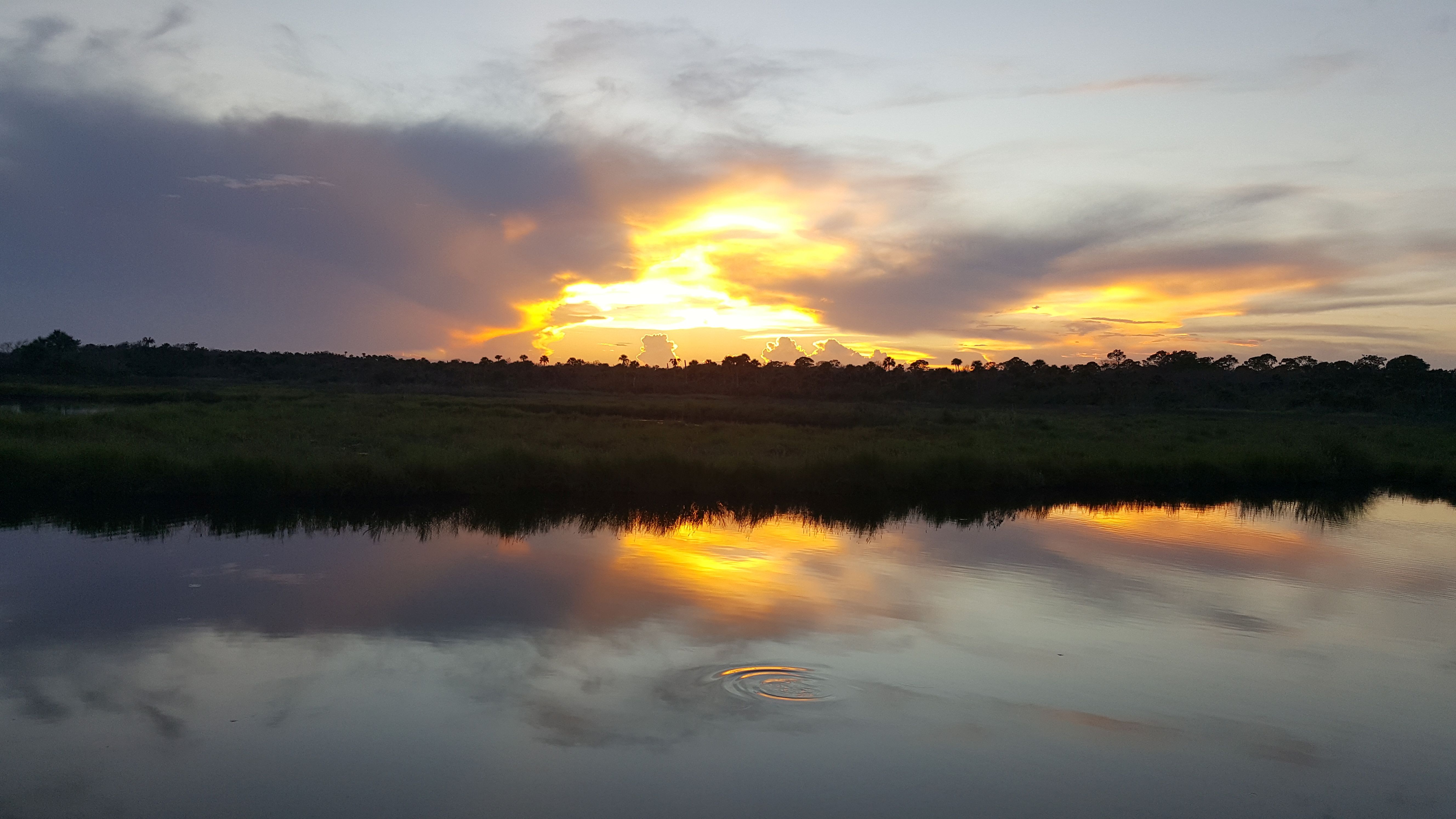 The Mosquito Lagoon and Indian River: The Fall Snook season opens today and a lot of anglers scouting for snook around the Indian River, Banana River, and Mosquito Lagoon have found that the bite during the closed spawning season was pretty good throughout our area, especially for slot and over slot fish. Snook fishing this past week on the Space Coast inshore and nearshore has been pretty much as good as it gets. Inshore snook in our area hold tight to shoreline cover and use trees, sticks, mangrove roots, and docks for ambush spots. Fishing these areas is difficult but a large mullet or pinfish fished tight to the shoreline is a good way to get them out of their comfort zone. A soft plastic D.O.A. Cal jerk bait, Saltwater Assassin 4" or 5" Sea Shad on a jig head, or a Gulp jerk shad skipped under a dock or shoreline bushes will also produce bites, in fact anything that mimics a finger mullet will catch fish. The R&R Flairhawk jigs and 5" to 6" Saltwater Assassin swimbaits on a jighead are absolutely killer at night along many of the docks in the Indian River from Sebastian to Titusville. Right now the docks have been holding really good numbers of snook. The average snook in our area has been running anywhere from 15 inches all the way up to over 36 inches, with a lot of fish measuring in the slot. The redfish bite has been a little slow this year but for the past couple of weeks the bite has been on the uptick. Slot size redfish have been showing up in good numbers along the shorelines and creek mouths around Merritt Island, Coco Beach, and in the southern Mosquito Laogon. Small jigs and/or flies that imitate little minnows have been working best on these fish but the Saltwater Assassin Houdini colored 4" Sea Shad rigged on a 1/8 th oz. jig head has been working especially well right now. In water that is too dirty to sight fish, chunked ladyfish or mullet on a 5/0 or 6/0 circle hook and a standard sliding sinker rig will get hookups. Starting this month, the bigger bull reds will begin staging in their pre-spawning ritual. Large schools can be seen in the deeper water flats floating up towards the surface and and then sinking down again towards the bottom. The outside edges of the deeper flats usually hold some of the larger reds and when approached slowly and cast are made ahead of the school, anglers will almost always get a hookup. A live or cut pinfish on a circle hook is one of the best baits for bull redfish, but fresh cut ladyfish, mullet, or a blue crab will also produce hookups. Artificial D.O.A. JerkBaits, 6" Bass Assassins, Gold Spoons, and suspended baits also work, especially when smeared up with some Pro-Cure or other scent to make them more attractive. 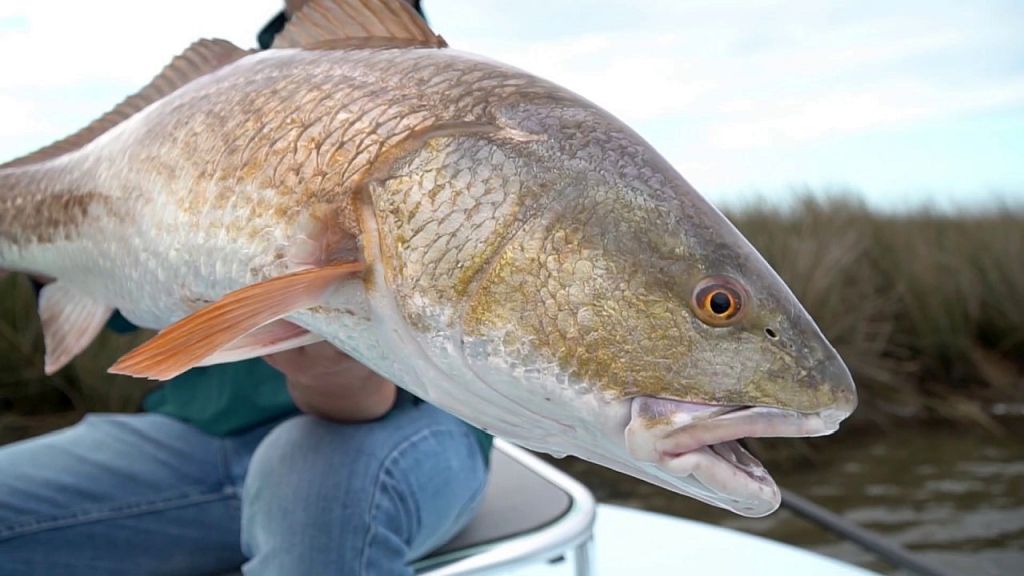 The residential docks in the Indian River Lagoon system are good places to target snook, tarpon, redfish, sheepshead, and large sea trout. During the heat of the day, the docks provide shade for the fish and attract many organisms, crustaceans, and bait fish that the predators feast on. The fish hold tight under the docks so accurate casts are necessary to catch them. A live bait, a pearl or white Bass Assassin or a Gulp shrimp on a 1/8 oz. jig head pitched under a dock will usually get a hookup. From first light till around 8:30 am, depending on the cloud conditions, the top water bite for spotted sea trout has been solid around the mangrove shorelines and pods of bait fish in the Mosquito Lagoon and Indian River. After the bite slows down, switch to subsurface soft baits or twitch baits and concentrate on deeper water along the drop offs to attract bites. At night, at first light, and during low light conditions, sea trout will come off the structure they are holding on to feed and are easier to catch. Getting out on the water before daybreak is an absolute necessity this time of the year, and if you can find relatively clean water with grassy areas, the likelihood of catching fish increases dramatically. Topwater baits like the Chug Bug MadFlash, SkitterWalk, or Badonk-A-Donk fished around the bait pods are usually productive during the early morning. When the bite slows down, tie on a plastic paddletail or jerk bait and move out to deeper water along the edges of the flats. Most of the trout caught on topwater baits in the Mosquito Lagoon have been averaging 2 to 5 pounds. Offshore and Nearshore Fishing: As long as no swells start up and our waters remain clean, nearshore and offshore fishing for mahi, kingfish, cobia, and wahoo should continue to be literally off the charts this month in our area. The King mackerel is a staple for offshore anglers in our area and on most days throughout the year they will strike live baits and lures on just about any of our 70 to 90 foot reefs out of Port Canaveral. Anglers targeting bigger "smoker" king mackerel off the beach will slow troll live baits on wire stinger rigs; but frozen baits with dusters added, Sea Witch and bait strip combos, spoons, and diving plugs also work well and will catch kingfish on most days. Rapala CD-14 or CD-18, and Williamson Speed Pros are some favorites. 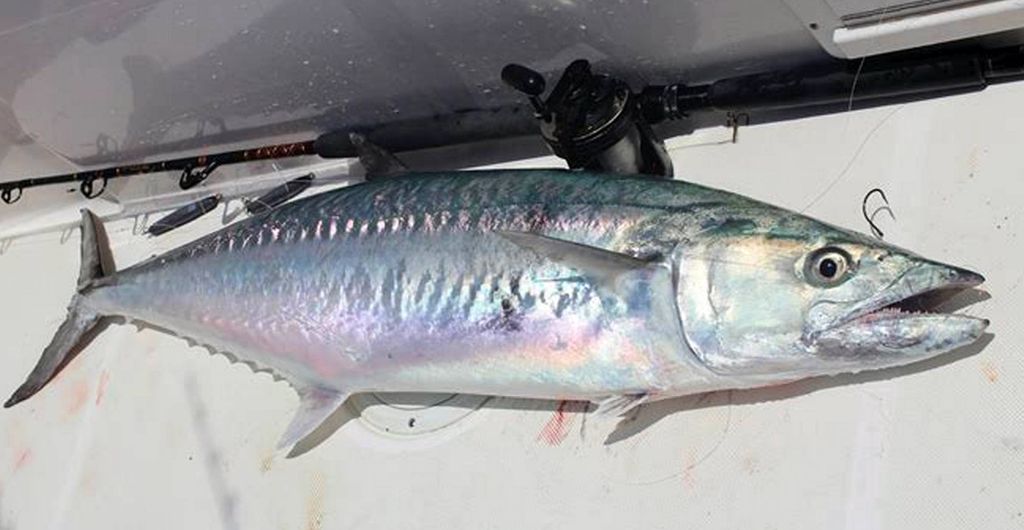 Our average king mackerel runs about 10 to 20 pounds, but a lot of fish caught along the beach this past month have been "smokers" running over 30 pounds and even a few into the 40s. Nearshore anglers have also been keeping busy with tarpon, Jack Crevalle, redfish, flounder, and a variety of sharks. Tarpon in the 70 to 100 pound plus range are rolling in small schools up and down our beaches just offshore eating mainly glass minnows. The area around Patrick AFB is especially good for tarpon right now for anglers using live mullet, pilchards, and croakers on 80 pound leaders with large circle hooks to get hookups. Tarpon in the 25 to 50 pound category are also running up and down the ICW our lagoon system with some fish hitting 100 to 125 pounds. Farther out over the deepwater reefs and wrecks, amberjack and grouper are keeping the bottom fishing anglers busy. The action for grouper has been especially good on the deeper reefs and wrecks in our region. Live grunts, croakers, blue runners, and pinfish are all working well for grouper in the 180 to 260 foot depths where most of the fish are holding. Experienced anglers use large baits and large chunks of bonita or barracuda to catch the larger fish. Smaller baits will cause problems with red snapper and other species grabbing the bait before the grouper can get to them. Anglers have also been using up to 16 to 24 oz. vertical speed jigs, or any of the many types of slow pitch jigs when there is not a strong current running. The Oculina Bank from Port Canaveral to Ponce Inlet in anywhere from 240 to 260 feet of water has been especially good lately for larger Gag grouper, Scamp grouper, and an occasional Snowy grouper. Sharks of every shape and size have been pretty thick this past month on our offshore reefs and wrecks. Sandbars and bulls are the worst for eating your king mackerel, cobia, AJs, or cobia when you're out on the reefs. If you're closer inshore, you can target bladktips, spinners, sharpnose or fine tooths that are all around the tarpon pods right now and along our inlets. Most of the sharks offshore, in the inlets, and even in the lagoon are running anywhere from 2 to 6 feet long. There have been several reports of big sharks in the Haulover Canal and up into the Edgewater area lately. Bring a wire leader if you plan on tangling up with one of these guys. Deep dropping anywhere from 40 to 60 miles out of Port Canaveral in 600 to 700 feet of water is good throughout the year and this month is no exception.  Specialized rods and electric reels are used to drop rigs baited with squid to the bottom where a variety of deep water species can be caught. Anglers have the opportunity to catch Snowy Grouper, Golden Tile Fish, Queen Snapper, Rosefish, and even Swordfish in depths from 350 to over 700 feet. Right now anglers are catching tilefish and yellow edge grouper in 500 to 600 feet of water using whole squid and bonito strips on deep drop rigs out of the Port. Tilefish well over 20 pounds are a common catch and are delicious table fare; as are the majority of deep water species.
Surf and Inlet Fishing: If you don't mind the hot weather, get out to the beach and wet a few lines in the surf. The surf fishing has been on fire along our beaches and as the mullet continue to show up in greater numbers, the bite will only get better. Although most surf fishermen have been targeting whiting and croakers with sand fleas and shrimp; the pompano have also been actively chewing live sand fleas and crab knuckles in the surf. Sand fleas are by far the best bait for both species and are easy to catch right now along most of our area beaches. 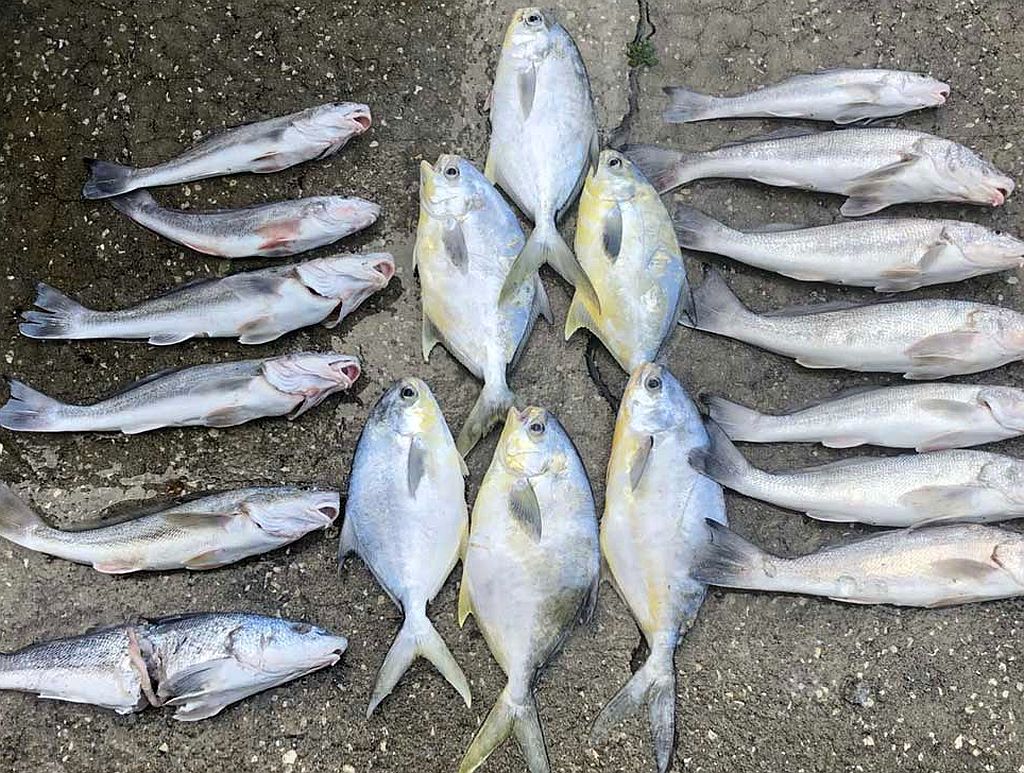 A lot of surf fishermen have been chasing tarpon, bull redfish, mackerel, and sharks along our beaches this past week with live mullet and cut baits as the baits of choice. Although some of the tarpon are reported to be "leader shy", the shark bite is still going strong and the heavier leaders that are needed don't present a problem. A lot of black nose and blacktip sharks in the 20 to 80 lb category are feeding in the surf around the same bait pods that the other predators are targeting. Live mullet or fresh chunk baits are favored baits for these fish. If you plan on targeting sharks from land, remember to complete the FWC land base shark course and carry the paperwork with you. As of July 1, 2019 an annual no cost shore based Shark Fishing Permit is required if you fish from shore or any structure attached to shore. To get the permit, you need to take an educational course at MyFWC.com/SharkCourse which consists of a quiz and some educational videos. After you create an account and pass the test, (which you can re-take if you fail) your certificate will have an ID code unique to you. You will then need to log in to GoOutdoorsFla.com , click “Purchase a License”, go to "Shore-based Shark Fishing Permit" and click “Add to Cart” where you can type in your unique ID code to get your permit. It is a free add on to your fishing license that you need to print out and keep on your person while fishing. September and October are great months to target Snook along the beaches and Inlets, and with the opening of snook season today, many surf fishermen will be targeting them in the sloughs along our beaches and at the jetties at Port Canaveral. Beach anglers that are able to find clean water conditions in the surf have been catching snook on live baits, Flair jigs, and Rapala X-Raps. As the fall migration of mullet runs north and becomes thicker along our beaches; Ponce Inlet, Port Canaveral, and Sebastian Inlet will become ground zero for big snook and a variety of other predatory species. The jetties and sea walls at Port Canaveral, the causeway bridge fenders at New Smyrna Beach and the bridge fenders at the A1A bridge leading to Sebastian Inlet are great spots to target snook this month. 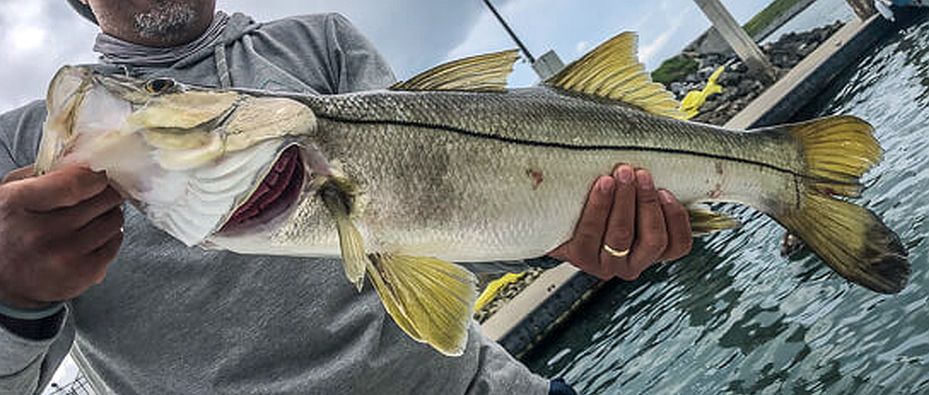 Many anglers who night fish around the inlet jetties, cat walks, pilings, and sea walls use large Rapala X-Rap 14 lures or large Saltwater Assassin 5" or 6" swim baits on big jig heads with 7/0 or 8/0 hooks to fish for snook. Baits smeared up with some Pro-Cure gel or other scent seem to get more bites. The surf near Patrick Air Force Base is a good place for anglers targeting snook. A large mullet on a sliding sinker rig cast out past the worm rocks will usually get you a hookup if the fish are in the area. Haulover Canal: 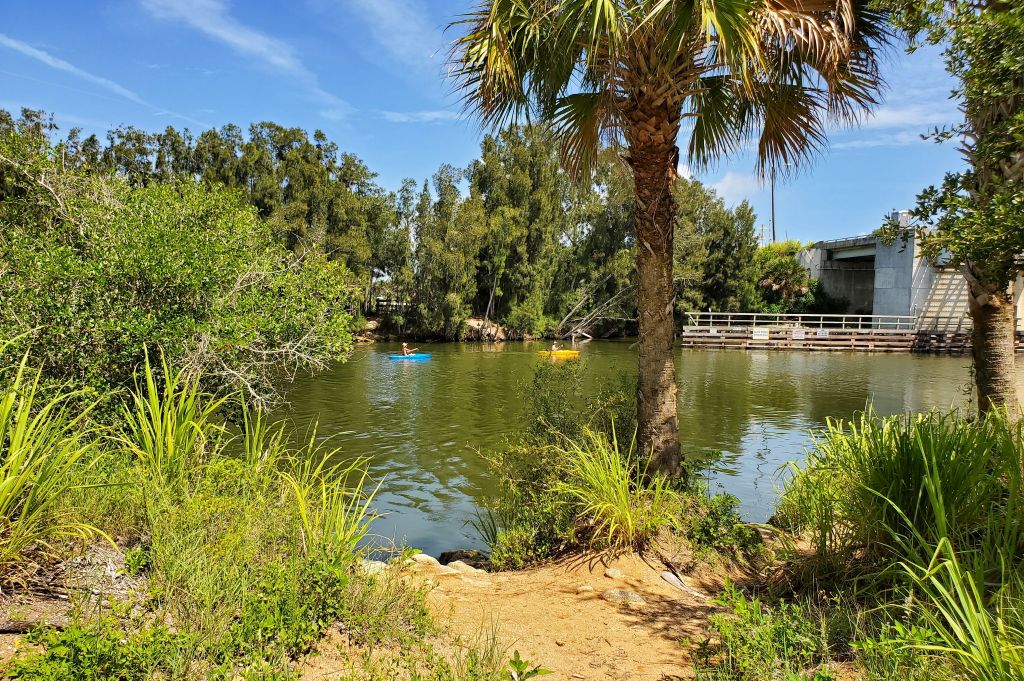 Haulover Canal fishermen have been targeting big black drum and oversize redfish that are beginning to traveling through the canal from the Mosquito Lagoon into the northern Indian River to spawn. Haulover Canal fishermen have been targeting big black drum and oversize redfish that are beginning to traveling through the canal from the Mosquito Lagoon into the northern Indian River to spawn.The deep holes at both ends of Haulover are being occupied by boaters dunking live or cut baits hoping to hook into an oversize redfish. Most of the guys fish with a cut live blue crab or a large chunk of fresh mullet or pinfish on a sliding sinker rig with a short 12" - 15" leader. A lot of anglers have been using a jighead with a Fishbites crab scent over a "Pimp Daddy" colored Saltwater Assassin 4" Sea Shad with a great deal of success. Stout tackle is and braided lines are recommended to keep the fish from breaking off on the structure. A lot of tarpon up to 100 pounds are also in the canal right now. Several small pods have been seen this week rolling on the surface after glass minnows around the bridge and near the bridge pilings. Catching one from the bank would truly be a feat to behold! With Snook season opening up today, expect to see more anglers drifting the canal fishing topwater plugs or suspended twitch baits close to the shorelines early in the morning, close to dusk, and at night. This technique is productive for linesides, large sea trout, and tarpon when they are in the canal. Freshwater Black Bass: 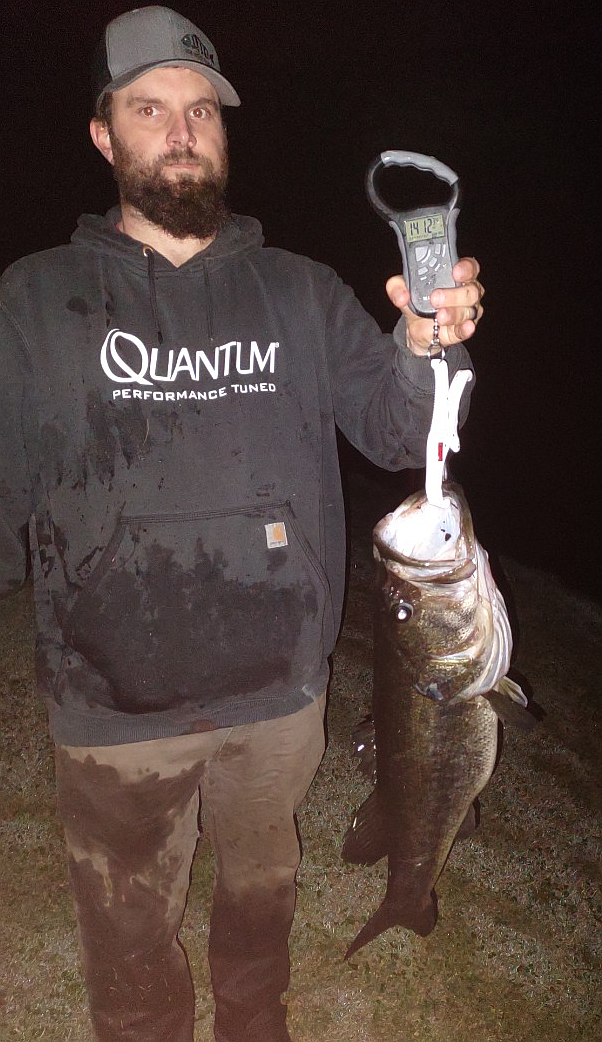 September Bass fishing in East Central Florida is all about getting on the water early to beat the heat, and working around the afternoon rainstorms. September Bass fishing in East Central Florida is all about getting on the water early to beat the heat, and working around the afternoon rainstorms.Black Bass are normally fired up early in the mornings and sometimes in the afternoon right after the rainstorms, which happen like clockwork this time of the year. On many lakes like Lake Toho, the fish school up in the early morning hours and can be easily spotted busting shad on the surface where topwater lures, frog imitations, and swimbaits will all produce smashing strikes. As the bite diminishes, usually before 9:00 am, many anglers switch to live shiners and fish around the Hydrilla mats or Lily pads where the water is cooler. The bass sit under the mats during the heat of the day where they ambush baitfish that venture too close. Often this is the time of day when very large fish are caught. Local guides report that large numbers of schooling bass in the 1 to 3 pound category are being caught on many of our lakes before 8:00 am. Ten to twenty fish catches of 10" to 15" long fish per trip are not uncommon, with some larger 5 to 8 pound fish in the mix. Black Bass over 8 pounds are eligible for the Trophy Catch program that the Florida Fish and Wildlife Conservation Commission’s (FWC) instituted in 2012. Prizes are awarded for the catch and release of an angler's catch provided it is properly documented. To be eligible for prizes, anglers must submit photos or videos of their catch to TrophyCatch.com, showing the entire fish and it's weight on a scale, before releasing it back into the water. The Pic above shows a 14-pound, 12-ounce bass that was recently caught in a Golf Course Pond by David Free this past March. To date, his fish is the largest Hall of Fame Bass caught this season in the Florida Fish and Wildlife Conservation Commission’s (FWC) TrophyCatch program. Until next time, Tight Lines and bent rods! |
|||||||
| Link One | Link Two | Link Three | Link Four | Link Five | Unsubscribe to this newsletter |