Your July 2021 Mosquito Lagoon & Indian River Fishing Report🦈
Published: Thu, 07/01/21
| Newsletter Issue # 144 | July 1, 2021 |
||||||
Mosquito Lagoon & Indian River Fishing |
|||||||
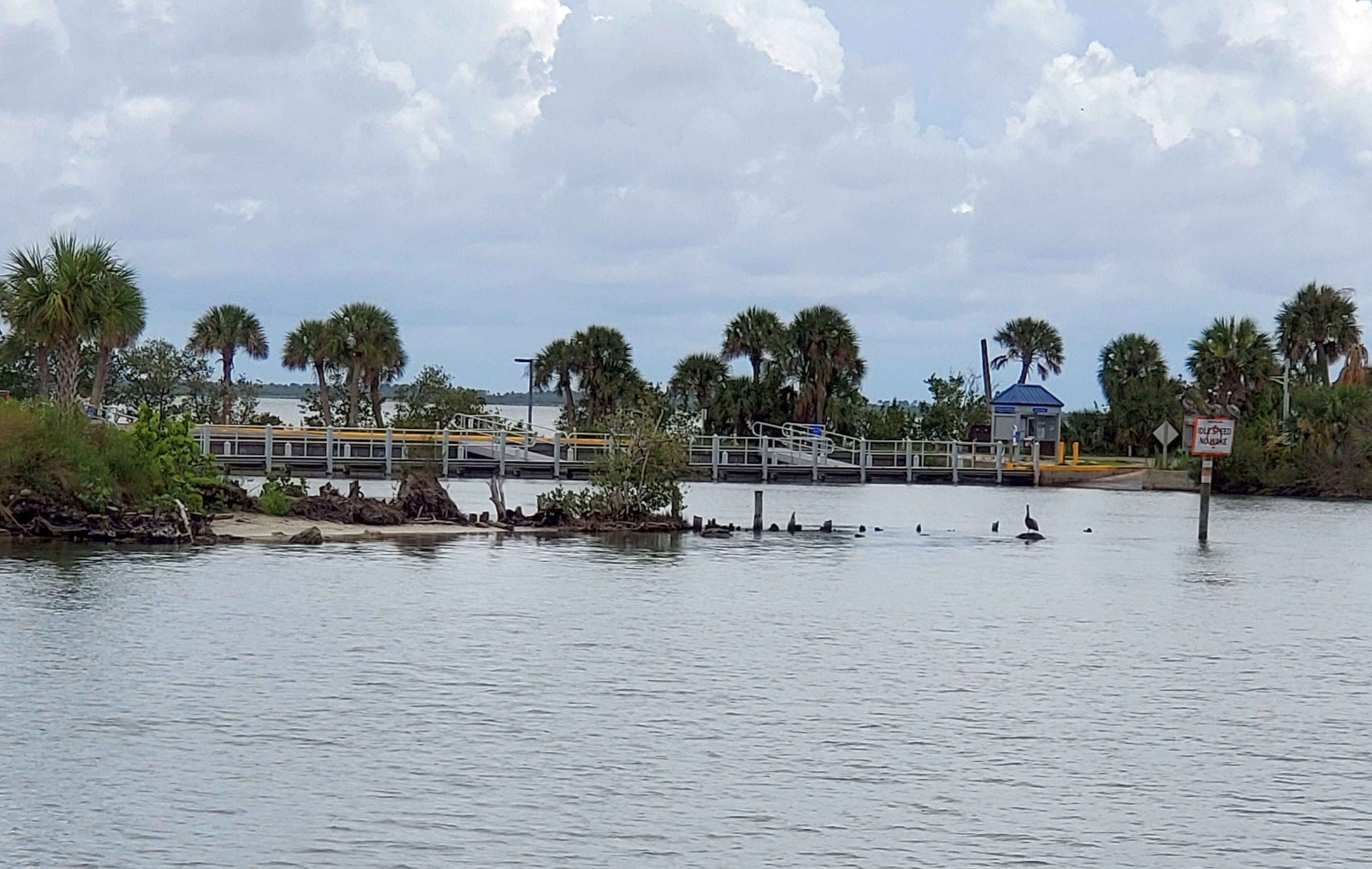 The Mosquito Lagoon and Indian River High temperatures and afternoon rain showers now make early morning, late afternoon, and night fishing optimal times to be on the water wetting a line. This time of the year you can catch almost any inshore species in East Central Florida in an early morning fishing trip. Look for redfish and trout in the shallows early in the morning in and around the bait pods, Snook holding in deeper water around structure, and tarpon in and around the waters of the ICW in New Smyrna Beach and south. With the large amount of bait moving through the Mosquito Lagoon right now, topwater plugs and soft plastic baits work best early in the mornings. Sub walkers and spoons are more effective later on in the day. For the next couple of months, the best approach to catching big sea trout and redfish in our area is to be out on the water at daybreak around the schools of finger mullet that abound in all of our lagoon systems. Shallow water flats with deep water access close by, areas around deep cuts, and long points around the islands are great spots to fish topwater baits like MirroLures, Rapala Skitterwalks, Chug Bugs, Zara Spooks, or anything that resembles a finger mullet. When the sun rises higher on the horizon, the bite slows down, and the bait pods get smaller; start tossing small jig heads with 3" Saltwater Assassin plastic jerk baits or Gulp Shrimp tails tight against the mangrove shorelines, deeper pockets, and shadowy areas where the fish tend to hide. Live finger mullet or Croakers also get smashing strikes. When fishing with pigfish for spotted sea trout, don't forget to Oink them. "Oinking" is a tactic used to draw strikes when other live bait offerings are refused. Freelined pigfish will immediately swim down to the bottom to take shelter. When you pull back and twitch the bait a few times, the pigfish will pop up off the bottom and make an audible "Oinking" sound as it tries to get back to the bottom. That oinking sound drives sea trout crazy. A lot of anglers fish live pigfish under a Cajun Thunder type float with just enough lead to keep the bait swimming above the sea grass. The vibrations and oinking noise that the pigfish makes as it tries to hide in the grass and get back to the bottom attracts sea trout and redfish from surprisingly long distances. The average sea trout in the Mosquito Lagoon right now is around 2 pounds with a lot of larger fish like the one below in the mix. 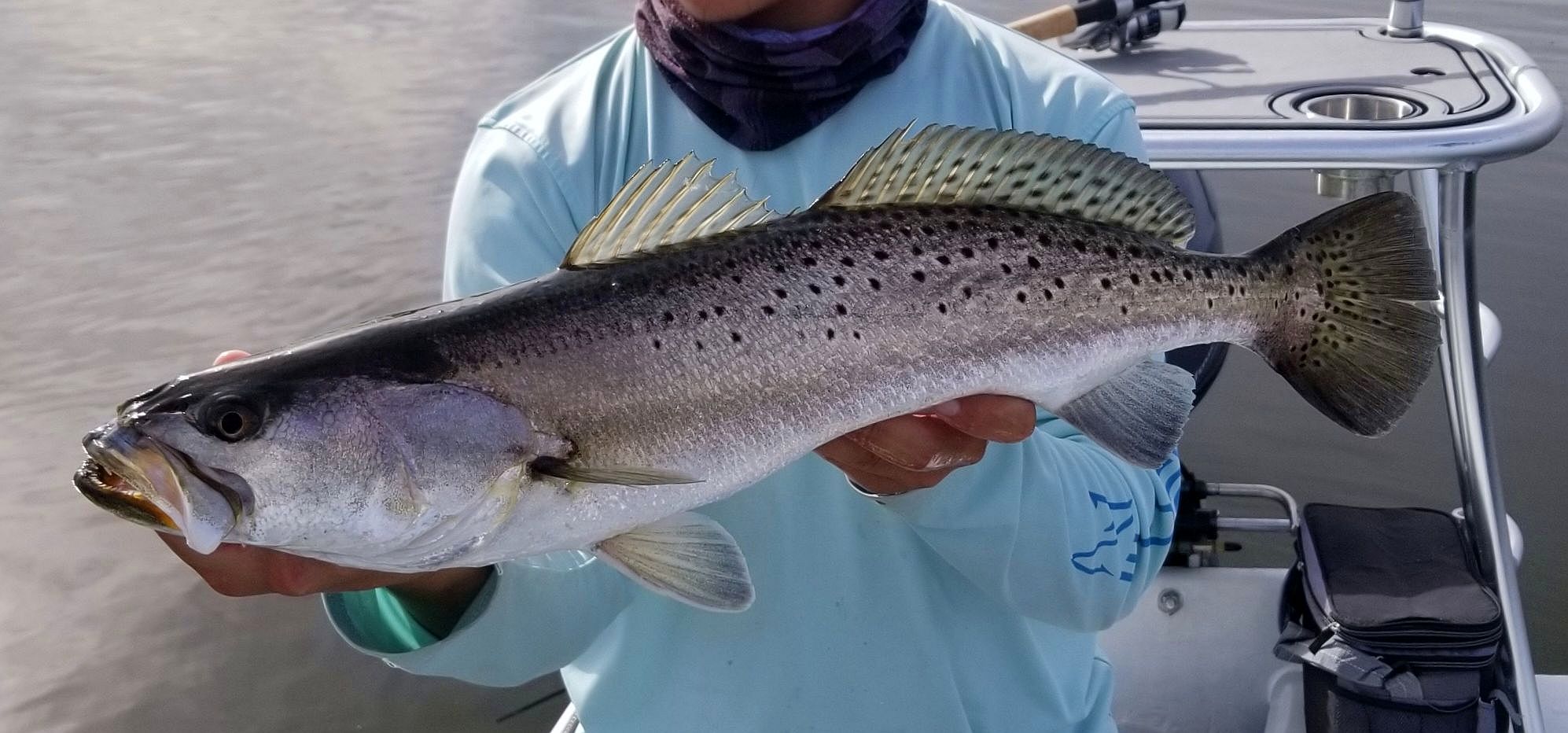 The black drum bite in the lagoon system has been steady, but hit or miss. The early morning and late afternoon schools can be found tailing in the shallows and the points around the islands. During the heat of the day the fish can be found around drop offs, and in the deeper water areas like Haulover Canal and deep water bridge pilings. Baits of choice are shrimp, cut or whole blue crab, and clams. The drum are running in the 5 to 9 pound category with some larger fish in the mix. Just before and after the late afternoon thunderstorms that hit our area this time of the year is a good time to fish the shallow grassy flats around East Gator Creek and if you don't mind a little hike; Peacocks Pocket Road. The clear grassy flats around East Gator Creek and the ponds along Peacock Pocket road hold lots of ladyfish, black drum, oversize redfish, big sea trout, and juvenile tarpon. Since Peacock Pocket road has been closed to vehicle traffic, it is overgrown with vegetation and in many areas deeply eroded. The fish are not under very much fishing pressure and are easier to catch, especially during heavy rains when the culverts are open and flowing. The deeper areas in the marsh canal and the entrances to the shallow grassy ponds are good areas to target big sea trout and oversize redfish with SkitterWalks, Chug Bugs, 4" to 5" Saltwater Bass Assassin jerk baits, or gold spoons smeared with some Pro-Cure. Expect to lose some lures and a lot of hooked fish to the heavy growth along the banks. Nearshore and Offshore July is arguably our peak season for Tarpon and smoker King Mackerel fishing outside of Port Canaveral. Big kingfish migrate close along our beaches when the baitfish are plentiful making it easy for small craft anglers to target them. Slow trolling live baits on stinger rigs along the beach is perfect for early summer mornings before the sun gets too hot and the late afternoon storms come through the area. Expect to hook up with tarpon, bonito, barracuda, jack crevalle, sharks, and cobia along with the kingfish when slow trolling the beach. The nearshore Pelican Flats and 8A reefs are also good for an early morning kingfish bite for anglers pulling stinger rigs with live baits. Blackfin tuna, mahi mahi, wahoo, and some cobia are also found on the 70 to 90 foot reefs. A lot of giant Wahoo over 100 pounds come from the Oculina Bank; a deep water coral reef that parallels 130 miles of our coast from just South of St. Augustine all the way down to Fort Pierce. The sharply defined section of coral structure out of Port Canaveral is locally referred to as the "cones" or "steeples" and raises up to to 65 feet from the bottom. This section of reef is rich in baitfish and is a feeding grounds for king mackerel, dolphin, wahoo, marlin, tunas, and other pelagics. Most captains targeting wahoo on the cones troll spreads of high speed lures over the ridge at varying depths in a zig zag pattern to covers more area. 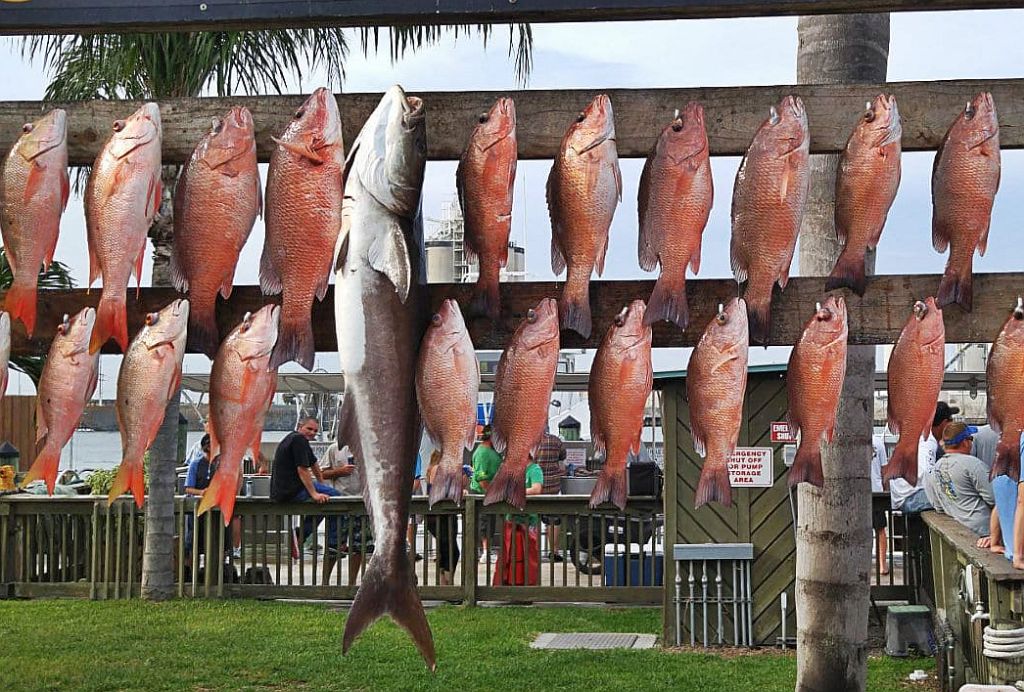 Offshore, the mangrove snapper bite is very good throughout our region in the 70 to130 foot depths. Get them off the bottom by chumming and chunking until they gather behind your boat. Anglers have been catching them using small live baits or chunks of live or frozen sardine, Pogie, or grunts with a 1 to 2/0 circle hook buried inside the bait drifted in the chum slick. Downsized leaders of 25 to 30 pound test have been picking up more fish. The trick is to heavily chum the area you are fishing. Heavy chumming will normally bring them to the surface if the snapper are the area. Most of the mangrove snapper caught are running about 3 to 4 pounds, with plenty in the 5 and 6 pound range, and quite a few big ones hanging around in the 10 and 11 pound class. Deep dropping out of Port Canaveral in the 600 to 800 foot depths and deeper is good all year round. Tilefish, grouper, and a variety of deep water species including swordfish are caught on stout deep drop rigs using squid, bonito bellies, blue runners, etc. for bait. Many anglers chase swordfish at night working the 800 to 3,000 ft contours. Most fishermen will start in the 1,500 to 1,800 ft depths and drift for 30 minutes to an hour and if they don't get a bite, move into shallower, or deeper water. When they get a bite or hookup with a fish, the captains will usually power drift to keep fishing the same depth. Daytime sword fishing in our area is also catching on in our area and on any given day out of Port Canaveral, Ponce, or Sebastian Inlet, you can find boats deep dropping in the 1500 to 1800 foot depths for swordfish. The majority of keeper swordfish caught in our area weigh between 50 and 100 pounds, many are caught that exceed that weight. Surf Fishing As the summer surf fishing patterns continue, we can expect to catch whiting, pompano, snook, black drum, sharks, and nearshore tarpon from East Central Florida beaches throughout the upcoming months. The whiting especially start getting thick along our beaches this month.  Water clarity along our beaches will determine the success or failure of an outing for species that feed primarily by sight, so look for areas with shades of blue or green water. The seaweed along our beaches will also diminish as the winds calm down during the month. The snook bite has been picking up this past week with anglers fishing live baits like mullet, croakers, and threadfins. Although the summer pompano bite is always less than what we usually experience during the winter months, residential pompano can still be caught in the surf. The majority of pompano schools that migrate along our beaches travel north during the summer months to follow their ideal water temperature range, but a lot of schools remain along our coast year round and can be caught this month by surf anglers using conventional pompano rigs tipped with sand fleas, clams, small pieces of shrimp, and Fishbites. Live sand fleas are the preferred bait of choice and are plentiful around low tide at all our area beaches. Don't be too surprised if you hook into a big snook this month when you target whiting or pompano with sand fleas. Summertime snook often key in on crustaceans when the mullet are not in the surf. Spanish Mackerel have been running up and down the intercoastal waterways around the Sebastian Inlet, down around Vero, up around the Melbourne area, and just about any area where there are glass minnows around the beaches. Right now the glass minnows are running outside the breakers along the beach and are attracting Spanish mackerel, tarpon, etc. 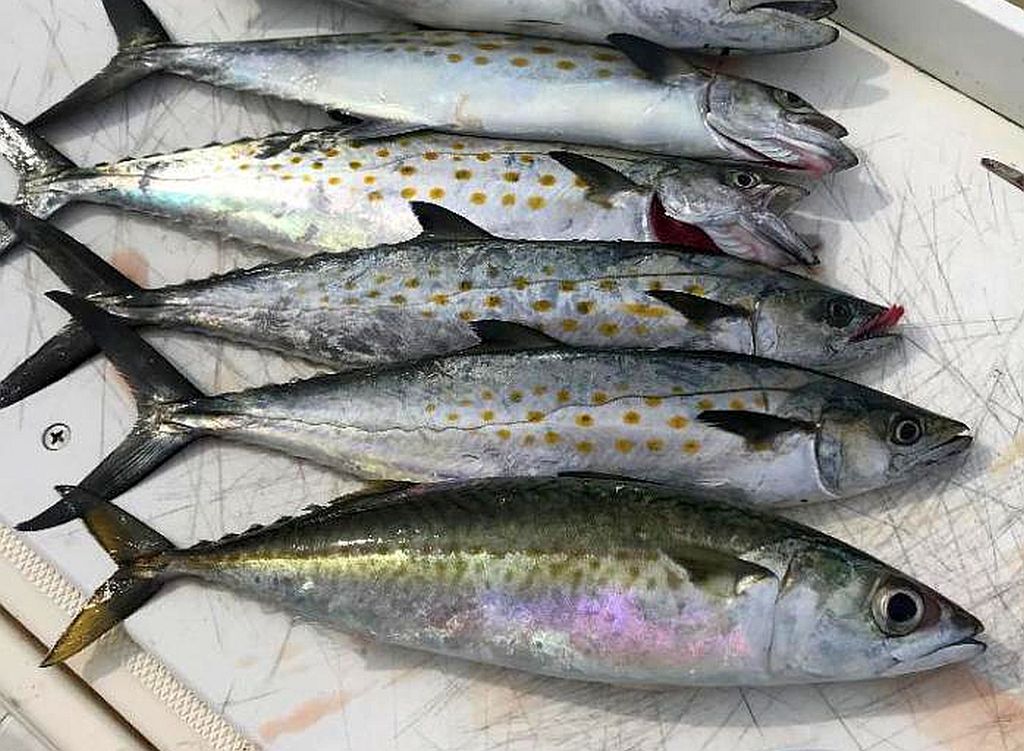 The best way for surf fishermen to find schools of glass minnows is to run up and down the beach until you spot seagulls and pelicans flopping down on the pods of baitfish. Then start tossing diamond jigs, small hair jigs, spinners, small lipped diving plugs and even streamer flies around the busting fish. Another extremely effective way to catch Spanish mackerel is to slow troll a Clark spoon or a Gotcha Plug behind your boat just off the surf. Most of the Spanish mackerel caught right now are running about a pound to a pound and a half, but some of them are up into the four pound category. Since the beginning of last week the cold water has been moving in and the shark bite has dropped off a little bit, but as soon as the water warms up again the sharks will be coming right back into the beach. There is currently a plethora of bait along our beaches. There are glass minnows, Spanish sardines, croakers and little bonitas everywhere up and down the beaches. Surf anglers targeting shark can expect to catch anything from sharp noses, finetooths, black tips, black noses, and even some hammerheads along our beaches. Live mullet, Croaker, ladyfish, or a large chunk of bonito, etc. on a large 7/0 to 8/0 VMC circle hook crimped on a wire leader with 60 pound or heavier Power Pro as the main line is a good setup for catching larger fish. Although most of the fish have been running in the 20 to 40 pound category, some of the hammerheads, blacktips and spinner sharks are running up into the 100 and 100 plus pound range. The fine tooth sharks seem to be everywhere and are great fun on light tackle if you add a little piece of light wire leader in front of the hook to minimize cutoffs. If you're targeting shark from the beach, make sure you have a shore fishing shark permit and have completed the educational course. The permit is for fishermen who target large sharks from the beach and takes about a half hour to complete. It is a free add on to your fishing license that you need to print out and keep on your person while fishing. To get the permit, you need to take an educational course at MyFWC.com/SharkCourse which consists of a quiz and some educational videos. After you create an account and pass the test, (which you can re-take if you fail) your certificate will have an ID code unique to you. You will then need to log in to GoOutdoorsFla.com , click “Purchase a License”, go to "Shore-based Shark Fishing Permit" and click “Add to Cart.” There you will type in your unique ID code to get your permit. Farther south of us between Patrick Air Force Base and Melbourne Beach, there are a couple of schools of large black drum roaming just off the coast within range of surf casters. The fish were spotted a few days ago milling around the Indian Harbour Beach area and are in the 20 to 60 pound category. Haulover Canal 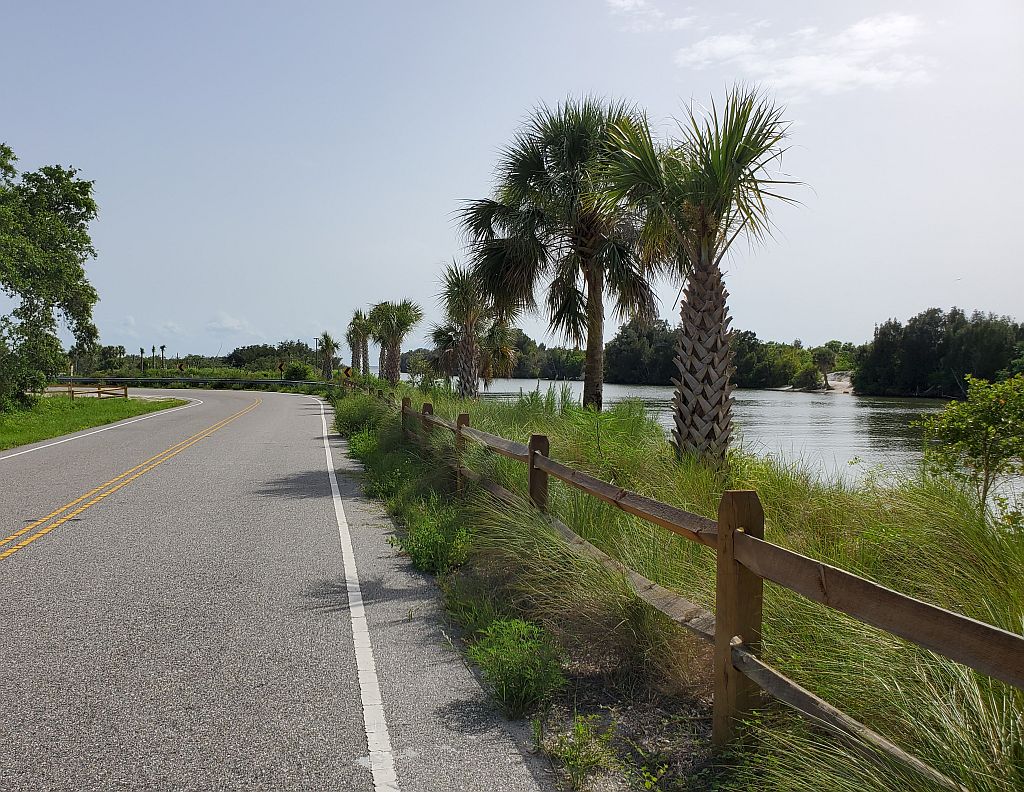 Although it's a bit inconvenient, the net effect is fewer bank fishermen and fewer line tangles. Last weekend, the banks at Haulover Canal were lined with fishermen who were catching a few Mangrove Snapper and black drum. A few oversize redfish were also caught on live blue crab, but the bite was reported to be slower than usual. Almost all the bank fishermen I spoke with were using cut baits or shrimp for bait. One angler was using half of a cut blue crab and another couple was using live finger mullet for bait. Yesterday when I checked to see how the bite was doing at the canal, I found that the bridge was being held open for the Space X Launch. 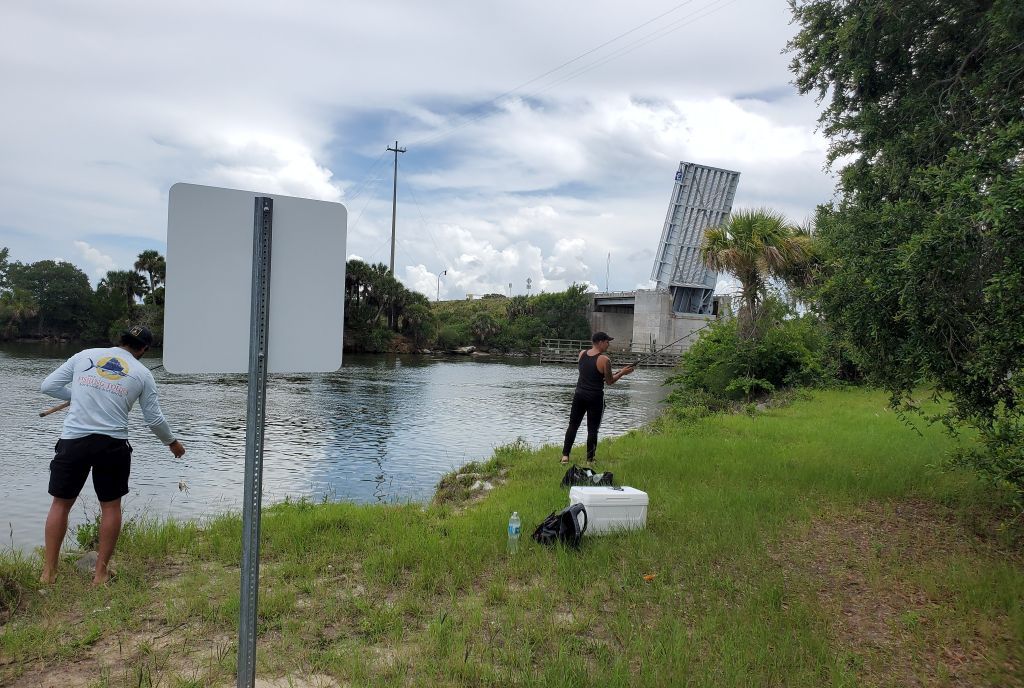 I spoke with a couple of anglers that were fishing on the bank at the Manatee Lookout who were putting a hurt on the black drum and reds. They were both using half of a live blue crab for bait on light lines and just enough lead to hold bottom. They told me that the bite for black drum and redfish had been off the charts for the past week, if you were using half of a blue crab for bait and they both had a cooler full of fish. The baits definitely do make a big difference. 2021 Lobster Season The July 28-29 mini sport lobster season this year is just around the corner and some of the best spiny lobstering outside of the Florida Keys is available to our residents right outside of Port Canaveral. 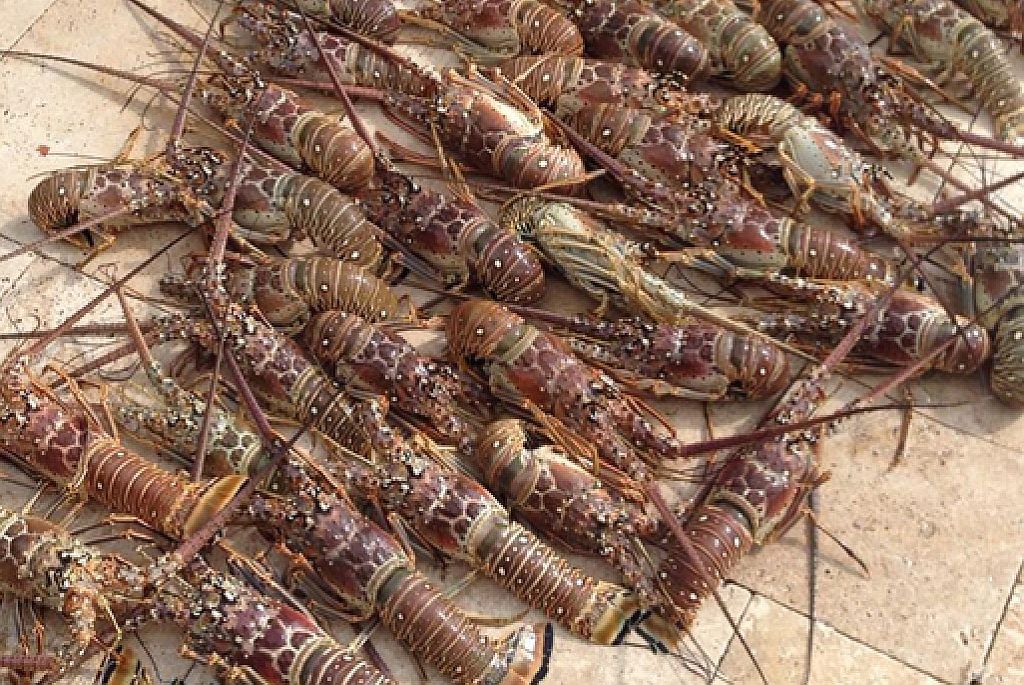 Although a lot of residents flock down to the keys; the waters out of Ponce, Canaveral, and Sebastian Inlet produce some of the best lobstering in the entire state of Floridak, with "bugs" in the 6 to 9 pound category taken regularly . Although a lot of residents flock down to the keys; the waters out of Ponce, Canaveral, and Sebastian Inlet produce some of the best lobstering in the entire state of Floridak, with "bugs" in the 6 to 9 pound category taken regularly .During the July 29th to 30th sport season, and the regular season that always runs from August 6th. through March 31st, divers out of all three inlets will be hitting the 50 to 55 foot reefs in search of these tasty "bugs". The more experienced, professional divers that go as deep as 90 feet or more usually fill their quotas with much larger lobsters. In our area, the largest lobsters are found in the 50 to 90 foot depths. Small craft unable to access these depths can still hunt them on the shallower water artificial reefs like those out of Ponce Inlet. Wabasso Beach is a popular area for beach divers. Snorkelers routinely swim out to 15 or 20 feet of water where some big spiny lobsters are often found. The popular Wabasso and Disney Beach areas produce "bugs" up to 15 pounds every year. Click on the icon below for additional information on the 2021 Florida Spiny Lobster Season. 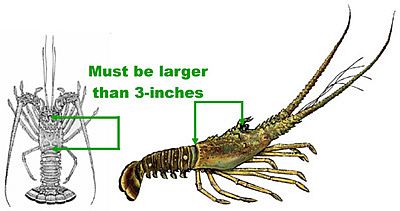 ____________________________________________________________________________________________________ Until next time, Tight Lines and bent rods! |
|||||||
| Link One | Link Two | Link Three | Link Four | Link Five | Unsubscribe to this newsletter |