🐟 Your May 2021 Mosquito Lagoon & Indian River Fishing Report
Published: Sat, 05/01/21
| Newsletter Issue # 140 | May 1, 2021 |
||||||
Mosquito Lagoon & Indian River Fishing |
|||||||
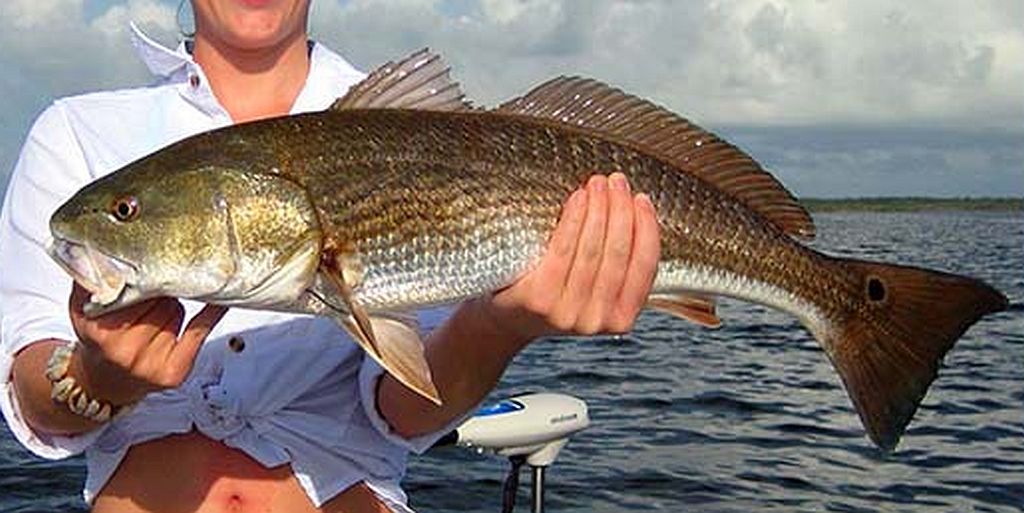
 The Mosquito Lagoon and Indian River The redfish are starting to show up again in all three of our Central East Region waters.
A 3" straight tail Assassin or a 4" Sea Shad rigged on a weedless worm hook is perfect for this type of fishing. You can easily skip the baits underneath the mangroves and docks where the fish are holding without getting many hangups. Playalinda and Area Beaches Pompano and whiting are in the surf in really good numbers right now throughout the East Central region and Playalinda Beach is being called the hotspot. Although most beach areas along our coast right now are producing good catches, avoid fishing in areas where beach nourishment is going on. The sand pumping onto the beach in these areas make the water turbid and the pompano, whiting, margate, and black drum tend to stay away. Anglers are using live sand fleas, sand flea flavored fishbites, oysters, fiddler crabs and fresh clam on 2 or 3 drop surf rigs with enough weight to hold bottom and casting just outside the breakers have been catching the larger fish. The pompano and whiting are running about 1 to 2 pounds in our area with a few heavier fish in the mix.  The best bite has been reported during the early stages of an incoming tide. Baits of choice are sand fleas, peeled shrimp, and fishbites on standard 2 or 3 drop surf rigs. Surf fishermen interested in targeting sharks are still having a bonanza fishery all along our East Central area beaches. Any piece of freshly cut bluefish, ladyfish, or mullet cast just beyond the surf break won't last long before a shark will pick it up. If you're targeting shark, beef up your tackle and use appropriate tackle. Heavyweight rods, high capacity reels, braided line in the 60 to 80 pound class and 200 pound mono or wire leaders with large circle hooks are considered the norm for the heavyweights. Also, make sure you have a shore fishing shark permit and have completed the educational course. The permit is geared to fishermen who target large sharks from the beach and takes about a half hour to complete. It is a free add on to your fishing license that you need to print out and keep on your person while fishing. To get the permit, you need to take an educational course at MyFWC.com/SharkCourse which consists of a quiz and some educational videos. After you create an account and pass the test, (which you can re-take if you fail) your certificate will have an ID code unique to you. You will then need to log in to GoOutdoorsFla.com , click “Purchase a License”, go to "Shore-based Shark Fishing Permit" and click “Add to Cart.” There you will type in your unique ID code to get your permit. 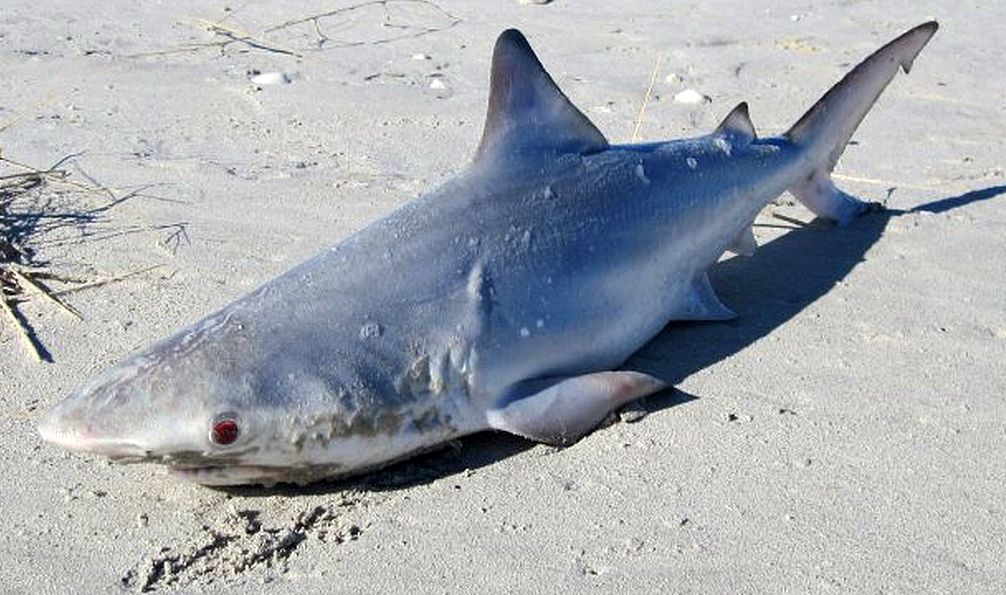 The sharks in our area are running anywhere from 20 to 80 pounds, but obviously there are some bigger ones out there. Port Canaveral Offshore and Nearshore The kingfish bite on most of the reefs and wrecks in the 60 to 90 foot depths out of Port Canaveral has been doing pretty good for anglers slow trolling live or frozen pilchards, greenies, sardines, or cigar minnows on wire stinger rigs. Strip baits pulled behind a planer are also working really good right now, especially during the days when the fish are down deeper. A lot of anglers are also catching plenty of King Mackerel by dragging lipped diving plugs around first thing in the morning and later on in the afternoon during low light periods. Pulling a King Getter or large spoon also works for the guys who don't like fooling with live baits. The kingfish are running anywhere from 8 to 15 pounds with some fish tipping 20 pounds and over. Some of the larger King Mackerel are being caught in the shallower 35 to 55 foot depths right now throughout our region. 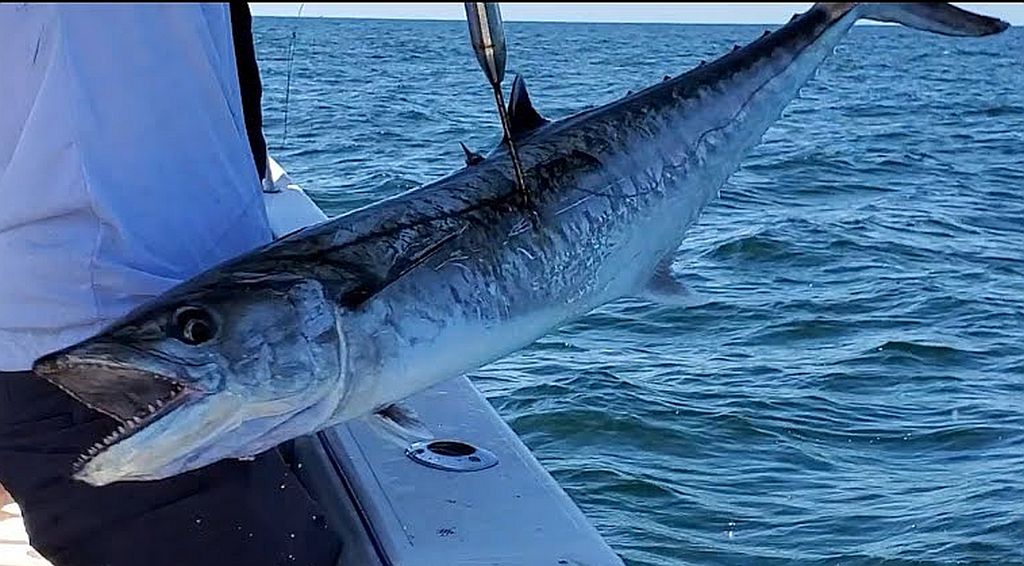 Out of Port Canaveral, the 8A and Chris Benson Reefs, Pelican Flats to the east and southeast in 70 to 80 feet of water, and the artificial reefs off Ponce Inlet should all be hotspots for kingfish this month. The spring dolphin run is just starting to ramp up on the East side of the Gulf Stream. Within the next couple of weeks, these fish will slowly transition to the West side of the stream. Anglers fishing the blue water edge of the Gulf Stream trolling skirted Islander ballyhoo combos or naked chin weighted ballyhoo at 4 to 6 knots have been catching some really good dolphin along the temperature breaks, color changes, weed lines, and floating debris. 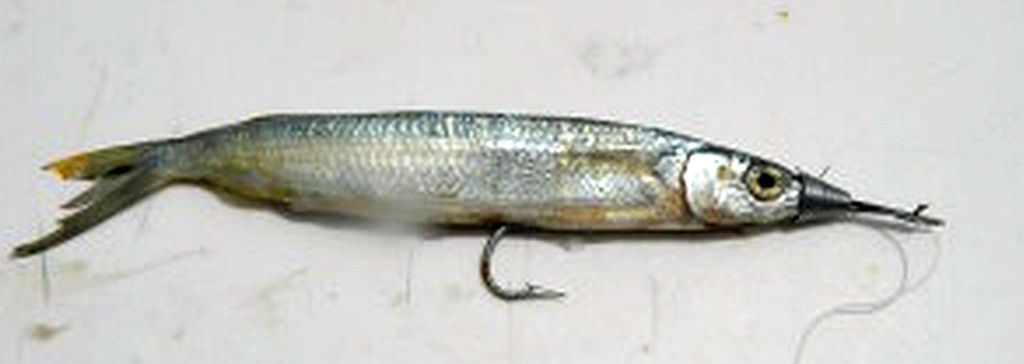 A few , wahoo, and sails were also reported on dragged ballyhoo. Most of the dolphin caught right now are running between 6 to 15 pounds. The bottom bite our of Port Canaveral has been good for black sea bass, triggerfish, mangrove, mutton, vermillion, and lane snapper over the deeper wrecks and reefs. Grouper opens up today which is why a lot of the party boats out of the port are pretty well filled up until mid week. Until Next Time, Tight Lines, and Bent Rods! |
|||||||

| Link One | Link Two | Link Three | Link Four | Link Five | Unsubscribe to this newsletter |