Your April 2021 🐬 Mosquito Lagoon & Indian River Fishing Report
Published: Thu, 04/01/21
| Newsletter Issue # 139 | April 1, 2021 |
||
Mosquito Lagoon & Indian River Fishing |
|||
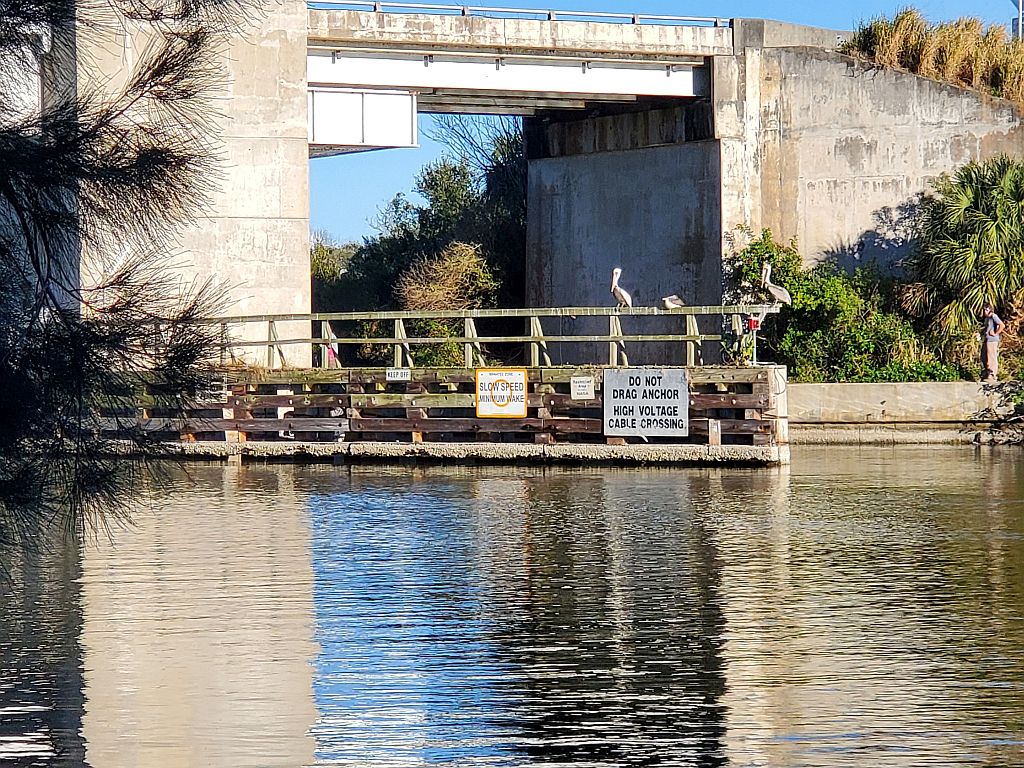 The Mosquito Lagoon, Indian, and Banana River This month while the weather is still relatively cool and enjoyable, the fishing in east central Florida for gator sea trout can be unbelievably productive. With air temperatures in the 80's and water temperatures up to the 70's, we can say that spring has officially arrived in East Central Florida's fishing waters. As our inshore waters begin to warm up, large, egg laden female sea trout known as "Gator Trout", start the springtime transition into the pre-spawn feeding mode from shrimp and crustaceans, to eating finned fish in their traditional spawning areas on the inshore flats.When the conditions are just right, usually after dusk, smaller male sea trout move onto the shallow flats and begin "drumming" loudly to call in the ripe females to spawn. Unlike largemouth bass or bluegill that spawn on beds; sea trout spawn in aggregations or in small groups. This spawning activity usually occurs during the first new moon or full moon in April, and continues throughout the summer months during the new and full moon periods. As the northbound silver mullet migration along our beaches begin to show up on our inshore flats, most predator species will stop eating shrimp and other crustaceans and begin eating the more plentiful fin fish. When the migrating schools of silver mullet begin to appear on the flats in good numbers, we will start seeing big sea trout, redfish, Jack Crevalle, bluefish, tarpon, snook, and ladyfish targeting the bait pods. This is when anglers targeting gator sea trout can get in some extreme topwater action on the lagoon flats. The best bite is from first light during the early morning hours until about 9:00 am, the evening hours until a couple hours after dusk, and at night. Toss top water plugs like Chug Bugs, Zara Spooks, Badonk-A-Donks, SkitterWalks, Mirrolures, or any bait that mimics a baitfish and vary the retrieve until the fish respond. 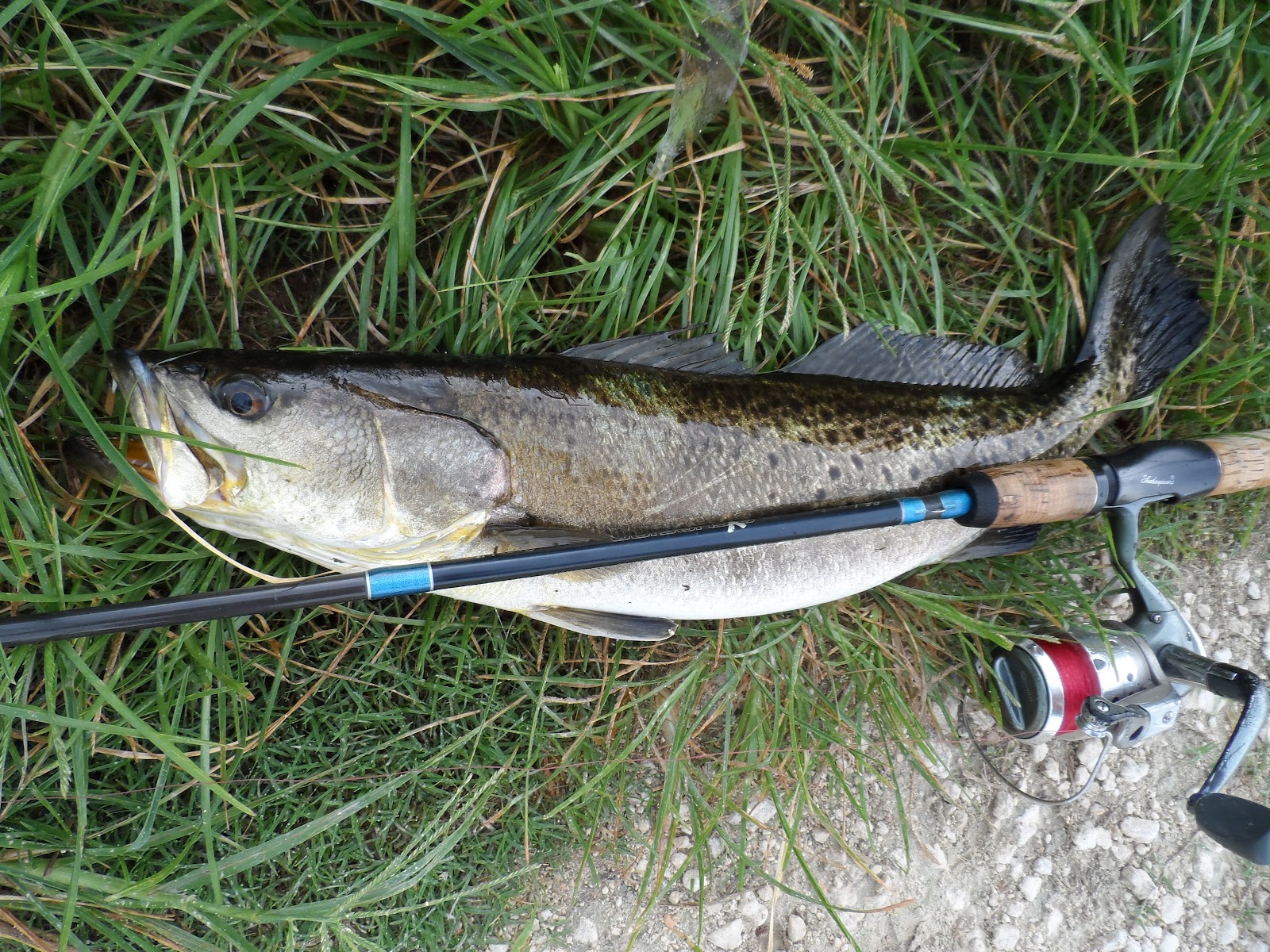 During the spawn, female sea trout are super aggressive and will often smack a Chug Bug or a SkitterWalk completely out of the water if they don't get hooked on the first hit. I've watched sea trout hit a lure all the way back to the boat for a second, third, or even a fourth shot at a topwater bait. . As the midday sun hits the water, switch over to soft plastic swimbaits and jigs to fish in the deeper 2 to 3 foot depths adjacent to the flats for trout and redfish. The trout bite in the Mosquito Lagoon has been good right now with fish up to 28 inches being caught on live finger mullet, Croakers, and cut baits. In the river, the trout bite has really been really good on some days and crappy on others. Live finger mullet or live shrimp has definitely been the baits of choice for spotted sea trout. This past week, the redfish were starting to show up in better numbers and will continue to do so as the numbers of finger mullet increase and we move farther into spring. Redfish are being caught all along the deep water flats in the northernmost part of the Indian River around Shiloh Road and in the shallow creeks. Live and cut baits and shrimp have been baits of choice in this area. In the Banana River both the redfish and sea trout bite has been good on live and dead baits. Around the Rockledge area in the Indian River, anglers have also been catching some nice sea trout and juvenile tarpon using live mullet and cut baits. The black drum bite has been fair to good just about everywhere in the Indian River for the past few weeks. The bridges and deep water areas in the Indian River from north of Titusvile all the way down to Cocoa have been holding black drum in the 10 to 25 pound category. Live and dead shrimp, sections of blue crab, and fresh clams are baits of choice. Anglers fishing along the causeway and the pilings at the fishing piers at Titusville have been catching black drum and a few slot redfish on live and dead shrimp as well as cut baits. The best bite has been from 4:30 pm to sunset and an hour or two after dark. Playalinda Beach We are still getting reports of pompano, bull whiting, juvenile black drum, and a lot of sharks being caught in the surf at Playalinda Beach. Farther south around Patrick AFB and the beaches in the Treasure Coast area, surf fishermen have also been reporting decent catches of bull whiting, Palmetto, and keeper pompano. Most surf anglers have been using live sand fleas, sand fleas tipped with fishbites, or small pieces of shrimp for bait on standard 2 or 3 hook surf rigs and enough weight to hold bottom. The guys using live mullet in the surf have been catching Spanish mackerel, bluefish, and a variety of sharks of all sizes. Casting small silver spoons, Mirrolure or Gotcha plugs into the troughs can be deadly when the bait pods are thick in the surf. As the baitfish run peaks along our beaches, live baits, Lhure Jensen spoons, and small lipped hard baits often become baits of choice for Spanish mackerel and bluefish. 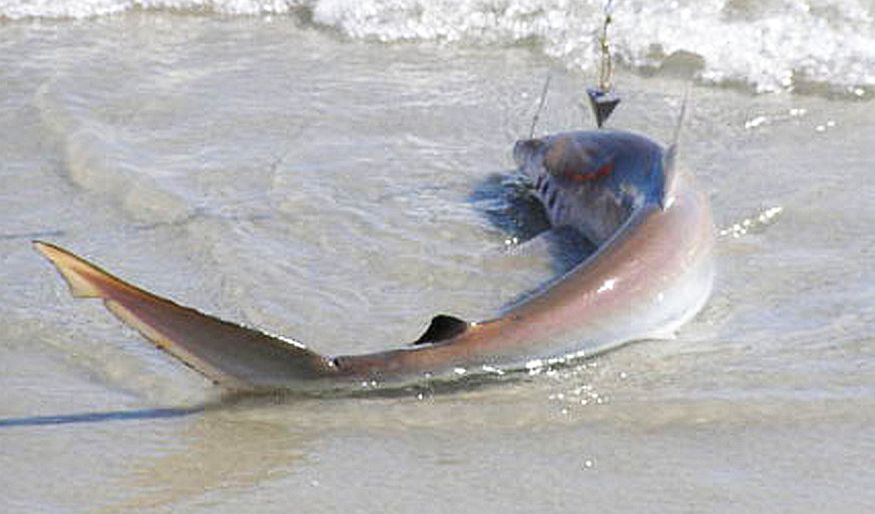 If you're targeting shark when fishing from the beach, be sure to have a free shore based shark fishing permit with you. As of July 1, 2019, it is required for anglers 16 and older in addition to a saltwater fishing license for anyone targeting or harvesting sharks from the beach, shore, including any structure attached to the shore such as jetties, bridges and piers. It is available at GoOutdoorsFlorida.com after completing the Shore-based Shark Fishing Educational Course. Right now the shark bite all along East Central Florida beaches is on fire and should continue throughout the month of April. A variety of species of all sizes are cruising up and down the beach from the shore break out to about a mile from the sand. Live mullet and large chunk baits fished on wire leaders with large hooks and heavy Power Pro or other braid as main line, on heavy action rods will help you land hookups with heavier fish. Port Canaveral Offshore and Nearshore Nearshore And Offshore: Cobia traditionally spawn in the northern Gulf of Mexico and off the Central East coast of the United States. As the fish migrate north up the coast following the bait pods and the manta rays, they feed heavily along the route to replenish their energy, hence the term "cobia run". So far this year the Cobia run we experience each spring outside of Port Canaveral has been less than stellar. The Cobia are still moving up the Atlantic coast towards their traditioinal spawning areas off the Central East coast of Florida, but they have been arriving late in our area. The pods of Atlantic menhaden are also arriving later than usual this year. A bucktail jig or live bait tossed at a Cobia following a Manta Ray will usually do the trick if they are in a biting mood. Toss the bucktail first and if they don't show any interest, follow up with a live bait. Cobia aren't very particular so almost any live bait will do. When the bait pods start to move in closer to shore, look for redfish, bluefish, Spanish mackerel, giant jack crevalle, smoker kingfish, and sharks following the bait pods.  The best fishing will be in areas where the bait pods are balled up and pushed towards the surface. These areas are where predators are actively feeding below the bait balls. On most days during the past week, Spanish mackerel and small bluefish were being caught almost everywhere near the mouth of Port Canaveral. Most anglers were catching them by casting small silver spoons like the Lhure Jensen and Gotcha type plugs. Outside of the Port, we can expect the tripletail bite to improve this month along the weed lines, floating debris, crab traps, and the buoy line outside of the ship channel. Hair jigs, artificial DOA shrimp, and live shrimp on light fluorocarbon leaders will all produce fish. In all of our inlets during April, look for better numbers of flounder, sheepshead, black drum, and snook around the jetties, sea walls, and docks. The snook bite leading into the recent full moon this past week at Port Canaveral has been on fire. Most anglers were catching them on pilchards, greenies, and croakers rigged on a circle hook with just enough weight to get the bait to the bottom. As the month progresses, look for tarpon and snook nearshore and along all our jetties. The night bite for tarpon and snook will heat up this month along the jetties in all our inlets; especially Sebastian. King mackerel will start showing up in better numbers as the water temperatures warm and the numbers of baitfish increase. We are at the tail end of the smaller kingfish migration and as the baitfish numbers increase, the 30 pound "smokers" should start showing up more consistently on the near reefs. Slow trolling live baits on stinger rigs will be the obvious choice this time of year for the smokers when they start showing up. Any of our local reefs, wrecks, and structure that is holding live bait will be a good location to target kingfish. Freshwater: The Largemouth Bass and Striped Bass bite usually heats up in the St Johns River during the month of April. 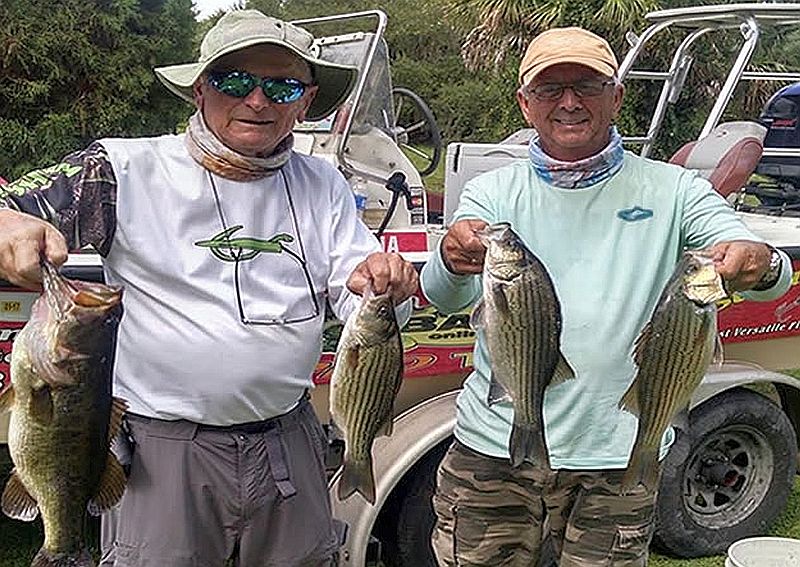 At first light look for schools of bass feeding on threadfin shad along the surface. A good way to spot schools of fish is to look for congregations of wading birds along the shoreline. The birds are usually a dead giveaway. Schooling bass will eagerly hit small live shiners, small plastic paddletail baits like the Creme Spoiler Shad, jerk baits like the 4-inch DOA Shad Tail, small spoons, and small square lipped crank baits. Some good areas to fish for schooling bass are along the bends of the river from Osteen Bridge to Lake Harney, near the power lines ant Lemmon Bluff, and at the junction of Lake Harney and the St Johns River. As this month's rains raise the water levels in the lakes and increase the flow in the river, look for large channel catfish to move out of the lakes into the river to spawn. 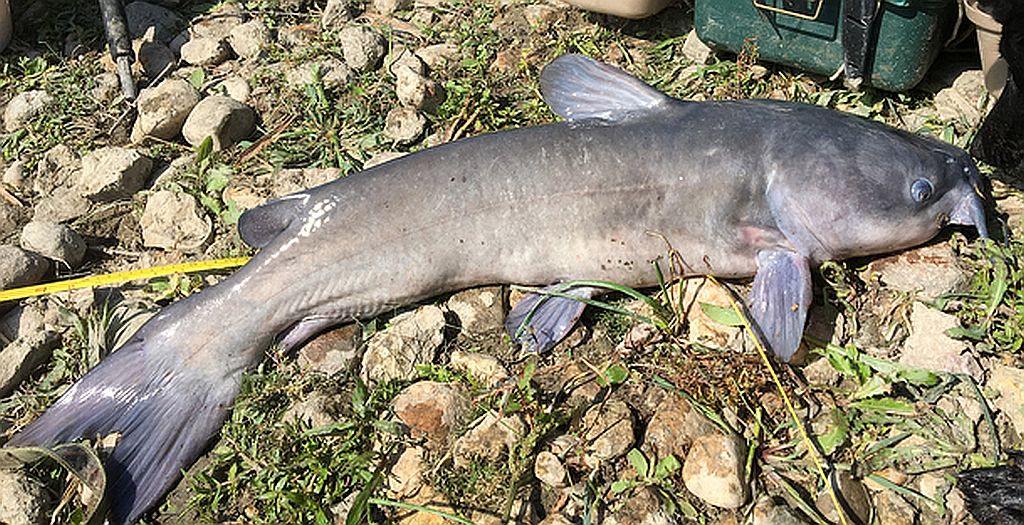 Some huge channel cats are caught during the spring spawn in our area on live, dead, and prepared baits. Haulover Canal 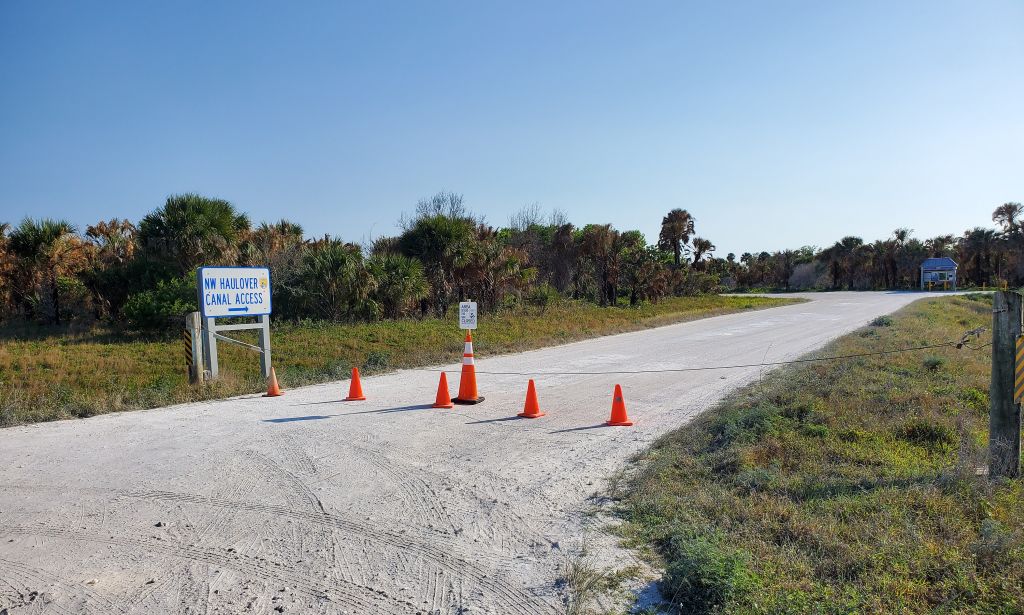 Reports from anglers fishing from the banks of the canal out from the bridge are that mangrove snapper, black drum, and a few over size redfish are being caught. Live shrimp, cut baits, and sections of blue crab are baits of choice for the majority of Haulover anglers. There are a couple of deep holes located at both mouths of the canal that hold some large black drum and bull redfish. Most anglers after bull redfish anchor out from the holes and drop a whole blue crab or live bait down to the bottom. A stout rod with Power Pro or other braid tied to a length of 40 pound fluorocarbon leader and a 6/0 circle hook will usually bring them topside. Until next time, Stay Safe, Tight Lines, and bent rods! |
|||
| Link One | Link Two | Link Three | Link Four | Link Five | Unsubscribe to this newsletter |