Your March 2021 Mosquito Lagoon & Indian River Fishing Report🐟
Published: Mon, 03/01/21
| Newsletter Issue # 138 | March 1, 2021 |
||||||
Mosquito Lagoon & Indian River Fishing |
|||||||
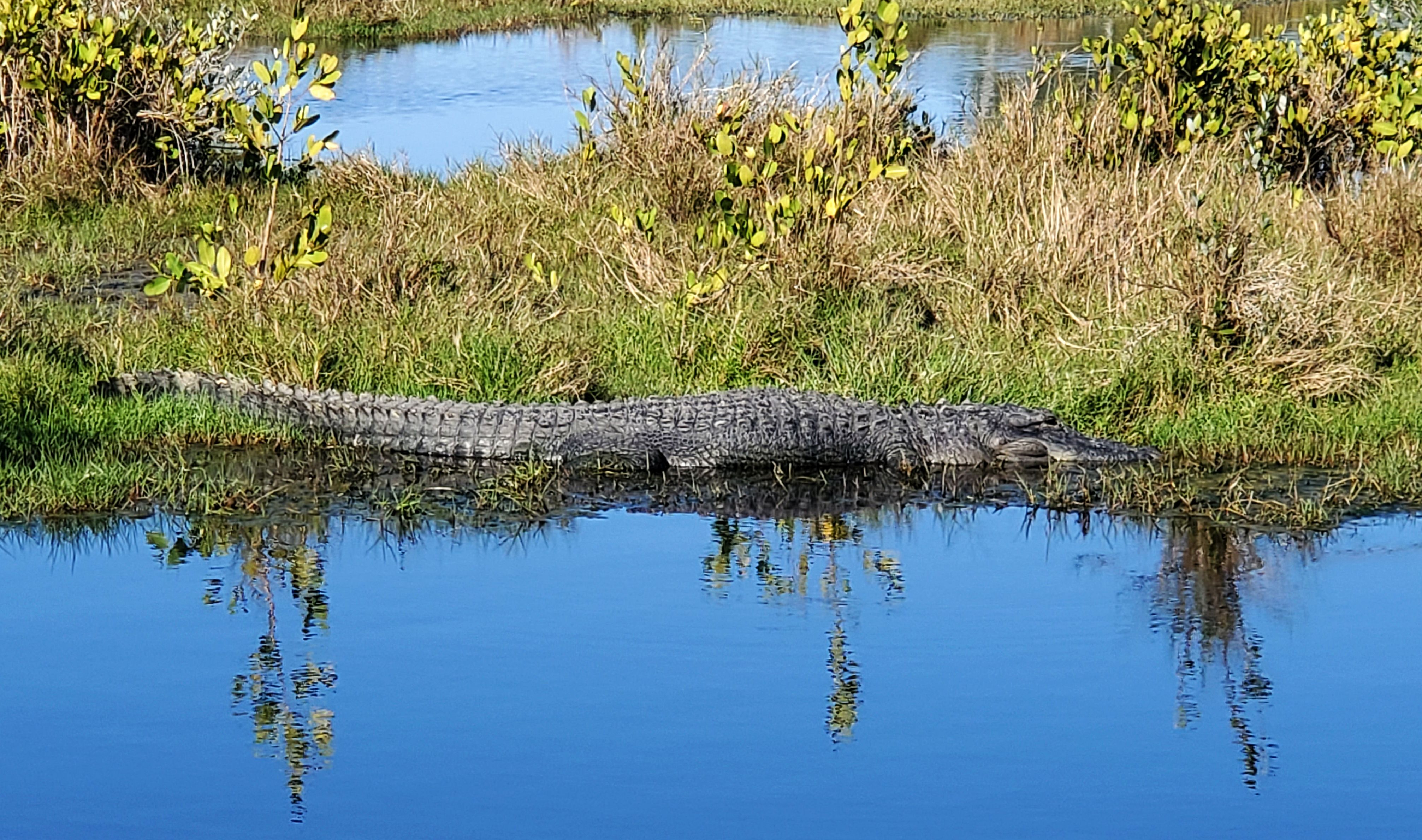 The Mosquito Lagoon and Indian River: Throughout the Mosquito Lagoon and Indian River we have had good fishing when the winds and weather conditions allow.
Schools of big black drum in the 25 to 30 pound range have been meandering around the railroad bridge in Titusville and in the depths of Haulover Canal. Anglers targeting black drum have been fishing with large shrimp, cut baits, and sections of blue crab to get hookups. 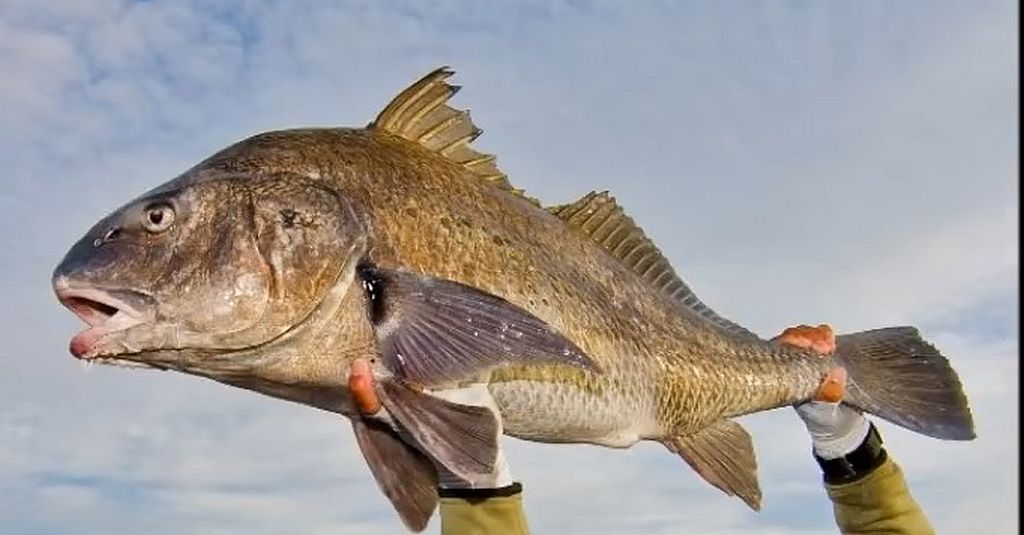 With the dips in temperature we have been experiencing lately, anglers can expect some excellent black drum action in the Mosquito Lagoon, northern Indian River and Banana River system. During the morning hours, look for small schools on the shallow flats of the Mosquito Lagoon. The larger schools will usually be holding around the edges of the ICW channel and near the spoil islands. Anglers fishing the banks of Catfish and Gator Creek have been reporting mixed results with black drum, redfish, and spotted sea trout. The fish are hitting late in the afternoons on live or dead shrimp, cut mullet, and live fingerling mullet. Black drum in this area regularly cruise the shorelines in small pods or singles, but the bite has been inconsistent from day to day. Although the Indian River bite for redfish has been pretty slow, the bite in the Mosquito Lagoon and Banana River has been much better. Slot reds and a few larger fish are being caught on a variety of natural baits including chunked ladyfish, mullet, sections of blue crab, and large shrimp. Anglers fishing artificial baits have been doing well using 1/4 ounce jigs with jerk baits and artificial shrimp. Smear the baits with some Pro-Cure gel to increase hookups. There are good numbers of spotted sea trout throughout our lagoon systems and although the fish are on the small side, the bite in the Indian River has been pretty consistent. The majority of fish have been holding in 2 to 3 feet of water in the same areas as the redfish and are being caught on shrimp, cut baits and fingerling mullet. During February and March, the Carbide Ditch that runs along the West bank of the Indian River north of the railroad bridge at Titusville up to Scottsmoor holds good numbers of spotted sea trout. Anglers in a kayak, canoe, or Gheenoe can access the ditch to pitch Saltwater Assassin paddle tail baits, live shrimp, or cut baits to the fish. Farther north around Ponce Inlet, anglers are catching good numbers of spotted sea trout in the river and a lot of big black drum around the rocks off the jetties. A lot of small jacks are also being caught throughout the lagoon system. In the Melbourne and the Palm Bay area, anglers have been reporting that some very large snook are being caught around the docks in those areas. The fish are holding close to the docks and have been hitting large live finger mullet and greenies if you can find them. As the weather begins to warm up, we should start seeing multiple "slams" of speckled sea trout, redfish, and black drum with a few baby tarpon, snook, and sheepshead thrown into the mix for anglers in both of our lagoons. A few gator size sea trout were reported last week in the Mosquito Lagoon and northern portion of the Indian River around the potholes in the flats. Anglers were fishing around the potholes with live shrimp, small finger mullet, and saltwater Assassin paddle tail baits. Jerk baits, Rapala Subwalkers, and small topwater Chug Bugs or SkitterWalk are also popular baits to use when fishing the potholes. The residential canals along the central Indian River and Banana River are good areas to target during the cold fronts this month. Seatrout, black drum, redfish, snook, sheepshead, and tarpon are all canal residents that can be caught with live shrimp tossed under the docks and to the edges of the mangroves. Avoid using any weight other than enough split shot to allow the shrimp to drift down into the water column in a natural manner. Fish will hit the shrimp on the drop. When you get a hookup, keep fishing the same spot. The cool clear water conditions keep the fish bunched together, so when you catch one, expect several more. Canal fishing should remain good throughout the month or until the water temperatures begin to warm up again. Then the fish will move from the deeper water in the canals into the deeper sloughs and potholes on the flats. Port Canaveral Offshore and Nearshore Fishing: When the weather allowed, local offshore anglers have been catching a lot of amberjack, American red snapper, and a ton of sandbar sharks on the deeper wrecks and reefs out of Port Canaveral in 180 to 250 feet of water. The offshore bite has been a little slow on the troll, but some bonita, blackfin tuna, and dolphin were caught during the past weeks on the 60 to 90 foot reefs. Good numbers of Mahi up to 15 pounds have been running in 100 feet of water last week. The water out to 200 feet has been muddy which is why the king mackerel bite has been slow; but the bottom bite on the 70 to 90 foot reefs has been pretty good, especially for smaller species like lane snapper, mangrove snapper, muttons, beeliners, and triggers. The AJ bite has been on fire, but because of the large number of sandbar sharks, only about 1 in 6 fish are able to be landed whole. 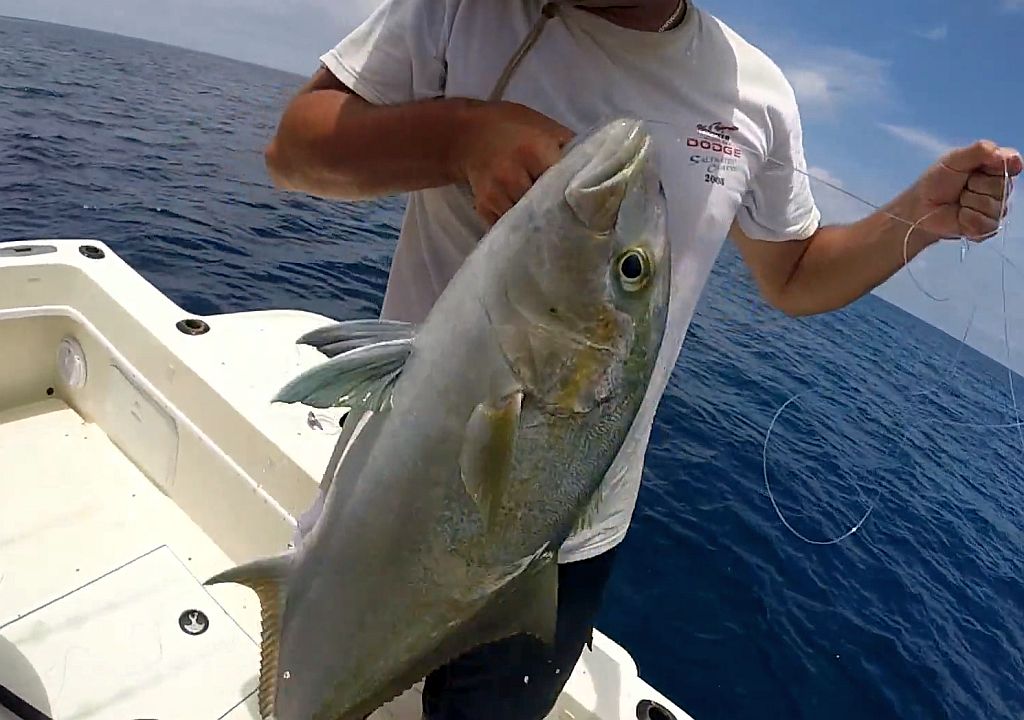 Large "turbo" bunker, have been coming into the port which is why the fishing has been so good. Hooking a large bunker on a knocker rig or 3 way has been the key to bottom fishing success. Deep jigging has also been working well, especially on the amberjack, but unless you're independently wealthy and don't mind losing a jig every time a sandbar shark grabs your fish on the way up, you might want to stick with live or chunk baits. The Cobia bite has not yet ramped up to the "March Madness" hype, but a few nearshore anglers have been catching Cobia out from the beaches in the Cocoa area. When the seas calm back down and the surface water temperatures hit the 60 to 70 degree mark, the Cobia bite will improve dramatically outside of both Port Canaveral and Sebastian Inlets. The Mantra Rays that the Cobia shadow move according to water temperature and baitfish patterns, so when we see the giant rays coming nearshore, the cobia will be right there shadowing them. Usually during the first two weeks in March, good numbers of Cobia show up outside of Port Canaveral following the Manta Rays. The deep, 400 foot wide ship channel that extends 3.5 miles offshore from the mouth of the port plays a major role in attracting baitfish, which in turn attract the rays and the cobia. Although Cobia are the subject for the "March Madness" hype, these same water conditions and bait factors also bring in large king mackerel, big jacks, tarpon, bonito, and other inshore predators. Near shore, look for tripletail south of Port Canaveral along the weed lines and around any type of floating debris. The tripletail have been holding on the buoys and almost any type of floating debris that you come across. Old crab pot floats, boards, tree limbs, and even dead birds (quite a few dead Gannets are out there right now) can hold Tripletail . A lot of large tripletail are being caught out in the 45 to 65 foot depths. Live shrimp is the bait of choice right now for these fish. Closer in along the beach Spanish mackerel, bluefish, and jacks are cruising just outside the surf break. Trolling or casting small spoons, jigs, or lipped diving plugs around the schools of glass minnows that are hanging around Port Canaveral and Sebastian will get a hookup. Fast retrieves work best on these fish. Good numbers of Spanish mackerel have moved into the Canaveral area and during the early morning hours when the seas are calm, you can see the fish busting on small baitfish on the surface. Occasionally they can be seen actively feeding inside the mouth of the Port. Playalinda and Area Beach Fishing: 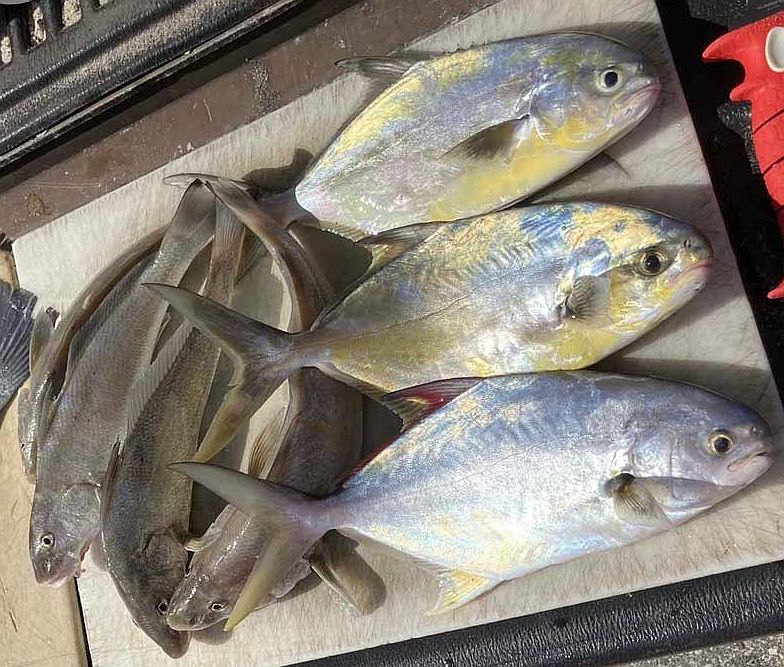 Up North around New Smyrna Beach, surf fishermen have been targeting big bull whiting with fresh dead shrimp, Fish Bites, and "Diet Pepsi shrimp" (shrimp soaked overnight in Diet Pepsi). Local swear by the concoction but the results are mixed. Some large pompano are also being caught by surf fishermen using ghost crabs and crab knuckles for bait. Long casts are required to get out to the larger fish. Large schools of pompano have also invaded the river from Edgewater all the way up to Daytona Beach shores in that area. Incoming tides are providing the most action for whiting and pompano but the bite has been pretty steady during both running tides. Surf fishermen around the Inlet have been targeting slot sized black drum, flounder, sheepshead, and some keeper size mangrove snapper using live shrimp, finger mullet, and Fish Bite club bodies on 1/4 to 1/2 oz jig heads. Fishing jigs slowly along the rocks on the bottom is a proven tactic for that area. The schools of Spanish mackerel, bluefish, and jacks that are cruising the beach after the bait pods often come into casting range of jetty anglers and surf fishermen who are making some nice catches using fresh cut baits and small silver Lhure Jensen type spoons. At Playalinda beach, the surf fishing for big whiting, pompano, bluefish, Spanish mackerel, black drum, and a variety of sharks has been good to excellent when conditions permit. Across all our Brevard County beaches we are still not making consistent catches of Pompano but fortunately, bull whiting in the 1 to 2 pound category have been consistently saving the day. Until a steady number of pompano start hitting the shoreline, beach fishing will remain hit or miss for pompano. A few weeks ago the number of pompano caught from the surf at Playalinda started to dramatically increase. More slot size and larger size pompano were mixed in with the increased numbers than in previous weeks. The keepers were averaging 13 to 16 inches to the fork of the tail and were in the 2 to 3 pound category. As the water temps continue to increase from the lows we have been seeing along the Space Coast; surf fishermen should be catching more large pompano in the surf. The fishing family below were leaving lot #9 with several bull whiting in the cooler before the 6:00 pm closing time. 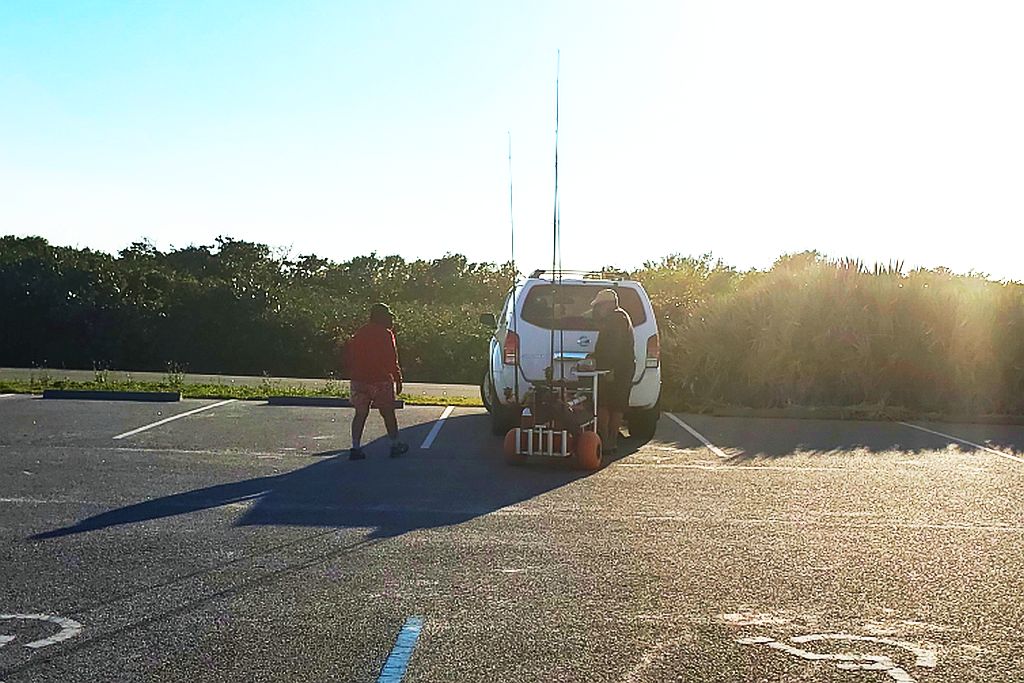 Sand fleas, Fishbites, and peeled shrimp are all good baits at Playalinda, and casts to the sand bar about 100 feet or more from the beach are where the bigger pompano are holding. The most optimal conditions for pompano fishing is during the last of the incoming and the beginning of an outgoing tide. Longer casts with small silver spoons or jigs have been producing hookups with Spanish mackerel and bluefish that are chasing the bait pods farther out. Because of the numbers of spinner and blacktip sharks in the area, it pays to reel your catch in quickly before a shark makes it a dinner. In the Cocoa Beach area, surf fishermen are seeing good numbers of bull whiting schools but are only making a few single digit catches of pompano per outing. Surf anglers have been targeting the whiting using 2 and 3 hook pompano rigs with Pink Shrimp flavored Fish Bites, live sand fleas, and small pieces of shrimp for bait. Although the fish in the Coca Beach area are normally caught closer to shore making long casts unnecessary, it pays to set out several rods at varying distances until the fish are located.  Surf fishing around Melbourne Beach has been good for the past weeks despite the high surf conditions. Surf anglers had to use long rods and heavier tackle to toss 5 or 6 ounce pyramid or Sputnik type leads over 100 yards to reach the outer sandbars where the pompano were
running. Standard pompano rigs with bright colored floats and live sand fleas tipped with clam flavored Fish Bites proved to be irresistible to the pompano. Surf fishing around Melbourne Beach has been good for the past weeks despite the high surf conditions. Surf anglers had to use long rods and heavier tackle to toss 5 or 6 ounce pyramid or Sputnik type leads over 100 yards to reach the outer sandbars where the pompano were
running. Standard pompano rigs with bright colored floats and live sand fleas tipped with clam flavored Fish Bites proved to be irresistible to the pompano.A lot of anglers who were not properly equipped could not reach the outer troughs and got skunked. Medium to heavy surf fishing rods between 11 to 13 feet, and 6000 to 8000 series reels spooled with 12 to 15 pound monofilament is needed to make long casts in heavy surf conditions. Even though small diameter braided lines cast farther than mono, they don't stretch like mono and will pull your sinker along the bottom to the shore during heavy wind and surf conditions. Farther south around Patrick AFB, surf fishing for whiting, pompano, margate, sheepshead, and black drum has also turned on a bit this past week. A calm surf with clean water conditions on an incoming tide is considered the best scenario for pompano fishing in this area. If you fish the beach behind the NCO club, be prepared to lose some gear unless you reel in fast as you get closer to the beach. There are some coral head worm rock around that area that makes for great fishing but a lot of lost tackle. Sand fleas are plentiful right now at all our area beaches during low tide periods and there are plenty of big whiting, pompano, and black drum out there that will eat them. Shark fishing has been off the charts for the last couple weeks and that pattern should continue throughout the month of March. This past Friday I spoke with a surf fisherman packing up to leave Playalinda at lot #9 who said he landed a Lemon Shark he estimated to be around 80 pounds. He said he was looking for pompano but the shark was the only fish he caught. He said it was screaming drag as it had him running up and down the beach. 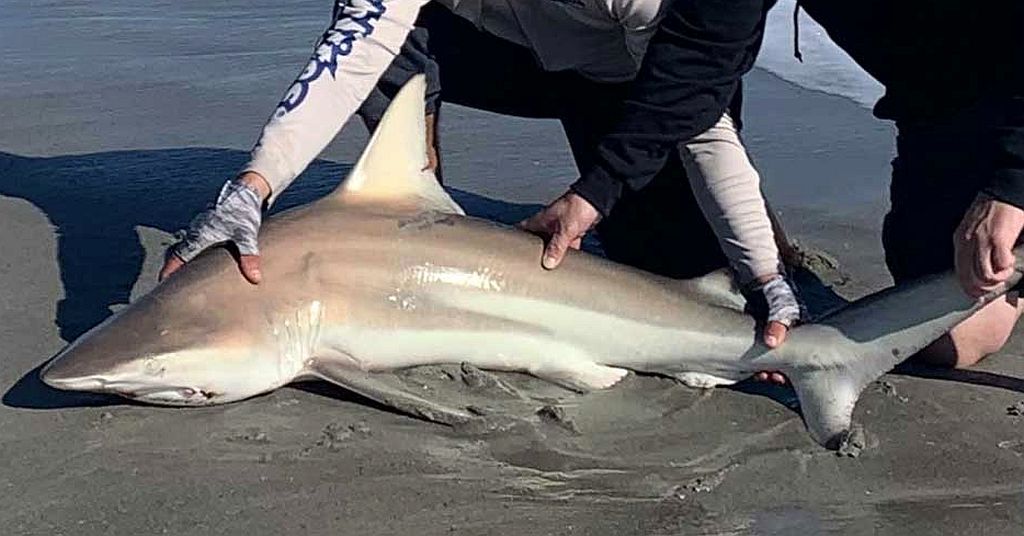 Two other fishermen at lot #8 said they had both hooked into large sharks that broke off at the surf line. If you're targeting shark, beef up your tackle with a heavyweight rod and reel, braided line in the 60 to 80 pound class, a 200 to 300 pound mono leader with a for or so of wire trace and large circle hooks. Fresh cut baits will usually out fish frozen baits, hands down. Also, make sure you have a shore fishing shark permit and have completed the educational course. The permit is geared to fishermen who target large sharks from the beach and takes about a half hour to complete. It is a free add on to your fishing license that you need to print out and keep on your person while fishing. To get the permit, you need to take an educational course at MyFWC.com/SharkCourse which consists of a quiz and some educational videos. After you create an account and pass the test, (which you can re-take if you fail) your certificate will have an ID code unique to you. You will then need to log in to GoOutdoorsFla.com , click “Purchase a License”, go to "Shore-based Shark Fishing Permit" and click “Add to Cart.” There you will type in your unique ID code to get your permit. When fishing any of our area beaches, it pays to set out a couple of rods baited with crab or a fresh chunked bait. You may hook into a roaming redfish, black drum, bluefish, or one of the many shark species that are roaming our beaches this month. Haulover Canal: 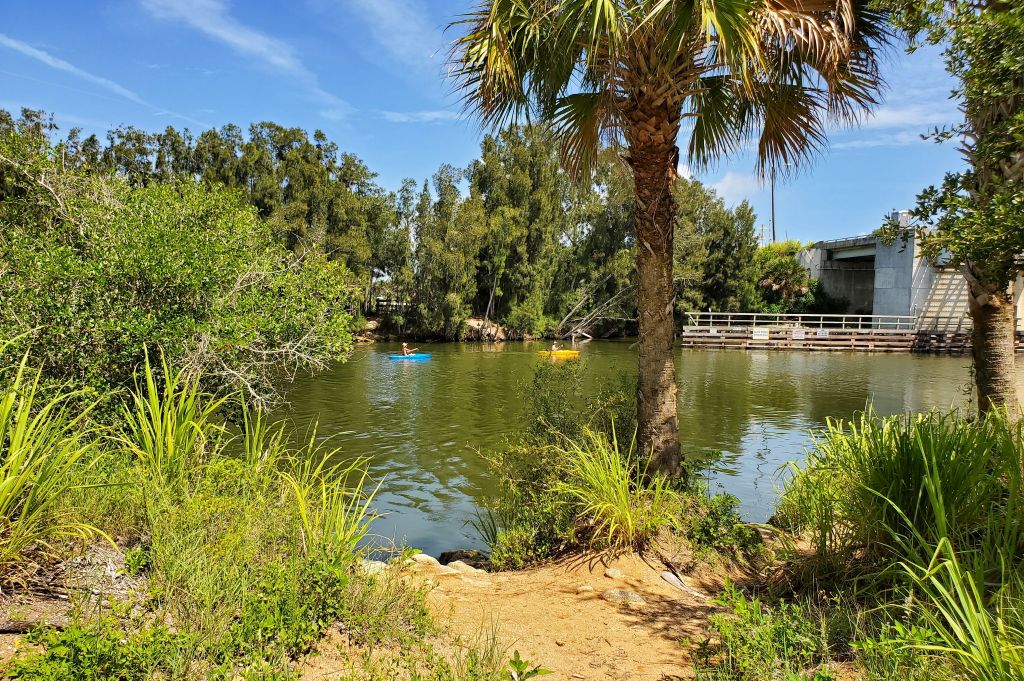 This month Haulover Canal fishermen will be targeting big black drum in the 30 pound plus range and redfish that travel through the canal from the Mosquito Lagoon into the northern Indian River. The deep holes at both ends of Haulover are usually occupied by boaters dunking live or cut baits with the hope of hooking into an oversize redfish or drum. On most days at Haulover Canal, you will find bank fisherman dunking shrimp, live baits, sections of fresh blue crab, chunk baits, or fiddler crabs for black drum, redfish, mangrove snapper, and sheepshead. The bite for mangrove snapper and sheepshead around the bridge and coquina rocks close to the bridge abutments usually picks up this month, but a lot of fish are under size. Live shrimp on a small 2/0 circle hook or a small chunk of fresh cut baitfish works well on mangrove snapper. The guys fishing for sheepshead around the bridge prefer using fiddler crabs, live sand fleas, or small pieces of shrimp for bait. Sport Shrimping: Shrimping in the Indian River around Titusville has picked up quite a bit since last month. Although we still have few reports of "full pulls", the shrimp have been running well in the river.  Shrimping from the two fishing piers at the A. Max Brewer bridge is improving and although the quantities are not huge, the shrimp in our area are generally much larger than those caught in the Oak Hill area north of us. The guys who were cast netting shrimp from the small bridge that leads into the parking area have migrated to the first part of the lower fishing pier and sea walls at the pier. The dip netters are still working the upper fishing pier and deeper water areas on the lower pier. When the shrimp start running, the dip netters have been picking up over a hundred shrimp in a few hours with a lot of jumbos. Of off nights most of the guys wind up with less than 50 per bucket. The cast netters I saw Friday night in the video below were getting up to several shrimp on every cast, but it looks a lot like hard work to me, especially if you're not proficient with a large cast net.  I was on the lower fishing pier at 8:30 pm for less than a half hour and watched a couple of cast netters on the sea wall put at least a couple of dozen shrimp into the bucket during that time frame. That's not bad considering the shrimp were large to jumbos, and not running well. As I left the fishing piers, I stopped briefly to watch the guys cast netting from the small bridge. They seemed to be doing much better than the guys on the sea walls. The shrimping reports I received from the guys dropping lights around the railroad bridge were about the same as the guys dip netting on the fishing piers. I suspect that the Friday's full moon has something to do with the shrimp running, but I don't know this to be a fact. I do know that as the night wears on and the dip netters thin out, the sea trout schooling around the lights will be eating more shrimp than the dip netters can harvest. Although several locals told me that the quantity of shrimp has been steadily declining over the past few years due to the die off of sea grasses from the brown algae blooms, you would never know it by the amount of people shrimping on the fishing piers. Until next time, Tight Lines and bent rods! |
|||||||
| Link One | Link Two | Link Three | Link Four | Link Five | Unsubscribe to this newsletter |