Your January 2021 Mosquito Lagoon & Indian River Fishing Forecast
Published: Fri, 01/01/21
Mosquito Lagoon & Indian River Fishing |
|||
|
Newsletter Issue # 138 Fishing Forecast January 1, 2021 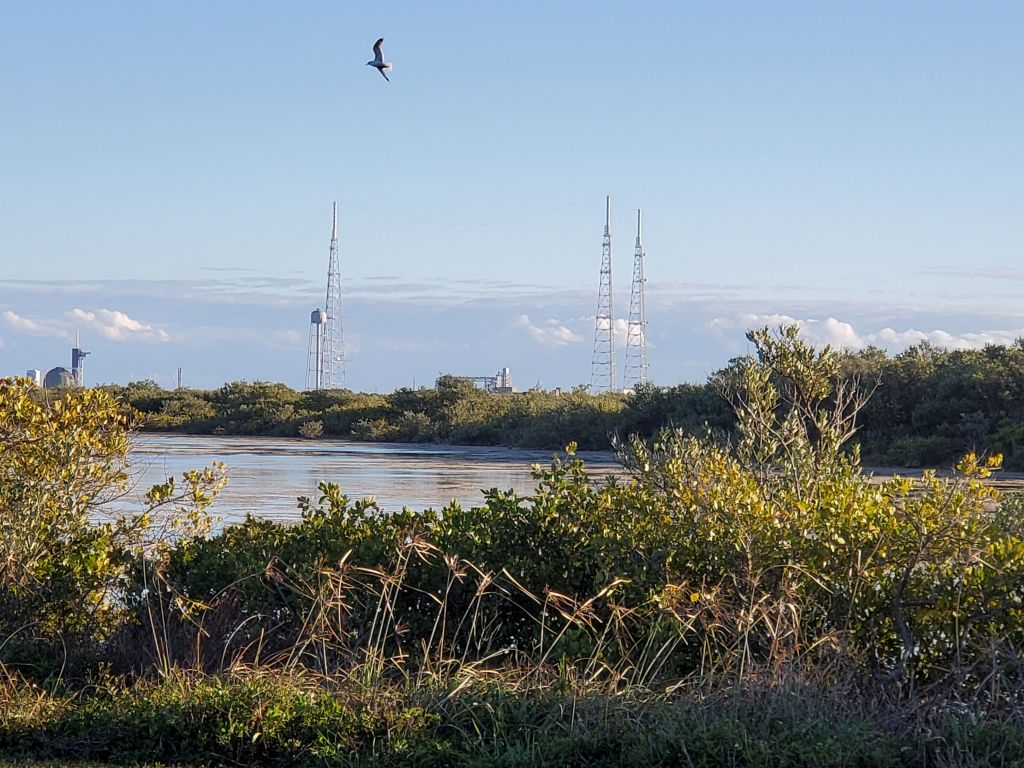 We Wish You All A Happy New Year! Winter water levels in the Mosquito lagoon are lower, but still high enough to keep the redfish from being concentrated into larger schools. Recent cold snaps have only slightly improved the water clarity in the lagoon system enough for anglers trying to sight cast to redfish and sea trout, and the windy conditions we had during the past few weeks has only contributed to the ugly brown algae colored water. Most anglers targeting reds have been finding singles, pairs, and small groups in the shallows with the best bite being around the cold fronts. Until the reds begin to gather up into larger schools this month; live shrimp, cut baits, and live mullet will be the best baits of choice. Some of the deep holes in the flats of the northern Mosquito lagoon and farther south in the Vero Beach, Sebastian area are holding some nice slot size sea trout and sheepshead. Up around New Smyrna Beach, sight fishing for redfish is good when the winds allow it. Most anglers have been tossing shrimp and cut ladyfish or mullet to the fish. Sea trout opens up again on January 1st. and anglers fishing the backwaters of New Smyrna Beach down into the Mosquito Lagoon for gator sea trout have been finding decent numbers of over size fish laying up in the shallows. The trout are not as big as in past years, but fish in the 8 to 9 pound category are still out there. A lot of smaller, under slot sea trout will be stacking up in the deeper holes, channels, and sloughs as the weather gets colder this month. Smaller size jigs, suspending plugs, 3" plastic Saltwater Assassin baits, and Johnson Sprite type spoons fished very slow will score on these fish and trout of all sizes during the next couple of months. Fishing live fingerling mullet, croaker, or large live shrimp should get you a hookup with the larger fish.. Fishing in the middle part of the Mosquito Lagoon lagoon down past Wale Tale is still not that good. There is still way too much brown algae in this area which caused a lot of fish to move out, however, the cold weather we are experiencing should rectify this situation in a couple of weeks or so. As we get farther into the winter and the algae continues to die off, we can expect the fishing to pick back up as the fish gradually move back into the area.. If you enjoy fishing for black drum, you will probably already know about the large schools of 5 to 15 pound fish that are forming up in several areas in the Mosquito Lagoon and the north Indian River around Scottsmoor. In the Mosquito Lagoon there are several hot spots around the north and middle section of Bio Lab road where bank fishermen have been making multiple catches of small to medium size fish.  Most fishermen have been using live or dead shrimp for bait on sliding sinker rigs, and a couple of anglers reported that several day old "stinky" shrimp out fished live or fresh dead shrimp by far, in the brown algae colored water. Blue crabs, fiddler crabs, and sand fleas are also working well in this area. Throughout the Indian River Lagoon anglers have been targeting larger black drum in the 15 to 20 pound plus category in the deeper waters around bridge pilings and any other deep water structure they can find. Some larger fish are often mixed in with the smaller "puppy" drum foraging in the shallower flats. Black Drum in our area spawn in the spring and are normally schooled up well into April. Where you can find clear water and good mangrove shorelines, the snook, sea trout, and juvenile tarpon have been eagerly hitting smaller topwater and plastic paddletail baits. Most of the fish are on the small side, but a few snook and almost "gator" trout up to the 25 inch range are being caught. Where you can find clear water with some mangrove shorelines with some baitfish around the area, your chances of catching a nice snook, sea trout, redfish, or black drum increases dramatically. Fishing with cut baits and brighter colored lures smeared up with Pro-Cure gel or some other attractant will improve your odds considerably. The northernmost creeks up around Shiloh Road in the Indian River were producing some nice slot size redfish, snook, and juvenile tarpon last month. 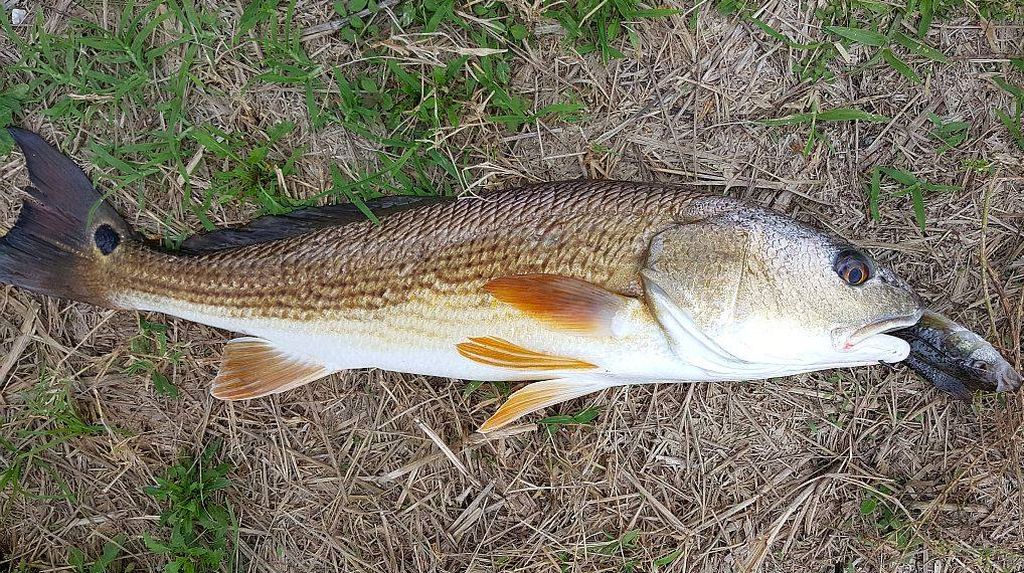 The shallow creeks are usually overlooked by anglers but redfish from the deep water flats of the Indian River occasionally make their way into the dark bottom creeks in the winter time to forage for small crabs, shrimp, and baitfish. As the sun warms the water over the dark bottom, the best bite is usually best later in the afternoons. Live or dead shrimp and cut baits work best for these fish during the winter months. When the water warms up later on in the spring, artificial baits will out fish live baits.. In several areas of the Mosquito Lagoon and Indian River, you can sight cast to good numbers of snook that are schooled up in shallow water trying to warm themselves in the sun. During the winter months all the way into April, sight casters can sometimes catch up to 20 fish per day or more on small plastic baits or free lined live shrimp. Playalinda Beach and Area Beaches
Surf anglers this month will be targeting Pompano, whiting, bluefish, and an occasional juvenile black drum along our area beaches.
January is considered an outstanding month for Playalinda Beach surf fishermen targeting Pompano; especially when the cold fronts start moving through our area. The bite at Playalinda during December was less than outstanding this year, but surf fishermen in the Cocoa to Melbourne area and south were reporting good catches on most days. A good percentage of the fish caught were undersize but the size bite has been on. Sand fleas are definitely the bait of choice for the majority of Pompano fishermen, but they are hard to scoop in many areas during the winter months. Many surf fishermen are using fishbites, salted clam strips, blanched sand fleas, or small bits of shrimp on 2 and 3 dropper rigs when live sand fleas are not available in the surfline. 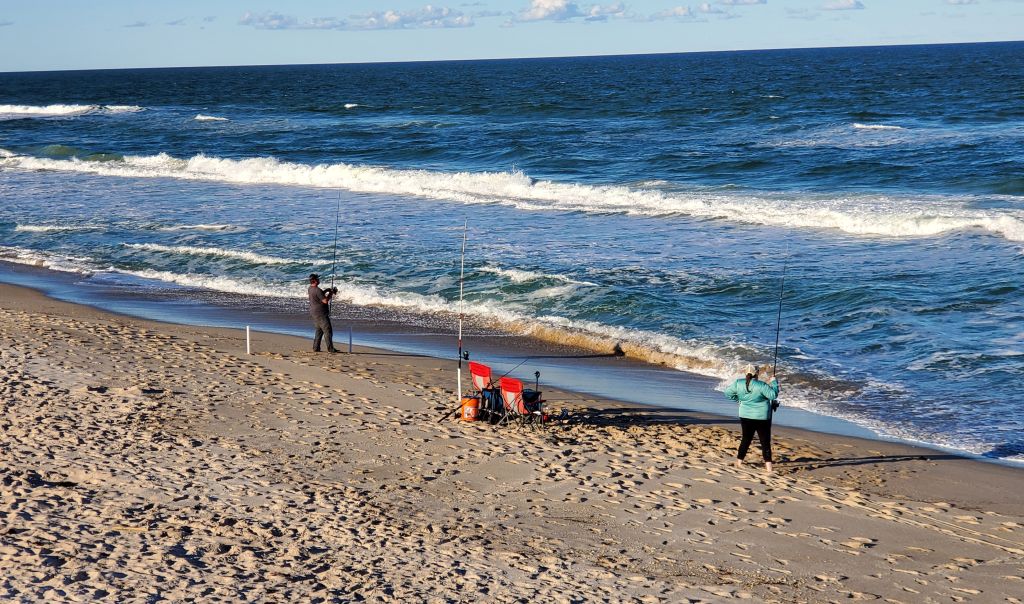 During the past week, the fronts that moved through our area kicked up the surf enough to dirty up the water around Cocoa, but it didn't stop the fish from biting. Large bull whiting were hitting live sand fleas and closer in, tighter to the beach, a couple of oversize redfish were also caught on sand fleas. The incoming tides have helped to clear the water up a bit. Farther out along the second bar, jumbo Spanish mackerel and bluefish have been chasing baitfish. Cut baits and silver spoons have been baits of choice when they are in the area. Although good numbers of bluefish and some Spanish mackerel are in the surf with the pompano, whiting, and black drum: the fishermen I spoke with at Playalinda Beach haven't seen many. Another case of fake news perhaps. Anyway, when a school of blues comes swimming along the beach, it pays to have a second spinning rod with a cut bait, a small silver Krocodile spoon, small nylon or feather jig, or a square lipped diving plug ready to cast to the fish. Artificial baits will usually out fish live baits during these scenarios. Surf fishing is best early in the morning around sun rise and close to dusk, right before it gets dark. This is the normal feeding time for the majority of predatory fish species in the ocean. The best bite is usually on an incoming tide with a light onshore breeze just prior to and after a front moves through our area. The inshore breeze pushes the fish closer to shore within easier casting range. Most surf fishermen swear that an incoming tide is the best fishing, but any moving tide will bring fish into the surf zone. On high tides, fish closer in to the beach with shorter casts. On low tides, fish the deeper back ends of the deeper sandbars and make longer casts. Rising barometric pressures and drastic drops in barometric pressures always trigger bites. When barometric pressures stabilize, the bite slows down and you might as well stay home.. The most important thing to remember when surf fishing is to learn how to read the surf. The way the waves break will tell you where the fish are going to be concentrated. This is why you often see one surf fisherman on the beach catching a lot of fish while anglers fishing on either side are getting no bites. You can be surf fishing under the best possible conditions, but if you are casting where there are no fish, you are wasting your time. Port Canaveral Offshore and Nearshore For the past couple of weeks the offshore and nearshore bite out of Port Canaveral has been pretty awesome. When the wind is cooperating offshore, bottom fishermen have been making steady catches of mutton snapper, mangrove snapper, lane snapper, blue runners, trigger fish, black sea bass, and even some cobia that are in our area right now. This month is when the snapper bite peaks and anglers will see fish moving into water as shallow as 50 feet.
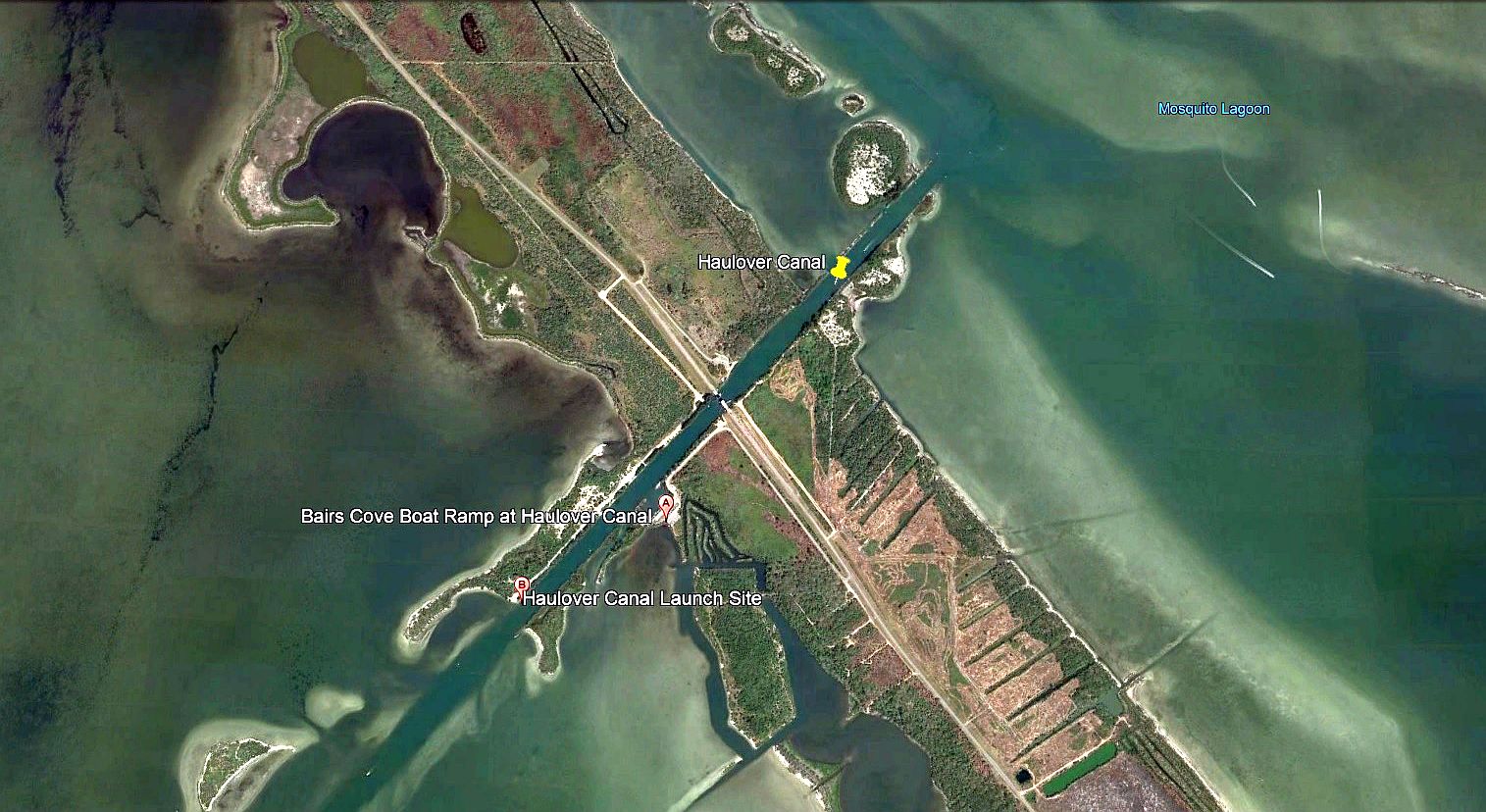
We should start seeing a lot more cobia and tripletail around the buoys, weed lines, near shore wrecks and reefs, and other structure this month. When the Manta rays start showing up nearshore, the cobia will not be far behind. St. Johns River Every year around Christmas into the New Year in East Central Florida, dedicated groups of freshwater anglers eagerly await the arrival of the American Shad in the St. Johns River system. American shad are an anadromous species and like Salmon spend four or five years in the ocean before returning to their freshwater birthplaces to spawn. Every major river along the Eastern coast of North America from the St. Johns River in Florida, all the way north to the St Lawrence River on the Canadian boarder, will experience the annual winter spawn of these two to five pound fish. 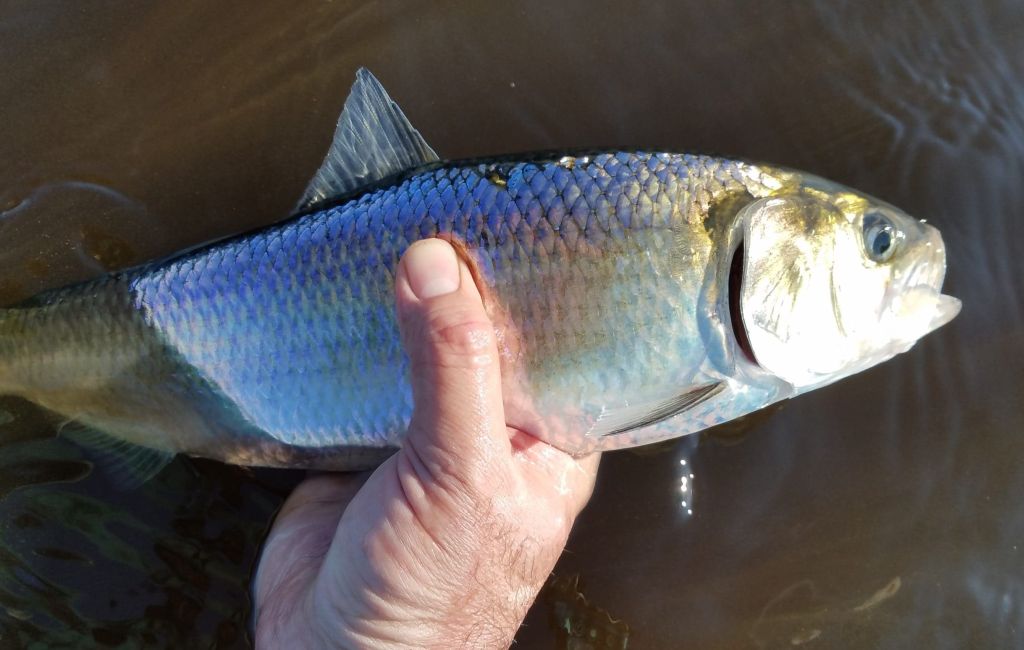 December 25th is regarded as the kickoff date for shad season in our area, but the arrival and number of American shad always varies from year to year. Here in Titusville, Fl., the shad migration is heaviest between Lake Monroe in Sanford, Fl. and highway 50. That stretch of the St. Johns River river is where the majority of the shad schools stage, but concentrations vary from week to week. Shad also migrate up the Econlockhatchee River and when water levels are low, many anglers hike in from the Brumley Road trailhead to fish the area with light spinning and fly tackle. 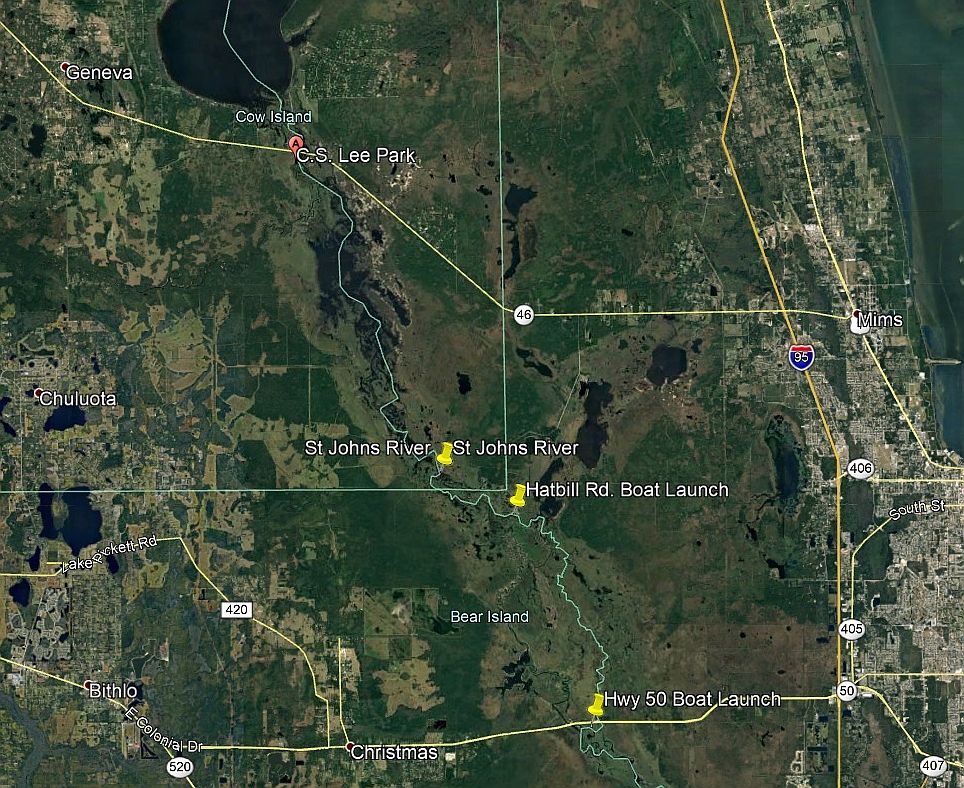 Although the C.S. Lee Park boat launch at highway 46 between Titusville and Sanford, Fl. is one of the most popular staging areas for shad fishermen in our area, the launch ramps on Highway 50, Mullet Lake Park, and Lemon Bluff are also popular staging areas. The best way to find where the fish are on any given day is to talk to local fishermen, bait shop owners, local shad fishing guides, or search the internet for shad fishing reports. When you find a general area, congregations of fishermen along the bank or anchored just off the bank will generally indicate where the fish are holding. Don't be shy about asking questions, most anglers are happy to provide information about the bite and what baits are hot. Slow trolling close to the bottom is a good way to locate schools of shad. When you find fish, anchor and quarter your casts upstream and drift your bait as close to the bottom as you can. You are in the strike zone when you start snagging the bottom. Although American Shad in the St Johns River appear to do little to no feeding during their spawning migration, they will usually hit bright, flashy lures. Shad darts, small fixed hook Nungesser and Johnson spoons, plastic or hair panfish jigs, and small Road Runners are all classic classic lures for shad fishermen using light or ultralight spinning tackle. Sometimes I think that God created American Shad for fly fishermen. A 4 wt to 6 wt rod with a sinking line and small #4 to #8 weighted patterns that hug the bottom is perfect for catching shad. The fish don't seem to care about patterns as much as color. Clouser Minnows , Crazy Charlies , Horrors, and other small weighted patterns found in most fly boxes will all produce fish, but bright colors like white, yellow, chartreuse, florescent orange, and hot pink are the rule when it comes to shad fishing. Keep a variety of color patterns with you if the fish start getting picky. 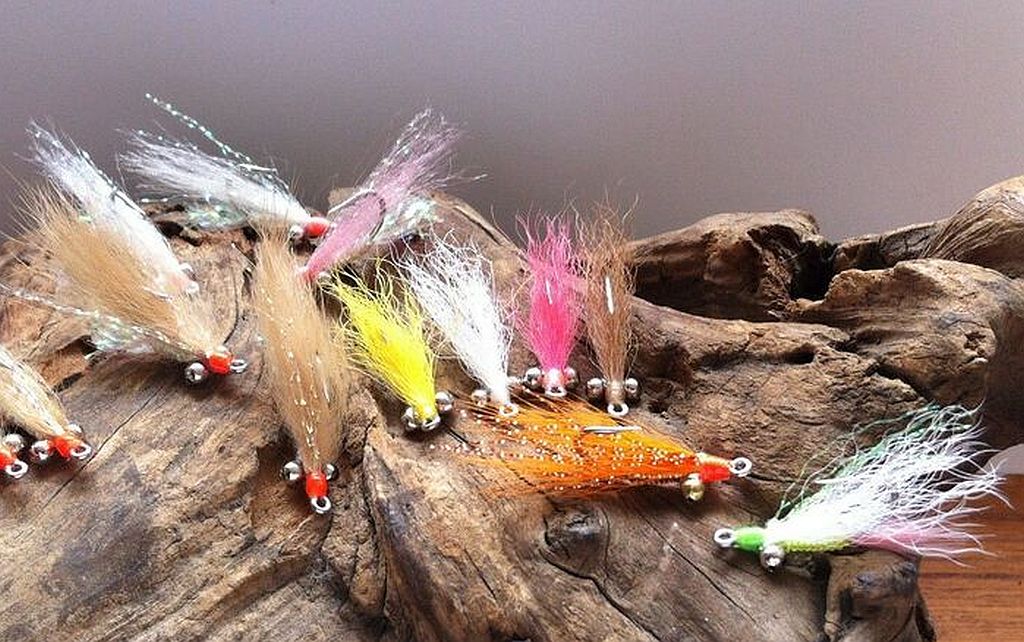 Shad fillets are sweet and delicate but they have a lot of tiny bones that should be removed before cooking. The , and the roe is a delicacy that is hard to beat when lightly sauteed in garlic butter. The state record for American Shad on the St. Johns River is 5.19 pounds; but the average fish in the St Johns is around 2 to 3 pounds. There is a 10 aggregate bag limit for American and Hickory Shad if you plan on harvesting them and a freshwater and saltwater fishing license is required to fish for them. Haulover Canal 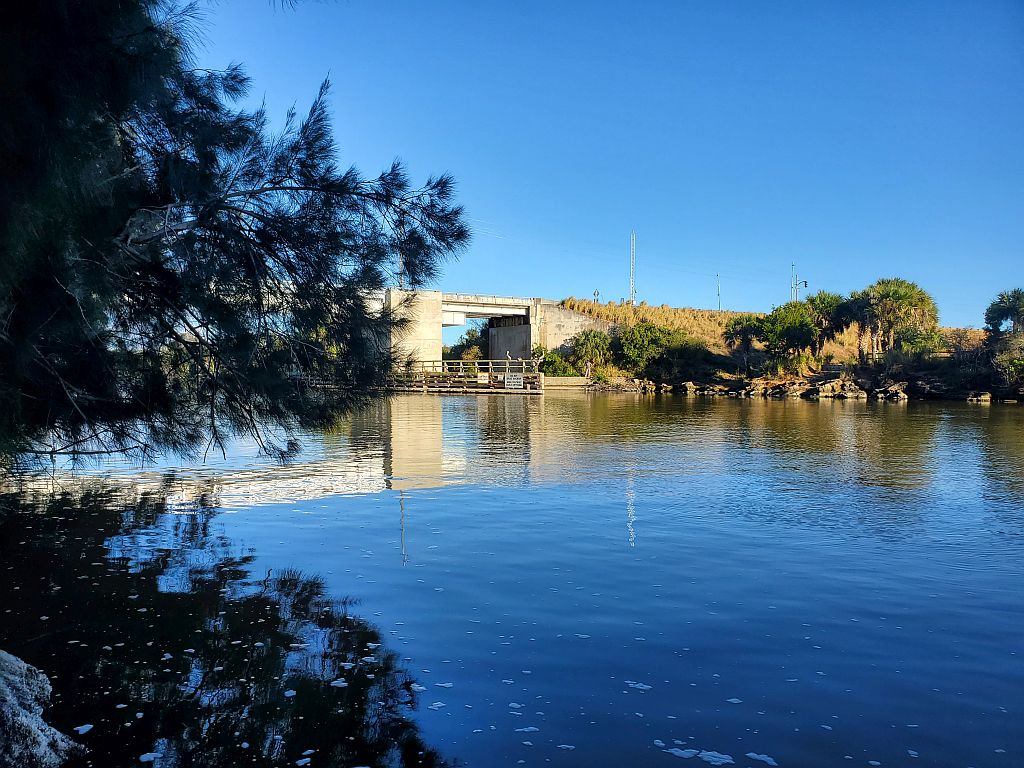 The barrier to the manatee observation deck is still up at Haulover Canal, but the north and south west roads continue to be open for kayakers, bank fishermen, and boaters at the Bairs Cove launch ramp.
Haulover canal is best known for catches of big bull redfish and black drum, and although the bite for bull redfish, black drum, and Mangrove Snapper in Haulover Canal, has been sporadic all last month.
For the past week, both sides of the canal were lined with bank fishermen almost every day. Many bank fishermen have been making nice catches of keeper Mangrove Snapper using live and fresh dead shrimp for bait. A lot of under size fish are also being caught, mostly in the bridge area near the fenders and pilings.  Live or fresh dead shrimp and fresh caught chunks of fish on a 2/0 or 3/0 circle hook with a pinch or two of split shot to get the bait close to the bottom is the best way to fish this area without getting hung up on every cast..
Reel like crazy when you get a bite to keep the snapper out of the rocks. During the winter months, some of the biggest bull redfish in our area are caught from Haulover by anglers using sections or a whole live blue crab for bait. This past week a couple reds in the 43 to 45 inch category were caught from the canal on crab and a live pinfish. A couple of deep holes at the mouth of the canal to the Mosquito Lagoon consistently produce bull reds and large black drum. When the bite is on, you can usually see several boats anchored in the area dunking shrimp and crab. Last week both entrances to the canal were crowded with anchored boaters dunking baits for reds and big black drum. Launch your boat the at Beacon 52 boat ramp and park at the mouth of the canal out of the ICW. Stout rods, 30 to 60 pound Power Pro or other braid, 30 pound or heavier fluorocarbon leader, a 6/0 circle hook and enough weight to hold bottom is recommended terminal tackle. The best bite for black drum is usually around the cold fronts. Shrimp and blue crab sections are by far the baits of choice for most anglers. When the bite is hot in the canal, anglers can expect to catch up to 10 or more black drum per outing. Not much shrimping activity has been reported along the banks of Haulover lately, but it is definitely a good area for large shrimp. Most sport shrimpers have been hitting the railroad bridge and the ICW up north around Edgewater and Oak Hill. There are a few shrimpers on the fishing piers at the A. Max Brewer bridge in Titusville but the Covid thing has cramped the shrimping. The trout and big redfish that hover around the lights usually seem to be eating more shrimp than the guys with the dip nets are catching over the lights. The last couple of times I
visited the area, it looked like a fish hatchery.
If you're low on gear, you can save up to 60% in Bass Pro Shop's Clearance Sale! Valid 12/26 – 1/6. Free shipping on orders over $50 Until next time, Tight Lines, bent rods, and a safe Prosperous New Year to you all!
|
|||
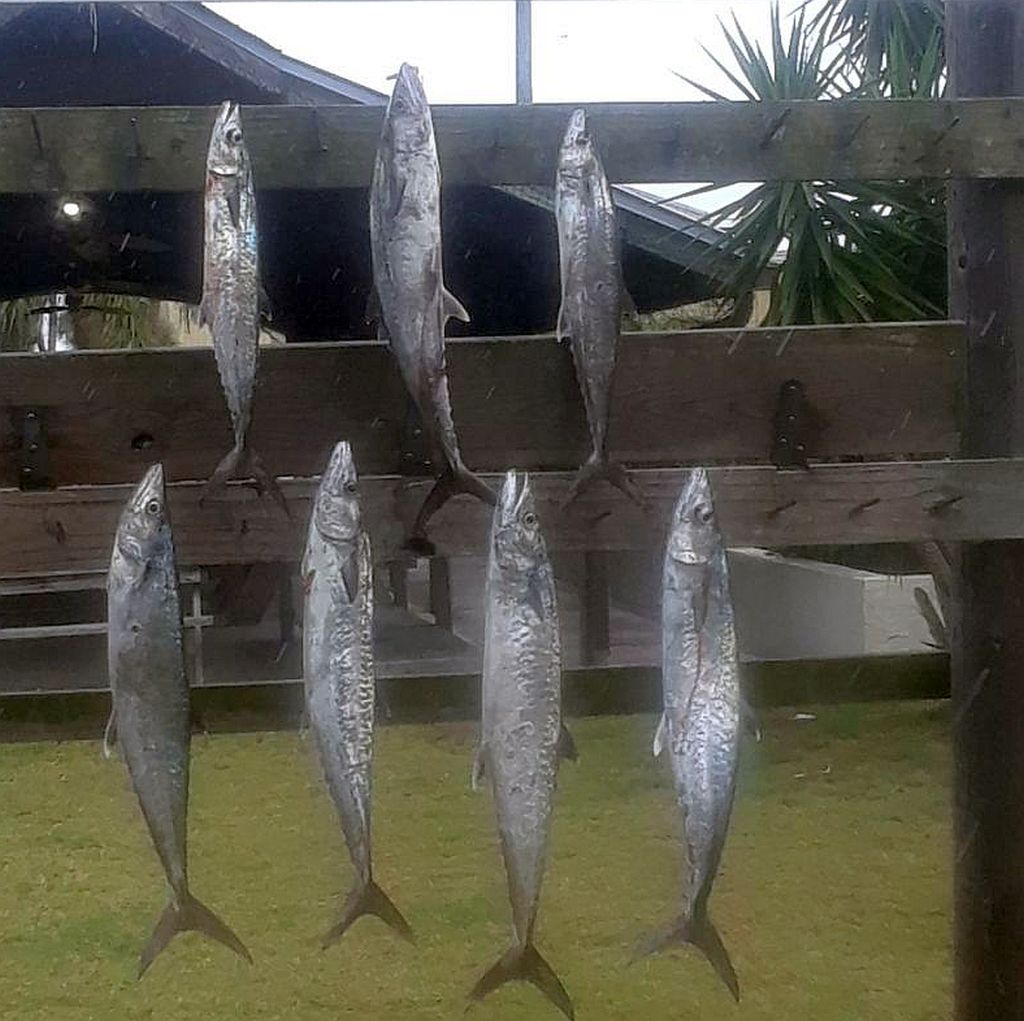 Offshore around the 50 foot depths to the 90 foot reefs, the fishing has been really good for Kingfish, sailfish, Mahi, and a few random blackfin tuna.