|
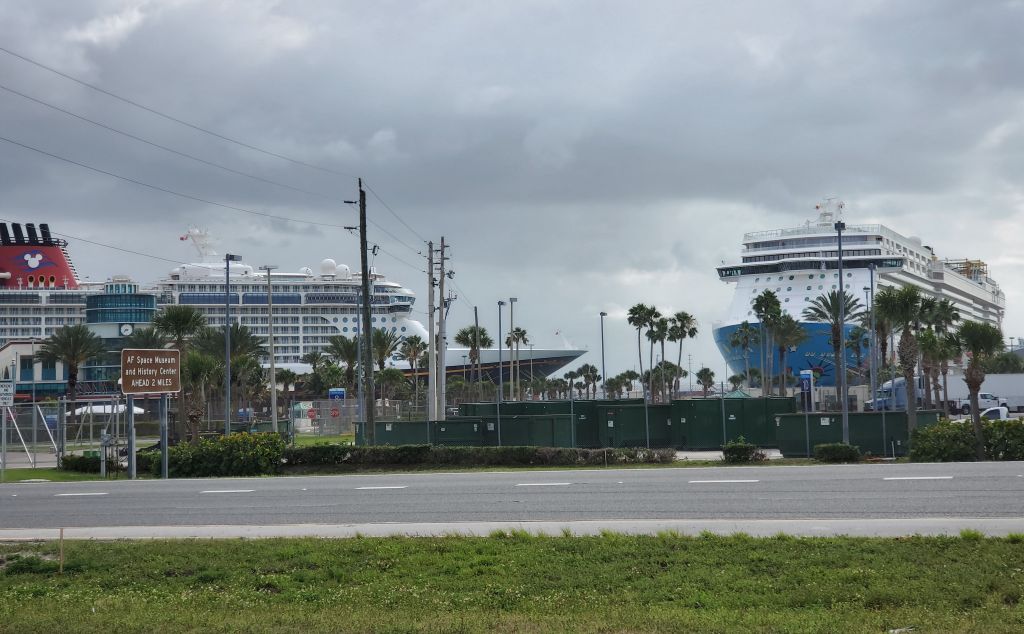
The Mosquito Lagoon and Indian River
Cooler temperatures this month will bring cleaner water into our lagoon systems which increases the potential for good sight fishing. The quick cold fronts bring some quality fishing for big sea trout, redfish of all sizes, black drum, and Snook.
Anglers working the shallow indentations in the shallow flats during the morning hours using topwater "walk the dog" type baits and later on in the day; jerkbaits and sub-walkers like the MirrOlure Heavy Dine have been catching up to 25 sea trout and a lot of slot redfish when the gale force winds allow.
Live bait fishermen who prefer using live shrimp, pigfish or mullet will also do well on and just off the shallow flats during the cold fronts.
When the wind is up and the temperatures are mild, look to cut bait to produce the best bite for redfish and spotted sea trout.
The topwater bite in the central part of the Mosquito Lagoon between Preachers Island and Cabbage Island is normally good from first light until about 9:00 in the morning. The majority of over slot sea trout are caught on topwater "walk the dog" type plugs, large Saltwater Assassin Sea Shad tails, and large paddletail baits.
Live grunt and pigfish are also prime baits for gator size sea trout throughout the year.
The flats in the southernmost part of the Mosquito Lagoon around Pelican Island and the Wale Tail have been producing a lot Snook catches in all sizes. Last week I caught several small snook and missed a couple of fish in the 30 inch category on Creme Spoiler Shads and D.O.A. CAL jerkbaits around some open culverts off of Bio Lab road, and several
local anglers reported similar catches around north Shiloh Road in the shallow creeks.
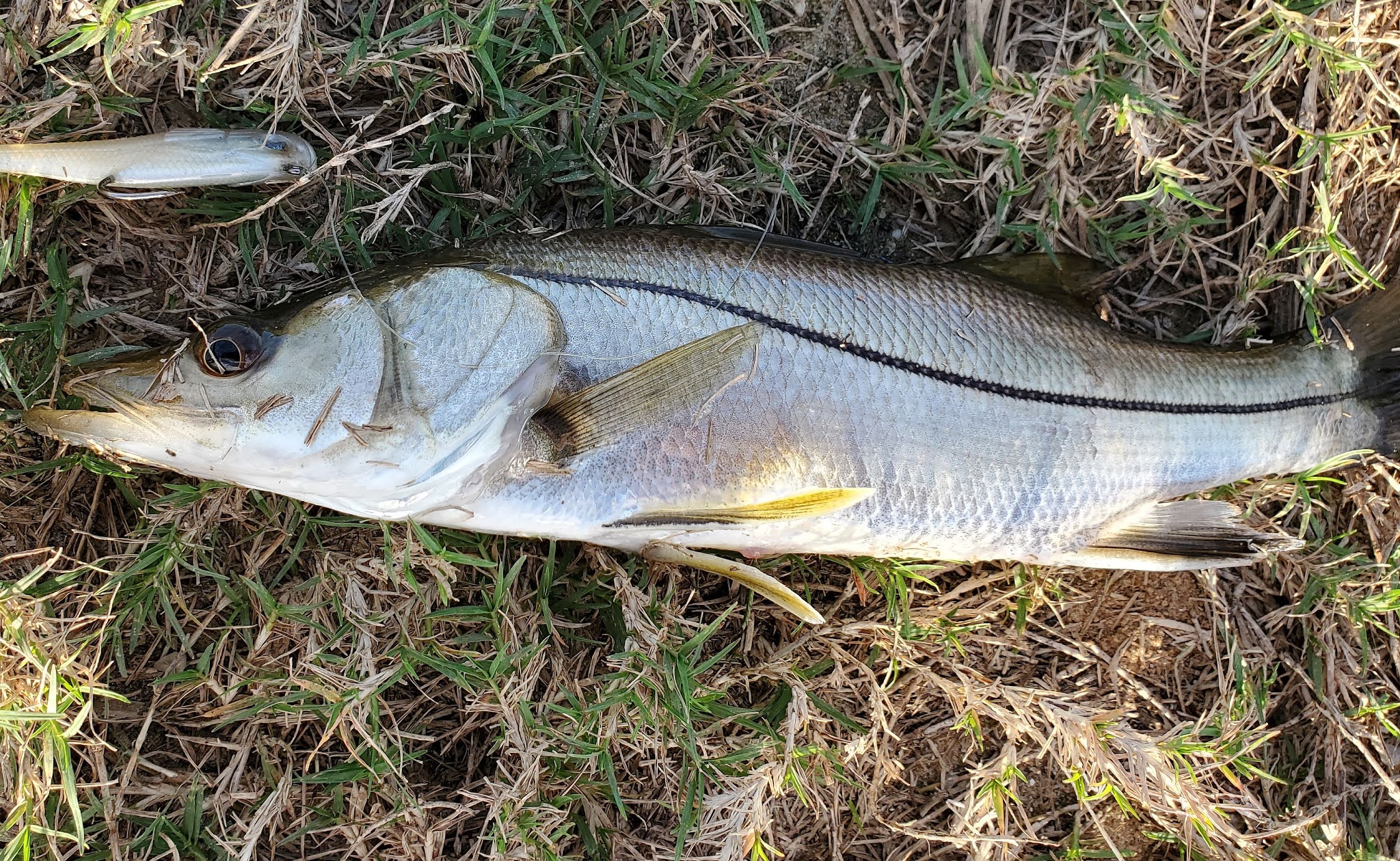
Most areas in the North Indian River are still dirty but should clean up as the cold fronts move into the area. Basic color patterns and slower presentations will produce the most action during these conditions.
In the north Indian River, the areas along the causeway east of Parrish Park, under the A. Max Brewer Causeway bridge, just north of the railroad bridge, and around the shorelines of Catfish Creek Loop and Peacocks Pocket Road have been producing slot size redfish and juvenile black drum. Fingerling mullet, cut baits, and live or dead shrimp are baits of choice in these areas.
When the northwest cold fronts start blowing into our area and water temperatures drop, the deep water cuts and canals in the lagoon systems turn into sanctuaries for redfish, black drum, sea trout and Snook. Docks, bulkheads, canals, and even moored boats will be holding baitfish that the fish prey on.
The intersections of some 8 to 10 foot deep canals have dredge holes with deep layers of mud or silt that give an additional 2 to 3 degrees of warmth which attract shrimp and baitfish. These areas also attract schools of silver trout, sea trout, smaller Snook and redfish.
The larger trout, Snook and reds will usually hold around the mangrove roots, docks, and areas with less human activity.
Large wintertime Snook can be found in the dredge holes and deeper water docks throughout the IRL system, the inlets at Sebastian and Ponce, and the Inlet and deep water turning basin at Port Canaveral. Canal and creek Snook are generally smaller juveniles.
The most successful technique for winter time canal fishing is a free swimming shrimp on light tackle with no leader, weights, or swivels to hinder it's swimming. Use a small single hook under the horn of the shrimp and present it about three feet below a small natural cork to keep it in above the bottom. The same technique can be used with finger mullet, mojarras, or pigfish. Just use a larger float.
Winter in East Central Florida is a prime time for fly fishermen who book charters to sight cast for trophy fish in the lagoon system. When the cold fronts clear up the water, expect to see fly fishermen tossing shrimp and crab pattern flies to redfish, gator sea trout, black drum and Snook on the flats.
The barriers are still up on most of the dyke roads in the Merritt Island National Wildlife Refuge, but if you want some exercise and potentially a trophy fish, try fishing the marsh canals and mudflats along both sides of the road. The clear tannin stained waters are are under under fished and home to some very large sea trout and redfish.
Schools of black drum also travel the marsh canal moving from one pond to the next in search of crustaceans.
The fishing is tough and you lose a lot of lures but it's great fun.
Look and listen for big fish busting on prey along the bank during the morning and late afternoon hours. A well placed gold Johnson's spoon, Chug Bug, D.O.A. Shrimp, or a soft plastic jerkbait can often
trigger a strike.
Port Canaveral Nearshore and Offshore Fishing:
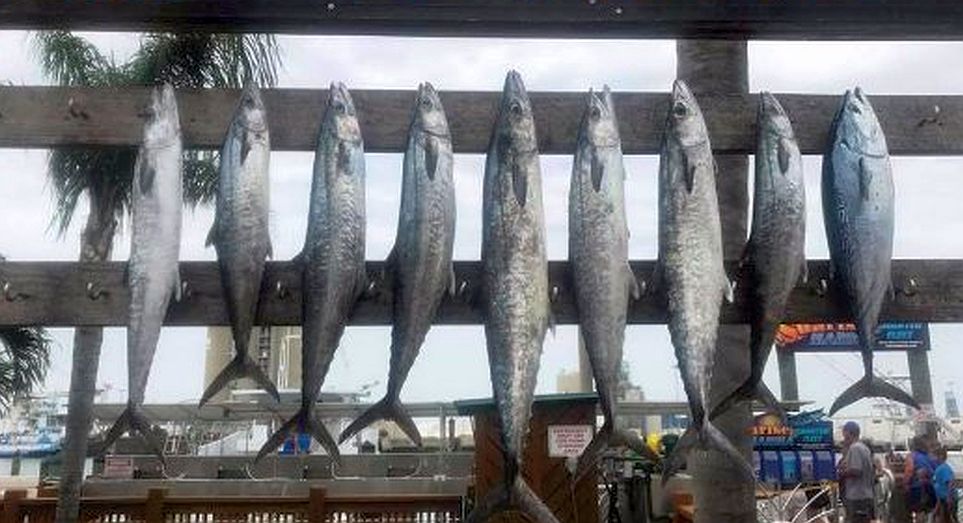
December is an excellent month to fish for King Mackerel out of Port Canaveral.
Cobia, king mackerel, and sharks of all varieties will be holding over the 70 to 120 foot reefs and wrecks throughout our area. Slow trolling mullet, pogies, and live or frozen sardines on stinger rigs is the most popular method of catching kilngfish in our area.
As the norhtwestern cold fronts begin to swing into our area, Canaveral Bight will be a hotspot for bull redfish, Spanish mackerel, bluefish, pompano, whiting, and an occasional tarpon around the bait pods. The Bight is a 5 mile stretch of shoreline immediately north of Port Canaveral that becomes a winter refuge when the cold fronts arrive.
Because of security concerns at the adjacent Canaveral Air Force Station, this area of the beach is closed to the public but boaters still have access to the Bight and can be seen in good numbers during the winter months anchoried just outside of the breakers.
December is also when Cobia can be caught over the 70 to 90 foot reefs and wrecks outside of the Port.
On the days when you can get offshore and the seas are not in the 4 to7 foot range, the captains who venture farther offshore looking for color changes, temperature breaks, and rips target dolphin, sailfish and wahoo. Most of the guys targeting dolphin and sails work the 180 to 250 foot reefs with small dark colored skirted ballyhoo.
Inside Port Canaveral:
When the first series of cold fronts hit our area, winter flounder will begin coming into Port Canaveral in better numbers.
The jetties at the west end of Jetty Park, the pier at the park, and the sea walls at Port's End Park along the west end of Port Canaveral be crowded with anglers when the flounder run hits full gear.
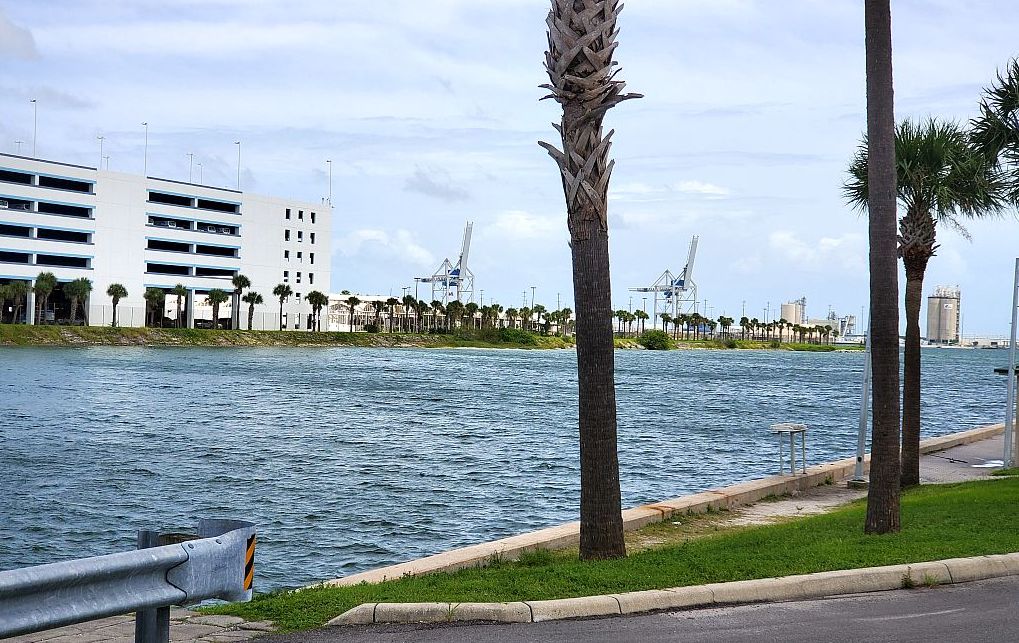
When our local flounder fishermen start targeting the sea walls at Port's End Park along the west end of Port Canaveral, the jetties at the west end of Jetty Park, and the pier at Jetty Park you can be sure that the winter flounder run is getting into full gear.
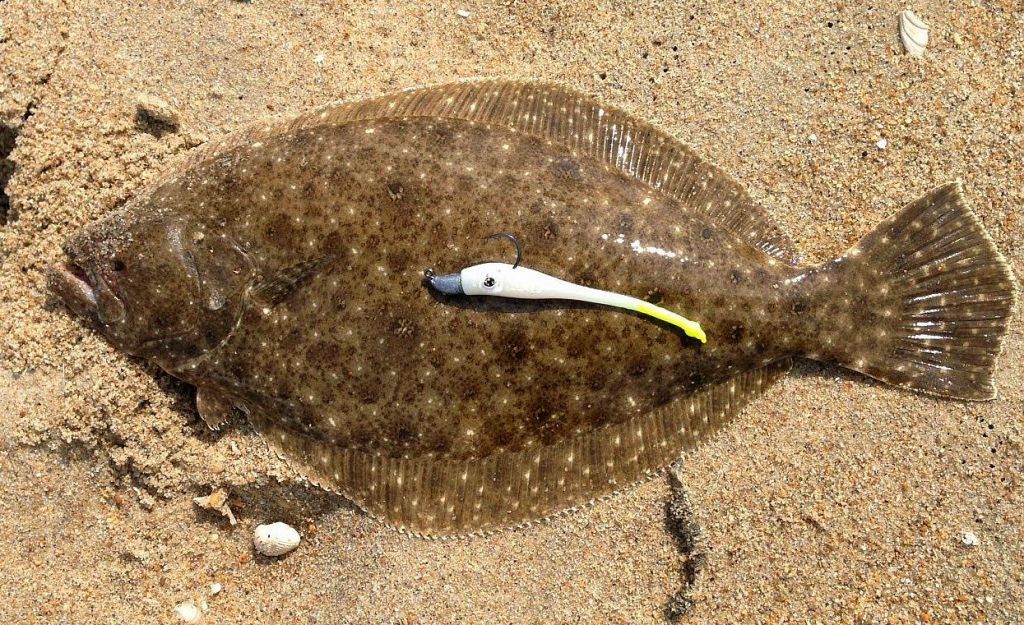 Most anglers use finger mullet, mud minnows, live shrimp, or small hair jigs tipped with a small piece of shrimp for bait when targeting flounder. Most anglers use finger mullet, mud minnows, live shrimp, or small hair jigs tipped with a small piece of shrimp for bait when targeting flounder.
Bounce the baits on the bottom or very close to the bottom to keep them moving until you find a concentration of fish.
Most anglers use sliding sinker or knocker rigs to keep the baits on the bottom. Use just enough lead with a foot long fluorocarbon leader on a sliding sinker rig to keep live baits in the strike zone.
The currents at Port Canaveral can vary quite a bit, but a 1/4 oz. to 3/4 oz. barrel sinker on a sliding sinker rig is usually enough to hold your bait on the bottom where it needs to be.
Most of the winter flounder that are caught in our area are under 5 pounds but an occasional doormat up to 8 pounds is occasionally landed.
Ponce Inlet:
For the past few weeks the bull reds have been schooling up around Ponce Inlet for their annual spawn. Every Fall during November and December the epic redfish bite occurs at Ponce Inlet and several staging areas in the Inter Coastal Waterway around Edgewater and New Smyrna Beach.
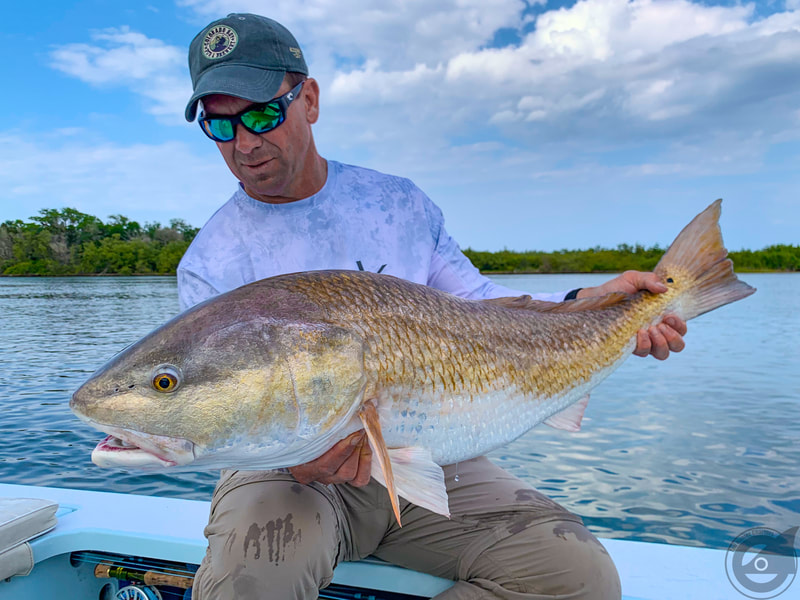
This year's run is just about over but anglers are still getting hookups with reds weighing up to 40 pounds.
Live baits, cut baits, and half or whole blue crabs are baits of choice for the bruisers.
|
Surf Fishing:
From early December through late February, East Central Florida's Playalinda Beach, New Smyrna Beach, and Melbourne Beach will all be major "hotspots" for surf casters targeting pompano.
When the water temperature is in the preferred range for pompano between 65 and 78 degrees F. the fish should be in our area in good numbers. Yesterday, the water at Playalinda was around 70 degrees, which means that the pompano fishing will be ramping up.
Despite the windy conditions we have been experiencing last month, surf fishermen have been reporting decent catches of whiting, pompano, and juvenile black drum in between by 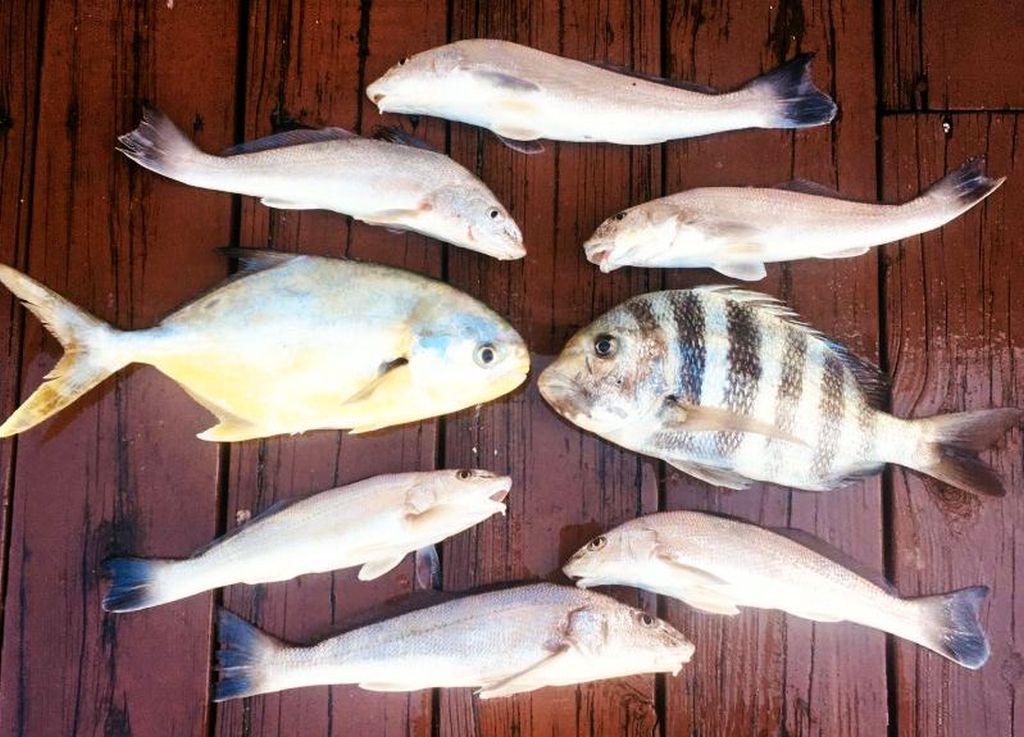 catches of hardhead and sailfin catfish. catches of hardhead and sailfin catfish.
Heavy surfs and weedy conditions have been making surf fishing challenging to say the least. It's not fun battling heavy surf and constantly removing globs of seaweed from your line.
South of Cocoa, surf fishermen have been reporting sporadic catches of pompano, Palometa, bluefish, permit, and whiting about 1 1/2 hours before the high tide and a couple of hours on a falling tide.
Winter pompano congregate in tight schools; they prefer deep water and move around until they locate a food source at the right temperature.
In our area, we are fortunate to have large sections of surf with deep troughs inshore of the offshore sandbars. Under moderate conditions the incoming swells break on the sandbar washing sandfleas, small crabs, and coquina clams into the troughs. The pompano and whiting stage on the incoming edges of these bars where they forage along the bottom.
During high tides, the edge of the sandbar can be 50 yards or more from the beach which means you need to make long casts to reach them.
Serious pompano fishermen use 13 to 15 foot long rods to cast multiple hook rigs with up to 5 or 6 ounce weights to reach the fish when a strong lateral current or rough surf is present. A lot of guys have switched to Power Pro or other braided lines to make longer casts easier and to more easily feel the bite.
The best deep water beaches in our area are several sections of the Canaveral National Seashore south of New Smyrna Beach, including Playalinda Beach and the beaches south of Patrick AFB and Melbourne, all the way down to Sebastian Inlet. Unless you have a friend with a beachside home, surf fishing south of Melbourne Beach is limited to 15 public beach accesses.
Playalinda Beach is relatively narrow and drops off sharply in many areas to form deep troughs that are within easy casting distance from the beach. Most surf anglers try to fish the high tides when the pompano schools move in closer to the beach, but locating the ever moving concentrations can be challenging. Rips, runoffs, washes, and areas where there are plenty of small shells are usually productive.
During the outgoing and low tides, the fish will be moving out into deeper water just outside of the sandbars, and longer casts are needed to get to them.
Live sand fleas, Fishbites, small pieces of fresh cut clam, and small pieces of fresh shrimp on multiple hook rigs are all baits of choice for pompano fishermen.
In December, surf anglers often find that they have the entire stretch of beach beach at Playalinda to themselves, especially during the weekdays. This is a perfect time to target the sharks that cruise the beach just outside of the breakers. The higher numbered lots are preferred but sharks in the 3 to 6 foot category are always a possibility anywhere along our coastline.
Get out on the beach early in the morning for the best action; the bite usually slows down and comes to a halt around 8:30 am. Several sharks in the 3 foot category were caught last week at Playalinda by anglers using cut mullet for bait.
Haulover Canal:
During Thanksgiving week the boaters at Haulover were landing oversize Redfish and Black Drum at both entrances to the canal.
Although the black drum bite has been the most consistent at Haulover, a few bank fishermen have been catching oversize reds using blue crab, cut baits and large shrimp for bait.

Throughout the winter months, redfish and black drum travel through the deeper waters of Haulover Canal from the Mosquito Lagoon to the deeper flats in the northern part of the Indian River.
A lot of bank fishermen also target Mangrove Snapper along the coquina outcroppings in Haulover with the area around the bridge being the most fished.
Small 2/0 or 3/0 hooks with just enough split shot to get a live shrimp close to the snapper is all you need to catch these tasty fish. Fresh dead shrimp and cut baits also work well for mangroves.
Regardless of what bait you're fishing with, it's a good idea to use a small diameter braided line like Power Pro as your main line to minimize cutoffs with
fluorocarbon leaders up to 20 pounds as terminal tackle.
Although not much night fishing is done at Haulover during the winter months, the anglers that do fish at night usually make decent catches of black drum, reds, sea trout and snook.
Shrimping along the banks of Haulover Canal used to be much more popular with our residents in past years but for some reason, not many people seem to be shrimping in the canal anymore. Those that do will find the shrimp much larger than those netted in other areas, especially at Oak Hill.
The west side of the railroad bridge and the fishing piers at the A. Max Brewer bridge seem to be the most popular lately for sport shrimping.
Till Next Month, Good Fishing & Tight Lines To You All!
|