Your Novemberr 2020 Mosquito Lagoon & Indian River Fishing Report
Published: Tue, 11/17/20
| Newsletter Issue # 136 | November 1, 2020 |
||||||
Mosquito Lagoon & Indian River Fishing |
|||||||
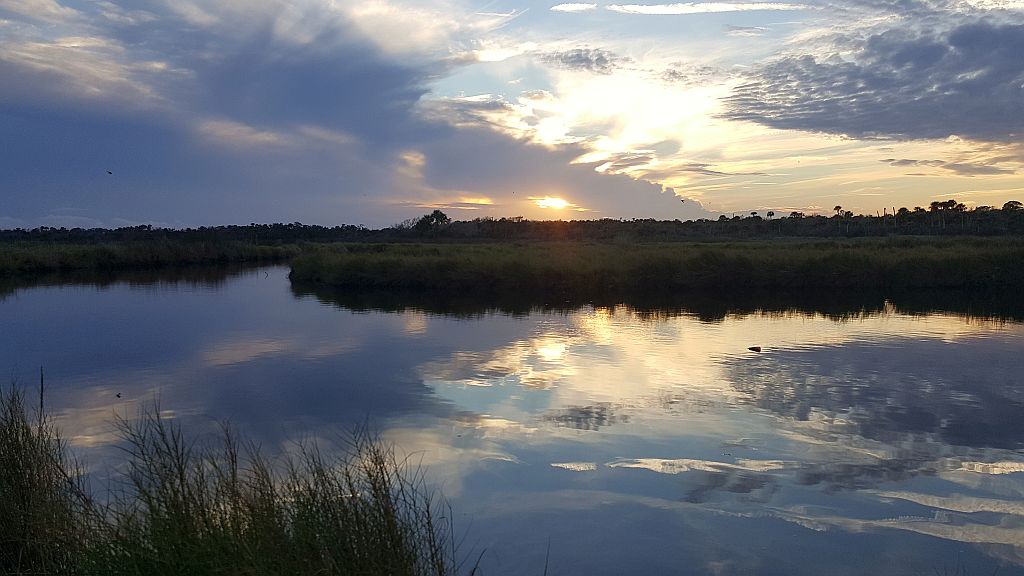 The Mosquito Lagoon and Indian River:
East Central Florida anglers know that November is one of the most productive months to fish Florida’s east coast. Although it’s close to the end of the of the mullet run, waves of black and silver mullet have been migrating south through the lagoon and along the beaches. Along with this seasonal migration comes cooler water temperatures and an influx of predators looking for warmer waters and an easy meal. The Northern portion of the Indian River Lagoon is still plagued with the brown algae bloom which makes sight fishing difficult, however, as the water cools down during the winter months and fishing pressure is reduced, we expect the water clarity to gradually improve throughout the area. Despite the water clarity, the fishing for cruising reds, spotted sea trout, and even a few tarpon has been good on the deeper flats, in open water, and along the mangrove roots in the lagoon system. Schools of finger mullet are not as abundant in the Indian River as they had been, which makes the morning topwater bite a hit or miss proposition in many areas. The silver mullet migration from the Mosquito Lagoon usually leads to good numbers invading the Indian River and NIRL flats. This is when topwater anglers working the shorelines of the Mosquito Lagoon and Indian River during the early morning hours with "walk the dog" type top water baits like Skitterwalks, XPS SlimDogs, and popping baits like Chug Bugs can catch some quality sea trout, redfish, and snook. 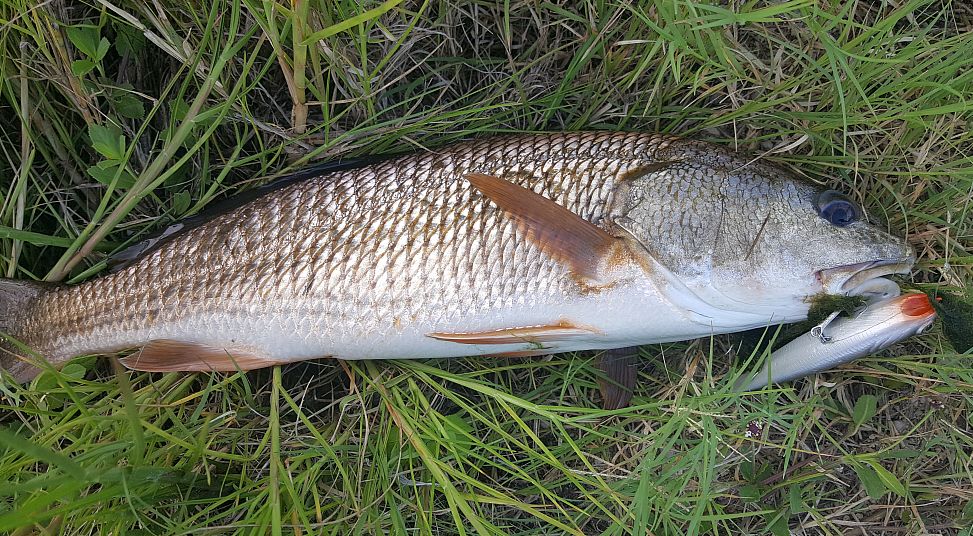 When the topwater bite dies down, a three inch Bass Assassin on a jighead or a CAL Jerkbait will often score on trout, reds, snook, and even flounder. With the current water conditions in the lagoon system, transiting to cut baits when the topwater bite slows down is a much better option. Anglers fishing with live or cut baits definitely have the edge on "catching" instead of "fishing". Regardless of water clarity, it's hard to beat a live shrimp or pigfish free lined or under a popping float for spotted sea trout; and a fresh cut chunk of mullet is always productive for trout and redfish. As the mullet run subsides near the end of the month, the redfish and sea trout on the lagoon flats will begin their transition from feeding on finned fish to shrimp and crabs. Also, as the water levels begin to drop and the water begins to clean up; sight fishing will also improve and tailing redfish will become a more common sight. Tailing redfish and black drum target smaller baits, and except for a live shrimp; nothing beats a well presented DOA Shrimp, 3″ DOA CAL paddle tail bait, or a well placed imitation crab fly to get their attention. Right now smaller baits are attracting more hits, especially with sea trout. November is also when you can see some very large redfish in very shallow water aggressively chasing baitfish during the early morning hours. This scenario is perfect for fishing topwater baits. Recommended tackle for this type fishing is 10 to 20 pound Power-Pro or other braid for the main line, and a 20 pound fluorocarbon leader tied to a Skitterwalk or other topwater bait. The notoriously brown waters of the Banana River haven't cleared up much, and although anglers fishing between the 520 and 528 causeways and around the thousand islands have been catching a lot of slot size redfish on cut baits, the catfish are also abundant. The bite in that area seems to pick up around 10:30 am to 11 o'clock. The canals in the Satellite and Indian Harbor Beach areas are still holding good numbers of spotted sea trout, redfish, snook, and juvenile tarpon. Despite the fact that the pilchards have moved out of this area and live bait is scarce, the fishing around the mangrove shorelines has been consistent. Since last week, the tarpon bite in the lagoon system has starting to slow down but, juvenile tarpon are still hitting in and around the shallow creeks and larger tarpon can still be found almost everywhere in the river out to the beaches. The northern end of the Indian River around Shiloh Road, the ditches around Bio Lab, and the shallow grass flats at East Gator Creek are holding good numbers of smaller juvenile tarpon and under slot snook. You have to work for a bite, but the fish are there. You can occasionally see them rolling on glass minnows and mullet, but too often they develop a case of lockjaw. Smaller topwater baits smeared up with some Pro-Cure work well early in the morning and close to dusk. 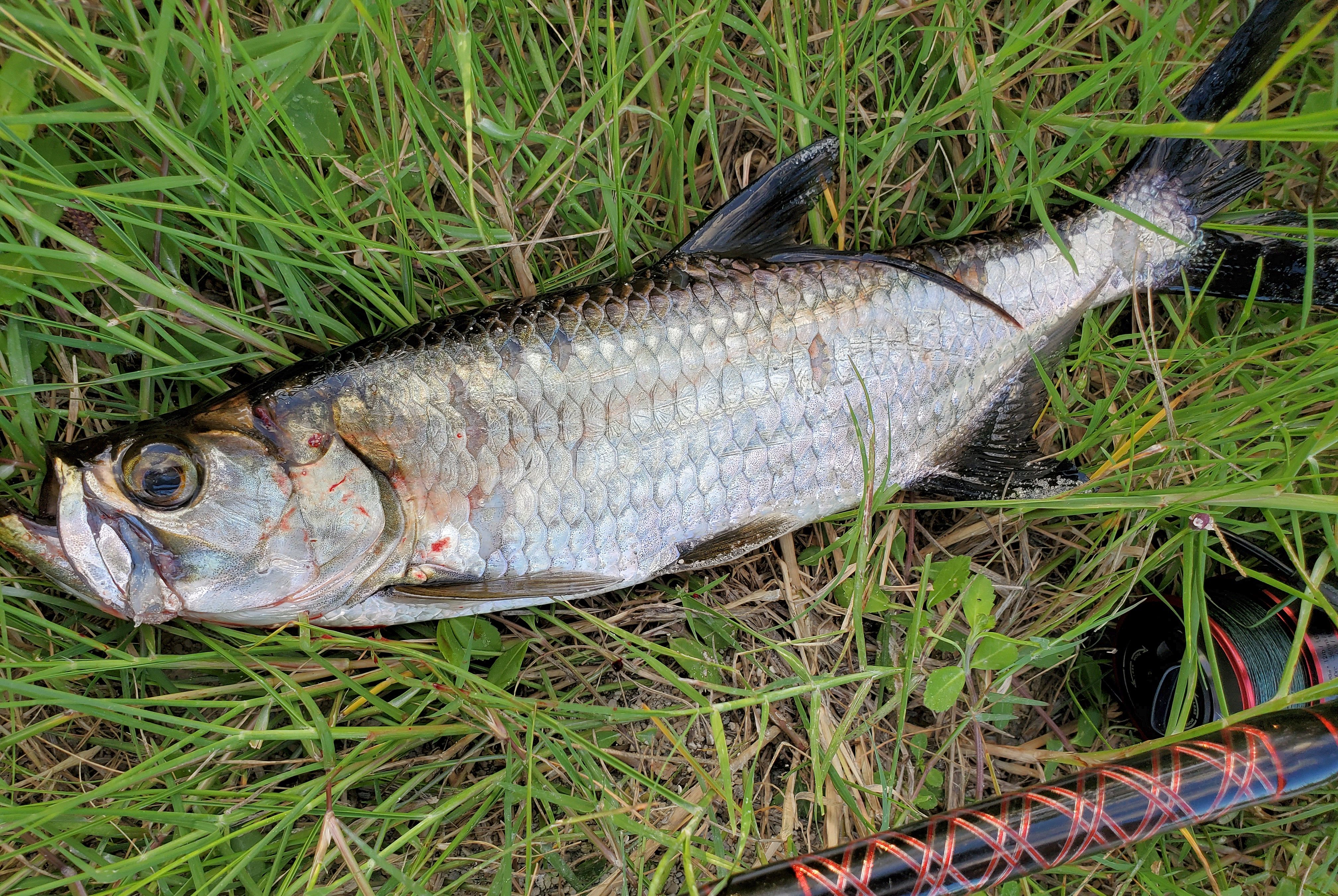 If you like fishing for black drum, the schools are still roaming the Indian River from Scottsmoor to south of Port St. John. Bank fishermen along Catfish Creek loop, Gator Creek, the A. Max Brewer bridge are still making sporadic catches of drum up to 20 pounds. Most anglers have been using live shrimp or fresh dead shrimp for bait on standard sliding sinker rigs. Bank fishermen along the causeway east of Parrish Park have been also been picking up slot size redfish on live finger mullet and cut baits. The bite has been sporadic with the best bite occurring close to dusk. Port Canaveral, Jetty, and Nearshore Fishing: As the water temperatures cool, the near shore bite out of Port Canaveral, Ponce Inlet, and Sebastian Inlet will begin to heat up. When you can get out there, shark, bull redfish, and snook will be the main attraction for anglers working the mouth of the inlets and around the jetties at Ponce Inlet and Port Canaveral. Nearshore fishing has been insane for sharks these past weeks, as well as for bull redfish. Most anglers targeting bull reds have been using cut chunks of mullet on a sliding sinker rig but fresh cut blue crab, pinfish, croakers, and pilchards also work well. A 3 to 4 ounce sliding sinker rig with a 3 foot section of fluorocarbon leader and a 6/0 or 7/0 circle hook is pretty much the standard rig for bull reds. If you can find a non-windy day to get offshore, you will also be able to find kingfish, Mahi, a few random cobia, and an occasional sailfish. The anglers who are making it offshore and enduring the strong winds and rough water conditions have been focusing on the 90 foot and deeper reefs where the snapper and grouper bite has reportedly been very good this past week.
Slow trolling a live mullet or menhaden on a stinger rig around the bait pods, scattered bottom structure and ledges out 5 or 6 miles from the beach is one of the most popular methods for catching kingfish in our area. Although Kingfish in the 20 pound range are common out of Port Canaveral, fish in the 50 pound plus range are brought in on an almost regular basis. Cobia, tripletail, and ocean flounder have been showing up along the Port Canaveral buoy line and on the weed lines both inshore and offshore. As the waters become cooler, it will trigger the snook and tarpon bite both along the beaches and in the inlets. Surf Fishing: October and November is when the schools of Pompano start their annual migration down the beaches of East Central Florida towards the south. Playalinda Beach in the the Canaveral National Seashore is considered one of the better areas for Pompano in East Central Florida. In several areas, the beach at Playalinda drops off sharply forming deep troughs that the pompano use that are within easy casting distance from shore anglers. While the baitfish run is still going strong, snook can also be found in the troughs along our beaches, as well as around the mouth of our inlets, and near shore. Red and white flair jigs, silver spoons, soft plastic baits, and Rapala diving plugs are all productive for snook. Until the first cold front hits our area and the water temperature at Playalinda gets to around 78 degrees, the resident pompano in the lagoon system will normally remain in the river. As the water temperatures drop during November or December, the resident population of pompano make their way out to the beach where they meet up with the migratory fish that are coming down to our area from the Carolina's. Until the pompano start to show up in better numbers; expect to catch whiting, a lot of under size pompano, black "puppy" drum, redfish, bluefish, Spanish mackerel, and snook in the surf. 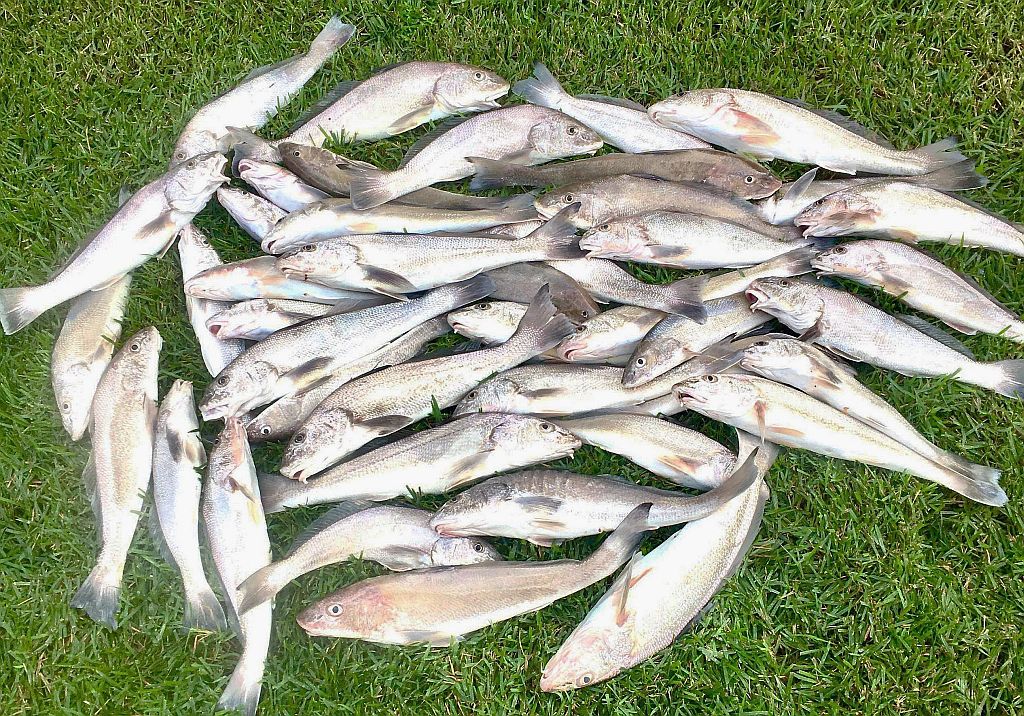 Conditions along our beaches settled down nicely last week after about 10 days of big tides, big waves, high winds, and weeds. The persistent surf fishermen who hit the sand at sunup using sand fleas and fishbites were making nice catches of whiting, undersized pompano, ladyfish and palometa along with the occasional catfish. Two and three hook surf rigs baited with sand fleas are a staple offering, but fishbites, small pieces of shrimp or clam work just as well as the fleas. Traditional pompano jigs, “goofy” jigs, and very small silver spoons will usually catch the more aggressive and active pompano. This eliminates dealing with the by catch of catfish and other undesirable species. Expect to have some ladyfish and bluefish activity if you’ve decided to toss spoons or jigs. If you're targeting bluefish or Spanish mackerel when the baitfish are visible in the waves, use a chunk of mullet or a live finger mullet on a long shank hook heavy fluorocarbon leader to minimize cutoffs. When the bluefish are running thick along the beach, many surf fishermen will start tossing small silver Krocodile spoons or small shallow lipped diving plugs with short wire or heavy fluorocarbon leaders into the surf. When the fish are thick, you can hook one on almost every cast.
Crappie Fishing: 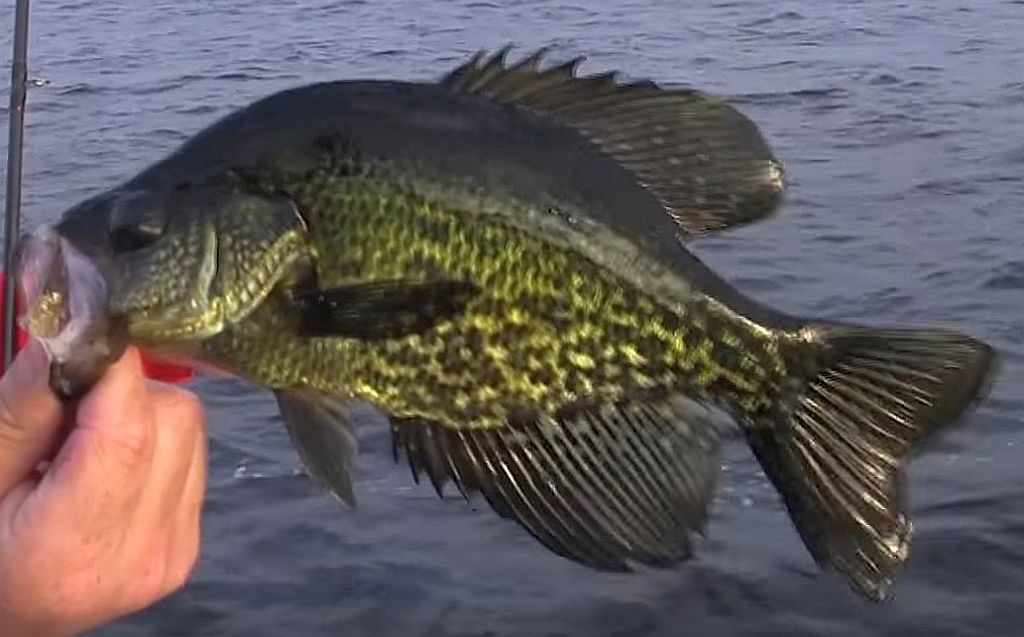 Florida is called the Speckled Perch Capital of the world and most of our lakes hold a generous amount of these tasty panfish. Florida is called the Speckled Perch Capital of the world and most of our lakes hold a generous amount of these tasty panfish. Although they can be caught year round, speckled Perch or Black Crappie fishing typically fires up in our lakes durinng October and November. Below is a list of some of the best crappie lakes in our area by county: Brevard County… Lake Washington, Lake Winder, Lake Poinsett, South Lake, Sawgrass Lake Seminole County... Lake Harney, Lake Jessup, Lake Monroe, St.Johns River Yesterday, I received a report from a kayaker friend who trolled the area and picked up 13 Specks, several Mayan Cichlids, a bunch of bass in the 12 to 14 inch category and a couple of fat bass over 5 pounds. He was working a Mr. Crappie Sausage head on 4 pound test line and released all the fish to fight another day. Another angler who was fishing Lake Monroe reported catching 27 crappie and a couple of small bass on minnows with chartreuse colored jig heads. They were also fishing with chartreuse colored jigs using 4 and 6 pound test line throughout the day. As the weather cools down, the bite is expected to get better on all of our area lakes. I may just have to tow my flats boat to Lake Harney when I get back home and give it a try. I love eating fresh caught crappie. Until next time, Tight Lines and bent rods! |
|||||||
| Link One | Link Two | Link Three | Link Four | Link Five | Unsubscribe to this newsletter |