Your October 2020 Mosquito Lagoon & Indian River Fishing Report
Published: Thu, 10/01/20
| Newsletter Issue # 135 | October 1, 2020 |
||||||
Mosquito Lagoon & Indian River Fishing |
|||||||
|
The Mosquito Lagoon and Indian River:
The brown algae blooms have made sight fishing in the lagoons impossible but despite the crappy looking water conditions, the redfish and sea trout bite has been pretty good. Water levels in the Mosquito Lagoon and Indian River are way up, allowing the fish to access very shallow water areas that they haven't been able to forage during the summer months. In many cases, flats boats are unable to get way back into the flooded marsh and mangrove areas where the fish are feeding, so unless you wade these areas, the best way to catch them is to stage at the entry points and fish with either live or cut baits, or noisy top water plugs that call the fish to the bait. Getting out early and pitching a topwater Rapala Skitter Walk, Twitchin Minnow, Badonk-A-Donk, or a 5" Saltwater Assassin in the shallows around pods of mullet is the ticket for catching the larger slot size and over fish. Strategic positioning is key to catching fish without spooking them when fishing very shallow water. You need to stay far enough away from the ingress and egress points in the shallows so you don't spook the fish that are trying to use them. This means making extremely long casts into the strike zone. Windward points are also great places to prospect. The sea trout, reds, and snook will stage in these areas waiting for mullet to swim by. Set up around any kind of mangrove point or cut where there is good water flow and the wind is behind your back and fish the area with a loud popping cork with a Gulp Shrimp or a large noisy topwater bait smeared up with some Pro-Cure. When the water levels return to normal, the fish will return to their normal feeding patterns. Every year during September and October the female "bull" redfish gather up to spawn in the deep water flats of the northern Indian River. In East Central Florida, these two months are the most important times to fish for trophy bull redfish in our lagoon system. These fish are anywhere from 20 to 40 years old and can be found along the deep edges of sandbars, drop offs, and deep water canals where they can be caught using cut or live ladyfish, mullet, or blue crabs. Artificial baits like large gold spoons, large swim baits, and topwater plugs are also effective, especially when sight fishing conditions are favorable. Often during these conditions, it's pretty common to see the fish daisy chaining in a circle. Upsize your tackle when targeting bull reds. Most anglers prefer a 4000 or 5000 size reel with 20 or 30 pound Power Pro or other braid, and a 30 to 40 pound fluorocarbon leader. Most fly fishermen gear up with a 9wt or 10wt outfit to tackle these bruisers. Tarpon are still chasing mullet throughout the lagoon system and along our beaches. The best way to catch them is to sight cast a live blue crab or baitfish to the fish. Look for rolling fish and pitch the bait just a bit ahead of them to hook up. Juvenile tarpon are still in the creeks chasing baitfish along the banks in the Shiloh Road area and around the residential docks in the river system. The Vistas along the road going into Playalinda Beach are hit and miss for tarpon. When you can spot the fish, they will usually respond to a well placed lure. On the beaches, look for the mullet pods and you might be able to see the tarpon turning cartwheels through them. Two weeks ago at Playalinda Beach, surf fishermen had to get out of the surf because of the tarpon and sharks that were all over the place. One of the surf fishermen that was out there said that the area looked like a "war zone". The average size tarpon in our lagoon system is weighing in between 20 to 60 pounds. The average beach tarpon has been running from about 50 to 100 pounds. Black drum fishermen have been doing well from Scottsmoor down to Parrish Park East of Titusville, all the way down past the NASA Causeway to Port St. John. Schools have been spawning on the deeper flats and singles can be found almost anywhere in open water and along the ICW. With the brown algae colored water conditions we are experiencing, the best way to target them is with a piece of shrimp or section of blue crab. Black Drum feed by scent and often an old smelly shrimp will out fish a live or fresh dead shrimp. In clean water areas like the shallow weedy flats in East Gator Creek and Catfish Creek, you can sight fish for them using a 4 inch Saltwater Assassin Sea Shad smeared up with some Pro-Cure. Bank fishermen along the causeway East of Parrish Park, Catfish Creek Loop, Gator Creek, and Pump House Road have been making catches of mostly slot size redfish, black drum, and occasional spotted sea trout. The most effective bait of choice right now is a live finger mullet. The culverts are open and just about anywhere you have running water, you should be able to net up some mullet for bait. These areas also provide some good fishing opportunities, especially during the early mornings and late afternoon hours, up to an hour after sunset. Most of the drum caught in our area right now are in the 20 to 25 pound category. I've noticed some anglers trekking down the overgrown path that used to be Peacocks Pocket road. With the high water levels we are experiencing right now, the fishing in the ditches and shallow ponds is getting really good for big sea trout, redfish, and black drum. If you don' t mind taking a long walk and losing a lot of fish and lures, you might consider walking Peacocks Pocket Road from either entrance. Walking in from the small boat launch is less demanding and gives access to sea trout, redfish, and black drum on the river side or in the marsh canal. Entering from the Catfish Creek Loop side is more challenging. It is more densely overgrown and fewer areas to cast, but there are some good fish in the ditches as well as the Indian River side. Gold Johnson Sprite spoons, Creme WildEye Swim Shad, D.O.A. Jerk baits, and small Chug Bugs are the most productive baits. Look for single fish busting on baitfish along the bank and cast ahead of the fish when you can. Port Canaveral and Nearshore Fishing: When you can get offshore, locate the edge where the water starts to clear up and look for cobia, dolphin, and tripletail around the weed lines and other floating debris. When the seas allow fishing farther offshore, the tilefish bite for the guys that have been deep dropping has been nothing short of fantastic. 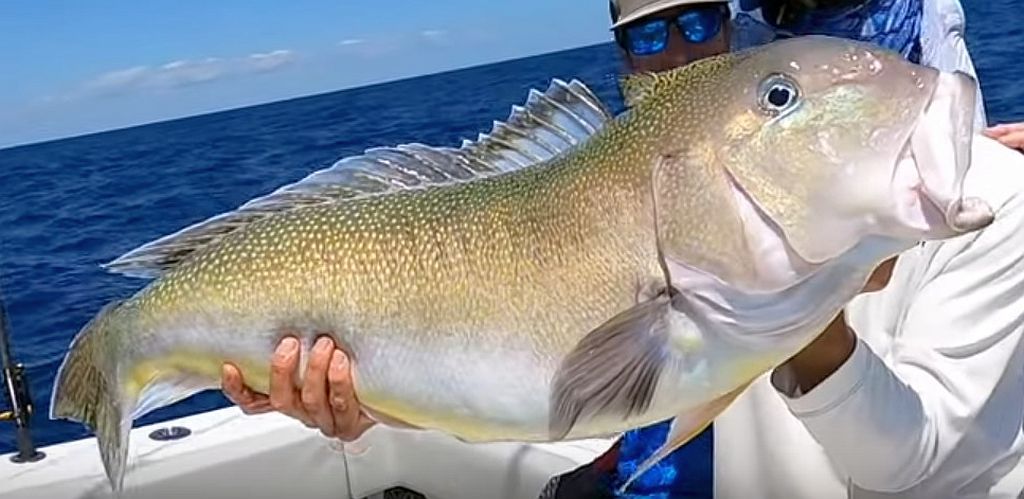 In 500 to about 650 feet of water, drop a cut piece or a whole squid and drift it with enough weight to keep it just above the bottom. Tilefish are stupid easy to catch, are superb table fare, and have been averaging anywhere from 6 to over 20 pounds. Most of the guys that concentrate on deep dropping are running out anywhere from 35 to 60 miles to fish. Tilefish over 20 pounds are considered a common catch right now, as are other deep water species like rosefish, yellow edge grouper, Barrelfish, etc. The fishing out of Port Canaveral had been pretty good all around until the weather changed. The bite offshore for Mahi and kings was decent and the nearshore bite for bull reds, snook, and shark was on fire. This weeks 40 knot winds has everything pretty much screwed up, but as the water clears up, the bite should return to normal. This past weekend, the bottom fishing for bee liners, triggers, and even a few grouper and jacks was pretty good for the chicken riggers. The water was dirty pretty much all the way out to the Gulf Stream which put down the kings but as the water clears up, the bite should return to normal. Every year during September and October, cobia, kingfish, Spanish mackerel, big jacks, bonito, and tarpon are some of the predatory game fish that following the baitfish run from Ponce Inlet, past Port Canaveral, all the way to Sebastian and Fort Pierce Inlet. When the big Manta Rays move closer inshore, you can expect Cobia to be shadowing them. During calm seas and brighter days, you will see a lot of sight fishermen pitching live baits and artificial lures to them. The most targeted spots in our area are north of Canaveral toward the tip of the Cape, and south to Cocoa Beach past Patrick AFB. The Freddie Patrick boat ramp just west of Jetty Park is less than a mile from the open ocean and is a popular launching area when the cobia are running. Kingfish is a staple in our area and are targeted in pretty much in the same areas including the waters north of Playalinda Beach and the Canaveral National Seashore. Slow trolling a live mullet or menhaden on a stinger rig around the bait pods is the most popular method for catching kingfish in our area. Targeting the pods, small ledges, and scattered bottom structure as close as 5 or 6 miles from the beach is productive this time of the year. When the Kingfish bite is on, fish in the 25 to 30 pound range are common out of Port Canaveral, with occasional "smoker" kings in the 50 pound plus range being a regular catch. Around Sebastian Inlet, most anglers targeting kingfish are concentrating their efforts along the inshore ledges and shallower reefs north and south of the inlet. Jetty Fishing: With the mullet run in full force, anglers fishing the Inlets, passes, and jetties from Ponce Inlet all the way down to Sebastian have been catching a lot of fish. Big bull reds are at the inlets, around the jetties, and in the lagoons. The easiest way to catch them in the inlets is to use a live or fresh cut bait. The hottest spots for bull redfish are at the Ponce Inlet jetties (when the water isn't too rough for anglers to get out there to fish); at Port Canaveral (inside the bight from the tip of the Cape to the bight is really hot), and at Sebastian Inlet. Most anglers have been fishing live baits and throwing R&R Tackle Flair Hawks. Big bull redfish and snook have been holding along the drop offs in the jetties and channels, and the guys using large chunks of ladyfish, mullet, Spanish mackerel, or even bluefish have been doing quite well. 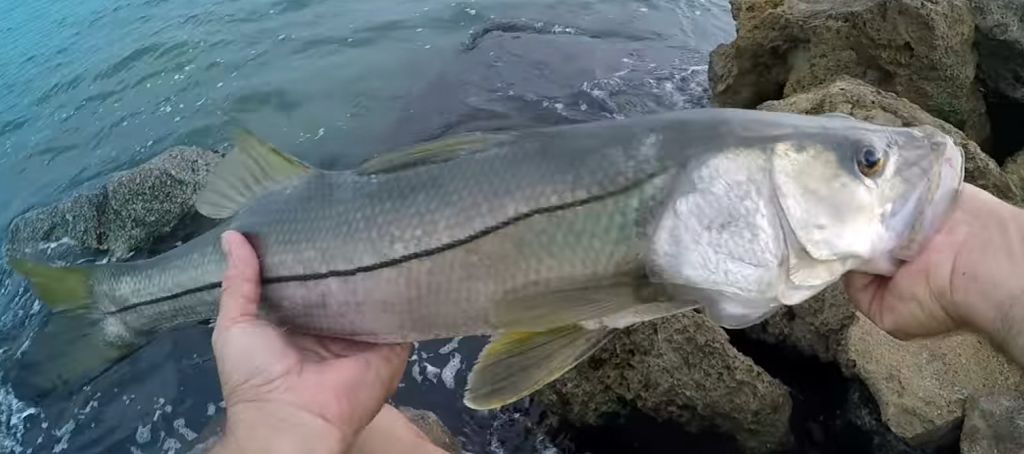 Most fishermen are using 3 to 4 ounce sliding sinker rigs with a 3 to 4 foot section of fluorocarbon leader and 6/0 Owner circle hooks to present their baits. Jetty fishermen live lining large mullet, pinfish, or Croakers on 5/0 or 6/0 hooks tied to 50 lb. fluorocarbon leaders have also been landing some nice snook around the rocks. The fish are running in the 20 to 40 inch range and have been holding in the same general areas as the redfish. Night fishing for snook around the rocks, bridge abutments, and sea walls at Port Canaveral and at Sebastian Inlet has been good for the past weeks. The small sandy beach area West of the bridge is also a good spot for flounder if you fish with a live mullet or mud minnow on a fish finder rig. Bounce the bait around where the rocks but up against the sandy bottom. Casting a small white hair jig tipped with a small piece of shrimp will cover more ground and works almost as good as live baits. The pier at Jetty Park, the sea walls at Port's End Park along the west end of the Port, and the rocky jetties at the west end of Jetty Park are all popular locations for winter flounder fishermen. Playalinda Beach Surf Fishing: Playalinda Beach in the the Canaveral National Seashore is one of the better, least advertised "hot spots" for Pompano in East Central Florida. Just north of the Kennedy Space Center and the Cape Canaveral Air Force Station, Playalinda Beach is the longest stretch of undeveloped beach on the East Coast of Florida. The Pompano fishing from Playalinda to Cocoa Beach this month hasn't been a disappointment to surf fishermen. Towards the latter part of this past week, even though there were lots of seaweed mats amid the swells, a lot of under size pompano were being caught in the surf along with many keepers in the mix. Doubles and even triples of pompano were not uncommon as the schools zipped through the surf zone.
Shore Tarpon fishing is a seasonal event that only occurs during the height of numerous baitfish runs. Free lining a large mullet or croaker out from the surf is a proven tactic to jump a silver king. Look for diving birds and bait fish blowing up in the surf and hook a mullet in the back dorsal or anal fin so it can easily make it's way out from shore. This same tactic is also effective for snook and sharks when the bait pods are pushing along out coastline. When the baitfish run subsides, the window of opportunity closes to this type of fishing however, it will still be a prime time for fishing the beach for a mixed bag of all sizes. For those of you who don't already know, a daily $10.00 per vehicle Park entrance fee is charged to fish Playalinda Beach; or you can purchase a $40.00 annual Canaveral National Seashore/Merritt Island National Wildlife Refuge Park Pass at the entrance booth. If you are 62 or older, you can buy a Senior Lifetime Pass for $10.00 or an America the Beautiful Annual Pass for $80.00. A signed Refuge Sport Fishing permit that must also be carried on your person while fishing in the Merritt Island National Wildlife Refuge is also necessary and can be picked up at the entrance booth, any of the kiosks, or by downloading it HERE. The self-issuing permit makes sure that you have read and understand all the rules and regulations pertaining to the Merritt Island National Wildlife Refuge. Haulover Canal: Every month we comment on the variety of species that can be taken in Haulover Canal, but during the September and October spawning migration, virtually everybody targets "bull redfish". 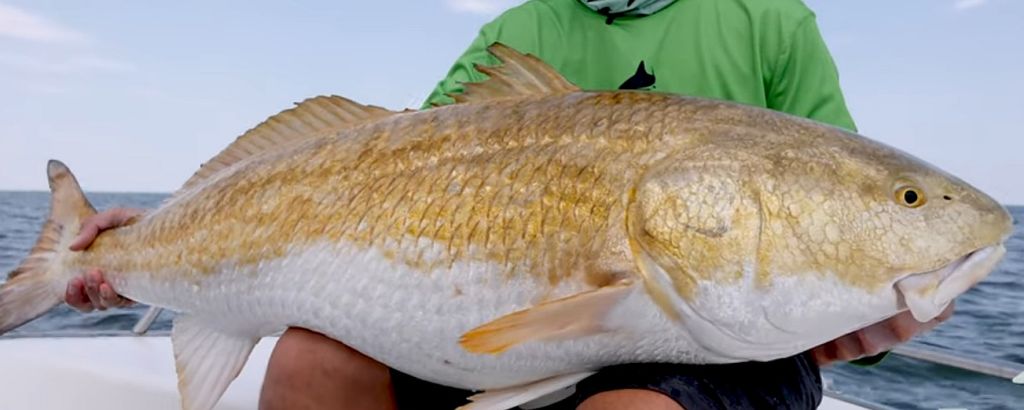 The unique population of redfish that we enjoy spend their entire lives in the shallow estuarine system, unlike the reds in other coastal areas that migrate offshore to spawn. The fish use Haulover Canal to move from the Mosquito Lagoon into the Indian River where they find deeper water for their spawning ritual. The section of the five mile wide Indian River bet5ween Mims and Scottsmoor north of Titusville are where the reds gather into huge schools to search out the deeper holes and channels. If you spot a school pushing a wake or females daisy chaining near the surface, you're in luck. The larger fish usually lead the school so it's better to approach them from the side and cast to the leaders if you want a real trophy. As the reds move through the canal, bank fishermen using a large live bait, chunk bait, or a whole blue crab have the opportunity of picking up a trophy red in the 40 pound plus category. Keep the bait on or near the bottom with an appropriate weight and use a heavy fluorocarbon leader with a 5/0 or 6/0 VMC circle hook as terminal tackle. Just about anybody who has fished at Haulover Canal will tell you that it's a good idea to use Power Pro or some other braided line as your main line. Braided lines are stronger and more resistant to cutoffs from the Coquina rocks that line the banks of the canal. The rocks can play hell with monofilament, especially with a really big fish. No night time bank fishing is allowed at Haulover Canal but anglers in kayaks and a variety of boats can be spotted night fishing almost any time of the year. IRL Clam Restoration Project: We continue to believe that the clam restoration project that has been going on in the Indian River Lagoon is essential to the health of all our lagoon systems. Clams and oysters are filter feeders that clean suspended impurities from fresh and saltwater. Over harvesting of clams in past years is believed to be one of the causes of the continuous brown algae plague that we endure every year. When I first moved to Florida, I remember watching the fleets of clam skiffs from the NASA Causeway bridge. The clammers had long rakes that they used to fill up their sacs which they eventually unloaded at Port St. John boat ramp. Over harvesting decimated the fishery to the point that clamming was no longer viable however, the long term effect to our lagoon system was the build up of brown algae that blocked out the sunlight and killed off the sea grasses that makes the whole ecosystem function so perfectly. Unfortunately it took scientists at the University of Florida Whitney Labs until now to realize that our waters were not being adequately cleaned by the shellfish that we over harvested however, they have developed a "super clam" that is hardier and more tolerant to fluctuations of water chemistry that they have been introducing into the lagoon systems to filter the water. In partnership with locals who have existing clam leases, the "super clam" spats are being distributed and covered up with netting to protect them from predation in our lagoon systems until the clams reach spawning size (approximately 1"). Once adequate breeding populations have been introduced and stabilized in the waters of our lagoon systems, the sea grasses will again flourish creating the nursery for shrimp, crabs, fish, etc. that we all enjoy. 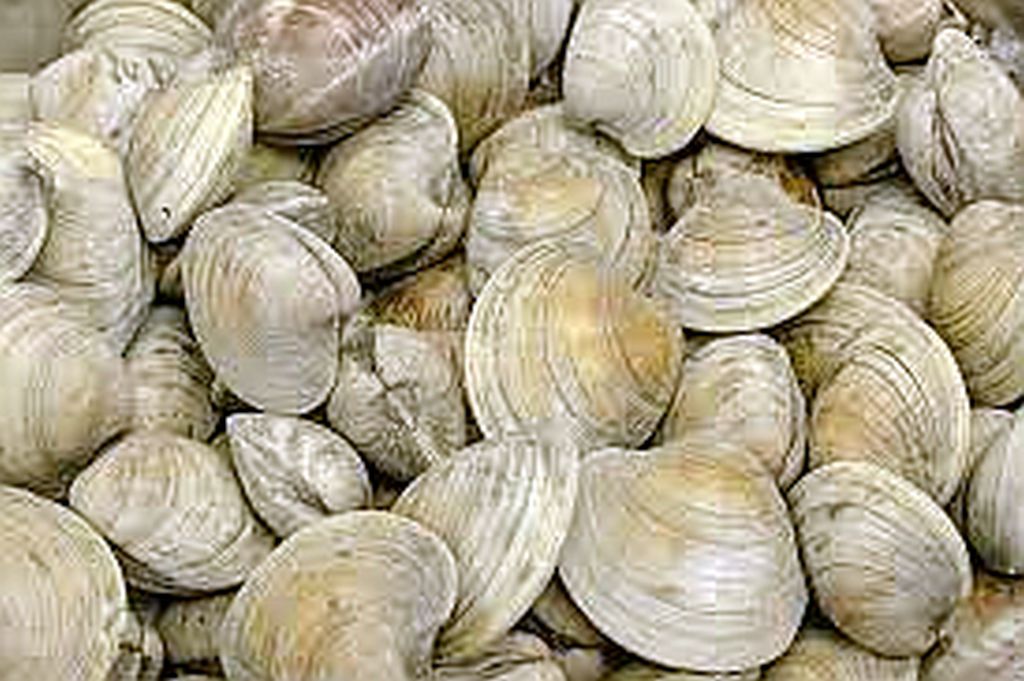 The IRL Clam restoration banquet is being held on October 5th. at the Cocoa Convention Center from 5:30 am to 10:30 pm. to raise funds for the much needed project. The IRL Clam restoration banquet is being held on October 5th. at the Cocoa Convention Center from 5:30 am to 10:30 pm. to raise funds for the much needed project.There is going to be a kids fishing tournament (6-12 years of age) that starts around 8:00 to 8:30 am with special guests that include Roland Martin, Capt. Jim Ross, Shawn Grisby, Bobby Lane, Blair Wiggins, and many others. The general admission is $50.00 to get in the door, which includes a Fish Fry and BBQ Dinner in the evening with chicken, ribs, and BBQ plus 1,000 clams for you to put in the local waters. Live and silent auctions will also be held in the evening to help raise money for the Indian River Lagoon Clam Restoration Project. $200 VIP tickets are also available that includes a Private Celebrity Dinner in the Porcher House. The IRL Clam Restoration project is a long overdue necessity to restore the water quality in the Indian River Lagoon System back to it's previous state. To donate to this fund CLICK HERE. For tickets to the banquet CLICK HERE: Learn more about the project here: Video 1, Video 2 Until next time, Tight Lines and bent rods! |
|||||||
| Link One | Link Two | Link Three | Link Four | Link Five | Unsubscribe to this newsletter |