Your April 2020 Mosquito Lagoon & Indian River Fishing Report
Published: Wed, 04/01/20
| Newsletter Issue # 127 | April 1, 2020 |
||
Mosquito Lagoon & Indian River Fishing |
|||
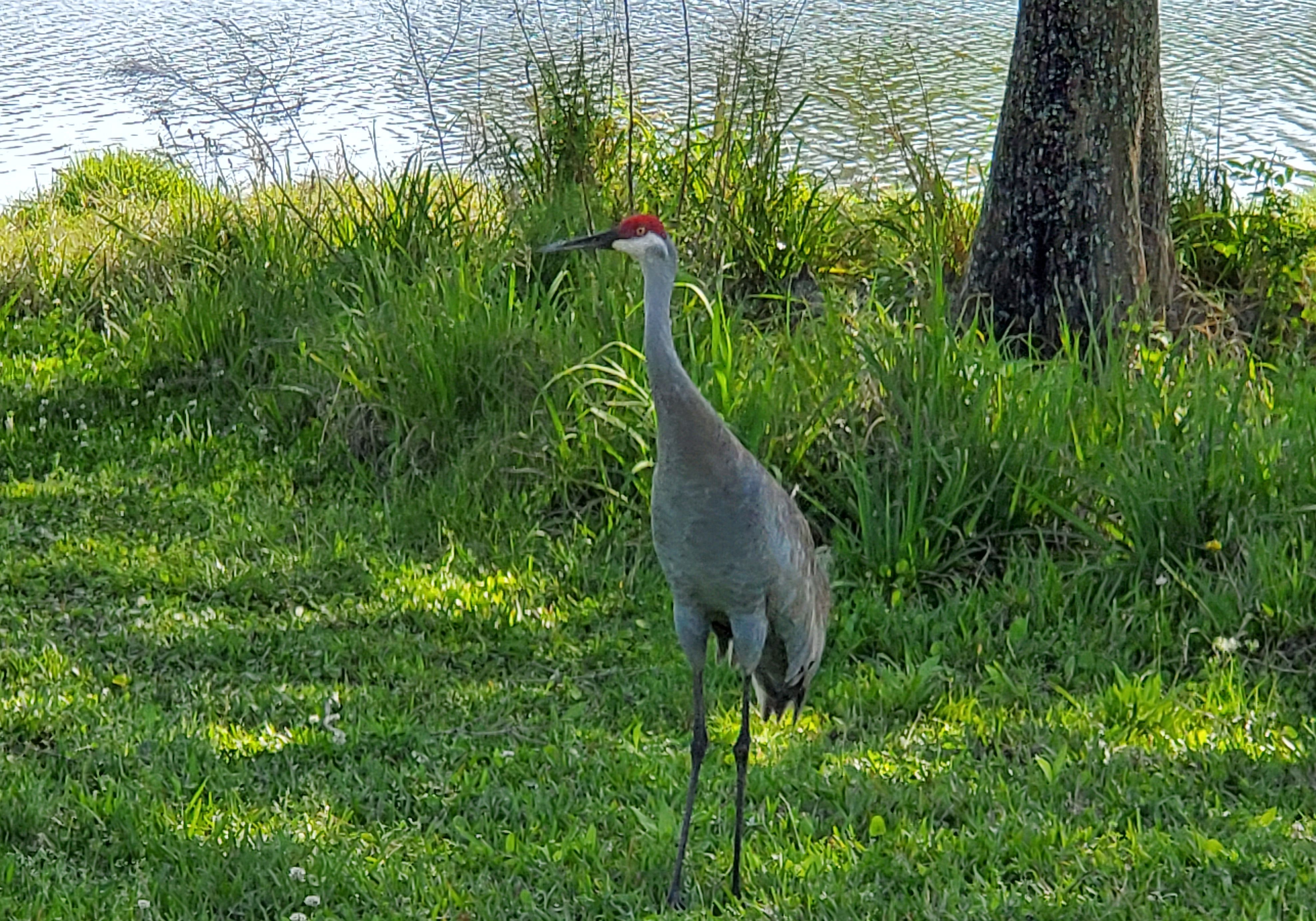 The Mosquito Lagoon, Indian, and Banana River The hourly gloom and doom we have been subjected to by the news media about the COVID-19 virus has the entire country topsy turvy, but if we practice good hygiene and "Social Distancing" we can beat this nasty virus and still enjoy good fishing on our local waters. The northbound silver mullet migration along our beaches will begin to show up on our inshore flats as the water warms up. The baitfish migration marks the beginning of the springtime feeding transition when most predator species will shift back from eating shrimp and other crustaceans to eating fin fish. As the water in the lagoon flats this April continues to warm up and the migrating silver mullet schools begin to appear in good numbers, we can expect to see big sea trout, redfish, Jack Crevalle, bluefish, tarpon, and ladyfish following the bait pods. April is when the early morning topwater bite peaks in our area and anglers using Chug Bugs, Zara Spooks, Mirrolures, SkitterWalks and anything that mimics a baitfish can get in some heart stopping action. Female sea trout are super aggressive during the spawn and will often smack a Chug Bug or SkitterWalk completely out of the water if they don't get hooked on the first hit. I've had hungry sea trout hit a lure all the way back to the boat for a second, third, or even a fourth shot at the bait. . As the midday sun hits the water, switch over to soft plastics and jigs to fish in deeper (2 to 3 feet) water, for trout and redfish. The Mosquito Lagoon trout bite is really good right now with fish up to 27 inches being caught on live finger mullet. The caulerpa and grass areas around Widgeon Bay and Cucumber Island seem to be where most of the larger trout are holding this past week. In the Indian River, the black drum are holding around any of the bridges in the Indian River from Titusvile all the way down to Cocoa. Redfish are all along the flats and in the mouth of any of the creeks, as well as in the residential canals that you find along the Merritt Island causeway farther south. The spring run of shrimp has arrived in the Edgewater and Titusville area. The shrimp are coming through with the tide down the Intracoastal Channel and the back country creeks and channels where redfish, spotted sea trout, and snook are ambushing them. Right now, live and artificial D.O.A. shrimp smeared with some Pro-Cure scent have been the baits of choice for anglers in this area. The Tomoka River north of Daytona Beach is a picturesque backwater area that fires up during April for Snook, small tarpon, and even a bass or two. Around the Three Sisters area, the tarpon bite has been pretty good, as well as the mangrove snapper bite around the docks in the Edgewater area. The black drum bite in the Edgewater area in the channels and back water holes has been getting better every day. Although most of the fish are small with most catches in the 5 pound or less category, they are good eating at that size and fun to catch. 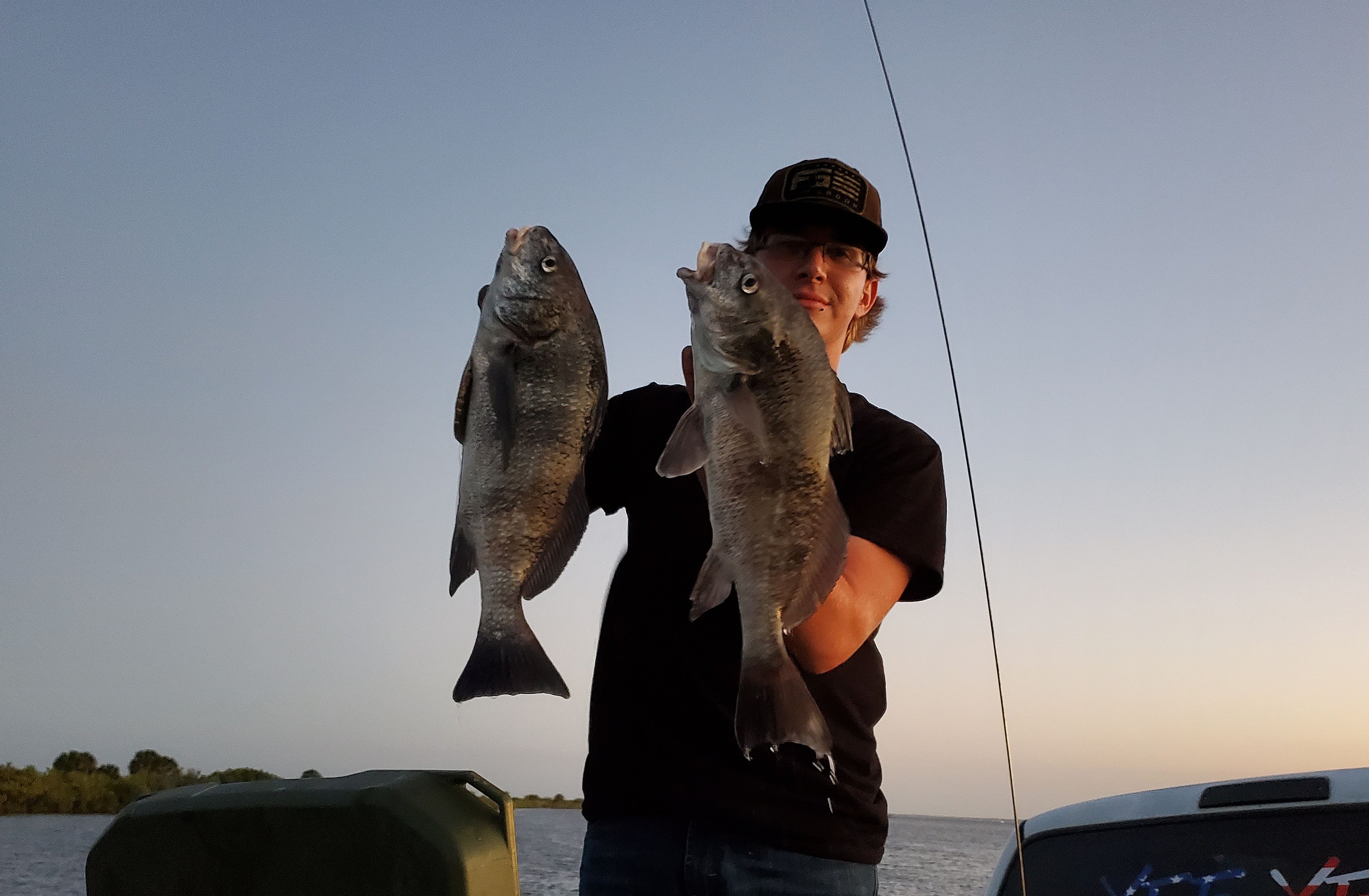 Farther south in the Mosquito Lagoon and north Indian River, where the schools of black drum are more abundant, the fish are ranging in the 15 to 25 pound category if you look in the right places. Baits of choice are shrimp and sections of blue crab. Many anglers believe that the redfish populations in the Mosquito and Indian River Lagoon have diminished along with the seagrass. The reds are still out there, but catching them can be much more challenging. You need to look long and hard in the right locations to find and catch them. This year the water clarity in the lagoons has improved greatly, which should promote the return of the sea grass and the baitfish that it supports. Playalinda Beach Surf fishing at Playalinda Beach has bee shut down due to the COVID-19 virus but if you can find beach access, we are still hearing consistent reports of pompano, whiting, and black drum being caught in the surf. The surf around Patrick AFB and the beaches in the Treasure Coast area have been producing good catches of bull whiting, pompano, and Palmetto. Most anglers have been using sand fleas and fishbites on standard surf rigs. The guys using cut baits or live mullet in the surf have been catching bluefish and a variety of sharks in various sizes. When the baitfish run peaks along our beaches, live baits, Lure Jensen spoons, and lipped hard baits resembling a baitfish become the baits of choice. Casting small silver spoons, Mirrolure or Gotcha plugs into the near troughs can be deadly when the bait pods are in the surf. 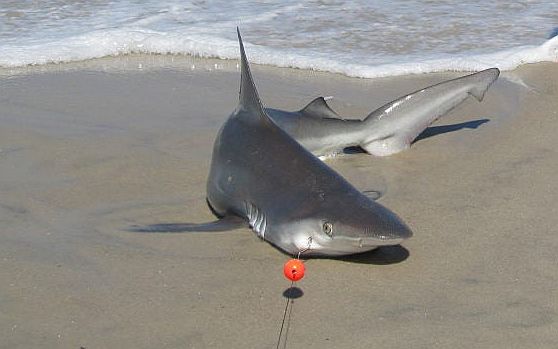 If you're targeting shark when fishing from the beach, be sure to have a free shore based shark fishing permit with you. As of July 1, 2019, it is required for anglers 16 and older in addition to a saltwater fishing license for anyone targeting or harvesting sharks from the beach, shore, including any structure attached to the shore such as jetties, bridges and piers. It is available at GoOutdoorsFlorida.com after completing the Shore-based Shark Fishing Educational Course. Right now the shark fishing all along our beaches is still on fire if you can get to a beach that is still open. Several species of all sizes are cruising up and down the beach from the shore break out to about a mile from the sand. Live mullet and large chunk baits fished on wire leaders with large hooks and heavy Power Pro or other braid as main line, on heavy action sticks will get you hookups on the heavier fish. Port Canaveral Offshore and Nearshore Nearshore According to all reports, March madness for Cobia out of Port Canaveral went well. Continue looking for them around the manta rays and leather back turtles over the 50 to 60 foot depths out of the Port. Also look for some kind of color change, weedlines, or temperature break in those depths for free swimming fish. The fish come in close this time of year and can be found all the way in to the 20 foot depths. A bucktail jig or live bait tossed at the fish will usually do the trick if they are in a biting mood. Toss the bucktail first and if they don't show any interest, follow up with some type of live bait. Cobia are not usually that picky about live baits. When using live baits, gear up with 50 pound Power Pro or other braid and a 60 pound fluorocarbon leader with an 8/0 circle hook. The cobia and bull redfish bite north of the Port in the Flagler Pier area around the rubble and near shore reefs has also been good for the last few weeks. Follow the Manta Rays for cobia in that area and toss the same baits. King mackereel will start showing up in better numbers as the water temperatures warm and the baitfish numbers increase. We are at the tail end of the smaller kingfish migration and as the baitfish numbers increase, the 30 pound "smokers" will start showing up more consistently on the reefs. Live baits on stinger rigs will be obvious choice this time of year for the big ones when they start showing up. Any of our local reefs, wrecks, and structure that is holding live bait is a good location to target kingfish. Use a Sabiki rig to pick up baits over structure until the bait pods start showing up good enough numbers to net up a mess for bait. Bottom fishing for grouper and throwback reds over the deeper reefs is expected to be really good this month. Check the regulations for species and size limits.
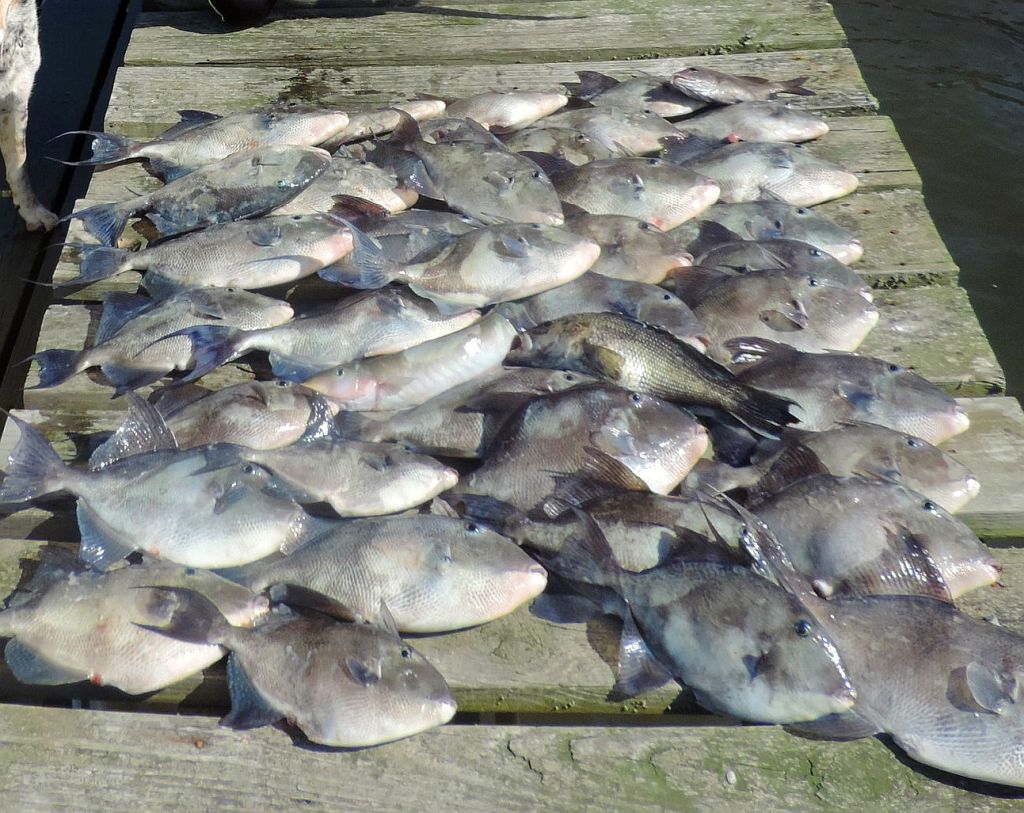
You can keep the kids happy catching black sea bass, mangrove snapper, mutton snapper, and trigger fish on chicken rigs while you fish for grouper; or you can fish for them yourself. Bait the rigs up with squid and small chunks of fresh fish. Getting reliable offshore fishing information has been difficult, but local anglers should be able to find sailfish, small dolphin, and possibly a wahoo or two at the edge of the blue water on the offshore grounds. Sailfish generally prefer naked chin weighted or split billed ballyhoo trolled behind the boat in lieu of skirted baits. Dolphin and Wahoo on the other hand prefer eating small to medium size skirted ballyhoo trolled between 4 to 6 knots. On rough days, troll your ballyhoo on a weighted head so the baits stay just below the surface. During calm flat days, try putting small chugger style heads or a bubbler over the ballyhoo when trolling for dolphin. When targeting Wahoo, most captains will increase the trolling speeds to slightly over 6 knots. Haulover Canal 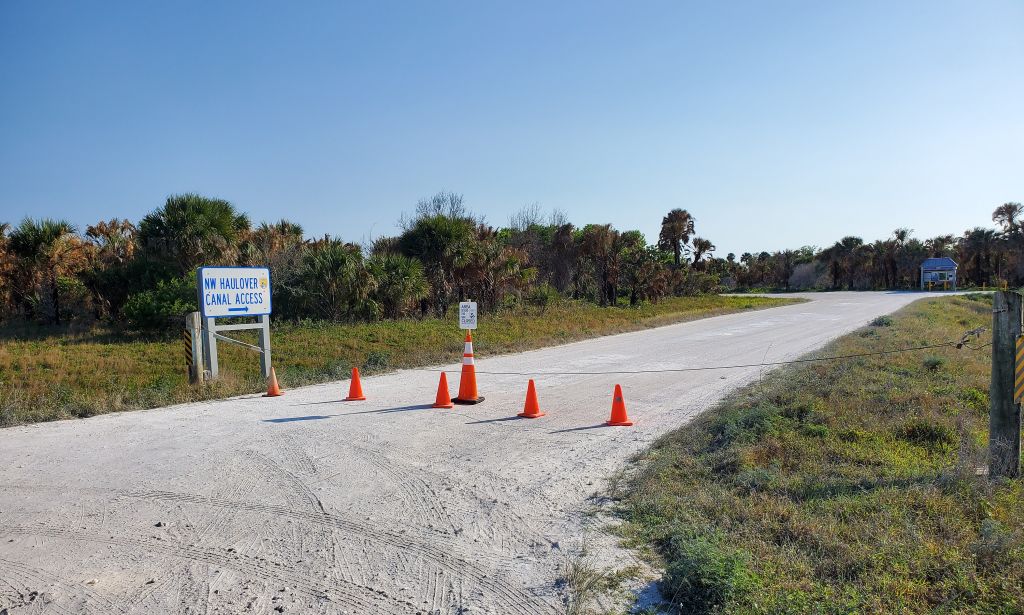 Reports from anglers fishing from the southeast bank of the canal out from the bridge are that mangrove snapper, black drum, and a few over size redfish are being caught on a regular basis. Anglers are parking their vehicles and walking to their fishing spots around and out from the bridge. Live shrimp, cut baits, and sections of blue crab are baits of choice for most Haulover anglers. A few of the guys use live croaker, pinfish, and fingerling mullet and usually pick up larger fish. Due to construction and renovation, Bairs Cove boat ramp is still closed to vehicle traffic. Most boaters have been using the Bio Lab and Beacon 42 ramps to access the Indian River and Mosquito Lagoon. Finally, the COVID-19 virus has the manatee deck closed to visitors until farther notice. Although Haulover is virtually closed to bank fishing, boaters launching from Beacon 42 and the Bio Lab ramps have been fishing the mouths of Haulover and shrimping at night along the banks. There are a couple of deep holes located at the mouth of the canal that hold some bruiser black drum and bull redfish, especially as the water warms up in the lagoon. Most of the guys anchor out from the holes and drop a whole blue crab or live bait down to the bottom. Stout rods with Power Pro or other braid tied to a length of 40 pound fluorocarbon leader and an 8/0 circle hook will bring them up pretty quick. Until next time, Stay Safe, Tight Lines, and bent rods! |
|||
| Link One | Link Two | Link Three | Link Four | Link Five | Unsubscribe to this newsletter |