Your Novemberr 2019 Mosquito Lagoon & Indian River Fishing Report
Published: Fri, 11/01/19
| Newsletter Issue # 124 | November 1, 2019 |
||||||
Mosquito Lagoon & Indian River Fishing |
|||||||
 The Mosquito Lagoon and Indian River:
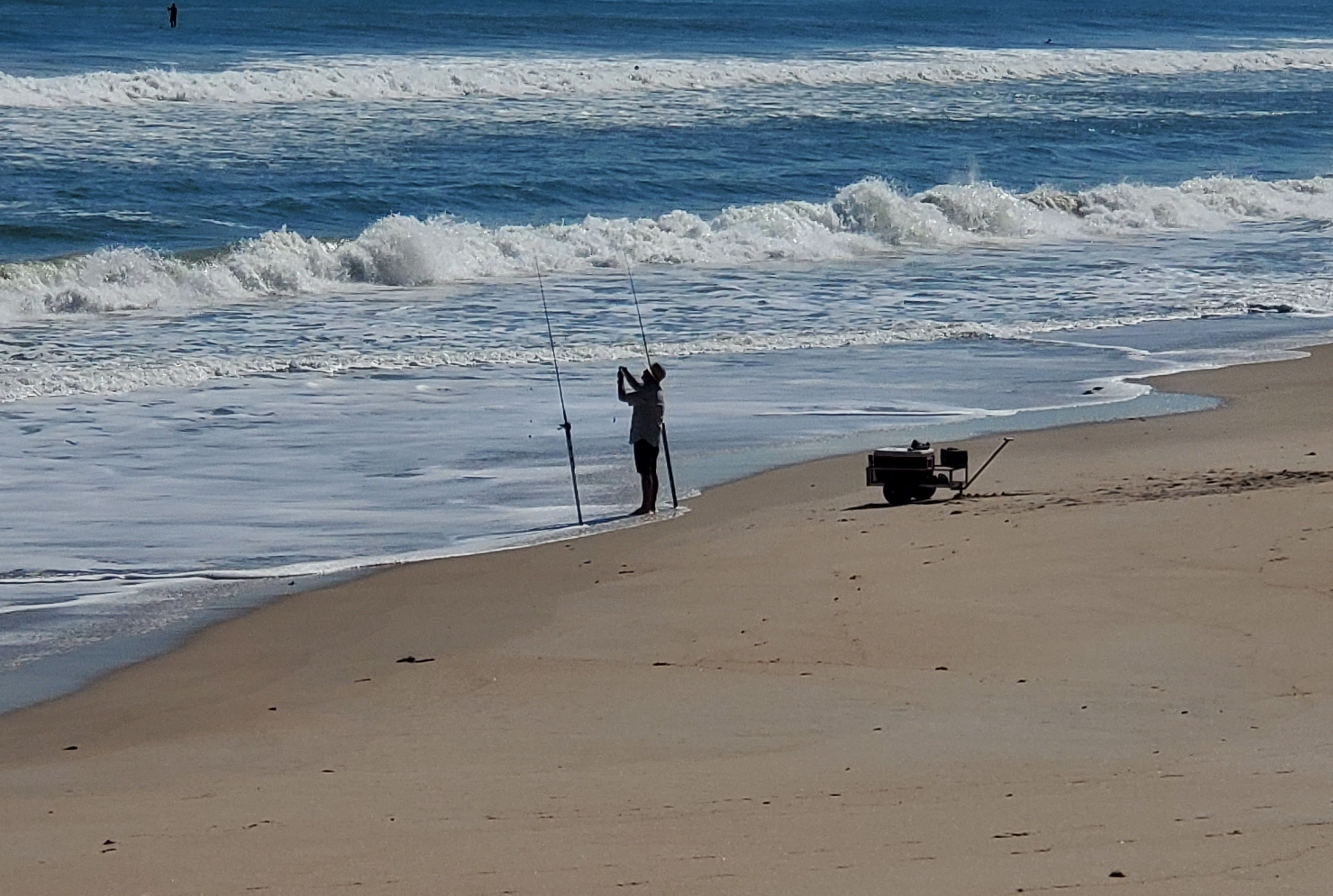
The Northern portion of the Indian River Lagoon is looking the best since the 2016 brown algae bloom. Other than in a few isolated areas, the water in the NIRL is relatively clean, and in several areas almost clear. Many areas have 4 feet or more of visibility with other areas either tannin stained, or slightly roiled. Regardless of the water clarity, the fishing for cruising reds, spotted sea trout and even tarpon has been really good on the flats, in open water, and along the mangrove roots in the river system. Schools of finger mullet are abundant throughout the Indian River right now, and the morning topwater bite has been good to excellent in most areas. The early migration of silver mullet from the Mosquito Lagoon this year has led to huge numbers invading the Indian River. The impressive numbers of mullet roaming the NIRL flats should ensure a lasting Fall mullet run. Anglers working along the shorelines in the Indian River and the Mosquito Lagoon in the early morning hours with popping and "walk the dog" type topwater baits like Skitterwalks and Chug Bugs have been catching good numbers of quality sea trout and redfish. Decent numbers of spotted seatrout have been eagerly eating topwater baits like the Z-Man Pop Shadz, Tsunami K9 Walkers, XPS SlimDog, Skitterwalk, and the old reliable Chug Bug. When the topwater bite dies down, a three inch Minnowz rigged on Finesse Bullet Jigheads, or a Bass Assassin on a jighead will usually score plenty of trout, redfish, and even a flounder or two. Although color doesn't seem to matter much; Pearl, Sexy Mullet, and Houdini result in good catches. If you prefer fishing live baits, a live shrimp free lined under a popping float or a cut mullet is always productive for trout and redfish in between the bycatch bites from hard head catfish and stingrays. During the current New Moon cycle the late morning bite from rat to slot size redfish cruising close to the shorelines has been fantastic. Some very big redfish "belly crawling" and pushing wakes in very shallow water have been aggressively eating topwater baits in the early morning hours. Recommended tackle for this type fishing is 10 to 20 pound Power-Pro or other braid for the main line, and a 20 pound fluorocarbon leader tied to a Skitterwalk or other topwater bait. For sea trout, smaller baits seem to be attracting more hits, but the redfish have been nailing mullet size topwater baits with gusto. 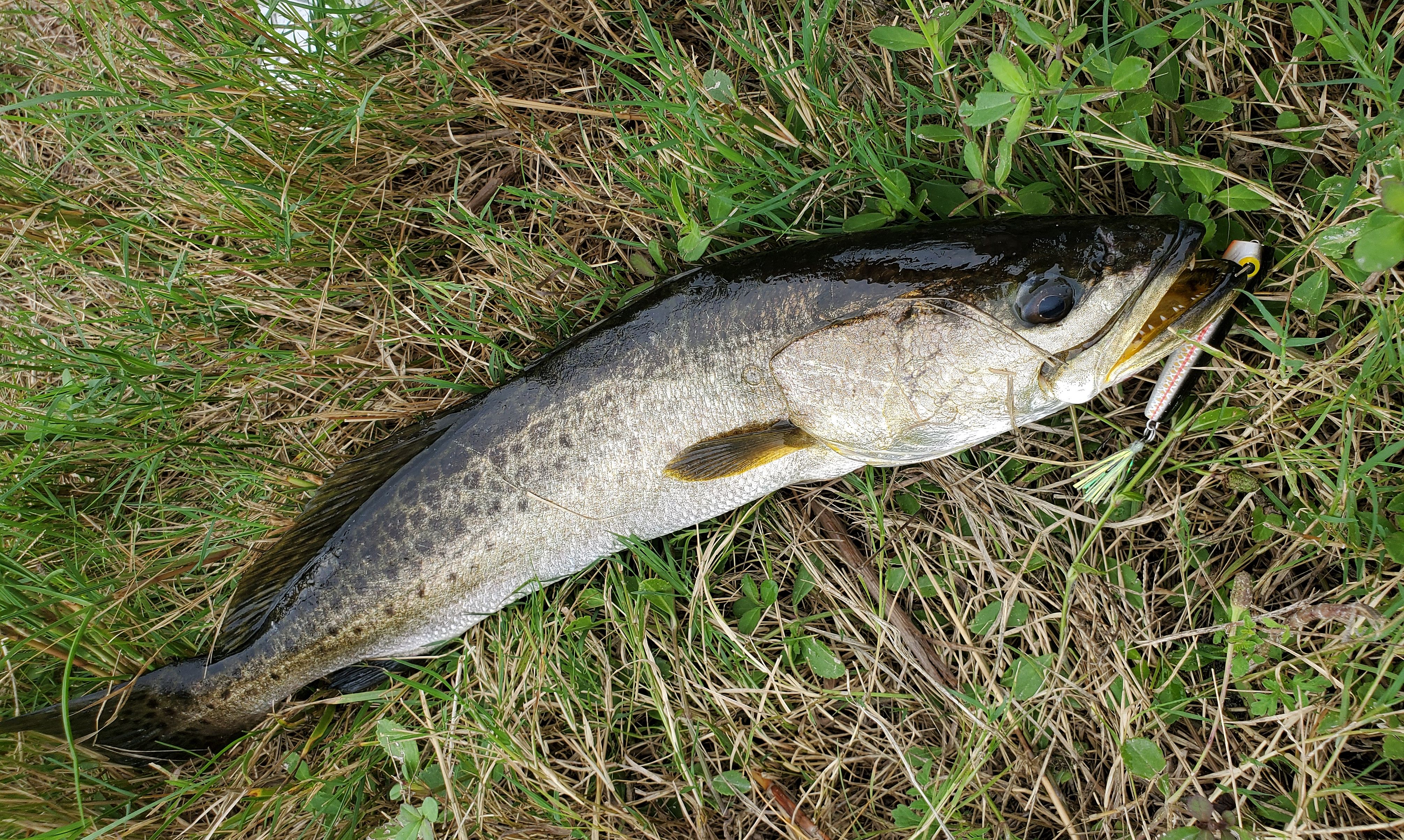 Although the lower portion of the Mosquito Lagoon is still pretty dirty, the bite is good in most areas and with cooler weather coming in, the water should be cleaning up a lot more which will improve the fishing. The best bet right now for quality spotted sea trout in the middle to upper slot is around the klinker islands on the west wall of the lagoon North of Haulover Canal. Live shrimp under a Cajun Thunder type float has been the preferred method for catching these fish. The notoriously brown waters of the Banana River have also been clearing up and with the abundance of baitfish that are still in the system, we should be having fishable conditions and an active bite throughout the upcoming month. For the first time in several years, anglers are now able to sight fish redfish, black drum, and snook in many areas of the Banana River. The canals in the Satellite and Indian Harbor Beach areas are still holding decent numbers of spotted sea trout, redfish, mangrove snapper, and snook. Despite the fact that the pilchards have moved out of this area and live bait is scarce, the fishing around the mangrove shorelines remains consistent. Although the water is still warm, the tarpon bite is starting to slow down in the lagoon system. The shallow creeks in the northern end of the Indian River at Shiloh Road are still holding good numbers of juvenile tarpon and an occasional snook, but the bite has been sporadic. You can see them actively rolling on glass minnows and mullet, but all too often they develop a case of lockjaw.  Farther south around Grant and Malabar, the bite has been good for snook and sea trout. The main river bank mangrove line on the east side around Christens Landing and John's Fish Camp just before daylight has been producing some nice snook and sea trout on topwater baits. Once daylight hits the water, fish the mangrove roots and sandy holes with a DOA white or glow in the dark paddle tail bait or a MirrOlure Twitch bait. The snook in this area are running 20 to 26 inches. If you like to fish for black drum, there are still schools roaming the Indian River from Scottsmoor to Port St. John and south. Bank fishermen along Catfish Creek loop, Gator Creek, and under the A. Max Brewer bridge have been making sporadic catches of drum in the 10 to 20 pound category, with a few larger fish in the mix. Most are using live shrimp, fresh dead shrimp, or fresh clam for bait on a standard sliding sinker rig. Anglers along the causeway east of Parrish Park have been picking up some nice slot size redfish on live finger mullet, cut mullet or ladyfish, and sections of blue crab. The fish are cruising very close to the bank. Peacocks Pocket road, Shiloh Road, and several other dike roads have been closed to vehicle traffic for sightseers and bank fishermen for some time, however, I spoke with a road work supervisor yesterday that was working on Shiloh Road who told me that Shiloh Road might be reopening when their work is completed. They started at the Patillio Creek entrance and have already widened and repaired the road from the hurricane damage it received. Now they are working on the section close to the entrance at US1. They have already completed the work on BioLab Road and have had discussions about Peacocks Pocket Road which has been closed for at least a couple of years. Great news if they actually open it. Shiloh Road, from Patillio Creek to US1, has tons of great fishing spots for bank fishermen that are unable to access the area by kayak or shallow draft boat. We can only hope! Port Canaveral, Jetty, and Nearshore Fishing: Bull redfish have been the main attraction for anglers working the mouth of the inlets and on the jetties this past week at Ponce Inlet and Port Canaveral. Most anglers have been using live mullet or a cut chunk of mullet on a sliding sinker rig for bait; but fresh cut blue crab, pinfish, croakers, and even pilchards have been working well on the reds. A 3 to 4 ounce sliding sinker rig with a 3 to 4 foot section of fluorocarbon leader and a 6/0 Owner circle hook is the standard rig for bull redfish. Power Pro or other braid is recommended as a main line. From mid October into November, the fall baitfish run of mullet and pogies should be moving South along our beaches, in high gear. The run usually results in endless catches of tarpon, cobia, kingfish, Spanish mackerel, bluefish, big jacks, and sharks. Along with the other predatory species, Snook will be also be in the troughs along our beaches, around the mouth of our inlets, and near shore during the fall baitfish run. Red and white flair jigs, silver spoons, soft plastics, and Rapala diving plugs are all productive artificial baits for redfish, snook, jacks, etc. The night snook bite out Port Canaveral and Sebastian has been good to excellent for the past couple of weeks for anglers using shallow lipped diving plugs and free lined mullet as baits of choice. With the strong winds, rough water conditions, and dirty water extending out quite a few miles, not many people made it offshore recently, but those that did who focused on the 90 foot and deeper reefs found that the snapper bite was slow and the cobia bite good to excellent all week. The cobia have been on the bottom on the 90ft ledge and have been eating live baits meant for snapper and grouper.
Slow trolling a live mullet or menhaden on a stinger rig around the bait pods, scattered bottom structure and ledges out 5 or 6 miles from the beach is one of the most popular methods for catching kingfish in our area. Kingfish in the 20 to 30 pound range are common right now out of Port Canaveral, with occasional "smoker" kingfish in the 50 pound plus range brought in on an almost regular basis. Surf Fishing: Starting in late October to November, schools of Pompano will start their annual migration down the beaches of East Central Florida. Playalinda Beach in the the Canaveral National Seashore is considered one of the better "hot spots" for Pompano in East Central Florida. The beach at Playalinda drops off sharply in several areas forming deep troughs that the pompano use, and are within easy casting distance from the beach. 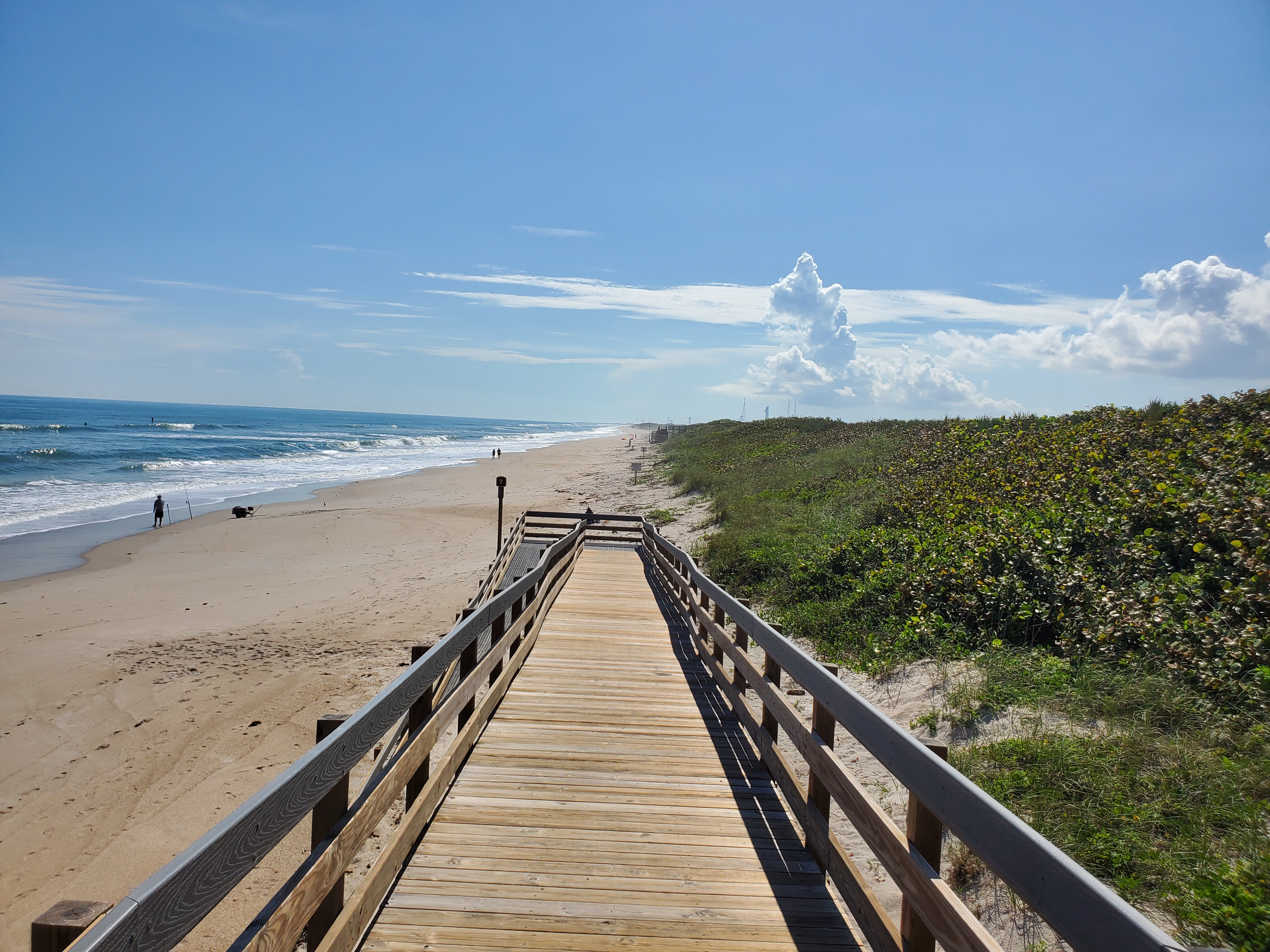 The water temperature at Playalinda beach is around 78 degrees and until the first cold front hits our area, the pompano will remain in the river and our lagoon system. When the water temperature drops, usually during November or December, the resident pompano will make their way out to the beach to meet up with the migratory fish that are coming down from the Carolina's. Until the pompano begin to show up in good numbers; expect to catch whiting, black drum, redfish, bluefish, Spanish mackerel, and snook in the surf. Last Monday morning during the high tide at Playalinda, the water at the beach was pretty dirty, but some anglers using the few sand fleas they managed to find were catching some nice whiting, juvenile black drum, and redfish. Farther south around Melbourne, Fl last week, surf fishermen using blanched sand fleas and Fishbites on standard pompano rigs and 4 oz. Sputnik type sinkers loaded up with their 6 fish limits of pompano. They were on the water at daybreak, a couple of hours before high tide, and were fishing clean water with a nice outflow. Both guys I talked to had their limits by 8:00 am when the bite shut down. When the water cools down and the pompano start to arrive in force, fish the deeper troughs with sand fleas, Fishbites, cut clam, or small pieces of shrimp and enough weight to hold bottom. Small white, yellow, or chartreuse nylon jigs tipped with a small piece of shrimp or sand flea also works well when you can hold bottom. If you're targeting bluefish or Spanish mackerel, use a chunk of mullet or a live finger mullet on a long shank hook with a heavy fluorocarbon leader to minimize cutoffs. Haulover Canal: The winter months always have good numbers of "bull redfish" and big black drum moving through Haulover Canal from the Mosquito Lagoon into the north Indian River. This is when bank fishermen using half or a whole blue crab can hookup with a trophy bull red up into the 40 pound category. 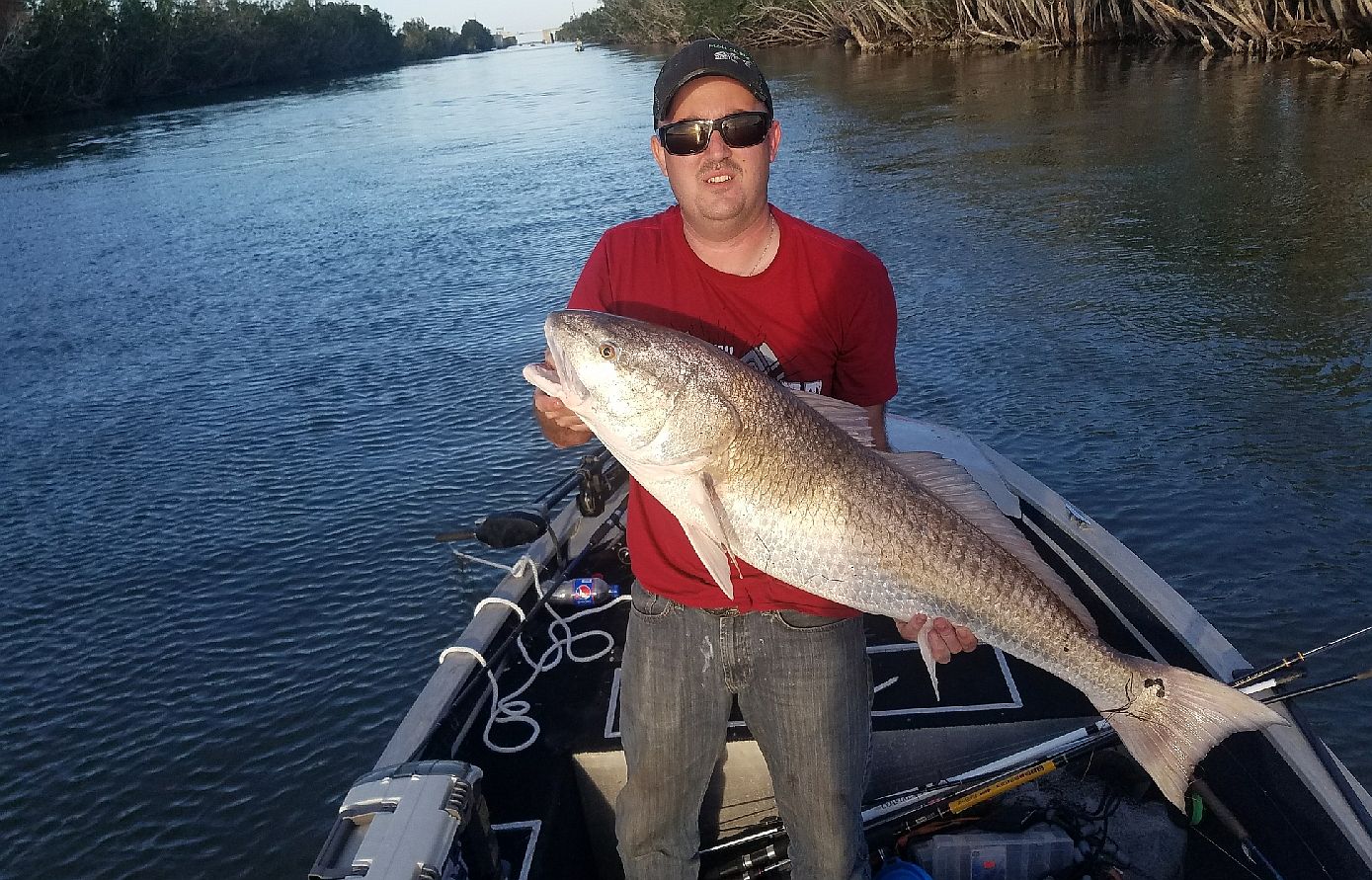 Most of the redfish and a lot of black drum caught in the canal are well over the slot, but a lot of legal size fish are also landed by bank fishermen. Most of the redfish and a lot of black drum caught in the canal are well over the slot, but a lot of legal size fish are also landed by bank fishermen. Most black drum caught for will be in the 20 to 30 pound category with a few in the 10 to 15 pound class. Live shrimp is by far the bait of choice at Haulover for black drum, but strips of fresh clam and sections of blue crab are a close second choice. Under size Mangrove (Gray) Snapper are also a common catch around the bridge and coquina outcroppings at Haulover. Live shrimp and small jigs tipped with a piece of shrimp are baits of choice for these tasty fish. Just about anybody who has fished at Haulover Canal will tell you that it's a good idea to use Power Pro or some other braided line as your main line. An appropriate weight to keep the bait on the bottom and a heavy fluorocarbon leader with a 5/0 or 6/0 VMC circle hook completes the terminal tackle. Braided lines are stronger and more resistant to cutoffs from the Coquina rocks that line the banks of the canal. Although no night time bank fishing is allowed in Haulover Canal, anglers in kayaks and a variety of boats can be spotted night fishing almost any time of the year. Oversize black drum, bull redfish, snook, sea trout, Gag Grouper, Mangrove Snapper, and even tarpon can be caught during the evening hours and at night when in season. Until next time, Tight Lines and bent rods! |
|||||||
| Link One | Link Two | Link Three | Link Four | Link Five | Unsubscribe to this newsletter |