Your **September 2019 Mosquito Lagoon & Indian River Fishing Report
Published: Sun, 09/01/19
| Newsletter Issue # 122 | September 1, 2019 |
||||||
Mosquito Lagoon & Indian River Fishing |
|||||||
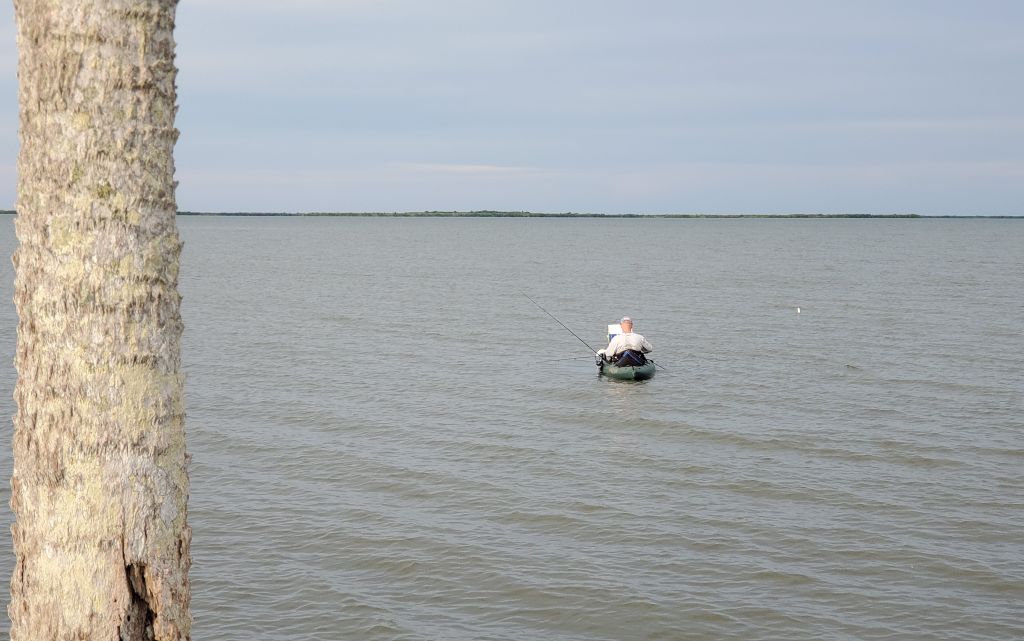 The Mosquito Lagoon and Indian River: Labor Day, the opening of Snook season, and Hurricane Dorian are all arriving in East Central Florida this weekend. The bad news for anglers (other than the hurricane) is that a sticky brown algae has been blanketing the surf along the Northern beaches of Brevard County. Nobody seems to know the cause of the algae bloom, but it has been holding tight in close proximity to the shore from the Canaveral National Seashore at Playalinda Beach down south past Cocoa Beach, Patrick AFB, and Satellite Beach. Hopefully, the winds from the hurricane will dissipate the mess. Although the Inlet and jetties at Sebastian is noted for the abundance of Snook, all the inlets and beaches on the east coast of Florida hold Snook when the bait fish run start to get thick along our beaches. 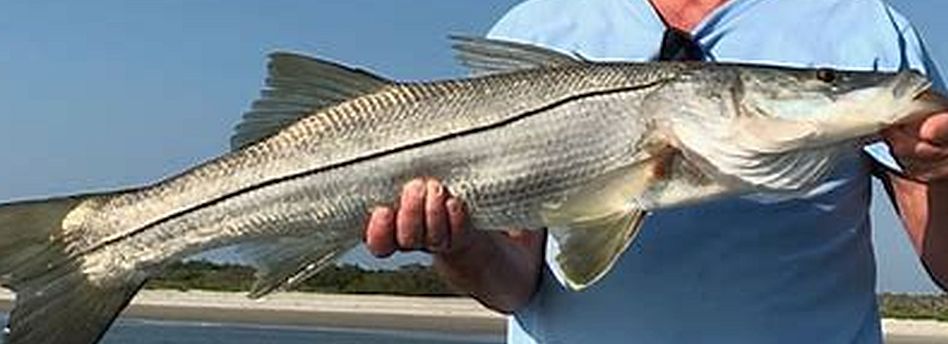 The fall migration of mullet has already started and thousands of fingerling mullet are now running south along our beaches. If the past few weeks have been any indication, we should be having a fantastic snook season once Hurricane Dorian blows by. The jetties and sea walls at Port Canaveral, the causeway bridge fenders at New Smyrna Beach and the bridge fenders at the A1A bridgte leading to Sebastian Inlet are all great spots to target snook during September. During daylight hours, live baits have been doing better than artificials at all three of our inlets. When targeting snook with live baits on the inlets and jetties, most anglers use 20 to 60 pound Power Pro or other braid as their main line with 30 to 60 pound fluorocarbon leaders tied to VMC 7385 circle hooks and enough lead to present the baits close to the bottom. The braid minimizes cutoffs from the rocks and casts farther than conventional mono. When night fishing around the inlet jetties, cat walks, pilings, and sea walls try tossing large Rapala X-Rap 14 lures or any of the large swimbaits like the Saltwater Assassin 5" or 6" on a big jig head with a 7/0 or 8/0 hook. Smear up your baits with some Pro-Cure or other scent for more appeal. When fishing farther inshore, try tossing a Twitch-N-Mullet or the new Chug Bug MadFlash around the docks and mangrove roots. If you are fishing live croaker, pigfish, mullet or pinfish, you can expect larger fish but most snook will be in the 25" to 30" range. Although the Titusville area is not known for snook, there are plenty of them around the docks, bridge fenders in the ICW, pilings, and mangrove shorelines of the north Indian River and Mosquito Lagoon. The small feeder creeks often hold slot size snook and juvenile tarpon when water levels are up. The water in the Mosquito Lagoon is stained to dingy in most areas but is holding fish. Juvenile snook and sea trout have been eagerly eating soft plastic baits, small spoons, and topwater plugs, but cut mullet and ladyfish has been the best all around bait. The speckled sea trout bite in the Mosquito Lagoon has been unbelievably good for anglers in the early morning hours using pigfish around the grassy edges of George's Bar, Tiger Shoal, and the False Channel Bar, especially when the mullet pods are in the area.Rig a live pigfish on an Eagle Claw L141 Kahle Hook under a Cajun Thunder float and "oink" the bait regularly to draw in big trout. When the sun gets overhead and the bite slows down in the shallows, move out to the spoil islands to "oink" in a few more trout. Electric Chicken colored Assassin Salty Snack, Z-Man Minnowz, Diezel Minnowz, Tsunami K-9 Walkers, cut mullet, and ladyfish are all productive baits for large trout when the pigfish are hard to obtain. Most of our trout in the Mosquito Lagoon have been averaging 2 to 4 pounds, but true gator trout up to 10 pounds are always a possibility when using pigfish. The juvenile tarpon bite in the Mosquito Lagoon and Indian River has also been off the chart for anglers targeting them. Larger fish are hitting suspended and topwater baits resembling a mullet. Chug Bugs, XPS Slim Dogs, Mirrorlures, and Rapala X-Rap Pop baits all work well. Use smaller size lures when "fishing the ditches" or when targeting smaller tarpon and ladyfish. North Shiloh Road, Patillo Creek, East Gator Creek, Bio Lab Road, she Vistas along Playalinda Beach Road and several other shore based areas in the Merritt Island National Wildlife Refuge all hold tarpon the the 5 to 60 pound range. Although the redfish in the lagoons are still scattered, late August and September is when the bull reds begin to school up along the deeper edges of the flats. The north Indian River past the railroad bridge in Titusville and the deep waters of Haulover Canal will be a good area to target this month with live baits or cut ladyfish, mullet, or half of a fresh blue crab. Gold Johnson Sprite spoons, jerkbaits, paddletail baits, D.O.A. Shrimp, and top water lures smeared up with some Pro-Cure Inshore formula also work well for fishermen who prefer using artificial baits. 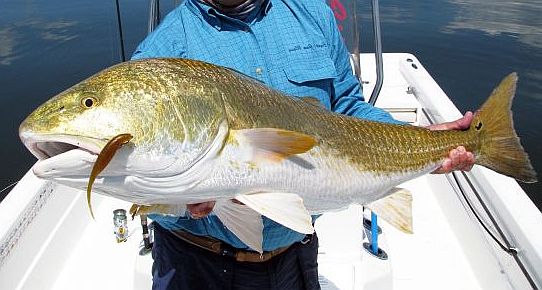 When you get on a school, expect multiple hookups with fish over 40 inches in the 30 pound plus category. The redfish in our lagoon system do not migrate offshore to spawn. They spend their lives in the shallow waters of the lagoon system and travel back and forth through Haulover Canal to the deep water flats of the north Indian River to spawn. The Black Drum bite in the Mosquito Lagoon and particularly in the north Indian River around Titusville is pretty good right now. The fish are not just hanging around structure like bridges, rocky areas, and the Haulover Canal like they normally do, they are hanging around the spoil islands where you can spot them tailing on the flats. The best way to catch these fish is to cast a live shrimp on a hookup style jig head or a short shank jig and bounce it in front of them. Most of the black drum caught on the flats right now have been running anywhere from 5 to 8 pounds, but some fish are running into the 25 and 30 pound class when you get them up closer to the ICW channel. Fishing live shrimp, a whole or a half of a blue crab on a size 6/0 to 9/0 circle hook on knocker or a sliding sinker rig around a bridge piling has been the preferred method for catching drum with most anglers. Farther south around around Cocoa, the residential canals are holding a lot of snook, tarpon, redfish, sea trout, and mangrove snapper. Local fishermen in that area are reporting that the bite for mangrove snapper is still off the hook! In the lagoon farther south around Cocoa, the river pompano bite remains good around the bridges. Most anglers have been using pompano jigs tipped with a small piece of shrimp to catch them. Catfish Creek Loop and Peacocks Pocket road in the Merritt Island National Wildlife Refuge are still closed to vehicle traffic. The anglers I talked with who are walking Catfish Creek Loop Road to fish have been reporting good catches of redfish and sea trout on both sides of the road. Most were using live or cut mullet and shrimp for bait. Peacocks Pocket road can still be fished by walking, but the vegetation along side of the road has grown up so high in most areas that it is next to impossible to cast. If you do hook into a red, black drum, or sea trout, landing it is next to impossible. A couple of the ponds on the south end and a stretch near the boat launch are still fishable. If you decide to "fish the ditches", go early in the morning or a couple of hours before dusk and look for activity feeding fish along the shorelines. You will hear them busting on baitfish along the bank. A topwater Chug Bug, Gold Johnson Sprite spoon, or a soft plastic swim bait smeared with some Pro-Cure tossed to the fish will often get you hooked up. There are some huge gators in the ditches that can do some serious damage to you, so never wade or go after a hung lure in this area. Offshore and Nearshore Fishing: During the past month, the lumps and 8A have been good for targeting kingfish, sailfish, and cobia for anglers slow trolling naked live baits on stinger rigs. Dusters are occasionally added but they are normally not needed except when fishing with dead minnows. The best kingfish bite throughout the whole East Central region has been on the 70 to 90 foot reefs. The Rapala CD-14 and CD-18 or the Williamson Speed Pros have been working well on the kings if you don't want to mess with live baits. If you do want to go with live baits, slow troll a pogie, mullet, greenie, or even a frozen cigar minnow on a wire stinger rig. Both methods have been producing good catches of kingfish, with fish averaging 12 to 20 pounds. Some of the kingfish on the beach have been topping 40 pounds. During the full moon, the offshore Mango Snapper bite was on fire on the 70 to 120 foot wrecks. 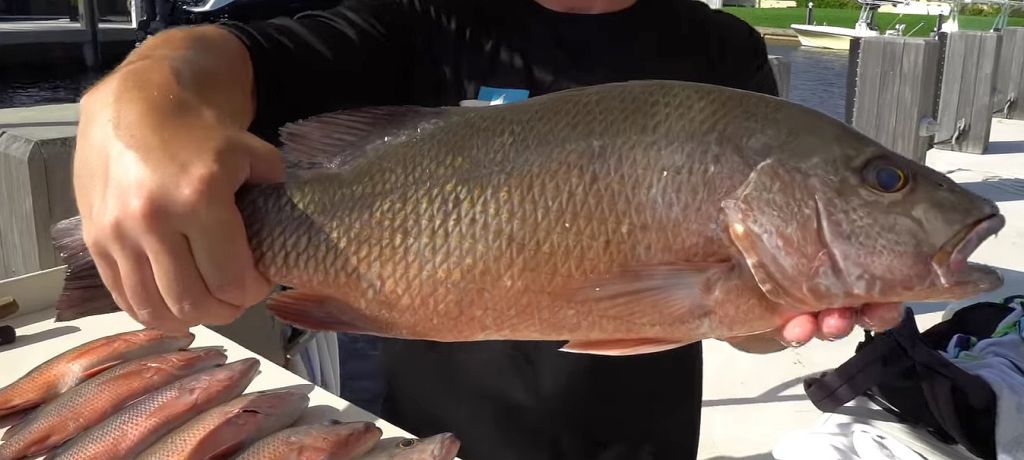 Because the Mango Snapper are over their spawning phase and some cold water has moved in, especially in the Ponce Inlet area, you might have to work a littler harder to catch them right now but the fish are still there. When you locate them, chum heavily to get them up off of of the structure and then drift back an unweighted chunk of squid or sardine into the slick on a 2/0 or 3/0 VMC Circle Hook. The fish will head back into the structure as soon as they are hooked so you need to keep pressure on them as soon as they are hooked. A lot of Vermillion (beeliner) and Mangrove snapper are also being caught right now on Pelican Flats Reef by anglers using standard bottom rigs. Most of the Mango caught are in the 4 to 6 pound range with 10 pound fish not being uncommon. For the past weeks the current offshore has been really ripping to the North making bottom fishing tough. Despite this, the bite for bee liners, lane snapper, and triggerfish has been pretty good, but the cold water has pretty much shut down the grouper bite out of the Port and farther north. If you are after Tarpon, Port Canaveral is where you want to fish for them this month. There are good schools of Tarpon rolling around the area everywhere beating up on the glass minnows and pilchards. Early morning light has been the best bite with live pogies, greenies, and pilchards being baits of choice for most anglers, however, when these baits are unavailable, the fish have also been hitting croakers. Luckily, the bunker have been easy to get on most days. Rig the live bait on a 7/0 or 8/0 VMC 7385 black circle hook with a piece of 60 to 80 pound Suffix fluorocarbon leader in front of your main line and you're ready to go. Most of the tarpon in our area right now are running anywhere from 60 to 120 pounds. Surf Fishing: The sticky brown algae that has been blanketing the surf along the beaches of Brevard County has made decent surf fishing almost impossible. The pic below of lot #9 shows just how far out the algae bloom extends. 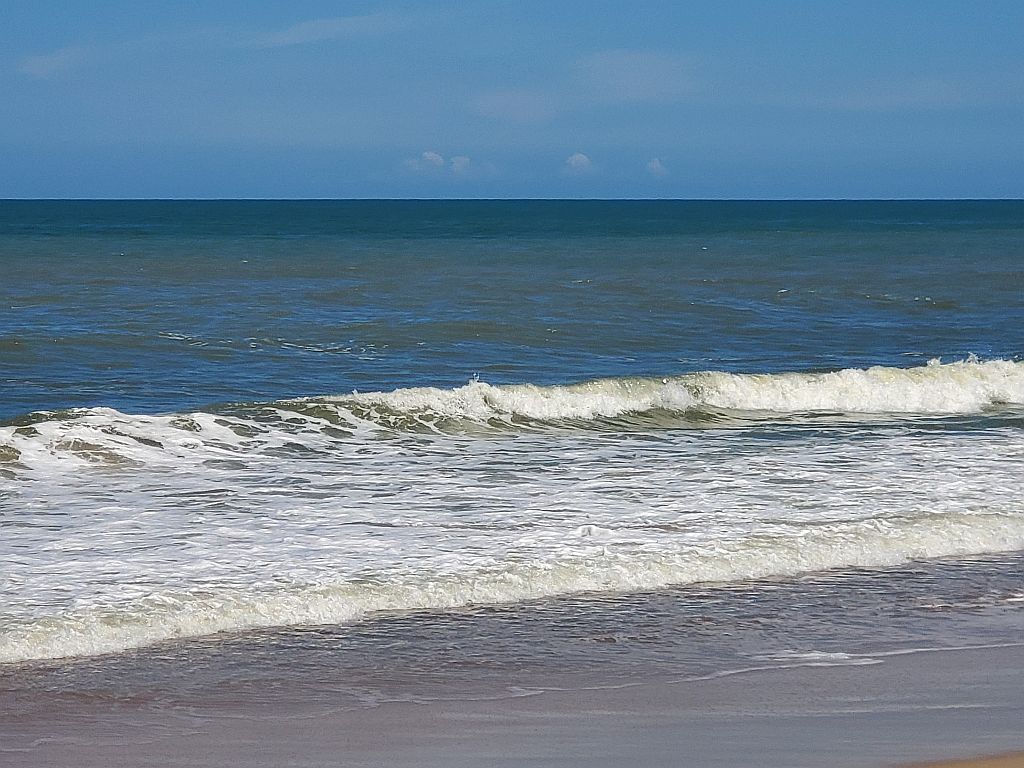 From the Canaveral National Seashore at Playalinda Beach all the way down to Satellite Beach, the algae bloom has been tightly holding along the shore. The winds from hurricane Dorian will hopefully clean up the mess, but at what cost? The brown algae bloom looked like muddy water and was out to around 50 yards from the sand. I imagine a kayak fisherman could have some good fishing past the bloom but most people inhabiting the beach were sunbathers or surfers when I checked out the area. Almost nobody was fishing the surf. 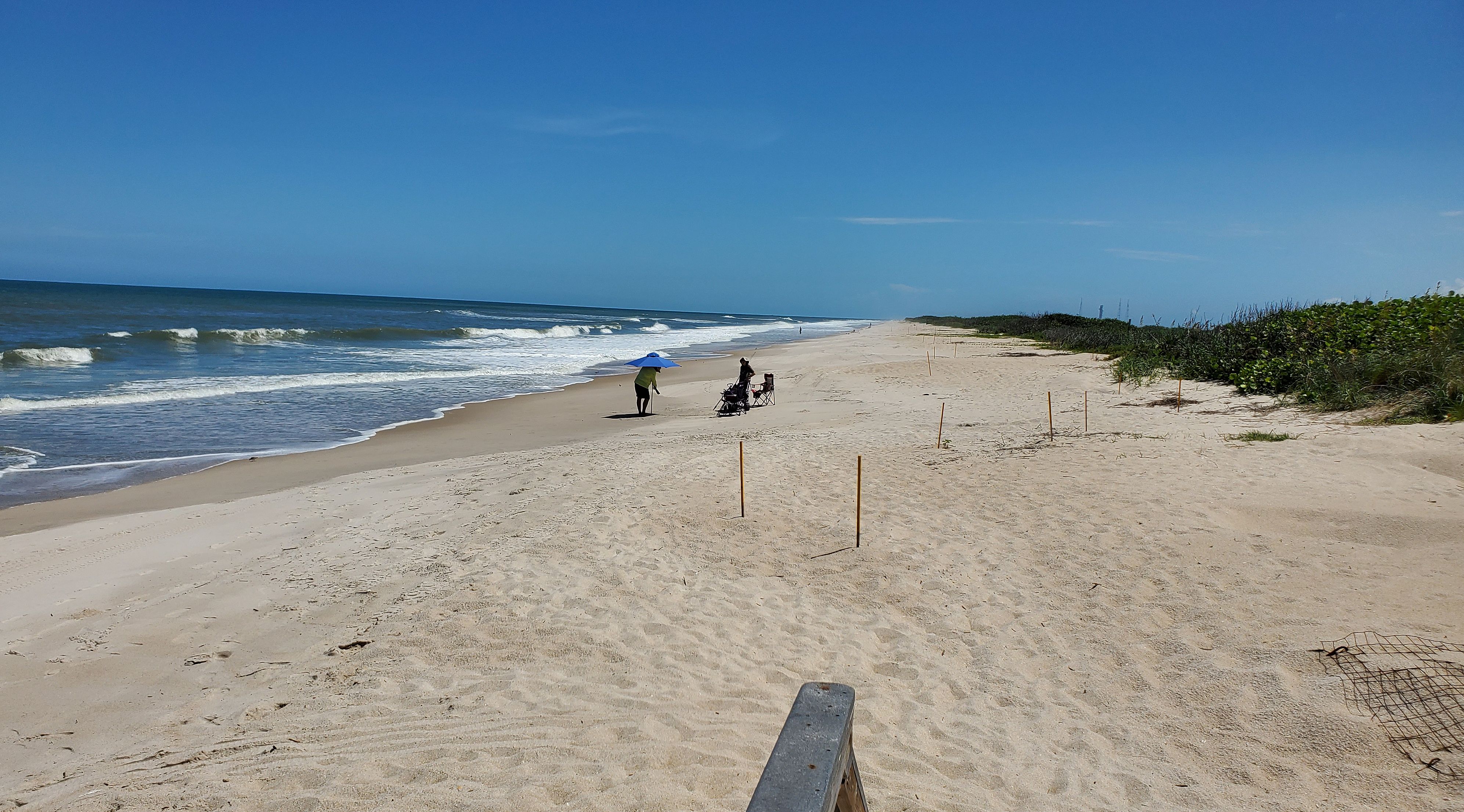 I visited Playalinda Beach a few times last week and almost nobody was fishing or catching anything except for a few whiting at lot #9 however, the fall finger mullet migration has started and Hurricane Dorian should really fire up the predator fishing after it blows by us. Farther south around Cocoa Beach, the same algae problem exists. Anglers that have been able to find some clean water conditions in the surf have been catching some trophy size snook along our beaches on live baits, Flair jigs, and Rapala X-Raps. Surf fishermen using pompano rigs tipped with a small piece of shrimp have also been making decent catches of margate and whiting a little farther south around Patrick AFB. The key to successful surf fishing during September depends on a variety of factors but clean water, calm seas with little to no wind, and fishing on a rising or falling tide will give you the best chance of catching fish. If you get to the beach as early as possible, target the deeper troughs, and use fresh shrimp or clams for bait, you should catch some whiting or pompano. With the dirty water conditions in the surf, the shark fishing is also ramping up. Almost any live or bloody chunk bait will get you a hookup right now, but with the mullet run going full steam right now, a live Menhaden or finger mullet or a mullet cut in half is hard to beat. To get the permit, you need to take an educational course at MyFWC.com/SharkCourse which consists of a quiz and some educational videos. After you create an account and pass the test, (which you can re-take if you fail) your certificate will have an ID code unique to you. You will then need to log in to GoOutdoorsFla.com , click “Purchase a License”, go to "Shore-based Shark Fishing Permit" and click “Add to Cart.” There you will type in your unique ID code to get your permit. It is a free add on to your fishing license that you need to print out and keep on you while fishing. The permit is geared to fishermen who target large sharks from the beach and takes about a half hour to complete. Seems like a lot of garbage to go through if you just happen to catch one as a by catch, but that is the world we live in. Most of the sharks caught in the surf are less than a couple of feet long, but much larger bull sharks, nurse sharks, black tips, tigers, and even hammerheads are always a possibility.  Use appropriate tackle for the species you are targeting and be sure to include wire cutters to comply with the new slew of regulations. Although New Smyrna Beach is dubbed the "sharkbite capital" of Florida anglers targeting sharks right now are catching Black Tips, Fine Tooths, Spinners, Bulls, and Nurse sharks in all sizes from Sebastian, Canaveral, and especially up at Ponce Inlet this week. But New Smyrna is definitely ground zero for catching sharks this month. The Bulls and Sandbar shark are also doing pretty good right now if you go farther offshore. The Bulls are typically 150 to 200 pounds or more and the other species like the Finetooth, Spinners, and Sandbars can weigh in from 20 to over 100 pounds. If you're after the big boys, a medium heavy to heavy action rod with a large capacity reel spooled with 60 to 100 pound braid and a single wire, multi-strand coated wire cable of around 270 pounds, or heavy 100 pound plus test mono leader is needed. Haulover Canal: Many Haulover Canal fishermen this month will be targeting big black drum and oversize redfish that will be traveling through the canal from the Mosquito Lagoon into the northern Indian River to spawn. 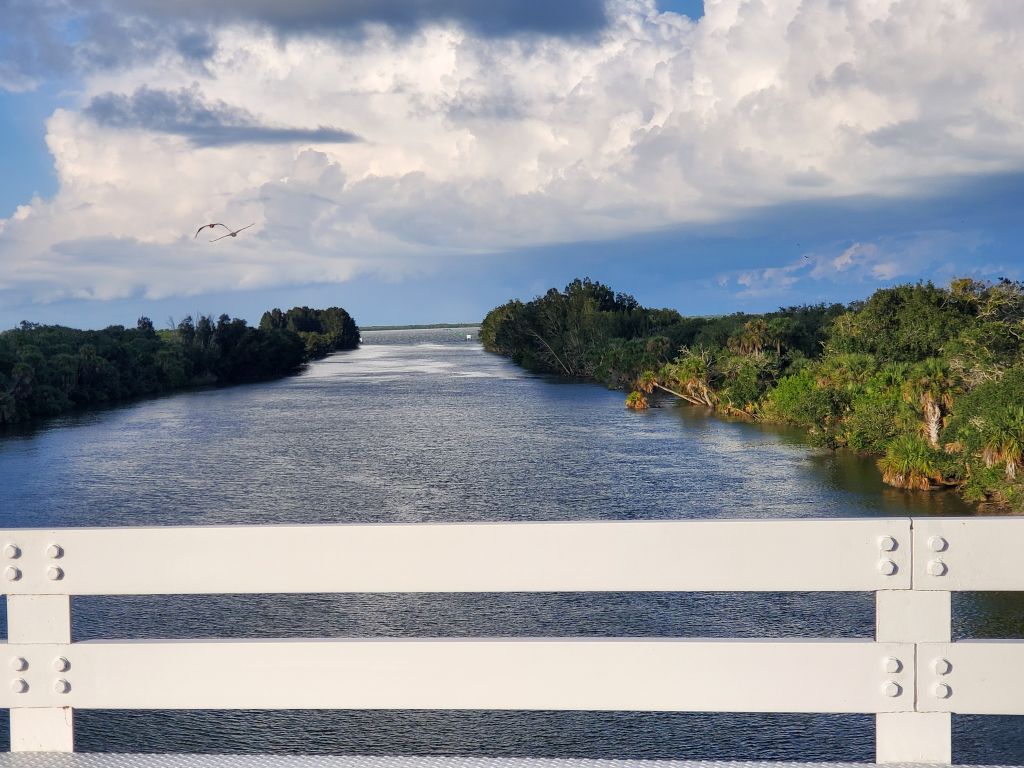 Although most boat fishermen targeting redfish and black drum anchor along the deep holes at the mouth of the Mosquito Lagoon or the Indian River, many anglers target the big black drum that hold in the deeper water closer to the bridge pilings.
Half of a live blue crab or a live shrimp fished on a jig head, knocker, or sliding sinker rig with a short 12" - 15" leader is the best way to hook up with a black drum around the bridge pilings. Use stout tackle to keep the fish from breaking off on the structure. The average size drum being caught in Haulover right now is between 15 and 25 pounds. For bull redfish, large chunks of ladyfish, live pinfish, croaker, or half of a live blue crab are baits of choice. Most guys use standard sliding sinker rigs, with a 5/0 or 6/0 VMC 7685 circle hooks with either braid or mono as the main line. When fishing for reds from a boat with live baits, use a knocker rig to get the bait on the bottom and hook the bait close to the tail so it swims away from the sinker. Fishing topwater baits or suspended twitch baits close to the shorelines from a drifting boat early in the morning, close to dusk, and at night is also a productive method of catching big sea trout, Snook, and tarpon in the canal. Until next time, Tight Lines and bent rods! |
|||||||
| Link One | Link Two | Link Three | Link Four | Link Five | Unsubscribe to this newsletter |