Your August 2019 Mosquito Lagoon & Indian River Fishing Report
Published: Thu, 08/01/19
| Newsletter Issue # 121 Fishing Forecast | August 1, 2019 | ||
Mosquito Lagoon & Indian River Fishing |
|||
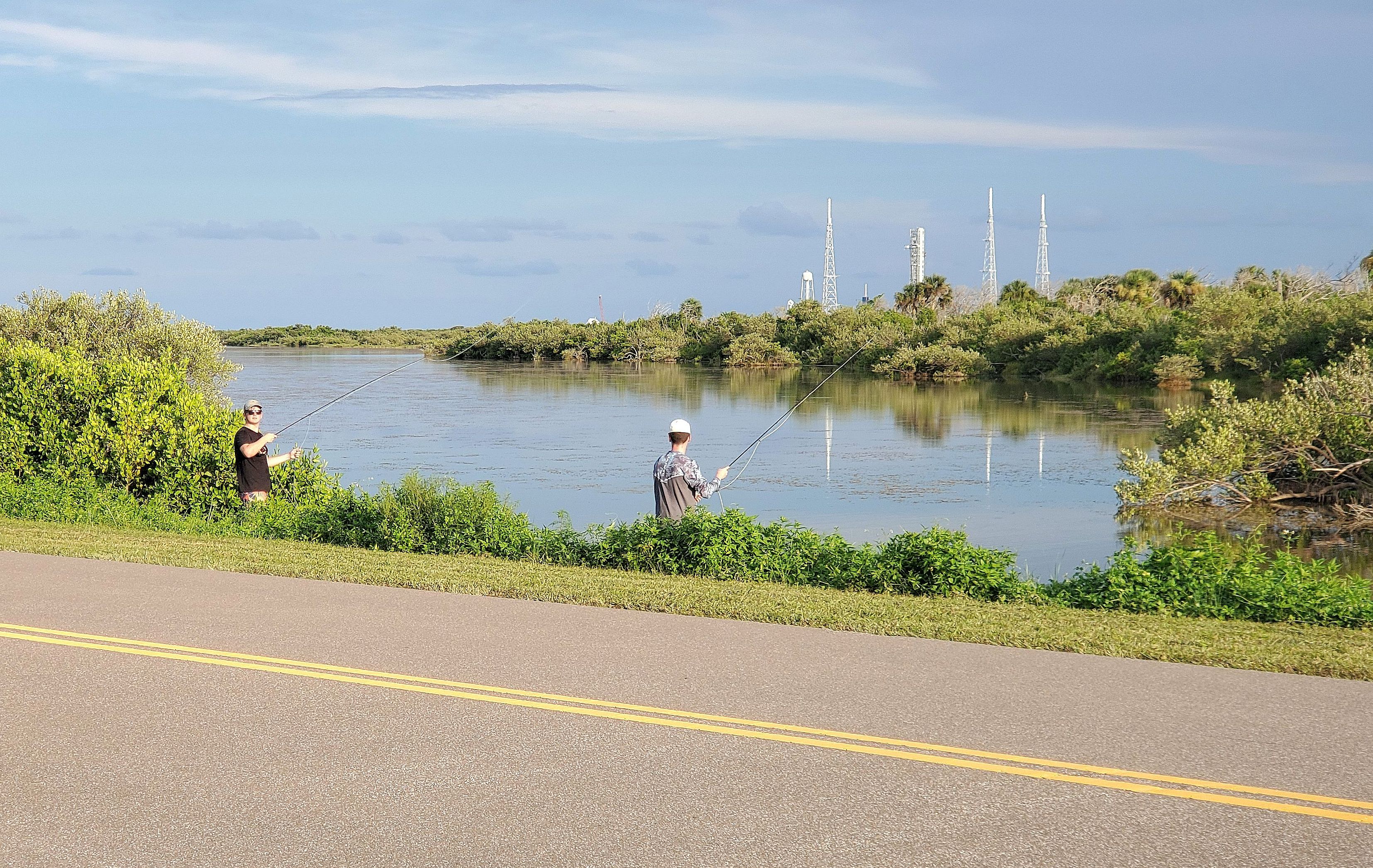 Mosquito Lagoon and Indian River Summer fishing conditions are upon us and on most days, the air temperatures in our area have been hovering around the 90 degree mark. This means that on most days, getting a line in the water before dawn is a necessity if you plan on catching decent size fish. Although water levels in the Mosquito Lagoon have dropped a bit, the water clarity in many of the shallower flats is good for early morning sight fishing. The predawn early morning hours up until about 9:00 am is when you can expect to find the best sight fishing opportunities for spotted sea trout and redfish. The spotted sea trout bite in the Mosquito Lagoon has been on fire and a lot of trophy size fish have been caught in the predawn hours, at dusk, and by night fishermen. The best bet for catching a "gator" size sea trout is to fish with a live Croaker, pigfish, pinfish, or fingerling mullet under a float. Artificial lure anglers like myself do well with topwater Zara Spooks, Chug Bugs, Skitter Walks, XPS Slim Dogs, or anything that resembles a finger mullet fished around the bait pods. Smear your hard bait with some Pro-Cure offshore formula to improve your hookup ratio. The mullet pods have been congregating just outside of the bars and dropoffs and a Chug Bug in the early morning hours has been the bait of choice for large sea trout. The largest sea trout (those over 18") are usually hanging right on the perimeter of the schools waiting to pick off straying fish. A well placed topwater bait fished around the edges of the pods is a killer bait for big fish. The middle section of Tiger Shoal along the false channel bar in the Mosquito Lagoon, the Klinker Islands west of the ICW, Cucumber Bar around Cucumber Island, and the southern flats around the Whale Tail are all good areas to target during the early morning hours. 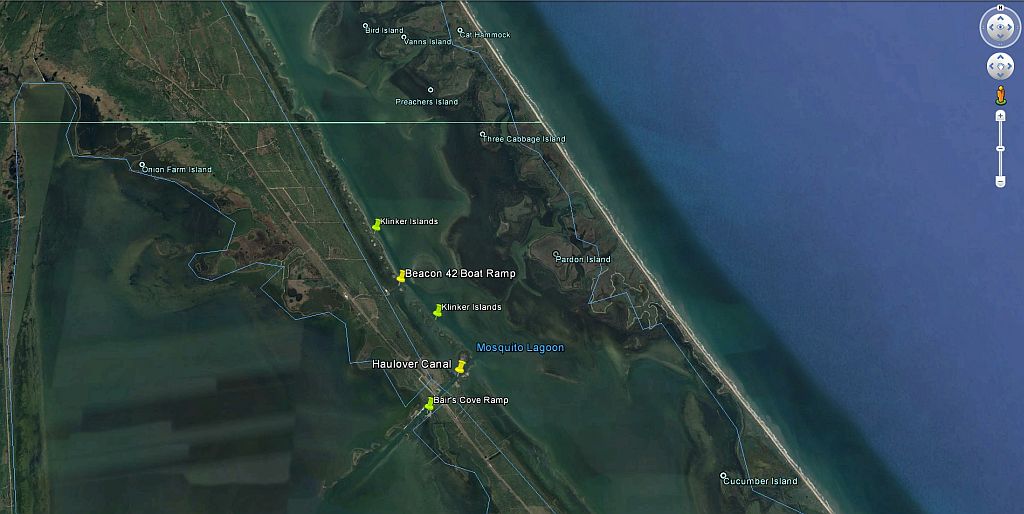 In the Indian River, the flats around Black Point Wildlife area, Dummitt Cove south of Haulover, and the Scotsmoor area are all good areas to target big sea trout and oversize redfish. The deeper flats directly across from the Scotsmoor shallow boat launch in an area called the Onion Farm, all the way up to the barrier at Shiloh Road is a good area to target oversize redfish, black drum, sea trout, tarpon, and ladyfish. Cut baits and live finger mullet are baits of choice on the deeper flats for both sea trout and redfish. The guys fishing live or fresh dead shrimp and sections of blue crab are also catching bull reds and black drum in these areas. August is normally when schools of bull redfish move from the Mosquito Lagoon, through Haulover Canal, into the deep water flats in the northern section of the Indian River to spawn. This is a great time to target the deep waters of Haulover Canal, the bridges along the ICW channel, and the deep water flats north of Titusville to hookup with a redfish in the 40 inch plus category. Live blue crabs, pinfish, mullet, and fresh chunks of ladyfish or mullet are the preferred baits, but gold Johnson Sprite spoons, soft plastic baits, and jigs also take a good share of fish when the conditions are right. Some large schools of 10 to 15 lb black drum shadowed by smaller schools of slot size redfish have been hanging around the schools of finger mullet on the shallow, skinny flats that are close to deeper water. A few larger redfish have been shadowing the schools, and are occasionally mixed in with the schools of smaller size fish, and are holding tight in 2 to 3 feet of water. Live or fresh dead shrimp and sectioned blue crab have been baits of choice for black drum. During the month of August, juvenile Tarpon from 3 to 50 pounds become more abundant in the Mosquito Lagoon, the Indian River, and the Banana River.
The deep flats along the Pineda Causeway leading into Patrick AFB and the Vistas in the Canaveral National Seashore along the road heading to Playalinda Beach are also productive during the summer months. You can spot them rolling in the residential canals, feeder creeks especially around the mouths, and around some of the dredge holes almost any time of the day throughout the summer months. You can catch them on Chug Bugs, 3" X Raps, 3" suspended baits, Creme paddletail baits, Clouser or Deceiver flies, or anything that mimics a small glass minnow. Match the hatch and you will get a hookup. Although Snook season is closed until September 1st, the Snook bite has been on fire in our area, especially in the Ponce Inlet, Port Canaveral, Partick AFB, and more Southern areas. Because the exposed coquina and worm rock formations hold an assortment of baits that the fish prey upon, the five mile stretch between Satellite Beach and Indialantic near Melbourne and Canova Beach at the east end of Eau Gallie Blvd. has always been a super productive area for Snook. The public access points at Playalinda Beach along the Canaveral National Seashore and the 15 miles of beach along State Road A1A between Melbourne Beach and Sebastian have deeper troughs that are perfect habitat for large spawning Snook. Large live Croaker or mullet will usually outperform an artifical bait for the larger Snook, and a 10" or 12" lbait on a 4/0 or 5/0 hook is about the right size. Large topwater baits fished at first light or during the first couple of hours after dusk along with single hook swim baits like the 5"or 6" Storm plastic swim bait, bucktail jigs like the FlareHawk, and plastic grubs will also pick up a good share of large Snook, especially when fished at night under the lights. Fish a live croaker, mullet, pinfish, menhaden, pilchard, or any kind of herring bait along the jetty rocks or piers on an outgoing tide for the best bite. Offshore And Nearshore Fishing
Kingfish will be the staple species for near shore fishermen this month on the near shore wrecks and reefs, with dolphin, wahoo, and an occasional sailfish thrown in for good measure. The 70-90 foot Chris Benson, Pelican Flats, and 8A areas are usually hammered during the month of August, but good numbers of kingfish can also be found just east of Playalinda Beach north of Cape Canaveral, in the turning basins inside of the Port, and in the main shipping channel. The main shipping channel at Port Canaveral is about 3 1/2 miles long and is connected from the north side to the deep water turning basins. Large schools of baitfish occasionally invade the 35 to 40 foot depths inside the Port and when this happens, the kingfish are usually close behind. The King Mackerel bite this past week has been hot an heavy out of Port Canaveral from the beach, all the way out to the reefs. With the full moon this past week, the fish have been feeding heavily closer to the beach in preparation for their spawn and good numbers of king mackerel have been caught in the main shipping channel this past week by anglers slow trolling live pogies on stinger rigs. Most fishermen will begin by slow by trolling a large 10" to 12" mullet from the entrance of the Port into the middle turning basin, and then back. When the baitfish are really thick, immediate hookups are not uncommon. Although the Trident submarine basin is off limits to boaters, it holds the most numbers of kingfish. The middle basin (part of the main section of the Port) is usually the best area to target but you need to familiarize yourself with the rules and regulations applicable before fishing the area. Most of the king mackerel that are being caught are in the 12 to 18 pound range, but plenty of fish in the 20 to 30 pound category have also been caught nearshore. 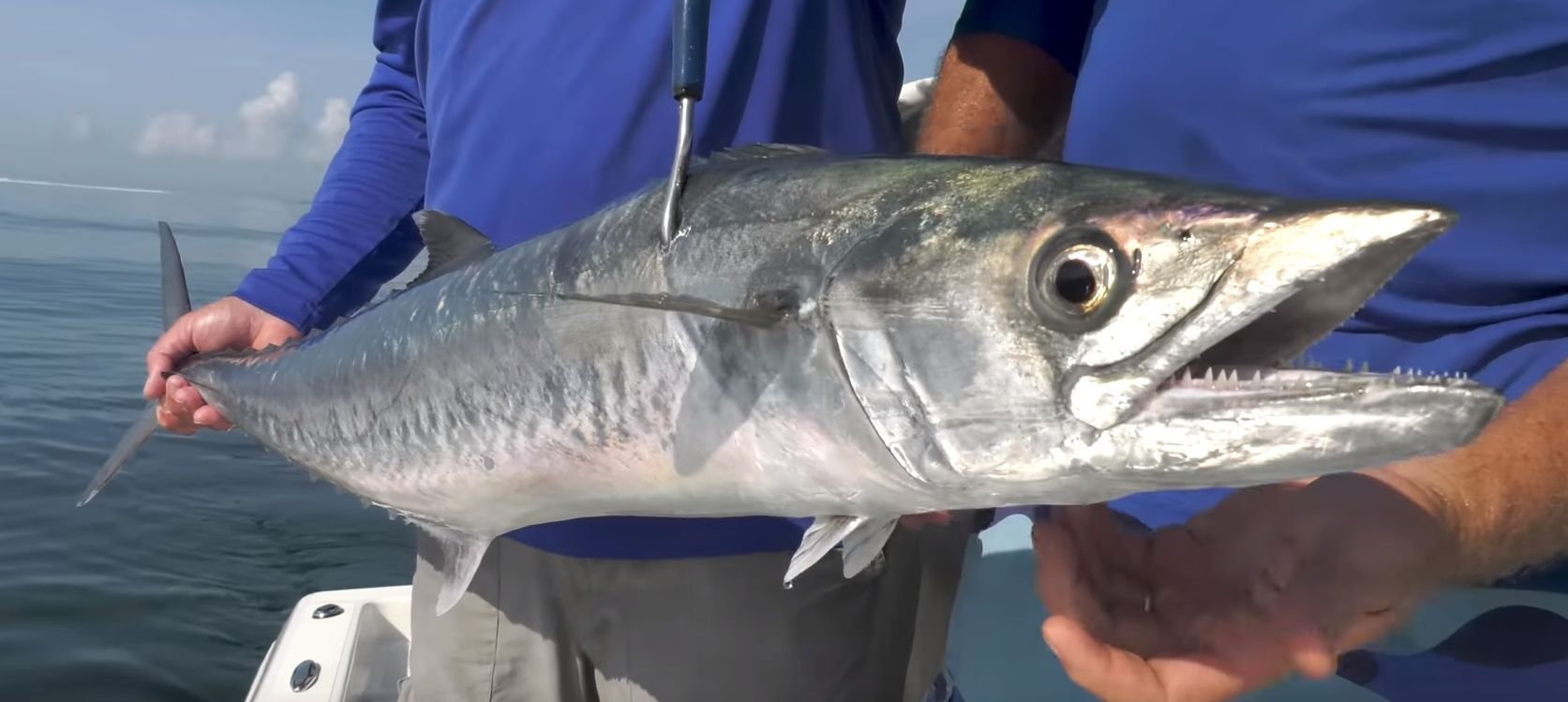 The summer Snook spawn is also going strong right now near shore, at the inlet jetties, and along our beaches. Live pilchards, croakers, Mojarra, or pinfish on a knocker rig is the best way to target the biggest fish and will get the job done during most days. If you're Snook fishing at night, the Rapala X-Rap 14 in the Bone color or the Saltwater Assassin 5" or 6" swimbait in the black shad or smokin shad color are getting hammered under the lights. Farther out over the deeper reefs and wrecks in 160 to 250 feet of water, the Gag Grouper bite has also been going strong out of the Port. Large live baits, large chunk baits, or 16 to 24 oz. deep jigs tipped with a piece of ballyhoo should get you a hookup. During late July and early August, there is always the chance that an upwelling of cold water can force deep water reef fish closer inshore. This sometimes happens with Cobia out of Port Canaveral. If this happens, which seems likely, you can expect to see good numbers of Cobia showing up around the inshore wrecks and bars that are holding sardines, blue runners, etc. When this occurs, anglers slow trolling for kingfish over the 60 to 90 foot reefs with Menhaden or sardines will also have a good chance of hooking up with a Cobia. The average size Cobia in our area is between 30 and 40 pounds, but larger fish are always possible, so gear up accordingly. Surf Fishing Surf fishing this month is tied into the baitfish run and right now the Snook bite is in full gear.
The spawn is in progress and big Snook can be had in the deeper troughs along the beach and jetties throughout East Central Florida. A 10" to 12" live mullet or large Croaker on a sliding sinker or knocker rig can get you a hookup with a trophy Snook in the surf for the next couple of weeks. Whiting will also be a species to target during the summer months. Light tackle on a 7 1/2 foot "river rod" with a knocker or sliding sinker rig is all you need to get whiting from the surf. Sand fleas are the best bait, but small pieces of live or fresh dead shrimp, or Fishbites also work well. Shark fishing will dominate surf fishing in many areas of our coastline during the summer months. 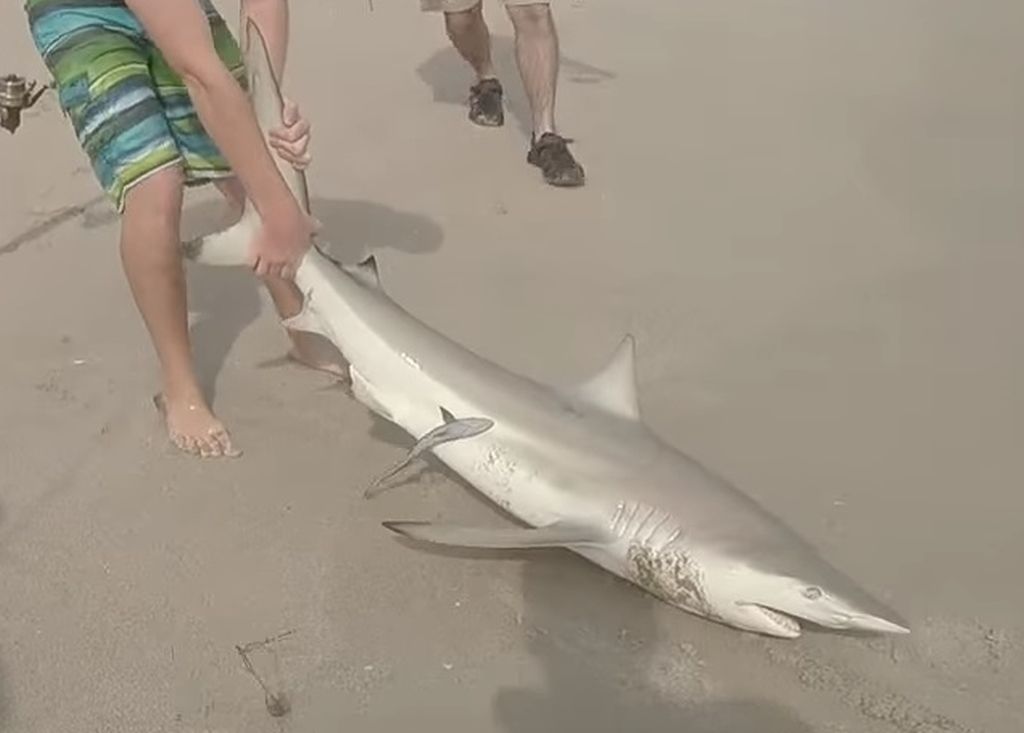 Sharks of almost any species can be caught anywhere off the beach and along our inshore waters on a variety of live or chunk baits almost throughout the year, but they are much more active and plentiful during the summer months. Nylon coated multiple strand leaders, single wire leaders, or heavy mono is needed to prevent cutoffs, and heavier tackle is highly recommended to bring the fish in quickly. Most shark caught in the surf will be less than 6 feet in length, but Nurse Sharks, Bull Sharks, some Bonnethead Sharks and Hammerheads up to 12 feet long are always a possibility. Bull Sharks will often follow schools of baitfish into the Indian River where they bear their young. They are an aggressive species capable of living in fresh water and can often be found hundreds of miles inland from the sea. Bull sharks are one of the few species that will intentionally go after humans and are responsible for the majority of shark bites in the United States. If you enjoy wade fishing for sea trout and redfish like I do, pay attention to your surroundings this month for sharks and gators. ______________________________________
Haulover Canal
Haulover Canal fishermen are already targeting the oversize Redfish that travel from the Mosquito Lagoon to the northern Indian River to spawn but Black Drum, Snook, Tarpon, and Sea Trout are always a possibility during August. 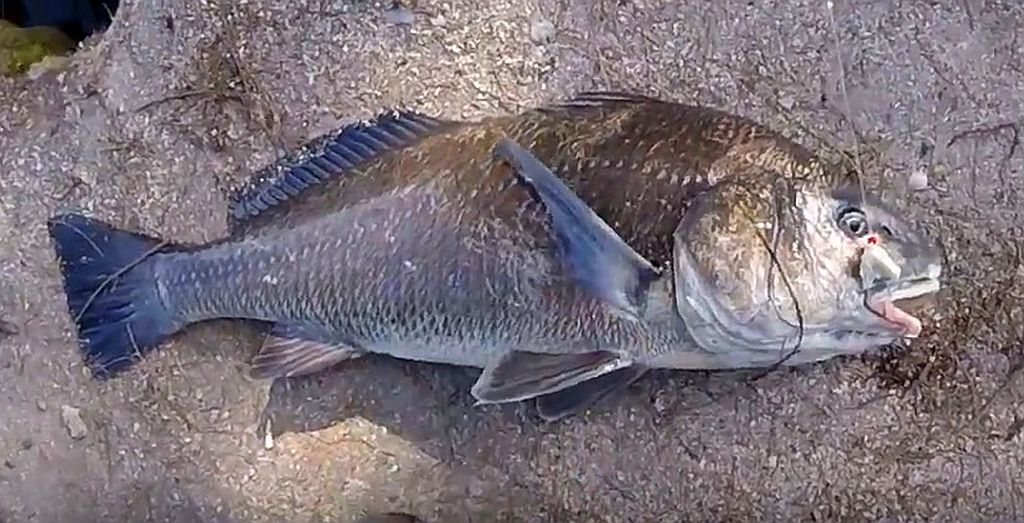 The mouths of the Indian River and the Mosquito Lagoon are where boaters congregate to fish for bull reds and big black drum. Sliding sinker rigs with a large 6/0 VMC 7685 circle hook and half of a fresh blue crab is considered the bait of choice for big redfish but live mullet, Croaker, pinfish, or chunks of fresh cut ladyfish also work well. Night fishing by boat is allowed at Haulover and some nice snook, sea trout, and tarpon are caught at night by fishermen using topwater and suspended twitch baits. The black drum bite in the canal this past week has been good with a lot of slot size fish being caught by bank fishermen. Shrimp is by far the bait of choice for black drum. ______________________________________ Spiny Lobster
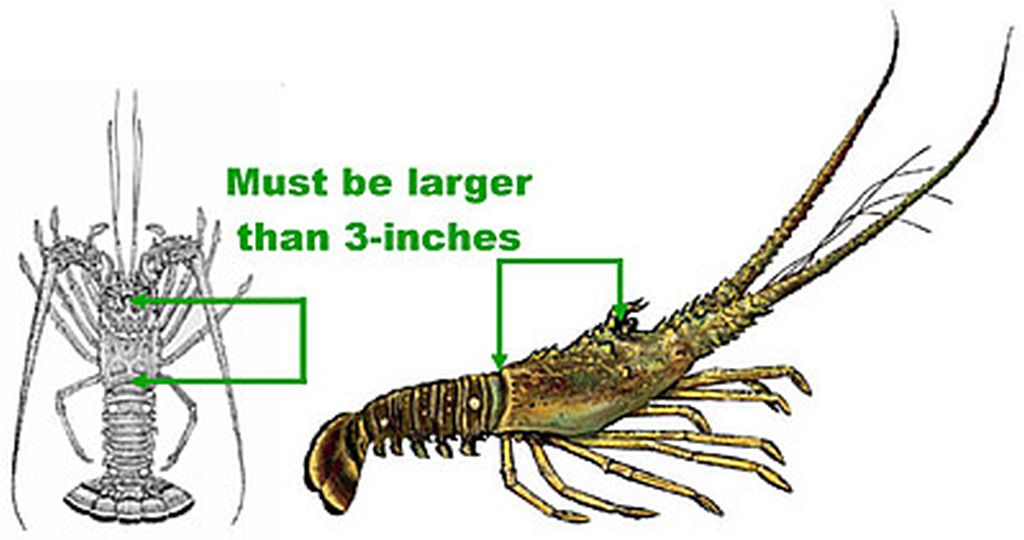
For additional information on harvesting Spiny Lobster Click Here. Till Next Month, Good Fishing & Tight Lines To You All!
|
|||
| Link One | Link Two | Link Three | Link Four | Link Five | Unsubscribe to this newsletter |