Your June 2019 Mosquito Lagoon & Indian River Fishing Report
Published: Sat, 06/01/19
| Newsletter Issue # 119 | June 1, 2019 |
||||||
Mosquito Lagoon & Indian River Fishing |
|||||||
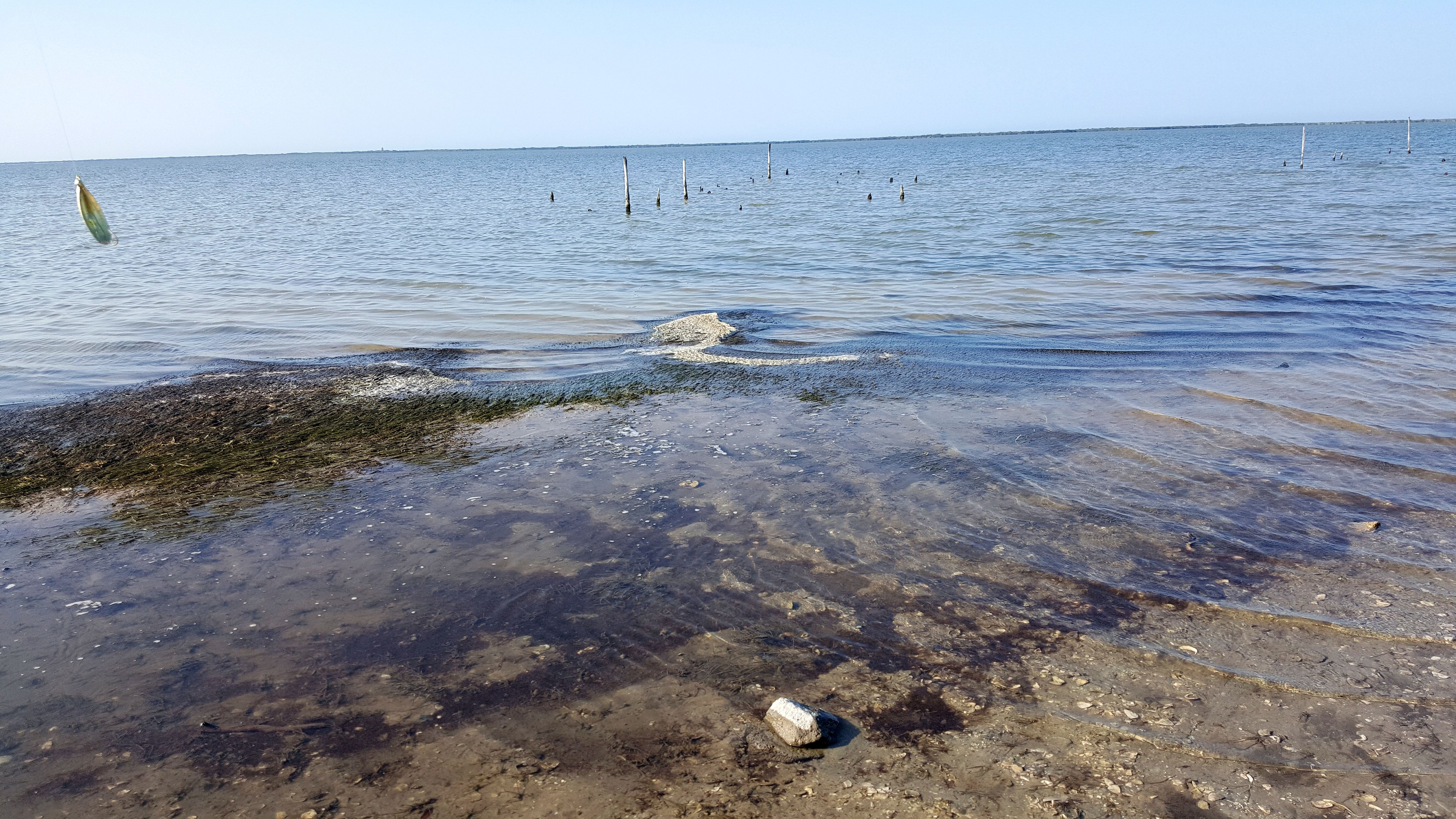 The Mosquito Lagoon and Indian River
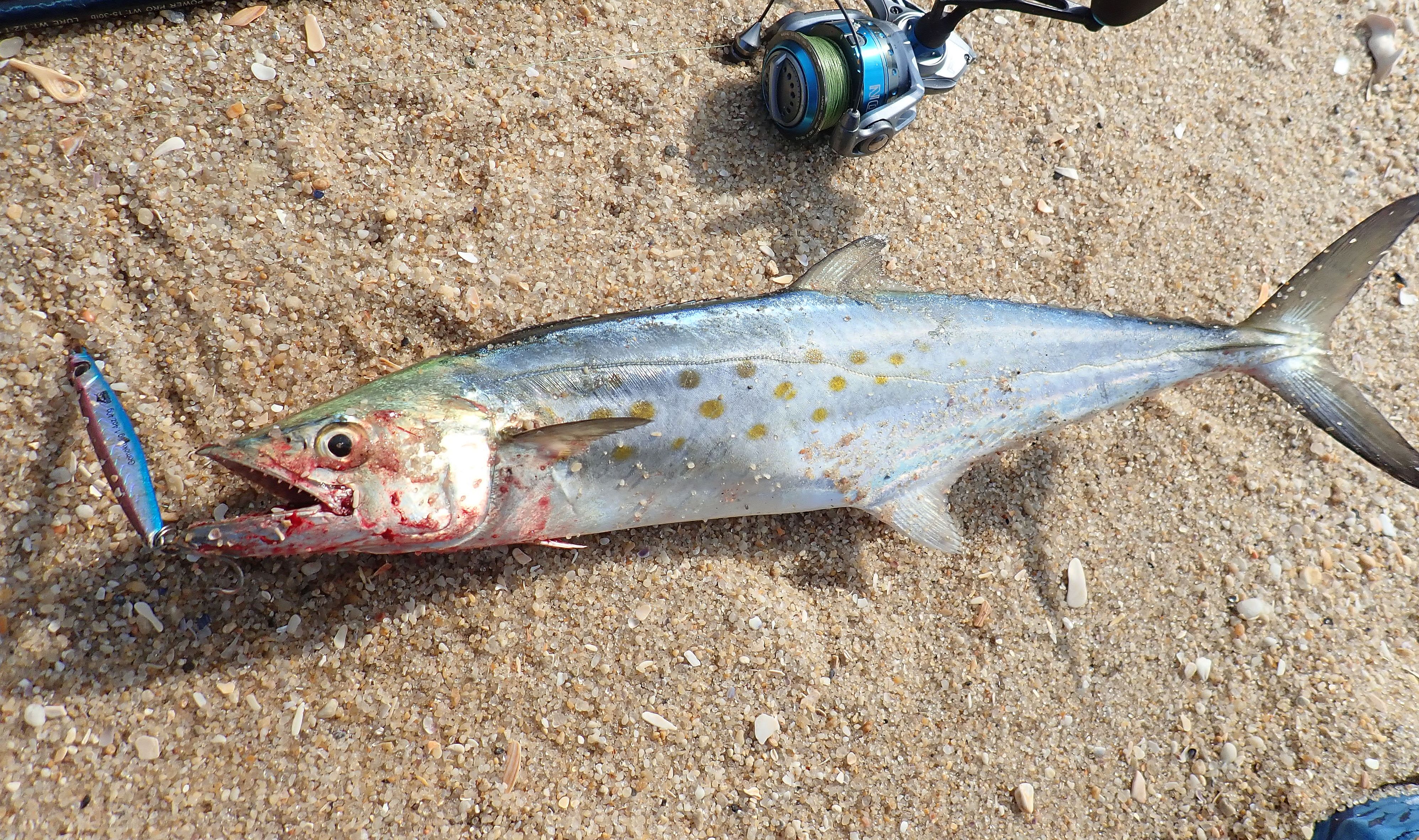
Inshore, the Spanish mackerel are chasing glass minnows and shrimp throughout the entire East Central region.
The majority of Spanish mackerel have been holding closer to the edge of the ICW.
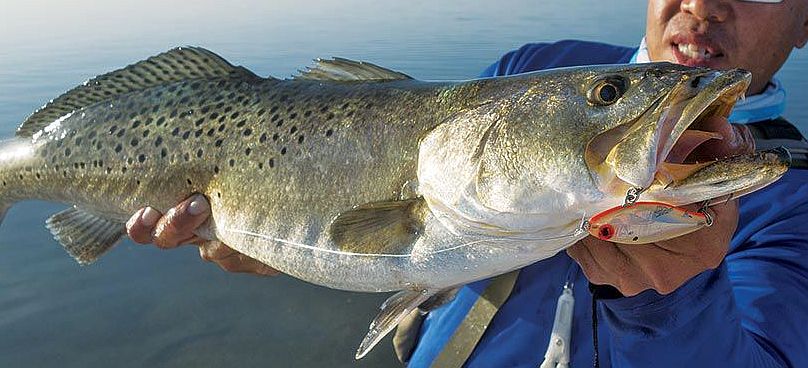
The best bet for hooking into a gator trout early in the morning or later in the afternoon close to dusk, is to fish a topwater bait just outside the bait pod. When the bite slows down, toss a live Croaker or large finger mullet under a Cajun Thunder type float. This year the water is low and discolored a dirty brown from the brown algae bloom and the fish have not showed up in the creeks in the same numbers.
Hopefully when we get some rain and the water start to rise, more fish will be coming into the creeks.
Playalinda Beach Along Playalinda and our other area beaches, "bull" whiting, black drum, Margate, Spanish mackerel, bluefish, and a variety of shark will be the main species targeted by surf fishermen this month. 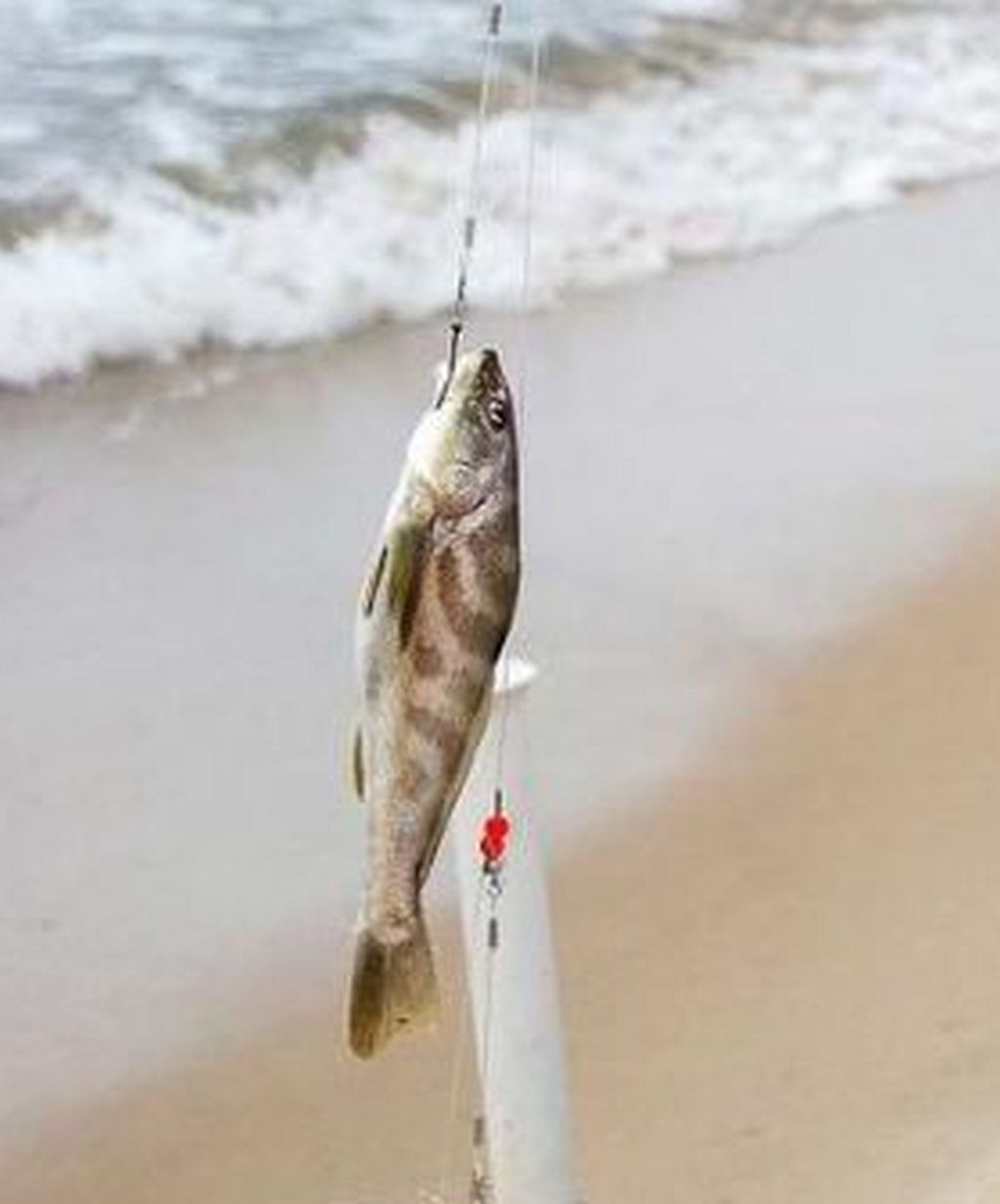 Whiting are a staple to surf fishermen. They are plentiful, easy to catch, and great eating. Whiting are a staple to surf fishermen. They are plentiful, easy to catch, and great eating.All you need to catch a mess of whiting in the surf is a surf rod with a 2 or 3 hook "pompano" dropper rig, some bait, and enough lead to hold bottom. When the seas are calm enough, many surf fishermen use a 7 or 7 1/2 foot river rod and a sliding sinker rig with bait, or a small white or yellow jig tipped with a small piece of shrimp or Fishbites to fish the closer troughs. Sand fleas, small pieces of shrimp, Fishbites, and small strips of clam are all good baits for catching whiting in the surf. Whiting travel in small schools up and down the beach feeding on small crustaceans in the troughs created by wave action. They are often in the closest troughs from the beach where only a short cast is required to catch them. The deep water troughs between the sandbars are where the biggest whiting are usually holding and where you want to target your casting. Breaks or cuts in a sandbar are often hot spots for fish that use them to swim between the troughs. Don't surf fish blind. Take a bit of time before you set up your sand spikes to read the beach. Target the breaks, inner troughs, and deeper sloughs that form up just past the shore breaks. Look for rips and wash out areas that can pull small clams, sand fleas, and crabs out into the deeper troughs. Big whiting, black drum, and pompano will often stage just outside of the rips to snatch food as it is pulled into the troughs. At Playalinda Beach, sandbars can form 15 to 30 yards out past the first troughs. Watch the waves as they approach the farthest sandbar. They will break up and reform over the trough, where they break up again over the next sand bar, until they finally reach the shore. The best way to find out where the fish are feeding is to stake out several rods and cast varying distances from the beach. Keep the baits in the feeding zone and when you start catching fish, note the distance and set all your baits in that general area. If you don't get a bite in a reasonable amount of time, don't sit around and get sunburned; move to another likely spot. The best times to fish for whiting is during a moving tide. An incoming tide us usually best, especially if it is in the early morning. 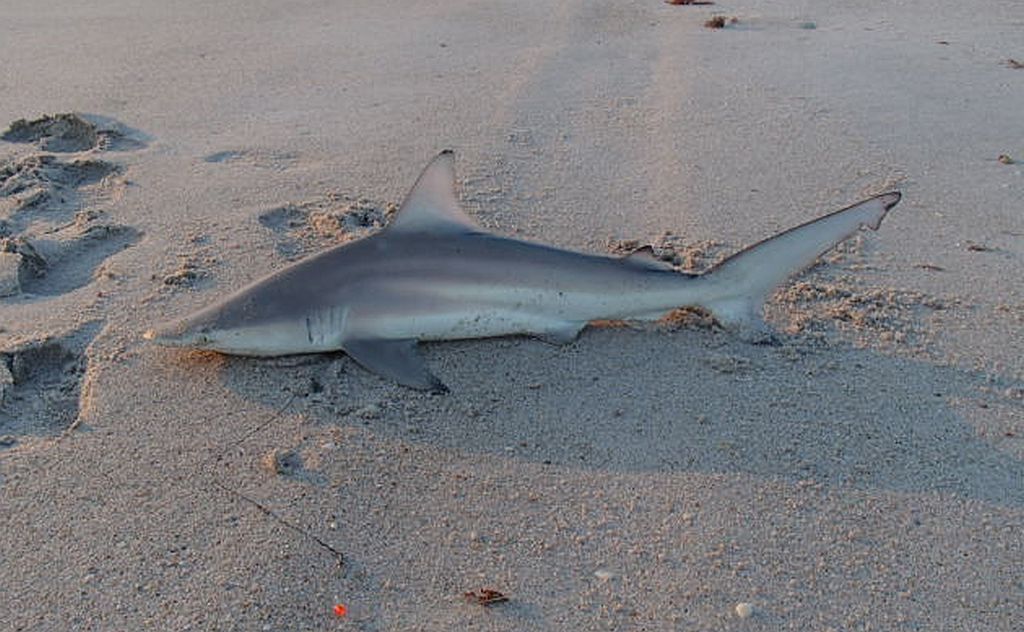 June is also a good month for surf fishermen targeting shark, and although almost any species can be caught in the surf; Bonnet Head, Blacktip, Bull, and Nurse Shark are the most common in our area. Most surf fishermen targeting sharks use a plastic coated wire cable or single wire leader with a large VMC circle hook and a 60 pound or heavier Power Pro main line. Baits of choice for shark fishermen are large chunks of Bonita, stingray, mackerel, ladyfish, or mullet; but any bloody or oily fleshed fish can be used. Tiger sharks will eat almost anything that happens to end up in the ocean. Most of the shark caught from the beach in our area are less than 100 pounds, but every year much larger fish are landed along our coast. Port Canaveral Offshore and Nearshore In the northern section of the Central East region, the King Mackerel bite has been red hot for the past couple of days. The offshore kingfish bite in the afternoons has been really good and is expected to get better and better earlier each day as the month progresses. Most of the kingfish action will be in the 50 to 80 foot depths throughout most of the East Central region. There are a variety of different ways to get kingfish to strike, and slow trolling is one of the most popular in our area. 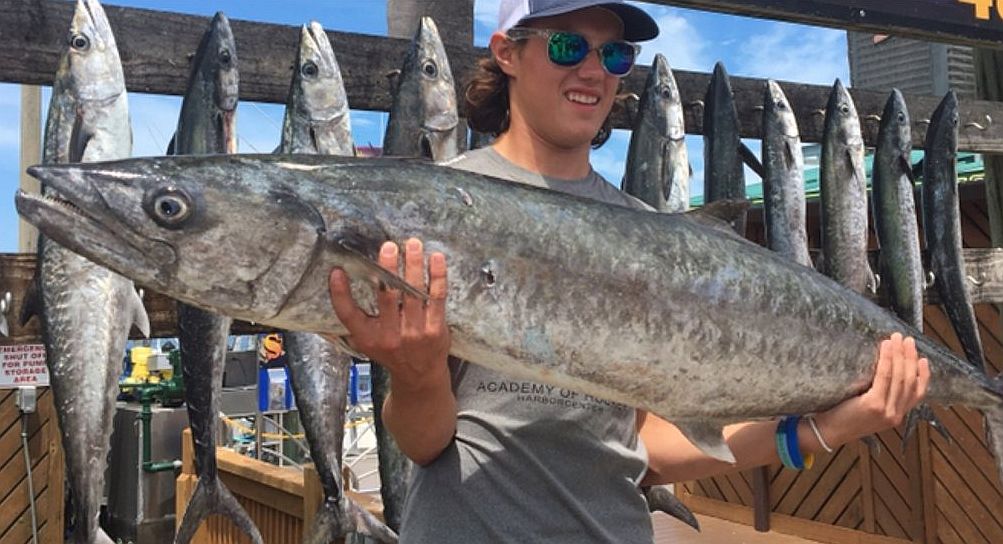 Rig a live or frozen bait fish on a stinger rig and troll it behind the boat at about 1 to 1.5 mph. This is usually fast enough to pull live baits along without getting them tangled up with each other, but not so fast so that you kill the baits. From Canaveral to Sebastian, live baits like mullet or blue runners will usually pick up good numbers of king mackerel, and along the beaches, the kings will frequently skyrocket on the live baits. Spoons and strip baits pulled behind a Sea Witch will also get good numbers of king mackerel but the captains that have been catching the most numbers of kingfish have been pulling Rapala X-Rap magnum lipped diving plugs in the black with silver belly pattern over the 9 mile and the Party Ground reefs. Faster trolling speeds can be used with large spoons, Rapala X-Rap magnums, or Sea Witch/bait strip combos. The average size king mackerel in our area has been running around 10 to 20 pounds. Giant Jack Crevalle are beginning to make their way throughout our near shore region right now and if you are a light tackle angler, don't pass up a chance to throw a topwater Williamson popper or other such topwater lure at a school of these hard fighting fish.  When fishing for Jack Crevalle with topwater chugger type baits, you will often see 4, 5, or more Jacks charging the bait to be the first to eat the big popper. The best way to fish for big jacks when you see a school, is to run out about 100 yards or so in front of the fish and shut down the boat. Let the fish come to you. Start chugging the popper as aggressively as possible, and hang on for the hookup. Most of these Jacks are running in the 20 to 35 pound range, so gear up with appropriate tackle. Anglers running farther offshore to deep drop the 600 foot plus depths are catching good numbers of tile fish, yellow edge, and snowy groupers. 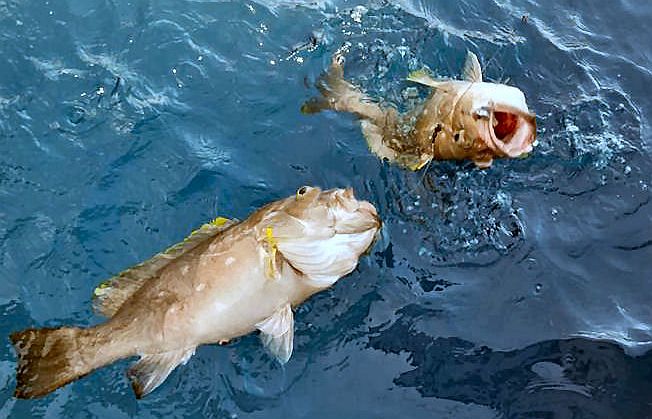 Gag grouper can also be found on the ledges and wrecks out of Port Canaveral in 160 to 250 feet of water. Live pinfish, grunt, and croakers on a standard bottom rig have been producing some good fish. The largest gag grouper are in the 180 to 240 ft depths in the area known as the “The Cones” by anglers out of Canaveral, and “The Steeples” by anglers out of Ponce. Large live baits like bluefish and big croaker, or large chunks of Bointa are accounting for the biggest gags. Generally, the bigger the bait; the bigger the fish you catch. Nearer to shore, the flounder action was really good last week near the entrance to Port Canaveral. Mud minnows and small pilchards seemed to be the bait of choice for most anglers who were using sliding sinker rigs with short fluorocarbon leaders to keep the baits on the bottom, but live shrimp, "bull" or mud minnows on an Assassin pro elite series jig head, and white or chartreuse curly tail jigs are also catching good numbers of flounder. Anglers fishing inside the Port have been catching a mixed bag of snook, founder, mangrove snapper, jack crevelle, and bluefish. Most of the flounder caught inside Port Canaveral have been in the 2 to 3 pound category,with a few running into the 4 to 6 pound range. Tight Lines and bent rods! |
|||||||
| Link One | Link Two | Link Three | Link Four | Link Five | Unsubscribe to this newsletter |